
HVAC Maintenance: Signs of Repair Needs
- Most experts agree you should service your HVAC system twice a year, in spring before summer heat and in fall before winter cold, for efficiency and safety.
- Loud, sudden, or metallic noises like grinding or banging warrant immediately shutting down the system and calling a professional to avoid irreparable damage.
- Warning signs of needed repair include weak or uneven airflow, unexplained spikes in energy bills, inconsistent temperatures, and strange musty or burning odors.
- A system that runs constantly without reaching the set temperature signals inefficiency from causes like a refrigerant leak, clogged filter, or an aging unit.
Table of Contents
ToggleYour heating, ventilation, and air conditioning (HVAC) system works hard to keep your home and/or business comfortable all year round. It’s a complex machine that requires attention to run smoothly and efficiently. Understanding the basics of HVAC maintenance and recognizing the early signs of trouble can save you from costly breakdowns, high energy bills, and uncomfortable living conditions. This guide will walk you through the importance of regular upkeep and help you identify when it’s time for a professional HVAC repair.
Introduction to HVAC Maintenance
Think of your HVAC system like your car; it needs regular tune-ups to perform at its best. Neglecting it can lead to decreased performance, higher energy consumption, and a shorter lifespan. Regular HVAC maintenance is not just a recommendation—it’s a crucial investment in your home’s comfort and your system’s longevity.
Importance of regular HVAC maintenance
Proactive care is always better than reactive repair. Scheduled maintenance ensures all components of your system are clean, lubricated, and functioning correctly. This process helps catch small issues before they become major, expensive problems. A well-maintained system operates more efficiently, provides better air quality, and maintains consistent temperatures throughout your space.
How often should HVAC maintenance be done for efficiency and safety?
For optimal performance, most experts agree that you should service your HVAC system twice a year. Schedule a maintenance visit for your air conditioning unit in the spring, before the summer heat arrives. Then, have your heating system checked in the fall, before you need it for the winter cold. This biannual schedule ensures your system is prepared for the seasons of heaviest use, promoting both efficiency and safety.
Common Signs Your HVAC System Needs Repair
Even with regular maintenance, parts can wear out. Being aware of the warning signs can help you act quickly and prevent a complete system failure. If you notice any of the following issues, it may be time to call for an HVAC repair or review these AC troubleshooting tips before the problem gets worse.
Unusual Noises From Your HVAC System
Your HVAC system should operate with a gentle hum. Loud, sudden, or persistent noises are a clear signal that something is wrong.
Grinding, banging, or squealing sounds explained
- Grinding: This often points to a serious issue with the motor’s bearings. If you hear grinding, turn off your system immediately to prevent further damage.
- Banging: A loud banging sound could indicate a loose or broken part, such as a connecting rod or piston pin inside the compressor.
- Squealing: High-pitched squealing often suggests a problem with a belt or motor that needs professional attention.
When noise indicates a need for immediate HVAC repair
Any noise that is abrupt, loud, and metallic—like grinding or banging—warrants an immediate shutdown of your system and a call to a professional. Continuing to run the unit could cause irreparable damage.
Weak or Uneven Airflow
If you feel very little air coming from your vents, or if some rooms are comfortable while others are not, you likely have an airflow problem.
Causes of poor airflow in your home or business
Common culprits include a clogged air filter, blocked vents, or issues within your ductwork. In some cases, a failing blower motor could be the cause. These problems force your system to work harder, reducing efficiency and increasing strain on its components.
How regular HVAC maintenance prevents airflow issues
During a maintenance visit, a technician will replace dirty filters, inspect your ductwork for blockages or leaks, and ensure your blower is functioning correctly. This simple check-up can restore strong, even airflow throughout your property.
Rising Energy Bills Without Increased Usage
A sudden, unexplained spike in your utility bills is a major red flag. Your HVAC system is one of the largest energy consumers in your home or business, and inefficiency directly translates to higher costs.
Why inefficient HVAC systems increase energy costs
When components are dirty or worn, your system must run longer and work harder to heat or cool your home. This extra effort consumes more electricity or gas, leading to a noticeable increase in your monthly energy expenses.
Link between energy spikes and the need for repair
If your usage habits haven’t changed but your bills are climbing, it’s a strong indicator that your HVAC system needs a professional inspection. A timely repair can restore efficiency and bring your energy costs back down.
Inconsistent Temperatures Throughout Your Space
Do you have rooms that are always too hot or too cold, no matter where you set the thermostat? This indicates your system is struggling to distribute conditioned air evenly.
Hot and cold spots as a warning sign
Inconsistent temperatures can be caused by various issues, including leaky ducts, a poorly calibrated thermostat, or a system that is improperly sized for your home. These problems prevent your HVAC unit from reaching the desired temperature consistently.
When to schedule HVAC maintenance or repair
If you notice persistent hot and cold spots, it’s time to schedule a service call. A technician can diagnose the root cause, whether it’s an airflow problem or a failing component, and recommend the best solution.
Strange Odors Coming From Vents
Your HVAC system should circulate clean, neutral-smelling air. Any unusual odors are a sign that something needs to be checked.
Musty smells vs. burning odors
A musty or moldy smell often indicates the presence of moisture and microbial growth within your ductwork or on the evaporator coil. In contrast, a burning smell is a more urgent issue that could signal an electrical problem or an overheating motor.
What odors can signal about your HVAC system
- Musty: Mold or mildew buildup.
- Burning: Overheating motor or electrical wiring issue. Turn off the system immediately.
- Rotten Eggs: This could be a natural gas leak, a serious safety hazard. Leave your home and call your gas company right away.
Excessive Humidity or Dust Indoors
Your HVAC system plays a key role in managing indoor air quality. If you notice an increase in dust or humidity, your system may not be functioning correctly.
Impact of poor HVAC performance on indoor air quality
A struggling air conditioner may not be able to effectively remove humidity from the air, leading to a sticky, uncomfortable environment. Likewise, a system with a dirty filter or leaky ducts will circulate dust, pollen, and other allergens throughout your home.
How maintenance keeps humidity and allergens in check
Regular HVAC maintenance includes cleaning coils and replacing filters, which helps your system manage humidity levels and capture airborne particles. This ensures cleaner, healthier air for you and your family.
System Running Longer Than Usual
If your HVAC system seems to run constantly without ever reaching the set temperature, it’s a clear sign of inefficiency.
Signs of HVAC inefficiency
Constant cycling can be caused by a refrigerant leak, a clogged filter, or an aging system that can no longer keep up with demand. It’s working overtime, which puts immense strain on the components and drives up energy costs.
Repair vs. replacement considerations
If your system is over 10-15 years old and requires frequent, expensive repairs, it may be more cost-effective to replace it. A new, high-efficiency model will provide better comfort and significant long-term savings on energy bills.
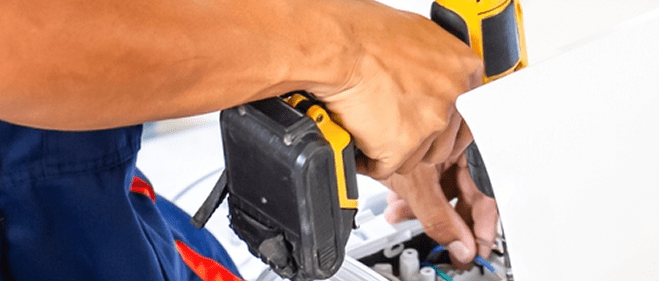
Emergency HVAC Issues We Fix
Your system may need urgent attention if you’re experiencing:
- No airflow from vents
- Furnace blowing cold air
- AC blowing warm air
- System won’t turn on
- Iced-over AC or refrigerant line
- Thermostat not responding
- Loud, unusual noises from the unit
- Weak airflow or poor indoor air quality
- Water leaks around the unit
- Burning smells or electrical odor
- Complete system failure
If you notice any of these signs, don’t wait. Contact COOL AID for immediate HVAC help.
The Role of Regular HVAC Maintenance
Proactive care is the best defense against unexpected breakdowns and high repair bills. Committing to a regular service schedule keeps your system in peak condition.
How often should HVAC maintenance be done?
As a best practice, schedule HVAC maintenance twice a year: once in the spring for your cooling system and once in the fall for your heating system. This prepares your equipment for the demands of the upcoming season.
Preventing costly repairs with scheduled servicing
During a maintenance appointment, a technician inspects, cleans, and tunes up dozens of components. This preventative service can identify worn-out parts, potential electrical issues, and refrigerant leaks before they lead to a catastrophic failure, saving you money and stress.
When to Call for Professional HVAC Repair
Some issues require immediate professional help. Ignoring warning signs not only risks damaging your system further but can also pose a threat to your safety.
Safety concerns if signs are ignored
A burning smell could indicate a fire hazard, while a gas leak is an explosive risk. Even something as simple as a refrigerant leak can be harmful to the environment and your health. Do not attempt to fix complex HVAC issues yourself.
Benefits of timely professional intervention
Calling a certified HVAC technician at the first sign of trouble ensures the problem is diagnosed correctly and repaired safely. Prompt action minimizes damage, restores efficiency, and provides peace of mind that your system is running as it should.
Take Control of Your Home Comfort
Your HVAC system is essential for a comfortable and healthy home. By understanding its needs and recognizing the signs of distress, you can ensure it runs efficiently for years to come.
Remember the top signs your HVAC system needs repair: unusual noises, weak airflow, rising energy bills, inconsistent temperatures, strange odors, poor air quality, and constant cycling.
Don’t wait for a small problem to become a major headache. Be proactive about your comfort and safety. Contact 1800 Cool Aid today to schedule your regular HVAC maintenance or to get a fast, reliable repair. Our team is ready to keep your system running perfectly.
Troubleshooting Guides
Symptom-by-symptom guides from our technicians on what a fault usually means.
Repairs & Troubleshooting
- Why Your AC Is Making a Buzzing Noise
- AC Not Cooling? Common Problems in Newark Homes
- How to Know If Your Ducts Are Leaking: Simple Tests for Bay Area Homes
- How to Tell If Your Ductwork Is Causing HVAC Problems
- What to Expect During a Professional HVAC Repair Service Appointment
- Why Your HVAC System Has Weak Airflow and How to Fix It
- What Causes HVAC Systems to Freeze Up?
- Why Your AC Keeps Turning On and Off (Short Cycling)
Thermostats & Controls
More Guides
- 5 Warning Sounds Your HVAC System Should Never Make
- AC Not Turning On? Here’s What Homeowners Should Check First
- What’s the Difference Between HVAC and AC?
- HVAC Emergencies: When to Call a Professional
- Understanding HVAC Electrical Components: What Homeowners Should Know
- Why Your AC Takes Too Long to Cool the House
- Why Your HVAC System Is Constantly Running
- Why Your HVAC System Keeps Breaking Down (and How to Prevent It)
- How Professional Diagnostics Save You Money on HVAC Repairs
- How Technicians Detect Refrigerant Leaks & Why It Matters
- Top Heat Pump Problems & How Technicians Diagnose Them
Serving the Entire Bay Area
We proudly serve customers in: