
Commercial Refrigeration Education (System Types)
This document launches Phase 2 by defining the commercial refrigeration system-type cluster and delivering the first fully written authority article. All content here is designed to feed upward into the Commercial Refrigeration Systems Guide pillar, strengthen E-E-A-T, and create high-intent internal linking paths to services.
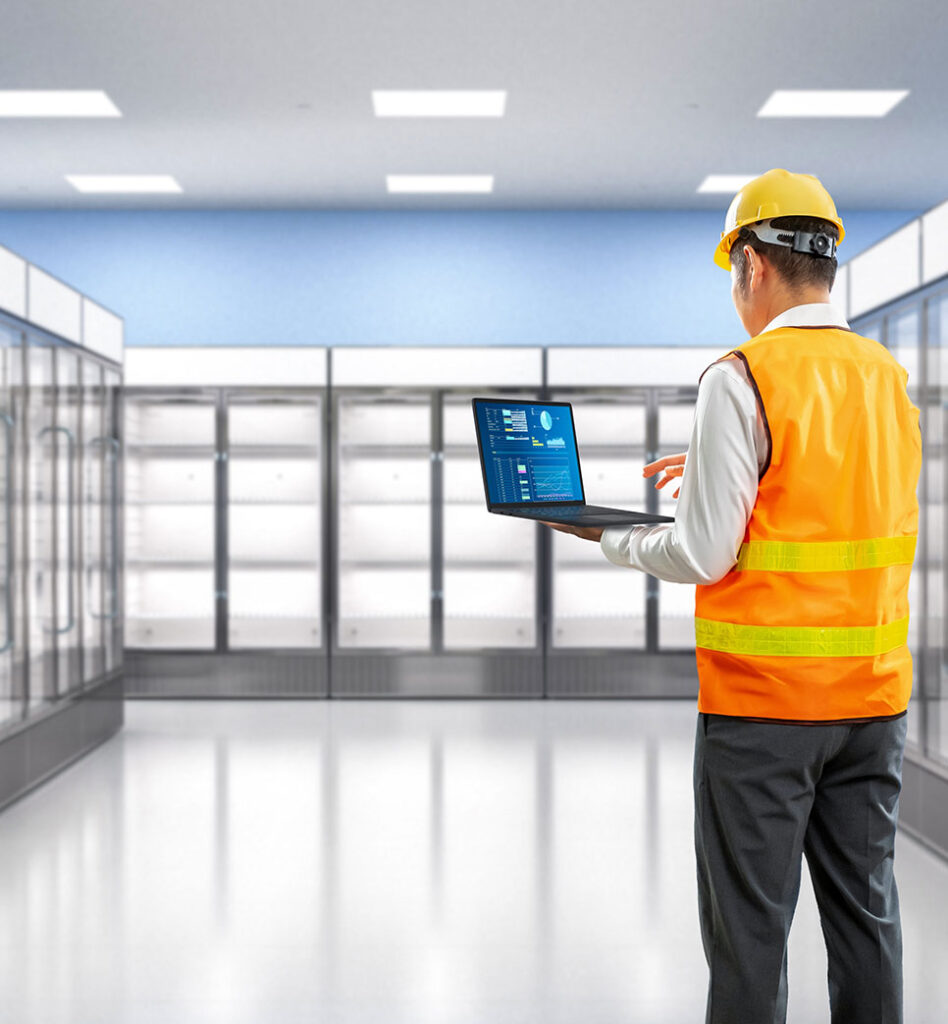
Walk-In Coolers vs Freezers: A Guide for Bay Area Businesses
Walk-in coolers and walk-in freezers are the backbone of food storage for Bay Area restaurants, grocery stores, and food service operations. While they may appear similar from the outside, these systems operate under very different conditions, failure risks, and regulatory expectations.
Refrigeration help: the Commercial Refrigeration Help Center.
This guide explains how walk-in coolers and freezers work, how they differ, what commonly goes wrong, and how Bay Area climate and regulations affect them — so business owners can make informed decisions about installation, maintenance, and repair.
Call Now for Emergency HVAC Repair
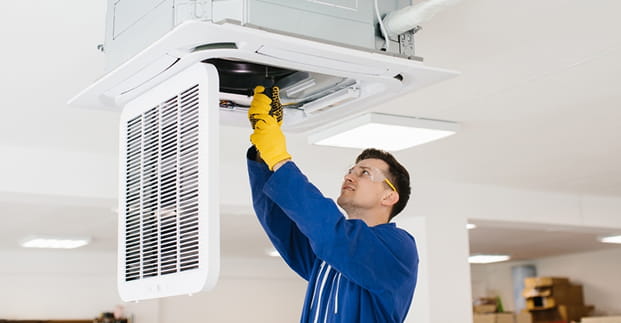
Why Rooftop HVAC Is So Common in the Bay Area
Rooftop HVAC systems are especially well-suited to Bay Area commercial buildings because they:
- Free up valuable interior space
- Support multi-zone configurations
- Simplify duct runs
- Perform well across mild-to-hot climates
- Reduce indoor noise
Learn why RTUs are ideal for many commercial properties:
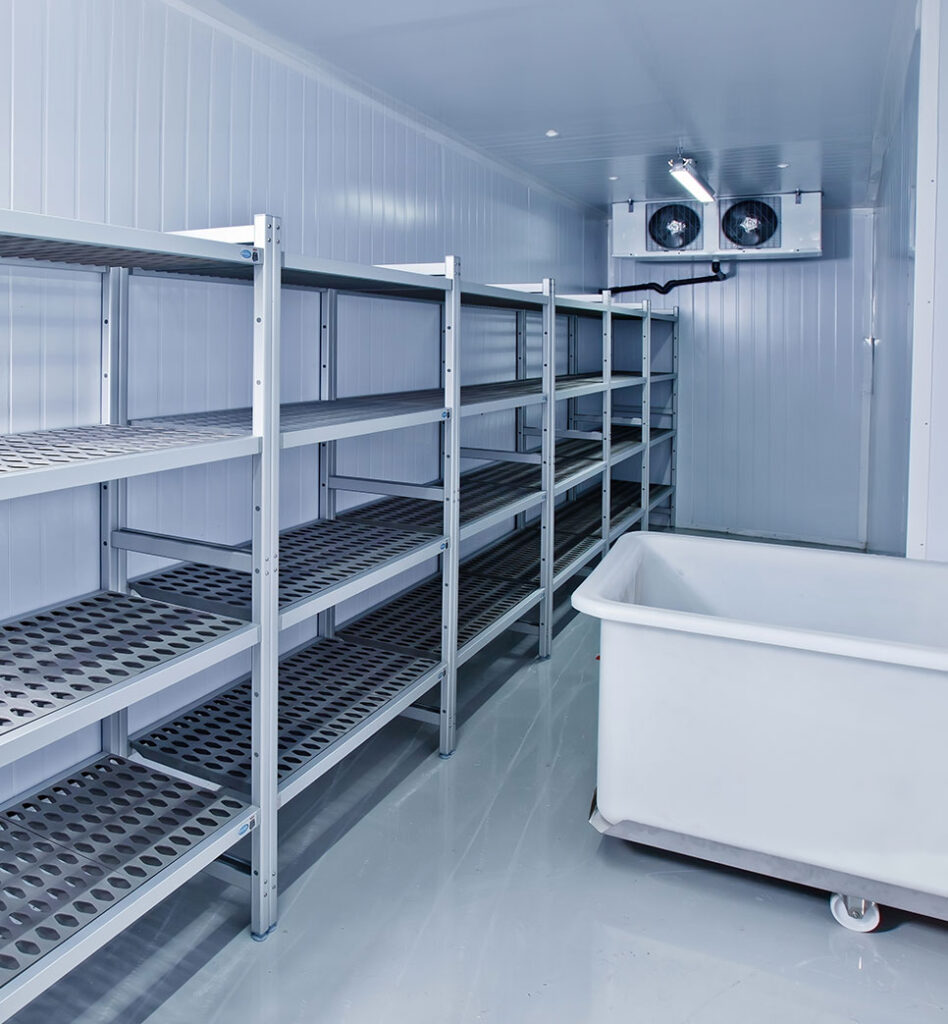
What Is a Walk-In Cooler?
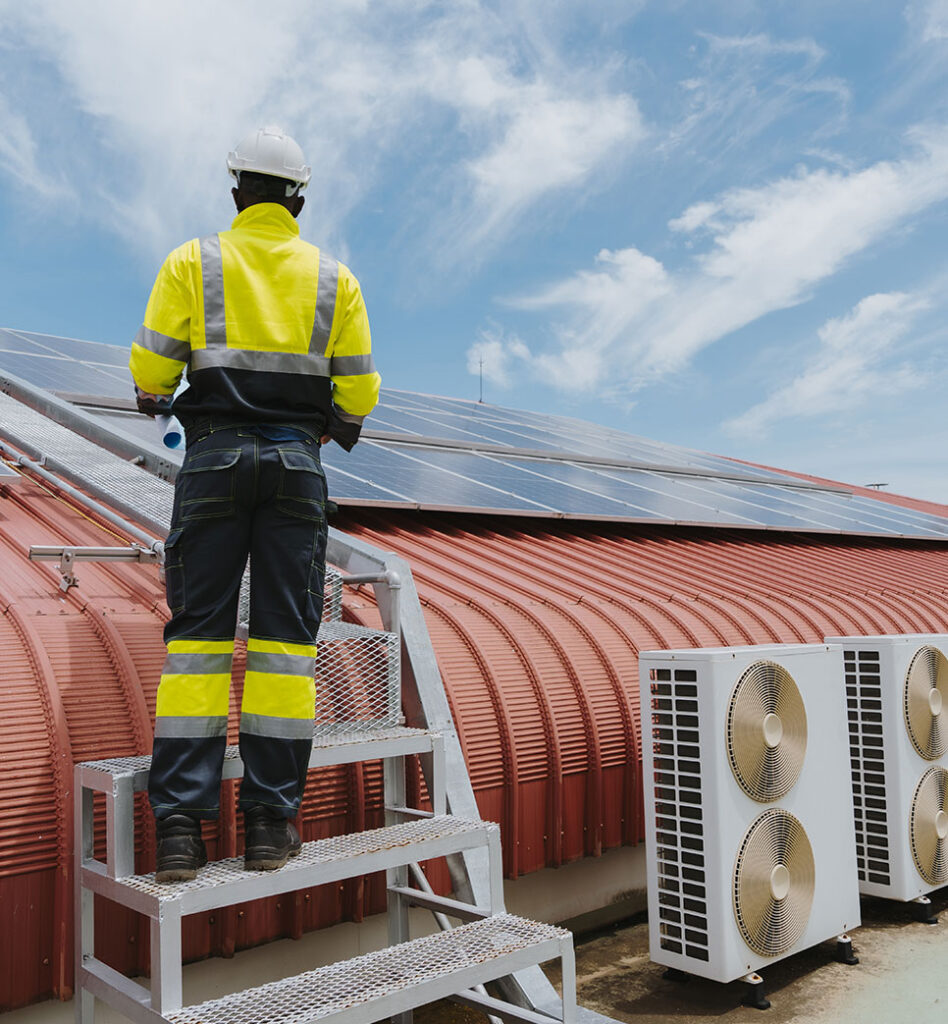
Rooftop Units vs Ground-Level Systems
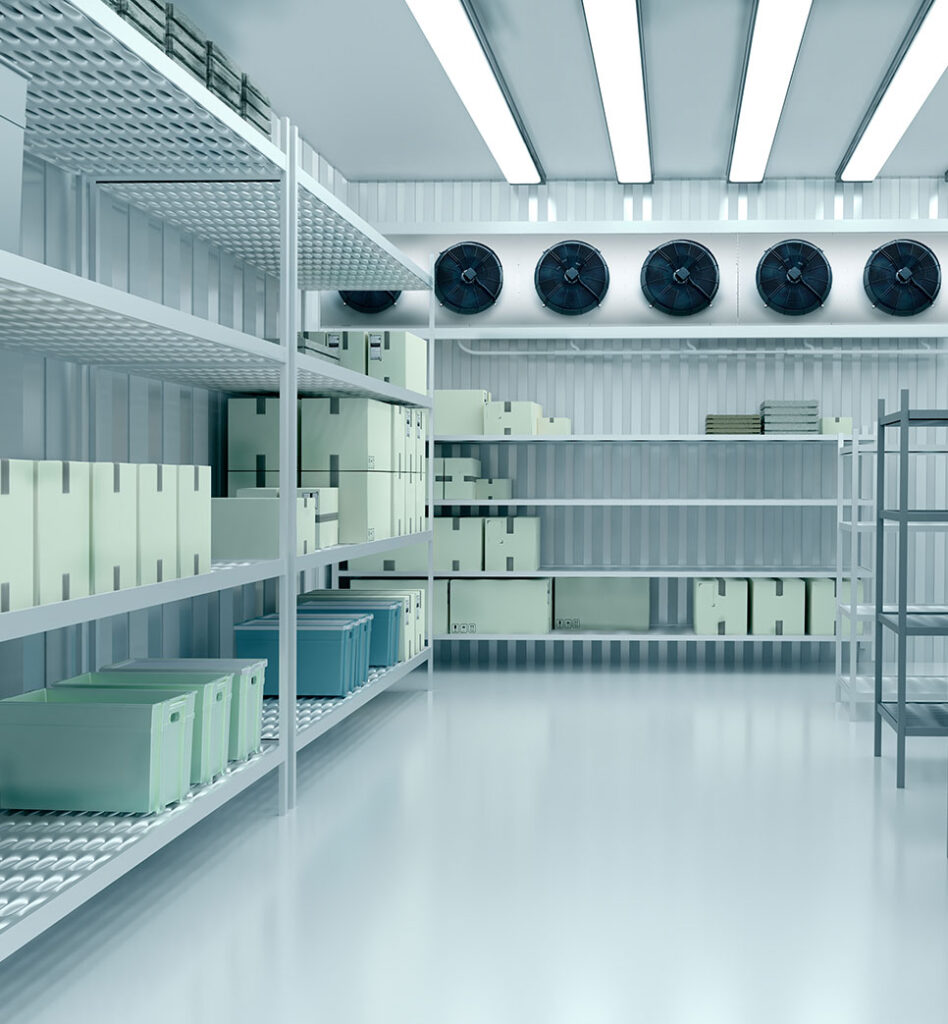
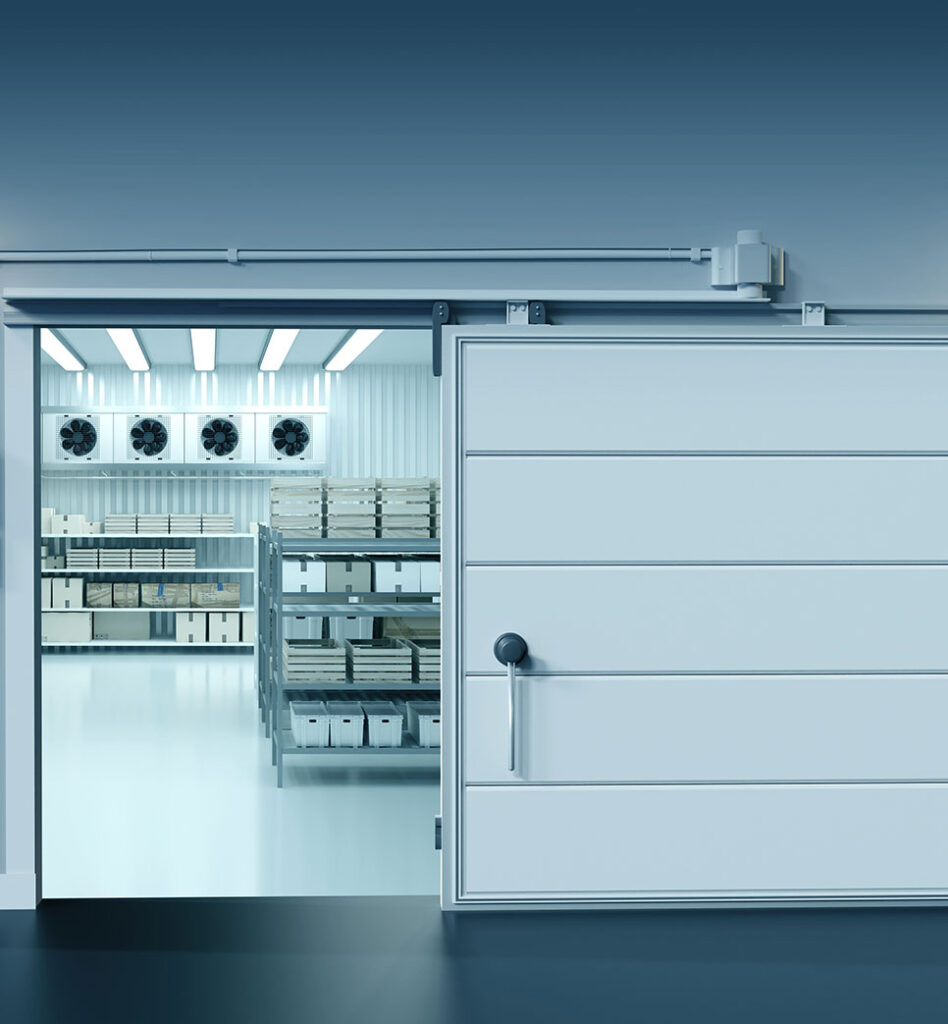
A walk-in cooler is designed to maintain temperatures typically between 34°F and 41°F, keeping food safely chilled without freezing. These systems are common in:
- Restaurants and commercial kitchens
- Grocery back rooms
- Convenience stores
- Catering operations
Walk-in coolers cycle frequently throughout the day due to door openings, product loading, and ambient heat — which makes airflow and coil cleanliness especially critical.
Related service:
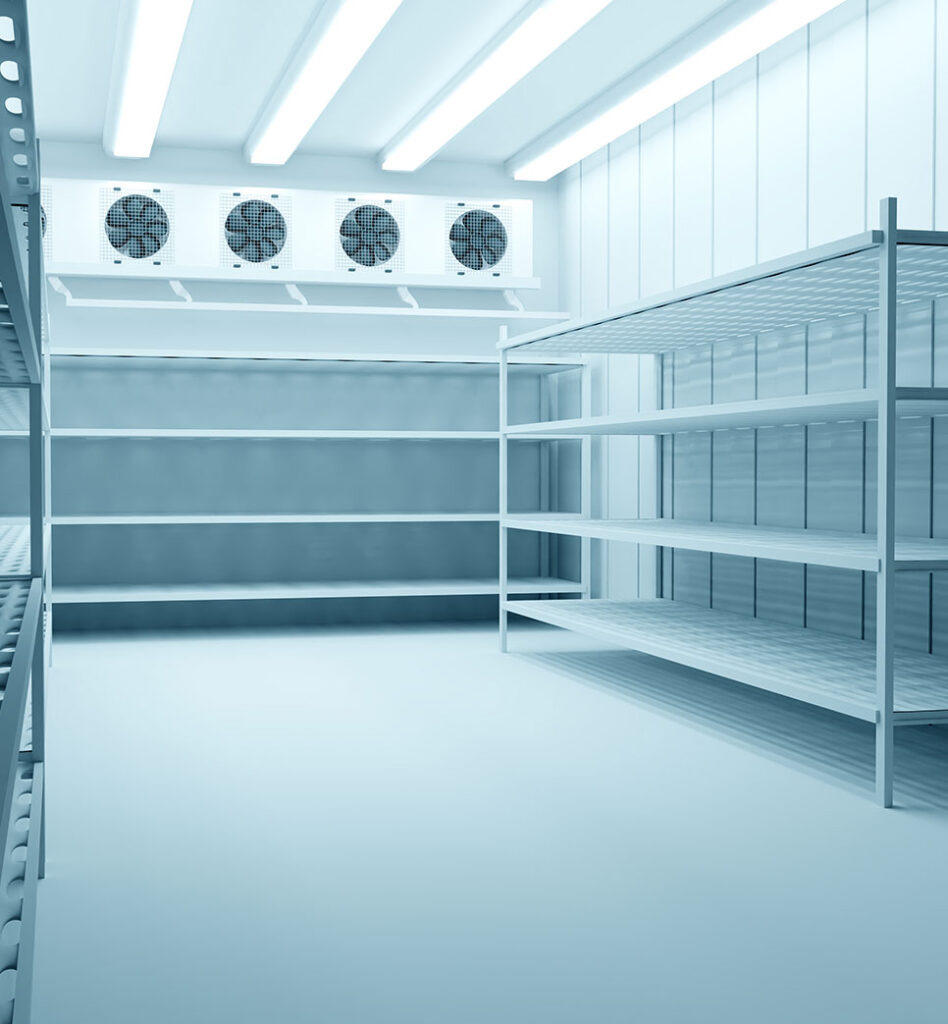
What Is a Walk-In Freezer?
A walk-in cooler is designed to maintain temperatures typically between 34°F and 41°F, keeping food safely chilled without freezing. These systems are common in:
- Restaurants and commercial kitchens
- Grocery back rooms
- Convenience stores
- Catering operations
Walk-in coolers cycle frequently throughout the day due to door openings, product loading, and ambient heat — which makes airflow and coil cleanliness especially critical.
Related service:
Key Differences Between Walk-In Coolers and Freezers
Feature
Operating Temp
Energy Demand
Ice Risk
Defrost Cycles
Failure Impact
Walk-In Cooler
34–41°F
Moderate
Low
Minimal
Food spoilage
Walk-In Freezer
0 to -10°F
High
High
Required
Product loss + shutdown
These differences directly affect maintenance schedules, repair urgency, and operating costs.
Bay Area Climate Impacts on Walk-In Refrigeration
Bay Area businesses face unique refrigeration challenges:
- Coastal salt air accelerates condenser corrosion
- Inland heat waves increase compressor load
- Wildfire smoke clogs coils and filters
- Power fluctuations increase restart failures
Related reading:
Common Walk-In Cooler Problems
Walk-in coolers most often fail due to:
- Dirty condenser coils
- Refrigerant leaks
- Failing fan motors
- Thermostat or control issues
Learn more about refrigerant issues:
Common Walk-In Freezer Problems
Freezers experience more severe failure modes:
- Ice buildup on evaporator coils
- Defrost heater failures
- Door heater malfunctions
- Compressor overwork
These issues often escalate into emergency refrigeration situations.
Emergency support:
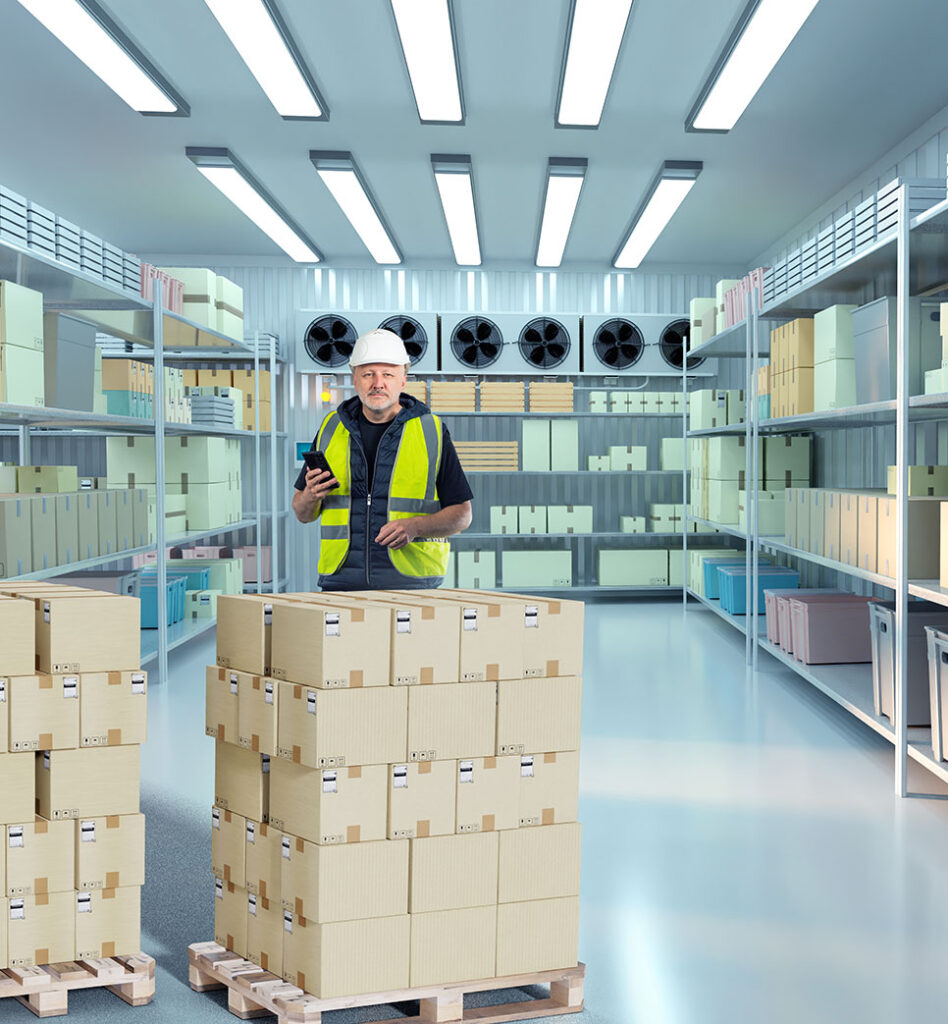
Maintenance Differences: Cooler vs Freezer
Walk-in coolers typically require:
- Quarterly coil cleaning
- Door gasket inspections
- Temperature calibration
Walk-in coolers typically require:
- Monthly visual inspections
- Strict defrost management
- Ice prevention strategies
Preventive care matters:
Repair vs Replacement Considerations
Replacement may be the better option when:
- Systems use phased-out refrigerants
- Repairs exceed 30–40% of replacement cost
- Downtime risk threatens operations
Related reading:
Choosing the Right System for Your Business
Choosing between a walk-in cooler or freezer — or upgrading either — depends on:
- Product type and volume
- Usage frequency
- Available space
- Energy cost sensitivity
- Compliance requirements
Related Resources
Background reading from our technicians on the systems and faults behind this service.
Maintenance & Tune-Ups
Service Coverage Area
Emergency HVAC repair available across:
Final Thoughts
Walk-in coolers and freezers may look similar, but their operational demands, failure risks, and maintenance requirements are very different — especially in the Bay Area.
This page is designed to support the Commercial Refrigeration Systems Guide pillar and serve as a foundation for deeper refrigeration education content.