
Get a quote1-800-266-5243
Home1-800-266-5243
Walnut Creek sits on the inland side of the Contra Costa hills, and that single fact shapes almost every heating and cooling decision made here. The Berkeley and Oakland hills block most of the marine layer that keeps San Francisco and the shoreline cities cool, so summer afternoons in the Ygnacio and San Ramon valleys run hot and dry while the same day near the bay stays overcast. Air conditioning is not optional equipment in this part of the East Bay. It runs hard, for months, and it fails on the days you need it most.
Cool Aid Air Conditioning and Refrigeration has been family owned since Glenn McKinny founded it in 1966, and his son Jim McKinny runs it today. We hold California C-20 and C-38 licenses, our technicians are EPA Universal certified, and we answer emergency calls in Walnut Creek 24 hours a day.
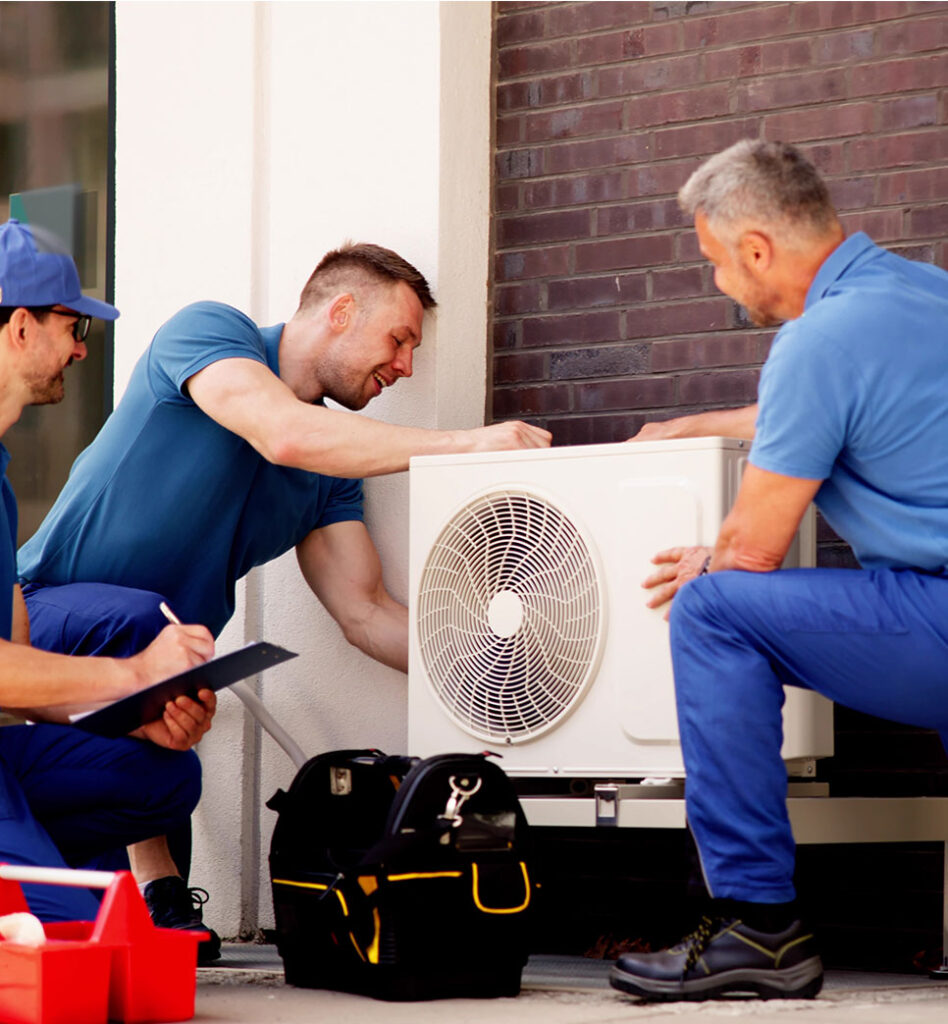
Walnut Creek property owners are rarely working with one kind of building. A 1950s ranch off Ygnacio Valley Road, a Rossmoor manor, a downtown condo near the BART station, and a Shadelands office suite all present different airflow, sizing, and access problems. Service here means matching the work to the building rather than running a standard checklist. Our scope typically covers:
We work on single-family homes across Northgate, Walnut Heights and Saranap, condominium and senior-community units, downtown mixed-use buildings near Broadway Plaza, restaurants along North Main and Locust, medical suites near John Muir, and the office and light industrial buildings in Shadelands.
If you are weighing options for a house in the Ygnacio Valley, start with our residential HVAC service. Property managers and business owners handling rooftop equipment, tenant suites, or multiple buildings should look at our commercial HVAC services.
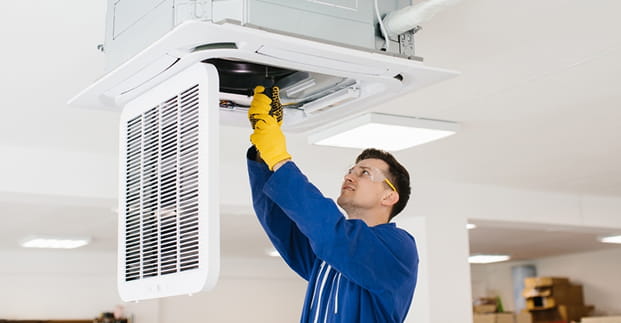
The equipment mix in Walnut Creek tracks the way the city was built. Neighborhoods that filled in during the postwar decades, including much of Walnut Heights and the flats along Ygnacio Valley Road, are dominated by gas furnaces paired with split-system air conditioners, often with attic ductwork that was added after the fact. Hillside custom homes closer to the Mount Diablo foothills tend toward zoned systems or multiple pieces of equipment because a single unit cannot serve that many levels and exposures well.
On the commercial side, the retail blocks around Broadway Plaza and the low-rise office buildings in Shadelands run mostly rooftop packaged units, while downtown restaurants add walk-in coolers, prep tables and ice machines to the load. Newer condo and apartment construction near the BART corridor is where ductless and heat-pump equipment shows up most often.
Rooftop units carry most of the cooling load for Walnut Creek retail centers, Shadelands offices and medical buildings, where roof-mounted equipment keeps floor space usable and simplifies service access.
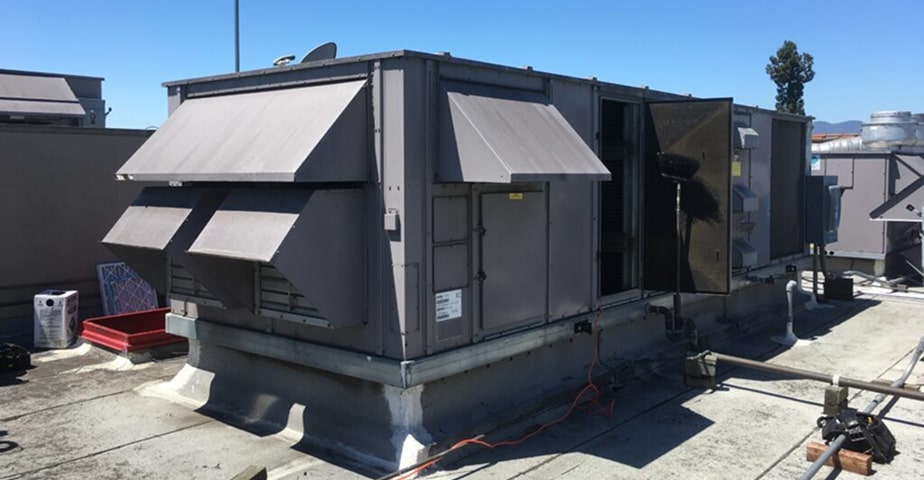
Split systems are the default in Walnut Creek's mid-century tract homes, with the furnace in a closet or garage and the condenser on a side yard pad. Packaged units appear on flat-roofed commercial and light industrial buildings.
VRF makes sense for multi-tenant buildings downtown and in Shadelands, where sun exposure and occupancy vary sharply from suite to suite and each zone needs its own control.
Heat pumps suit Walnut Creek's mild winters well, and interest has grown as owners replace aging gas furnaces and look for equipment that meets current efficiency standards without raising PG&E bills.

Walnut Creek is an inland valley climate sheltered behind the Caldecott ridge, and the fog that cools Oakland and Berkeley usually stops short of it. Summer days climb well past what coastal equipment is sized for, then the Delta breeze pulls temperatures down sharply after dark. That wide daily swing means systems cycle hard in the afternoon and often sit idle overnight, which is tough on compressors, contactors and capacitors over a long season.
Salt-air corrosion is not the concern here that it is along the shoreline. What we see instead is dust and pollen from oak woodland and open grassland, seed fluff and leaf litter from the mature trees that line older neighborhoods, and wildfire smoke during late summer and fall that loads filters far faster than a normal schedule anticipates.
Because peak design temperatures in Walnut Creek are higher than in the bayside cities, equipment sized off a generic Bay Area assumption tends to come up short on the hottest afternoons, while oversized replacements short-cycle and leave the house humid and uneven. We size from the actual building, its insulation, its glazing and its exposure to the west and south. Condenser coils near open space need cleaning more often than a datasheet suggests, and filtration deserves a second look during smoke season. Our Bay Area residential HVAC guide walks through the tradeoffs in more detail.
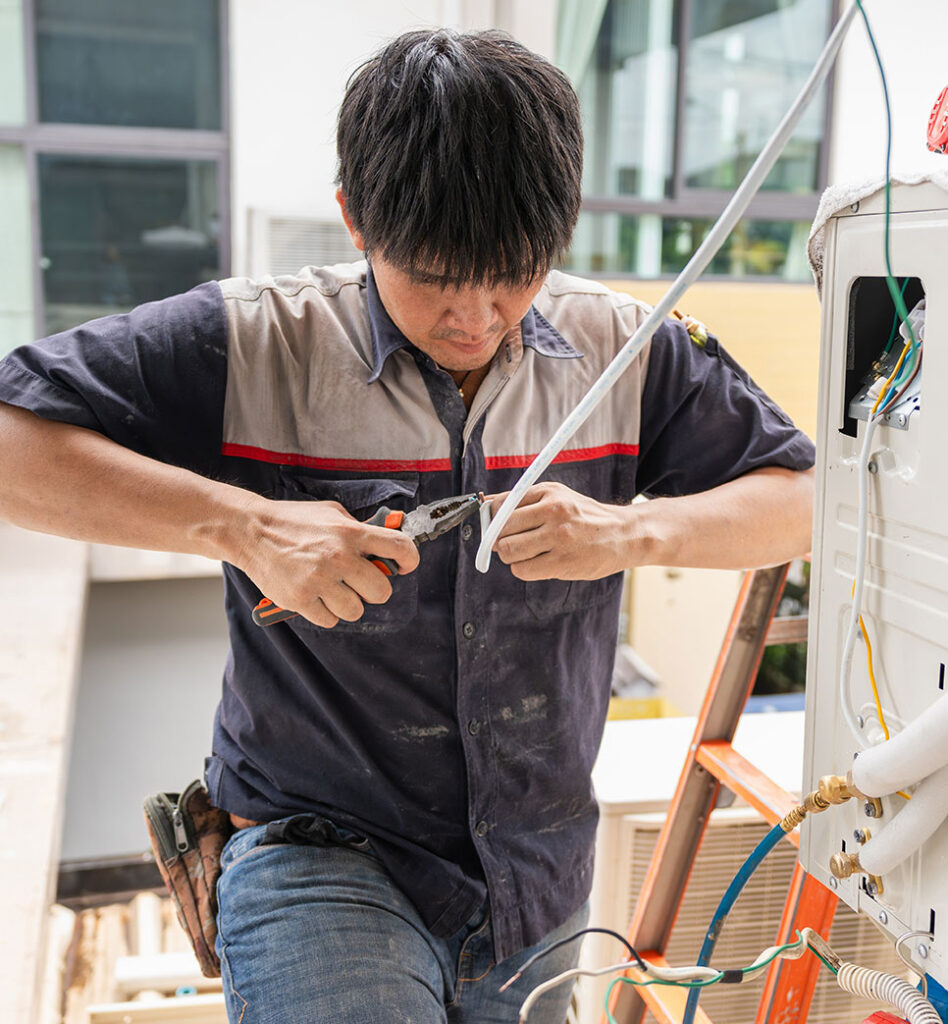
Changeouts and new installs in Walnut Creek are permitted through the city's building division, with Title 24 documentation, duct sealing verification and equipment efficiency requirements that inspectors here do check. Older homes bring their own constraints. Panels in the postwar tracts were never sized for a heat pump plus an EV charger, and a service or subpanel upgrade sometimes has to be part of the plan. Hillside lots near the Diablo foothills and condominium settings such as Rossmoor add access and placement limits, including where a condenser can sit and what the association or setback allows.
Key Installation Factors
An install that skips the load calculation, leaves the duct system undersized, or sets a condenser in a tight side yard with no clearance will underperform for its entire life, and no amount of service calls fixes that. We handle the whole sequence: load calculation, equipment selection, duct evaluation and repair, refrigerant line work, permit filing and inspection coordination, then startup and airflow testing before we call it finished. The work is backed by our 1-year parts and labor warranty.
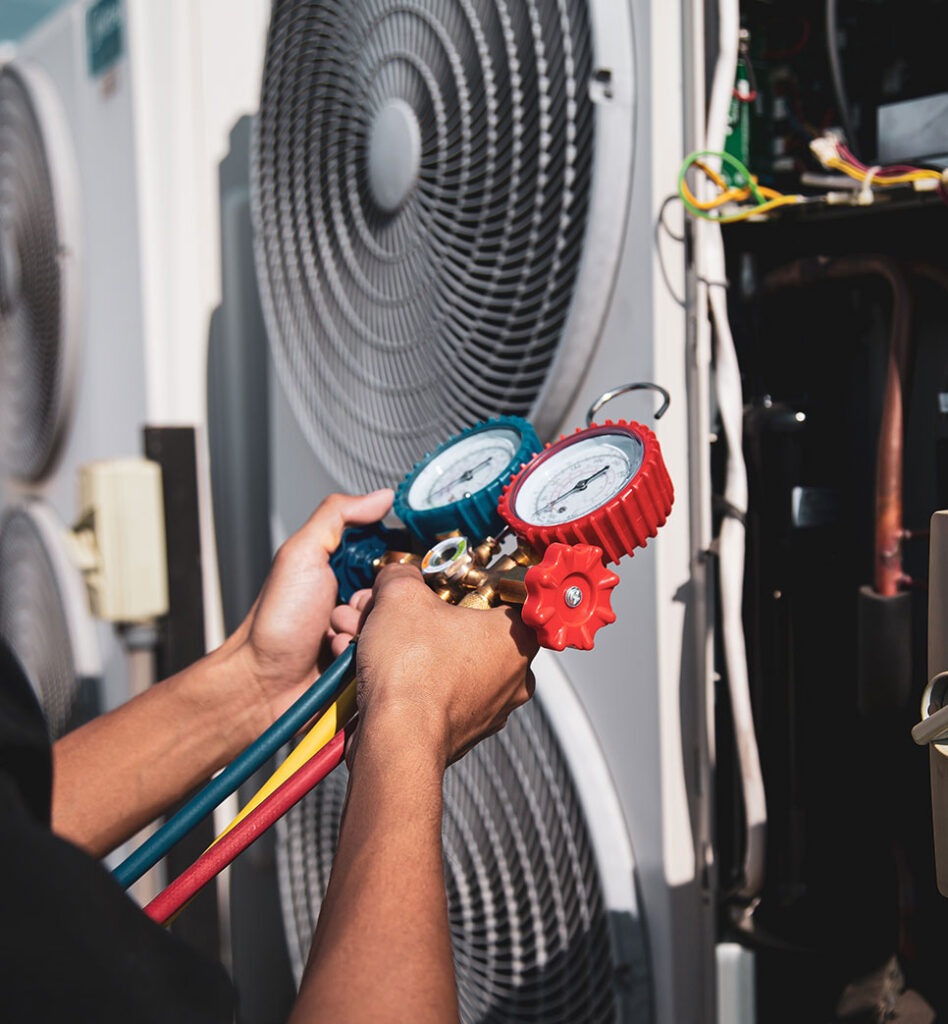
Breakdowns in Walnut Creek cluster on the first real heat wave of the season, when systems that idled through a mild spring get pushed to full capacity for several days straight. That is when weak capacitors, dirty coils and marginal refrigerant charges finally give out, usually in the middle of the afternoon. For a household with older residents, and Walnut Creek has a large retirement community in Rossmoor, a failed air conditioner on a hot inland day is a health issue rather than an inconvenience.
Commercial failures carry a different cost. A downtown restaurant with a walk-in cooler down is losing product by the hour, which is why our emergency HVAC repair line is staffed around the clock.
Common HVAC Problems We Fix
We look for the cause rather than the symptom. A system that trips on a hot day is often telling you about restricted return air, a collapsed flex duct in a hot attic, or a failing electrical component that has been running warm for months. Replacing the part without correcting the condition buys a few weeks. When equipment is old enough that repairs stop making sense, we say so plainly, lay out what a replacement would involve for that specific house or building, and let the owner decide.
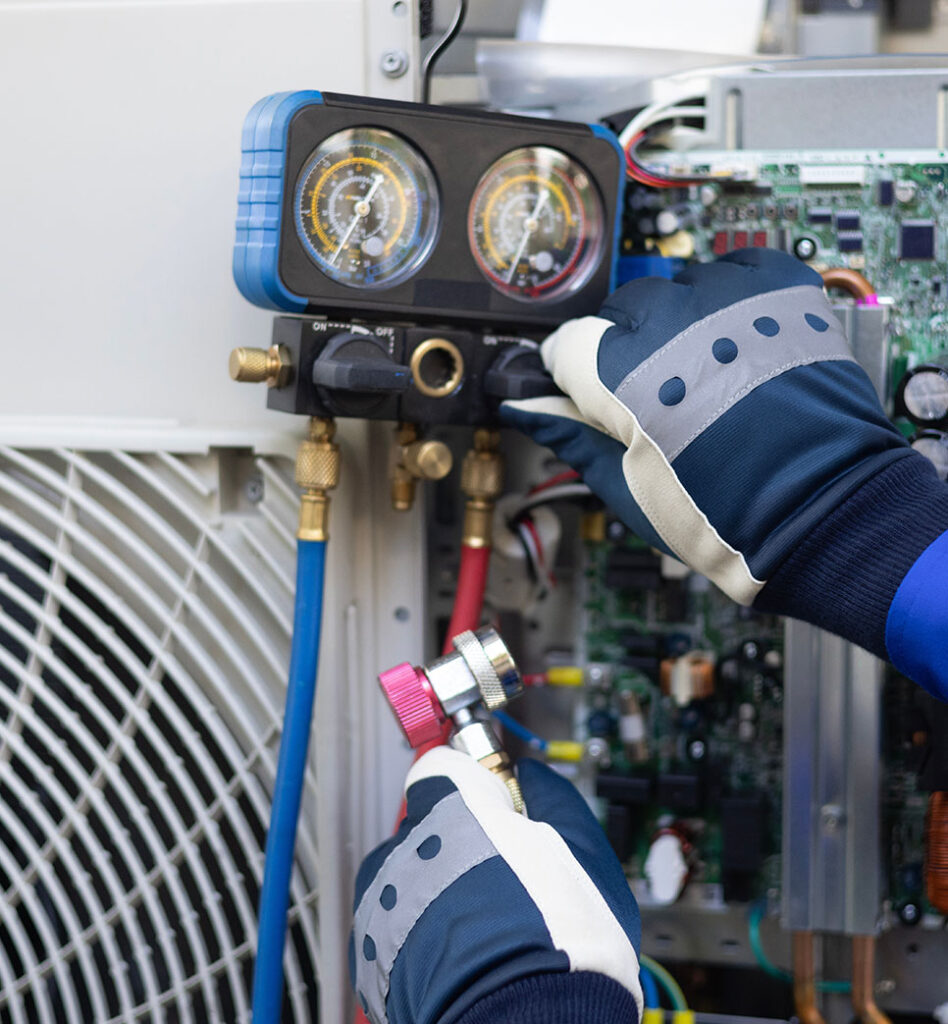
Walnut Creek runs a long cooling season, and length is what wears equipment out. A condenser working from late spring into October accumulates far more run hours than the same unit installed a few miles west toward the bay. Add the dust that blows off dry grassland in summer, the pollen and leaf debris from established neighborhood trees, and the smoke episodes that arrive with regional fires, and coils and filters load up faster than most owners expect.
The failures we see in August almost always started earlier as a slow decline in airflow or a charge that drifted low. Catching that in spring costs a service visit. Catching it during a heat wave costs a compressor and a very uncomfortable weekend.
What’s Included in HVAC Maintenance
For Walnut Creek businesses, scheduled service is really about protecting revenue. Rooftop units on Shadelands offices and Broadway Plaza retail need filter changes, belt and bearing checks, drain clearing and coil cleaning on a set interval, and restaurant refrigeration needs its own attention before summer ambient temperatures push condensers to their limit. A scheduled maintenance program covers that. Homeowners generally do well with a cooling check in spring and a heating check in fall, plus filter changes during smoke season.
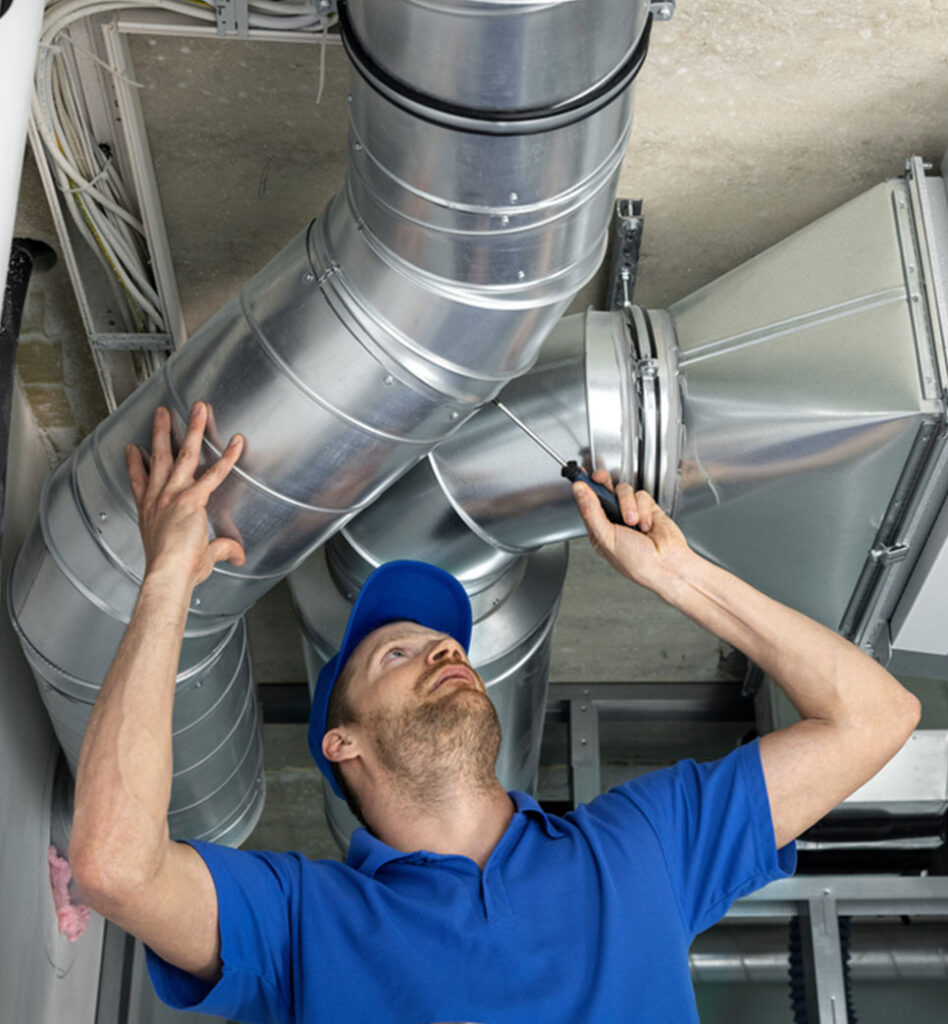
PG&E rates make a long Walnut Creek cooling season expensive, and the older housing stock is where most of that money leaks out. Homes built before insulation and duct standards tightened often lose a meaningful share of their conditioned air into a vented attic that reaches punishing temperatures on a July afternoon. Sealing and insulating ducts, then matching a properly sized system to the corrected load, usually does more for a monthly bill than jumping to the highest efficiency rating on the shelf.
Newer equipment also brings a refrigerant transition. California is moving away from R-410A toward lower-GWP options such as R-454B and R-32, which affects parts availability and long-term planning for anything installed today.
Ways to Improve HVAC Efficiency
For Walnut Creek homeowners, the practical question is usually whether to replace a gas furnace and air conditioner in kind or convert to a heat pump, and the honest answer depends on the panel, the ductwork and how long you plan to stay. For commercial owners, higher SEER2 rooftop equipment, economizers and better controls tend to pay back through summer demand charges. We look at the building, the run hours and the existing distribution before recommending anything, and we tell you when the smarter move is fixing what you have.
We work out of Santa Clara and serve Walnut Creek along with the surrounding central Contra Costa communities, including Pleasant Hill, Lafayette, Alamo, Danville, Concord, Martinez and Orinda. There is no substitute for knowing that the design conditions on the inland side of the Caldecott are not the conditions at the shoreline, and that a system spec that works fine in Alameda will disappoint a homeowner off Ygnacio Valley Road in August.
That knowledge shows up in sizing, in equipment selection, in how we set service intervals, and in what we expect from a permit and inspection with the City of Walnut Creek.
Glenn McKinny started Cool Aid in 1966 after serving as a Chief Engineer in the US Navy, and the business has stayed in the family since. His son Jim McKinny owns it now, with more than 37 years in the trade. That continuity matters when you are choosing who installs a system that has to survive fifteen or more Walnut Creek summers. We are licensed for both HVAC and refrigeration under California C-20 and C-38, our technicians are EPA Universal certified, and our work carries a 1-year parts and labor warranty.
The point of doing it right the first time is not a slogan here. It is what keeps a Walnut Creek homeowner from calling anyone back during the next heat wave.
What Sets Us Apart
Our technicians measure before they conclude. Temperature split, static pressure, refrigerant charge and electrical draw tell us what is actually happening inside a system, which is often different from the complaint that prompted the call. Once we know, we explain what we found in plain terms and give you the real options, including the option to do nothing yet. Nobody in Walnut Creek should be talked into a system replacement in July because a diagnosis was rushed.
Because Walnut Creek sits behind the East Bay hills, the marine layer that cools shoreline cities rarely reaches it. Summer afternoons here run considerably warmer than in Berkeley or Alameda, and homes with west-facing glass and attic ductwork feel it most. A system sized for coastal conditions simply cannot keep up. Correct sizing for inland Contra Costa design temperatures, along with sealed and insulated ducts, is usually what closes that gap.
Often yes, but the electrical panel is the first thing to check. Many homes in the postwar neighborhoods off Ygnacio Valley Road and in Walnut Heights have panels that were never intended to carry a heat pump alongside modern loads, so a service or subpanel upgrade may be part of the project. The existing ductwork matters too, since heat pumps move more air at lower temperatures. We evaluate both before recommending a path.
Smoke drives filter loading far faster than normal, and a clogged filter starves the system of airflow right when it is working hardest. During smoke episodes we recommend checking filters every few weeks rather than seasonally, keeping outside air dampers closed on commercial units, and making sure the return side is sealed so unfiltered attic and crawlspace air is not being pulled in. Higher-efficiency filtration is worth considering, but only if the system can handle the added static pressure.
Yes. We hold a California C-38 refrigeration license alongside our C-20, and we service walk-in coolers and freezers, prep tables and ice machines for restaurants and food service businesses downtown and throughout Walnut Creek. Summer heat here pushes condensers hard, so refrigeration failures cluster on the hottest days. Our refrigeration service is available 24 hours a day because product loss does not wait for business hours.
A changeout requires a permit through the City of Walnut Creek building division, with Title 24 compliance documentation and inspection. Depending on the scope, that can include duct leakage testing and verification of equipment efficiency. Condominium and planned-community settings, including Rossmoor, may add association requirements for equipment placement and noise. We file the permit, prepare the documentation and meet the inspector so the homeowner is not managing that process.
You tell us what the system is doing and what kind of building it serves, whether that is a hillside house near the Diablo foothills, a downtown condo, or a Shadelands office suite. We schedule a window, arrive with the equipment to diagnose properly rather than guess, and test before drawing conclusions. Then we walk you through the findings and the options, with the cost of the work explained before anything begins.
If your system is down or you want a second opinion on a replacement quote, call 1-800-266-5243 any hour of the day. You can also reach us through our contact page to schedule non-urgent service or a maintenance visit for your Walnut Creek property.