
Get a quote1-800-266-5243
Home1-800-266-5243
Updated September 30, 2026
San Francisco asks more of its heating than its cooling. Fog and the marine layer keep much of the city cool for most of the year, so the equipment that matters most in a Victorian in the Mission, an Edwardian flat in the Richmond or a condo in SoMa is the one that keeps it warm. The commercial side is just as demanding in a different way: restaurants, hotels, markets and bars that depend on refrigeration running every hour, in buildings where equipment has to fit into tight basements, rooftops and back-of-house spaces.
Cool Aid Air Conditioning and Refrigeration has been family owned since 1966, when Glenn McKinny, a former US Navy Chief Engineer, started the business. His son Jim McKinny runs it today. We hold California C-20 and C-38 licenses, we are EPA Universal certified, and we answer emergency calls until 9 PM, 7 days a week.
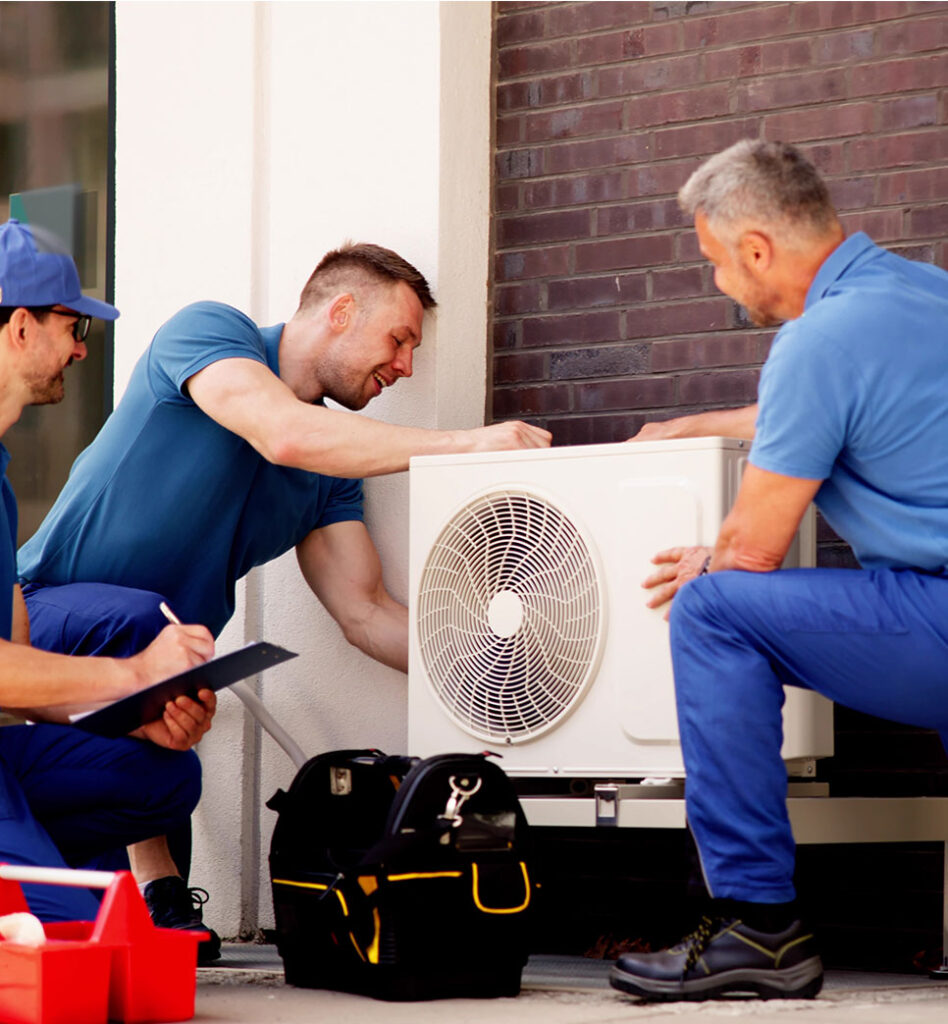
In San Francisco homes, HVAC service is mostly heating service. Forced-air gas furnaces in garages and basements are common in single-family houses and flats, often connected to ductwork that has been modified through several remodels. More owners are replacing aging furnaces with heat pumps or ductless mini splits, which also add cooling for the warm spells that do reach the city. Commercial work centers on rooftop and split systems in offices and retail, and on refrigeration for the city's restaurants, hotels and markets: walk-in coolers and freezers, reach-ins, prep tables, display cases and ice machines.
We work on San Francisco single-family homes and flats, condos, small apartment buildings, storefronts, restaurants and bars, hotels, markets and offices.
San Francisco homeowners can see the full scope of our residential HVAC service, and restaurants, hotels and markets can review our commercial refrigeration services for walk-ins, reach-ins and ice machines.
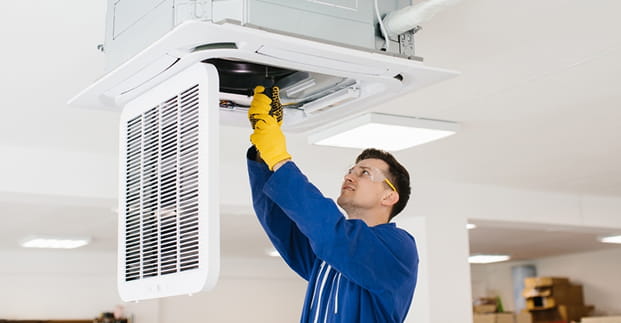
Most San Francisco homes heat with a gas furnace and ducts, and many have no cooling at all. Where cooling exists, it is usually a ductless mini split or a heat pump serving the rooms that take afternoon sun, with outdoor equipment on a roof deck, a light well or a rear yard. Commercial buildings rely on rooftop packaged units and split systems, while restaurants and hotels depend on refrigeration that has to hold temperature through every service.
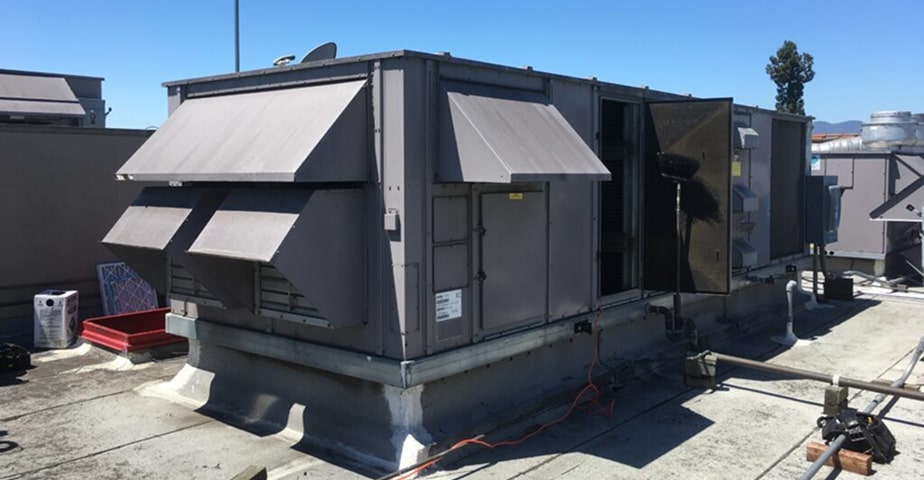
Rooftop units are common on San Francisco commercial buildings. Service means safe roof access, coil and cabinet cleaning in salty air, and verifying the controls and economizer.
Split systems and ductless mini splits dominate in San Francisco homes, where indoor space for a large air handler is rarely available.
VRF systems suit San Francisco mixed-use and multi-tenant buildings, where suites need independent heating and cooling without a rooftop full of separate units.
Heat pumps fit San Francisco's mild climate well. They handle the long heating season efficiently and add cooling for the occasional hot spell.

San Francisco's weather changes by neighborhood. The western side of the city sits in fog and wind off the ocean much of the summer, while the eastern neighborhoods get more sun and warmer afternoons. That means heating equipment runs in months when most of California is using air conditioning, and the occasional heat wave catches homes without any cooling. Salt air and fog are hard on outdoor coils, cabinets and electrical connections, especially on rooftops and near the water.
Those conditions shape how we set up equipment. Outdoor units near the ocean and bay get closer attention to coil protection, corrosion and fastener condition. In the fog belt we size heating for long run times rather than short bursts, and in sunnier neighborhoods we look at whether a few rooms need cooling more than the whole house does. Everywhere, the tight footprint of San Francisco buildings means planning equipment placement, service access and condensate routing before anything is installed.
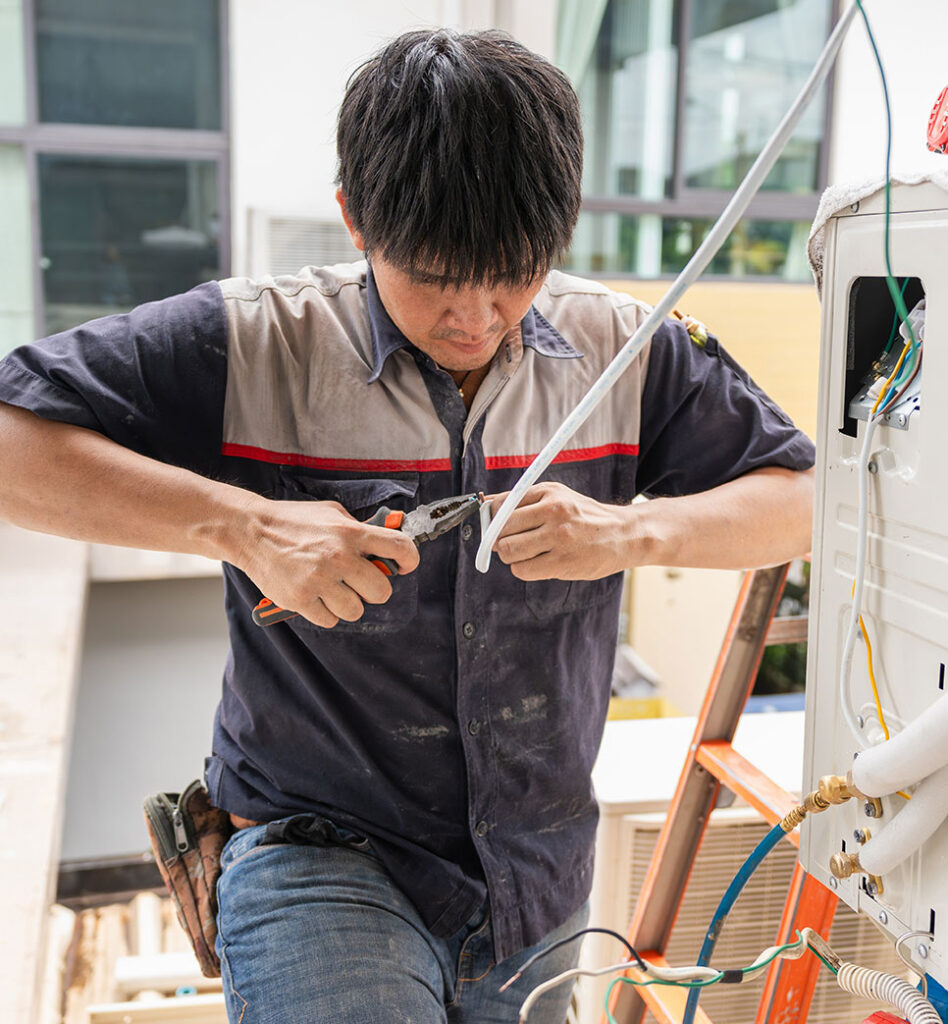
Installing in San Francisco starts with the building. Garages, basements and roof decks in older buildings leave little room for equipment, venting and duct runs, and electrical service may need attention before a heat pump is added. Heating, cooling and ventilation work in the city requires a mechanical permit from the San Francisco Department of Building Inspection, and the installation must meet California Title 24 energy requirements. San Francisco's all-electric rules apply to new buildings and, from July 2026, to major renovations, so we confirm which rules apply to your project before quoting.
Key Installation Factors
A correct install is what separates a system that lasts from one that struggles. Leaky ducts in a garage ceiling, an undersized return, or an outdoor unit squeezed into a light well without airflow will cost comfort and efficiency for as long as the system runs. We measure, size the equipment to the load, seal and test the ducts, commission the controls and walk you through how everything works before we leave.
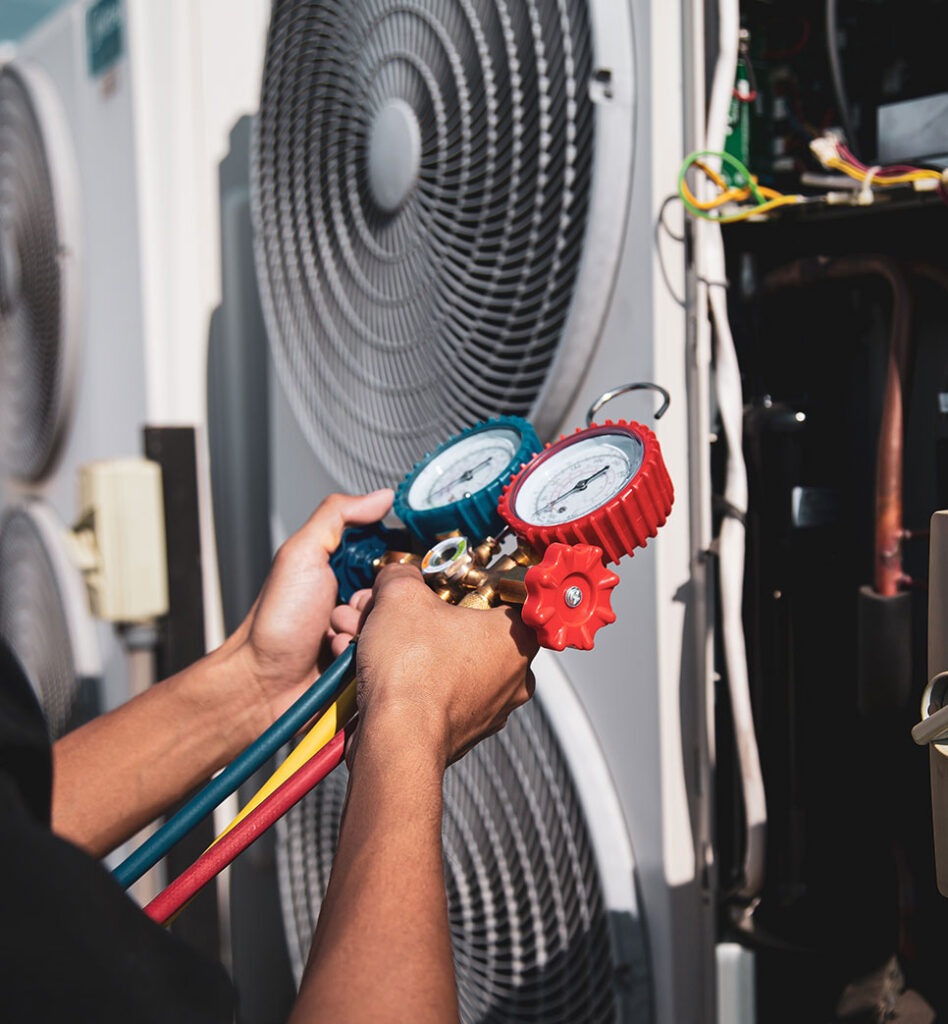
Because San Francisco homes use heat for so much of the year, heating repairs are steady rather than seasonal. Failed igniters and flame sensors, venting problems, worn blower motors and thermostats that no longer control the system are the usual calls. For restaurants, hotels and markets, the urgent calls are refrigeration: a walk-in that will not hold temperature, a reach-in that ices over, or an ice machine that stops before a busy weekend.
Common HVAC Problems We Fix
We look for the cause rather than the symptom. A furnace that keeps shutting down may be reacting to a clogged filter or a venting problem, not a failed part. A walk-in that runs warm may have an iced evaporator, a worn door gasket or a condenser loaded with kitchen grease. Finding the real cause keeps the same repair from coming back next month.
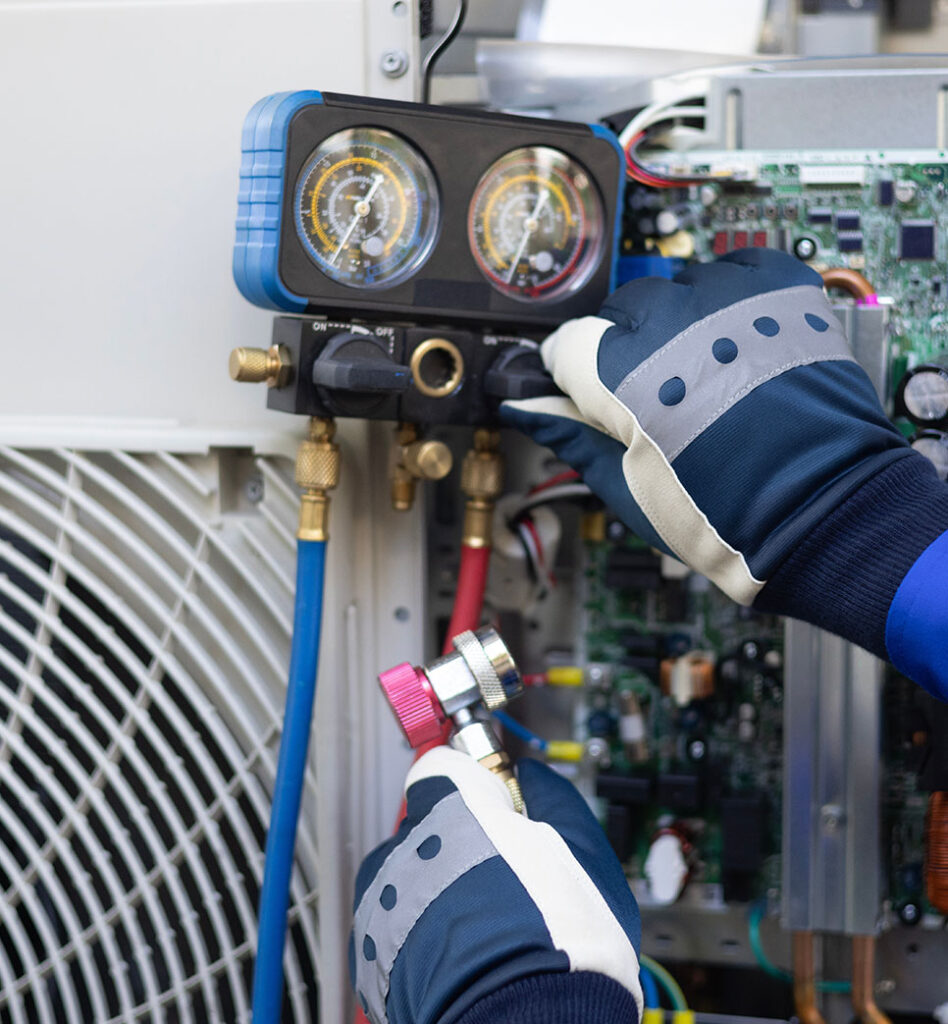
For San Francisco homes, maintenance focuses on the heating system that runs most of the year: ignition, flame, venting, heat exchanger condition, airflow and filters. For landlords it also matters for compliance. The San Francisco Housing Code requires heat in rental units capable of keeping habitable rooms at 70°F, and when tenants do not control the heat, the landlord must provide it around the clock. Our commercial HVAC maintenance program covers rooftop units on a fixed schedule.
What’s Included in HVAC Maintenance
For San Francisco restaurants, hotels and markets, a maintenance program protects product and inspections. California's retail food code requires cold-held food to stay at 41°F or below, so coil cleaning, door gasket checks, defrost and drain checks and temperature verification on walk-ins and reach-ins happen on a fixed cycle instead of after a failure.
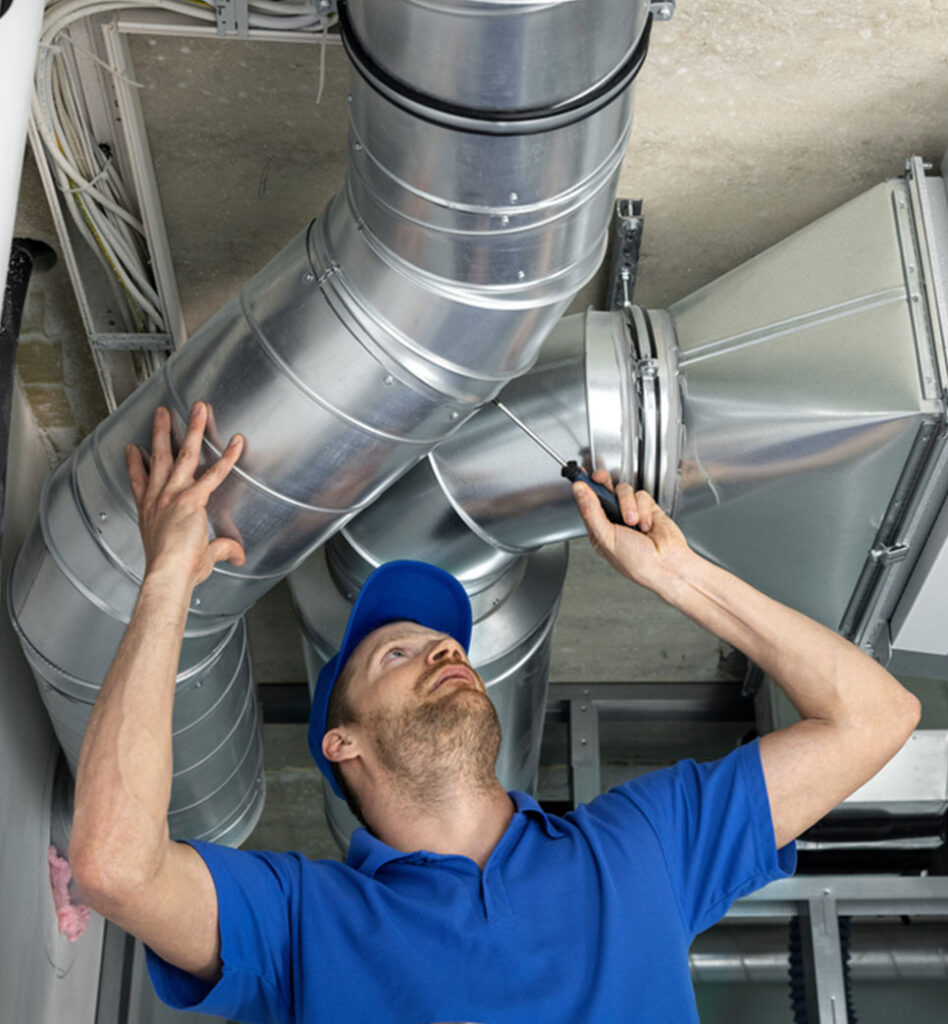
Many San Francisco electricity customers are served by CleanPowerSF, the city's community choice program run by the San Francisco Public Utilities Commission, with PG&E delivering the power and supplying natural gas. With heat running for much of the year, the operating cost of the heating system is a real line item. The Bay Area Air District has also adopted zero-NOx standards for new residential furnaces starting in 2029, which matters if your furnace is near the end of its life.
Ways to Improve HVAC Efficiency
The right upgrade depends on the building. In an older San Francisco home, sealing ducts, fixing the return and adding controls often improves comfort more than a larger furnace. Where a replacement is due, a correctly sized heat pump or ductless system can cover heating and add cooling, provided the electrical service supports it. We lay out the options side by side and let you decide.
We work out of Santa Clara and serve San Francisco along with the Peninsula and South Bay cities we already cover, including Palo Alto, Redwood City and Woodside. San Francisco neighborhoods we work in include the Mission, SoMa, the Richmond and Sunset, Noe Valley, the Marina, Chinatown, North Beach and downtown around Union Square.
Local knowledge matters in practical ways here: knowing how tight a garage equipment space can be, how fog and salt air treat rooftop equipment, and how permits move through the Department of Building Inspection all save time on every job.
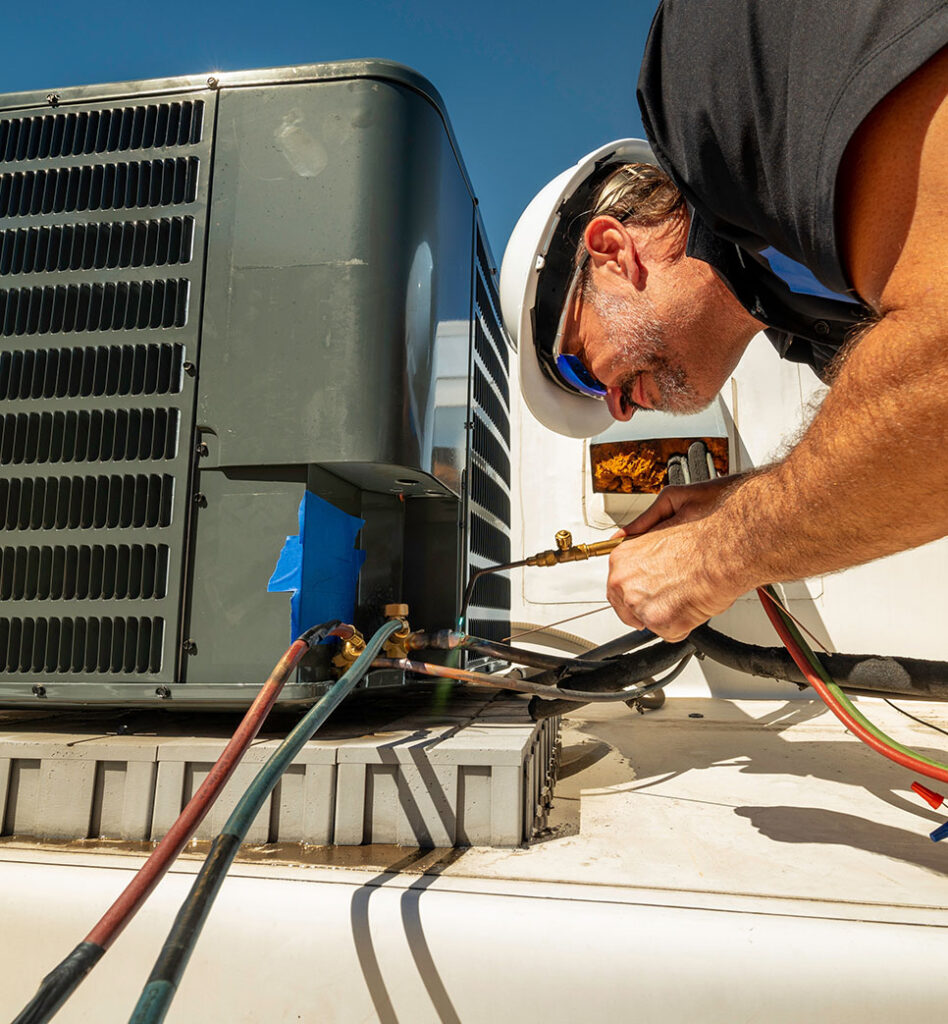
Cool Aid has been in the same family since 1966. Glenn McKinny started it after serving as a US Navy Chief Engineer, and his son Jim McKinny, who has more than 37 years in the trade, owns and runs it now. We do both HVAC and commercial refrigeration, which matters in a city of restaurants and hotels, where the rooftop unit and the walk-in cooler are often looked after by the same team.
Every job we complete carries a one year parts and labor warranty. We would rather size, install and commission a system properly the first time than come back later to explain why it never worked right.
What Sets Us Apart
Our approach is straightforward. We measure and test before recommending, we explain what we found in plain terms, and we present the options including the one that costs less. If a repair is the sensible move on a San Francisco system with years left in it, we will say so. If the equipment is at the end of its life, we will say that too and show you the reasoning.
Most San Francisco homes were built without cooling, and there are good ways to add it. If the house has a forced-air furnace with ducts in good shape, a heat pump or an air conditioner can often use the existing ducts. Where ducts are missing or poor, ductless mini splits can cool only the rooms that need it without opening walls. We check the ducts, the electrical panel and the heat load before recommending an approach.
Yes. We repair, maintain and install commercial refrigeration for restaurants, bars, hotels, markets and food businesses, including walk-in coolers and freezers, reach-ins, prep tables and ice machines. We also look after the rooftop HVAC on the same buildings, so one call can cover both.
Under the San Francisco Housing Code, residential rental units other than hotel rooms need a permanent heat source capable of keeping habitable rooms, excluding bathrooms and hallways, at 70°F measured three feet above the floor. If the tenant does not control the heat, the landlord must provide it 24 hours a day. Portable space heaters do not satisfy the requirement. We help owners keep that equipment reliable.
San Francisco requires all-electric systems in new buildings, and from July 2026 in major renovations where core systems are replaced as part of substantial construction. A project's scope decides which rules apply, so we confirm the requirements for your building before quoting and compare a new furnace with a heat pump where both are allowed.
Yes. Heating, cooling and ventilation work in San Francisco requires a mechanical permit from the Department of Building Inspection, and the work must meet California Title 24 requirements, including duct leakage testing and refrigerant charge verification where they apply. We file the permit, schedule the inspection and meet the inspector on site.
We start by asking about the building, not just the equipment, because in San Francisco the age of the building, where the equipment sits and how you reach it all shape the visit. On site we diagnose, test and show you what we found. You get the options in plain language, including what happens if you wait. Nothing proceeds until you approve it.
If your heat is out, your walk-in is running warm, or you are planning an upgrade at your San Francisco home or business, call us at 1-800-266-5243 any hour of the day. You can also reach our team through the contact page to schedule service or a site visit.