
Get a quote1-800-266-5243
Home1-800-266-5243
Milpitas sits in a spot that makes heating and cooling harder than people expect. The west side of the city runs down to the salt ponds and marshland at the south end of San Francisco Bay, where marine air and salt carry inland on the afternoon breeze. The east side climbs into the Diablo Range foothills above Country Club Drive and Ed Levin Park, where afternoons run hotter and evenings drop off fast. One city, two very different loads on the same equipment.
Cool Aid has been working Santa Clara County since 1966, when Navy Chief Engineer Glenn McKinny started the business. His son Jim McKinny runs it now with more than 37 years in the trade. We hold California C-20 and C-38 licenses, our techs are EPA Universal certified, and we answer emergency calls in Milpitas around the clock.
Still comparing contractors? See our list of the top HVAC companies in Milpitas, including companies other than ours.

Milpitas packs a lot of building types into a small footprint. Postwar tract homes near Sunnyhills and Main Street, hillside custom houses on the east slope, dense transit-oriented townhomes and podium condos around the Milpitas Transit Center and the Great Mall, plus a heavy base of tech and manufacturing along North McCarthy Boulevard. Service here has to cover all of it. A full scope of work usually includes:
We work on 1950s and 1960s single-story tracts, split-level and hillside homes above Calaveras Boulevard, newer four-story condo and apartment blocks near the BART station, restaurant and grocery spaces around Milpitas Square, and semiconductor, data-storage and R&D buildings in the McCarthy and Barber Lane corridors.
Homeowners in the older Milpitas tracts and the newer transit-area condos can start with our residential HVAC service. Property managers, restaurant owners and facility engineers along the McCarthy corridor should look at our commercial HVAC services.
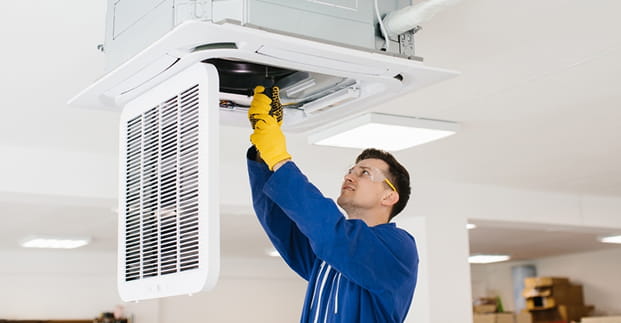
The equipment mix in Milpitas tracks the way the city was built. Homes that went up during the Ford plant years often started with a gas furnace and no cooling at all, so many of them now carry a retrofit condenser tied into original ductwork, or ductless mini-splits added room by room where there was no good chase to run duct. Hillside homes on the east side more often have zoned systems, because a two-story house facing west over the valley cooks in the afternoon while the lower level stays cool.
On the commercial side, the flat industrial and retail stock along North McCarthy, Barber Lane and Milpitas Boulevard is dominated by rooftop packaged equipment, with process and server-room cooling behind the scenes at the hardware and semiconductor campuses.
Rooftop units carry most of the load on Milpitas warehouses, R&D shells and shopping centers like McCarthy Ranch and the Great Mall, where roof curbs and screen walls dictate how a changeout gets rigged.
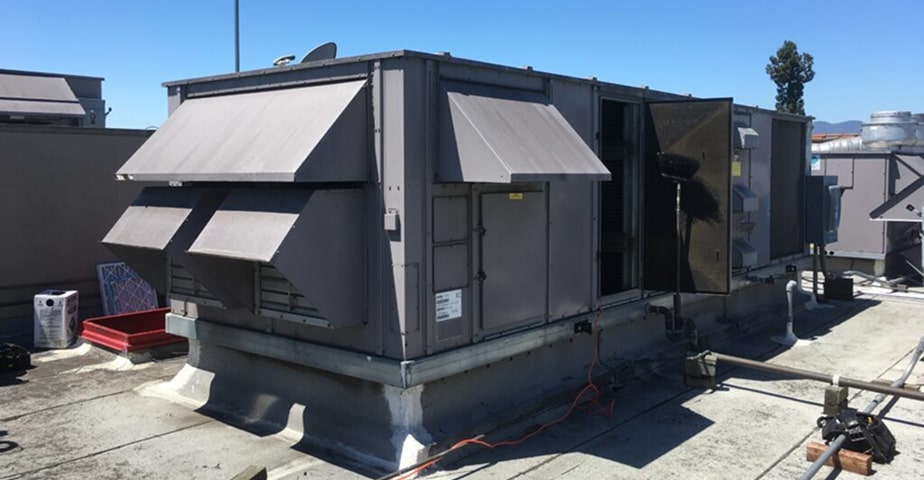
Packaged units suit the low-slope commercial buildings here, while split systems handle the older residential tracts and the mechanical closets in the newer townhomes near the transit center.
VRF makes sense in Milpitas office and lab conversions on the McCarthy corridor, where tenants change often and one building has to hold very different setpoints in adjacent suites.
Heat pumps fit Milpitas well. Winters are mild, newer construction near the BART station is built all-electric, and older gas-furnace homes are steadily converting as equipment reaches end of life.

Milpitas sits at the northern edge of Santa Clara County, right where the bay plain meets the foothills, and the equipment feels that. Marine air pushes in over the salt ponds and Coyote Creek most afternoons, so condensers on the west side of town live in damp, salt-carrying air. That is corrosion territory. Coil fins thin out, cabinet fasteners rust, and contactors pit years earlier than the same unit would in a drier location.
Move a mile east toward the hills and the picture flips. Homes above Evans Road and along the foothill streets take direct afternoon sun with little marine relief, then shed heat quickly after sunset. Add late-summer wildfire smoke, valley dust off I-880 and I-680, and the odor issues residents on the north side know well, and filtration becomes a real part of the conversation rather than an afterthought.
What that means in practice: near the bay we specify and inspect for coil corrosion, use protective coatings where they are warranted, and check drain pans and electrical terminals more closely. On the foothill side, sizing has to account for west-facing glass and afternoon gain instead of a generic square-foot rule of thumb. Filter selection matters in both halves of the city, especially during smoke season. For commercial buildings, a scheduled commercial HVAC maintenance program is the cheapest way to catch that wear before it takes a unit down.

Installations in Milpitas run through the city's Building and Safety division, and a mechanical changeout needs a permit and inspection like any other trade work. Title 24 drives duct leakage and refrigerant charge verification, so the paperwork is part of the job, not an extra. In the older tracts, the common surprise is electrical: an original panel with no room for a heat pump or a larger air handler, which turns a straight swap into a panel conversation.
Access shapes the work too. Hillside lots on the east side often mean tight side yards and long lineset runs. Condo and townhome projects near the transit area mean rooftop or podium equipment, elevator scheduling and HOA coordination.
Key Installation Factors
A system that is oversized, undercharged or tied to leaky ducts will underperform no matter how good the equipment is, and in Milpitas that shows up as a house that cannot hold temperature during an inland heat spike or a rooftop unit short-cycling itself to an early failure. We handle load calculations, equipment selection, permitting with the city, duct and airflow correction, refrigerant charge, inspection coordination and final performance testing. Everything we install carries a 1-year parts and labor warranty.
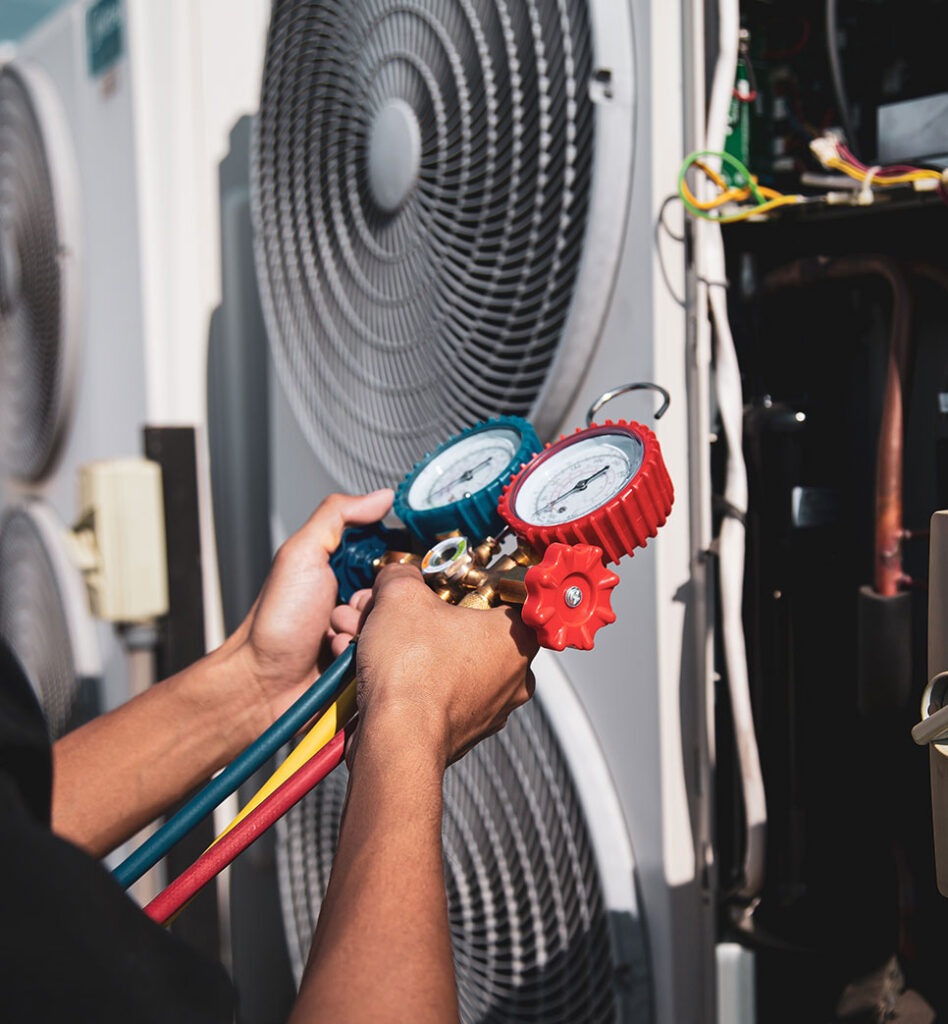
Failures in Milpitas tend to cluster. When an inland heat run pushes valley temperatures up for several days, the older residential condensers in the tracts off Calaveras and Abel Street start dropping, usually capacitors, contactors and compressors that were already marginal. On the commercial side, downtime is measured in lost revenue: a rooftop unit down over a Milpitas Square restaurant on a Friday night, or a walk-in cooler losing temperature at a grocery on a holiday weekend.
That is why we run 24/7 emergency HVAC repair. Our trucks come out of Santa Clara, which puts Milpitas a short run up 237 or 880, and our techs carry the common failure parts for both residential splits and commercial packaged equipment.
Common HVAC Problems We Fix
We chase the cause, not the symptom. A Milpitas home that never cools upstairs is often an airflow and duct problem in a 60-year-old attic, not a bad compressor. A rooftop unit that trips repeatedly may be fighting a dirty coil that the marine air has been working on for years.
When a system is genuinely at the end of its life, we say so and lay out the numbers on runtime, refrigerant type and expected remaining service life, so you can weigh a repair against a replacement instead of guessing.
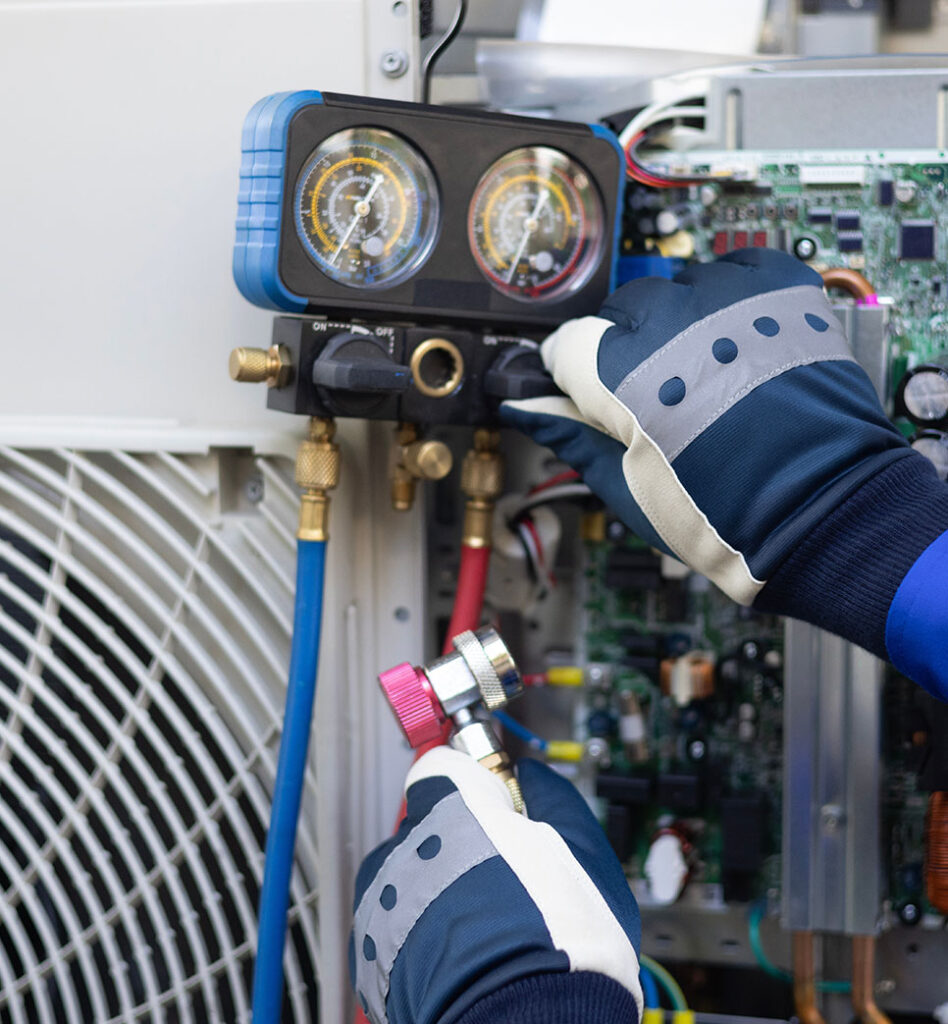
Equipment in Milpitas ages on two clocks. Salt and moisture off the bay flats work on coils, cabinets and electrical contacts year-round, quietly, without any symptom you would notice until a hot week arrives and the unit cannot keep up. Then the summer heat cycles from the inland side stress compressors and capacitors that were already carrying corroded connections.
Air quality adds a third factor. Between wildfire smoke in late summer, freeway particulate off the 880 and 680 corridors, and the north-side odor complaints Milpitas residents are familiar with, filters load faster here than people expect. A restricted filter starves airflow, and starved airflow is where a large share of compressor and heat exchanger failures actually begin.
What’s Included in HVAC Maintenance
For Milpitas commercial properties, scheduled maintenance is about uptime and budget control. Rooftop units on retail and warehouse buildings get coil cleaning, belt and bearing checks, economizer verification and control checks on a set interval, and refrigeration equipment in restaurants and markets gets its own schedule.
For homeowners, upkeep is simpler and still worth it: filter changes on a real schedule, a coil and charge check before the first hot stretch, and a heating check before the first cold mornings roll down out of the hills.
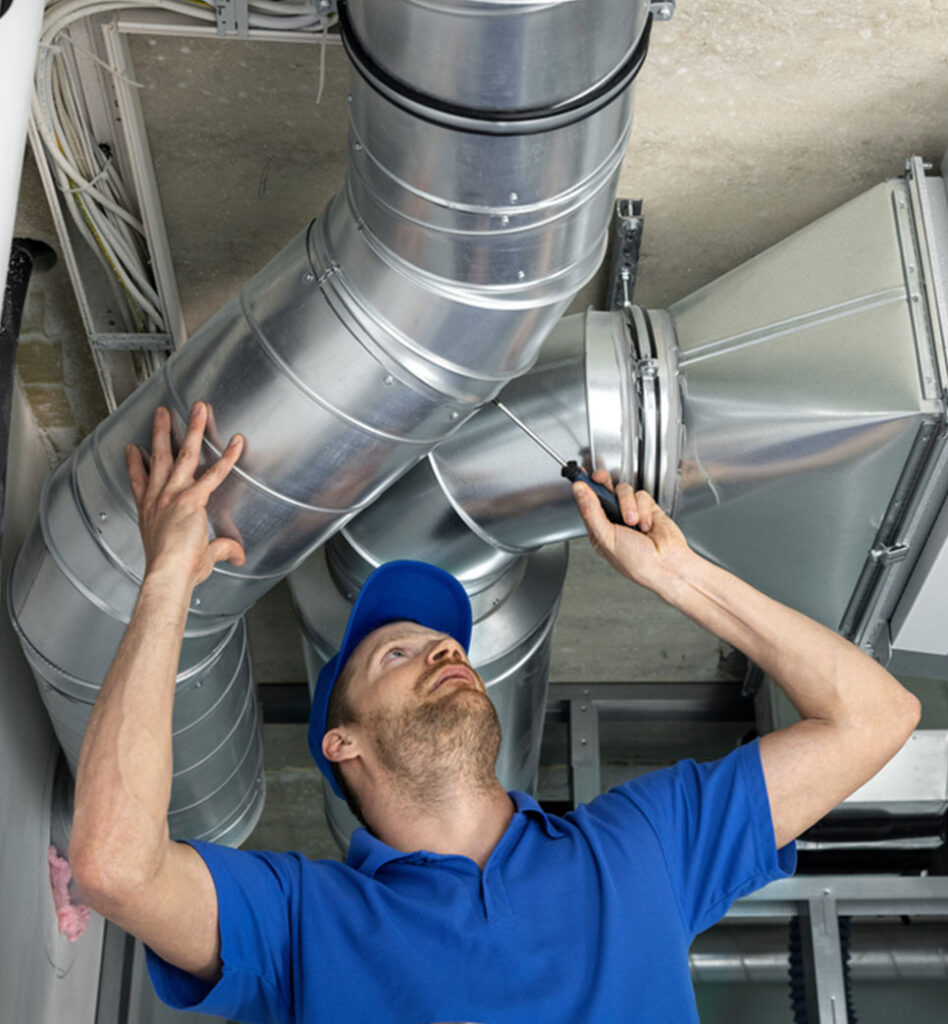
PG&E rates are what push most Milpitas efficiency projects forward. The city's older housing stock is the biggest opportunity, because a 1960s tract home with an original furnace, thin attic insulation and leaky ducts loses a large share of what it pays for before the air ever reaches a room. Sealing and correcting the duct system often does more for comfort than the equipment swap itself.
Newer construction around the Milpitas Transit Center and the Great Mall is already built electric, and heat pumps are the default there. For everyone else, SEER2-rated equipment and the state's move toward lower-GWP refrigerants such as R-454B and R-32 are reshaping what gets installed.
Ways to Improve HVAC Efficiency
For Milpitas commercial owners, the practical wins are usually rooftop unit replacement on aging packaged equipment, economizer repair, and controls that stop a building from conditioning empty space overnight. For homeowners, it is duct sealing, right-sized equipment and a heat pump conversion timed to the end of the existing furnace's life rather than forced early.
We look at the actual building, the actual panel and the actual usage pattern before recommending anything, because an upgrade that does not fit the house is just a more expensive version of the same problem.
We work out of Santa Clara at 3511 Thomas Rd, which puts Milpitas minutes away by 237 or 880. We are not a national dispatch service reading an address off a screen. Our techs know which Milpitas streets sit in the salt-air zone near the bay margin, which foothill neighborhoods take the worst afternoon sun, and how access works on the tighter east-side lots.
Alongside Milpitas we serve the neighboring communities that share its conditions, including the Berryessa and Alviso areas of San Jose, Fremont and Warm Springs just across the Alameda County line, Newark, Santa Clara and Sunnyvale.
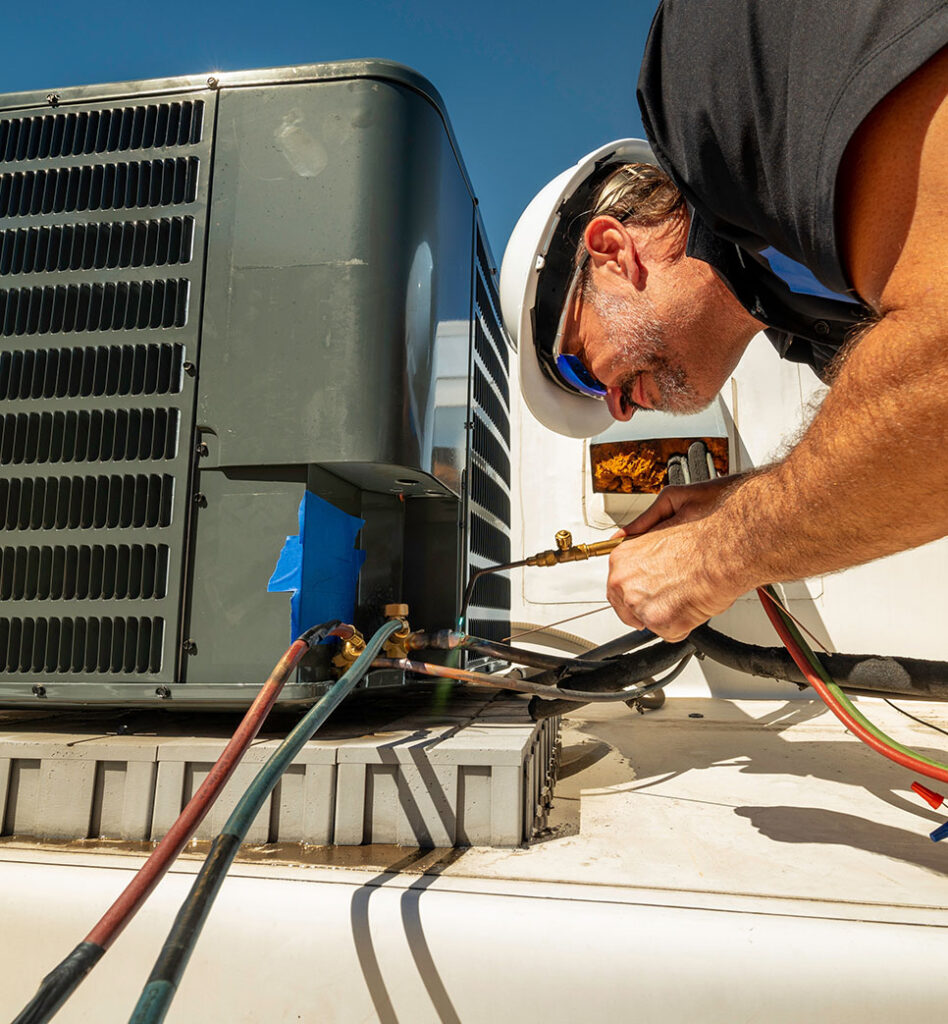
Cool Aid has been family-owned since 1966. Glenn McKinny, a former US Navy Chief Engineer, started it, and his son Jim McKinny owns and runs it today with over 37 years in the trade. That kind of continuity matters in a city like Milpitas, where a lot of the housing stock and a lot of the commercial buildings have been standing long enough that someone has already worked on them, well or badly.
We are licensed C-20 for HVAC and C-38 for refrigeration, EPA Universal certified, and we back our work with a 1-year parts and labor warranty. The goal is to do the job right the first time, whether that is a rooftop changeout on Barber Lane or a condenser replacement in an east-side backyard.
What Sets Us Apart
We diagnose before we quote. That means static pressure and airflow readings, electrical checks, refrigerant charge and a look at the ductwork, not a guess based on the age of the nameplate.
Then we give you options in plain language, including the option to repair and keep running when that is the sensible call. Milpitas homeowners and facility managers get the same treatment, and neither gets pressured toward a replacement that the equipment does not warrant yet.
Yes, and it is one of the most common jobs we do in Milpitas. Many of the tract homes built during the city's postwar growth came with a gas furnace and ducts but no cooling. In a lot of cases we can add a condenser and coil to the existing system, though the ductwork usually needs evaluation and sealing first because 60-year-old duct rarely moves the air a modern system expects. Where there is no usable duct path, ductless mini-splits are the cleaner answer.
It can, especially on the west side of Milpitas closest to the salt ponds and marshland at the south end of the bay. Marine air carrying salt accelerates corrosion on condenser coil fins, cabinet panels and electrical contacts, so units in that zone often show wear earlier than identical equipment installed a few miles inland. Regular coil rinsing and inspection helps, and on replacements we can specify coated coils where the exposure justifies it.
Yes. We hold a California C-38 refrigeration license alongside our C-20, and our techs are EPA Universal certified. Milpitas has a dense food-service and grocery scene around Milpitas Square, the Great Mall area and the Calaveras corridor, and we service walk-in coolers and freezers, prep tables and ice machines for those operators. Refrigeration failures do not wait for business hours, which is why we take emergency calls 24/7.
Yes. The McCarthy Boulevard and Barber Lane corridors are full of hardware, semiconductor and R&D buildings, and those spaces need cooling that runs continuously and holds a tight setpoint regardless of what the comfort system is doing. We service server rooms, data closets and dedicated equipment-room cooling, along with the rooftop and VRF systems that condition the office areas of the same buildings.
Yes. A mechanical changeout in Milpitas requires a permit through the city's Building and Safety division and an inspection when the work is complete, and Title 24 brings its own verification requirements for things like duct leakage and refrigerant charge. We pull the permit and coordinate the inspection as part of the job. Skipping that step tends to surface later, at resale or during an insurance claim, and it is not worth the trouble.
You tell us what the system is doing and where you are in Milpitas, and we schedule a visit. Our tech arrives out of Santa Clara, inspects the equipment and takes readings before offering an opinion. You get a clear explanation of what is wrong, what the options are and what the work involves, including permitting if the job requires it.
If it is an emergency, we dispatch around the clock rather than putting you on a next-available list.
To schedule HVAC service, refrigeration work or an emergency call anywhere in Milpitas, phone 1-800-266-5243 or send us the details through our contact page. Tell us the equipment type and the address, and we will get a technician headed your way.