
When your HVAC system stops working, the stress usually hits before the technician ever arrives. You’re wondering what’s wrong, how serious it is, how much it’s going to cost, and whether you’re about to hear something you don’t want to hear. On top of that, you’re letting someone into your home to work on equipment that’s expensive, complicated, and easy to misunderstand if you’re not in this industry every day.
A professional HVAC repair service shouldn’t add to that stress. It should feel organized, transparent, and predictable from the moment you schedule the call through the final system test. When you know how a proper service appointment is supposed to go—what questions get asked, how problems are diagnosed, and how repairs are explained—it’s much easier to feel confident about the work being done and the decisions you’re making for your home.
Why Knowing the HVAC Repair Process Matters
Your HVAC system is one of the most critical and costly components of your home, especially here in the Bay Area where we rely on it for comfort during sudden heatwaves and chilly winter nights. Inviting someone to repair it involves a high degree of trust. When you understand the standard procedure for a professional HVAC service appointment, you are better equipped to evaluate the quality of the service you are receiving.
Knowing the process helps you prepare. You’ll know what information is helpful to share, what questions to ask, and what a thorough diagnostic looks like. This knowledge transforms you from a passive observer into an informed homeowner. It demystifies the technician’s work, ensuring you understand the value of their time and expertise. Most importantly, it gives you peace of mind, because a transparent process is the first sign of a reliable and honest company.
Before the Appointment: What Homeowners Can Expect Ahead of Time
The service experience begins long before a technician rings your doorbell. A professional company sets a tone of reliability from the very first interaction.
Scheduling, arrival windows, and what information helps technicians work faster
When you call to schedule an HVAC repair, the person on the other end of the line should be calm, organized, and helpful. They will ask for your name, address, and a brief description of the problem. This is also your first opportunity to help the process along. Be ready to share any specific details you’ve noticed: Is the system making a strange noise? Is there a weird smell? Did it stop working suddenly or has performance been declining for weeks? The more information you can provide, the better prepared the technician will be.
A reliable company will give you a clear arrival window, such as “between 10 AM and 12 PM.” Vague promises like “sometime this afternoon” are a red flag of a disorganized operation. Many professional services, including ours, will also send a text or call when the technician is on their way, so you aren’t left waiting and wondering. This simple courtesy shows respect for your time and is a hallmark of a customer-focused business.
The First Step On-Site: System Overview and Initial Questions
When the technician arrives, they shouldn’t just march to the furnace or AC unit and start taking things apart. The first step in any professional HVAC service call is a conversation with you. They should introduce themselves, listen patiently to your description of the problem, and ask clarifying questions.
This initial dialogue is a crucial part of the diagnostic process. A good technician wants to understand the system’s behavior from the person who lives with it every day. They might ask:
- “When did you first notice the issue?”
- “Has this happened before?”
- “Have you noticed any other changes, like higher energy bills or new noises?”
This conversation helps them build a mental checklist of potential causes before they even open their toolbox. It’s also an opportunity for them to reassure you that they are there to solve the problem, not just to complete a task. A technician who listens is a technician you can trust.
How a Professional HVAC Inspection Is Actually Performed
After the initial conversation, the technician will begin a systematic inspection of your HVAC system. This is far more than just looking at the part you think is broken. A true professional assesses the entire system to understand the context of the failure.
What technicians look for beyond the obvious symptoms
A thorough HVAC inspection process involves checking the whole chain of operations. For an air conditioner, this means looking at both the indoor unit (the evaporator coil and blower) and the outdoor unit (the condenser). For a furnace, it includes the burner assembly, the blower, and the exhaust flue.
They will check for obvious issues first: a dirty air filter, a clogged condensate drain line, or blocked vents. These simple things can cause a surprising number of problems. From there, they will look for signs of wear and tear, such as frayed wires, corroded electrical contacts, or leaks around fittings. They are not just looking for the one broken component; they are looking for the root cause and any related issues that could lead to another breakdown in the near future. This comprehensive approach is the difference between a temporary patch and a lasting repair.
Testing, Measurements, and Diagnostics: Where Answers Come From
Once the visual inspection is complete, the real diagnostic work begins. This is where the technician’s training and tools come into play. Guesswork has no place in professional HVAC troubleshooting. Answers come from data.
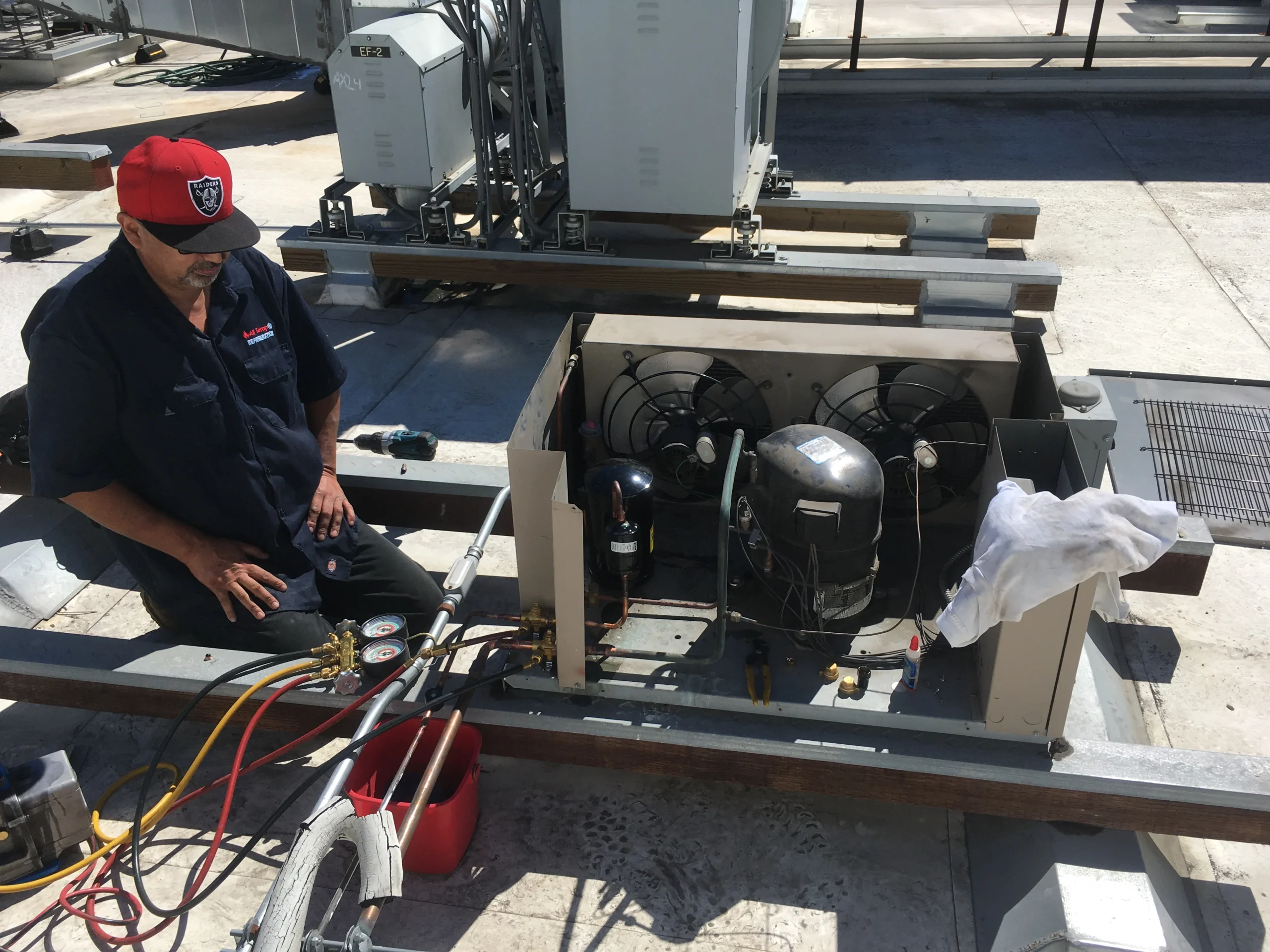
Using a multimeter, the technician will check electrical components like capacitors, contactors, and motors to ensure they are receiving the correct voltage and drawing the right amount of power. They will use a set of gauges to measure the refrigerant pressure in your air conditioner, which tells them if it is properly charged. They may use a combustion analyzer to test the exhaust from your furnace to ensure it is burning safely and efficiently.
This phase can take some time, as they may need to test multiple components to isolate the exact point of failure. A technician who methodically tests and measures is building a case based on facts. This data-driven approach ensures that the repair recommendation they make is based on evidence, not a hunch.
Explaining the Problem in Plain Terms
After the diagnostic is complete, the technician should be able to tell you exactly what is wrong. The most important part of this step is communication. A good technician can translate complex mechanical or electrical issues into plain, understandable language.
What homeowners should expect from a clear repair explanation
You should not be left feeling confused or intimidated. The technician should be able to show you the failing part if possible and explain what it does and why it has failed. For example, instead of saying, “Your run capacitor is out of spec,” they should say, “This part helps the fan motor start and run. It’s gotten weak and can no longer provide enough power, which is why your fan isn’t spinning.”
They should be patient and willing to answer your questions. This is your opportunity to understand the health of your system. A transparent explanation builds trust and empowers you to make an informed decision about the repair. If you feel like you are being rushed or talked down to, it is a significant red flag.
Repair Options, Costs, and Timing
Once you understand the problem, the conversation shifts to the solution. In a professional HVAC repair service, you should be presented with clear options and upfront pricing before any work begins.
You should receive a firm quote for the repair, not a vague hourly estimate. This flat-rate pricing protects you; you know the final cost regardless of how long the job takes. If there are multiple ways to address the problem, or if the technician has identified other components that are nearing the end of their life, they should lay out your options clearly.
For instance: “We can replace just this failing motor for X dollars, and that will get you running today. I also noticed the belt is cracked and will likely break soon. We can replace that at the same time for an additional Y dollars, which will save you the cost of another service call in a few months.” There should be no high-pressure sales tactics. The technician’s job is to provide the information; your job is to decide what is best for your budget and your home.
What Happens During the Actual HVAC Repair
After you have approved the repair and the cost, the technician will get to work. The specific steps will vary widely depending on the nature of the problem, but a professional will work cleanly and efficiently.
What’s typical — and what depends on the issue
For many common repairs—like replacing a capacitor, a thermostat, or a fan motor—the work can be completed relatively quickly, often in under an hour. The technician will have most of these standard parts on their truck.
For more complex issues, like a refrigerant leak or a failed compressor, the repair may take several hours or require a return visit if a specific part needs to be ordered. A good company will have communicated this possibility when discussing the timing. During the repair, the technician should take care to protect your home, using drop cloths if necessary and cleaning up any debris when they are finished. They are a guest in your home, and their professionalism should reflect that.
System Testing After the Repair Is Complete
The job isn’t finished just because the new part is installed. The final, critical step of any professional HVAC repair is to test the system thoroughly to ensure the repair was successful and that the unit is operating correctly and safely.
The technician should turn the system on and let it run through a full cycle. They will take measurements again—checking temperatures at the vents, monitoring electrical draws, and verifying refrigerant pressures. This performance check confirms that the new part has solved the problem and that no new issues have arisen. This quality control step is non-negotiable. A technician who packs up their tools and leaves the moment the system turns on is cutting corners and leaving you at risk of another failure.
Questions Homeowners Should Feel Comfortable Asking
Throughout the process, you should feel empowered to ask questions. A professional technician will welcome your curiosity and see it as a sign of an engaged homeowner. Some good questions to ask include:
- “Can you show me the part that failed?”
- “Is there anything I could have done to prevent this?”
- “How long should this repair last?”
- “What is the warranty on the part and the labor?”
- “Based on the age and condition of my system, what should I be prepared for in the next few years?”
These questions help you learn about your system and understand the value of the service you are receiving. Any technician who seems annoyed or evasive when answering is not the right partner for your home.
What a Professional HVAC Repair Service Should Never Do
Just as important as knowing what to look for is knowing the red flags of a bad HVAC service. A professional technician should never:
- Pressure you into a decision. They should provide options and give you time to think. Scare tactics like “If you don’t fix this now, your whole house could be at risk” are a sign of a salesperson, not a service professional.
- Give you a quote on a major repair without a thorough diagnostic. No one can price a compressor replacement without first confirming the compressor is actually dead.
- Begin work without your explicit approval of the cost. Surprise charges on the final bill are unacceptable.
- Leave a mess. They should leave your home as clean as they found it.
- Be unable or unwilling to show you their license or insurance information.
If you experience any of these behaviors, it is perfectly acceptable to stop the service call and find another company.
If You’re Scheduling an HVAC Repair and Want to Know What to Expect
Scheduling an HVAC repair doesn’t have to be a stressful experience. When you work with a professional team, you can expect clarity, transparency, and respect from start to finish. You should feel confident that the person in your home is a trained expert who is there to solve your problem efficiently and honestly.
At Cool Aid A/C & Refrigeration, this process is the foundation of our business. We believe an informed customer is a happy customer. If your system is giving you trouble and you’re not sure what to do next, give us a call. We’ll walk you through every step, provide a clear diagnosis, and get your home comfortable again—with no surprises.
Stay Comfortable Year-Round With Expert HVAC Service
Book a trusted technician to handle your heating or cooling issue—fast, professional, and done right the first time.
Book Service Now