Smart DIY HVAC maintenance can save Bay Area homeowners hundreds of dollars a year, improve system efficiency, and extend the life of your heating and cooling equipment. But knowing the line between what’s safe to tackle yourself and what requires a licensed professional is critical—both for your safety and your system’s longevity.
The truth is, about 60% of routine HVAC maintenance tasks are things any homeowner can handle with basic tools and 15–30 minutes. The other 40%? Those involve refrigerants, high-voltage electrical work, gas connections, and specialized equipment that require training, licensing, and the right tools.
This guide breaks it down clearly: 10 DIY HVAC maintenance tasks with step-by-step instructions, followed by 5 tasks you should always leave to a professional. Follow this list and you’ll keep your system running smoothly between professional tune-ups—while staying safe.
DIY vs. Professional HVAC Maintenance: Quick Comparison
| Task | DIY or Pro? | Frequency | Tools Needed | Time |
| Replace air filters | ✅ DIY | Every 60–90 days | None | 5 min |
| Clean supply/return vents | ✅ DIY | Every 3 months | Vacuum, cloth | 20 min |
| Program thermostat | ✅ DIY | Seasonally | None | 10 min |
| Clear outdoor unit debris | ✅ DIY | Monthly (spring–fall) | Garden hose | 15 min |
| Clean condensate drain line | ✅ DIY | Every 3 months | Vinegar, funnel | 10 min |
| Inspect ductwork visually | ✅ DIY | Twice a year | Flashlight | 15 min |
| Test carbon monoxide detectors | ✅ DIY | Monthly | None | 5 min |
| Check insulation on refrigerant lines | ✅ DIY | Annually | Visual only | 5 min |
| Level the outdoor unit | ✅ DIY | Annually | Level, shims | 15 min |
| Clean around the indoor unit | ✅ DIY | Monthly | Vacuum, cloth | 10 min |
| Refrigerant recharge/leak repair | 🔴 Pro Only | As needed | EPA certification | — |
| Electrical component testing | 🔴 Pro Only | Annually | Multimeter, training | — |
| Gas furnace inspection | 🔴 Pro Only | Annually | Gas detector, training | — |
| Ductwork sealing/repair | 🔴 Pro Only | As needed | Specialized equipment | — |
| Full system tune-up | 🔴 Pro Only | Annually | Professional tools | — |
The 10 DIY HVAC Maintenance Tasks
DIY Task #1: Replace Your Air Filters
This is the single most impactful DIY HVAC maintenance task you can perform. A clogged filter restricts airflow, forces your system to work harder, increases energy bills by 5–15%, and can lead to frozen coils or system failure.
How to do it: 1. Turn off your HVAC system 2. Locate the filter (usually in the return air duct, near the air handler, or behind a wall/ceiling grille) 3. Note the size printed on the filter frame (e.g., 16x25x1) 4. Slide the old filter out and slide the new one in, matching the airflow arrow direction 5. Turn the system back on
Pro tip: In the Bay Area, wildfire smoke season (August–November) can clog filters faster. During active smoke events, check your filter weekly. For more on why this matters, read why your air filter is crucial to avoiding HVAC breakdowns.
DIY Task #2: Clean Supply and Return Vents
Dusty, blocked vents reduce airflow to your rooms and make your system work harder. This is an easy win.
How to do it: 1. Remove vent covers by unscrewing or unclipping them 2. Wash covers with warm soapy water and let them dry 3. Vacuum inside the duct opening as far as you can reach 4. Replace vent covers and make sure no furniture, rugs, or curtains are blocking them
DIY Task #3: Program Your Thermostat for Seasonal Efficiency
A properly programmed thermostat can reduce your heating and cooling bills by 10–15% annually. Many Bay Area homeowners set their thermostat once and never touch it again—leaving money on the table.
How to do it: 1. Summer setting: 78°F when home, 85°F when away, 82°F when sleeping 2. Winter setting: 68°F when home, 62°F when away, 65°F when sleeping 3. If you have a smart thermostat, enable learning features and geofencing 4. Don’t set extreme temperatures hoping to cool/heat faster—it doesn’t work and wastes energy
Check out our full seasonal HVAC maintenance checklist for temperature guidelines tuned to Bay Area weather patterns.
DIY Task #4: Clear Debris from Your Outdoor Unit
Your condenser unit needs unobstructed airflow. Bay Area landscaping can encroach quickly.
How to do it: 1. Turn off the system at the thermostat 2. Remove leaves, twigs, and cobwebs from the exterior fins 3. Trim vegetation back to at least 2 feet on all sides 4. Gently rinse fins with a garden hose (inside out, low pressure—never pressure wash)
DIY Task #5: Clean the Condensate Drain Line
Your AC produces condensation that drains through a small PVC pipe. Over time, algae and mold can clog this line, causing water backup and potential water damage.
How to do it: 1. Locate the drain line (usually a white PVC pipe near your indoor air handler) 2. Pour 1 cup of distilled white vinegar into the drain opening 3. Wait 30 minutes, then flush with warm water 4. Check the outdoor drain exit point to confirm water flows freely 5. Repeat every 3 months during cooling season
DIY Task #6: Visually Inspect Accessible Ductwork
Leaky or damaged ducts can waste 20–30% of your conditioned air. While major duct repair is a pro job, a visual inspection can catch obvious problems.
How to do it: 1. Access your attic, crawl space, or basement where ducts are visible 2. Look for disconnected joints, visible holes, or crushed sections 3. Check for duct tape that’s deteriorated (ironically, duct tape fails on ducts) 4. Feel for air leaking at connections while the system is running 5. Note any issues and report them to your HVAC technician at your next service visit
DIY Task #7: Test Carbon Monoxide Detectors
If you have a gas furnace—and most Bay Area homes do—working carbon monoxide (CO) detectors are a safety essential, not an option.
How to do it: 1. Press the test button on each CO detector monthly 2. Replace batteries annually (or when the low-battery chirp sounds) 3. Replace the entire detector every 5–7 years (check the manufacture date on the back) 4. Ensure you have detectors on every level of your home and near sleeping areas
DIY Task #8: Inspect Refrigerant Line Insulation
The copper refrigerant lines between your outdoor and indoor units should be wrapped in foam insulation. Damaged insulation reduces efficiency.
How to do it: 1. Visually inspect insulation on the larger (suction) line for cracks, gaps, or pest damage 2. If damaged, purchase foam pipe insulation at any hardware store and wrap it yourself 3. Secure with zip ties or insulation tape
DIY Task #9: Level Your Outdoor Condenser Unit
Over time, the ground beneath your outdoor unit can settle, causing it to tilt. An unlevel condenser puts stress on internal components and can cause refrigerant flow issues.
How to do it: 1. Place a level on top of the unit 2. If it’s off-level by more than a half inch, use composite shims or adjust the concrete pad 3. Never stack bricks or wood directly under the unit—use rated leveling pads 4. Check this annually, especially after heavy Bay Area winter rains
DIY Task #10: Keep the Area Around Your Indoor Unit Clean
Your indoor air handler or furnace needs clearance and clean surroundings to operate safely and efficiently.
How to do it: 1. Clear at least 3 feet of space around your furnace or air handler 2. Remove stored boxes, chemicals, paint cans, and flammable materials 3. Vacuum around the unit to remove dust and pet hair buildup 4. Make sure the unit’s access panel is clear and not blocked
The 5 HVAC Maintenance Tasks That Need a Pro
⚠️ Pro Task #1: Refrigerant Check and Recharge
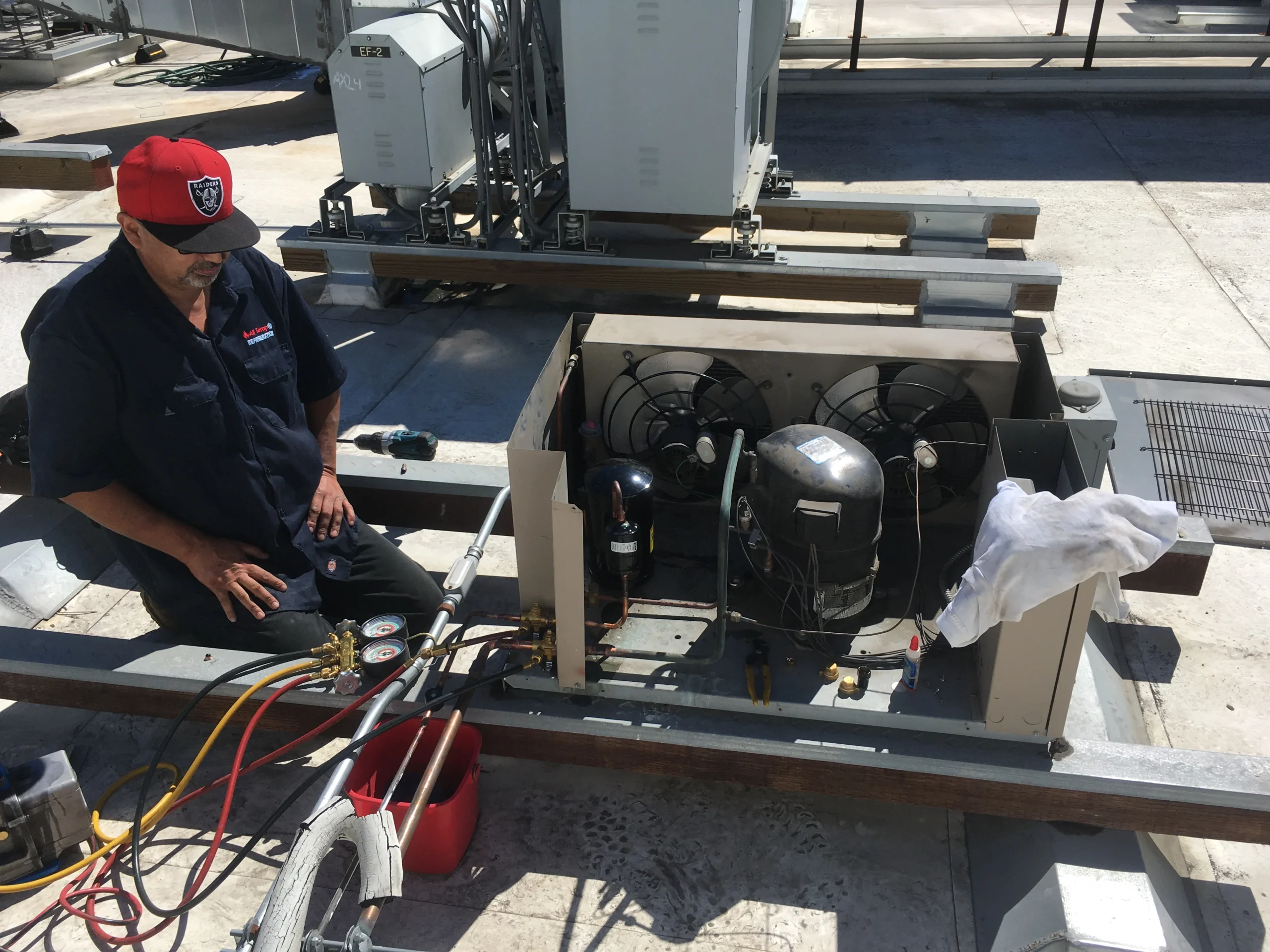
Why you can’t DIY this: Under the EPA’s Clean Air Act, handling refrigerant requires Section 608 certification. Refrigerant is federally regulated, and violations can bring civil penalties of up to $124,426 per day per violation. Beyond legality, diagnosing a refrigerant leak requires specialized tools (electronic leak detectors, UV dye) and recharging requires precise measurement—too much or too little refrigerant damages your compressor.
What a pro does: Checks refrigerant levels, tests for leaks, repairs any leaks found, and recharges to the manufacturer’s specification.
⚠️ Pro Task #2: Electrical Component Testing and Repair
Why you can’t DIY this: Your HVAC system runs on 240-volt power—enough to cause serious injury or death. Capacitors store electrical charge even when the system is off. Contactors, relays, and wiring connections require testing with a multimeter and knowledge of HVAC electrical schematics.
What a pro does: Tests capacitors, inspects contactors and relays, checks amp draws on motors, tightens electrical connections, and verifies proper voltage.
⚠️ Pro Task #3: Gas Furnace Inspection and Heat Exchanger Check
Why you can’t DIY this: A cracked heat exchanger can leak carbon monoxide into your home—a silent, potentially fatal threat. Detecting cracks requires camera inspection tools and combustion analysis equipment. Gas valve and burner adjustments also require specialized knowledge.
What a pro does: Inspects the heat exchanger for cracks, tests combustion efficiency, checks gas pressure, cleans burners, and verifies safe operation. Learn more about the importance of annual HVAC maintenance.
⚠️ Pro Task #4: Ductwork Sealing, Repair, and Modification
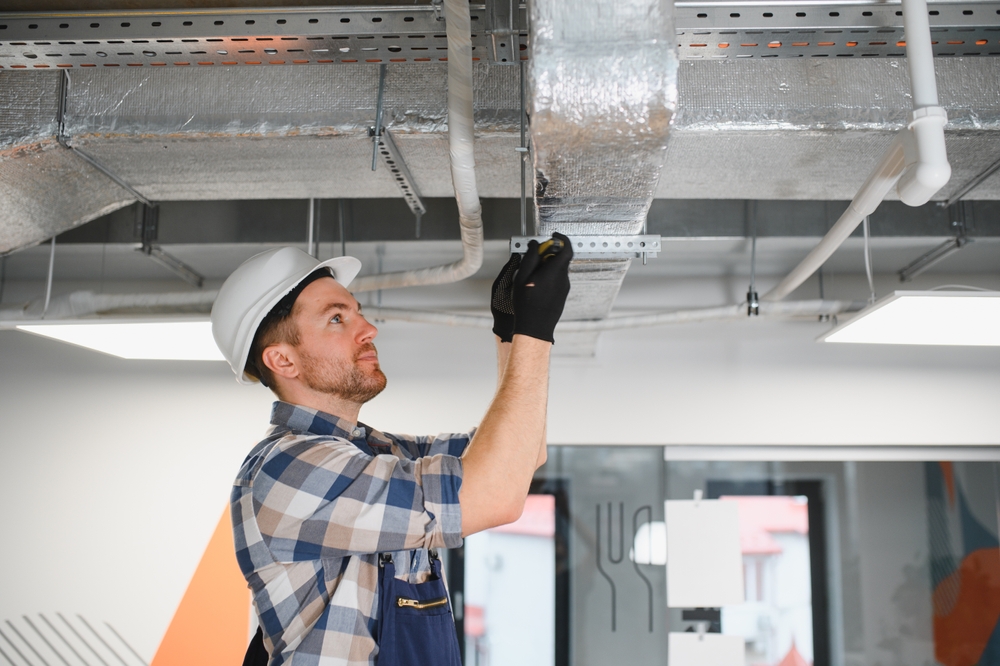
Why you can’t DIY this: Actual duct sealing requires mastic sealant, metallic tape, and pressure testing equipment. Modifying ductwork affects your system’s airflow balance—improper work causes hot/cold spots and system strain.
What a pro does: Performs leakage testing, seals joints with mastic, repairs damage, and verifies balanced airflow.
⚠️ Pro Task #5: Complete System Tune-Up
Why you can’t DIY this: A professional tune-up covers 20+ checkpoints that require training and specialized tools: superheat and subcooling measurements, static pressure testing, combustion analysis, amp draw testing, and overall system performance evaluation. This comprehensive inspection catches problems before they become breakdowns.
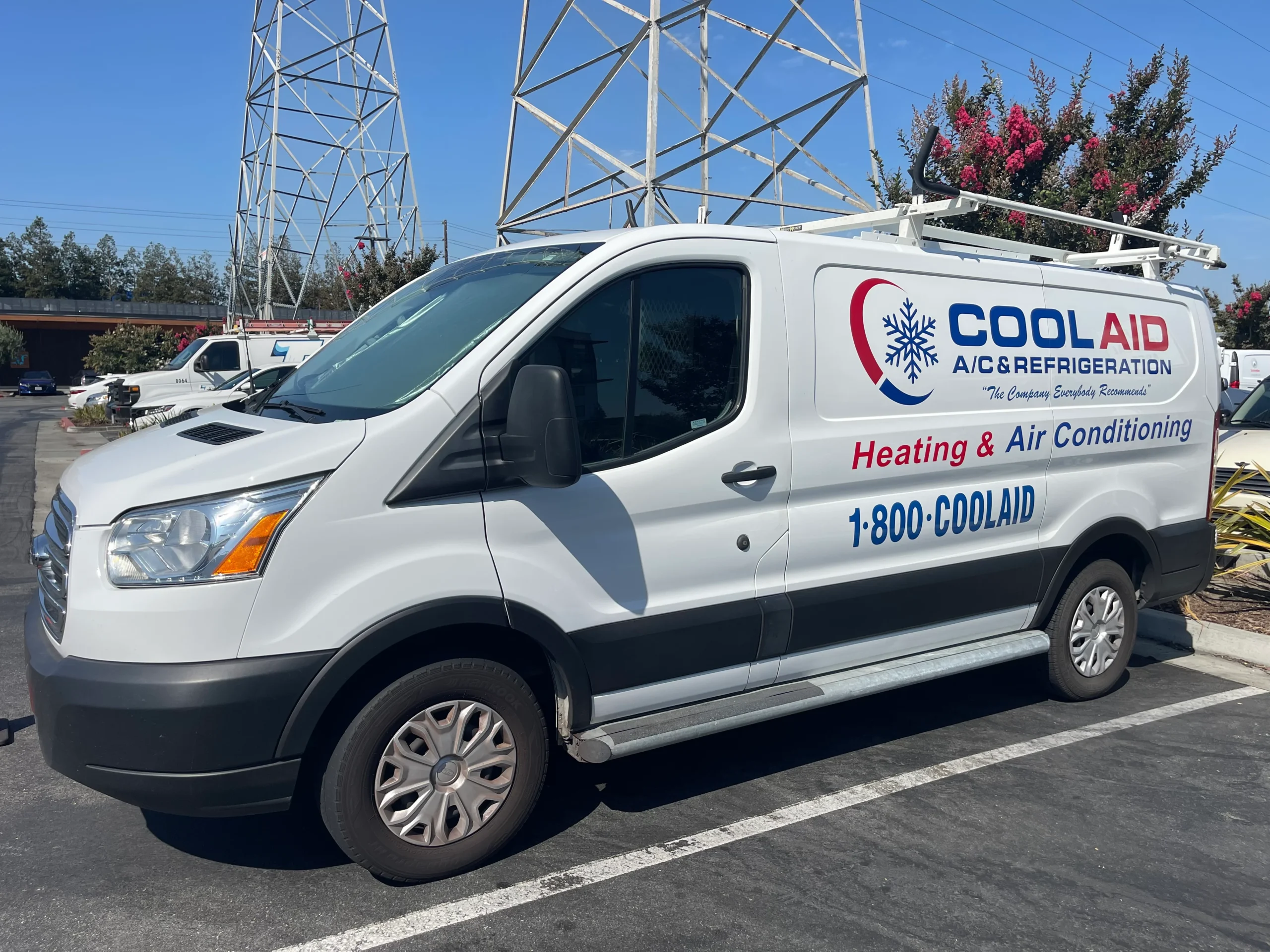
What a pro does: The full 20+ point inspection, cleaning, calibration, and performance testing that keeps your system running at peak efficiency. Cool Aid offers residential HVAC maintenance services with comprehensive seasonal tune-ups tailored to Bay Area climate conditions.
DIY HVAC Maintenance Safety Warnings
Before performing any DIY HVAC maintenance, keep these safety rules in mind:
- Always turn off power to your system before working on it—at both the thermostat and the breaker panel
- Never touch electrical components inside the air handler, condenser, or furnace cabinet
- Never attempt to add refrigerant yourself—it’s illegal without EPA certification
- If you smell gas, leave your home immediately and call PG&E’s gas emergency line (1-800-743-5000) from outside
- Don’t bypass safety switches or override system protections
- If something doesn’t look right, stop and call a professional
FAQ: DIY HVAC Maintenance
How often should I replace my HVAC air filter?
For standard 1-inch filters, replace every 60–90 days under normal conditions. If you have pets, allergies, or live in a dusty area, check monthly and replace as needed. During Bay Area wildfire season, inspect weekly. Higher-quality 4-inch media filters can last 6–12 months.
Can I clean my AC coils myself?
You can gently rinse the outdoor condenser coils with a garden hose (low pressure, from inside out). However, cleaning indoor evaporator coils should be left to a professional, as accessing them requires removing panels, and improper cleaning can damage the delicate fins or introduce moisture issues.
What’s the most important DIY HVAC maintenance task?
Changing your air filter. It takes 5 minutes, costs $5–$20, and has the biggest impact on system efficiency, air quality, and longevity. A clogged filter is the #1 preventable cause of HVAC system failure.
How much money can DIY HVAC maintenance save me?
Regular DIY maintenance can save $200–$500 annually by improving energy efficiency (5–15% lower utility bills), preventing minor repairs from becoming major ones, and extending your system’s lifespan. That said, DIY maintenance is a complement to—not a replacement for—annual professional tune-ups.
Do I still need professional maintenance if I do all 10 DIY tasks?
Yes. Professional maintenance covers critical safety checks and performance measurements that require specialized training and tools. Think of it like a car: you can check your oil and tire pressure (DIY), but you still need a mechanic for a full inspection. The combination of homeowner maintenance and professional tune-ups gives you the best system performance and longevity.
Keep Your HVAC Running Strong Year-Round
Consistent DIY HVAC maintenance between professional visits is the smartest thing Bay Area homeowners can do for their comfort, their energy bills, and their system’s lifespan. Handle the 10 safe tasks yourself, and trust the 5 critical ones to a licensed pro.
Ready to schedule your next professional tune-up? Cool Aid Air Conditioning & Refrigeration has provided expert HVAC maintenance across the Bay Area for 60+ years. Our C-20 licensed technicians handle the tasks you can’t—so your system runs safely and efficiently season after season.
📞 Call 1-800-266-5243 to schedule your maintenance visit, or explore our HVAC maintenance checklist for more seasonal tips.
Stay Comfortable Year-Round With Expert HVAC Service
Book a trusted technician to handle your heating or cooling issue—fast, professional, and done right the first time.
Book Service Now