Living in the Bay Area, we often get lulled into a false sense of security by our weather. We don’t have the deep freezes of the Midwest or the relentless humidity of the South. But that doesn’t mean your HVAC system gets a pass. In fact, our unique climate—with its coastal fog, dry heat spikes, and distinct microclimates—presents its own set of challenges for heating and cooling equipment.
Many homeowners treat their HVAC system like a refrigerator: plug it in and forget about it until it breaks. But unlike a fridge, your central air and furnace are moving massive amounts of air, battling dust, pollen, and temperature swings every single day. A lack of maintenance is the number one reason we see premature breakdowns.
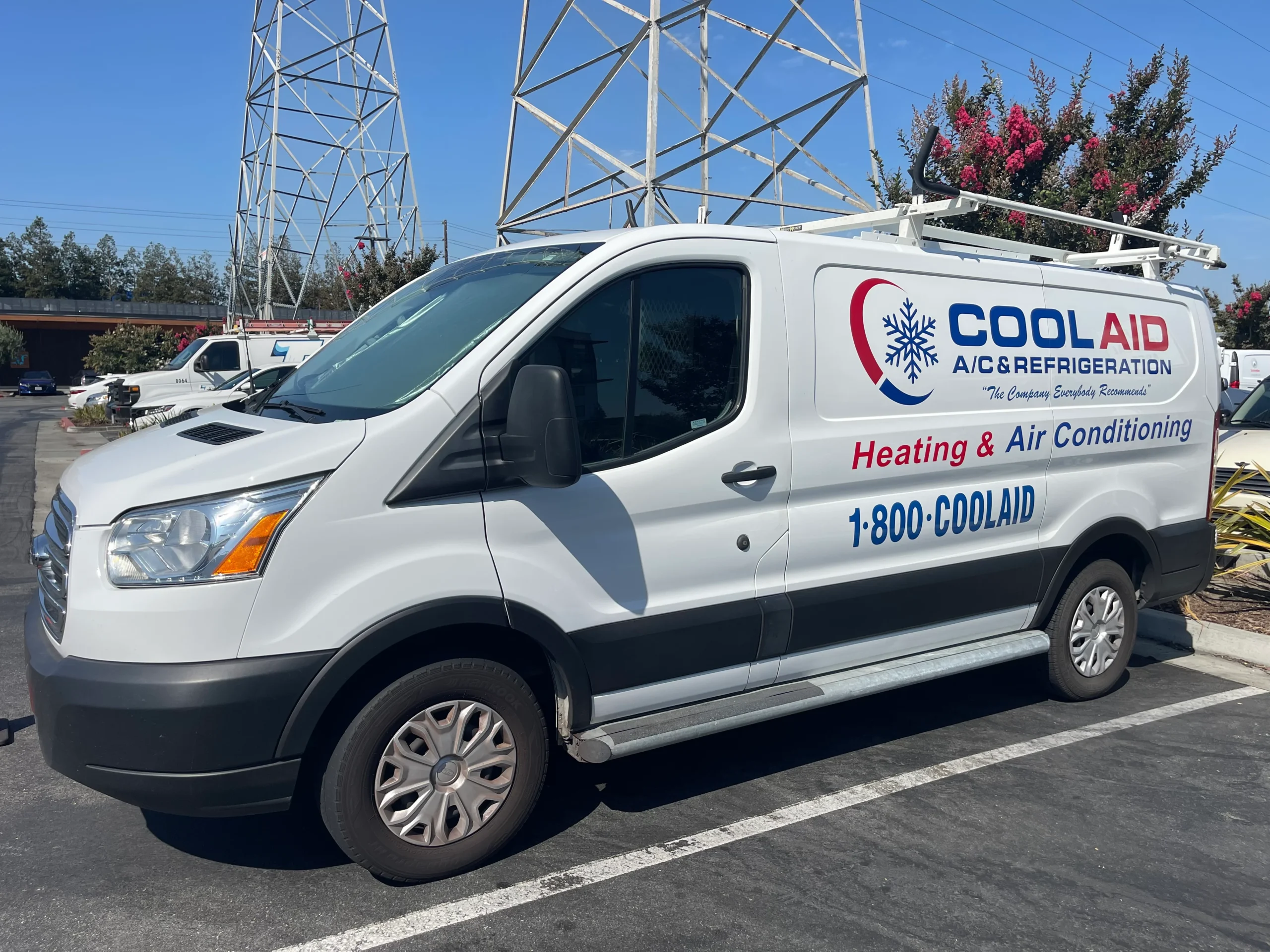
At Cool Aid A/C & Refrigeration, we believe that taking care of your system shouldn’t be a mystery. It’s about being proactive rather than reactive. This checklist isn’t just about ticking boxes; it’s about understanding what your system needs to survive the seasons and knowing when to call in a pro before a small rattle turns into a silent compressor.
Why HVAC Maintenance Matters More in the Bay Area
You might think that because our weather is generally mild, your system isn’t working that hard. The reality is quite the opposite. Our “mild” weather often means systems run for longer, lower-intensity cycles throughout the year rather than having a distinct “off” season.
Mild weather that hides small problems until they get expensive
In extreme climates, a weak component fails immediately because the system is under maximum load. Here, a system can limp along with a refrigerant leak or a failing capacitor for months because the demand isn’t high enough to break it—yet. The problem is silently growing. By the time that one week of 95-degree weather hits in September, the component is completely shot, and the system fails exactly when you need it most. Regular maintenance exposes these hidden issues while they are still cheap and easy to fix.
What a Real HVAC Maintenance Checklist Covers (and What It Doesn’t)
There is a lot of confusion about what “maintenance” actually means. To some, it means changing a filter. To a professional, it means a comprehensive audit of the system’s health.
The difference between preventive maintenance and quick inspections
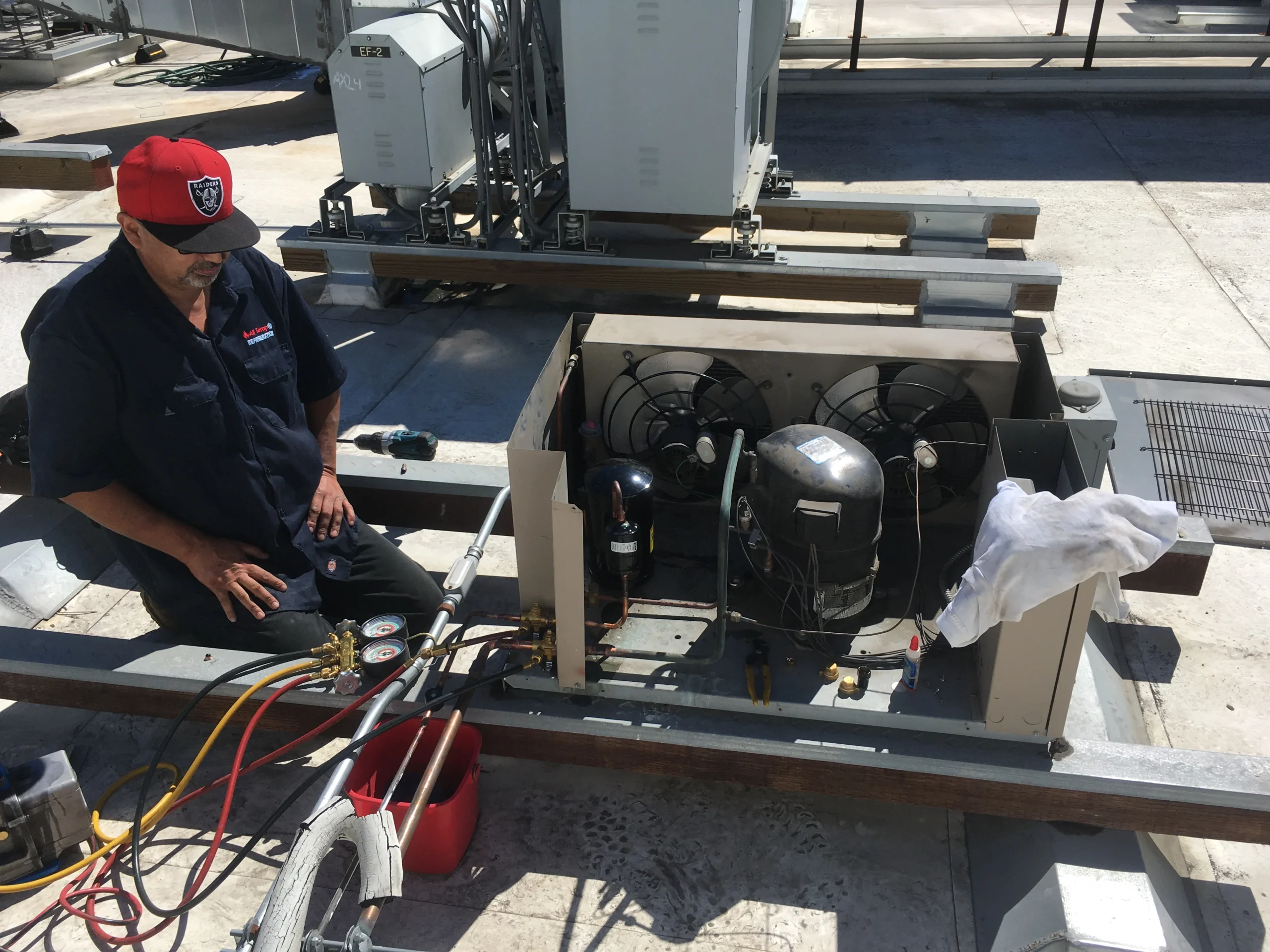
A quick inspection might just check if the system turns on and blows air. That’s not maintenance; that’s just verification. Real preventive maintenance involves measuring the electrical draw of motors, checking refrigerant pressures against the manufacturer’s charts, and physically cleaning components that have gathered a year’s worth of grime. It’s the difference between kicking the tires and checking the engine oil. One tells you the car is there; the other tells you if it’s going to make it to your destination.
Spring HVAC Maintenance — Getting Ready for Cooling Season
Spring in the Bay Area is the perfect window to prep your AC. You want to catch issues before the first heat wave arrives.
Air filter replacement and airflow checks
The most critical step in spring is establishing good airflow. A dirty filter restricts air, causing the system to work harder and use more energy. But we go beyond just swapping the filter. We check the return vents and supply registers to ensure they aren’t blocked by furniture or rugs. Restricted airflow is a silent killer of efficiency; it causes pressure imbalances that can freeze up coils and overheat motors.
Condenser coil cleaning for efficient cooling
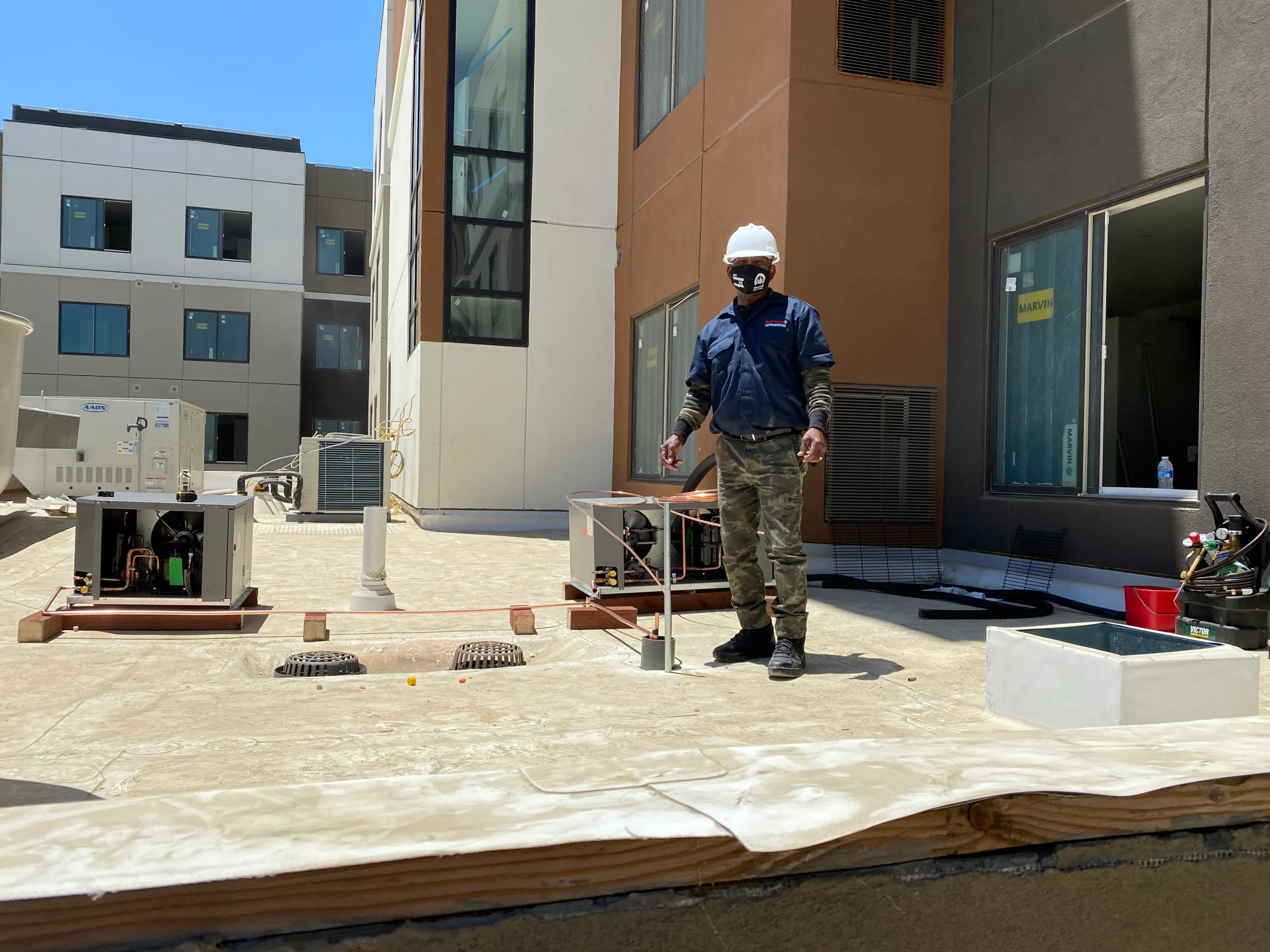
Your outdoor unit (the condenser) has been sitting in the rain, wind, and falling leaves all winter. By spring, the delicate aluminum fins are often clogged with dirt, pollen, and debris. This coating acts like a winter coat, trapping heat inside the unit. Cleaning the condenser coil isn’t just about aesthetics; it’s about heat transfer. A clean coil releases heat efficiently, keeping your energy bills down and your compressor happy.
Electrical component testing before summer load
Before the heavy lifting of summer begins, every electrical connection needs to be tight. We test the capacitors—the batteries that help your motors start—to ensure they are holding a full charge. A weak capacitor puts massive stress on the compressor and fan motor. Replacing a $20 part in the spring can save you a $2,000 repair in August.
Summer HVAC Checks That Prevent Mid-Heat Breakdowns
Once summer hits, maintenance shifts from preparation to monitoring. The goal now is to keep the system running smoothly under load.
Monitoring refrigerant performance under high demand
Refrigerant levels must be precise. If the charge is even slightly low, the system struggles to cool. In the summer, we monitor the “superheat” and “subcooling” temperatures to tell us exactly how the refrigerant is changing state inside the coils. This data tells us if there’s a leak or if the metering device is failing. Catching a leak early prevents the compressor from overheating and seizing up.
Catching early signs of compressor stress
The compressor works hardest on the hottest days. During a summer check, we listen. A compressor that is about to fail often sounds different—it might have a mechanical rattle or a hard, shuddering start. We also measure the amperage draw. If the compressor is pulling more amps than it’s rated for, it’s working too hard. This is a red flag that allows us to intervene before a catastrophic burnout occurs.
Fall HVAC Maintenance — Preparing for Heating Season
As the fog rolls in and nights get chilly, focus shifts to the furnace. Gas furnaces, in particular, need careful attention to ensure safety.
Heat exchanger inspection and safety checks
The heat exchanger is the metal chamber that keeps the burning gas separate from the air you breathe. Over time, the constant expansion and contraction from heating and cooling can cause cracks. A cracked heat exchanger can leak carbon monoxide into your home. This is the single most important safety check we perform. We use inspection cameras and combustion analyzers to verify the integrity of the heat exchanger before you turn the heat on for the winter.
Blower motor and airflow balance testing
Your blower motor moves air for both heating and cooling, but heating requires a different airflow balance. In the fall, we check the blower wheel for dust buildup. A layer of dust on the curved blades of the blower wheel drastically reduces its ability to move air. This can cause the furnace to overheat and trip its safety limit switch. Cleaning the blower ensures steady, warm airflow throughout the house.
Winter HVAC Care That Prevents No-Heat Emergencies
When it’s 40 degrees outside, you don’t want your furnace to quit. Winter maintenance is about reliability and ignition consistency.
Ignition system and flame sensor cleaning
Modern furnaces use a hot surface ignitor and a flame sensor. The flame sensor is a simple metal rod that sits in the fire. If it gets coated in carbon or soot—which happens naturally over time—it can’t detect the flame. The furnace will light for a few seconds and then shut off as a safety precaution. Cleaning this sensor is a quick, standard maintenance task that prevents thousands of “no heat” service calls every winter.
Thermostat accuracy and control testing
Sometimes the problem isn’t the furnace; it’s the brain controlling it. We check the thermostat to ensure it’s reading the room temperature accurately. A thermostat that is off by even a few degrees can cause the furnace to run excessively or short-cycle, wasting fuel and leaving you uncomfortable. We also check the programming to ensure setbacks and schedules are actually engaging when they should.
Heat Pumps and Mini-Splits Need Seasonal Care Too
If you have a heat pump or a ductless mini-split, your system works year-round. It doesn’t get a break, which means maintenance is even more critical.
Defrost cycles, sensors, and inverter performance checks
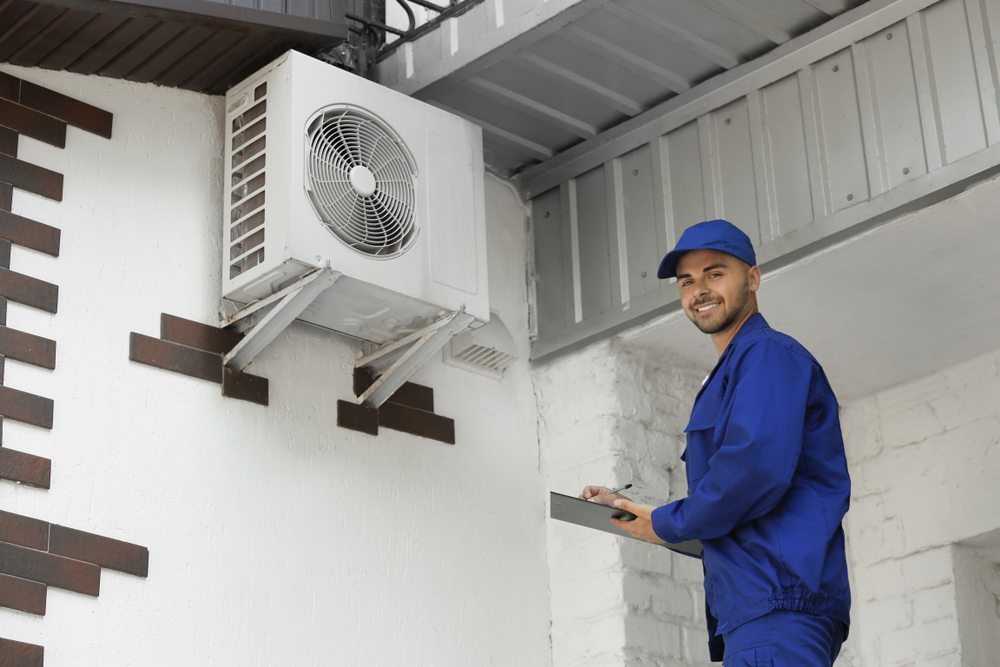
In the winter, a heat pump’s outdoor unit will frost up. It relies on a defrost board and sensors to melt that ice periodically. If a sensor fails, the unit can turn into a block of ice, providing zero heat. We test these sensors and the reversing valve to ensure the system can switch seamlessly between heating, cooling, and defrost modes. For mini-splits, checking the inverter board communication is vital, as these complex electronics are sensitive to power fluctuations and dirt.
How Skipping Seasonal HVAC Maintenance Raises Energy Bills
Homeowners often view maintenance as an optional expense. But skipping it costs you money every month on your utility bill.
Why small efficiency losses compound over time
An HVAC system gradually loses efficiency when filters, coils and airflow are neglected. A dirty coil makes the compressor run longer. A clogged filter makes the blower motor work harder. Loose wires create resistance and heat. These small inefficiencies add up. You might not notice it day to day, but over a year, a neglected system can cost 20-30% more to operate than a tuned-up one. That money is better spent on a service visit than sent to the utility company.
What Homeowners Can Handle vs What Pros Should Check
We love informed homeowners, but we also respect safety boundaries. Knowing what you can do yourself versus what requires a license is key.
Safe homeowner tasks that actually help
- Filter Changes: This is your #1 job. Check it monthly, replace it at least quarterly.
- Keep Vents Clear: Walk around your house and make sure no drapes, couches, or rugs are blocking supply or return vents.
- Clear Debris: Keep the area around your outdoor unit clear. Cut back shrubs and remove leaves. Ideally, give it 2 feet of clearance on all sides.
- Listen: You know what your house sounds like. If you hear a new rattle, buzz, or bang, take note of it.
Maintenance steps that require licensed technicians
- Electrical Testing: Measuring voltage and amperage inside the unit involves working with live high-voltage electricity. This is dangerous and should only be done by a pro.
- Refrigerant Checks: You cannot check refrigerant levels without gauges, and it is illegal to handle refrigerant without an EPA certification.
- Gas Line Work: Any work involving the gas valve, burners, or flue pipe carries a risk of gas leaks or carbon monoxide. Leave combustion appliances to the experts.
How Often HVAC Maintenance Should Really Happen
Is once a year enough? It depends on your system.
Single-system vs heat pump maintenance schedules
If you have a standard “split system” (gas furnace + AC), you typically need two visits a year: one in spring for the AC and one in fall for the furnace. If you have a heat pump that handles both heating and cooling, or a mini-split system, we recommend checking it twice a year as well, simply because it runs twice as much as a dedicated furnace or AC unit. The filter, however, needs attention much more frequently than the professional visits.
When Seasonal Maintenance Turns Into Repair Planning
One of the biggest benefits of regular maintenance is that it gives you a crystal ball for your system’s future.
Spotting patterns before breakdowns happen
A technician can see trends that you can’t. If we see a capacitor that is 10% weaker than it was last year, we know it’s on its way out. If we see the contactor points becoming pitted and burnt, we know a failure is imminent. This allows us to say, “Hey, this part is going to fail soon. Do you want to swap it now for cheap, or wait until it breaks on a Sunday night?” That foresight allows you to plan repairs on your budget and schedule, rather than in an emergency.
A Smart HVAC Maintenance Plan Saves More Than It Costs
Think of maintenance like dental cleanings. You do it to avoid the root canal. A well-maintained system lasts longer—often 5 to 8 years longer—than a neglected one. When you factor in the extended lifespan, the lower energy bills, and the avoidance of emergency repair fees, a maintenance plan pays for itself many times over.
Scheduling Seasonal HVAC Maintenance in the Bay Area
In the Bay Area, we have distinct seasons, even if they aren’t as harsh as elsewhere. Timing your maintenance is smart.
Why timing matters before temperature swings
The worst time to call for maintenance is during the first heat wave of July or the first cold snap of December. That’s when everyone with a broken system is calling, and wait times are long. The smart move is to schedule your AC tune-up in March or April and your furnace check in September or October. You’ll get your pick of appointment times, and you’ll head into the peak weather knowing your system is ready to perform.
At Cool Aid A/C & Refrigeration, our maintenance visits are thorough, honest, and technical. We don’t just look at it; we test it. If you want to ensure your home stays comfortable all year round, don’t wait for a breakdown. Contact us today to get your seasonal maintenance on the calendar.
Stay Comfortable Year-Round With Expert HVAC Service
Book a trusted technician to handle your heating or cooling issue—fast, professional, and done right the first time.
Book Service Now