The transition from a mild spring to intense summer heat often catches homeowners by surprise. You go months without needing your air conditioner, and then a sudden heat wave hits. You walk over to the thermostat, switch it to cool, and wait. Instead of a refreshing breeze, you get lukewarm air, weak airflow, or worse—a system that refuses to turn on at all.
Waiting until the first 90-degree day to test your air conditioning is a gamble that frequently leads to uncomfortable afternoons and urgent service calls. During peak heat, HVAC companies get flooded with repair requests, leaving homeowners waiting in sweltering homes. Taking the time to properly prepare your HVAC for summer in the Bay Area prevents these stressful breakdowns and keeps your utility bills manageable.
As professionals at 1800 CoolAid, we see the consequences of neglected cooling systems every season. A few simple checks and basic Bay Area HVAC maintenance steps can dramatically extend the life of your equipment. Taking proactive measures right now ensures your home stays comfortable, your system runs efficiently, and you avoid emergency repair costs when the summer heat finally arrives.
Why Summer HVAC Prep Matters More in the Bay Area Than You Think
The Bay Area is famous for its microclimates. You can drive twenty minutes from the cool coastal fog into blistering inland heat. Because our weather patterns are so varied, HVAC systems here go through unique stress cycles. You might not use your air conditioner at all during a foggy July week, only to push it to its absolute limits during an intense heat wave in September.
Systems that sit idle for long periods and are suddenly forced to run at maximum capacity are highly prone to failure. Dust settles on critical components, moving parts lose their lubrication, and electrical connections can degrade. When you suddenly demand 100% capacity from an unprepared system, those minor dormant issues turn into major mechanical failures. Proper HVAC summer preparation ensures the machinery is ready to handle these abrupt transitions.
Small problems also escalate rapidly under stress. A slight drop in refrigerant levels might barely be noticeable on a mild day, but during a heat wave, it forces the compressor to work continuously. That extra strain not only spikes your energy bill but can eventually burn out the compressor entirely. Catching these issues early is the key to preventing a minor tune-up from becoming a massive replacement job.
Signs Your HVAC System Isn’t Ready for Summer
Recognizing early warning signs can save you from a complete system failure. One of the most common indicators of trouble is weak airflow coming from your vents. If you hold your hand up to a register and barely feel a breeze, your system is struggling. This could be caused by something as simple as a clogged filter or as complex as a failing blower motor.
Another major red flag is an air conditioner that runs much longer than usual. A properly sized and maintained AC unit should cool your home in relatively short, efficient cycles. If your system runs continuously but the house never quite reaches the temperature set on the thermostat, you are dealing with AC efficiency problems. This constant operation puts massive wear and tear on the equipment.
You also need to pay attention to the temperature of the air and any unusual sounds. If the air coming out of the vents feels warm or room temperature, you are dealing with AC not cooling properly—often a sign of a refrigerant leak or a dirty evaporator coil. Similarly, strange noises like grinding, squealing, or rattling, as well as musty or burning odors, are clear indicators that your system requires immediate professional attention before the heavy summer usage begins.
What to Check Before Turning Your AC on Full-Time
Before the serious heat arrives, there are several practical steps you can take to evaluate your system. Running through a basic HVAC maintenance checklist helps you catch obvious issues and improves the overall efficiency of your equipment.
Replace or Clean Your Air Filters
The single most important maintenance task a homeowner can perform is air filter replacement for HVAC systems. A dirty, clogged filter restricts airflow, forcing the blower motor to work significantly harder to pull air through the system. This not only increases your energy consumption but can also cause the evaporator coil to freeze over. Check your filter every month and replace it at least every 90 days—or more frequently if you have pets or live in a dusty area.
Inspect Thermostat Settings and Performance
Your thermostat is the brain of your cooling system. Verify that it is set to “cool” and that the fan is set to “auto” rather than “on.” Setting the fan to “on” makes it run continuously, blowing uncooled air through the house between cycles and wasting electricity. If you have a programmable or smart thermostat, take a few minutes to update your cooling schedule to match your summer routine. If the thermostat display is blank or unresponsive, try changing the batteries before assuming the entire system is broken.
Clear Debris Around the Outdoor Unit
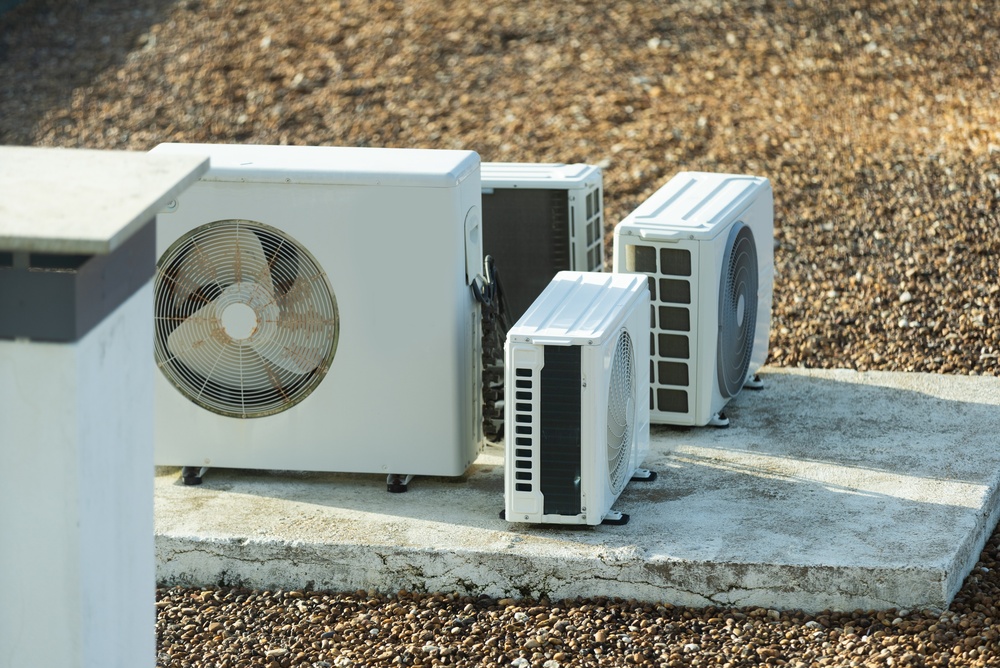
The outdoor condenser unit needs adequate airflow to release the heat it pulls from your home. Over the fall and winter, leaves, branches, dirt, and overgrown vegetation can accumulate around the unit. Clear away any debris and trim back bushes or tall grass so there is at least two feet of clearance on all sides. Do not stack outdoor furniture or storage items against the unit. Restricted airflow at the condenser leads to overheating and poor cooling performance indoors.
Check Air Vents and Airflow Throughout the Home
Walk through every room in your house and inspect the supply and return vents. Ensure they are fully open and completely unblocked. Homeowners often place rugs, couches, or bookshelves over floor or wall vents without realizing the damage it causes. Blocking vents disrupts the system’s air pressure balance, leading to hot spots in the house and placing unnecessary strain on your ductwork and blower motor.
Common Mistakes Homeowners Make Before Summer
One of the biggest HVAC maintenance mistakes we see at 1800 CoolAid is homeowners simply ignoring small, seemingly harmless issues. If the AC takes a little longer to cool the house or makes a faint rattling noise, many people choose to look the other way, hoping the problem resolves itself. Mechanical problems do not fix themselves. Ignoring them only allows the damage to compound until the system breaks down completely.
Skipping routine maintenance is another costly error. Many homeowners assume that if the air conditioner turned on last year, it will automatically work this year. Running the system too early without a proper inspection, especially after a long off-season, risks operating the equipment with low refrigerant or dirty coils. Additionally, unknowingly blocking airflow by neglecting filter changes or covering vents forces the system to work twice as hard to produce half the cooling.
How Bay Area Climate Affects Your HVAC System
The Bay Area climate impacts HVAC systems in very specific ways. Coastal areas deal with high moisture and salt in the air, which can accelerate corrosion on outdoor condenser coils and electrical components. Inland areas, on the other hand, face intense, dry heat that forces air conditioners to run for hours on end, accelerating the mechanical wear and tear on compressors and fan motors.
Air quality is another major factor for Bay Area HVAC maintenance. Depending on the season and your specific location, your system frequently battles heavy pollen, persistent dust, and wildfire smoke. These particulates clog air filters and coat evaporator coils much faster than in other regions. Because of these environmental factors, HVAC performance in California requires more vigilant monitoring and more frequent filter changes to maintain optimal indoor air quality and system efficiency.
When It’s Time to Call a Professional HVAC Technician
While there is plenty you can do on your own, some situations require the expertise of a licensed professional. If you notice your system is short cycling—turning on and off rapidly every few minutes—you need to call a technician. Short cycling prevents the house from cooling properly, fails to remove indoor humidity, and causes severe damage to the compressor.
High energy bills are another reason to seek professional help. If your usage habits haven’t changed but your electricity bill has doubled, your air conditioner is likely operating with a severe hidden inefficiency. Similarly, if you experience uneven cooling where one room is freezing and another is roasting, or if you are dealing with an AC not cooling the home to the set temperature, it is time to bring in the experts.
If you encounter any of these problems, do not wait for the system to fail completely. Look into residential HVAC repair options early. For urgent situations where the system has stopped working during a severe heat wave, you may need an emergency HVAC service to restore your home’s comfort and safety. If you are searching for AC repair near me, 1800 CoolAid is fully equipped to diagnose and resolve the issue quickly.
Should You Schedule a Pre-Summer HVAC Tune-Up?
Investing in a professional AC maintenance service before the summer heat hits is one of the smartest decisions a homeowner can make. A comprehensive tune-up goes far beyond just changing a filter. A qualified technician will clean the condenser coils, check refrigerant levels, inspect electrical contacts, calibrate the thermostat, and clear the condensate drain line to prevent water backups.
The cost of a routine tune-up is minimal compared to the long-term savings. Clean, well-lubricated systems use significantly less electricity, lowering your monthly utility bills. More importantly, scheduling an HVAC tune-up in the Bay Area allows a technician to spot failing parts—like a weak capacitor or a worn contactor—and replace them before they cause a complete system breakdown during peak season. To make this process seamless year after year, many homeowners opt to enroll in comprehensive HVAC maintenance plans. You can also simply schedule a seasonal HVAC tune-up to ensure everything is running at peak capacity.
Quick Summer HVAC Prep Checklist for Bay Area Homeowners
To keep things straightforward, here is a quick recap of the most important AC maintenance tips to follow before summer arrives:
- Replace your indoor air filter (and buy backups for the season).
- Test your thermostat and update your cooling schedule.
- Clear away leaves, branches, and debris from the outdoor condenser unit.
- Ensure all indoor supply and return vents are open and unblocked by furniture.
- Turn the system on for a 15-minute test run on a warm spring day.
- Listen for strange noises and check for weak airflow.
- Schedule a professional tune-up if you notice any performance issues.
Stay Ahead of Summer HVAC Problems Before They Start
The intense summer heat will eventually arrive, and when it does, your air conditioner needs to be ready to handle the load. Taking the time to perform basic checks, swap out dirty filters, and monitor your system’s performance ensures your home remains a comfortable refuge from the rising temperatures.
Prevention is always cheaper and less stressful than dealing with a mid-summer emergency. By addressing minor concerns now and relying on professional HVAC maintenance services when necessary, you protect your investment and guarantee a cool, comfortable season ahead. If your system is showing signs of struggle, or if it has been years since your last professional inspection, reach out to the experienced technicians at 1800 CoolAid. We are here to make sure your home is ready for whatever the Bay Area weather brings.
Stay Comfortable Year-Round With Expert HVAC Service
Book a trusted technician to handle your heating or cooling issue—fast, professional, and done right the first time.
Book Service Now