I Want

    Residential HVACCommercial HVACRefrigerationEmergency HVAC


    Fast | No obligation

    Bay Area Heat Pump Rebates: What Is Still Available in 2026

    Written by Jim McKinny · Owner, Cool Aid A/C & Refrigeration · 37+ yrs · C-20 & C-38 licensed, EPA Universal certified
    Key Takeaways
    • Stacking federal, state, utility, and regional programs can return up to $8,000 or more in Bay Area heat pump rebates, or $10,000-plus for income-qualified households.
    • The federal 25C tax credit ended for equipment placed in service after December 31, 2025. Installations from 2025 and earlier are still claimed on IRS Form 5695.
    • TECH Clean California's single-family heat pump incentives have been fully reserved since November 2025. PG&E's Clean Heating Pathway and BayREN Home+ are still running, with amounts that vary by program cycle.
    • In one example, a $12,500 ducted heat pump earned $7,500 in combined rebates, cutting the net cost to $5,000, a 60% reduction.
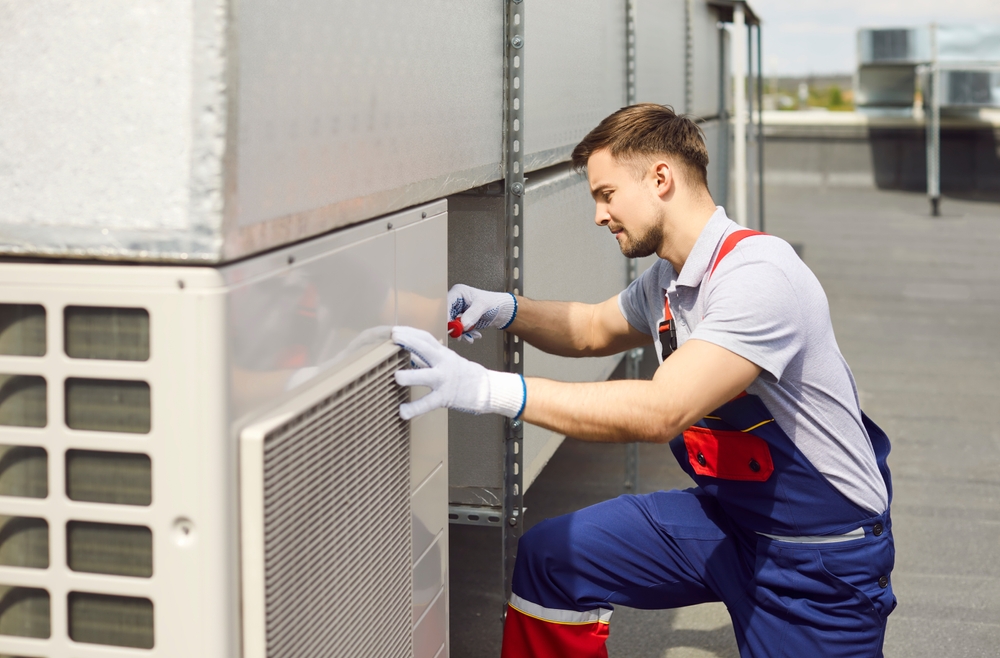
    Technician servicing an outdoor heat pump unit on a commercial rooftop

    Heat pumps have become the go-to HVAC upgrade for Bay Area homeowners, and the financial incentives available right now make the investment even smarter. When you stack every available program—federal tax credits, TECH Clean California, PG&E utility rebates, and BayREN regional incentives—Bay Area heat pump rebates can put up to $8,000 or more back in your pocket.

    The catch? You need to know which programs exist, how they work together, and how to apply in the right order. This guide walks you through every Bay Area heat pump rebate available in 2026 and gives you a step-by-step process so you don’t leave a single dollar on the table.

    Rebates and incentives: what is actually open

    The incentive picture changed sharply for 2026, so treat any older figure you find online — including in cost calculators — as out of date:

    • Federal 25C tax credit — ended for equipment placed in service after December 31, 2025. Equipment installed in 2026 does not qualify. See what changed with the federal credit.
    • TECH Clean California — single-family heat pump incentives have been fully reserved since November 2025; new requests go on a waitlist.
    • California HEEHRA — fully reserved as of early 2026.
    • PG&E, BayREN and city programs — still running, with amounts that vary by program cycle.

    We deliberately do not publish current dollar amounts, because they change mid-year and run out — a stale number is how homeowners end up budgeting around money that is not there. Call 1-800-266-5243 and we will confirm what is open the week you are deciding.

    Why Bay Area Heat Pump Rebates Are So Generous Right Now

    California has set aggressive climate goals, and the state wants homeowners to switch from gas furnaces to electric heat pumps. The Bay Area’s mild climate makes heat pumps exceptionally efficient here—they can handle heating and cooling with a single system, and they do both jobs more efficiently than traditional setups.

    That’s why federal, state, utility, and regional programs are all offering overlapping incentives. They’re designed to stack, and policy makers want to make heat pumps a no-brainer financially. For Bay Area homeowners, this convergence of incentives is a rare window. Check out our dedicated Bay Area heat pump rebates page for the latest program details.

    If you’re weighing whether a heat pump makes sense for your home, check out our heat pump vs. furnace comparison to understand the performance differences.

    Rebates and incentives: what is actually open

    The incentive picture changed sharply for 2026, so treat any older figure you find online — including in cost calculators — as out of date:

    • Federal 25C tax credit — ended for equipment placed in service after December 31, 2025. Equipment installed in 2026 does not qualify. See what changed with the federal credit.
    • TECH Clean California — single-family heat pump incentives have been fully reserved since November 2025; new requests go on a waitlist.
    • California HEEHRA — fully reserved as of early 2026.
    • PG&E, BayREN and city programs — still running, with amounts that vary by program cycle.

    We deliberately do not publish current dollar amounts, because they change mid-year and run out — a stale number is how homeowners end up budgeting around money that is not there. Call 1-800-266-5243 and we will confirm what is open the week you are deciding.

    Rebates and incentives: what is actually open

    The incentive picture changed sharply for 2026, so treat any older figure you find online — including in cost calculators — as out of date:

    • Federal 25C tax credit — ended for equipment placed in service after December 31, 2025. Equipment installed in 2026 does not qualify. See what changed with the federal credit.
    • TECH Clean California — single-family heat pump incentives have been fully reserved since November 2025; new requests go on a waitlist.
    • California HEEHRA — fully reserved as of early 2026.
    • PG&E, BayREN and city programs — still running, with amounts that vary by program cycle.

    We deliberately do not publish current dollar amounts, because they change mid-year and run out — a stale number is how homeowners end up budgeting around money that is not there. Call 1-800-266-5243 and we will confirm what is open the week you are deciding.

    Program #3: PG&E Clean Heating Pathway — $500–$1,500

    PG&E’s own rebate program adds another layer to your savings. Since most Bay Area homeowners are PG&E customers, this one is straightforward to access.

    PG&E Heat Pump Rebate Amounts

    • Ducted heat pump (SEER2 15.2+, HSPF2 7.8+): $500–$1,000
    • Ducted heat pump replacing gas furnace (higher efficiency tier): $1,000–$1,500
    • Ductless mini-split: $300–$1,000
    • Smart thermostat (paired with heat pump): $50–$75

    Efficiency Requirements

    PG&E has strict minimum efficiency standards. In 2026, qualifying heat pumps generally need:

    • SEER2:2 or higher
    • HSPF2:8 or higher
    • ENERGY STAR certified

    Higher-efficiency systems that exceed these minimums may qualify for enhanced rebate tiers. When you’re choosing equipment, your contractor should verify that the specific model number is on PG&E’s qualified products list.

    Application Process

    Your participating contractor submits the rebate application online through PG&E’s trade professional portal. You’ll need to provide your PG&E account number. Rebate checks are typically mailed within 6–10 weeks after approval.

    Program #4: BayREN Home+ — $500–$1,500+

    The Bay Area Regional Energy Network is a collaboration among the nine Bay Area counties, and its Home+ program offers rebates that many homeowners don’t know about.

    BayREN Heat Pump Incentives

    • Single-measure heat pump rebate: $500–$1,000
    • Whole-home performance upgrade (including heat pump): $1,500–$5,000+ based on total energy savings achieved
    • Income-qualified enhanced rebates: Higher amounts for households meeting income thresholds
    • Free energy assessment: Professional evaluation of your home’s energy performance (valued at $300–$500)

    BayREN’s whole-home approach means you get larger rebates when you combine a heat pump with other improvements like insulation, duct sealing, or air sealing. If you’re planning eco-friendly HVAC upgrades, bundling projects through BayREN can significantly increase your total rebate.

    How to Apply

    1. Visit the BayREN Home+ website and create an account
    2. Schedule a free or subsidized home energy assessment
    3. Receive a customized upgrade recommendation report
    4. Complete your heat pump installation with a participating contractor
    5. Submit documentation through the BayREN portal
    6. Receive your rebate check

    Step-by-Step: How to Stack Bay Area Heat Pump Rebates

    Stacking four programs might sound complicated, but when you follow the right sequence, it’s manageable. Here’s exactly how to do it:

    Step 1: Get a Home Energy Assessment (Weeks 1–2)

    Schedule a BayREN Home+ energy assessment. This is free or low-cost, and it accomplishes two things: it qualifies you for BayREN’s whole-home rebates, and the assessment no longer carries a federal 25C credit, which ended for work placed in service after December 31, 2025. You’ll also get an expert evaluation of what size and type of heat pump will work best in your home.

    Step 2: Choose Your Equipment and Contractor (Weeks 2–4)

    Select a licensed HVAC contractor experienced with rebate programs. Cool Aid Air Conditioning & Refrigeration has been installing heat pumps across the Bay Area for 60+ years, and we’re registered with TECH, PG&E, and BayREN. We’ll help you choose a heat pump model that meets or exceeds the efficiency requirements for every program.

    During your estimate, your contractor should: – Confirm the equipment qualifies for TECH, PG&E, and 25C – Provide a written quote showing equipment and labor costs separately – Explain which paperwork they’ll handle vs. what you’ll need to do

    Step 3: Complete Installation (Weeks 4–6)

    Your contractor installs the heat pump and pulls all required permits. Make sure the installation includes: – City/county building permit – HERS (Home Energy Rating System) testing if required – Equipment registration with the manufacturer – Photos of the installed system and old equipment being removed

    Step 4: Contractor Submits TECH and PG&E Applications (Weeks 6–8)

    After installation, your contractor submits: – TECH Clean California application — including equipment specs, installation photos, and your signed participation agreement – PG&E rebate application — through the utility’s trade professional portal with your account number

    You don’t need to do anything for these two applications other than sign the forms your contractor prepares and provide your PG&E account number.

    Step 5: Submit BayREN Documentation (Weeks 6–8)

    Log into your BayREN Home+ account and upload: – Contractor invoice showing equipment model and installation cost – Permit documentation – Energy assessment report (from Step 1) – Photos of installed equipment

    About the stacking examples you may have seen

    Worked examples that stack a federal 25C credit with a TECH Clean California incentive were accurate while both programs were open. Neither is available for a new 2026 installation — the federal credit ended for equipment placed in service after December 31, 2025, and TECH Clean California’s single-family heat pump incentives have been fully reserved since November 2025. Any net-cost figure built on that stack should be read as historical, not as a quote.

    PG&E, BayREN and some city programs are still running. For a real number on your project, call 1-800-266-5243 — we quote against the programs that are actually open.

    Expected Timeline and Payout

    MilestoneTimeframe
    TECH rebate received4–8 weeks after contractor submission
    PG&E rebate received6–10 weeks after contractor submission
    BayREN rebate received4–12 weeks after documentation submitted
    Federal 25C creditApplied to next tax return

    About the stacking examples you may have seen

    Worked examples that stack a federal 25C credit with a TECH Clean California incentive were accurate while both programs were open. Neither is available for a new 2026 installation — the federal credit ended for equipment placed in service after December 31, 2025, and TECH Clean California’s single-family heat pump incentives have been fully reserved since November 2025. Any net-cost figure built on that stack should be read as historical, not as a quote.

    PG&E, BayREN and some city programs are still running. For a real number on your project, call 1-800-266-5243 — we quote against the programs that are actually open.

    Common Mistakes That Reduce Your Bay Area Heat Pump Rebates

    1. Installing Equipment That Doesn’t Meet Efficiency Minimums

    Each program has specific SEER2 and HSPF2 thresholds. If your heat pump falls even slightly below the minimum, you lose that rebate entirely. Always verify model eligibility before purchasing.

    2. Missing Application Deadlines

    TECH and PG&E applications typically must be submitted within 60–90 days of installation. Don’t let your contractor delay the paperwork.

    3. Not Pulling Permits

    Unpermitted installations are disqualified from virtually every rebate program. Your contractor should pull all required local building permits as standard practice.

    4. Forgetting to Document the Old System

    TECH’s highest rebates go to gas-to-electric conversions. You’ll need photos of the old gas furnace being removed and documentation of the gas line being properly capped. Make sure your contractor captures this.

    5. Not Checking TECH Funding Levels

    TECH operates with limited annual budgets. If you wait until Q4, funds may be exhausted for the year. Planning installations for Q1 or Q2 gives you the best shot at full incentives.

    Frequently Asked Questions About Bay Area Heat Pump Rebates

    Can I combine all four rebate programs on a single heat pump installation?

    Yes. The federal 25C tax credit, TECH Clean California, PG&E utility rebates, and BayREN Home+ incentives are all separate programs that are explicitly designed to be stacked. The only exception is that some programs may reduce the cost basis for other calculations—consult a tax advisor for specifics.

    Do Bay Area heat pump rebates apply to ductless mini-splits?

    Ductless mini-splits are covered by the same programs as ducted systems — but two of those four are closed. The federal 25C credit ended for equipment placed in service after December 31, 2025, and TECH Clean California's single-family incentives have been fully reserved since November 2025. PG&E and BayREN rebates still apply to qualifying mini-splits.

    What happened to the federal 25C tax credit?

    It ended. Section 25C was terminated for equipment placed in service after December 31, 2025, so a 2026 heat pump installation does not qualify for a federal credit. If your system was placed in service in 2025 or earlier you still claim it on that year’s return using IRS Form 5695. Confirm your own situation with a tax professional.

    How do I find a contractor who handles Bay Area heat pump rebate applications?

    Look for contractors registered with TECH Clean California and PG&E’s trade professional network. Cool Aid Air Conditioning & Refrigeration is registered with all major rebate programs and has been serving the Bay Area since 1966. We handle TECH and PG&E submissions at no additional cost as part of every heat pump installation.

    Are renters eligible for Bay Area heat pump rebates?

    Most HVAC rebate programs are designed for property owners since they involve permanent equipment installations. However, if you’re a landlord installing a heat pump in a rental property, you can claim the incentives. Some income-qualified programs like IRA HEAR may also benefit renters indirectly through landlord participation. Contact each program administrator for specific eligibility rules.

    Ready to Maximize Your Heat Pump Rebates?

    Cool Aid Air Conditioning & Refrigeration has helped Bay Area homeowners navigate rebate programs for over 60 years. We’re registered with TECH Clean California, PG&E, and BayREN, and we handle the paperwork so you don’t have to. Our team will recommend the right heat pump for your home, ensure it meets every efficiency requirement, and submit all rebate applications on your behalf.

    Learn more about heat pump rebates →

    📞 Call 1-800-266-5243 today for a free estimate and rebate consultation.

    Stay Comfortable Year-Round With Expert HVAC Service

    Book a trusted technician to handle your heating or cooling issue—fast, professional, and done right the first time.

    Book Service Now
    Blog post Image
    Blog post Image
    Blog post Image

    Frequently Asked Questions

    How do I know when condensing unit replacement is better than repair?

    Consider replacement when repair costs exceed 50% of replacement cost, when units are over 12-15 years old, or when efficiency losses significantly increase energy bills. We provide cost-benefit analysis to help you make the right decision for your specific situation.

    What energy savings can I expect from a new high-efficiency condensing unit?

    Modern units typically achieve 20-40% energy savings compared to units installed before 2010. For a business spending $500 monthly on refrigeration energy, this represents $100-200 monthly savings that often pays for replacement within 3-5 years.

    How long does condensing unit replacement take?

    Most replacements take 1-3 days depending on unit size and installation complexity. We coordinate work around your business schedule to minimize disruption and can often provide temporary cooling during installation when necessary.

      Schedule Your Service

      Stay Comfortable Year-Round With Expert HVAC Service

      Book a trusted technician to handle your heating or cooling issue—fast, professional, and done right the first time.

      Schedule a FREE Discovery Call
      Close

      Schedule Your Service