Bay Area summers aren’t what they used to be. Inland cities like Livermore, San Jose, Gilroy, and Concord now regularly hit 100°F+ during heat waves, and even traditionally mild areas like the Peninsula and East Bay foothills are seeing more extended hot stretches. When those temperatures climb, so does your PG&E bill—especially with residential electricity rates averaging $0.35–$0.48 per kWh in 2025, among the highest in the entire country.
The good news: there are proven, practical ways to lower your energy bill this summer without sacrificing comfort. Some are completely free. Others cost a little upfront but pay for themselves in weeks. And a few are strategic HVAC investments that deliver savings for years. Here are 12 of them, ranked from simplest to most impactful.
How These Tips Compare: Cost, Effort, and Savings
| Tip | Upfront Cost | Effort Level | Estimated Annual Savings |
| Adjust your thermostat | Free | Easy | $100–$200 |
| Use ceiling fans strategically | Free (if you have them) | Easy | $50–$100 |
| Close blinds and curtains | Free | Easy | $50–$150 |
| Seal air leaks | $10–$50 | Moderate | $75–$200 |
| Cook and wash smartly | Free | Easy | $30–$75 |
| Change your air filter | $8–$25 | Easy | $50–$150 |
| Schedule an HVAC tune-up | $100–$200 | Easy (pro does the work) | $100–$300 |
| Install a smart thermostat | $120–$300 | Moderate | $100–$200 |
| Seal and insulate ductwork | $300–$1,500 (pro) | Pro job | $200–$500 |
| Upgrade to a high-SEER AC | $4,000–$10,000 | Pro installation | $300–$800+ |
| Take advantage of PG&E rate plans | Free | Easy | $100–$250 |
| Use rebates and incentives | Free to apply | Moderate | Varies — check current program status |
1. Adjust Your Thermostat (Save $100–$200/Year)
This is the single easiest way to lower your energy bill this summer—and it costs nothing. The U.S. Department of Energy has said you can save as much as 10% a year on heating and cooling by setting your thermostat back 7°F to 10°F for 8 hours a day.
What to Do
- Set your thermostat to 78°F when you’re home and comfortable
- Raise it to 82–85°F when you’re away at work
- Set it to 80°F while sleeping (your body naturally cools at night)
Bay Area Context
On PG&E's time-of-use rate plans, electricity costs the most between 4:00 and 9:00 PM. Running your AC hard during those hours can cost 40–60% more than off-peak cooling. Pre-cool your home earlier in the day and let the thermostat rise during peak hours.
Why It Works
Most homes are over-cooled. A family running their AC at 72°F instead of 78°F is spending roughly 18% more on cooling—often $15–$30 extra per month during July and August alone.
2. Use Ceiling Fans Strategically (Save $50–$100/Year)
Ceiling fans don’t cool the air—they cool people by creating a wind-chill effect on skin. A ceiling fan lets you set your thermostat 4°F higher (from 78°F to 82°F, for example) without sacrificing comfort.
What to Do
- Make sure fans spin counterclockwise in summer (pushes air down)
- Turn fans off when you leave the room (they cool people, not spaces)
- A ceiling fan uses about 30–70 watts compared to an AC unit’s 2,000–5,000 watts—a fraction of the energy cost
Savings Math
Running a ceiling fan costs roughly $0.01–$0.02 per hour. If that fan lets you raise the thermostat 4°F, you’re saving $50–$100 per summer with virtually no comfort trade-off.
3. Close Blinds and Curtains During Peak Sun (Save $50–$150/Year)
Solar heat gain through windows is one of the biggest drivers of cooling costs. A south- or west-facing window in direct afternoon sun can add the equivalent heat of a small space heater to your room.
What to Do
- Close blinds and curtains on south- and west-facing windows from noon to 6:00 PM
- Consider blackout curtains or solar shades—they block up to 45–60% of solar heat
- If you’re planning window treatments, exterior shade (awnings, shade screens) is even more effective than interior blinds
Bay Area Context
Homes in inland valleys (San Jose, Pleasanton, Livermore, Gilroy) get intense afternoon sun. Even on the Peninsula, west-facing rooms can heat up dramatically in late afternoon. This simple habit is one of the most effective free ways to lower your energy bill this summer.
4. Seal Air Leaks Around Doors and Windows (Save $75–$200/Year)
Conditioned air escaping through gaps and cracks around doors, windows, and other openings is like pouring money out of your house. Sealing air leaks around doors, windows and other openings is a cost-effective way to cut heating and cooling costs.
What to Do
- Apply weatherstripping around doors and windows ($3–$10 per door)
- Use caulk to seal gaps around window frames, pipes, and electrical outlets
- Install door sweeps on exterior doors
- Check the attic hatch, recessed lighting, and plumbing penetrations
Cost
$10–$50 in materials for a weekend DIY project. Pays for itself within the first month of summer in most Bay Area homes.
5. Cook, Wash, and Dry Smartly (Save $30–$75/Year)
Every heat-generating appliance in your home makes your AC work harder. An oven can raise kitchen temperature by 10–15°F, forcing your cooling system to compensate.
What to Do
- Grill outdoors instead of using the oven
- Use the microwave, Instant Pot, or air fryer (they generate far less heat)
- Run the dishwasher and clothes dryer at night or early morning—avoid PG&E’s peak hours (4–9 PM)
- Use cold water for laundry when possible
- Air-dry clothes on a rack or line when Bay Area’s dry summer air cooperates
6. Change Your Air Filter Regularly (Save $50–$150/Year)
A clogged air filter forces your AC to work 5–15% harder to push air through the system. That extra effort translates directly to extra kilowatt-hours on your PG&E bill. It’s one of the simplest and most effective ways to lower your energy bill this summer.
What to Do
- Check your filter monthly during summer
- Replace standard 1-inch filters every 30–60 days during heavy use
- Upgrade to a MERV 8–11 filter for good filtration without excessive airflow restriction
- During Bay Area wildfire season, check even more frequently—smoke particles clog filters fast
Cost
$8–$25 per filter, or less in multi-packs. A worthwhile investment considering a dirty filter can increase energy consumption by up to 15%.
7. Schedule a Professional HVAC Tune-Up (Save $100–$300/Year)
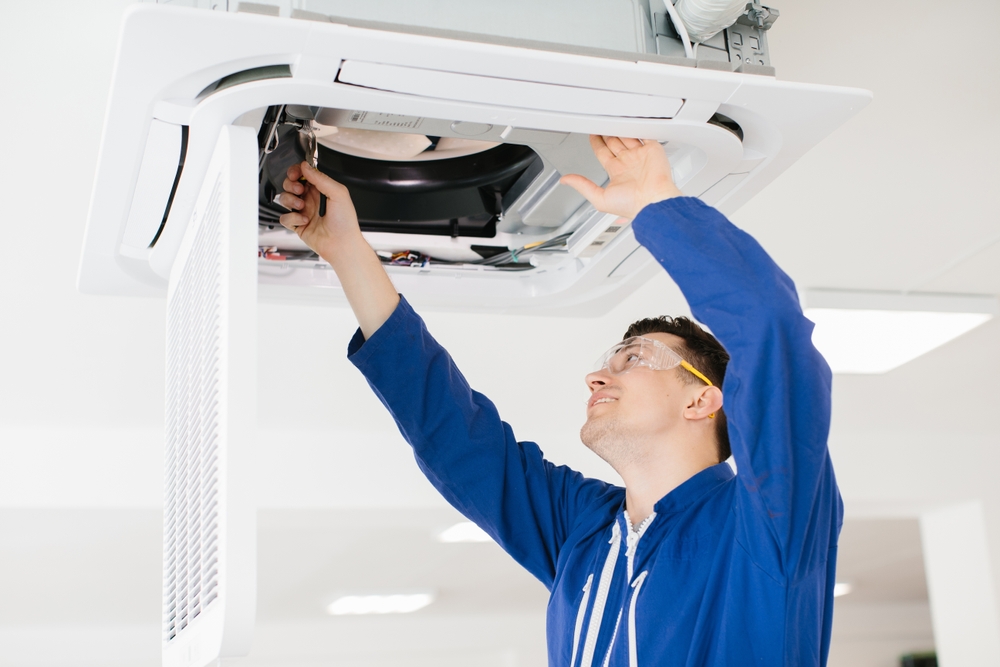
A professional maintenance visit is the HVAC equivalent of an oil change—it keeps everything running smoothly, catches small problems before they become expensive breakdowns, and restores efficiency that degrades naturally over time.
What a Tune-Up Includes
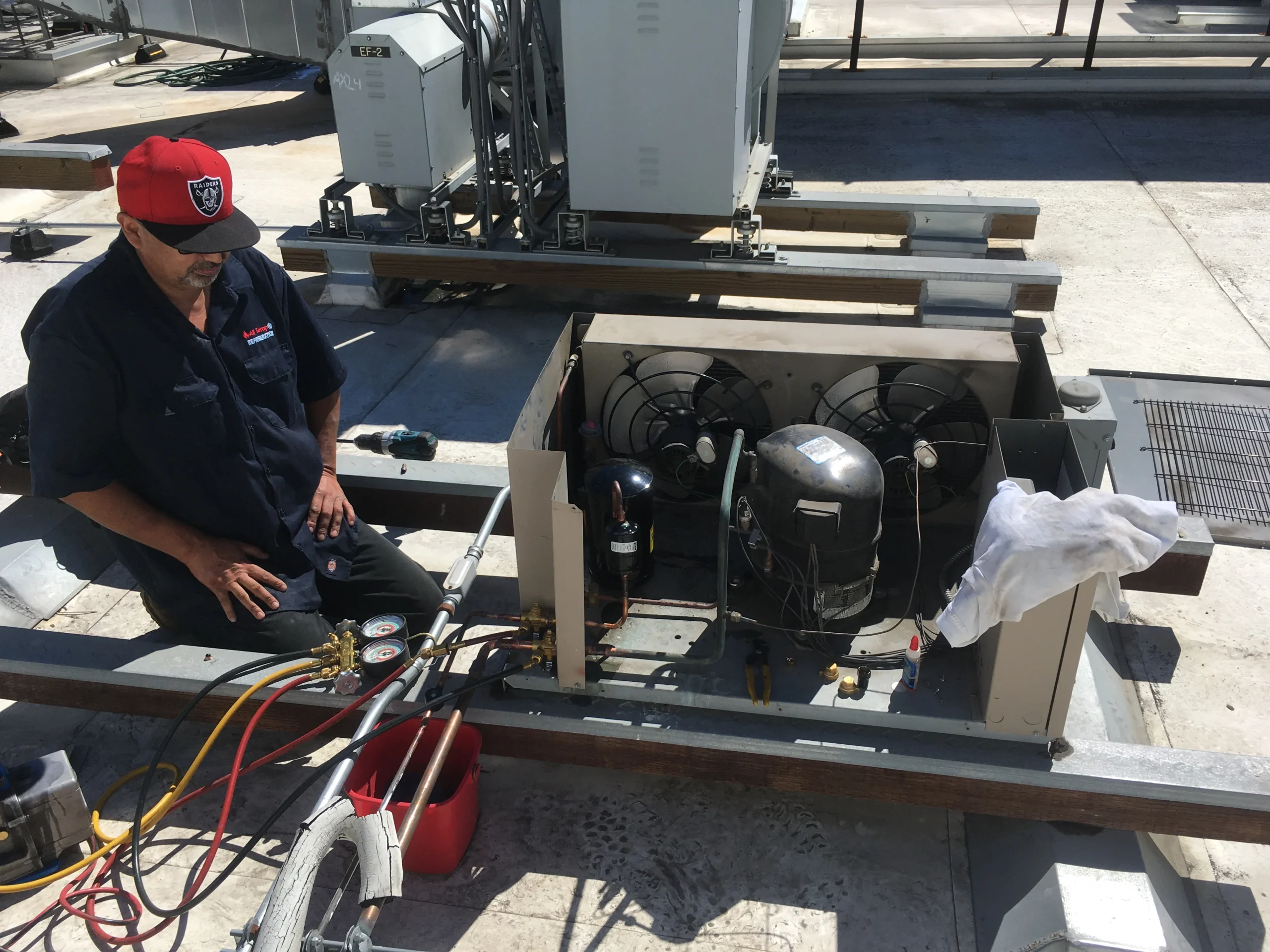
- Cleaning evaporator and condenser coils
- Checking refrigerant levels and pressure
- Inspecting and tightening electrical connections
- Lubricating moving parts
- Testing thermostat calibration
- Clearing the condensate drain
- Checking airflow and duct connections
Why It Matters for Your Bill
A well-maintained AC runs 10–25% more efficiently than a neglected one. For a system costing $150–$300/month to operate in summer, that’s $15–$75/month in savings. The tune-up pays for itself within weeks.
Schedule your tune-up with Cool Aid →
8. Install a Smart Thermostat (Save $100–$200/Year)
A smart thermostat learns your schedule, adjusts automatically, and lets you control your AC from your phone. But the real savings come from features most homeowners don’t use manually: occupancy sensing, learning algorithms, and PG&E time-of-use rate optimization.
What to Do
- Install a smart thermostat (Nest, Ecobee, and Honeywell are popular choices)
- Enable “eco” or “away” mode to automatically raise the temperature when no one’s home
- Use scheduling features to pre-cool the house before peak rate hours
- Track your energy usage through the app
Cost
$120–$300 for the thermostat. PG&E's residential rebates page currently lists no smart thermostat rebate. It is worth checking your local electricity provider or city utility for any current thermostat offer.
Learn more about how a smart thermostat lowers cooling costs.
9. Seal and Insulate Your Ductwork (Save $200–$500/Year)
This is the most underrated upgrade on this list. In a typical Bay Area home, 20–30% of the air that moves through the duct system is lost to leaks, holes, and poorly connected joints—especially in unconditioned spaces like attics and crawl spaces.
What to Do
- Have a professional duct test performed to measure leakage
- Seal duct joints with mastic sealant or metal-backed tape (not standard duct tape—it degrades quickly)
- Insulate ducts running through unconditioned attics or crawl spaces
- Consider duct replacement if your system is 20+ years old
Why It’s Especially Important in the Bay Area
Many Bay Area homes were built in the 1950s–1970s with minimal duct insulation. Attic temperatures can exceed 140°F in summer—if your cooled air is traveling through uninsulated ducts in that attic, a huge portion of your cooling dollar is literally going through the roof.
Cost
$300–$1,500 for professional sealing and insulation, depending on home size and duct accessibility. The payback period is typically 1–3 years.
10. Upgrade to a High-SEER Air Conditioner (Cut Cooling Energy Use)
If your AC unit is 12–15+ years old, it’s likely operating at a SEER rating of 10–13. In California, new central AC must meet at least 14.3 SEER2 (about 15 SEER); high-efficiency models typically run 17 SEER2 and up. That’s a 30–50% reduction in energy consumption for the same cooling output.
What to Do
- Have a professional assess your current system’s age, condition, and efficiency
- Get a load calculation to ensure proper sizing (oversized units waste energy through short cycling)
- Choose a unit with a SEER rating of 16+ for the best balance of cost and efficiency
- Consider a heat pump—it provides both cooling and heating, potentially eliminating your furnace
Cost
$4,000–$10,000+ installed, depending on system type and home requirements. Net cost may come down through a local electricity provider or city utility rebate, but the federal 25C tax credit ended for equipment placed in service after December 31, 2025, TECH Clean California's single-family heat pump incentives have been fully reserved since November 2025, and PG&E lists no residential HVAC rebates.
Check our guide on signs your HVAC is wasting energy to see if an upgrade makes sense for your home.
11. Take Advantage of PG&E’s Rate Plans (Save $100–$250/Year)
Most Bay Area homeowners are on a PG&E rate plan, but many don’t know which one—or whether a different plan would save them money. The right rate plan can cut your summer cooling costs without changing your usage at all.
What to Do
- Log into your PG&E account and check your current rate plan
- Compare Time-of-Use (TOU) plans: every PG&E TOU plan charges the most from 4 to 9 PM, but how much cheaper the off-peak hours are varies widely by plan and season.
- If you can shift AC usage to off-peak hours (pre-cool the house by 3 PM, raise the thermostat during peak), TOU plans save significantly
- PG&E’s “Rate Analyzer” tool compares plans using your actual usage data
Bay Area–Specific Strategy
Pre-cool your home to 74–75°F between noon and 3 PM (when rates are still low), then let the thermostat drift to 78–80°F during peak hours. You’ll ride through the most expensive rate window with minimal AC run time. Learn more in our guide on how to lower your PG&E bill with smart HVAC strategies.
12. Use Rebates and Tax Credits to Lower Your Energy Bill
If you’re making any HVAC investment—new system, heat pump, smart thermostat, duct sealing—it is worth checking which incentives still apply before you buy — the programs changed significantly for 2026. These programs effectively lower the cost of efficiency upgrades, which lowers your energy bill for years to come.
Programs and their status in 2026
| Program | What It Covers | Status for 2026 |
| Federal 25C Tax Credit | Heat pumps, high-efficiency AC, smart thermostats | Ended — equipment placed in service after December 31, 2025 does not qualify |
| TECH Clean California | Heat pump HVAC and water heaters | Single-family heat pump incentives fully reserved since November 2025 |
| Silicon Valley Clean Energy | Heat pump replacing a gas furnace | Open: $2,000, or $3,000 if income-qualified; apply before installation |
| San José Clean Energy | Heat pump HVAC replacing gas equipment | Open: $1,500, or $2,500 in designated Environmental Justice communities; pre-approval required |
| City of Palo Alto Utilities | Heat pump HVAC replacing a gas heater | Open: up to $2,500, or up to $5,000 for income-eligible residents |
| Silicon Valley Power (Santa Clara) | Heat pump replacing a gas furnace | $3,000 per ton, up to $10,000; check that the program is open when you apply |
| WestLight Energy (San Mateo County) | Heat pump HVAC upgrades | Open: up to $2,500 |
| MCE (Marin and much of Contra Costa County) | Heat pump HVAC | Open: up to $400 per 500 sq ft of home; participating contractor required |
What to Do
- Research eligibility before purchasing equipment
- Ask your HVAC contractor about qualifying equipment
- Keep all receipts and manufacturer documentation for tax filing
- Apply for rebates promptly—some programs have funding caps
FAQ: How to Lower Your Energy Bill This Summer
What is the single most effective way to lower my energy bill this summer?
Adjusting your thermostat is the easiest and most impactful free change. Setting it to 78°F instead of 72°F can noticeably lower cooling costs; actual savings depend on your home and how long the higher setting is held. Combine that with ceiling fans and closing blinds, and you can reduce your summer energy bill by $150–$300 without spending a penny.
How much can an HVAC tune-up actually save on energy bills?
A professional tune-up typically restores 10–25% of lost efficiency. For a Bay Area home spending $200–$400/month on summer cooling, that’s $20–$100/month in savings. The $100–$200 tune-up cost usually pays for itself within 4–8 weeks of summer operation.
Are smart thermostats worth it for Bay Area homes?
Yes—especially with PG&E’s time-of-use rate structure. A smart thermostat can automatically pre-cool during off-peak hours and raise temperatures during the expensive 4–9 PM window, saving $100–$200 annually.
Why are Bay Area energy bills so much higher than the national average?
PG&E's residential electricity prices (roughly $0.29–$0.52/kWh in 2026, depending on plan, tier and time of day) are roughly one and a half to three times the U.S. average of about $0.18/kWh. This means every efficiency improvement has outsized savings impact in the Bay Area compared to most of the country. A change that saves $50/year in Texas might save $150/year here.
Can sealing ducts really make that much difference in energy costs?
Absolutely. In the typical Bay Area home—especially those built before 1980—duct leaks waste 20–30% of conditioned air. Because that air has already been cooled, leaky ducts can add noticeably to your cooling bill. Professional sealing ($300–$1,500) often pays for itself in one to two summers.
Start Saving on Your Energy Bill This Summer
You don’t need to tackle all 12 strategies at once. Start with the free changes (thermostat, blinds, fans), add the low-cost wins (filter, air sealing), and consider the bigger investments (tune-up, smart thermostat, duct sealing) that deliver returns for years.
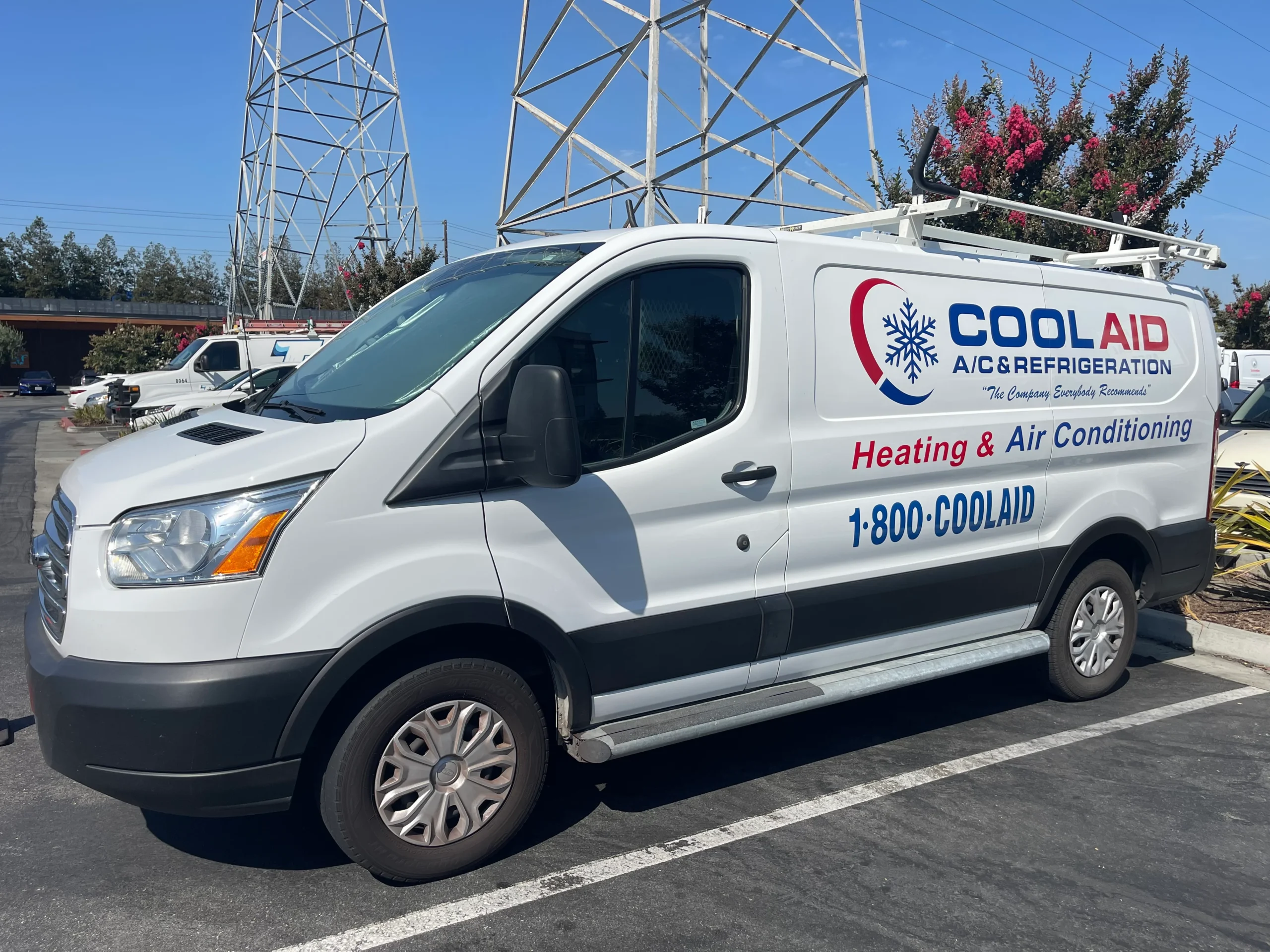
Cool Aid Air Conditioning & Refrigeration has helped Bay Area homeowners lower their energy bills since 1966. Whether you need a summer tune-up, duct sealing, or a complete high-efficiency system upgrade, our C-20 licensed technicians will help you find the right solution for your home and budget.
Schedule your energy-saving tune-up or consultation →
📞 Call today: 1-800-266-5243
Stay Comfortable Year-Round With Expert HVAC Service
Book a trusted technician to handle your heating or cooling issue—fast, professional, and done right the first time.
Book Service Now