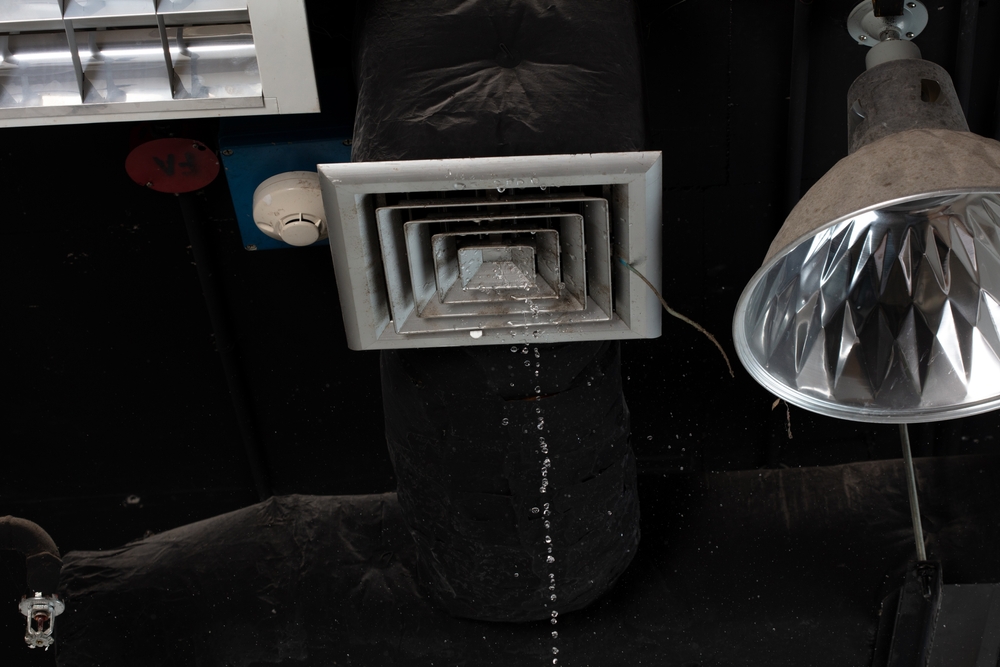
Discovering a puddle of water around your indoor air conditioning unit causes immediate concern for any homeowner. Water leaks from an HVAC system indicate that the normal moisture-removal process has broken down. Left unaddressed, a leaking unit leads to severe property damage, structural issues, and dangerous mold growth inside your home.
Understanding exactly how your cooling system manages humidity helps you identify the root cause of the leak. We will explore the mechanical process of condensation in your system, detail the most common reasons for water pooling, provide actionable troubleshooting steps, and explain preventative measures to keep your unit running dry. You will learn exactly when a quick DIY fix works and when you need professional intervention to protect your home and your equipment.
The Mechanics: How Your HVAC System Manages Moisture
Air conditioning systems do much more than simply pump cold air into your living spaces. They act as massive dehumidifiers. To understand why your system leaks, you must first understand how it handles the water it pulls from your indoor air.
The Role of the Evaporator Coil
Warm, humid air from inside your home blows over the indoor evaporator coil. This coil contains cold chemical refrigerant. As the warm air makes contact with the freezing cold metal surface of the coil, the air drops in temperature. Because cold air cannot hold as much moisture as warm air, the water vapor in the air turns into liquid condensation on the coil itself. You see this same scientific process when water droplets form on the outside of a cold glass of ice water on a hot summer afternoon.
Condensation and the Drain Pan
Gravity pulls the newly formed water droplets down the evaporator coil. The water drips into a component called the condensate drain pan. This pan sits directly beneath the coil to catch all the falling moisture. During the peak heat of summer, a standard residential air conditioner produces anywhere from five to twenty gallons of water per day. The drain pan serves as the crucial collection point for this massive volume of water.
The Condensate Drain Line
Once the water pools in the drain pan, it flows into the condensate drain line. This white PVC pipe safely channels the water away from your HVAC unit and directs it entirely outside of your home. As long as this pathway remains clear and intact, the water flows continuously and invisibly. When any part of this specific pathway fails, the water backs up, overflows, and creates the puddles you see on your floor or ceiling.
Common Causes Behind an HVAC Water Leak
When the moisture-management system breaks down, the results become visible quickly. Several distinct mechanical failures cause water to spill out of your unit.
Clogged Condensate Drain Line
A clogged condensate drain line ranks as the most frequent cause of water leaking from an HVAC unit. Because the drain pan and pipe remain constantly dark and damp, they create the perfect breeding ground for biological growth. Over months and years of use, algae, mold, mildew, and airborne dust combine inside the PVC pipe to form a thick, sticky sludge.
Eventually, this sludge builds up enough to block the pipe entirely. With the exit pathway blocked, the water constantly dripping from the evaporator coil has nowhere to go. It fills the drain line, backs up into the drain pan, and ultimately overflows over the edges of the pan and onto your floor or through your ceiling drywall.
Damaged or Rusted Drain Pan
If you own an older HVAC system, the drain pan itself might be the source of your leak. Depending on the make and model of your unit, manufacturers build drain pans out of galvanized steel or heavy-duty plastic. Steel pans installed in older units frequently fall victim to rust and corrosion after years of holding standing water. Rusted metal eventually develops tiny pinhole leaks or large cracks.
Even plastic drain pans degrade over time. The constant temperature fluctuations and the natural aging of the plastic make the material brittle. Brittle plastic cracks under minor stress or simply splits open from age. When the pan cracks, water drops straight through the bottom before it ever reaches the drain line.
Frozen Evaporator Coils
Your evaporator coil should feel extremely cold, but it should never develop a layer of ice. When a coil freezes over, it encases itself in a solid block of ice. The system struggles to cool your home, and eventually, the ice melts.
The melting process creates an overwhelming volume of water. The drain pan and the condensate drain line are sized to handle a slow, steady drip of condensation. They cannot handle a massive rush of melting ice. The excess water quickly overflows the pan. A frozen coil usually stems from restricted airflow or chemical imbalances inside the system.
If you suspect mechanical failures are causing your coil to freeze repeatedly, it is crucial to seek professional residential HVAC repair services before the compressor sustains permanent damage.
Dirty Air Filter
A dirty, clogged air filter acts as a solid wall against proper airflow. Your system requires a specific volume of warm air moving over the evaporator coil to keep the coil above the freezing mark. When a filthy filter restricts that airflow, the coil drops below freezing.
The condensation that normally drips off the coil instantly freezes to the metal instead. This creates the frozen coil scenario mentioned above. When you finally turn the system off, the ice melts rapidly, flooding the drain pan and causing a severe leak. Changing your air filter remains the simplest and most cost-effective way to prevent this specific cascade of failures.
Low Refrigerant Levels
Refrigerant serves as the lifeblood of your cooling system. It absorbs heat from inside your home and transfers it outside. HVAC systems operate as closed loops, meaning they do not consume refrigerant like a car consumes gas. If your refrigerant levels drop, your system has a physical leak in the copper refrigerant lines.
When the volume of refrigerant drops, the pressure inside the system changes. This pressure drop causes the temperature of the evaporator coil to plummet below freezing. Just like a dirty air filter, this leads to a frozen coil, massive ice buildup, and a subsequent flood of water when the ice melts. Fixing a refrigerant leak requires specialized equipment, chemical handling certification, and professional expertise.
Disconnected or Improperly Installed Drain Line
Sometimes the problem lies in the physical connection of the plumbing. Over time, the vibrations from the HVAC unit can slowly shake the PVC drain line loose from its connection to the drain pan. If the pipe detaches even slightly, water will flow out of the gap instead of down the pipe.
Additionally, improper installation leads to drainage failures. The drain line relies entirely on gravity to pull the water outside. If an installer failed to pitch the pipe at a downward angle, the water will simply sit in the pipe or flow backward into the pan. This stagnant water accelerates algae growth and guarantees a quick overflow.
Broken Condensate Pump
Many HVAC systems, particularly those installed in basements or interior closets, sit below the grade of the outside ground. Because gravity cannot pull water uphill, these systems utilize a motorized condensate pump.
The water flows from the drain pan into the pump’s reservoir. Once the reservoir fills, a float switch activates the pump motor, which forcefully pushes the water up and out of the house. Like any mechanical device with moving parts, condensate pumps eventually fail. Motors burn out, float switches stick in the off position, and check valves break. When the pump stops working, the reservoir overflows onto the floor.
The Dangers of Ignoring a Leaking HVAC System
Treating an HVAC water leak as a minor nuisance leads to disastrous consequences for your property. Water damage spreads rapidly and secretly, often causing thousands of dollars in destruction before you notice the full extent of the problem.
Water Damage to Your Home’s Structure
If your indoor air handler sits in the attic, an overflowing drain pan spells disaster for your ceiling. The water quickly saturates the attic insulation, destroying its thermal properties. The moisture then pools on the top of your ceiling drywall. Drywall acts like a sponge, absorbing the water until it loses all structural integrity. This leads to massive, ugly brown water stains on your ceiling, and in severe cases, the entire saturated ceiling collapses into your living space.
For units located in interior closets or basements, the water ruins baseboards, warps hardwood flooring, and destroys carpeting. The standing water also rots the wooden framing of your house, compromising the structural beams that support your walls.
Mold and Mildew Growth
Mold spores require only three things to thrive: a food source (like wood or drywall), ideal temperatures, and moisture. A leaking HVAC unit provides a constant, reliable supply of moisture. Within 24 to 48 hours of a leak, dangerous black mold and mildew begin to colonize inside your walls, under your floors, and inside your ductwork.
Once mold infiltrates your ductwork, the blower motor pushes airborne mold spores into every room of your house. This severely degrades your indoor air quality and triggers intense allergic reactions, asthma attacks, and severe respiratory distress for your family. Eradicating an established mold colony requires expensive professional remediation.
Complete System Failure
Modern HVAC systems contain sensitive electronic components, control boards, and safety switches. Water and electricity create a dangerous and destructive combination. If overflowing water drips onto the blower motor or the main control board, it shorts out the electronics immediately.
What started as a simple blocked drain line quickly escalates into a catastrophic electrical failure that requires replacing expensive internal components or the entire air handler unit.
Step-by-Step Troubleshooting: What to Do When Your AC Leaks
When you discover a puddle around your unit, taking immediate action minimizes the damage to your home and your equipment. Follow these logical troubleshooting steps to identify and potentially resolve the issue.
Step 1: Turn Off the System
The absolute first step in mitigating an HVAC leak is stopping the production of condensation. Go to your thermostat and switch the system entirely off. If you cannot reach the thermostat or the system refuses to shut down, go to your main electrical panel and flip the breaker for the air conditioner. Cutting the power stops the cooling cycle, stops the formation of new condensation, and protects you from potential electrical shock while you investigate.
Step 2: Clean Up the Standing Water
Before attempting any diagnostic work, remove the water threatening your home. Use old towels, a mop, or a wet/dry shop vacuum to extract the water from the floor, the carpet, or the attic decking. If the drain pan itself is overflowing, use the shop vacuum to carefully empty the pan. Removing the water prevents further structural damage and makes the work area safe.
Step 3: Inspect the Air Filter
Locate your return air filter grille or the filter slot on the air handler itself. Pull the filter out and hold it up to a light source. If you cannot see light shining through the material, the filter is completely blocked with dirt and debris. A blocked filter causes the evaporator coil to freeze.
If the filter looks filthy, throw it away and install a brand new one. Leave the system off for several hours to allow any hidden ice on the evaporator coil to melt completely. Ensure the drain pan is empty before turning the system back on, as the melting ice will produce a large volume of water.
Step 4: Check the Drain Pan
Use a flashlight to carefully inspect the condensate drain pan beneath the indoor unit. Look closely for heavy rust, deep pits in the metal, or visible cracks in the plastic. If you see a crack, you cannot simply patch it with tape or standard caulk. The constant moisture and temperature changes will cause any temporary patch to fail quickly. A cracked or heavily rusted pan requires total replacement by a certified technician.
Step 5: Unclog the Drain Line (DIY Methods)
If the filter is clean and the pan is intact, a clogged drain line is the most likely culprit. You can often clear a simple clog using basic household tools.
Locate the end of the PVC drain line outside your home. It usually exits near the outdoor compressor unit. Attach the hose of your wet/dry shop vacuum directly to the end of the PVC pipe. You may need to use duct tape to create a completely airtight seal between the vacuum hose and the pipe. Turn the vacuum on for three to five minutes. The powerful suction often dislodges the algae sludge and pulls it entirely out of the pipe.
Alternatively, locate the T-shaped vent pipe on the drain line near the indoor unit. Remove the PVC cap and pour one cup of distilled white vinegar down the pipe. Let it sit for thirty minutes to break down the algae, then flush the pipe with warm water. Avoid using harsh chemical drain cleaners, as the caustic chemicals will melt the PVC pipe and destroy the plastic drain pan.
When to Call a Professional for HVAC Repair
While changing a filter or vacuuming a drain line solves many minor leaks, certain situations demand professional expertise. Do not risk further damage to your system or your home by attempting complex mechanical repairs yourself.
You need to call a certified HVAC technician immediately if:
- You suspect a refrigerant leak: Low refrigerant causes the coils to freeze. Handling chemical refrigerants requires EPA certification. A professional must locate the microscopic leak, solder the copper lines, and recharge the system to factory specifications.
- The drain pan is cracked: Replacing a drain pan often requires dismantling the casing of the air handler and lifting the heavy evaporator coil. This is complex work that requires specialized tools.
- The condensate pump is broken: If your motorized pump fails to activate, a technician needs to test the electrical voltage, inspect the float switch, and likely install a new pump unit.
- The system repeatedly freezes: If you have a clean filter but your coils continue to turn into blocks of ice, you have severe airflow restrictions in your ductwork or failing blower motor components.
- You feel uncomfortable performing DIY steps: If you are unsure about working around electrical components or plumbing, always defer to an expert.
When you encounter these complex issues, reach out to our team via our contact page to schedule immediate emergency service.
Preventative Maintenance: Keeping Your System Leak-Free
The absolute best way to handle an HVAC water leak is to prevent it from ever happening in the first place. Implementing a strict preventative maintenance routine ensures your system manages moisture perfectly year after year.
Regular Filter Changes
The humble air filter serves as your first line of defense against frozen coils and subsequent water leaks. You must replace your air filter regularly. For standard one-inch fiberglass or pleated filters, replace them every 30 to 60 days. If you own shedding pets, live in a dusty environment, or run the system constantly during extreme heat, you must check and replace the filter every 30 days without fail. Set a recurring reminder on your phone to ensure you never forget this vital task.
Pouring Vinegar Down the Drain Line
Take a proactive approach to drain line health. Every three months during the cooling season, pour one cup of distilled white vinegar down the access port of your condensate drain line. The natural acidity of the vinegar safely kills off the microscopic algae and mold spores before they have a chance to clump together and form a heavy sludge clog. This simple, two-minute task eliminates the number one cause of water leaks.
Routine Professional Inspections
No amount of DIY care replaces the trained eye of a certified HVAC technician. Booking comprehensive residential HVAC maintenance services twice a year—once in the spring before the cooling season and once in the fall before the heating season—protects your investment.
During a professional tune-up, a technician performs deep cleaning tasks you cannot do yourself. They use specialized chemical foaming agents to clean the delicate fins of the evaporator coil. They blow out the entire condensate drain line with high-pressure compressed air, ensuring it is perfectly clear. They test the voltage and operation of the condensate pump. Most importantly, they check the refrigerant pressures to catch tiny leaks before they cause the coils to freeze.
To learn more about how seasonal tune-ups save you money and protect your home from sudden breakdowns, explore our extensive library of guides on our blog.
Conclusion
An HVAC system leaking water serves as a massive red flag that your cooling equipment requires immediate attention. Whether the problem stems from a simple clogged air filter, a sludge-filled drain line, a cracked pan, or a complex refrigerant leak, ignoring the puddle will only lead to extensive structural water damage and dangerous mold growth inside your home.
By understanding the mechanics of how your system pulls humidity from the air, you can troubleshoot the primary culprits quickly. Keep your filters clean, maintain clear drain lines with regular vinegar treatments, and never hesitate to call in the professionals when you face frozen coils or mechanical failures. Taking swift action and prioritizing preventative maintenance ensures your HVAC system continues to keep your home cool, comfortable, and completely dry.
Stay Comfortable Year-Round With Expert HVAC Service
Book a trusted technician to handle your heating or cooling issue—fast, professional, and done right the first time.
Book Service Now