Your heating, ventilation, and air conditioning (HVAC) system works tirelessly behind the scenes to keep your home comfortable year-round. We often take this complex machinery for granted until it suddenly stops working on the hottest day of summer or the coldest night of winter. To prevent these frustrating and uncomfortable breakdowns, routine maintenance is essential.
But exactly how often should you service your HVAC system? Is an annual check-up enough, or do certain systems require more frequent attention? Understanding the ideal maintenance schedule for your specific equipment protects your investment, lowers your utility bills, and ensures your home remains a sanctuary of comfort.
In this comprehensive guide, we will explore the recommended service frequency for various types of HVAC systems. We will delve into the critical differences between DIY upkeep and professional tune-ups, highlight the specific components technicians check during seasonal transitions, and explain why skipping maintenance is a costly mistake.
The Short Answer: How Often Should You Service Your HVAC System?
As a general rule, you should have your HVAC system serviced at least once a year. However, if you have a standard setup with both a heating unit (like a furnace) and a cooling unit (like a central air conditioner), you need two distinct service appointments annually.
You should schedule air conditioning maintenance in the spring, just before the intense summer heat begins. Conversely, you should schedule your furnace or heating system maintenance in the fall, before the freezing winter temperatures arrive.
If you use a heat pump, which handles both heating and cooling duties continuously throughout the year, you should schedule professional service twice a year—once in the spring and once in the fall. Because heat pumps never get an off-season, they endure more consistent wear and tear than standalone furnaces or air conditioners.
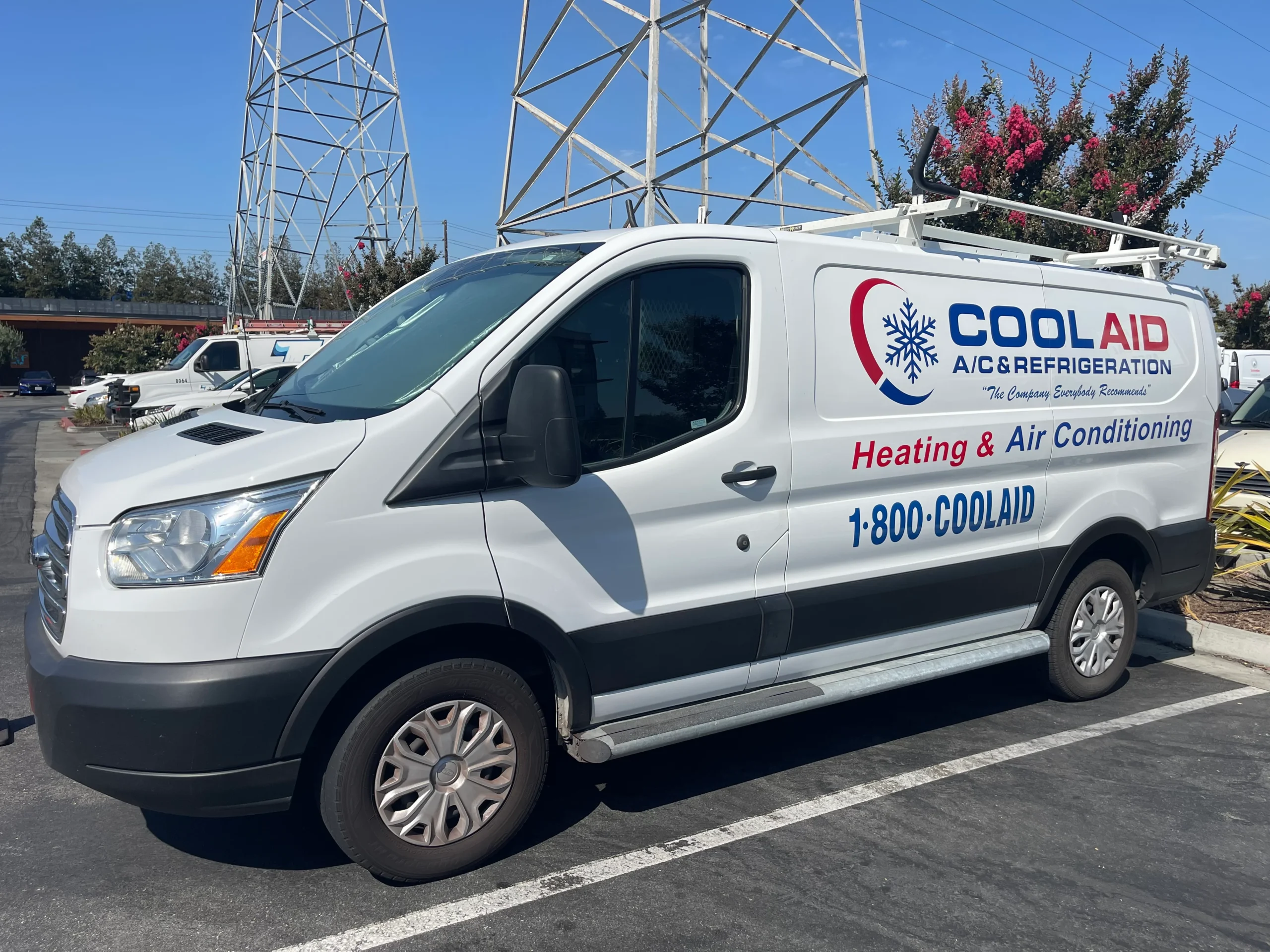
For the best results, always partner with trusted professionals. You can learn more about our commitment to top-tier service and see why homeowners rely on 1-800-Cool-Aid for all their comfort needs.
Why Regular HVAC Maintenance is Non-Negotiable
Skipping your annual HVAC service might seem like an easy way to save a few dollars in the short term. However, neglecting your heating and cooling equipment almost always leads to massive expenses down the road. Regular maintenance is not an optional luxury; it is a fundamental requirement for the health of your home. Here is why prioritizing residential HVAC maintenance services is crucial.
Lower Energy Bills
When an HVAC system accumulates dust, dirt, and mechanical wear, it loses efficiency. A clogged air filter or a dirty condenser coil forces your unit to run longer and consume more power to reach the temperature set on your thermostat. During a routine service visit, technicians clean these vital components and lubricate moving parts to reduce friction. This allows the system to operate at peak efficiency, which directly translates to lower monthly utility bills. Over time, the energy savings often pay for the cost of the maintenance visit itself.
Fewer Unexpected Breakdowns
There is never a convenient time for your air conditioner or furnace to fail. Breakdowns usually happen when the system is under the most stress—during peak summer heatwaves or bitter winter cold snaps. Regular maintenance allows technicians to spot minor issues, like a frayed belt or a failing capacitor, before they escalate into major mechanical disasters. Catching these problems early saves you from the stress and expense of emergency residential HVAC repair services.
Extended Equipment Lifespan
Replacing an HVAC system is a significant financial investment. Naturally, you want your equipment to last as long as possible. Just as a car requires regular oil changes to keep the engine running smoothly for hundreds of thousands of miles, your HVAC system needs routine tune-ups. Consistent maintenance reduces the cumulative strain on the compressor, blower motor, and heat exchanger. Well-maintained systems often outlast neglected ones by five to ten years, delaying the need for expensive residential HVAC replacement services.
Better Indoor Air Quality
Your HVAC system circulates all the air in your home multiple times a day. If your system is filled with dust, mold spores, pet dander, and other allergens, it will blow those contaminants directly into your living spaces. Regular maintenance involves cleaning the interior components of the unit and ensuring proper airflow, which significantly improves the indoor air quality of your home. This is especially important for households with young children, elderly family members, or individuals suffering from asthma and allergies.
Seasonal Transitions: The Best Times for Service
Timing your maintenance appointments is just as important as the service itself. Scheduling your tune-ups during the transitional seasons of spring and fall ensures your equipment is fully prepared for the heavy workloads of summer and winter.
Spring Preparation for Cooling Season
Spring is the ideal time to focus on your air conditioning unit. After sitting dormant all winter, your AC needs a thorough inspection before it tackles the summer heat.
During a spring visit, technicians focus on the outdoor condenser unit. They will clear away any leaves, twigs, or debris that accumulated around the unit during the fall and winter. They will also inspect the refrigerant lines for leaks. If the refrigerant level is low, your system will struggle to pull heat out of your home, resulting in warm air blowing from your vents and skyrocketing energy bills. Technicians also check the indoor evaporator coil to ensure it is clean and free of mold or mildew, which can develop in dark, damp environments.
Fall Preparation for Heating Season
As the leaves begin to drop and the air turns crisp, it is time to shift your focus to your heating system. Fall maintenance is particularly critical for gas and oil furnaces, as it involves vital safety checks.
When a technician performs a fall tune-up, they meticulously inspect the heat exchanger for any cracks. A cracked heat exchanger is incredibly dangerous, as it can allow lethal carbon monoxide gas to leak into your home. The technician will also clean the burners to ensure a highly efficient, blue flame. Soot buildup on the burners forces the furnace to consume more fuel while producing less heat. Finally, they will test the ignition system and safety controls to guarantee the furnace operates flawlessly throughout the coldest months of the year.
Specific Component Checks During Professional Service
You might wonder what exactly happens during a professional HVAC maintenance appointment. A comprehensive tune-up goes far beyond simply swapping out an air filter. Highly trained technicians follow a rigorous checklist to ensure every part of your system functions perfectly. Read our reviews to see how our thorough inspections give homeowners total peace of mind.
Inspecting the Heat Exchanger and Burners
For homes with gas heating, the heat exchanger and burners are the heart of the system. Technicians use specialized tools, such as combustion analyzers and inspection cameras, to look for hidden cracks or signs of metal fatigue in the heat exchanger. They also clean the burners to remove dust and scale. This ensures the gas ignites smoothly and burns efficiently, maximizing your heat output and minimizing fuel waste.
Cleaning the Evaporator and Condenser Coils
Your air conditioner relies on two sets of coils to cool your home. The indoor evaporator coil absorbs heat from the air inside your house, while the outdoor condenser coil releases that heat into the environment outside. If either of these coils becomes coated in dirt or grime, the heat transfer process breaks down. The compressor must then run continuously to compensate, which quickly leads to mechanical failure. Technicians carefully clean both coils using specialized foaming agents that dissolve dirt without damaging the delicate aluminum fins.
Checking Refrigerant Levels
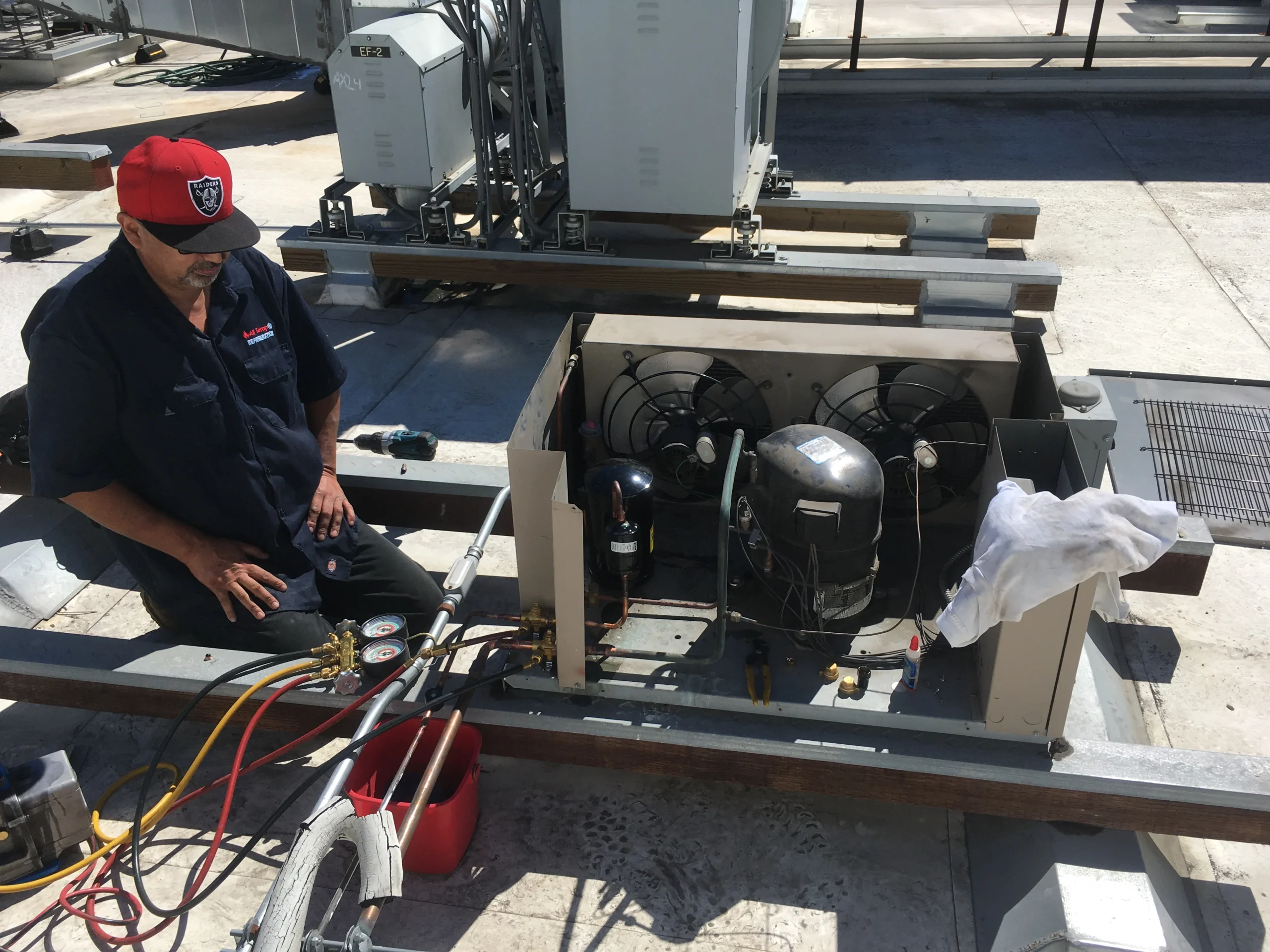
Air conditioners and heat pumps require a precise amount of refrigerant—known as the “charge”—to operate correctly. A system that is undercharged or overcharged will suffer a severe drop in efficiency and capacity. Technicians attach pressure gauges to the system to measure the exact refrigerant levels. If they detect a shortage, they will locate and repair the leak before adding more refrigerant, ensuring your system cools effectively.
Evaluating Electrical Connections and Motors
Vibrations from standard operation can cause electrical connections to loosen over time. Loose connections create increased electrical resistance, which generates heat and can eventually cause wires to melt or components to short out. During a maintenance visit, the technician will inspect all wiring and tighten any loose terminals. They will also measure the voltage and electrical current drawn by the compressor and blower motor. If a motor is drawing too much power, it is a clear sign that it is struggling and may soon fail.
Clearing the Condensate Drain
As your air conditioner cools the air, it also removes massive amounts of humidity. This moisture drips off the indoor coil and flows away through a condensate drain line. Over time, algae, mold, and sludge can build up inside this drain, causing a blockage. If the drain backs up, water will overflow into your home, causing significant damage to your ceilings, drywall, and flooring. Technicians flush the condensate drain and treat it with algaecide to prevent future clogs.
Calibrating the Thermostat
Your thermostat acts as the brain of your HVAC system. If it is not calibrated correctly, it will send the wrong signals to your heating and cooling equipment. A miscalibrated thermostat might cause your system to short-cycle (turn on and off too rapidly) or run continuously without ever reaching the desired temperature. Technicians verify that the thermostat accurately reads the room temperature and responds correctly to your commands.
DIY vs. Professional HVAC Maintenance
While comprehensive maintenance requires the expertise of a trained technician, homeowners play a crucial role in keeping their systems running smoothly between professional visits. Understanding the difference between DIY tasks and professional responsibilities is vital for your safety and the longevity of your equipment.
Tasks You Can Do Yourself
You do not need an engineering degree to perform basic HVAC upkeep. Homeowners can and should handle the following tasks:
- Changing the Air Filter: This is the most important DIY task. You should inspect your air filter every 30 days and replace it at least every 90 days. If you have pets, suffer from allergies, or live in a dusty environment, you may need to change it every month. A clean filter ensures proper airflow and prevents the blower motor from overheating.
- Keeping the Outdoor Unit Clear: Your outdoor condenser unit needs plenty of space to “breathe.” Trim back any bushes, shrubs, or tall grass so there is at least two feet of clearance around the entire unit. Remove any fallen leaves, twigs, or debris that accumulate on top of the fan grille.
- Inspecting Vents and Registers: Walk through your home and ensure that all supply and return vents are fully open and unobstructed. Blocking vents with furniture, rugs, or curtains disrupts the airflow and forces the system to work harder to condition the space.
- Listening for Unusual Noises: Pay attention to how your system sounds when it starts up, runs, and shuts down. If you notice any new rattling, banging, squealing, or grinding noises, turn the system off immediately and schedule a professional inspection.
When to Call the Professionals
Certain tasks require specialized tools, electrical knowledge, and an understanding of complex mechanical systems. You should always hire a professional for:
- Handling Refrigerant: By law, only certified technicians can handle HVAC refrigerants. If you suspect a leak, you must call a professional.
- Electrical Work: Working with 240-volt electrical components is incredibly dangerous. Never attempt to replace a capacitor, contactor, or motor yourself.
- Gas Furnace Diagnostics: Gas furnaces deal with highly combustible fuels and toxic exhaust gases. Any adjustments to the burners, gas valve, or heat exchanger must be left to experienced technicians.
- Deep Coil Cleaning: While you can gently hose off the outside of your condenser unit, deep cleaning the delicate fins of the condenser and evaporator coils requires professional-grade chemicals and techniques to avoid causing permanent damage.
If you are unsure whether a task is safe to handle yourself, it is always best to err on the side of caution and contact our team of experts.
Maintenance Schedules for Different HVAC Types
Not all heating and cooling systems operate under the same parameters. The type of equipment you own dictates its maintenance requirements.
Central Air Conditioners and Furnaces
As mentioned earlier, standard split systems featuring an outdoor air conditioner and an indoor furnace require two visits per year. You need the AC checked in the spring and the furnace evaluated in the fall. This bi-annual schedule ensures that each specific piece of equipment receives targeted attention just before its period of heaviest use.
Heat Pumps
Heat pumps are incredibly efficient, but they work double duty. Because a heat pump uses the exact same mechanical components to both heat and cool your home, it operates nearly 365 days a year. This relentless workload makes bi-annual maintenance an absolute necessity. Having your heat pump serviced in the spring and fall ensures the compressor, reversing valve, and coils remain in top condition regardless of the season.
Ductless Mini-Splits
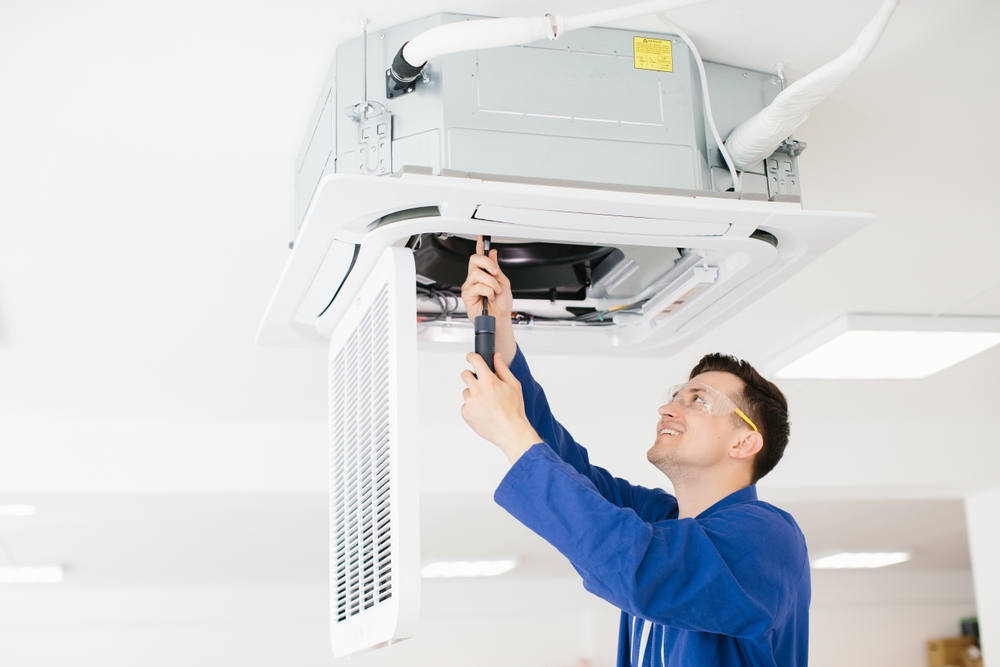
Ductless mini-split systems are similar to heat pumps in that they often provide both heating and cooling. They also require bi-annual maintenance. However, ductless systems have unique needs. The indoor air handling units feature small, reusable mesh filters that homeowners must clean every few weeks. If these filters become clogged, the system’s efficiency plummets, and water can leak from the indoor unit. Professional service for ductless systems involves deep cleaning the blower wheel and flushing the delicate condensate lines.
Commercial Systems
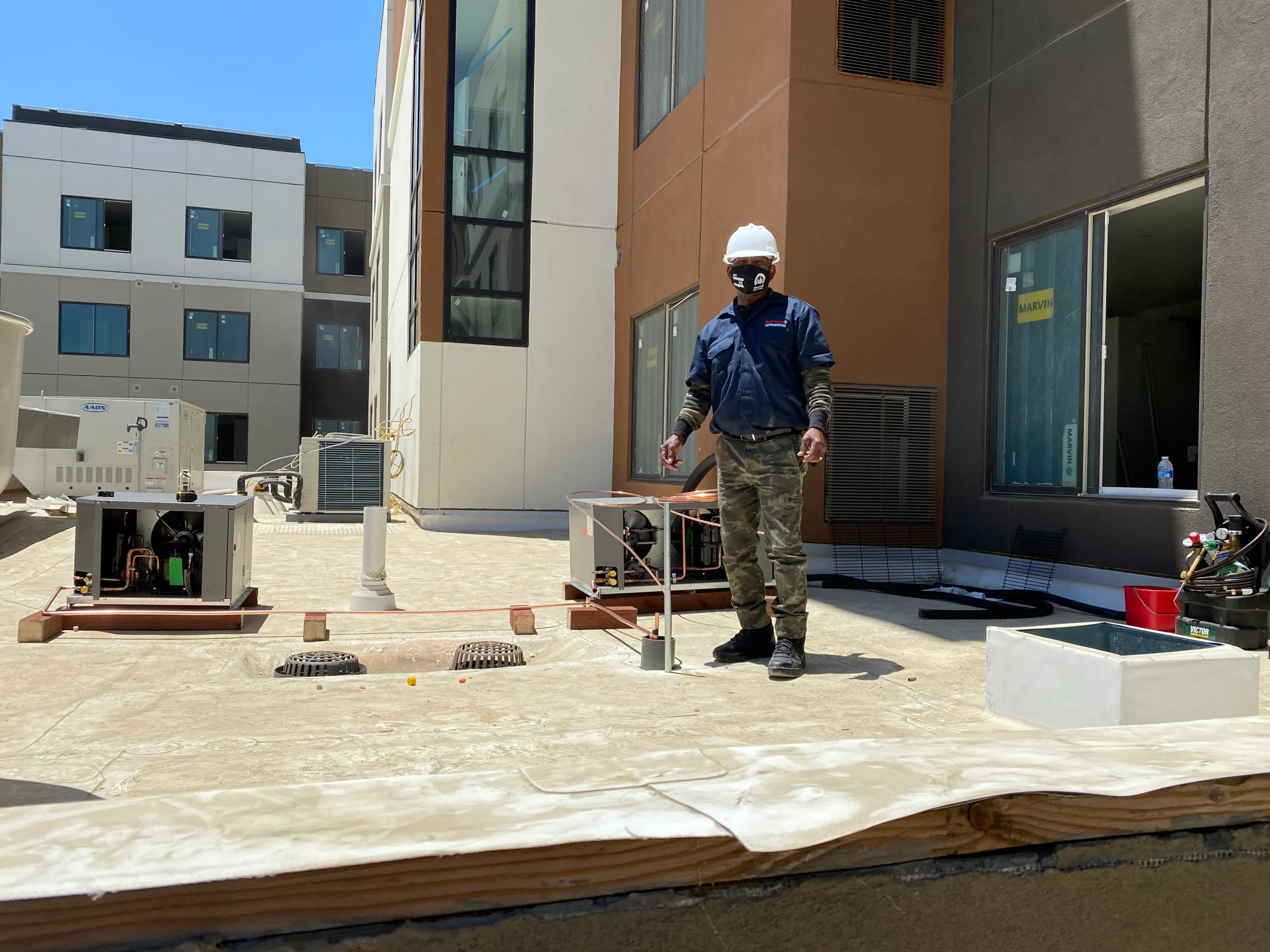
If you own a business, the maintenance requirements for your commercial HVAC equipment are significantly more demanding. Commercial systems are larger, more complex, and endure much heavier usage than residential units. A breakdown in a commercial setting can disrupt business operations, drive away customers, and damage heat-sensitive inventory.
Most commercial systems require quarterly maintenance. This frequent attention ensures massive rooftop units, chillers, and boilers operate reliably. If you manage a business facility, investing in commercial HVAC maintenance services is crucial for protecting your bottom line.
Signs Your System Needs Immediate Service
Even if you follow a strict maintenance schedule, unexpected issues can occasionally arise. You do not need to wait for your next annual tune-up if you notice any of the following warning signs. Calling for service immediately can prevent a small problem from ruining your entire system.
- Weak Airflow: If you hold your hand up to a vent and barely feel any air coming out, you have a major issue. This could indicate a failing blower motor, frozen evaporator coils, or significantly blocked ductwork.
- Short Cycling: If your system turns on, runs for only two or three minutes, and then shuts off, it is short cycling. This puts massive strain on the compressor and wastes a tremendous amount of electricity. Short cycling is often caused by severe overheating, a malfunctioning thermostat, or an improperly sized unit.
- Foul Odors: Clean air should not smell. If you notice a damp, musty odor coming from your vents, mold or mildew is likely growing inside your ductwork or on your evaporator coil. A sharp, burning smell often indicates an electrical short or a failing motor overheating.
- Sudden Spikes in Energy Bills: Keep a close eye on your monthly utility statements. If your energy usage suddenly jumps without a corresponding change in the weather, your HVAC system has lost its efficiency. A system struggling to operate will consume significantly more power.
If your system displays these symptoms, and it is nearing the end of its 15- to 20-year lifespan, a technician can help you determine if repairs are worth the cost or if it is time to consider residential HVAC installation services for a more efficient, modern unit.
Conclusion
Your HVAC system is the heartbeat of your home, working tirelessly to provide comfort and safety for you and your family. By understanding how often you should service your HVAC system, you take control of your indoor environment and protect a major financial investment.
Remember the golden rule: schedule an air conditioning tune-up every spring and a furnace inspection every fall. If you utilize a heat pump or a ductless mini-split, stick to a bi-annual schedule to accommodate their year-round workload. Do not neglect your own responsibilities; change your air filters regularly and keep your outdoor units clear of debris.
Consistent, professional maintenance lowers your utility bills, prevents catastrophic breakdowns, extends the life of your equipment, and vastly improves your indoor air quality. Do not wait for extreme weather to test the limits of your aging system. Be proactive.
For more helpful tips on maximizing your home comfort and efficiency, be sure to check out our blog. If it is time to schedule your next tune-up, do not hesitate to reach out to the professionals who prioritize your comfort above all else.
Stay Comfortable Year-Round With Expert HVAC Service
Book a trusted technician to handle your heating or cooling issue—fast, professional, and done right the first time.
Book Service Now