Maintaining a comfortable home or business environment requires more than simply adjusting the thermostat. The secret to a highly efficient, long-lasting heating and cooling system lies out of sight. Specifically, it hides inside your return air vents.
Your HVAC air filter serves as the primary defense against dust, dirt, and airborne contaminants. When you ignore this simple component, you force your entire system to work harder. This leads to poor indoor air quality, skyrocketing energy bills, and unexpected equipment failures.
We frequently hear customers ask exactly when they need to swap out their old filters for new ones. Unfortunately, a single universal answer does not exist. The ideal timeline depends heavily on your specific environment, lifestyle, and equipment type.
In this comprehensive guide, we will break down the exact timelines for filter replacements. You will learn how factors like pets, allergies, and outdoor air quality affect your filter’s lifespan. We will also explain the differences between various filter types, decode MERV ratings, and show you exactly how to spot a filter that needs immediate attention.
The Core Function of Your HVAC Air Filter
Many people assume air filters exist solely to clean the air they breathe. While purifying your indoor air is a wonderful secondary benefit, it is not the original purpose of the filter. The primary job of an HVAC filter is to protect the delicate internal components of your heating and cooling equipment.
Your HVAC unit pulls in immense volumes of air every single day. This air carries dust, hair, dead skin cells, and microscopic debris. Without a barrier in place, these particles would slam directly into your blower motor and evaporator coils.
Protecting Your Valuable Equipment
When debris coats your evaporator coils, the system loses its ability to absorb heat effectively. The compressor must run longer cycles to cool your home, putting intense mechanical stress on the entire unit.
A clean filter catches this debris before it ever reaches the internal machinery. By trapping dust and dirt, the filter ensures optimal airflow. This prevents the system from overheating in the winter and prevents the coils from freezing solid in the summer. Changing the filter is the most effective way to avoid calling for unexpected residential HVAC repair services in the middle of a harsh season.
Improving Your Indoor Air Quality
Even though equipment protection comes first, modern filters do an incredible job of cleaning the air in your home. We spend a massive portion of our lives indoors. The Environmental Protection Agency notes that indoor air can be significantly more polluted than outdoor air.
A high-quality filter acts as a massive net for your home’s air supply. It traps pollen, pet dander, mold spores, and even certain bacteria. As your system circulates air through the house, the filter continuously pulls these irritants out of the environment. This creates a safer, healthier breathing space for your family or your employees.
General Guidelines: Setting Your Replacement Schedule
Because every property is unique, filter replacement schedules vary widely. However, baseline recommendations can give you a solid starting point. You can then adjust this timeline based on the specific factors present in your building.
Vacation Homes and Single Occupants (Every 6-12 Months)
If you own a vacation cabin or a secondary property that you rarely visit, the HVAC system does not run constantly. With minimal foot traffic, very little dust enters the air. In these low-use scenarios, a standard filter can easily last between six and twelve months.
Similarly, a single occupant living in a suburban home with no pets generates very little airborne debris. If you fall into this category and do not suffer from severe allergies, you can likely push your filter replacement schedule to every six months without causing harm to your system.
Average Suburban Homes without Pets (Every 90 Days)
The standard recommendation for an average home is to change the filter every 90 days. This applies to a typical family home with a few occupants, moderate foot traffic, and no indoor pets.
Over the course of three months, normal daily activities stir up enough dust and lint to gradually clog a standard pleated filter. Mark your calendar for a seasonal change. Swap the filter at the beginning of spring, summer, fall, and winter to keep your system running smoothly.
Homes with Pets (Every 60 Days)
We love our furry friends, but they are incredibly tough on HVAC systems. Dogs and cats shed fur constantly. They also produce dander, which consists of microscopic flecks of skin.
When your HVAC system kicks on, it immediately pulls this floating fur and dander into the return vents. A filter can become completely matted with pet hair in a matter of weeks. If you have one dog or cat, you need to check and replace your air filter every 60 days to maintain proper airflow.
Multiple Pets or Allergy Sufferers (Every 30-45 Days)
Homes with multiple shedding pets require hyper-vigilance. The volume of hair and dander multiplies with every additional animal. In these households, an air filter will often reach maximum capacity in just one month.
The 30-day rule also applies to anyone who suffers from asthma or severe respiratory allergies. A fresh filter operates at peak efficiency, trapping the maximum amount of pollen and dust mites. Changing the filter every 30 to 45 days ensures you keep allergens to an absolute minimum, providing relief for sensitive respiratory systems.
Commercial Buildings and Workspaces (Every 30-90 Days)
Business environments present entirely different challenges. Retail stores, offices, and restaurants experience high volumes of foot traffic. Every time a customer opens the door, outdoor pollutants rush inside.
The replacement schedule for commercial spaces depends entirely on the industry. A quiet accounting office might only need a new filter every 90 days. However, a bustling restaurant or a manufacturing facility will likely need a fresh filter every 30 days to handle the heavy particle load. Staying on top of this schedule is a vital part of comprehensive commercial HVAC maintenance services.
Crucial Factors That Impact Filter Lifespan
The guidelines above serve as a solid foundation, but life rarely fits perfectly into a basic category. Several dynamic factors can drastically shorten the lifespan of your air filter. You must evaluate your specific living situation to determine your true replacement needs.
HVAC System Usage Rates
Filters only capture particles when air is actively moving through them. Therefore, your filter’s lifespan directly correlates with how often your system actually runs.
During the mild weeks of spring and fall, your system might sit idle for days at a time. Your filter catches very little dust during these periods and will last much longer. Conversely, during the blistering heat of July or the freezing depths of January, your system runs almost continuously. When the blower motor operates around the clock, the filter fills up with debris rapidly. You will always need to replace your filter more frequently during extreme weather seasons.
Indoor Pets and Dander Production
We already touched on pets, but the specific breed matters significantly. A hypoallergenic poodle produces far less shedding than a golden retriever or a husky.
If you own pets with thick undercoats that “blow” their coats seasonally, your filter will take a massive hit during shedding season. Keep a close eye on your return vents. If you see clumps of hair gathering on the outside of the vent grates, your filter behind that grate is likely begging for a replacement.
Outdoor Air Quality and Environment
The environment outside your walls heavily influences the air inside your building. Houses located near dirt roads, active construction sites, or busy highways deal with a constant influx of outdoor particulate matter. This dust inevitably finds its way indoors through open windows, doors, and tiny gaps in your building envelope.
Wildfire season also completely changes the rules of filter replacement. If you live in an area affected by wildfire smoke, your filter will turn black with soot in a matter of days. During severe air quality events, you might need to change your filter every single week until the smoke clears.
Indoor Allergens, Dust, and Smoke
Your personal habits and hobbies dictate how much particulate matter you generate indoors. If you frequently burn candles, use a wood-burning fireplace, or smoke tobacco inside, your filter will clog rapidly with sticky soot and tar.
Remodeling projects also destroy filters almost instantly. Sanding drywall or tearing up old carpet releases millions of tiny particles into the air. If you are doing any renovations, turn off your HVAC system if possible. Once the project is complete, immediately replace the filter to capture the lingering construction dust.
Understanding Air Filter Types and MERV Ratings
Not all air filters are created equal. The type of filter you purchase completely changes both its lifespan and its effectiveness. To make the right choice, you must understand the industry grading scale known as MERV.
What is a MERV Rating?
MERV stands for Minimum Efficiency Reporting Value. This rating system, developed by the American Society of Heating, Refrigerating and Air-Conditioning Engineers (ASHRAE), grades a filter’s ability to capture particles between 0.3 and 10 microns in size.
The MERV scale typically ranges from 1 to 16 for residential and commercial use. A higher MERV rating indicates a tighter filter weave, meaning it can trap much smaller particles. However, a tighter weave also makes it harder for the HVAC system to push air through the filter. You must balance filtration power with airflow efficiency.
Fiberglass Filters (MERV 1-4)
Spun fiberglass filters are the cheapest options available at the hardware store. They feature a flat, flimsy design encased in a cardboard frame.
These filters have very low MERV ratings, usually between 1 and 4. They only capture large particles like lint and heavy dust. They do absolutely nothing for microscopic allergens or pet dander. Because they are so porous, they offer excellent airflow, but they provide minimal protection for your equipment. If you choose fiberglass filters, you must replace them strictly every 30 days.
Pleated Filters (MERV 5-8)
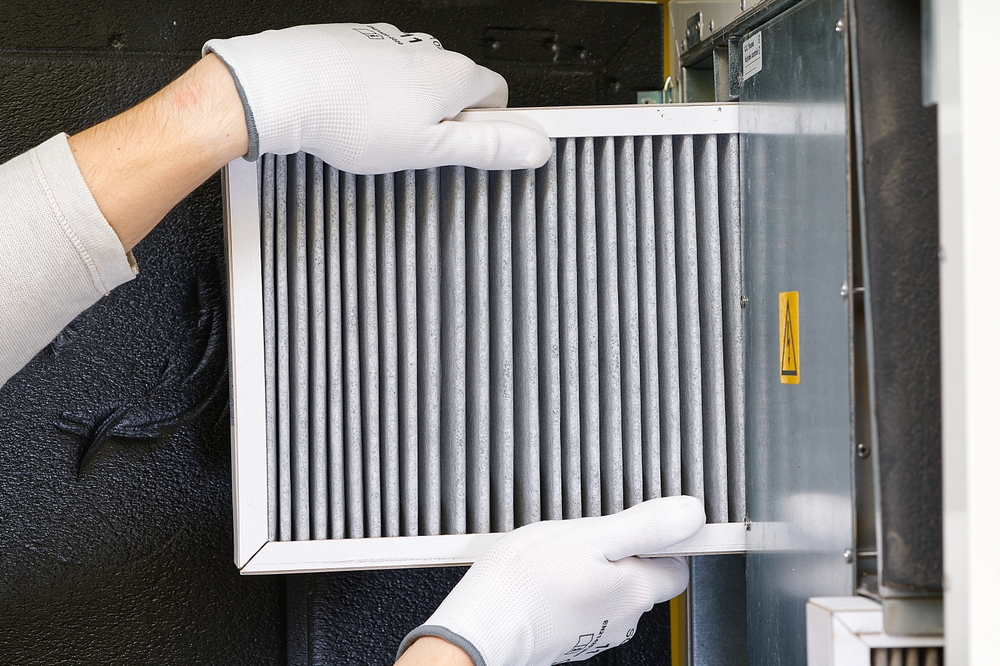
Pleated filters are the most popular choice for standard residential homes. They use polyester or cotton paper folded into an accordion shape. This pleated design vastly increases the surface area of the filter, allowing it to trap more dirt without severely restricting airflow.
Filters in the MERV 5 to 8 range do an excellent job of catching dust mites, mold spores, and standard pet dander. They offer a great balance between affordable pricing, solid air purification, and healthy system airflow. A standard pleated filter usually lasts up to 90 days in a normal home environment.
High-Efficiency Filters (MERV 9-12)
If you suffer from allergies or live in a highly polluted area, high-efficiency pleated filters are a fantastic upgrade. These filters capture tiny particles, including fine dust, auto emissions, and certain bacteria.
Because the synthetic material is woven tightly, these filters restrict airflow more than lower-rated options. Your system must work slightly harder to pull air through them. Consequently, they tend to clog up faster as they trap massive amounts of microscopic debris. Expect to check and replace high-efficiency filters every 30 to 60 days.
HEPA Filters (MERV 13+)
High-Efficiency Particulate Air (HEPA) filters represent the gold standard of air purification. They capture 99.97% of all particles down to 0.3 microns, including viruses and smoke.
However, standard residential HVAC systems cannot accommodate true HEPA filters. The material is so dense that a standard blower motor cannot push air through it, resulting in a frozen system or a burned-out motor. HEPA filters require specialized, heavy-duty commercial equipment or dedicated whole-home air purifiers designed specifically for immense air resistance.
Clear Signs Your Air Filter Needs Changing Right Now
You do not always have to wait for the calendar to tell you it is time for a change. Your home and your HVAC system will give you clear visual and physical clues when the filter is past its prime. Pay attention to these warning signs to prevent system damage.
Visible Dust and Debris Buildup
The easiest way to check a filter is to look at it. Pull the filter out of the return vent and hold it up to a light source. If you cannot see light shining through the material, the filter is completely clogged and needs immediate replacement.
You should also look around your house. If you notice a sudden increase in dust settling on your furniture, shelves, and television screens shortly after cleaning, your filter is likely full. A saturated filter can no longer trap incoming dirt, so the dust simply recirculates through your vents and lands in your living space.
Unexplained Increases in Energy Bills
Your monthly utility bill offers a great window into your HVAC system’s health. When a filter clogs, the blower motor must work twice as hard to pull the required volume of air through the thick layer of dirt.
This extra mechanical effort requires significantly more electricity. If you notice a sudden, unexplained spike in your cooling or heating costs, a dirty air filter is the most likely culprit. Swapping out a five-dollar filter can save you a tremendous amount of money on your monthly energy expenses.
Poor Airflow and Uneven Temperatures
A clogged filter suffocates your HVAC system. When the unit cannot pull enough air into the return, it cannot push enough conditioned air out of the supply registers.
If you hold your hand over a vent and barely feel a trickle of air coming out, you have a severe airflow restriction. This lack of airflow leads to hot and cold spots throughout the house. The rooms furthest from the HVAC unit will completely lose their ability to maintain the temperature set on the thermostat.
More Frequent Allergy Symptoms
Your physical health often serves as the best indicator of poor indoor air quality. When a filter reaches maximum capacity, all the pollen, dander, and dust mites bypass the filter and blow directly into your face.
If you or your family members start experiencing a sudden uptick in sneezing, coughing, watery eyes, or asthma flare-ups while inside the house, check the filter immediately. A fresh, high-quality pleated filter can clear the air and alleviate these uncomfortable symptoms within a matter of hours.
The Consequences of Ignoring Your Air Filter
Forgetting to change your filter once or twice is a minor mistake. Completely ignoring your filter for months on end is a recipe for an expensive disaster. The damage caused by a neglected filter compounds rapidly, affecting every single component of your heating and cooling equipment.
Freezing Evaporator Coils
In the summer, your air conditioner removes heat and humidity from the air using cold evaporator coils. These coils require a constant flow of warm air passing over them to keep the internal refrigerant from dropping below the freezing point.
When a dirty filter blocks the airflow, the warm air stops reaching the coils. The extreme cold of the refrigerant causes the natural condensation on the coils to turn into a solid block of ice. Once the coils freeze, the system will blow warm air or stop blowing entirely. You will have to turn the system off completely to let the ice melt, leaving you without air conditioning on the hottest days of the year.
Premature Wear and System Failure
Your HVAC system operates as a delicately balanced machine. When a clogged filter chokes the airflow, the blower motor runs continuously, trying to satisfy the thermostat. This constant strain causes the motor to overheat and eventually burn out entirely.
Furthermore, the dirt that bypasses a clogged filter coats the internal mechanisms. It causes friction on moving parts and insulates the coils, destroying their heat transfer capabilities. Consistently running a system with a dirty filter will shave years off the equipment’s total lifespan, forcing you into an expensive early replacement.
Integrating Filter Changes into Regular Maintenance
Replacing your air filter is the most important DIY task you can perform, but it is only one piece of the puzzle. To keep your equipment running flawlessly for a decade or more, you must pair your diligent filter changes with professional tune-ups.
Residential Maintenance Needs
For homeowners, scheduling a professional inspection twice a year is crucial. A certified technician will clean the internal components that your filter could not protect, check electrical connections, and monitor refrigerant levels.
By combining your strict 30-to-90-day filter schedule with comprehensive residential HVAC maintenance services, you ensure your system runs safely, efficiently, and cleanly all year round. We recommend checking out our comprehensive blog for more easy tips on maximizing your home comfort.
Commercial Maintenance Priorities
For business owners, the stakes are even higher. A broken HVAC system can shut down your entire operation, costing you inventory, customers, and revenue. Commercial equipment deals with massive air volumes and requires strict oversight.
If managing the filter replacement schedule for a massive building feels overwhelming, professional technicians can handle it for you. Routine maintenance plans ensure your filters are swapped precisely when needed, keeping your overhead costs low and your indoor air clean.
Take Control of Your Indoor Air Quality Today
Knowing how often to replace your air filter empowers you to protect your home, your health, and your wallet. Do not wait for your system to break down before you pay attention to the return vents.
Set a recurring reminder on your phone. Buy your high-quality pleated filters in bulk so you always have a replacement ready to go. By making this simple, inexpensive task a regular habit, you guarantee that your HVAC system will breathe easy and perform flawlessly through every extreme weather season.
If you are experiencing weak airflow, unusual noises, or inconsistent temperatures even after changing your filter, it is time to call in the professionals. Visit the team at 1800coolaid.com to explore our full range of services. Contact us today to schedule a comprehensive system evaluation, and let us help you achieve ultimate indoor comfort.
Stay Comfortable Year-Round With Expert HVAC Service
Book a trusted technician to handle your heating or cooling issue—fast, professional, and done right the first time.
Book Service Now