
While the Bay Area is known for its mild climate, the winter months bring a distinct chill that makes a reliable heating system essential for a comfortable home. As temperatures drop, your furnace or heat pump transitions from a seasonal appliance to a daily necessity. Preparing your system for this increased demand not only ensures your family stays warm but also helps you avoid unexpected breakdowns and high energy bills.
This guide offers practical winter heating tips for Bay Area homeowners. We will cover simple DIY checks, energy-saving strategies, and the crucial role of professional maintenance. By taking a few proactive steps now, you can enjoy a cozy, efficient, and worry-free winter season.
Why Winter Heating Prep Is Important for Bay Area Homes
In the Bay Area, it’s easy to forget about your heating system until you really need it. However, neglecting winter preparation can lead to a host of preventable problems. A system that sits idle for months can accumulate dust and develop minor issues that quickly escalate into major failures under the strain of daily use.
Timely heating prep is crucial for maintaining comfort during the cooler months. A well-maintained system distributes heat evenly, preventing cold spots and ensuring your home is a welcoming refuge from the winter chill. More importantly, it is a matter of safety and financial prudence. A pre-season inspection can identify potential hazards like a cracked heat exchanger or faulty wiring before they become dangerous.
Furthermore, proactive maintenance helps you prevent costly heating issues and emergency repairs. An unexpected furnace breakdown on a cold night is not only inconvenient but also more expensive to fix than a scheduled service call. By ensuring your system is in top condition before winter arrives, you protect your comfort, your safety, and your budget.
Top Heating Tips for Bay Area Homeowners
Keeping your home warm and your heating system efficient doesn’t have to be complicated. Following these essential tips will help you prepare for the colder weather and ensure your system operates reliably all winter long.
Schedule a Professional Furnace Inspection
The single most effective step you can take for winter readiness is to schedule a professional furnace inspection. While there are many things you can check yourself, only a certified HVAC technician can perform a comprehensive safety and performance evaluation. During a tune-up, a technician will clean internal components, lubricate moving parts, check electrical connections, and inspect the heat exchanger for cracks—a critical safety measure to prevent carbon monoxide leaks. This annual service optimizes your system for peak performance and catches small issues before they become expensive emergencies.
Replace or Clean Air Filters Regularly
A dirty air filter is one of the most common causes of heating system problems. When the filter becomes clogged with dust, pet dander, and other debris, it restricts airflow. This forces your furnace to work harder to circulate air, leading to reduced efficiency, increased energy consumption, and unnecessary strain on components. For most Bay Area homes, it is recommended to check your filter monthly and replace or clean it at least once every 90 days. Homes with pets or occupants with allergies may need to do so more frequently.
Seal Windows, Doors, and Drafty Areas
Your heating system can be incredibly efficient, but it won’t matter if that warm air is escaping outside. Drafts from windows, doors, and other gaps can account for significant heat loss. Take some time to inspect your home for air leaks. Use weatherstripping around doors and caulk to seal gaps around window frames. For older, single-pane windows, applying a window insulation film can create an extra barrier against the cold. Sealing these drafts is a low-cost way to improve comfort and reduce your heating bills.
Inspect Ductwork for Leaks
The ductwork is the circulatory system for your home’s heated air, but it’s often hidden in attics, crawlspaces, or walls. Leaks, holes, or disconnected sections in your ducts can allow a substantial amount of warm air to escape into these unconditioned spaces. This forces your furnace to run longer to heat your home, wasting energy and money. You can visually inspect accessible ductwork for obvious tears or use your hand to feel for air leaks at the seams. For a more thorough assessment, a professional technician can perform a duct leakage test and seal any problems found.
Optimize Thermostat Settings for Efficiency
Your thermostat is the command center for your heating system. Using it wisely can lead to significant energy savings. For a manual thermostat, try setting it to a lower temperature when you’re asleep or away from home. For even greater efficiency, consider upgrading to a programmable or smart thermostat. A programmable thermostat lets you create a heating schedule that automatically lowers the temperature during predictable times. A smart thermostat goes a step further by learning your habits and allowing you to control your heating system remotely from your smartphone.
Test Carbon Monoxide Detectors and Safety Devices
This is a critical safety tip that should never be overlooked, especially for homes with gas furnaces. Carbon monoxide (CO) is an odorless, colorless gas that can be deadly. Your furnace is designed to vent CO safely outside, but a malfunction could cause it to leak into your home. Ensure you have working CO detectors installed on every level of your home and outside sleeping areas. Test them monthly and replace the batteries at least once a year.
Energy-Saving Strategies for Winter Heating
Beyond basic maintenance, several strategies can help you reduce your energy consumption during the winter months. These methods enhance your home’s efficiency, lower your utility bills, and decrease your environmental footprint without sacrificing comfort.
Use Zoned Heating or Smart Thermostats
Zoned heating systems allow you to control the temperature in different parts of your house independently. This means you can keep living areas warm while setting a lower temperature for unused guest rooms or basements, preventing wasted energy. If you don’t have a zoned system, a smart thermostat can offer similar benefits by learning your household’s patterns and making automatic, energy-saving adjustments.
Maintain Consistent Temperatures
It’s a common misconception that turning your furnace off completely when you leave the house saves the most energy. In reality, your system has to work much harder to bring the temperature back up from a very cold starting point. It is more efficient to set your thermostat a few degrees lower—not off—when you’re away. Maintaining a more consistent, albeit lower, baseline temperature reduces the overall strain on your system.
Insulate Water Heaters and Pipes
Your water heater works harder in the winter to heat the colder incoming water. Insulating the tank with a water heater blanket can reduce heat loss, saving energy. Additionally, insulating any exposed hot water pipes in unheated areas like basements or crawlspaces helps the water stay hotter as it travels to your faucets. This means you’ll wait less time for hot water and waste less energy in the process.
Leverage Curtains and Window Treatments
Your windows can be a source of both heat loss and free solar heat. On sunny winter days, open the curtains on your south-facing windows to let the sunlight in and naturally warm your home. As soon as the sun goes down, close your curtains and blinds. This acts as an additional layer of insulation, trapping the day’s warmth inside and preventing heat from escaping through the glass.
DIY Winter Checks vs. Professional Service
A comprehensive approach to winter heating prep involves a partnership between the homeowner and a professional HVAC technician. Understanding which tasks you can handle and which require expert attention is key to maintaining a safe and efficient system.
What Homeowners Can Inspect Themselves
Homeowners can and should perform several routine checks. This includes replacing air filters, testing smoke and carbon monoxide detectors, clearing debris from around the outdoor unit (for heat pumps), and visually inspecting drafts around windows and doors. These simple, regular tasks form the foundation of good HVAC maintenance.
Why Licensed HVAC Technicians Are Important
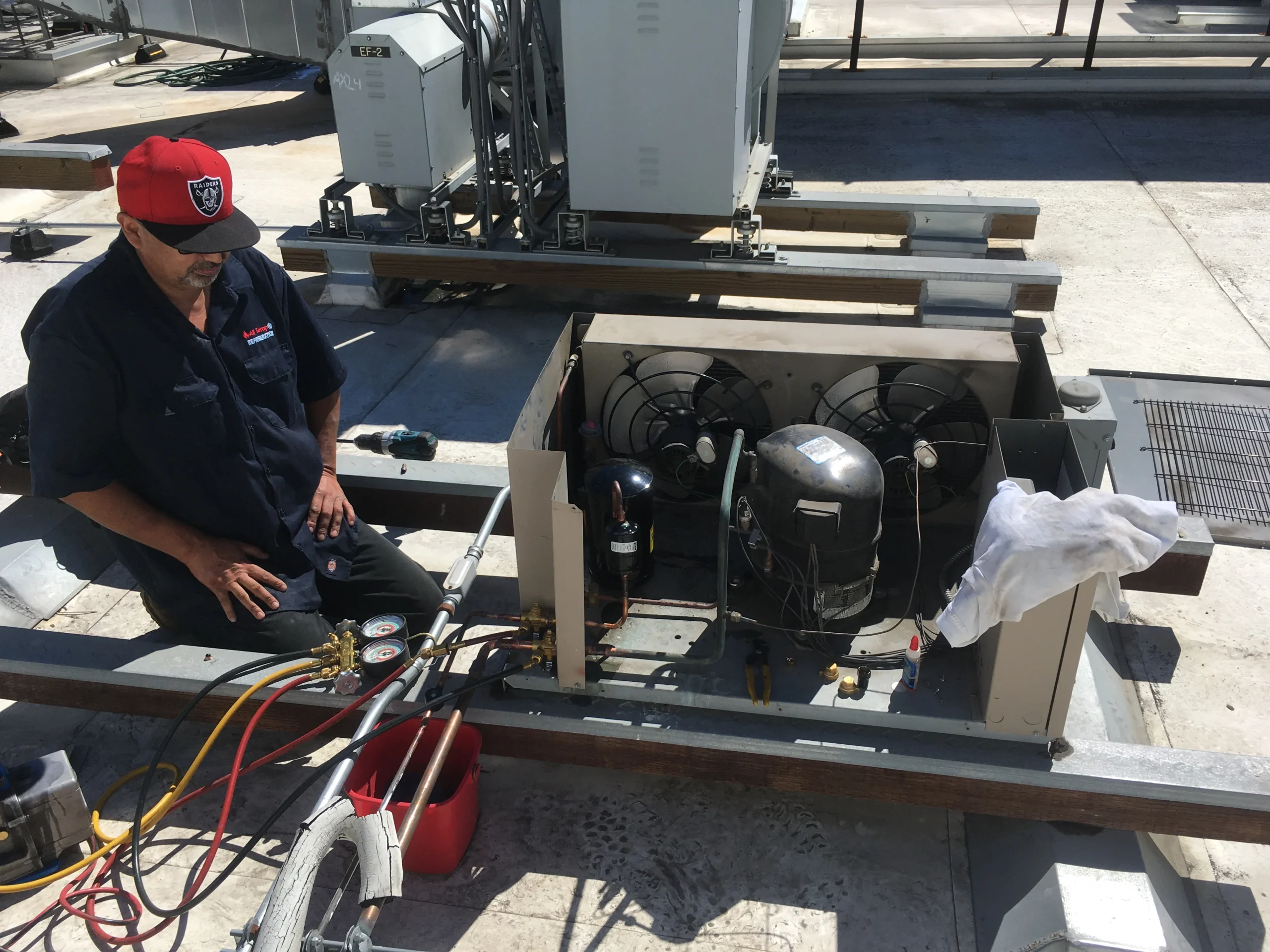
While DIY checks are valuable, they cannot replace a professional inspection. A licensed technician from Cool Aid has the training and specialized tools to perform a deep system analysis. They will check refrigerant levels on a heat pump, test for gas leaks, inspect the furnace’s heat exchanger for microscopic cracks, and measure the system’s combustion efficiency. These are tasks that require technical expertise and are critical for the safety and longevity of your heating system.
Preventive Maintenance vs. Emergency Repairs
Investing in a preventive maintenance plan is always more cost-effective than paying for emergency repairs. A scheduled tune-up is a predictable, affordable service that prevents most major breakdowns. An emergency call, on the other hand, often comes with premium charges and the added stress of a cold home. By having your system professionally serviced before winter, you are making a smart investment in reliability and peace of mind.
Why Bay Area Homeowners Trust Cool Aid for Winter Heating
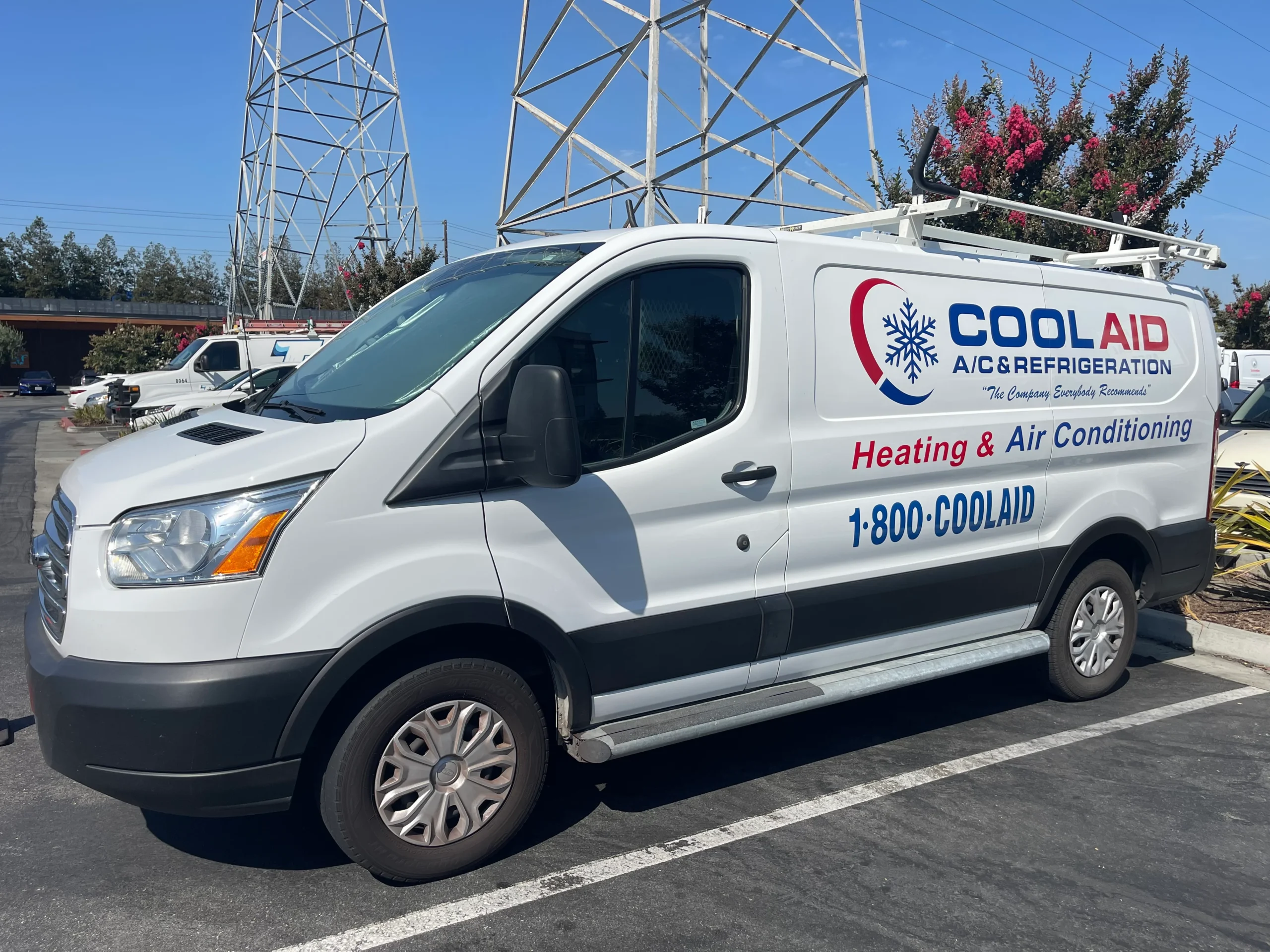
For decades, Cool Aid has been the go-to provider for reliable HVAC services in the Bay Area. Our reputation is built on a foundation of trust, expertise, and an unwavering commitment to our customers.
Licensed and Insured Technicians
Your safety and peace of mind are our top priorities. Cool Aid is a fully licensed and insured company, and our technicians are certified professionals. We invest in continuous training to ensure our team is up-to-date on the latest heating technologies and safety protocols, so you can be confident that your home is in expert hands.
Expertise in Local Homes and HVAC Systems
As a local Bay Area company, we have extensive experience with the specific types of homes and heating systems found in our community. From historic homes with older furnaces to modern constructions with high-efficiency heat pumps, we have the knowledge to service them all. We understand the regional climate and can provide recommendations that are perfectly tailored to your needs.
24/7 Emergency Heating Support
We know that heating emergencies can happen at any time. That’s why we offer 24/7 emergency support to our customers. If your heat goes out on the coldest night of the year, you can count on the Cool Aid team to respond quickly and restore warmth and safety to your home.
Schedule Your Winter Heating Service Today
Don’t wait for the first cold snap to find out your heating system isn’t ready. Be proactive and ensure your home will be warm and comfortable all winter long. The professional and friendly team at Cool Aid is here to help with all your winter heating needs, from comprehensive furnace inspections to emergency repairs.
Contact us today to schedule your pre-season heating service. Call 1-800-266-5243 or request service online to get started.
Stay Comfortable Year-Round With Expert HVAC Service
Book a trusted technician to handle your heating or cooling issue—fast, professional, and done right the first time.
Book Service Now