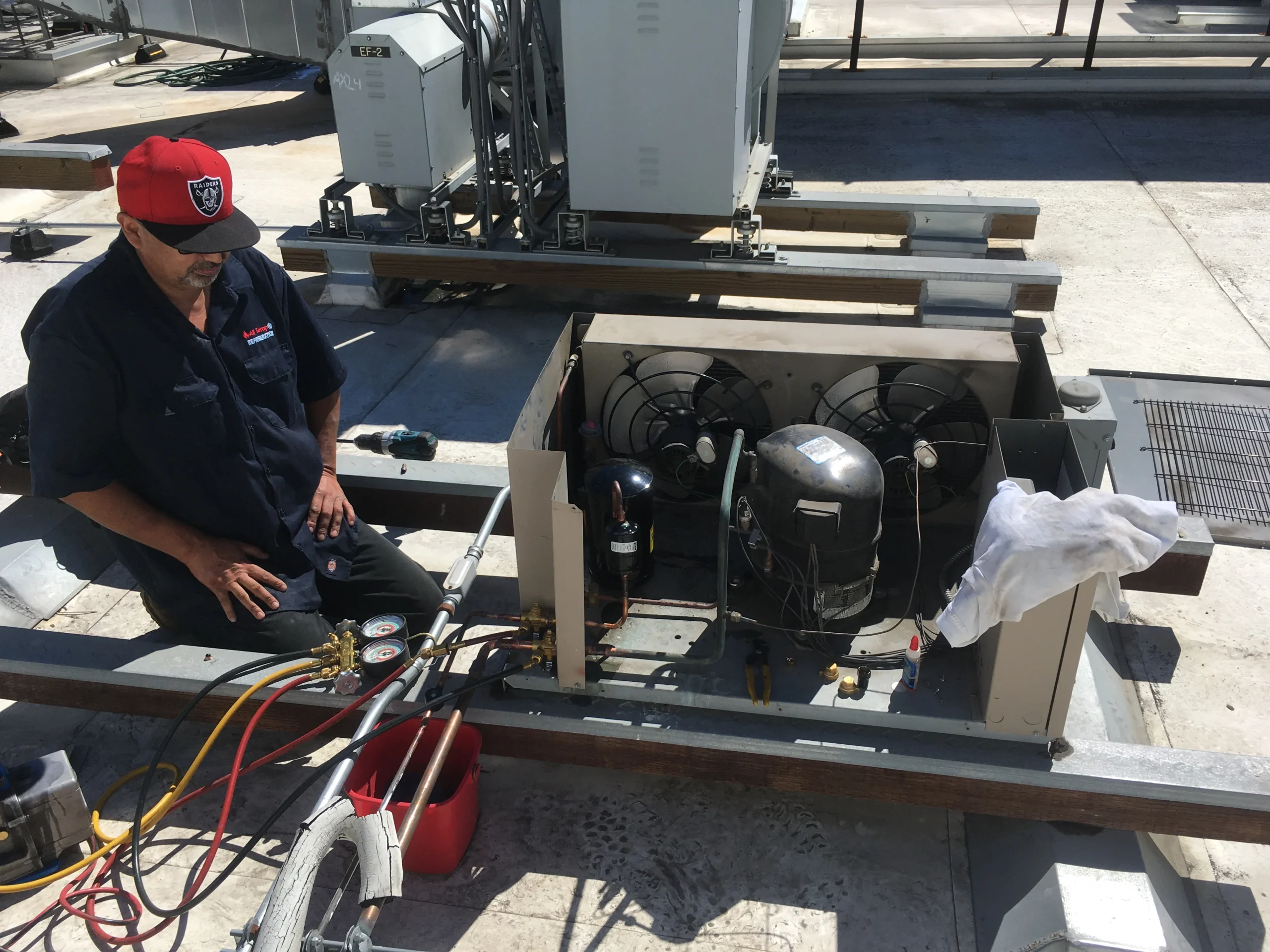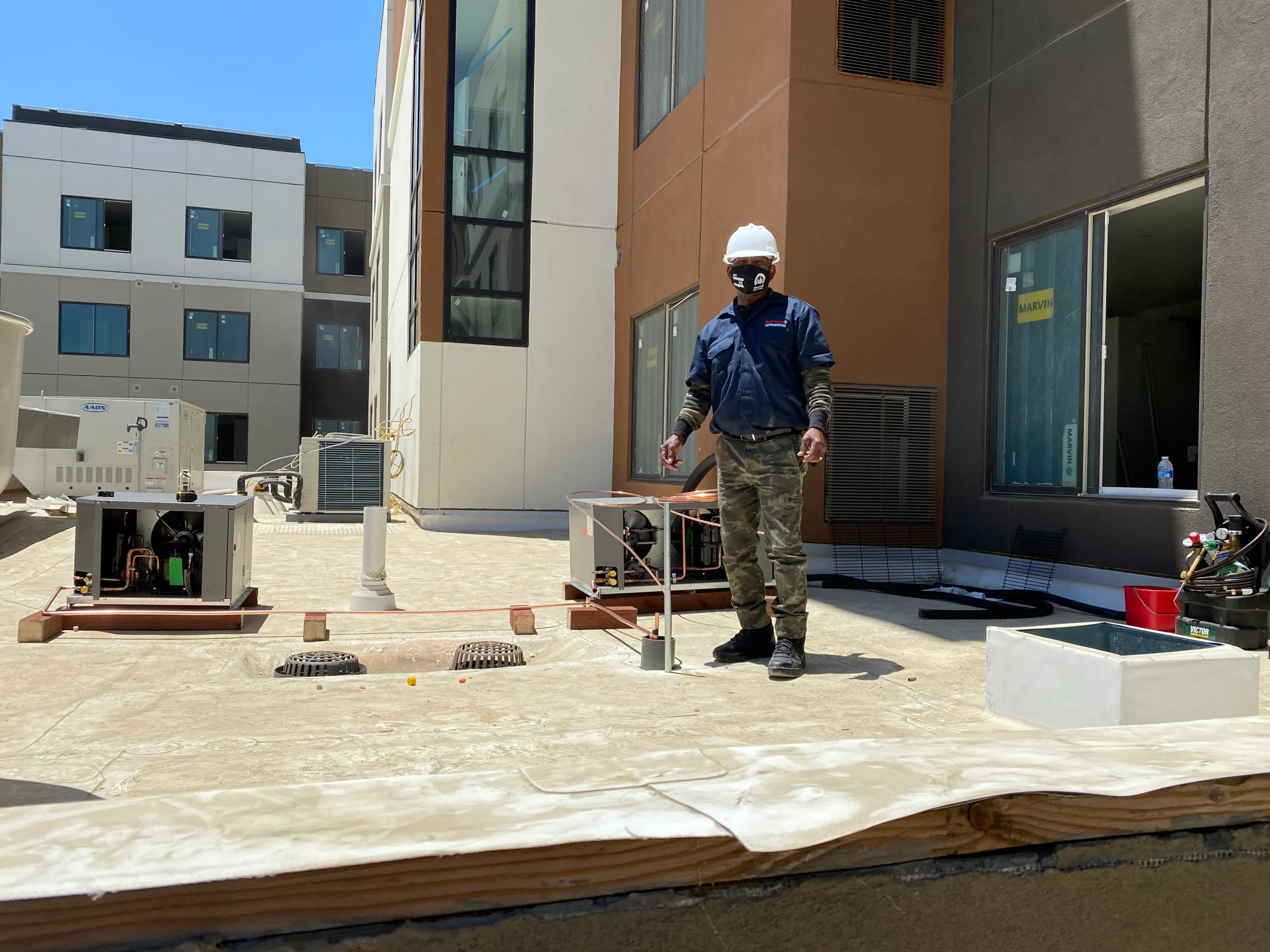
Rooftop HVAC units are the unsung heroes of many commercial buildings, from sprawling retail centers in San Jose to high-tech offices in Palo Alto. Tucked away out of sight, these powerful systems work tirelessly to maintain a comfortable and productive indoor environment. However, their location, while practical for saving space, exposes them to a unique set of challenges that ground-level units simply don’t face. This constant exposure to the elements means that rooftop HVAC units require more frequent and specialized maintenance to operate efficiently and reliably.
For business owners and facility managers, understanding these challenges is the first step toward protecting a significant investment. Neglecting rooftop HVAC maintenance can lead to a cascade of problems, including decreased efficiency, higher energy bills, poor indoor air quality, and unexpected, costly breakdowns. This article will explore the specific reasons why rooftop units demand more attention, detailing the impacts of weather, debris, and other environmental factors. We will also provide practical tips for a robust maintenance schedule to ensure your system runs smoothly year-round, keeping your operations and occupants comfortable.
The Unique Environment of a Commercial Rooftop
Unlike a residential or ground-level commercial unit that is often sheltered by eaves, fences, or landscaping, a rooftop HVAC unit is completely exposed. It sits on a wide, open expanse, bearing the full brunt of whatever the climate throws at it. This constant battle against the elements is the primary reason these systems need a more rigorous upkeep schedule.
Unrelenting Sun and Heat Exposure
During the hot summer months, especially in sunny California, rooftops can become incredibly hot. The surface temperature of a dark-colored roof can soar well above the ambient air temperature, creating a micro-environment of extreme heat around the HVAC unit.
- Increased Workload: The unit must work much harder to cool the building when it’s already operating in an extremely hot environment. The condenser coils, responsible for releasing heat from the refrigerant, struggle to dissipate that heat into already super-heated air. This forces the compressor and fans to run longer and at higher capacities, leading to accelerated wear and tear on these critical components.
- Component Degradation: Prolonged exposure to intense UV radiation from the sun can degrade various parts of the HVAC unit. Plastic components can become brittle and crack, wiring insulation can fray, and protective coatings on metal panels can break down, leading to corrosion. This damage isn’t just cosmetic; it can compromise the unit’s structural integrity and electrical safety.
- Overheating Risks: Without proper maintenance and cleaning, the system can overheat. Dirty coils, for example, trap heat and prevent the unit from cooling itself effectively. This can trigger safety shut-offs or, in worst-case scenarios, lead to catastrophic compressor failure—one of the most expensive repairs in any HVAC system.
The Impact of Rain, Wind, and Moisture
While sunshine presents one set of problems, precipitation and wind bring another. Water and HVAC systems are a dangerous combination, and the exposed nature of rooftop units makes them particularly vulnerable.
- Corrosion and Rust: Rainwater, especially when combined with airborne pollutants, can be corrosive. It seeps into seams, collects around screw heads, and pools in the unit’s drain pan. Over time, this constant moisture leads to rust, which can eat away at the unit’s metal casing, frame, and even internal components like the evaporator and condenser coils. A rusted drain pan can leak water directly onto the roof, potentially causing significant structural damage to the building.
- Electrical Hazards: Water can easily find its way into electrical compartments, control panels, and connections that have been compromised by cracked seals or corrosion. This creates a serious risk of short circuits, which can damage sensitive control boards and motors or create a potential fire hazard. Regular inspections are vital to ensure all electrical enclosures are sealed and watertight.
- Wind-Blown Debris: Strong winds can carry leaves, dirt, plastic bags, and other debris across the rooftop and directly into the HVAC unit’s fins and fan blades. This obstructs airflow, reduces efficiency, and can even cause physical damage by unbalancing fan blades, leading to motor strain and eventual failure.
The Winter Chill: Freezing Temperatures and Ice
Even in milder climates, occasional freezing temperatures can pose a threat to rooftop systems. This is especially true for heat pumps, which are common in many commercial applications.
- Frozen Coils: During the heating cycle, the outdoor coil of a heat pump becomes very cold and can accumulate frost or ice. While units have a built-in defrost cycle to manage this, extreme conditions or a malfunctioning defrost system can lead to the entire unit becoming encased in a block of ice. This completely stops its operation and can cause physical damage to the delicate coil fins.
- Condensate Line Freezing: In cooling mode, the system produces condensation, which is drained away through a pipe. On a cold day, this water can freeze inside the drain line, creating a blockage. When the system runs again, the backed-up water can overflow the drain pan and spill onto the roof or, worse, leak into the building below. This is why proper insulation of drain lines is a critical maintenance checkpoint.
- Structural Stress from Ice and Snow: In areas that see snowfall, the weight of accumulated snow and ice can put a significant strain on the HVAC unit and the roof structure supporting it. It’s crucial to ensure the unit is installed on a proper curb and that snow drifts are not allowed to block air intakes or exhaust vents.
Debris, Pests, and Other Rooftop Intruders
The isolated nature of a rooftop makes it an inviting place for more than just the elements. Debris accumulates easily, and wildlife often sees a large, sheltered metal box as a perfect home. This creates another layer of maintenance challenges.
The Constant Battle Against Debris
A rooftop is a large, flat surface that acts as a collection point for all kinds of airborne material. This debris inevitably finds its way into and around your HVAC equipment, causing significant problems for performance and longevity.
Types of Rooftop Debris and Their Effects
- Leaves, Twigs, and Seeds: Trees near the building are a primary source of organic debris. Leaves and twigs are blown onto the roof and sucked into the HVAC unit’s condenser coil fins. This creates a dense mat that acts like an insulating blanket, severely restricting airflow and forcing the system to work harder to release heat. This directly translates to higher energy consumption and increased strain on the compressor.
- Dirt, Dust, and Pollen: Fine particulates like dirt, construction dust, and pollen also get pulled into the coils. Over time, this grime builds up and, when mixed with moisture from rain or condensation, can form a thick sludge that is difficult to remove. This not only chokes airflow but also promotes corrosion and can lead to mold growth.
- Trash and Man-Made Materials: Plastic bags, paper, and other lightweight trash can easily blow onto a roof and get wrapped around fan blades or sucked against air intakes. This can unbalance the fan, leading to noise, vibration, and eventual motor failure. It can also completely block airflow, causing the unit to shut down on a high-pressure safety fault.
Unwanted Tenants: Pests and Animals
To small animals and insects, a rooftop HVAC unit offers shelter from predators and the elements. Unfortunately, their presence can cause extensive and expensive damage.
Common HVAC Pests and the Damage They Cause
- Rodents (Mice and Rats): Rodents are notorious for chewing on wires to file down their constantly growing teeth. A single mouse can chew through the insulation on control wiring or even high-voltage power lines, causing electrical shorts that can destroy a compressor or circuit board. They also build nests inside units using insulation and other materials, creating fire hazards and blocking airflow. Their droppings and urine are corrosive and can damage metal components and create serious health hazards for technicians.
- Birds: Birds often build nests in the sheltered areas of an HVAC unit, particularly around the fan motor or inside the ductwork openings. Nesting materials can clog the system, restrict fan movement, and create a significant fire risk. Their feathers and droppings can also foul the coils and other components.
- Insects: Wasps, hornets, and bees are drawn to the dry, protected spaces inside an HVAC unit to build their nests. This poses a direct safety threat to anyone attempting to service the unit. Ants can be attracted to the electrical components and can swarm control panels, causing short circuits.
Preventing these intrusions through regular inspections and the installation of pest guards is a key part of comprehensive commercial HVAC upkeep. If you notice signs of an infestation, it’s crucial to call for professional Commercial HVAC Repair Services immediately to address both the pest problem and any damage they may have caused.
The Challenge of Accessibility and “Out of Sight, Out of Mind”
One of the greatest enemies of rooftop HVAC maintenance is simple neglect. Because these units are not visible during daily operations, they are often forgotten until a problem arises. This “out of sight, out of mind” mentality, combined with the physical difficulty of accessing the roof, often leads to dangerously long intervals between service visits.
Accessibility Issues
Getting to a rooftop unit is not as simple as walking into a mechanical room. It often requires:
- Permanent Ladders or Hatches: Accessing the roof may involve climbing a tall, fixed ladder on the side of the building or going through a roof hatch. This presents a safety risk, especially in poor weather.
- Specialized Equipment: For some buildings, accessing the roof or lifting heavy tools and parts may require a lift or crane, adding complexity and cost to every service call.
- Safety Protocols: Working on a roof requires adherence to strict safety protocols, including fall protection. This means technicians must be properly trained and equipped, which can make a quick inspection a more involved process.
These access challenges can make it tempting for facility staff to skip routine visual inspections, allowing small problems to go unnoticed until they become major failures.
The Danger of Neglect
When maintenance is deferred, whether due to inconvenience or a desire to cut costs, the consequences can be severe. A problem that might have been a simple fix—like cleaning a clogged drain line—can escalate into a major leak causing thousands of dollars in water damage to the building’s interior. A failing capacitor, which is an inexpensive part to replace, can cause a compressor to fail if left unaddressed.
This is why establishing a proactive maintenance plan with a trusted HVAC partner is so critical. Regular, scheduled visits from a professional ensure that your system is inspected, cleaned, and tuned up by someone with the right tools, training, and safety equipment. This turns maintenance from a reactive, inconvenient task into a predictable, preventative strategy that protects your investment and prevents business disruptions. In a critical situation, knowing who to call for Emergency HVAC Services in San Jose, CA can be the difference between a minor inconvenience and a major shutdown.
A Practical Maintenance Checklist for Rooftop HVAC Units
A proactive approach is the only way to manage the unique demands of a rooftop HVAC system. A comprehensive maintenance plan should include regular tasks performed by in-house staff as well as semi-annual professional service visits. Here are some of the essential HVAC repair tips and maintenance tasks.
Monthly or Quarterly In-House Checks
These are simple visual inspections that facility staff can perform safely from a distance or during brief roof visits.
- Visual Inspection: Look for any obvious signs of damage to the unit’s casing. Check for loose panels, signs of rust, or visible debris on or around the unit.
- Listen for Unusual Noises: Pay attention to any new or unusual sounds coming from the unit, such as grinding, squealing, or excessive vibration. These can indicate a problem with a motor or fan blade.
- Check for Debris: Look to see if leaves, trash, or other debris are accumulating on the condenser coils or blocking air intakes.
- Inspect the Condensate Drain: Ensure the condensate line is dripping freely when the AC is running. Check for any standing water around the base of the unit, which could indicate a clog.
Semi-Annual Professional Maintenance
Twice a year—typically in the spring before the cooling season and in the fall before the heating season—a qualified HVAC technician should perform a thorough inspection and tune-up. This is the core of effective rooftop HVAC maintenance.
Key Tasks for Professional Servicing:
- Thorough Coil Cleaning: The technician will use specialized cleaners and tools to deep-clean both the evaporator and condenser coils, removing all the accumulated dirt, pollen, and grime to restore proper airflow and heat transfer.
- Electrical System Inspection: This is one of the most critical steps. The technician will:
- Tighten all electrical connections.
- Measure voltage and amperage on the motors and compressor.
- Test capacitors and relays, replacing any that are weak or out of specification.
- Inspect wiring for any signs of wear, fraying, or rodent damage.
- Fan and Motor Inspection: The technician will inspect the fan blades for damage, check the blower motor for proper operation, and lubricate all moving parts as required by the manufacturer.
- Refrigerant Level Check: The system’s refrigerant charge will be checked to ensure it is at the correct level. An undercharged or overcharged system will not operate efficiently and can cause damage to the compressor.
- Drainage System Cleaning: The condensate drain pan and drain lines will be thoroughly cleaned and flushed to prevent clogs, water damage, and mold growth.
- Filter Replacement: All air filters will be replaced with new, high-quality filters. Dirty filters are a leading cause of restricted airflow, poor air quality, and system strain.
- Ductwork Inspection: The technician will perform a visual inspection of accessible ductwork for leaks, loose connections, or damage.
- Thermostat and Controls Test: The thermostat will be calibrated, and all safety controls and operating cycles will be tested to ensure they are functioning correctly.
The Long-Term Benefits of Prioritizing Maintenance
Investing in regular, professional rooftop HVAC maintenance is not an expense; it’s a strategic investment in your business’s operational continuity and financial health. The upfront cost of a maintenance plan is minimal compared to the significant savings and benefits it delivers over the life of the equipment.
1. Improved Energy Efficiency and Lower Utility Bills
A clean, well-tuned HVAC system operates at or near its factory-rated efficiency. Clean coils, unrestricted airflow, and properly functioning components mean the unit doesn’t have to work as hard or run as long to maintain the desired temperature. This can lead to significant reductions in energy consumption, directly lowering your monthly utility bills.
2. Extended Equipment Lifespan
Just like a car, an HVAC system that receives regular service will last longer. Proactive maintenance catches and corrects minor issues before they can cause a domino effect of failures, reducing the overall wear and tear on major components like the compressor and motors. This can add years to the operational life of your rooftop unit, delaying the massive capital expense of a full Commercial HVAC Replacement.
3. Fewer Unexpected Breakdowns and Downtime
HVAC failures rarely happen at a convenient time. They often occur during peak demand—on the hottest day of summer or the coldest day of winter—when the system is under the most stress. An unexpected breakdown can shut down your business, leading to lost revenue, decreased productivity, and unhappy customers or tenants. A robust maintenance plan identifies and replaces failing parts before they break, drastically reducing the likelihood of a sudden and costly emergency.
4. Improved Indoor Air Quality
The HVAC system is the “lungs” of your building. Dirty coils, clogged filters, and contaminated drain pans can become breeding grounds for mold, bacteria, and other allergens. These contaminants are then circulated throughout your building, contributing to health problems, allergies, and unpleasant odors. Regular cleaning and filter changes are essential for maintaining a healthy and comfortable indoor environment for your employees and customers.
5. Enhanced Safety
A neglected HVAC system can pose serious safety risks. Frayed electrical wiring can lead to fires, while leaking refrigerant can be harmful. A professional technician will inspect these critical systems to ensure they are operating safely and are up to code, protecting your property and the people inside it.
Your Partner in Rooftop HVAC Health
Your rooftop HVAC unit is a critical asset that works under some of the toughest conditions imaginable. Its exposed location makes it vulnerable to extreme weather, debris, and pests, all of which accelerate wear and tear and demand a higher level of care. By understanding these challenges and committing to a proactive maintenance schedule, you can ensure your system remains reliable, efficient, and safe for years to come.
Don’t wait for a breakdown to give your rooftop unit the attention it needs. Partner with a team of experienced professionals who understand the unique demands of commercial systems. For expert Commercial HVAC Services, from routine maintenance to complex repairs, our team has the knowledge and experience to keep your system in peak condition. Contact us today to schedule an evaluation and build a maintenance plan that protects your investment and your peace of mind.
Stay Comfortable Year-Round With Expert HVAC Service
Book a trusted technician to handle your heating or cooling issue—fast, professional, and done right the first time.
Book Service Now