The fastest way to lose heat or AC in the Bay Area isn’t a “major mechanical failure.” It’s usually something electrical: a capacitor that finally gave up, a contactor that’s burnt to a crisp, or a control signal that never makes it where it’s supposed to go. And the annoying part is these failures can look dramatic from the outside. Thermostat calls, you hear a click… then nothing. Or it runs for ten minutes, shuts off, and starts playing games.
Here’s the simple truth: your HVAC system is a bunch of motors and moving parts that only work if the electrical side is clean, stable, and properly controlled. When that chain breaks anywhere, the whole system quits. Knowing what’s under those panels helps you spot the difference between a quick fix and a “stop touching it and call a pro” situation—because HVAC electrical problems aren’t just tricky, they can be dangerous if they’re handled wrong.
Why Electrical Issues Are Behind Most HVAC Breakdowns
Your HVAC system is a powerful mechanical machine, but it’s an electrical system first. Without a clean, uninterrupted flow of power and a clear set of control signals, nothing happens.
Why heating and cooling systems rely more on electricity than people realize
Even a gas furnace relies heavily on electricity to function. It needs power for the thermostat, the control board, the ignitor, the blower fan, and various safety switches. Your air conditioner is almost entirely electric, using power to run two separate motors, a compressor, and the control circuits that orchestrate the cooling cycle. A problem anywhere in this electrical chain will shut it all down.
How small electrical faults shut down entire systems
A tiny, inexpensive part called a capacitor can fail, preventing a multi-thousand-dollar compressor from starting. A loose wire can cause the system to shut off randomly. A failing relay can prevent the outdoor unit from ever receiving the signal to turn on. These small electrical faults are often the difference between a comfortable home and a system that won’t start at all.
The Electrical Path That Powers Your HVAC System
To understand what goes wrong, it helps to know the basic path electricity takes to make your system run. It’s a journey that involves two different types of voltage working together.
From thermostat signal to system startup
The process starts with your thermostat. When it calls for heating or cooling, it sends a low-voltage signal to the control board in your furnace or air handler. The control board acts as the brain, processing this signal and then activating a series of relays. These relays act like switches, closing circuits that send high-voltage power to the motors and compressor, bringing the system to life.
Low-voltage controls vs high-voltage power
Your HVAC system uses two separate electrical circuits:
- Low-Voltage (24V): This is the control circuit. It includes the thermostat, the control board, and various safety sensors. It’s the “thinking” part of the system.
- High-Voltage (120V/240V): This is the power circuit. It provides the raw muscle to run the blower motor, the outdoor fan motor, and the compressor.
A problem in either the low-voltage or high-voltage side can prevent the system from working correctly.
Common HVAC Electrical Components That Fail First
Over our decades of service in the Bay Area, we’ve found that a few specific electrical parts are responsible for the vast majority of breakdowns.
Capacitors and why they’re the most replaced part
A capacitor is like a small, temporary battery. It provides a powerful jolt of electricity to get a motor spinning. Your system has at least two: one for the compressor and one for the fan motor. Over time, these components weaken and lose their ability to hold a charge. When a capacitor fails, the motor it’s connected to will hum but won’t be able to start, often leading to overheating. This is by far the most common electrical repair we perform.
Contactors, relays, and switching failures
A contactor is a heavy-duty electrical switch that sends high-voltage power to your outdoor unit’s compressor and fan. When the thermostat calls for cooling, an electromagnet pulls the contactor closed, completing the circuit. Over time, the metal surfaces can become pitted and burned, preventing a clean connection. You might hear a loud “click” from your outdoor unit, but nothing happens because the power isn’t getting through.
Control boards and modern system electronics
The control board (or circuit board) is the brain of your modern furnace or air handler. It sequences every step of the heating and cooling process. While generally reliable, these boards are sensitive to power surges, excessive heat, and moisture. A failed control board can cause a wide range of strange symptoms or prevent the system from doing anything at all.
How HVAC Wiring Problems Develop Over Time
The wires in your HVAC system are subjected to a harsh environment of heat, vibration, and moisture, which can lead to degradation over years of service.
Heat, vibration, and aging insulation
The constant vibration of the system can cause wire connections to loosen over time. A loose connection creates electrical resistance, which generates heat. This heat can melt the wire’s insulation, creating a fire hazard or a short circuit that can damage expensive components.
Rodents, corrosion, and outdoor exposure
We frequently find that rodents have chewed through the low-voltage wiring going to the outdoor unit, completely disabling it. In outdoor units, moisture and dirt can lead to corrosion on electrical terminals, creating poor connections. For coastal homes, salt air is particularly aggressive at corroding these connections.
Signs Electrical Problems Are Causing HVAC Malfunctions
Electrical issues often create distinct symptoms that a homeowner can notice. Recognizing them can help you communicate the problem to a technician.
Intermittent operation and random shutdowns
Does your AC run for a few minutes and then shut off for no reason? This is a classic sign of a component overheating or a loose electrical connection. The system works until the connection is broken by vibration, then it stops.
Burning smells, buzzing sounds, and tripped breakers
A distinct burning smell, often described as smelling like ozone or burnt plastic, is a serious red flag for an electrical problem. It could be an overheating motor or melting wire insulation. A loud buzzing or humming noise can indicate a motor that is trying to start but can’t due to a bad capacitor. And if your HVAC system repeatedly trips its circuit breaker, it means it’s drawing too much current, which points to a short circuit or a failing component.
Why Electrical Problems Are Often Misdiagnosed
Without proper diagnostic tools and a methodical approach, it’s easy to mistake an electrical issue for a mechanical one.
How electrical failures mimic mechanical breakdowns
If the outdoor fan isn’t running, is it a seized motor (mechanical) or a failed capacitor (electrical)? If the furnace blower won’t start, is it a broken belt (mechanical) or a bad relay on the control board (electrical)? A technician who guesses and replaces the wrong part will not solve the problem.
Why part swapping creates repeat service calls
An inexperienced technician might see a failed blower motor and simply replace it, only to have the new motor fail a month later. They treated the symptom, not the cause. A professional would have tested the electrical system and found that a faulty relay was sending improper voltage to the motor, burning it out. Fixing the relay is the only way to solve the problem permanently.
How Technicians Test HVAC Electrical Systems Safely
Diagnosing electrical problems requires specialized tools and a deep understanding of how circuits work. This is not a DIY job.
Voltage, amperage, and resistance testing
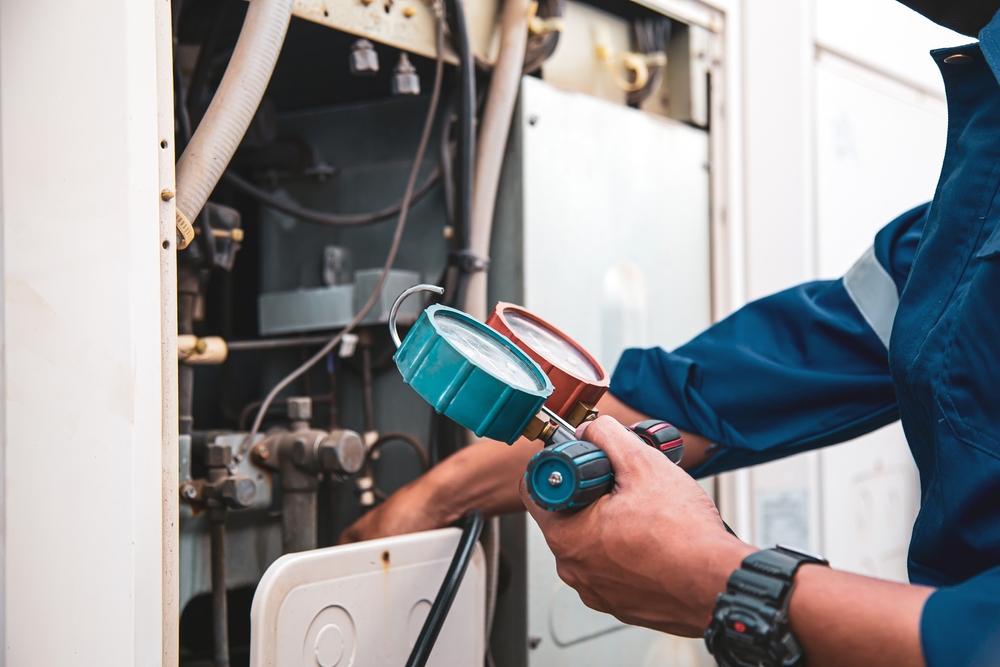
A professional technician uses a multimeter to perform a series of tests. They check for proper voltage at various points to ensure components are receiving the correct power. They measure amperage (current draw) to see if motors are working too hard. They test resistance (ohms) to check for continuity in wires and windings inside motors.
Load testing under real operating conditions
Some electrical problems only appear when the system is running and under a full load. A technician will test components like capacitors not just for their rating, but how they perform when the motor is actually trying to start. This real-world testing is crucial for finding parts that are weak but haven’t failed completely yet.
Electrical Issues That Can Damage Major HVAC Components
A small, unaddressed electrical problem can have a domino effect, leading to the destruction of the most expensive parts of your system.
How bad wiring kills motors and compressors
A loose wire or a failing capacitor can cause a motor to run at a lower voltage than it was designed for. This condition, known as an “undervoltage” situation, causes the motor’s windings to overheat, which will eventually burn it out. This is a very common cause of premature compressor and fan motor failure.
Why weak electrical parts shorten system lifespan
Every time a weak capacitor struggles to start the compressor, it puts a little extra strain on the motor. Every time a pitted contactor arcs, it sends a jolt of unstable power through the system. Over months and years, this accumulated stress takes a significant toll, shortening the overall lifespan of the entire system.
Why DIY Electrical Fixes Create Serious Risks
While changing a filter is a great DIY task, working on your HVAC system’s electrical components is something that should only be done by a trained professional.
Shock hazards and fire risks homeowners underestimate
Your HVAC system contains high-voltage circuits that are dangerous. Even when the power is off at the breaker, capacitors can still hold a powerful electrical charge. A mistake can lead to severe electrical shock or create a short circuit that could cause a fire.
How improper wiring voids warranties
If you attempt a DIY repair and wire a component incorrectly, you can cause a cascade of failures. When a technician discovers this, any manufacturer warranties on the damaged parts will almost certainly be voided, leaving you to foot the entire bill for a much more expensive repair.
Older Homes and Electrical Limitations in the Bay Area
Many older Bay Area homes were not built to handle the electrical demands of modern HVAC equipment, which can create its own set of problems.
Outdated panels and undersized circuits
An old electrical panel with fuses or outdated breakers may not be able to safely supply the power a new air conditioner requires. The circuit itself may have been wired with a gauge of wire that is too small for the amperage draw of a modern, larger system.
Why modern systems demand cleaner power
Newer HVAC systems, especially high-efficiency, variable-speed models, use sophisticated electronics that are more sensitive to the quality of the power they receive. They may not operate correctly on a circuit with fluctuating voltage, which can be a problem in some older homes.
Electrical Problems vs Normal HVAC Wear
It’s important to distinguish between a component that has failed prematurely and one that has simply reached the end of its normal service life.
What’s expected aging — and what’s not
A capacitor failing after eight or ten years is considered normal wear and tear. A motor failing after five years is not. A good technician can tell the difference and identify if an outside electrical issue is causing parts to fail before their time.
When electrical issues signal bigger system decisions
If a technician finds widespread electrical issues in a 20-year-old furnace—brittle wires, a failing transformer, and a weak blower motor—it’s no longer a matter of a single repair. This is a sign that the system as a whole is at the end of its life, and it’s time to discuss a replacement rather than sink more money into a series of failing parts.
How Electrical Inspections Prevent Emergency Breakdowns
The best way to deal with an electrical failure is to prevent it from happening in the first place.
Catching failing components before peak season
During a routine maintenance visit, a technician will test key electrical components like capacitors and contactors. They can identify a capacitor that is weak, even if it’s still working, and recommend replacing it. This simple, proactive step can prevent a guaranteed breakdown on the hottest day of the year.
Why inspections reduce after-hours repair calls
By proactively identifying and replacing aging electrical components during a scheduled tune-up, you are dramatically reducing the odds of a surprise failure. This saves you the cost and stress of an emergency, after-hours service call.
What Homeowners Can Safely Check — and What They Shouldn’t
There are a few simple things a homeowner can do before calling for service, but it’s crucial to know where to draw the line.
Thermostat settings, breakers, and visible damage
First, check that your thermostat is set correctly. Second, check your home’s main electrical panel to see if the breaker for the HVAC system has tripped. If it has, you can try resetting it once. If it trips again, do not reset it again; call a professional. You can also visually inspect your outdoor unit for any obvious damage or chewed wires.
Electrical components that should never be touched
Never open the electrical panels on your indoor or outdoor units. These areas contain high-voltage wiring and components that can hold a dangerous charge even with the power off. This is a job exclusively for a licensed technician with the proper safety equipment and training.
How Cool Aid Diagnoses HVAC Electrical Issues Correctly
Our reputation is built on getting the diagnosis right the first time. We use a methodical, data-driven process on every single call.
Data-driven testing instead of assumptions
Our technicians don’t guess. They use calibrated multimeters and other diagnostic tools to systematically test the electrical system from the thermostat to the motors. They use data to prove what has failed and why.
Fixing the cause — not just resetting the system
When we find a problem, our goal is to fix the root cause. We don’t just replace a failed part; we figure out what caused it to fail and address that issue, too. This commitment to thoroughness is what makes our repairs last.
If your HVAC system is acting up, tripping breakers, or simply won’t turn on, there’s a strong chance you have an electrical issue. Don’t risk your safety or your system’s health by ignoring it. Contact Cool Aid A/C & Refrigeration, and let our licensed technicians perform a safe, professional diagnostic to get your system back up and running correctly.
Stay Comfortable Year-Round With Expert HVAC Service
Book a trusted technician to handle your heating or cooling issue—fast, professional, and done right the first time.
Book Service Now