
When an HVAC system fails in the Bay Area, the repair itself is only half the battle. The harder part is choosing who touches it. Between coastal air, inland heat swings, older homes, and a mix of old and new equipment, this region exposes shortcuts fast. A repair that would hold up elsewhere can unravel here in a single season.
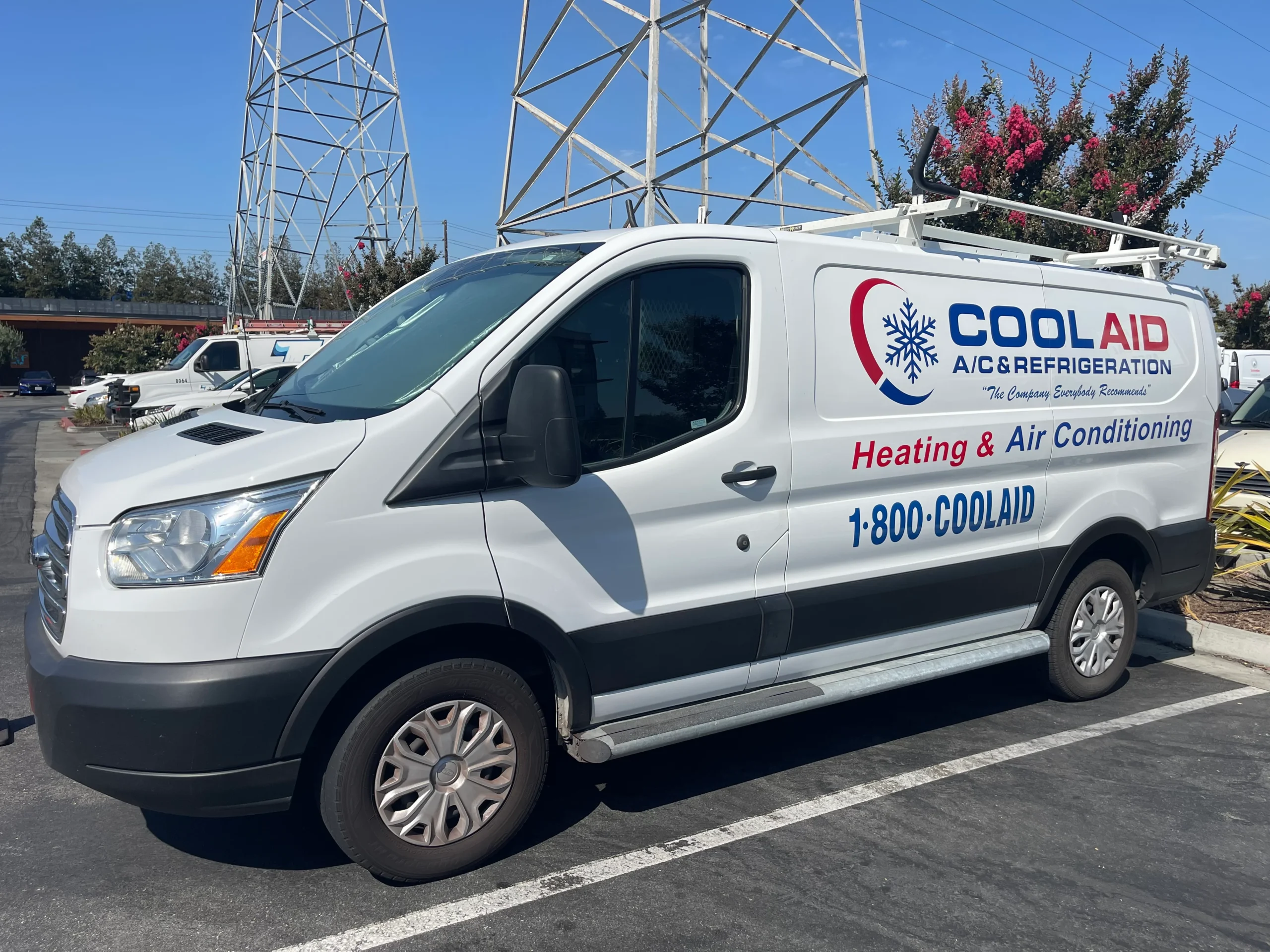
We see the results of rushed diagnostics and generic fixes all the time at Cool Aid A/C & Refrigeration. Systems that were “repaired” but never truly understood. Parts replaced without addressing airflow issues. Refrigerant added without finding leaks. Homeowners end up paying twice because the first fix was never built to last.
The best residential HVAC repair services don’t just show up with tools. They understand local housing, know how Bay Area conditions stress equipment, and take the time to diagnose why something failed before deciding how to fix it. That difference is what separates a one-time repair from a system you can actually rely on.
What “Good HVAC Repair” Actually Means in the Bay Area
In many parts of the country, HVAC repair is straightforward. The houses are similar, the weather is consistent, and the problems are predictable. That is not the case here.
Why Bay Area homes require more than generic service
“Good repair” in the Bay Area means understanding that a system in a foggy Daly City home faces different challenges than one in a hot Walnut Creek rancher. It means knowing how to navigate the tight crawlspaces of a 1940s San Jose bungalow and understanding the electrical limitations of older homes. Generic, by-the-book service often fails here because it doesn’t account for the local context that causes the breakdown.
Why Choosing the Right HVAC Repair Company Matters More Locally
The stakes are higher when picking an HVAC company in this region because the variables are so complex. A technician who only knows standard new-construction homes will be lost when faced with the realities of our local housing.
Microclimates, older homes, and mixed system types
The Bay Area forces technicians to be adaptable. One service call might be for a 100-year-old furnace with cast-iron parts, and the next could be a sophisticated ductless mini-split with an inverter board. A good local company has seen it all. They know how coastal salt air corrodes condenser coils and how inland heat waves stress capacitors.
Why experience in this region changes outcomes
An experienced local technician knows that a certain symptom in a specific neighborhood points to a known issue. They’ve seen the same undersized ductwork in a tract of homes a hundred times. This experience turns a three-hour diagnostic puzzle into a 30-minute solution. It’s the difference between a confident repair and expensive guesswork.
The Difference Between HVAC Technicians and HVAC Problem-Solvers
There are two kinds of people who show up to fix your system: those who replace parts and those who solve problems. You want the latter.
Diagnosis-first vs part-swapping
A part-swapper hears “the AC isn’t cooling,” assumes it’s low on refrigerant, adds some, and leaves. A problem-solver asks why it’s low on refrigerant. They perform a leak search, find the cracked valve, and fix the root cause. A problem-solver doesn’t just treat the symptom; they cure the disease.
How repeat repairs signal poor evaluation
If you’ve had to call for service on the same issue multiple times, it’s a clear sign of poor initial diagnosis. A reliable company aims to fix it right the first time. This requires taking the time to thoroughly inspect the entire system—airflow, electrical, and mechanical—to understand the chain of events that led to the failure.
What the Best HVAC Companies Do Before They Repair Anything
The most important work happens before any tools come out of the bag. The initial diagnostic process tells you everything about the quality of the company.
Asking the right questions
A great technician starts by listening. When did the problem start? Have you noticed any strange noises or smells? Has your energy bill changed? Has any other work been done on the home recently? These questions provide crucial clues that narrow down the potential causes.
Measuring airflow, voltage, and system load
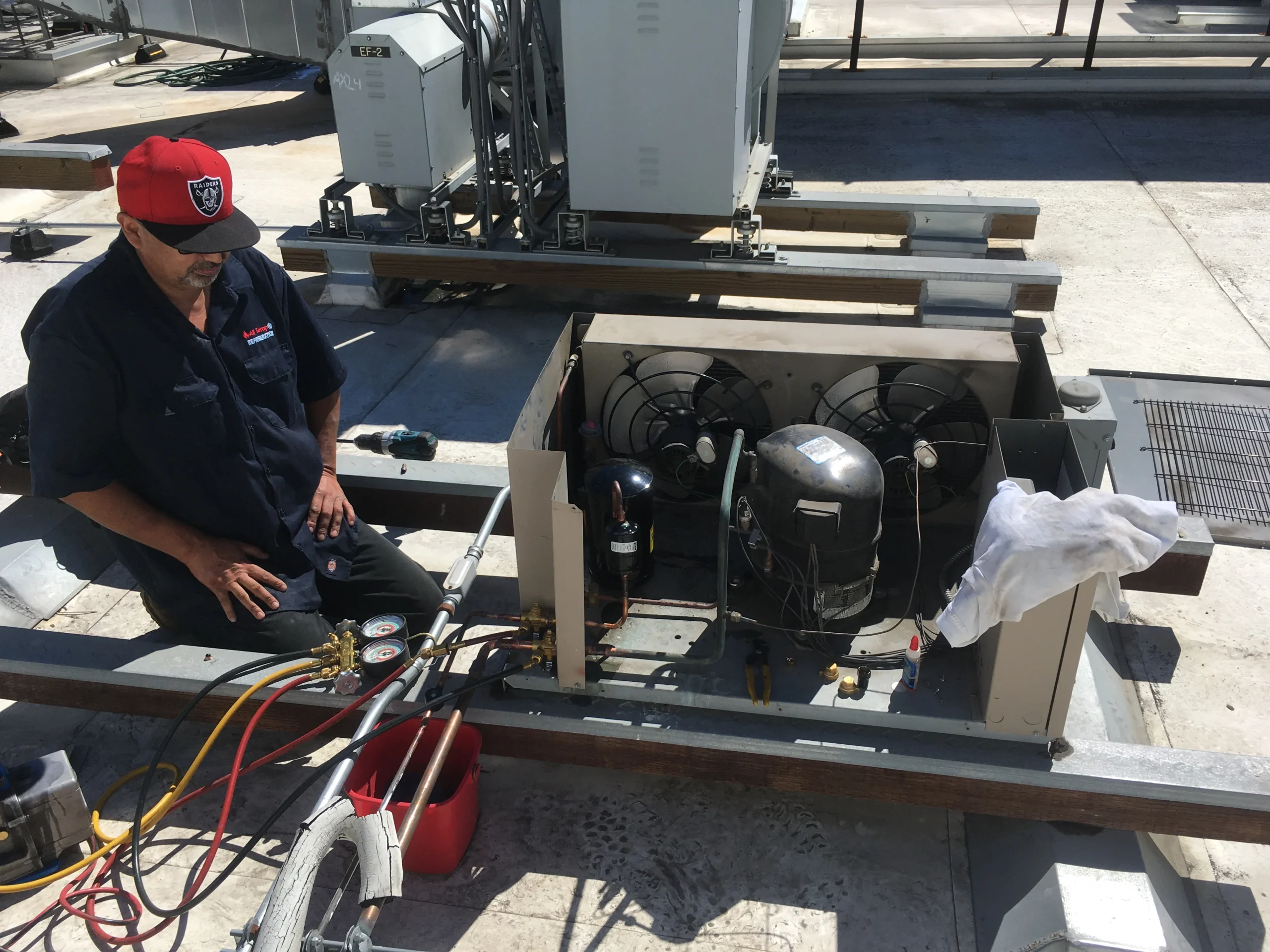
A professional doesn’t guess; they measure. They will use manometers to check static pressure (airflow), multimeters to test capacitors and voltage, and gauges to read refrigerant pressures. They look at data to confirm their theories, ensuring the repair they recommend is based on facts, not a hunch.
Licensing, Insurance, and Accountability—Non-Negotiables
This is the baseline for any contractor you let into your home. If a company can’t provide these, the conversation is over.
Why proper licensing protects homeowners
A California C-20 contractor’s license isn’t just a piece of paper. It means the contractor has proven experience and has passed exams on HVAC systems and state regulations. Hiring an unlicensed individual means you have no recourse if the work is done incorrectly or if they damage your home.
What insurance actually covers during a repair
General liability insurance protects your property in case of an accident. If a technician accidentally starts a fire or causes a flood, their insurance covers the damage. Workers’ compensation insurance protects you from liability if the technician gets injured on your property. Never hire a company that cannot provide a certificate of insurance for both.
How Transparent Pricing Separates Trusted HVAC Services
No one likes financial surprises. A trustworthy company will be upfront and clear about costs before any work begins.
Flat-rate repairs vs open-ended hourly billing
Many reputable companies use flat-rate pricing for repairs. This means you are quoted a single price for the entire job, including the part and labor, no matter how long it takes. This protects you from a slow technician or unexpected delays. Be wary of companies that only offer open-ended hourly rates, as the final bill can be unpredictable.
Red flags in estimates and invoices
An estimate should be clear, written, and detailed. It should specify the part being replaced and the total cost. A red flag is a vague estimate like “fix AC” with a price next to it. After the job, the invoice should match the estimate unless you approved additional work.
Emergency HVAC Availability—What “24/7” Should Really Mean
Many companies advertise 24/7 service, but what does that actually mean when you call at 10 PM on a Friday?
Real after-hours response vs voicemail promises
A truly emergency service has a system in place to dispatch a technician after hours. It doesn’t mean you just leave a message and hope someone calls you back on Monday. Before you have an emergency, it’s worth asking a company what their after-hours process looks like.
When emergency service is actually necessary
A good company will also be honest about what constitutes a true emergency. An AC breakdown on a 90-degree day is an emergency. A furnace making a minor noise when it’s 65 degrees outside might be something that can wait until normal business hours, saving you from premium after-hours rates.
How the Best HVAC Companies Handle Older Bay Area Homes
Working on older homes is a specialty. A company that primarily works on new construction may not have the patience or expertise required.
Duct limitations, electrical constraints, and airflow challenges
A great technician recognizes the limitations of an older home. They know that the original ductwork may not support a modern, high-efficiency furnace without modification. They will check the electrical panel to ensure it can handle a new AC unit. They don’t just sell you a box; they evaluate the entire system, including the house it’s attached to.
Why shortcuts fail in older construction
Taking shortcuts in an old house, like hooking up a powerful new blower to leaky, undersized ducts, will only create more problems. It can lead to noise, high energy bills, and premature equipment failure. The right approach is to identify and address these infrastructure issues as part of the overall solution.
Experience With Modern Systems Matters More Than Ever
As the Bay Area moves toward electrification, HVAC technology is changing fast. The company you hire must be up to date.
Heat pumps, inverter systems, and ductless technology
Heat pumps and ductless mini-splits are not just furnaces that run backward. They use sophisticated inverter-driven compressors and electronic controls. Diagnosing them requires an understanding of electronics, not just mechanics. A technician who isn’t trained on these systems will be completely lost.
Why not all HVAC companies can service these correctly
Many companies have not invested in the training and tools needed for modern systems. Before hiring someone to work on your new heat pump, ask them specifically about their experience with inverter technology. Do they know how to check fault codes and test sensor inputs?
Maintenance Philosophy Says Everything About a Repair Company
A company’s approach to maintenance reveals if they are interested in a long-term relationship or just a quick buck.
Preventing failures instead of waiting for breakdowns
The best companies would rather see you for a scheduled tune-up than for a frantic emergency call. They prioritize preventive maintenance because they know it’s better for you and your equipment. They look for opportunities to extend the life of your system, not just to sell you a new one.
How maintenance plans reflect long-term thinking
A company that offers a comprehensive maintenance plan is showing that they are invested in the long-term health of your equipment. These plans often include priority service and discounts on repairs, rewarding you for being a proactive homeowner. It’s a sign of a company that values partnership over transactions.
What Reviews Can—and Can’t—Tell You About HVAC Repair Services
Online reviews are a useful tool, but they need to be read with a critical eye.
Patterns to look for in real homeowner feedback
Don’t just look at the star rating. Read the actual comments. Are customers consistently mentioning that the technician was on time, communicated clearly, and cleaned up afterward? Are they talking about how the company solved a problem that others couldn’t? These patterns are more telling than a single glowing or negative review.
Why consistency matters more than star counts
A company with 100 four-star reviews detailing consistent, reliable service is often a better bet than a company with 10 five-star reviews that sound generic. Look for consistency in praise about professionalism, expertise, and fairness.
Questions Every Homeowner Should Ask Before Booking HVAC Repair
You are the one doing the hiring. Don’t be afraid to interview the company.
Diagnostic approach and communication style
- “What is your diagnostic process like? What do you look at besides the broken part?”
- “Will you explain the problem to me and show me the readings before you do any work?”
- “Do you offer flat-rate pricing for the repair?”
Warranty coverage and follow-up support
- “What kind of warranty do you offer on your parts and labor?”
- “If the problem comes back, what is your policy?”
Why Local Presence Beats National HVAC Chains
In the Bay Area, local knowledge is a competitive advantage.
Faster response and regional expertise
A local company has technicians who live in the area. This often means faster response times. More importantly, they have a deep, ground-level understanding of the specific problems that plague the homes in your neighborhood.
Accountability beyond the service call
When you hire a local, family-rooted company, you are hiring your neighbors. Their reputation in the community is their most valuable asset. They are accountable to you long after the check is cashed because they will see you at the grocery store.
When the “Cheapest HVAC Repair” Becomes the Most Expensive
A lowball offer is often a warning sign. While no one wants to overpay, a price that seems too good to be true usually is.
Short-term fixes vs long-term reliability
The cheapest repair is often a patch, not a fix. It might involve using a low-quality part or skipping a full diagnosis. When that patch fails in six months—and takes another component with it—the “cheap” repair suddenly becomes very expensive. Investing in a quality diagnosis and a durable repair saves money in the long run.
What Sets the Best Residential HVAC Repair Services Apart
Ultimately, the best companies have a culture of technical excellence and customer respect. They invest in training their technicians, equip them with the right tools, and empower them to do the job right. They communicate clearly, price fairly, and stand behind their work.
Finding HVAC Repair You Can Rely On in the Bay Area
Choosing an HVAC repair service is a decision about who you trust in your home and with one of your most expensive appliances. Look for a company that demonstrates a deep understanding of the unique challenges our region presents.
At Cool Aid A/C & Refrigeration, our reputation is built on solving the tough problems that Bay Area homes present. We combine technical expertise with local experience to deliver repairs that last. If you’re facing an HVAC issue and want a team that will diagnose it correctly and treat you fairly, contact us. We’re here to help.
Stay Comfortable Year-Round With Expert HVAC Service
Book a trusted technician to handle your heating or cooling issue—fast, professional, and done right the first time.
Book Service Now