When summer arrives in the San Francisco Bay Area, the weather shifts rapidly. The gentle spring breezes disappear, replaced by intense, baking sun and sudden heatwaves. If your home is not prepared, those soaring temperatures will turn your living room into a sauna.
Your air conditioning system is your first line of defense against the summer heat. However, expecting a machine that sat dormant for months to perform flawlessly during a 100-degree heatwave is a massive risk. An unprepared HVAC system will struggle to keep you cool, consume excess electricity, and potentially suffer a catastrophic breakdown when you need it most.
Taking time to prepare your system now guarantees a cool, comfortable, and energy-efficient summer. This comprehensive guide walks you through the essential steps for summer HVAC preparation. You will learn how to optimize your thermostat for intense heat, properly clean your outdoor condenser, and protect your equipment through professional maintenance.
Understanding Bay Area Summer Microclimates
The Bay Area features a highly unique geographical layout. This geography creates dramatic microclimates that directly impact how your air conditioner operates. While a thick layer of fog might keep San Francisco cool, the inland valleys often bake under relentless sunshine.
Coastal vs. Inland Cooling Needs
If you live near the coast, your summer cooling needs might seem minimal. However, even coastal homes experience sudden, severe heatwaves during the late summer months. When these heat domes arrive, coastal air conditioners must work twice as hard to remove the heavy, humid heat from the indoor air.
In contrast, residents in the East Bay, South Bay, and surrounding inland valleys face brutal summer conditions. Temperatures regularly exceed 90 degrees and stay there for days on end. Inland air conditioners run constantly from June through September. Because these systems handle such a massive workload, proper preparation is absolutely non-negotiable to prevent mid-summer breakdowns.
Step 1: Optimize Your Thermostat for Heatwaves
Your thermostat controls your entire cooling system. If you want to survive a Bay Area heatwave without spending a fortune on electricity, you must use your thermostat strategically.
Ideal Settings for Maximum Efficiency
During the summer, the Department of Energy recommends setting your thermostat to 78 degrees Fahrenheit when you are at home and awake. This temperature balances personal comfort with energy efficiency. If 78 degrees feels slightly too warm, turn on a ceiling fan. The moving air creates a wind-chill effect on your skin, making the room feel up to four degrees cooler.
When you leave for work or head out for a summer vacation, raise the temperature to 85 degrees. Cooling an empty house is the fastest way to waste money. By allowing your home to warm up slightly while you are away, you give your air conditioner a necessary break and significantly reduce your daily energy consumption.
Upgrading to Smart Climate Control
Manually adjusting your thermostat multiple times a day is tedious. If you want to maximize your summer savings, upgrade to a smart thermostat. These devices connect to your home’s Wi-Fi and allow you to control your air conditioner from your smartphone.
Smart thermostats learn your daily routine. They figure out when you usually leave the house and when you return. Eventually, they create an automated schedule that keeps you perfectly cool while minimizing energy waste. Investing in a smart thermostat is one of the easiest ways to prepare your home for the summer heat.
Step 2: Master Airflow and Filtration
Airflow is the lifeblood of your HVAC system. Your air conditioner must pull warm air from your home, cool it over the evaporator coil, and push it back through your vents. If anything restricts this flow of air, the entire system suffers.
The Power of a Clean Air Filter
The most important task on your summer preparation checklist is changing your air filter. Your filter traps dust, pet hair, and pollen, preventing them from entering the sensitive mechanical components of your air conditioner. Over time, this debris creates a thick wall that blocks airflow.
When the filter is clogged, the blower motor must work incredibly hard to pull air through the system. This extra effort consumes massive amounts of electricity and can cause the motor to overheat. Check your air filter every 30 days during the summer. If the filter looks dirty, replace it immediately. A clean filter improves your indoor air quality and keeps your energy bills low.
Unblocking Vents and Registers
Take a walk through your home and inspect every supply and return vent. Ensure that rugs, heavy curtains, and furniture are not blocking the grilles. Your system needs free, unobstructed pathways to circulate air properly.
Many homeowners mistakenly believe that closing vents in unused guest rooms saves energy. This is a myth. Modern air conditioners are designed to push a specific volume of air through the entire house. Closing vents disrupts the pressure balance within your ductwork. This imbalance forces the blower motor to work harder, wastes electricity, and can even cause your indoor evaporator coil to freeze solid. Keep every vent open.
Step 3: Deep Clean Your Outdoor Condenser
The large metal box sitting outside your home is the condenser. It contains the compressor and a large fan that releases the heat your system pulled from inside your house. Because it sits outside year-round, it collects dirt, leaves, and yard debris.
Clearing Yard Debris
Your condenser needs at least two feet of clear space on all sides to breathe properly. If bushes, tall grass, or weeds grow too close to the unit, they block the flow of air. When the condenser cannot pull in fresh air, the compressor overheats, and the system loses its ability to cool your home.
Take a pair of pruning shears and trim back any vegetation surrounding the unit. Rake away dead leaves and sweep dirt away from the concrete pad. Ensure there are no low-hanging tree branches blocking the fan on top of the unit. Keeping the area clear is a simple task that prevents major mechanical failures.
Gently Washing the Condenser Fins
The exterior of the condenser is lined with hundreds of thin metal fins. These fins protect the delicate coils inside. Over the winter and spring, these fins likely became caked with mud, dust, and grass clippings. This dirt acts as an insulating blanket, trapping heat inside the machine.
You can carefully wash the condenser yourself. First, turn off the power to the unit at the outdoor disconnect box. Then, take a standard garden hose with a spray nozzle and gently wash the dirt out of the fins. Point the water downward to push the debris out. Never use a high-pressure power washer. The water pressure will bend the fragile metal fins, permanently blocking the airflow and ruining the unit.
Step 4: Inspect Your Indoor Air Handler
While the condenser sits outside, the air handler lives inside your attic, basement, or utility closet. This unit houses the blower motor and the evaporator coil. Preparing the indoor components is just as important as cleaning the outdoor unit.
Checking the Condensate Drain Line
As your air conditioner cools the air, it also extracts humidity. This moisture drips off the cold evaporator coil into a drain pan. The water then flows outside through a white PVC pipe known as the condensate drain line.
During the hot, humid summer months, algae and mold thrive inside this damp pipe. If algae clogs the drain line, the water will back up into the drain pan and eventually overflow. This leads to severe water damage on your ceilings and floors. You can prevent clogs by pouring one cup of plain white vinegar down the condensate drain access pipe at the start of the summer. The vinegar naturally kills the algae and keeps the pipe clear.
Sealing Ductwork Leaks
The conditioned air travels from the air handler to your living spaces through a network of ducts. If these ducts have cracks or disconnected joints, the cold air leaks into your hot attic before it ever reaches your bedroom.
Inspect any visible ductwork for obvious holes or tears. If you feel cold air blowing into your attic while the system is running, you are wasting money. You can seal small leaks with specialized foil tape or mastic sealant. For larger leaks or hidden ductwork, you will need a professional to properly test and seal the system.
Step 5: The Crucial Role of Professional Maintenance
DIY preparation is important, but modern air conditioners are highly complex machines. They utilize high-voltage electricity and pressurized chemical refrigerants. To ensure your system is truly ready for a heatwave, you need professional expertise.
Why DIY Isn’t Always Enough
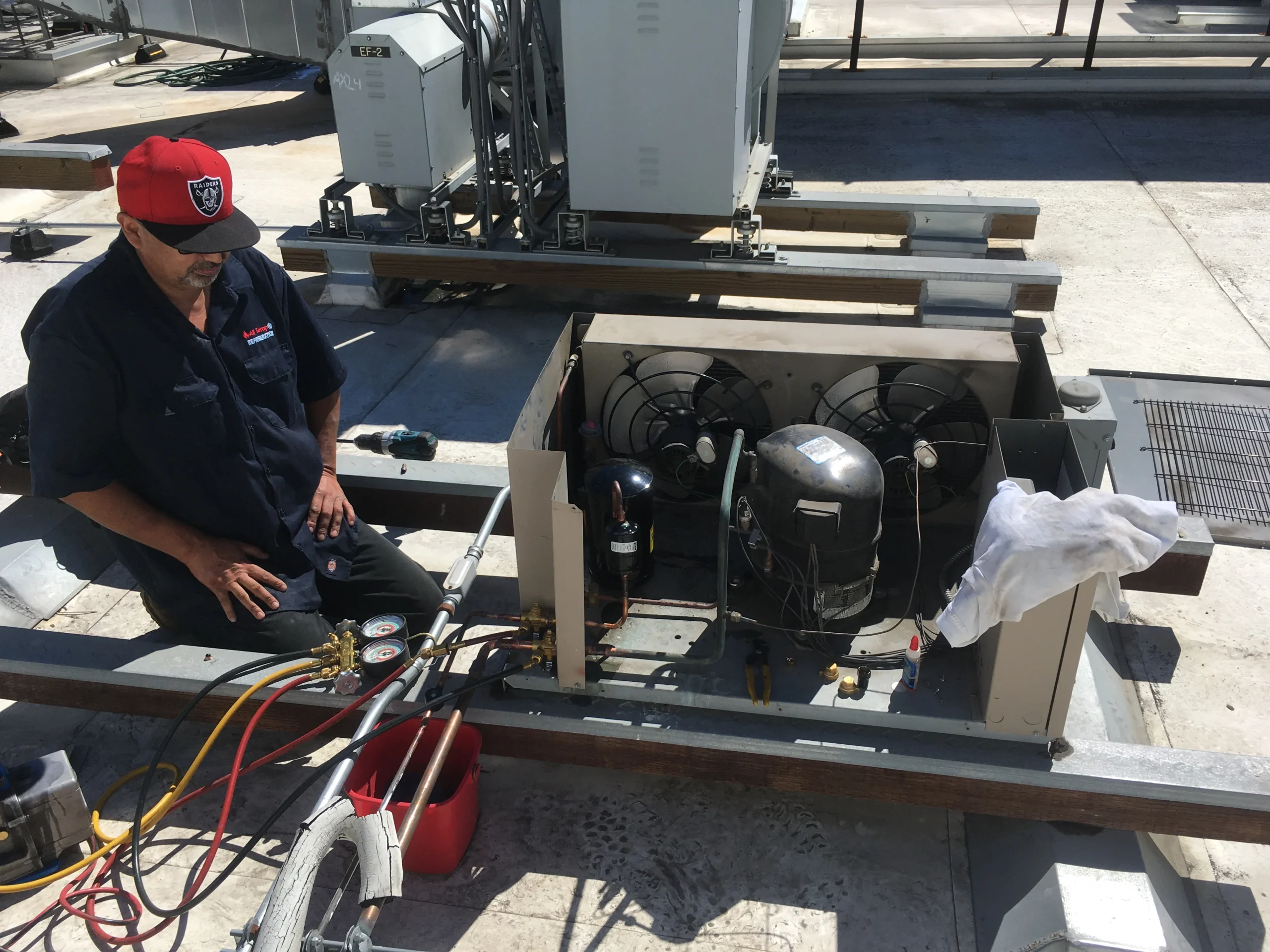
A trained technician sees things that the average homeowner misses. During a tune-up, a professional will hook up specialized gauges to check your exact refrigerant pressure. If your system is low on refrigerant, it means you have a leak. Running an air conditioner with a refrigerant leak will quickly destroy the compressor. A professional will locate the leak, repair the copper tubing, and recharge the system perfectly.
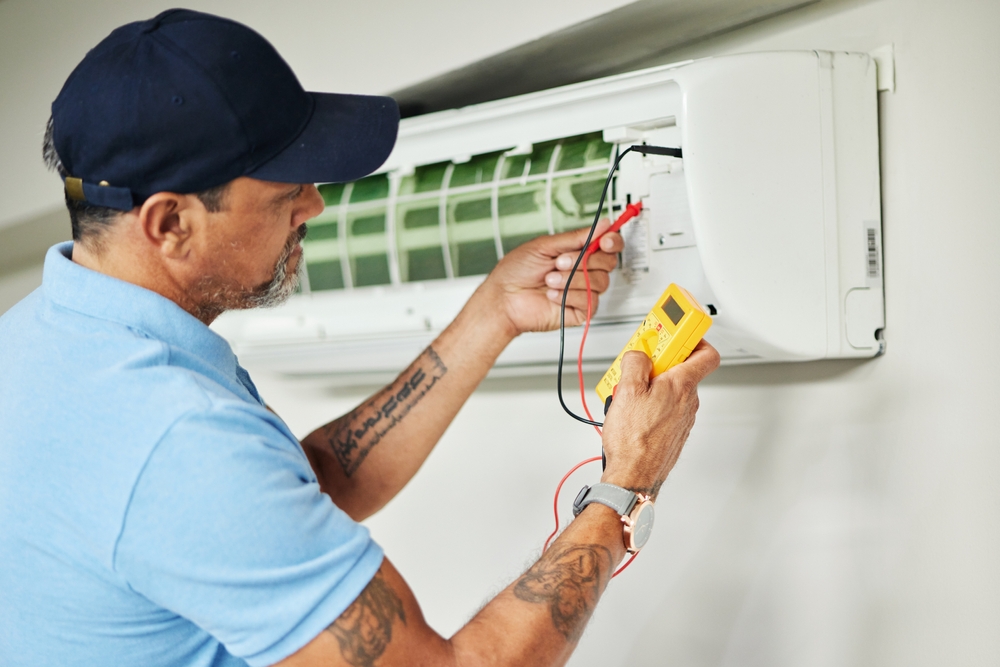
They will also test your electrical components. Summer heat causes wires to expand and contract, which can loosen electrical connections. Loose wires create excessive heat and can cause short circuits. A technician will tighten all connections, test the capacitors, and lubricate the motor bearings to reduce friction.
We highly recommend booking residential HVAC maintenance services before the extreme heat arrives. Annual maintenance restores your system to factory specifications, lowers your summer utility bills, and adds years to the lifespan of your equipment.
Catching Minor Repairs Early
During a professional inspection, the technician might find a failing part. Perhaps a capacitor is testing weak, or a contactor shows signs of burning. Catching these minor issues in early summer is a massive advantage.
If you ignore a weak part, it will eventually fail entirely. This usually happens on the hottest day of the year when the system is working its hardest. Suddenly, you are left without air conditioning and scrambling to find an available technician. By scheduling prompt residential HVAC repair services, you replace the weak components on your own schedule, preventing an uncomfortable and expensive emergency.
Knowing When It’s Time for a Replacement
Sometimes, an air conditioner is simply too old to survive another brutal summer. If your unit is more than 15 years old, utilizes outdated R-22 refrigerant, and requires frequent repairs, pouring money into it is a losing battle.
Older units are incredibly inefficient. They consume massive amounts of electricity just to barely cool your home. Upgrading to a modern, high-efficiency system provides an immediate boost to your comfort and a drastic reduction in your monthly energy bills. If your current unit is on its last legs, explore residential HVAC installation services to seamlessly upgrade your home climate control before the heatwaves hit.
Conclusion
The intense Bay Area summer heat demands a reliable, efficient air conditioning system. By taking proactive steps today, you protect your home and your budget from the harsh weather ahead.
Start by optimizing your thermostat settings to balance comfort and efficiency. Master your airflow by changing dirty filters and keeping your vents open. Head outside to clear debris away from your condenser, and always ensure your indoor drain lines remain clear of clogs. Most importantly, partner with a professional to inspect the complex electrical and mechanical components hidden inside your machine.
At 1800 Cool Aid, we are dedicated to keeping our community comfortable all summer long. To discover more about our commitment to excellence, read about our team and the deep expertise we bring to every home. Do not wait for the first heatwave to test your air conditioner. Please contact us today to schedule your comprehensive summer tune-up and experience true peace of mind.
Stay Comfortable Year-Round With Expert HVAC Service
Book a trusted technician to handle your heating or cooling issue—fast, professional, and done right the first time.
Book Service Now