
Your central air conditioning system is one of the hardest-working appliances in your home, especially during a Bay Area heat wave. It’s a complex machine you rely on for comfort, but most homeowners only think about it when it stops working. Suddenly, the air coming from the vents isn’t cold, or the house just won’t cool down no matter how low you set the thermostat.
When your central AC has a problem, it can be tempting to search for a quick fix. But unlike a window unit, a central air system is an integrated network of equipment. The issue is often not just one broken part, but a system-wide imbalance that has finally reached its tipping point.
At Cool Aid A/C & Refrigeration, we’ve spent decades repairing central air systems across the region. We know that understanding how your system works is the first step toward a smart, cost-effective repair. This isn’t about complex troubleshooting; it’s about knowing what goes wrong, why it happens, and what you can expect when you call a professional.
How Central Air Systems Actually Work in Real Homes
A central air system is more than just the big metal box in your backyard. It’s a “split system” with two main halves: an outdoor unit (the condenser) and an indoor unit (the air handler or furnace). These two parts work together, connected by copper refrigerant lines and low-voltage control wires. The system circulates refrigerant to absorb heat from your indoor air and release it outside, while your ductwork distributes the newly cooled air throughout your house.
Why central AC problems often show up gradually
Most central air problems don’t happen overnight. They build up slowly. A tiny refrigerant leak, a gradually weakening capacitor, or a slow accumulation of dirt on a coil can force your system to work harder for months. You might not notice it at first. Maybe the AC runs a little longer than it used to, or your energy bills creep up. These are the early warning signs of system stress. The eventual breakdown only feels sudden because the system finally reached a point where it could no longer compensate for the underlying issue.
The Most Common Central Air Repair Issues We See
While every home is different, the reasons central air systems fail are surprisingly consistent. Decades of experience have shown us that most repairs fall into one of three categories.
Airflow restrictions and duct-related failures
Your central AC is designed to move a specific volume of air. Anything that gets in the way of that airflow puts a massive strain on the entire system. This includes clogged air filters, furniture blocking return vents, or—more seriously—leaky or collapsed ductwork. When the system can’t breathe properly, it can lead to overheating, freezing, and eventual component failure.
Electrical and control component breakdowns
A central air system relies on a sequence of electrical signals to operate. From the thermostat on your wall to the capacitors and contactors in the outdoor unit, these parts manage the flow of high-voltage power. Capacitors, which provide the jolt of energy needed to start the motors, wear out over time. When one fails, a motor may hum but won’t start, leading to a “no cool” call.
Refrigerant and pressure-related issues
Refrigerant is the lifeblood of your AC. It operates in a sealed loop and should never need to be “topped off.” If your system is low on refrigerant, it means there is a leak somewhere. A leak causes the system’s pressure to drop, which not only prevents it from cooling effectively but also risks starving the compressor of the oil it needs for lubrication, leading to catastrophic failure.
Why Central Air Systems Fail Differently Than Window or Mini-Split Units
A central air system has unique points of failure that simpler units, like window ACs or even ductless mini-splits, don’t have. The main difference is the extensive ductwork that weaves through your attic, crawlspace, or walls.
The added stress of ductwork and longer run times
Leaky ductwork can be a huge source of inefficiency and strain. If your supply ducts are leaking into your hot attic, you are paying to air condition a space you don’t live in. If your return ducts are pulling in hot, dusty attic air, you are forcing your system to cool down super-heated air while also contaminating your filter and coils. Furthermore, because a central system is tasked with cooling an entire house, it often runs for longer, more demanding cycles, which accelerates the wear and tear on major components like the compressor and fan motors.
Signs Your Central AC Needs Professional Repair
Your system will almost always give you warning signs before it quits completely. Learning to spot these signs can help you call for a repair before a minor issue becomes a major one.
Uneven cooling, long cycles, and rising energy bills
- Uneven Cooling: Are some rooms comfortable while others are hot? This often points to ductwork or airflow balancing issues.
- Long Run Times: If your AC runs constantly without ever reaching the temperature set on your thermostat, it is struggling. This could be due to low refrigerant, a dirty coil, or an undersized system.
- Spiking Energy Bills: A sudden, unexplained jump in your summer electricity costs is a clear sign that your AC is working harder and less efficiently than it should. It’s burning energy to compensate for a mechanical problem.
Other signs like strange noises, odd smells, or frequent cycling are also clear indicators that it’s time to have a professional take a look.
What Happens During a Central Air Repair Visit
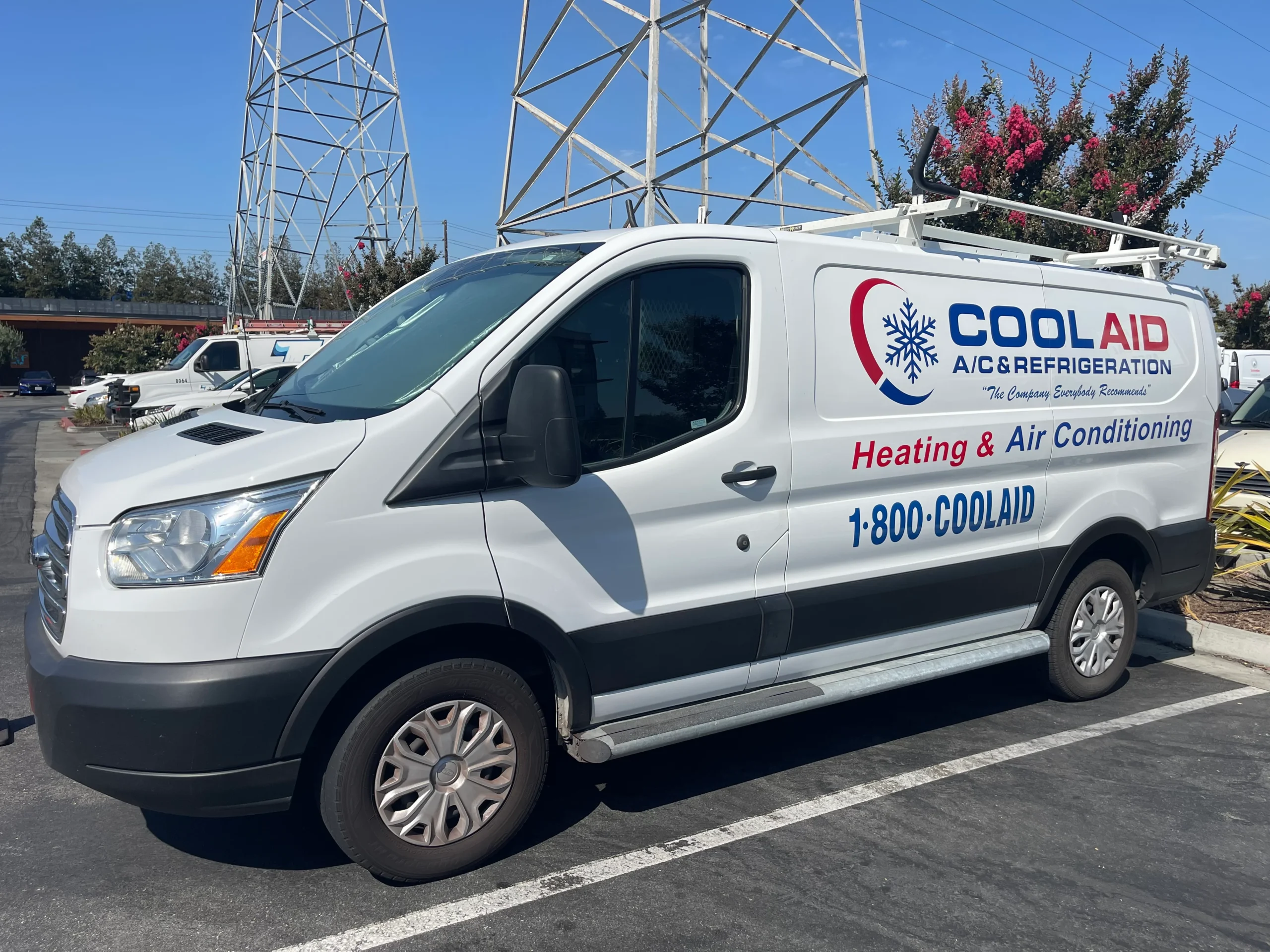
When a Cool Aid technician arrives, our process is systematic. We don’t just look for a broken part; we diagnose the health of the entire system to understand why that part broke.
How technicians diagnose system-wide problems
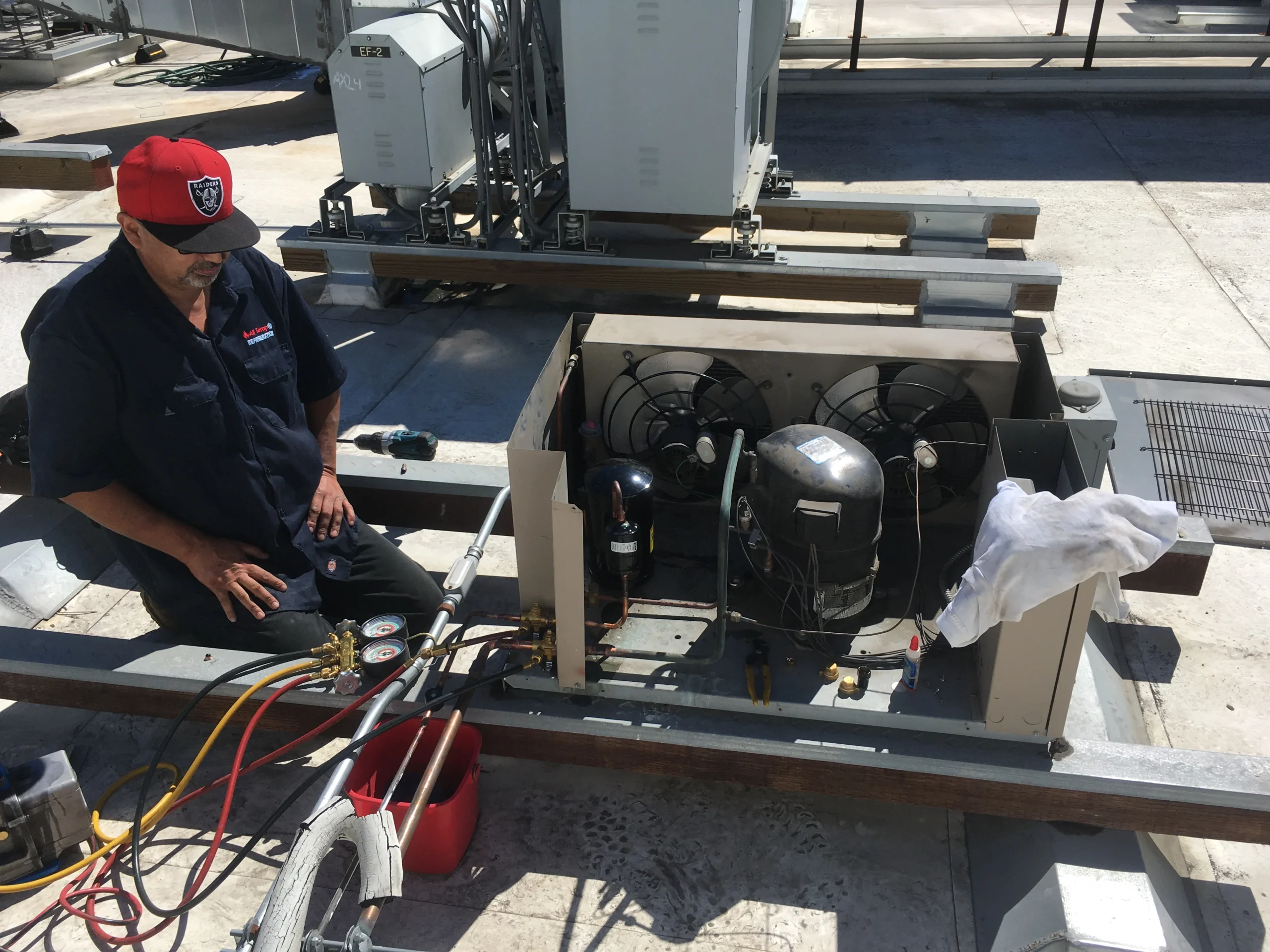
A proper central air diagnostic involves more than a quick visual inspection. We use specialized tools to gather data. This includes attaching digital gauges to measure refrigerant pressures, using a multimeter to test electrical components like capacitors and contactors, and taking temperature readings across the indoor coil to measure performance. This data-driven approach tells us the full story, ensuring we fix the root cause, not just the symptom.
Common Central AC Repairs and What They Typically Involve
Once we diagnose the problem, we explain what’s wrong in plain English and outline the repair options. Many common issues can be resolved on the same day.
Repairs that can be completed the same day
Our service trucks are stocked like rolling warehouses with the universal parts needed for the most frequent breakdowns. This includes:
- Capacitor Replacement: A weak or failed capacitor is a quick and common fix.
- Contactor Replacement: If the outdoor unit won’t shut off, it’s often a welded contactor, which we can swap out immediately.
- Clearing Drain Lines: Clogged condensate lines that cause water leaks can be cleared using high-pressure nitrogen.
Repairs that may require parts or follow-up visits
Some repairs are more complex. If your system has a major refrigerant leak, finding it might require adding a UV dye to the system and returning a few days later to pinpoint its location. If a proprietary component like a specific model of blower motor or a manufacturer-specific circuit board has failed, we may need to order the part from a supply house. In these cases, we will secure the system, explain the timeline, and schedule a return visit promptly.
Central Air Repair vs Replacement: When Repairs Still Make Sense
If you are facing a major repair, the question of “repair or replace” inevitably comes up. There is no single answer; it depends on the age of your system, its repair history, and the cost of the fix.
Age, efficiency, and repair history considerations
As a general rule, if your system is less than 10-12 years old and the repair cost is less than half the price of a new system, a repair is often the most economical choice. However, if your system is over 15 years old, uses outdated R-22 refrigerant (which is being phased out and is extremely expensive), and has required multiple repairs in recent years, investing more money into it may not be a wise financial decision. We provide clear, honest information on both options, so you can make the decision that is right for your budget and your home.
What Homeowners Can Do to Reduce Central AC Repair Needs
While some breakdowns are inevitable, you have a lot of power to prevent the most common and costly repairs. Simple, consistent habits are your best defense.
Maintenance habits that protect central air systems
The single most important thing you can do is change your air filter regularly. A clean filter ensures proper airflow, which protects every other component in your system. Check it monthly and replace it every 1-3 months. Additionally, keeping the outdoor unit clear of debris and scheduling professional maintenance each spring can catch problems like weakening electrical parts or small refrigerant leaks before they turn into mid-summer emergencies.
Why Central Air Repairs Should Never Be Guesswork
When your comfort is on the line, it can be tempting to go with the quickest or cheapest option. However, repairing a central air system requires a deep understanding of airflow, electrical theory, and refrigeration science. Guesswork is not a strategy.
How incomplete repairs lead to repeat breakdowns
We often get called to fix a problem that another company “repaired” just a few weeks prior. This usually happens when a technician replaces a failed part without diagnosing why it failed. For example, replacing a failed fan motor without realizing a weak capacitor was forcing it to overheat just means the new motor will likely fail again soon. A professional, thorough diagnosis is the only way to ensure a lasting repair.
If Your Central Air System Isn’t Cooling Like It Should
A struggling central air conditioner is frustrating, but it’s a problem that can be solved with the right expertise. Ignoring the warning signs—like long run times or uneven cooling—only leads to more stress and more expensive repairs down the road. Understanding the basics of your system empowers you to make a confident decision when it needs attention.
At Cool Aid A/C & Refrigeration, we specialize in diagnosing and repairing whole-house systems. We don’t guess; we measure. We don’t push sales; we provide honest options. Our goal is to get your system running correctly and efficiently, restoring comfort to your entire home.
If you’re dealing with a central air problem, our team can diagnose it fast and get you back to comfort. Contact us to schedule a service visit.
Stay Comfortable Year-Round With Expert HVAC Service
Book a trusted technician to handle your heating or cooling issue—fast, professional, and done right the first time.
Book Service Now