For food and beverage businesses, refrigeration is far more than just keeping products cold—it’s the backbone of safe, efficient, and profitable operations. Restaurants, grocery stores, catering services, and beverage producers rely on their refrigeration systems to maintain quality, ensure compliance with health regulations, and prevent costly spoilage.
Reliable refrigeration service ensures that these critical systems operate efficiently, reducing the risk of equipment failure and protecting both inventory and customer satisfaction. By investing in professional maintenance and timely repairs, businesses can avoid disruptions, improve energy efficiency, and extend the life of their equipment.
In this blog, we’ll explore why refrigeration is vital for food and beverage operations, common challenges these businesses face, the benefits of reliable service, what comprehensive refrigeration service entails, how to choose the right provider, and real-world examples from Bay Area businesses.
Why Refrigeration Is Critical for Food & Beverage Operations
Refrigeration plays a central role in maintaining product quality, minimizing waste, and meeting regulatory requirements. For food and beverage businesses, consistent and efficient cooling is essential to protect inventory, ensure safety, and maintain profitability.
Maintaining product quality and freshness
Perishable products like dairy, meat, seafood, fruits, vegetables, and prepared foods require precise temperature control to preserve freshness and flavor. Even minor fluctuations in temperature can compromise texture, taste, and shelf life.
For example, a San Francisco deli relies on walk-in coolers to store meats and cheeses. Without consistent cooling, these products can spoil quickly, resulting in waste and dissatisfied customers. Reliable refrigeration service ensures temperatures remain stable across all units, maintaining product integrity and enhancing customer satisfaction.
Preventing spoilage and waste
Spoiled inventory represents a direct financial loss for businesses. In addition to wasting valuable ingredients, spoilage can disrupt operations and reduce profit margins.
Regular refrigeration service helps identify potential problems—like failing compressors, refrigerant leaks, or clogged coils—before they lead to temperature fluctuations that cause spoilage. A grocery store in Oakland, for example, may lose hundreds of dollars in produce if a malfunctioning cooler is not promptly serviced. Proactive maintenance prevents such losses and protects the business’s bottom line.
Compliance with health and safety regulations
Food safety regulations, both federal and California-specific, require businesses to maintain specific temperature ranges for perishable products. Noncompliance can lead to fines, forced closures, or reputational damage.
Reliable refrigeration service helps businesses meet these standards by ensuring that all cooling systems are operating correctly. Technicians monitor temperature accuracy, inspect key components, and verify that systems are functioning within safe parameters. For restaurants and grocery stores, compliance with health regulations is essential for protecting customers, employees, and the business’s reputation.
Reliable refrigeration is therefore not optional—it is a critical operational requirement. Maintaining consistent temperatures preserves product quality, prevents costly waste, and ensures regulatory compliance, all of which contribute to a thriving food or beverage business.
Common Refrigeration Challenges in Food & Beverage Businesses
Even with high-quality equipment, food and beverage businesses often face refrigeration challenges that can disrupt operations, increase costs, and compromise product quality. Understanding these common issues helps business owners take proactive steps to maintain system reliability.
Equipment breakdowns and emergency repairs
Unexpected equipment failures are one of the most costly refrigeration challenges. When a cooler, freezer, or display case malfunctions, businesses must often pay premium rates for emergency repairs. Additionally, spoiled inventory during downtime can result in significant financial losses.
Regular service minimizes the risk of sudden breakdowns. By inspecting critical components and addressing minor issues early, businesses reduce the likelihood of emergency repairs. A Bay Area restaurant, for instance, can avoid losing hundreds of pounds of ingredients during peak service hours by identifying a failing compressor during a scheduled maintenance visit.
Refrigerant leaks and temperature inconsistencies
Refrigerant is essential for maintaining consistent temperatures. Leaks or imbalances reduce cooling efficiency, resulting in uneven temperatures and increased energy consumption. Over time, this can stress compressors and other system components, accelerating wear and tear.
A grocery store in San Francisco might notice that certain sections of its walk-in cooler are warmer than others due to low refrigerant levels. Routine inspections and timely refrigerant servicing prevent these temperature fluctuations, ensuring products remain fresh and safe while extending system life.
Electrical and mechanical failures
Commercial refrigeration systems rely on complex electrical and mechanical components, including compressors, motors, fans, and wiring. Failures in any of these parts can lead to system downtime, uneven cooling, or total equipment failure.
Preventive maintenance includes checking and testing electrical connections, motor performance, and mechanical components. Identifying issues such as worn belts, loose wiring, or failing fan motors before they escalate helps avoid costly interruptions and preserves consistent cooling performance.
Improper maintenance and neglect
Neglecting routine maintenance is a common cause of refrigeration problems. Dirty coils, clogged filters, and unlubricated motors all reduce efficiency, increase energy costs, and shorten equipment lifespan.
A restaurant or grocery store that fails to maintain its refrigeration system may experience higher utility bills, more frequent repairs, and faster equipment deterioration. Reliable refrigeration service ensures that all components are inspected, cleaned, and serviced regularly, preventing small problems from becoming major issues.
By understanding and addressing these common challenges, food and beverage businesses can maintain consistent cooling, protect inventory, and reduce the risk of costly downtime. Regular refrigeration service is the key to operational reliability and long-term cost savings.
Benefits of Reliable Refrigeration Service
Investing in reliable refrigeration service offers significant advantages for food and beverage businesses. From reducing operational costs to ensuring consistent food safety, professional maintenance and timely repairs help businesses run smoothly and protect their bottom line.
Ensuring consistent cooling performance
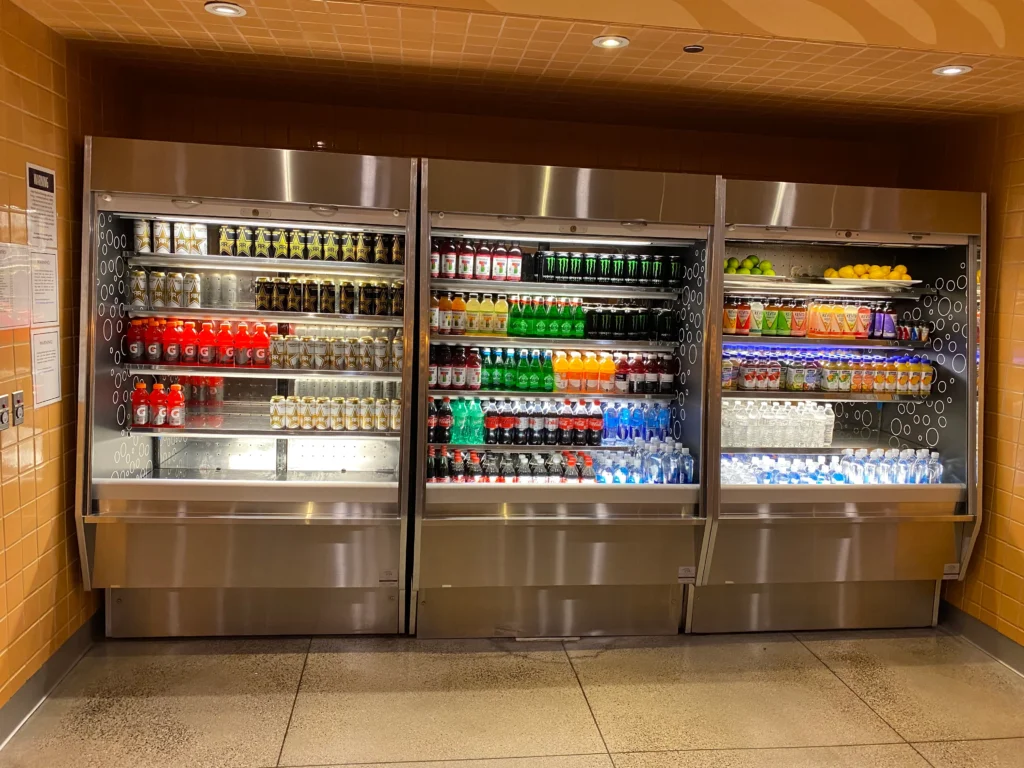
Reliable refrigeration service ensures that all units—walk-in coolers, freezers, display cases, and beverage storage—operate at optimal efficiency. Consistent cooling prevents temperature fluctuations that could compromise product quality.
For example, a San Francisco café storing dairy products and fresh ingredients relies on uniform temperatures to keep items fresh and safe for customers. Regular service, including inspection of compressors, fans, and refrigerant levels, ensures cooling consistency and prevents sudden failures. Consistent performance not only protects inventory but also maintains customer trust and satisfaction.
Reducing costly downtime and emergency repairs
Unexpected refrigeration failures can halt operations, cause spoiled inventory, and lead to high emergency repair costs. Reliable service, including routine maintenance and early detection of issues, significantly reduces the likelihood of system breakdowns.
A grocery store in Oakland, for instance, can avoid thousands of dollars in emergency repair costs and lost produce by identifying worn gaskets, low refrigerant levels, or failing motors during scheduled maintenance visits. Proactive service minimizes downtime, keeps business operations running smoothly, and prevents financial loss.
Extending equipment lifespan
Commercial refrigeration systems are a substantial investment. Neglect or inconsistent service can shorten the lifespan of compressors, motors, coils, and other components.
Routine service and maintenance, such as cleaning coils, lubricating motors, and monitoring refrigerant, reduce system strain and prolong equipment life. For Bay Area food and beverage businesses, extending the life of refrigeration units delays the need for costly replacements and improves long-term profitability.
Lowering energy costs and improving efficiency
Poorly maintained refrigeration systems consume more energy due to inefficiencies caused by dirty coils, low refrigerant, or obstructed airflow. Reliable service addresses these inefficiencies, ensuring the system operates at peak performance while consuming less electricity.
Restaurants and grocery stores in the Bay Area often face higher energy costs. Regular service and preventive maintenance help reduce energy consumption, lower monthly utility bills, and contribute to sustainability goals. Improved efficiency also supports consistent cooling, which is essential for food safety and product quality.
Reliable refrigeration service delivers multiple benefits, from consistent performance and reduced downtime to extended equipment lifespan and lower energy costs. By prioritizing professional service, food and beverage businesses protect inventory, maintain compliance, and safeguard their financial health.
What a Comprehensive Refrigeration Service Includes
A thorough refrigeration service goes beyond basic repairs. It ensures that every component of the system operates efficiently, prevents breakdowns, and maintains food safety. Comprehensive service addresses both mechanical and electrical components, identifies minor issues before they escalate, and optimizes system performance.
Preventive maintenance inspections
Preventive maintenance is the cornerstone of reliable refrigeration service. Technicians perform detailed inspections to evaluate system performance, identify potential issues, and recommend corrective actions before problems escalate.
Inspections typically include checking compressors, motors, fans, and electrical connections. For example, a Bay Area restaurant can prevent unexpected walk-in cooler failures by detecting early signs of compressor strain during a routine inspection. These inspections reduce the risk of emergency repairs, improve reliability, and protect inventory.
Cleaning coils, fans, and filters
Over time, condenser and evaporator coils accumulate dust, grease, and debris, reducing efficiency. Fans and filters can also become obstructed, limiting airflow and forcing the system to work harder.
Cleaning these components restores optimal airflow and heat exchange, improving cooling performance and energy efficiency. For grocery stores, this ensures display cases and walk-in coolers maintain consistent temperatures, protecting perishable products and reducing operational costs.
Checking refrigerant levels and leak detection
Refrigerant is essential for maintaining proper cooling. Low refrigerant levels or leaks reduce efficiency, cause uneven temperatures, and put strain on compressors.
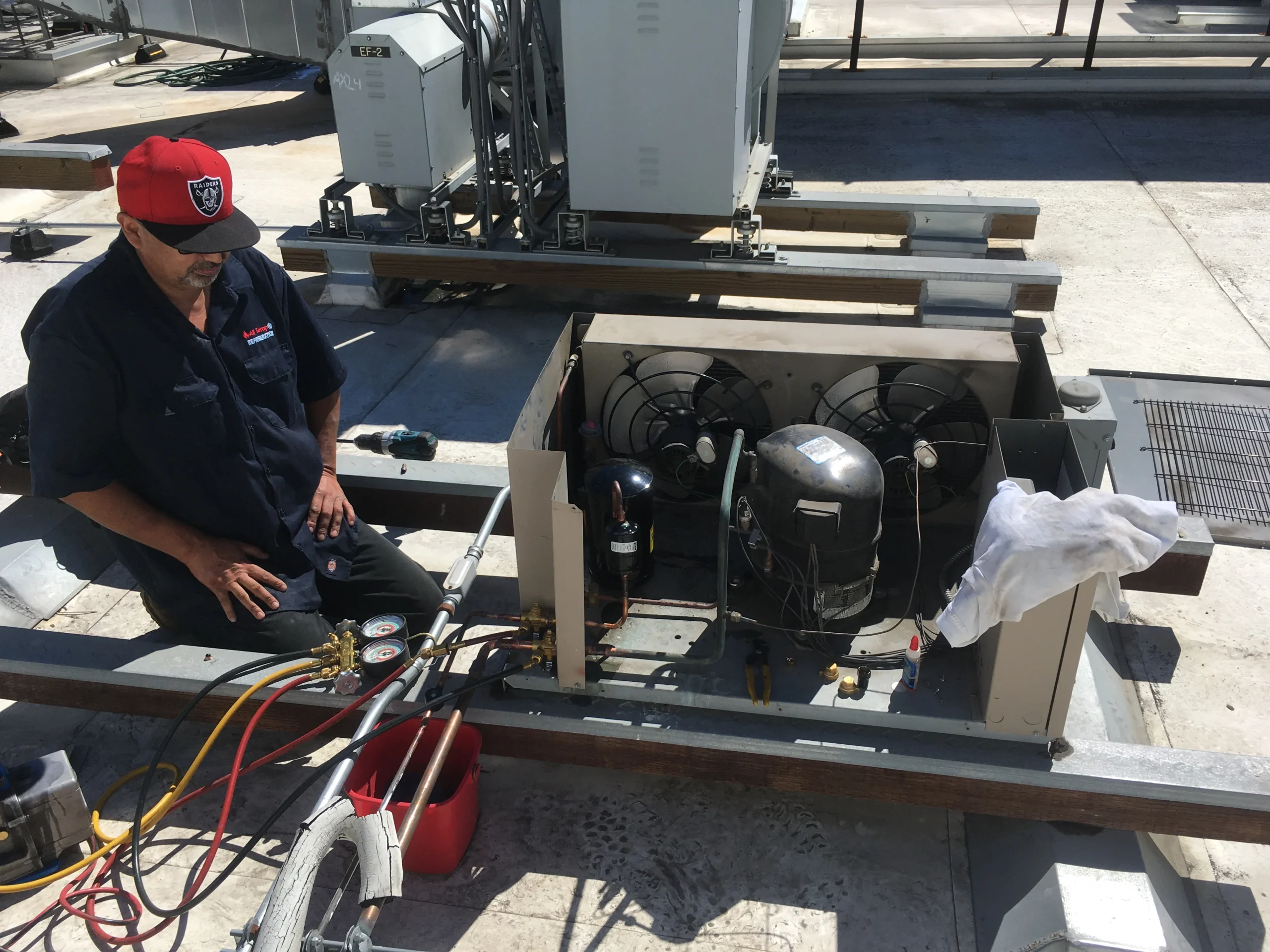
Technicians check refrigerant levels and use specialized tools to detect leaks. Early detection prevents costly repairs, improves system performance, and ensures compliance with environmental regulations regarding refrigerants. For restaurants and beverage businesses, maintaining proper refrigerant levels keeps products safe and equipment reliable.
Inspecting compressors, motors, and electrical components
The compressor, motor, and electrical components are critical to system operation. Any malfunction can lead to system downtime or inefficient performance.
During service, technicians inspect and test these components, checking for loose wiring, worn belts, or failing motors. Addressing issues proactively prevents unexpected failures and ensures reliable operation. For a San Francisco bakery or café, this means uninterrupted storage for perishable ingredients and a reduction in emergency service calls.
Evaluating door seals, gaskets, and insulation
Door gaskets, seals, and insulation are often overlooked but are vital for maintaining consistent temperatures. Worn or damaged seals allow cold air to escape and warm air to enter, forcing the system to work harder and increasing energy costs.
Comprehensive service includes checking all gaskets and insulation for damage or wear and replacing them as needed. Grocery stores and restaurants benefit from consistent temperatures, reduced energy usage, and protection against spoilage, all while meeting health and safety standards.
A comprehensive refrigeration service ensures that all critical components are inspected, cleaned, and maintained. This proactive approach improves efficiency, prevents costly downtime, and maintains consistent temperatures, safeguarding both inventory and business operations.
How to Choose the Right Refrigeration Service Provider
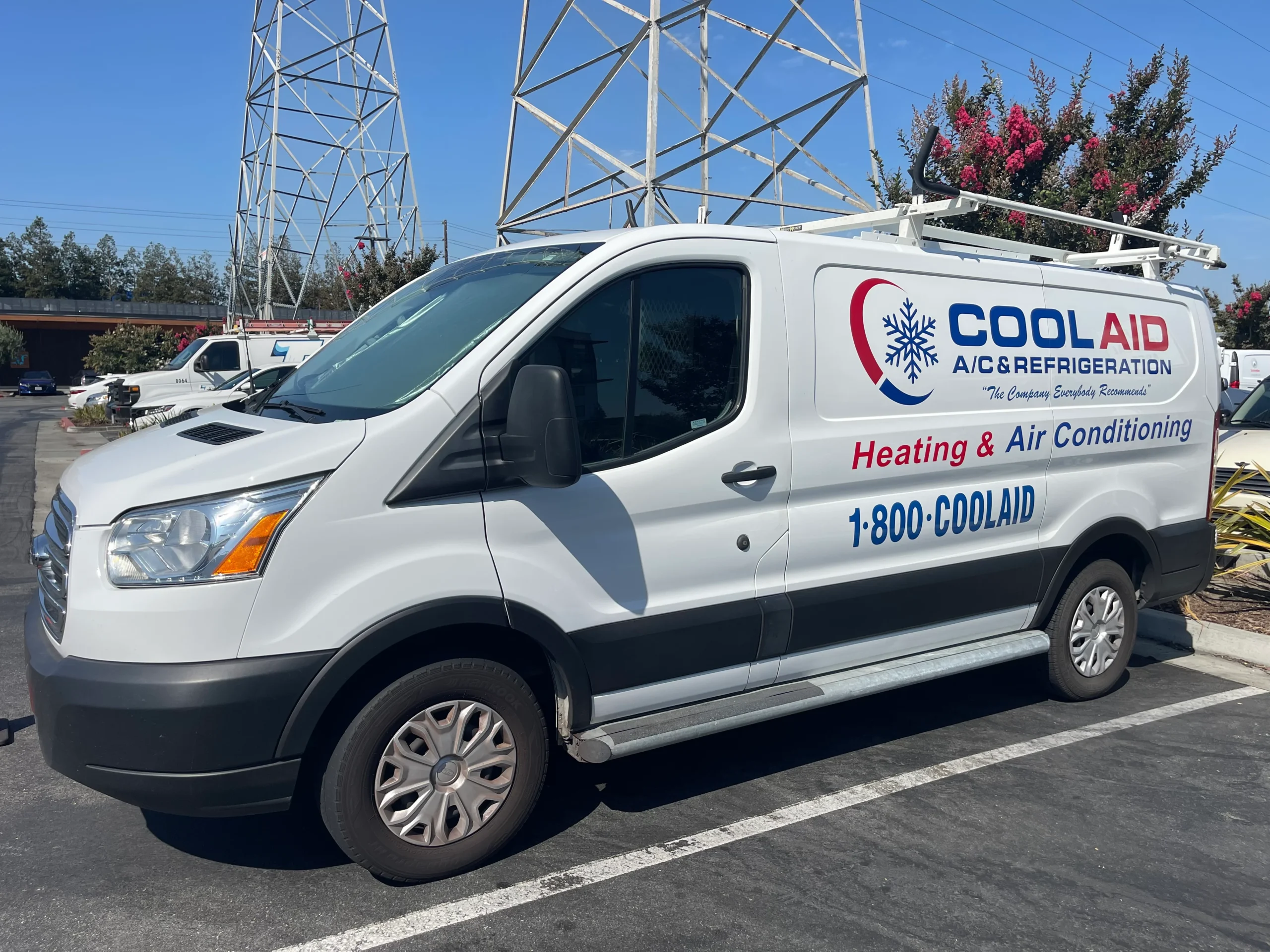
Selecting the right service provider is critical for ensuring your refrigeration systems remain reliable, efficient, and compliant with regulations. The right provider, such as 1800 Cool Aid, not only performs routine maintenance but also anticipates potential problems, reduces emergency repairs, and helps extend the life of your equipment.
Experience with food and beverage refrigeration systems
Not all service providers have experience with the unique demands of food and beverage businesses. Restaurants, grocery stores, and beverage operations rely on specialized units like walk-in coolers, display cases, and beverage chillers that require expert knowledge.
Technicians with experience in commercial food and beverage refrigeration can quickly identify issues such as uneven cooling, refrigerant leaks, or compressor strain. Bay Area businesses benefit from working with professionals who understand both the equipment and the operational challenges of high-volume food environments.
Certifications, licensing, and local expertise
Licensing and certifications are essential when selecting a refrigeration service provider. Certified technicians are trained to handle refrigerants safely, perform electrical and mechanical repairs properly, and comply with health and safety regulations.
Local expertise is equally important. The Bay Area has unique environmental conditions, including coastal humidity, fluctuating temperatures, and urban infrastructure, which can affect refrigeration performance. Providers with local knowledge can tailor maintenance and service plans to address these regional challenges, ensuring reliable performance year-round.
Emergency service availability and maintenance plans
Even with preventive maintenance, emergencies can occur. Choose a provider that offers 24/7 emergency service to minimize downtime and protect inventory. Additionally, comprehensive maintenance plans—including scheduled inspections, minor repairs, and seasonal adjustments—provide long-term protection for your refrigeration systems.
Restaurants and grocery stores can rely on such providers to maintain consistent cooling, reduce energy costs, and prevent costly disruptions during peak business periods. A dependable service partner ensures peace of mind and operational continuity.
Final Thoughts: Protect Your Inventory and Reputation with Reliable Refrigeration Service
Reliable refrigeration service is essential for any food and beverage business. From restaurants and cafés to grocery stores and beverage producers, maintaining consistent cooling is critical to protecting inventory, ensuring customer safety, and maintaining operational efficiency.
Proactive service and preventive maintenance allow businesses to identify potential problems before they escalate. This includes detecting refrigerant leaks, cleaning coils and filters, inspecting compressors and electrical components, and maintaining door seals and insulation. By addressing these issues early, businesses can prevent costly emergency repairs, reduce energy costs, and extend the lifespan of their equipment.
Choosing the right service provider is equally important. Experienced, certified technicians with knowledge of commercial food and beverage refrigeration ensure inspections are thorough, maintenance is effective, and emergency support is available when needed. Local expertise, especially in the Bay Area, adds an additional layer of assurance, as technicians understand regional climate conditions and regulatory requirements.
Real-world examples show that businesses investing in reliable refrigeration service experience measurable benefits: reduced spoilage, lower energy consumption, fewer emergency repairs, and consistent product quality. These improvements protect both the bottom line and the business’s reputation, creating a safer, more efficient operation.
For food and beverage businesses, refrigeration is not just a utility—it is a critical component of success. Prioritizing reliable service and preventive maintenance ensures that your systems perform optimally, inventory stays protected, and customers receive high-quality products every day. By taking a proactive approach, businesses safeguard their operations, reduce costs, and maintain a competitive edge in the Bay Area’s food and beverage industry.
Stay Comfortable Year-Round With Expert HVAC Service
Book a trusted technician to handle your heating or cooling issue—fast, professional, and done right the first time.
Book Service Now