Restaurants and grocery stores in the San Francisco Bay Area rely heavily on their cooling systems to keep food fresh, maintain safety standards, and ensure smooth operations. From walk-in coolers and freezers to display cases and refrigerated storage, these systems are the backbone of daily business.
A sudden failure can disrupt operations, spoil inventory, and lead to expensive emergency repairs. That’s why regular cooling system inspections are critical. Routine inspections allow technicians to identify small issues before they escalate, optimize energy efficiency, and ensure compliance with health regulations. This proactive approach saves businesses thousands of dollars and protects their reputation.
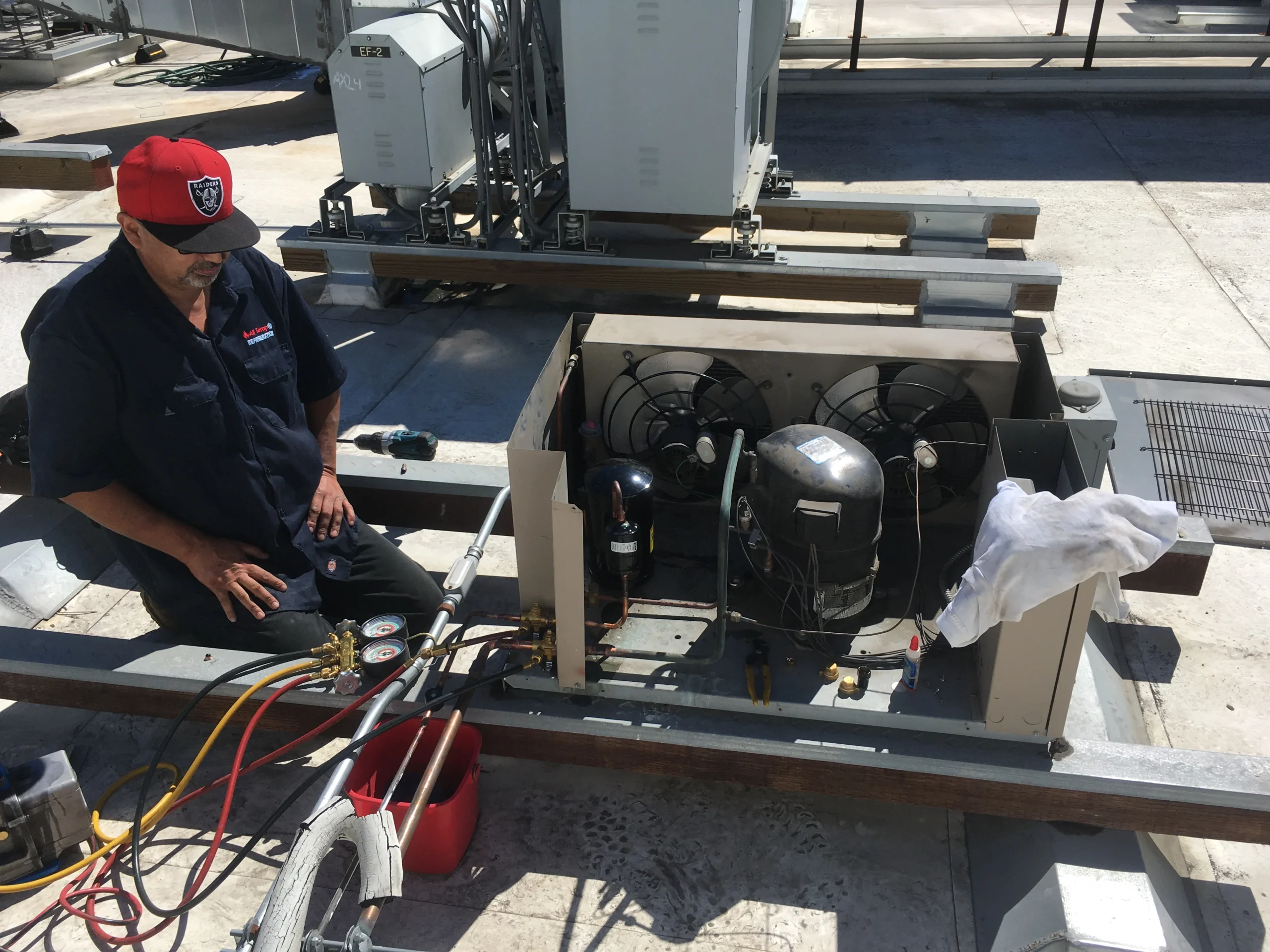
Refrigeration for your business: restaurant refrigeration service.
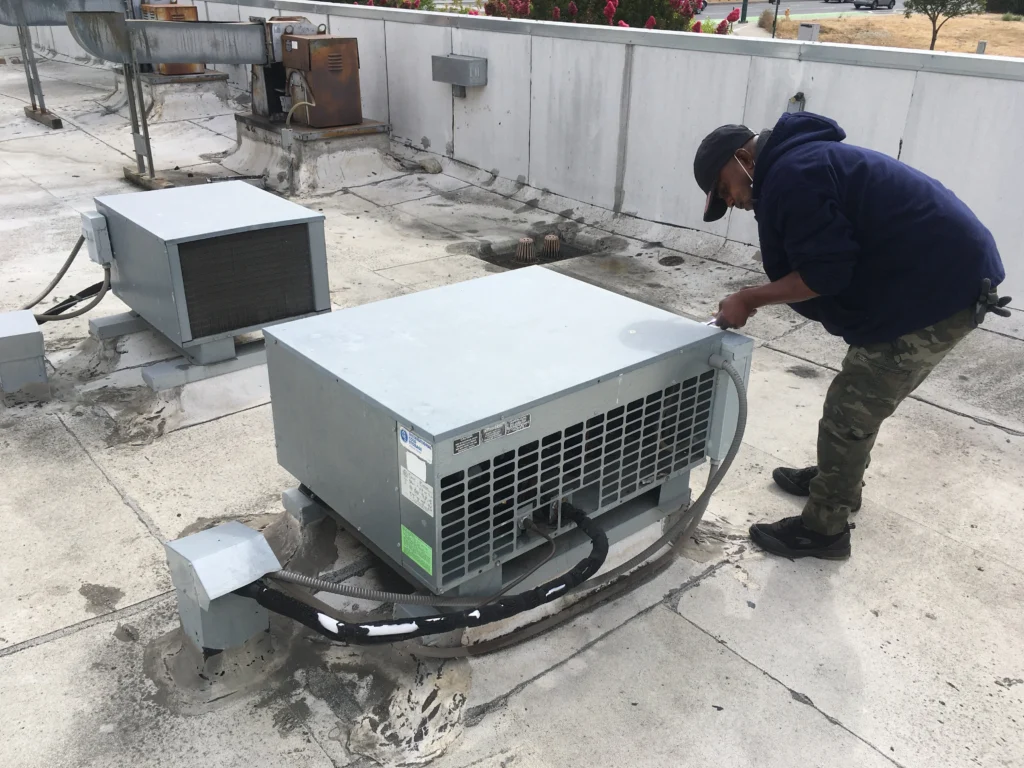
Refrigeration help: the inspection checklist.
In this blog, we’ll discuss why cooling system reliability is essential, the common problems restaurants and grocery stores face, the benefits of regular inspections, what an inspection entails, recommended schedules, and tips for choosing the right service provider.
The Importance of Reliable Cooling for Food Safety
Reliable cooling is not just about comfort—it’s about protecting your food, your customers, and your bottom line. Restaurants and grocery stores operate in a highly regulated industry, and any interruption in refrigeration can have serious consequences.
How cooling systems affect food quality
Cooling systems maintain precise temperatures that prevent spoilage, bacterial growth, and contamination. Even minor fluctuations in temperature can compromise the quality of perishable products such as dairy, meat, seafood, and fresh produce.
For example, a supermarket in San Jose that experiences a malfunctioning walk-in cooler may see produce wilting or meat losing freshness within hours. In restaurants, improper refrigeration can result in altered textures, off-flavors, or unsafe food. Consistent temperature control ensures that all food remains safe for consumption, preserves flavor and appearance, and minimizes waste.
Regulatory and health compliance requirements
In addition to protecting food quality, proper cooling is essential for regulatory compliance. California's Retail Food Code requires businesses to hold cold perishable food at or below 41°F and hot food at or above 135°F. Violations can result in fines, business shutdowns, or reputational damage.
Regular inspections help ensure that cooling systems operate within these legal standards. A Bay Area grocery store, for example, can avoid costly citations by verifying that its refrigeration units maintain safe temperatures. Inspections also identify issues before they impact compliance, keeping both employees and customers safe while protecting the business from legal risks.
Reliable cooling systems are therefore not optional—they are a critical operational necessity for any restaurant or grocery store.
Common Cooling System Issues in Restaurants and Grocery Stores
Even the most well-maintained cooling systems can develop problems over time. Identifying and addressing these issues early through regular inspections prevents minor problems from becoming major repairs, saves money, and ensures consistent food safety.
Refrigerant leaks and temperature fluctuations
Refrigerant is essential for cooling systems to maintain proper temperatures. Leaks reduce the system’s efficiency, causing uneven cooling and increased energy consumption. Minor leaks often go unnoticed until food begins to spoil or utility bills spike.
For instance, a San Francisco restaurant may notice certain refrigeration units struggling to keep temperature steady. An inspection can identify low refrigerant levels, pinpoint leaks, and recharge the system before it affects food safety or leads to compressor failure. Preventing refrigerant issues is one of the most cost-effective ways to maintain reliable cooling and avoid emergency repairs.
Dirty coils and airflow restrictions
Condenser and evaporator coils collect dust, grease, and debris over time. Dirty coils reduce heat transfer efficiency, forcing compressors and fans to work harder. Restricted airflow can lead to uneven temperatures, frost buildup, and even system breakdown.
A grocery store in Oakland, for example, may experience poor cooling in some sections of the store due to clogged coils or vents. Regular inspections and coil cleaning restore airflow, improve efficiency, and prevent unnecessary wear on the system, reducing both repair costs and energy consumption.
Electrical and mechanical failures
Cooling systems rely on a network of electrical and mechanical components, including compressors, motors, relays, and wiring. Any malfunction in these parts can disrupt operations or cause a complete system shutdown.
Routine inspections allow technicians to identify worn components, loose connections, and electrical hazards before they escalate. A restaurant in San Mateo, for example, can avoid a complete freezer failure during peak service hours by detecting a failing fan motor during a scheduled inspection. Addressing these problems proactively saves money and minimizes operational disruption.
Door gasket and seal problems
Door gaskets and seals are often overlooked but play a crucial role in maintaining consistent temperatures. Worn or damaged seals allow cold air to escape and warm air to enter, forcing the system to overwork and increasing energy costs.
In grocery stores, leaky seals on walk-in coolers or display cases can lead to uneven cooling, increased spoilage, and higher utility bills. Regular inspections identify damaged gaskets and seals early, ensuring consistent temperatures, energy efficiency, and compliance with food safety standards.
By identifying and addressing these common cooling system issues through regular inspections, restaurants and grocery stores can prevent costly emergencies, maintain food safety, and ensure smooth operations.
Benefits of Regular Cooling System Inspections
Regular inspections of commercial cooling systems are more than a precaution—they are a strategic investment that protects food quality, saves money, and extends the lifespan of equipment. By proactively identifying issues, businesses can prevent disruptions, maintain compliance, and reduce operating costs.
Preventing costly emergency repairs
Emergency repairs are always more expensive than scheduled maintenance. When a cooling system fails unexpectedly, businesses often pay premium rates for urgent service, rush parts, and overtime labor. Additionally, spoiled inventory due to system failure can add thousands of dollars in losses.
Regular inspections catch minor issues—like refrigerant leaks, worn fan motors, or clogged coils—before they escalate into emergencies. For a restaurant in San Francisco, identifying and repairing a small refrigerant leak during an inspection could prevent a full compressor failure, saving significant repair costs and avoiding disruption during peak service hours.
Extending the life of refrigeration equipment
Commercial refrigeration systems represent a substantial investment. Without proper care, components like compressors, fans, and motors can wear out prematurely. Regular inspections and maintenance help ensure that every part is functioning optimally.
Technicians check key components, clean essential parts, and make minor adjustments that reduce system strain. Over time, this proactive care extends the life of refrigeration equipment, delaying expensive replacements. For grocery stores in the Bay Area, extending the lifespan of walk-in coolers and display cases by even a few years can save tens of thousands of dollars.
Improving energy efficiency and reducing utility costs
A well-maintained cooling system consumes less energy while delivering consistent performance. Dirty coils, restricted airflow, and low refrigerant levels force systems to work harder, increasing electricity usage and utility bills.
Inspections ensure all components operate efficiently, reducing energy consumption and lowering monthly operating costs. For Bay Area businesses, where energy costs are higher than the national average, this translates into substantial savings over the course of a year. Regular inspections also support sustainability goals by minimizing unnecessary energy use.
Ensuring consistent food storage temperatures
Consistent cooling is critical for food safety and quality. Fluctuating temperatures can compromise freshness, increase bacterial growth, and lead to spoilage. Regular inspections ensure that cooling systems maintain precise temperatures throughout the facility.
For example, a bakery in Oakland can prevent dough, dairy, and perishable ingredients from going bad by maintaining reliable temperatures in all storage units. Consistent cooling also supports compliance with health regulations, protecting both customers and the business’s reputation.
Regular inspections are an essential part of running a successful restaurant or grocery store. By preventing emergency repairs, extending equipment life, improving energy efficiency, and ensuring consistent food safety, businesses protect their bottom line and maintain operational reliability.
What a Comprehensive Cooling System Inspection Includes
A thorough cooling system inspection goes beyond a simple visual check. It evaluates all critical components of a commercial refrigeration system to ensure optimal performance, prevent breakdowns, and maintain food safety. Below is a detailed look at what a comprehensive inspection involves.
Checking refrigerant levels and leak detection
Refrigerant is essential for maintaining proper cooling temperatures. Low levels can reduce system efficiency, cause uneven cooling, and put stress on compressors. During an inspection, technicians check the refrigerant charge and use specialized tools to detect any leaks.
Identifying leaks early prevents costly repairs, energy waste, and potential regulatory violations. For a San Francisco grocery store, detecting and repairing a refrigerant leak can prevent spoilage, reduce energy costs, and ensure compliance with environmental standards regarding refrigerant handling.
Cleaning coils, fans, and filters
Condenser and evaporator coils accumulate dust, grease, and debris over time, reducing heat exchange efficiency. Fans and filters can also become obstructed, restricting airflow and forcing the system to work harder.
A comprehensive inspection includes cleaning these components to restore efficiency, maintain consistent temperatures, and prevent strain on motors and compressors. For restaurants, this means food stays at safe temperatures while energy usage remains optimal. Regular coil and filter cleaning also reduces the risk of unexpected breakdowns.
Inspecting compressors, motors, and electrical components
Compressors, motors, and electrical connections are the backbone of any cooling system. Malfunctions in these components can lead to system failure or inefficient operation.
During an inspection, technicians evaluate the condition of all mechanical and electrical parts, ensuring they are properly lubricated, connected, and functioning. Loose wiring, worn belts, or failing motors are addressed before they lead to downtime. Bay Area businesses benefit from this proactive approach by avoiding emergency repairs and maintaining uninterrupted operations.
Evaluating door seals, gaskets, and insulation
Door gaskets, seals, and insulation are critical for maintaining consistent temperatures and energy efficiency. Damaged or worn seals allow cold air to escape and warm air to enter, increasing energy consumption and compromising food safety.
Inspections include checking all door seals and insulation for signs of wear or damage. Replacing or repairing faulty gaskets ensures uniform cooling and protects perishable inventory. For grocery stores and restaurants, maintaining tight seals helps preserve food quality, reduces energy costs, and supports compliance with health regulations.
A comprehensive cooling system inspection covers all essential components, from refrigerant and coils to compressors and door seals. By addressing issues proactively, businesses can prevent breakdowns, improve efficiency, and maintain consistent, safe storage conditions for perishable products.
How Often Should Restaurants and Grocery Stores Schedule Inspections?
Scheduling regular inspections is critical for preventing costly refrigeration failures and ensuring consistent food safety. The frequency of inspections depends on the type of cooling system, usage intensity, and environmental factors. Proper planning ensures that issues are caught early, energy efficiency is maintained, and regulatory compliance is upheld.
Recommended inspection frequency for different systems
Commercial refrigeration systems vary widely, from small under-counter units to large walk-in coolers and freezers. Typically, businesses should schedule inspections at least twice a year for major systems, with additional checks for high-use or older equipment.
Walk-in coolers and freezers, which handle large volumes of perishable goods, often require more frequent inspections—every 3–4 months—to monitor compressor performance, refrigerant levels, and overall efficiency. Display cases and smaller units can usually be inspected semiannually, but high-traffic locations may benefit from quarterly checks.
By establishing a consistent inspection schedule, restaurants and grocery stores can detect small issues before they escalate, ensuring reliable operation and minimizing the risk of emergency repairs.
Seasonal considerations and peak demand periods
Seasonal changes and peak business periods also affect refrigeration performance. In the Bay Area, warmer summer months increase the cooling load on refrigeration systems, while holidays or high-volume periods in stores and restaurants can place additional stress on equipment.
Scheduling inspections before these high-demand periods ensures that systems are operating at peak efficiency. For example, a San Jose grocery store might schedule an inspection in late spring to prepare for increased summer produce demand, while a restaurant in San Francisco might inspect its walk-in cooler before the holiday season. Proactively addressing potential problems reduces the likelihood of failures when the system is under the greatest strain.
Regularly scheduled inspections, combined with seasonal adjustments, provide a proactive approach that protects food quality, reduces emergency repairs, and improves energy efficiency. A well-planned inspection schedule is a cornerstone of successful refrigeration management for restaurants and grocery stores.
Choosing the Right Provider for Cooling System Inspections
Selecting the right service provider is just as important as performing the inspections themselves. A qualified, experienced technician ensures that inspections are thorough, repairs are accurate, and your commercial cooling system operates efficiently year-round.
Experience with commercial refrigeration and HVAC
Not all service providers have the same level of experience with commercial refrigeration systems. Restaurants and grocery stores require specialists who understand complex units, including walk-in coolers, display cases, freezers, and reach-in refrigerators.
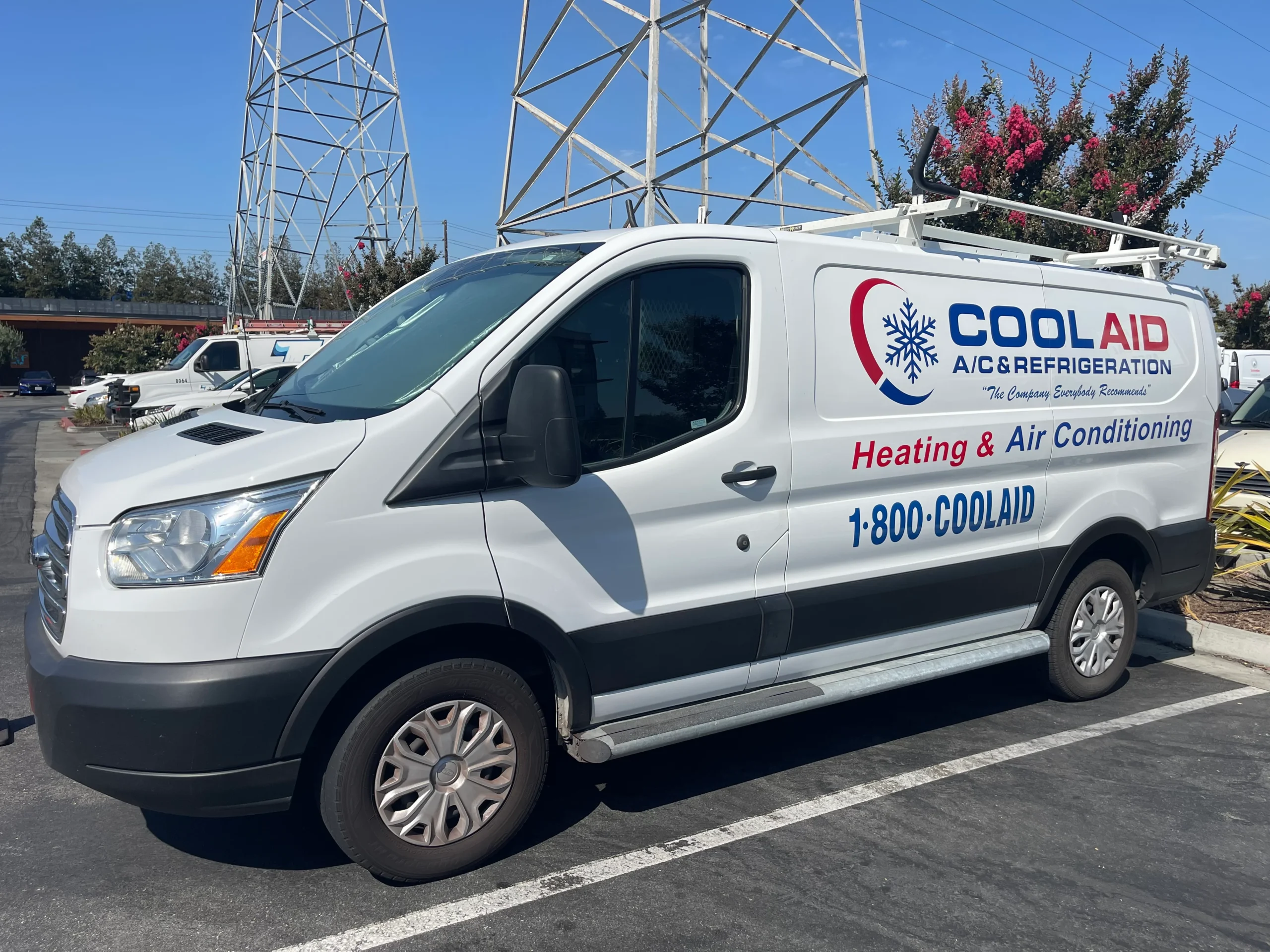
Technicians with commercial experience are better equipped to identify subtle issues, such as uneven cooling or early signs of compressor strain. For Bay Area businesses, hiring an experienced provider such as 1800 Cool Aid, ensures that inspections are accurate, preventative actions are properly implemented, and emergency repairs are minimized.
Certifications, licensing, and local Bay Area expertise
It’s essential to work with a licensed and certified service provider. Certifications ensure technicians are trained in proper refrigeration handling, electrical work, and safety standards. Licensing guarantees compliance with state regulations, including environmental rules for refrigerants.
Local expertise is also important. The Bay Area has unique environmental conditions—coastal humidity, temperature fluctuations, and urban infrastructure—that affect cooling systems. A local provider understands these challenges and can tailor inspections and maintenance plans to meet regional needs.
Emergency service and ongoing maintenance plans
Even with regular inspections, emergencies can happen. Choose a provider who offers emergency service to minimize downtime and protect inventory. Additionally, comprehensive maintenance plans, including routine inspections, minor repairs, and seasonal adjustments, provide long-term protection for your cooling system.
For a busy grocery store or restaurant, having a reliable service partner ensures consistent performance, reduces energy waste, and prevents costly disruptions during critical periods.
Final Thoughts: Protect Your Business With Regular Inspections
Regular cooling system inspections are essential for maintaining food safety, operational reliability, and financial efficiency in restaurants and grocery stores. These inspections catch minor problems before they escalate, reduce energy consumption, extend equipment lifespan, and ensure compliance with health regulations.
By understanding common system issues, following a proactive inspection schedule, and working with a qualified service provider, businesses can prevent costly emergencies, protect their inventory, and maintain customer satisfaction.
Don’t wait until a refrigeration failure disrupts operations or causes food spoilage. Schedule regular inspections and make preventive maintenance a core part of your business strategy. Reliable cooling systems are not just a convenience—they are critical to protecting your bottom line and the success of your business in the Bay Area.
Stay Comfortable Year-Round With Expert HVAC Service
Book a trusted technician to handle your heating or cooling issue—fast, professional, and done right the first time.
Book Service Now