Commercial refrigeration is the backbone of many businesses across the San Francisco Bay Area. Restaurants, grocery stores, convenience stores, bakeries, and food service facilities all rely on their refrigeration systems to keep products fresh, maintain health standards, and avoid costly waste. But despite their importance, these systems are often overlooked until a breakdown occurs.
A sudden refrigeration failure can disrupt business operations, spoil inventory, and lead to expensive emergency repairs. The good news is that regular preventive maintenance can help avoid these problems entirely. By scheduling routine inspections, cleaning, and minor adjustments, businesses can catch small issues before they become major repairs—and save thousands of dollars in the long run.
In this blog, we’ll explore why preventive maintenance is critical for commercial refrigeration, common problems it prevents, the financial benefits, and practical maintenance steps you can take.
Why Preventive Maintenance Matters for Commercial Refrigeration
Preventive maintenance is more than just a routine service—it’s a proactive approach to protecting your equipment, your business, and your bottom line. Commercial HVAC systems are complex machines that work continuously. Over time, components wear out, refrigerant levels fluctuate, and dirt and debris accumulate, all of which reduce efficiency and increase the risk of breakdowns.
Businesses that neglect maintenance often face unexpected failures, which can be far more costly than regular service. Preventive maintenance keeps your system running at peak efficiency, extends its lifespan, reduces energy costs, and ensures compliance with health and safety standards. For Bay Area businesses, where energy costs and high standards for food safety are major concerns, maintenance is an investment rather than an expense.
The true cost of refrigeration breakdowns
Refrigeration breakdowns are expensive, and the costs go beyond the repair itself. When a commercial refrigerator or freezer fails, the consequences often include:
- Emergency repair fees that are significantly higher than scheduled maintenance.
- Replacement parts for major components such as compressors, evaporator coils, or condensers, which can be thousands of dollars.
- Spoiled inventory, which can quickly add up for restaurants, grocery stores, or bakeries.
- Lost business if your facility cannot operate at full capacity.
For example, a San Francisco restaurant experiencing a compressor failure might face $2,000–$5,000 in repair costs, plus hundreds of dollars in wasted food per day the system is down. Preventive maintenance can identify compressor issues early, potentially avoiding such a high-cost emergency.
How downtime impacts Bay Area businesses
Downtime is one of the most damaging consequences of refrigeration failure. Every hour that a commercial refrigeration unit is out of service can mean lost revenue and reputational damage. For grocery stores, spoiled inventory must be discarded immediately, creating both financial and environmental waste. For restaurants, a single broken freezer during peak service hours can force menu restrictions or even temporary closure.
In addition, refrigeration downtime can affect staff productivity. Employees may need to spend time managing manual cooling methods, moving inventory, or cleaning up spills caused by leaks or frost buildup. This distraction from normal operations can create operational chaos and harm customer satisfaction.
Bay Area businesses, especially those in high-traffic urban areas, cannot afford these interruptions. Preventive maintenance reduces the likelihood of unexpected failures, keeping systems reliable and operations smooth.
Common Refrigeration Problems That Preventive Maintenance Can Prevent
Commercial refrigeration systems face constant use and environmental stress, which can lead to various problems over time. Many of these issues are avoidable with routine preventive maintenance. By staying proactive, businesses can prevent costly repairs, reduce downtime, and maintain efficient operation.
Compressor failures and costly replacements
The compressor is the heart of any refrigeration system, responsible for circulating refrigerant and maintaining proper cooling. Unfortunately, compressor failure is one of the most common and expensive issues for commercial units.
When a compressor begins to fail, signs may include unusual noises, fluctuating temperatures, or frequent cycling on and off. If left untreated, the entire system can break down, and compressor replacements often cost thousands of dollars. Regular preventive maintenance can identify early warning signs, such as pressure imbalances or refrigerant irregularities, before they escalate into a full failure.
In the Bay Area, where restaurants and grocery stores rely on constant cooling, a failed compressor can be catastrophic. Routine maintenance ensures that compressors are properly lubricated, refrigerant levels are adequate, and electrical components are functioning correctly. Catching issues early can save thousands in repair and replacement costs.
Leaks, clogged drains, and water damage risks
Refrigeration systems produce condensation that must be properly drained. Clogged drains or leaks can lead to standing water, frost buildup, and even water damage to surrounding floors and equipment.
Leaks not only reduce system efficiency but also create safety hazards for employees. In some cases, water damage can lead to costly repairs to flooring, walls, or electrical systems. Preventive maintenance includes clearing drains, inspecting pans, and checking for potential leaks, preventing minor issues from turning into major expenses.
A San Francisco bakery, for instance, could face damage to tiled floors and electrical outlets if a clogged drain goes unnoticed. By regularly checking and maintaining drain lines, businesses prevent these secondary costs and maintain safe working conditions.
Electrical issues and power failures
Electrical problems are another common cause of refrigeration failure. Faulty wiring, loose connections, or failing relays can prevent units from operating or even cause them to short circuit.
Preventive maintenance allows technicians to inspect electrical components, tighten connections, and replace worn parts before they cause a failure. This not only prevents downtime but also reduces the risk of fire hazards caused by overheating or arcing components.
For Bay Area businesses, where electricity costs are high and power reliability is critical, addressing electrical issues early can save both money and operational headaches.
Refrigerant leaks and efficiency loss
Refrigerant is essential for cooling, and even small leaks can significantly impact performance. Low refrigerant levels force the system to work harder, increasing energy consumption and accelerating wear on compressors and other components.
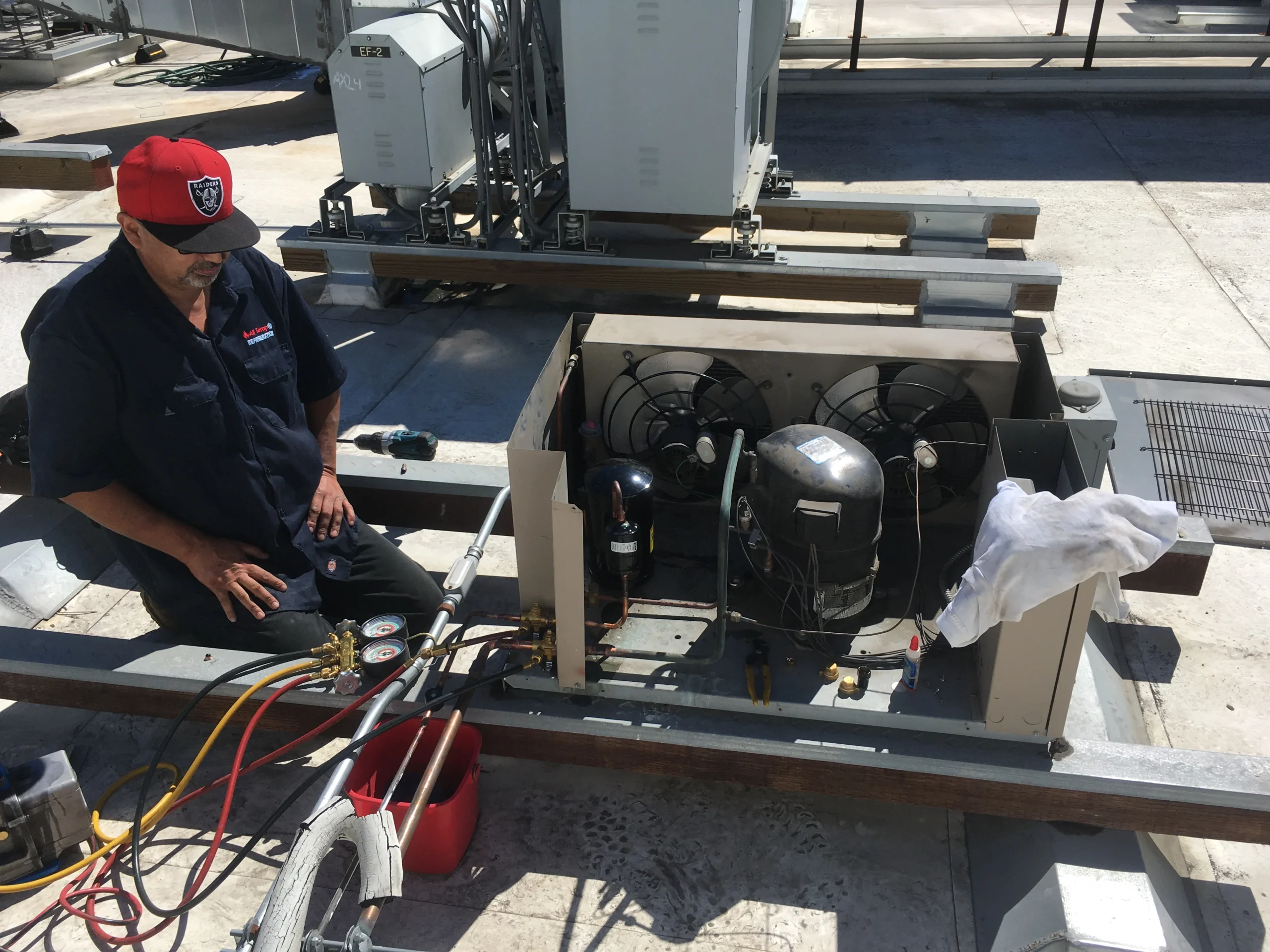
Preventive maintenance includes checking refrigerant levels, identifying leaks, and ensuring proper charge. A technician can also inspect lines and fittings for corrosion or damage that could lead to leaks. By maintaining proper refrigerant levels, businesses not only avoid emergency repairs but also improve energy efficiency and reduce utility costs.
For example, a grocery store in Oakland may notice certain freezers are running longer than usual. A preventive inspection could reveal a minor refrigerant leak, saving both energy costs and preventing future compressor failure.
Preventive maintenance doesn’t just fix small problems—it prevents major failures that cost thousands of dollars and disrupt daily business operations. Catching compressor, leak, electrical, or refrigerant issues early is key to keeping commercial refrigeration systems reliable, efficient, and safe.
The Financial Benefits of Regular Refrigeration Maintenance
Investing in preventive maintenance for commercial refrigeration isn’t just about avoiding breakdowns—it’s a strategic way to protect your business finances. Regular maintenance reduces costs, extends equipment lifespan, and ensures energy efficiency, which collectively save thousands of dollars over time.
Reducing emergency repair costs
Emergency repairs are significantly more expensive than scheduled maintenance. When a refrigeration unit fails suddenly, businesses often have to pay premium rates for immediate service, rush parts, and overtime labor. These costs can quickly escalate, especially if multiple units fail simultaneously.
Preventive maintenance identifies small issues before they become emergencies. A minor refrigerant leak or a worn-out fan motor can be repaired during a scheduled service, preventing a full system breakdown. For Bay Area businesses, where downtime can affect revenue, this proactive approach avoids costly emergency calls and ensures operations continue smoothly.
Extending the lifespan of your refrigeration system
Commercial refrigeration systems are a significant investment, often costing tens of thousands of dollars. Without proper maintenance, wear and tear from dust, dirt, and minor mechanical problems can shorten the system’s life.
Routine inspections and maintenance tasks, such as cleaning coils, checking compressors, and verifying refrigerant levels, keep the system running efficiently and reduce stress on critical components. Extending the lifespan of your refrigeration equipment delays the need for full replacement, saving businesses thousands of dollars in capital expenditures.
For example, a Bay Area grocery store that invests in regular maintenance may extend the life of its walk-in coolers and freezers by 5–10 years, delaying major replacement costs and providing long-term financial stability.
Lowering monthly energy bills
A well-maintained refrigeration system operates more efficiently, consuming less energy while maintaining proper temperatures. Dirty coils, low refrigerant, and malfunctioning fans force the system to work harder, increasing electricity usage and utility bills.
Preventive maintenance improves airflow, ensures proper refrigerant charge, and keeps components running smoothly, which reduces energy consumption. For Bay Area businesses, where electricity rates can be high, this can lead to substantial monthly savings. Over time, the cumulative effect of lower energy bills combined with fewer emergency repairs makes preventive maintenance a cost-effective strategy.
Regular maintenance not only protects your refrigeration system but also directly impacts your bottom line. By reducing emergency costs, extending equipment lifespan, and lowering energy consumption, preventive maintenance can save thousands of dollars annually for Bay Area businesses.
Preventive Maintenance Checklist for Commercial Refrigeration Systems
A systematic preventive maintenance routine is essential for keeping commercial refrigeration systems running efficiently. Performing regular inspections and maintenance tasks helps catch problems early, maintain energy efficiency, and prevent costly repairs. Here’s a detailed checklist that covers the most important areas of commercial refrigeration maintenance.
Cleaning coils and filters
One of the simplest yet most critical maintenance tasks is cleaning the condenser and evaporator coils, along with replacing or cleaning air filters. Coils collect dust, grease, and debris over time, which reduces heat exchange efficiency. When coils are dirty, compressors work harder to maintain the desired temperature, increasing energy consumption and risk of failure.
Filters also trap dirt and particulates that can obstruct airflow. Regular cleaning or replacement of filters ensures consistent airflow, improves cooling performance, and prevents strain on the system. For a restaurant in San Francisco, for instance, this simple step can prevent frozen coils and reduce energy costs significantly over the long term.
Checking door seals and gaskets
Door seals and gaskets on walk-in coolers, freezers, and display cases are often overlooked. Damaged or worn seals allow cold air to escape and warm air to enter, making the refrigeration system work harder to maintain temperatures.
During preventive maintenance, technicians inspect all door seals for cracks, tears, or gaps and replace them as needed. This not only improves energy efficiency but also protects stored inventory from temperature fluctuations. In grocery stores or food service facilities, tight door seals are essential for preventing spoilage and maintaining food safety compliance.
Monitoring refrigerant levels
Refrigerant is the lifeblood of a cooling system, and improper levels can severely impact performance. Low refrigerant reduces cooling efficiency, increases energy use, and puts undue stress on compressors. High refrigerant levels can also cause operational issues and damage system components.
Preventive maintenance includes checking refrigerant charge, inspecting for leaks, and correcting imbalances. Technicians use specialized tools to ensure the system has the proper refrigerant level, which keeps it running efficiently and prevents costly breakdowns. For Bay Area businesses, maintaining optimal refrigerant levels can also help comply with environmental regulations regarding refrigerant handling.
Inspecting fans, motors, and electrical connections
Fans, motors, and electrical components are critical for reliable refrigeration operation. Worn motors, loose connections, or failing fans can lead to inefficient cooling, unusual noises, or complete system failure.
During preventive maintenance, technicians inspect all moving and electrical parts, lubricate motors as needed, and tighten connections. Identifying worn fan blades or deteriorating wiring before a failure occurs saves money and prevents operational disruptions. For commercial kitchens and stores in the SF Bay Area, this step ensures consistent cooling and safety for both employees and customers.
By following this checklist, businesses can proactively maintain their refrigeration systems, prevent major failures, improve energy efficiency, and protect their bottom line. Preventive maintenance ensures that all key components—from coils and filters to refrigerant and electrical systems—are functioning at peak performance.
How Preventive Maintenance Improves Energy Efficiency
Energy efficiency is one of the most tangible benefits of preventive maintenance for commercial refrigeration. Systems that are well-maintained consume less electricity, operate more reliably, and perform better over time. By investing in regular maintenance, businesses can reduce utility costs and contribute to environmental sustainability.
Why efficient systems save money long-term
When a refrigeration system is neglected, small inefficiencies quickly add up. Dirty coils, clogged filters, low refrigerant, and malfunctioning fans all force the system to work harder to maintain temperatures. This increases electricity usage, accelerates wear and tear, and raises the likelihood of emergency repairs.
Preventive maintenance addresses these inefficiencies before they become significant problems. Clean coils, proper refrigerant levels, and well-lubricated motors allow the system to operate with minimal energy expenditure. Over time, these improvements translate into lower utility bills and reduced operating costs for the business.
For Bay Area businesses, where energy costs are higher than the national average, even modest improvements in efficiency can save hundreds to thousands of dollars per year. Regular maintenance ensures that refrigeration systems perform optimally, reducing both operational costs and environmental impact.
Real examples of energy savings for Bay Area businesses
Consider a grocery store in Oakland that performed a routine maintenance inspection on its walk-in coolers and freezers. Technicians cleaned the coils, replaced worn door gaskets, and checked refrigerant levels. Within a few months, the store reported a 15% reduction in electricity usage for refrigeration alone, which amounted to significant savings on their utility bills over the year.
Similarly, a San Francisco restaurant that invested in preventive maintenance for its refrigeration units avoided over $7,000 in emergency repair costs while improving energy efficiency by 10%. These examples show that routine inspections, small repairs, and consistent upkeep can lead to measurable financial benefits for businesses of all sizes.
By improving efficiency, preventive maintenance not only reduces costs but also extends equipment lifespan and prevents unexpected downtime. This proactive approach allows Bay Area businesses to operate smoothly, protect inventory, and maintain profitability.
Choosing the Right Commercial Refrigeration Service Provider
Selecting the right service provider is just as important as the preventive maintenance itself. A skilled, experienced, and reliable technician ensures that maintenance is thorough, repairs are accurate, and your commercial refrigeration system continues to operate efficiently.
What to look for in a qualified contractor
Not all refrigeration contractors are equal, and choosing the wrong one can result in incomplete service or recurring problems. Here are key factors to consider:
- Experience with commercial refrigeration: Commercial systems are larger and more complex than residential units. Ensure the provider has extensive experience with walk-in coolers, freezers, display cases, and other commercial equipment.
- Licensing and certifications: Verify that the contractor is properly licensed in California and holds industry certifications. This ensures that all work complies with safety standards and environmental regulations, especially regarding refrigerant handling.
- Emergency service availability: Refrigeration failures don’t always occur during business hours. A reliable provider offers 24/7 emergency service to prevent costly downtime.
- Reputation and references: Look for reviews, testimonials, and case studies from other local businesses. A trusted reputation is a strong indicator of consistent, high-quality service.
- Comprehensive maintenance plans: The best providers offer full-service plans, including preventive maintenance, repairs, inspections, and system upgrades. This ensures all aspects of your refrigeration system are covered.
Why local expertise in the SF Bay Area matters
The Bay Area has unique environmental conditions that affect refrigeration systems. Coastal humidity, salty air, and fluctuating temperatures can accelerate corrosion, stress components, and impact efficiency. A local service provider understands these challenges and can recommend strategies specifically suited to the region.
For example, a contractor familiar with San Francisco fog and Oakland heat can identify corrosion-prone areas, ensure proper ventilation, and optimize refrigerant charge for local conditions. Local expertise also means faster response times, which is critical when a refrigeration system fails unexpectedly.
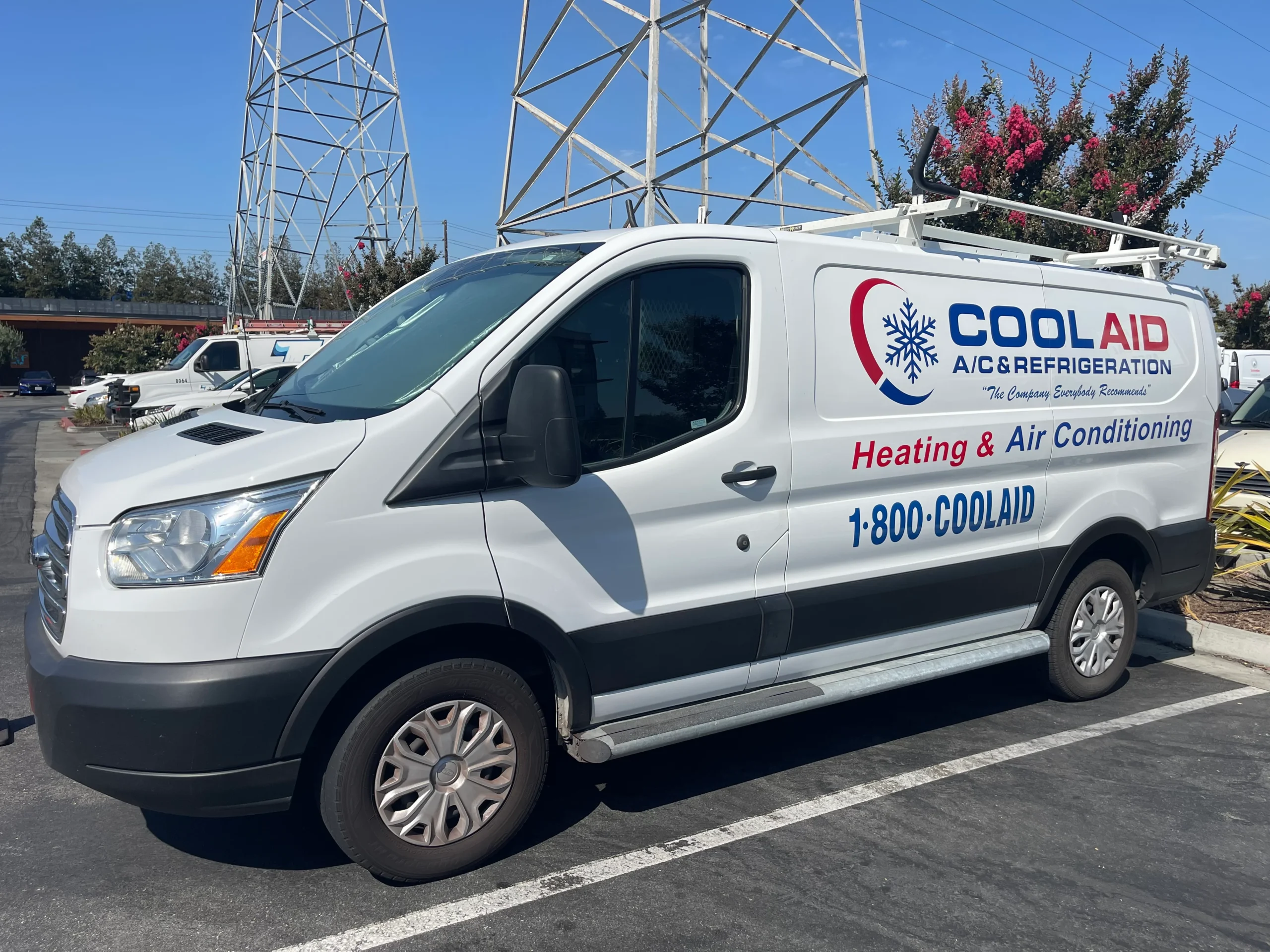
By choosing a qualified, local provider, such as 1800 Cool Aid, businesses can maximize the benefits of preventive maintenance and ensure reliable operation year-round.
Final Thoughts: Protect Your Bottom Line with Preventive Maintenance
Preventive maintenance is not just a routine task—it is a strategic investment that saves businesses thousands of dollars in repairs, energy costs, and downtime. Commercial refrigeration systems are critical to the success of restaurants, grocery stores, and other food service businesses across the SF Bay Area, and keeping them in optimal condition is essential.
By understanding the common refrigeration problems, implementing a maintenance checklist, improving energy efficiency, and partnering with a qualified local service provider, businesses can protect their bottom line, maintain consistent operations, and extend the lifespan of their equipment.
Don’t wait for a costly emergency to remind you of the importance of preventive maintenance. Schedule regular inspections, follow maintenance recommendations, and address small issues before they escalate. The result is a more reliable, efficient, and cost-effective refrigeration system that keeps your Bay Area business running smoothly.
Stay Comfortable Year-Round With Expert HVAC Service
Book a trusted technician to handle your heating or cooling issue—fast, professional, and done right the first time.
Book Service Now