The San Francisco Bay Area is famous for its mild, temperate climate. Residents often brag about needing a light jacket in July. However, climate patterns are shifting, bringing unprecedented heat waves to the region. Sudden temperature spikes now push local cooling systems to their absolute limits.
Many local homes and businesses lack the heavy-duty cooling infrastructure found in warmer states. When a severe heat wave strikes, overworked air conditioners fail, leaving families and customers sweltering. Waiting until the thermometer hits triple digits to check your air conditioner is a recipe for disaster.
You need to take proactive steps to ensure your property remains comfortable and safe. This guide will explain how local microclimates affect your equipment and outline the exact steps you must take to prepare your cooling system. We will cover maintenance strategies, insulation upgrades, and smart thermostat tricks to keep your energy bills low.
Understanding Bay Area Microclimates and Heat Waves
The Bay Area features a highly complex weather system. The region is famously composed of dozens of distinct microclimates. You can drive just twenty miles and experience a temperature shift of thirty degrees.
The Shift from Coastal Fog to Extreme Heat
Neighborhoods near the coast or the Golden Gate often enjoy natural air conditioning from marine layers. Conversely, inland areas like Walnut Creek, Concord, and San Jose face intense, baking summer heat. Historically, homes closer to the water did not even install air conditioning. Now, those same homes face weeks of uncomfortable, stagnant heat during late summer and early autumn.
Even inland areas equipped with central air face new challenges. Heat waves now last longer and peak higher than they did just a decade ago. These prolonged periods of extreme heat force your air conditioner to run continuously. This unrelenting demand places immense mechanical stress on your equipment.
How Sudden Temperature Spikes Stress Your HVAC
Air conditioning systems are engineered to handle gradual temperature changes. When a sudden heat dome settles over the Bay Area, the ambient temperature can jump twenty degrees in a single afternoon. Your HVAC system suddenly has to extract massive amounts of heat from your home just to maintain a baseline level of comfort.
This sudden strain causes several problems. Blower motors work overtime, electrical components overheat, and older compressors struggle to circulate refrigerant. If your system has dirty coils or a clogged air filter, this sudden thermal load can cause the entire unit to shut down to prevent a catastrophic failure. Preparing your system before these spikes occur is the only way to ensure reliable cooling.
The Critical Role of Pre-Season HVAC Maintenance
The secret to surviving a Bay Area heat wave is preparation. You cannot expect a complex mechanical system to sit dormant for six months and then perform flawlessly under maximum load. Routine tune-ups prevent minor wear and tear from turning into expensive breakdowns.
Why Spring is the Best Time to Prepare
Spring is the perfect window for system preparation. The weather is still mild, and local technicians have flexible schedules. If you wait until the first major heat wave in July or August, you will join a massive waitlist of desperate homeowners dealing with broken air conditioners.
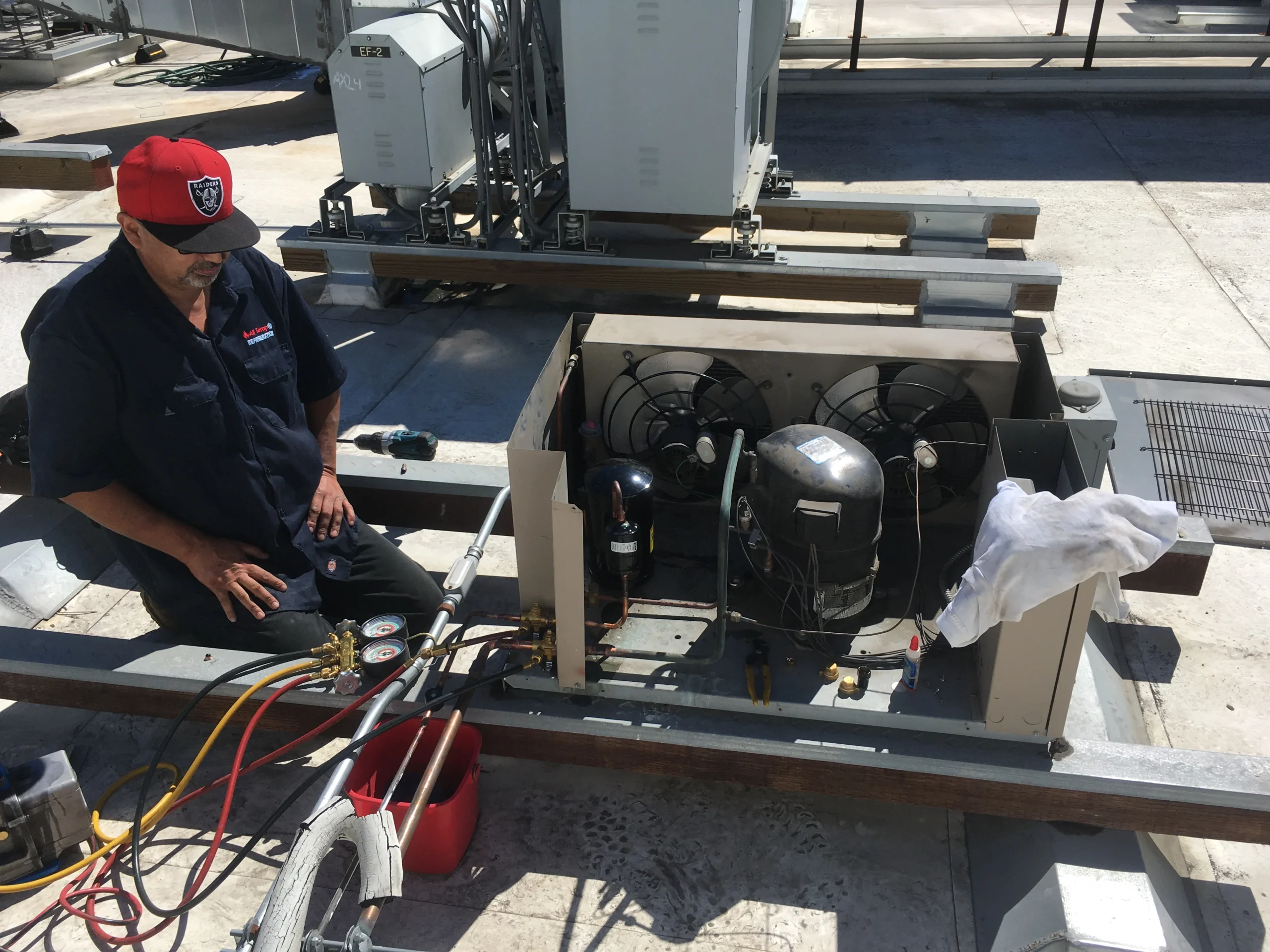
Scheduling comprehensive residential HVAC maintenance services during the spring guarantees your system is ready for action. A professional technician can identify weak capacitors, fraying belts, and low refrigerant levels long before they cause a total system failure. This proactive approach saves you time, money, and significant discomfort.
Essential Maintenance Checklist
While professional servicing is mandatory, you can perform several basic tasks to help your system run efficiently. Follow this checklist to keep your equipment in top condition:
- Change Your Air Filters: A dirty filter blocks airflow, forcing your blower motor to work twice as hard. Check your filter every thirty days and replace it immediately if it looks gray or clogged with dust.
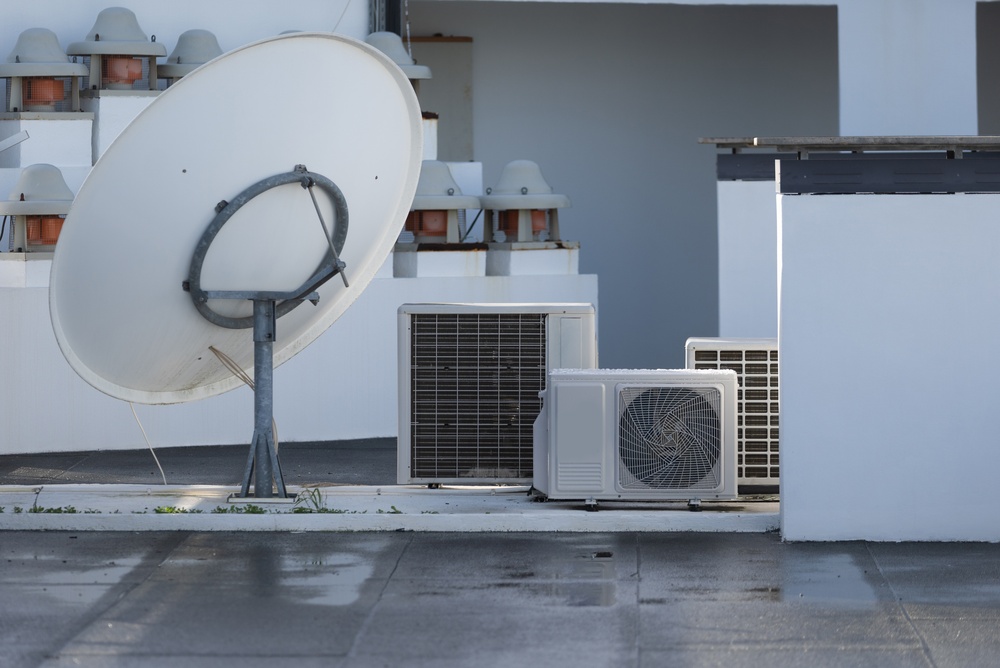
- Clear the Outdoor Condenser: The outdoor unit needs at least two feet of clearance on all sides to exhaust heat effectively. Trim back bushes, remove tall grass, and clear away any debris that accumulated over the winter.
- Inspect Your Vents: Walk through your home and ensure all supply and return vents are fully open and unblocked. Closing vents in unused rooms actually disrupts the system’s airflow balance and increases pressure inside your ductwork.
- Check the Condensate Drain: Your air conditioner pulls humidity out of the air, which drains away as water. Ensure this drain line is clear of algae and sludge so water does not back up and damage your property.
Optimizing Your Home for Cooling Efficiency
Your air conditioner does not operate in a vacuum. The physical structure of your home plays a massive role in how effectively your cooling system operates. By improving your home’s thermal envelope, you reduce the workload on your HVAC equipment.
Upgrading Insulation and Sealing Leaks
Cold air is a precious commodity during a heat wave. You want to keep it inside your house for as long as possible. Unfortunately, many older Bay Area homes lack adequate insulation and suffer from drafty windows and doors.
Heat naturally moves toward cooler spaces. During a summer afternoon, the blazing heat from your attic will press down into your living areas. Upgrading your attic insulation creates a thermal barrier that traps the cool air inside. Furthermore, applying weather stripping around doors and caulking gaps around windows prevents your expensive conditioned air from leaking out into the neighborhood.
These simple home improvements drastically reduce the number of hours your air conditioner needs to run, extending the life of your equipment and lowering your utility bills.
Mastering Smart Thermostat Settings
Thermostat management is crucial during a temperature spike. Cranking the thermostat down to sixty degrees will not cool your house any faster. It only forces the system to run endlessly, leading to frozen coils and excessive energy consumption.
Instead, utilize a smart or programmable thermostat to manage the temperature gradually. Set your thermostat to 78 degrees when you are home and awake. When you leave for work, program the temperature to rise by five to seven degrees. The smart thermostat will automatically begin cooling the house down shortly before you return.
Additionally, use your ceiling fans to create a wind-chill effect. Fans cool people, not rooms. By running a ceiling fan counter-clockwise, you push a breeze downward. This allows you to set your thermostat a few degrees higher while maintaining the same level of comfort.
Knowing When to Repair vs. Replace
Every air conditioner eventually reaches the end of its operational lifespan. Knowing the difference between a system that needs a quick fix and one that requires complete replacement is vital for Bay Area homeowners.
Signs Your System is Struggling
Pay close attention to how your system sounds and performs. Strange noises, such as grinding, squealing, or loud banging, indicate failing internal components. If you notice warm air blowing from your vents, or if airflow seems exceptionally weak, your system needs immediate attention.
Rapidly increasing energy bills also serve as a major warning sign. As parts wear out, the system consumes more electricity to produce the same amount of cooling. If you notice these symptoms, contact a professional for reliable residential HVAC repair services. Fixing a small issue promptly often saves the compressor from fatal damage.
The Benefits of Modern, Energy-Efficient Systems
If your air conditioner is more than ten to fifteen years old, repairing it might waste your money. Older units use outdated refrigerants and lack the advanced technology required to battle modern heat waves efficiently.
Upgrading to a new, high-efficiency system provides immediate benefits. Modern units use variable-speed motors that adjust their cooling output precisely to match your home’s needs. This eliminates the massive power surges associated with older, single-stage units turning on and off. If you are ready to explore your options, our team provides expert residential HVAC installation services tailored to your specific property.
A new installation improves your indoor comfort, drastically cuts your monthly utility costs, and increases the overall value of your home. You can learn more about our commitment to quality installations and customer satisfaction on our website.
Protecting Commercial Spaces During Extreme Heat
Heat waves do not just threaten homes. Bay Area businesses face significant risks when temperatures soar. Retail stores, restaurants, and office buildings rely heavily on consistent cooling to keep customers happy and employees productive.
Managing High Occupancy and Equipment Loads
Commercial HVAC systems handle much larger loads than residential units. A busy restaurant or a crowded retail floor generates massive amounts of body heat. Add the thermal output of commercial lighting, computers, and kitchen equipment, and the cooling demands become staggering.
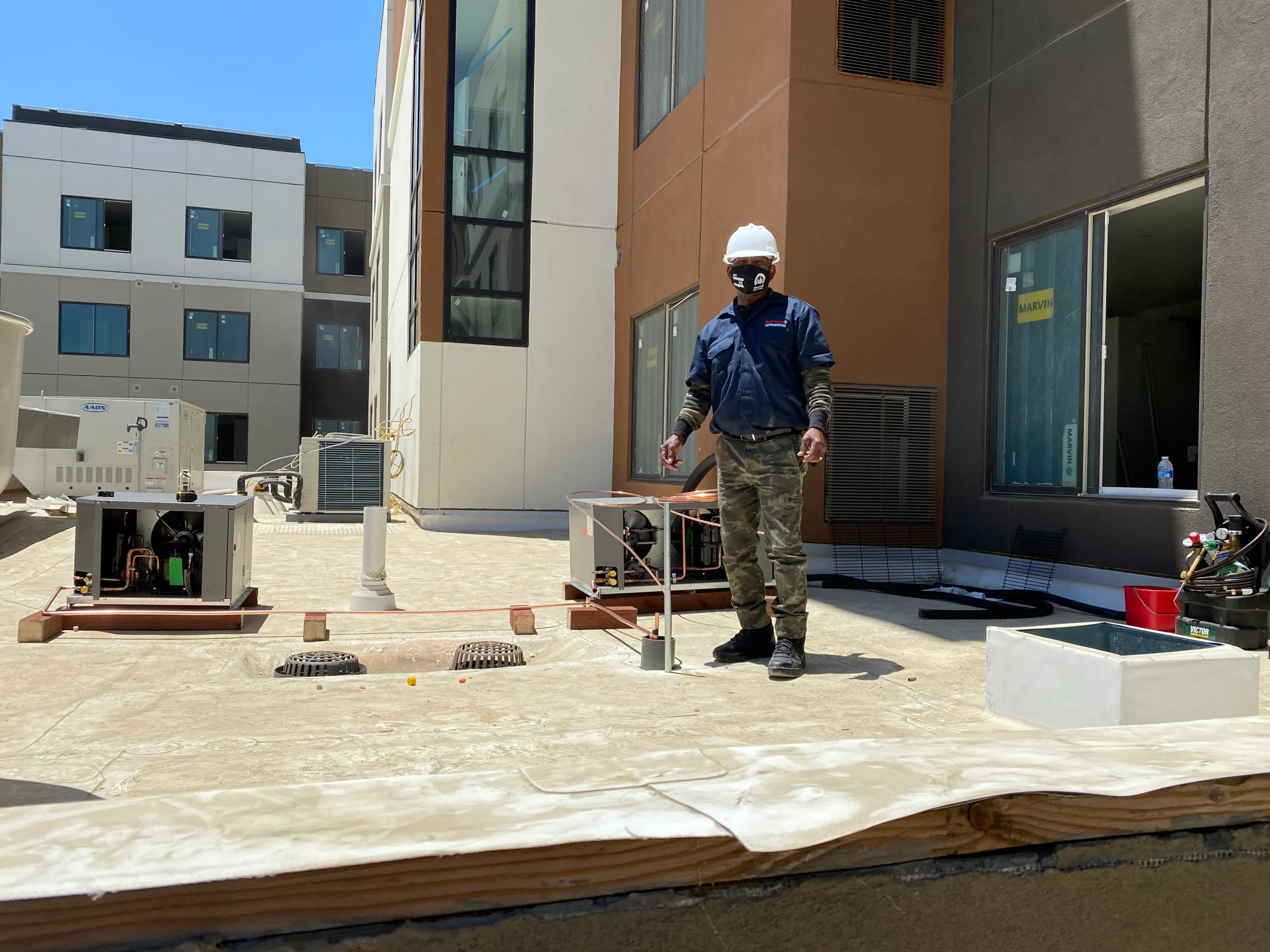
Facility managers must schedule comprehensive commercial maintenance well before the summer rush. Rooftop package units require deep coil cleanings to exhaust heat effectively. Furthermore, businesses must optimize their ventilation strategies. Pulling in too much hot outside air during a heat wave will completely overwhelm the cooling capacity of the building.
By partnering with experienced commercial technicians, you can ensure your business remains a cool, welcoming oasis for your clients, no matter what the thermometer reads outside.
Conclusion: Stay Cool and Comfortable All Summer
Bay Area heat waves are becoming more frequent and more intense. You cannot control the weather, but you can control how well your property handles the heat.
Start preparing today. Change your air filters, clear the debris around your outdoor unit, and seal the drafts around your windows. Most importantly, do not wait for your system to fail before calling for professional help. Routine maintenance is the ultimate defense against extreme temperatures.
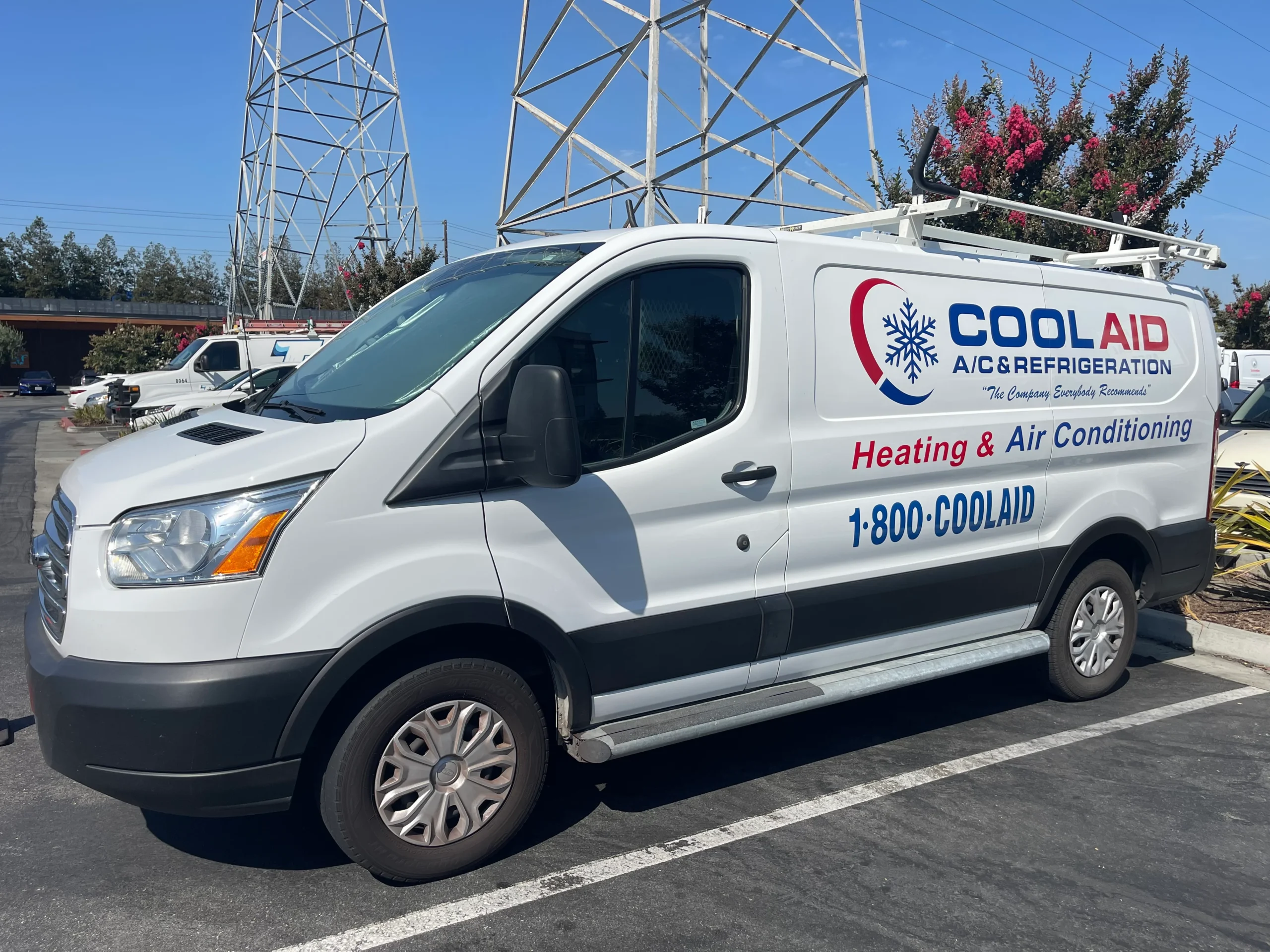
Our team at 1800CoolAid is dedicated to keeping your home or business comfortable year-round. If you need to schedule a tune-up, request a repair, or explore options for a new, energy-efficient air conditioner, reach out to us today through our contact page. Stay ahead of the heat and enjoy a safe, perfectly chilled summer.
Stay Comfortable Year-Round With Expert HVAC Service
Book a trusted technician to handle your heating or cooling issue—fast, professional, and done right the first time.
Book Service Now