When an HVAC system has a few decades behind it, every breakdown feels heavier. You’re no longer just fixing a problem. You’re wondering if this is the moment where repairs stop making sense. One technician says it’s fixable. Another hints that you’re throwing money away. Meanwhile, the system still has to keep your house livable.
This is where homeowners get stuck. Not because the answer is complicated, but because the information usually is. Age alone doesn’t decide whether a system should be repaired or replaced. Neither does the price of a single repair. What matters is how the system is failing, how often it’s failing, and what those failures say about what’s coming next.
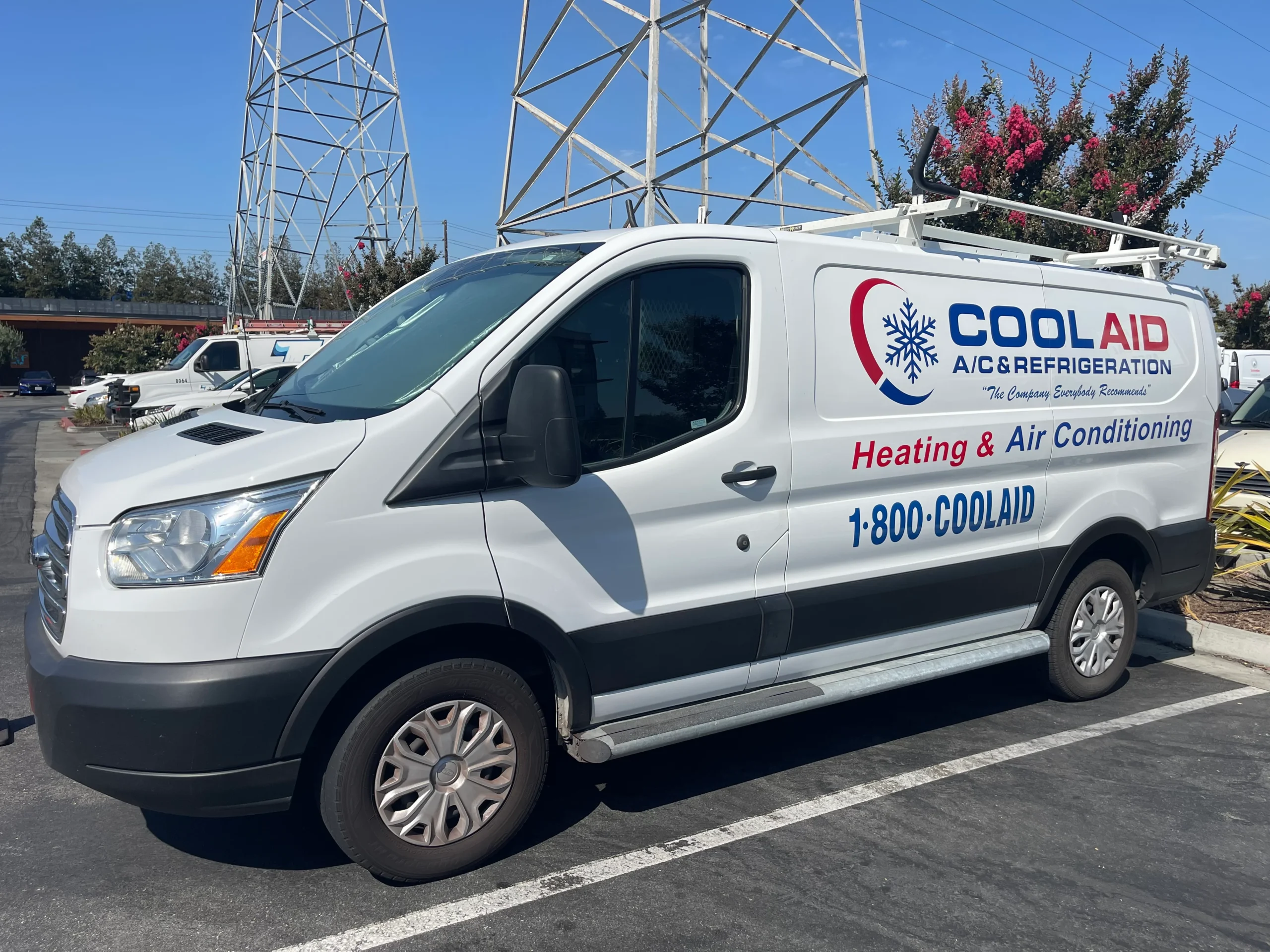
At Cool Aid A/C & Refrigeration, we deal with this decision every day in Bay Area homes. Our approach is simple: look at the facts, not the fear. When repairs still make sense, we’ll say so. When replacement is the smarter move, we’ll explain why. No pressure, no scare tactics—just a clear path forward based on how your system is actually performing.
What “Old” Really Means for an HVAC System
The first step is to understand what defines an “old” system. It’s not just a number on a manufacturer’s label; it’s a combination of age, usage, and condition.
Age vs condition — why years alone don’t tell the whole story
A typical furnace or air conditioner lasts about 15-20 years. However, a 12-year-old system that has been neglected and run hard can be in far worse shape than a 22-year-old unit that received annual maintenance. Age provides a baseline, but the system’s actual condition—the presence of rust, worn components, and previous repairs—is a much more accurate indicator of its remaining lifespan.
How usage patterns shorten or extend system life
A system in a large, poorly insulated home that runs constantly will wear out faster than one in a smaller, well-sealed home. Frequent starting and stopping (short cycling) is also incredibly hard on components, particularly the compressor and motors. A system that has had a relatively easy life may have more repairable years left in it than its age suggests.
Why Bay Area climate plays a role in system aging
Our unique Bay Area climate influences how systems age. Homes along the coast are constantly exposed to salt air, which corrodes outdoor AC units and heat pumps, leading to premature coil failure. Inland, in areas like San Jose or Concord, the intense summer heat puts extreme stress on compressors and fan motors. Our relatively mild but long “shoulder seasons” mean systems cycle on and off frequently, causing wear on start-up components.
When Repairing an Old HVAC System Still Makes Sense
Even on a 15-year-old unit, a repair can be a perfectly logical choice. It all depends on the nature of the failure and the overall health of the system.
Minor failures that aren’t age-dependent
Components like capacitors, contactors, and ignitors can fail on systems of any age. These are relatively inexpensive parts to replace. If your 14-year-old furnace needs a new ignitor but is otherwise in good shape, a repair is almost always the smart move. The failure of a small, wearable part doesn’t automatically condemn the entire system.
One-time breakdowns vs chronic problems
Is this the first major repair your system has needed in the last five years, or is this the third service call this season? A single, isolated breakdown on an older unit is often worth fixing. However, if you are consistently having to call for repairs, you’re dealing with a chronic issue. At that point, you’re not just fixing one problem; you’re funding a slow, expensive system death.
Systems with strong service history
If you have a detailed record of annual maintenance and the system has been running reliably, it has proven its durability. In this case, investing in a significant repair for a known-good system can be a sound decision, as it’s likely to give you several more years of service.
Repairs That Often Signal the Beginning of the End
Some failures are more than just a broken part; they are a symptom of a system that is fundamentally worn out. When these components fail, a replacement should be seriously considered.
Compressor and heat exchanger failures
The compressor is the heart of your air conditioner, and the heat exchanger is the core of your furnace. These are the most expensive components to replace. A failed compressor on an AC unit that is over 10-12 years old is often the final nail in the coffin. Similarly, a cracked heat exchanger is a serious safety hazard that almost always makes replacement the only responsible option.
Obsolete parts and discontinued components
As systems age, manufacturers stop producing original parts for them. If your furnace needs a control board that has been discontinued, the only option might be a used or reconditioned part with no warranty. At that point, the system becomes effectively unrepairable in a reliable way.
Electrical failures tied to worn insulation
Over years of heating up and cooling down, the plastic insulation on internal wiring can become brittle and crack. This can lead to short circuits that damage major components. When a technician finds widespread electrical degradation, it’s a sign that the entire system is reaching a state of critical failure.
How Efficiency Loss Changes the Repair Equation
Sometimes, the decision isn’t just about repair costs; it’s about the ongoing cost of keeping an old, inefficient system running.
Why older systems cost more to run even after repair
An air conditioner from 15 years ago might have a SEER (Seasonal Energy Efficiency Ratio) rating of 10. A new system today has a minimum rating of 14, with high-efficiency models reaching 20 or more. Even after you repair the old unit, it will continue to use significantly more electricity than a new one, costing you money every month.
SEER, AFUE, and real-world performance gaps
SEER measures cooling efficiency, and AFUE (Annual Fuel Utilization Efficiency) measures heating efficiency. The gap between an old system and a new one is significant. Replacing an old 80% AFUE furnace with a new 95% AFUE model means that for every dollar you spend on gas, 95 cents goes to heating your home, up from 80 cents. That difference adds up quickly.
Utility bills as a replacement warning sign
If your PG&E bills have been steadily climbing year after year, even though your habits haven’t changed, your aging HVAC system is a likely culprit. Its declining efficiency means it has to run longer to provide the same level of comfort. A new system can often deliver a noticeable drop in your monthly energy costs.
The True Cost of Repeated HVAC Repairs Over Time
Focusing only on the cost of a single repair can be misleading. You have to look at the bigger financial picture.
Stacked repair costs homeowners overlook
A $600 repair this year, followed by a $400 repair next spring, and an $800 repair the year after—suddenly, you’ve spent $1,800 to keep a dying system on life support. That money could have served as a significant down payment on a brand-new, reliable, and efficient system with a 10-year warranty.
Emergency calls vs planned replacements
Old systems rarely fail on a convenient Tuesday afternoon. They fail during the first heatwave or on the coldest night of the year. Emergency service calls come with premium pricing. A planned replacement allows you to budget, schedule the work at your convenience, and avoid the stress and extra cost of a crisis installation.
When “cheaper now” becomes expensive later
The decision to make “one last repair” can feel like the most affordable choice today. But if that repair only buys you another year of service before another, more expensive part fails, you’ve chosen the most expensive path in the long run.
Repair vs Replacement Benchmarks Homeowners Can Use
While there’s no magic formula, there are a few industry rules of thumb that can help guide your decision.
The 30–50% repair-to-replacement rule
A common benchmark is to compare the repair cost to the cost of a new system. If the repair quote is 30% or more of the replacement cost, a new system is often the better financial choice. If it’s 50% or more, replacement is almost always recommended.
Frequency of service calls as a decision factor
If you’ve had to call for service more than twice in the last two years (for different issues), it’s a strong indicator that the system’s reliability is compromised. Your “repair budget” is turning into a recurring expense.
Comfort consistency and performance decline
Is the system still keeping you comfortable? If your AC struggles to keep up on hot days, or if some rooms are always colder than others, the system is no longer performing its primary function effectively. A repair might fix the immediate breakdown, but it won’t solve the underlying performance issues.
Why Replacing an Old HVAC System Isn’t Always the Right Move
While replacement is often the best option for old, failing systems, it’s not a universal solution. Sometimes, repairing the old unit is the more practical choice.
Homes not designed for modern system output
Some older homes have layouts or insulation levels that aren’t a good match for the powerful output of modern systems. An oversized new system can short-cycle, leading to poor humidity control and reduced efficiency.
Ductwork and electrical limitations in older houses
A new, high-efficiency system is only as good as the ductwork it’s connected to. If your home has old, leaky, or undersized ducts, a new unit won’t perform correctly. Similarly, a modern heat pump may require an electrical panel upgrade that an older home can’t easily accommodate. In these cases, the cost of a “simple” replacement can balloon.
When partial upgrades make more sense
Sometimes it makes sense to replace only one half of the system. For example, if you have a 15-year-old furnace and a 5-year-old air conditioner, you would only replace the furnace. A good contractor will evaluate both components independently.
How New HVAC Technology Changes the Math
Today’s HVAC systems are fundamentally different from those made 15 years ago. These advancements can make replacement a much more attractive option.
Heat pumps vs legacy furnace and AC setups
Heat pumps, which provide both heating and cooling in a single, highly efficient unit, are becoming the standard in the Bay Area. They can dramatically lower your carbon footprint and energy bills compared to a traditional gas furnace and AC combo.
Variable-speed systems and comfort improvements
Older systems were typically single-stage: either on full blast or off. Modern variable-speed systems can run at lower capacities for longer periods. This provides much more even temperatures, better humidity control, and quieter operation. This improvement in comfort is something a repair can never deliver.
Incentives, rebates, and long-term savings
Federal, state, and local utility rebates can significantly reduce the upfront cost of a new high-efficiency system, especially heat pumps. These incentives can change the financial calculation, making a replacement much more affordable than you might think.
Parts Availability and Manufacturer Support Issues
For very old systems, the decision might be made for you.
Why some old systems become unrepairable
If a critical, proprietary part like a control board fails and the manufacturer no longer makes it, the system is effectively a paperweight. No amount of skilled labor can fix a part that doesn’t exist.
OEM vs aftermarket part risks
As systems get older, original equipment manufacturer (OEM) parts become scarce. The alternative is often an aftermarket or “universal” part. While some are fine, many are of lower quality and can fail prematurely, leading to another repair call.
Lead times that affect repair feasibility
Even if a part is available, it might have to be special-ordered from a warehouse across the country, leaving you without heat or cooling for a week or more. The inconvenience of waiting for a part for an old system can make a fast replacement more appealing.
How Professional Diagnostics Prevent Bad Decisions
The single biggest mistake a homeowner can make is approving a major repair or replacement based on a guess.
Evaluating root causes before recommending replacement
A good technician won’t just see a failed part and quote a replacement. They will investigate why it failed. Was it age, or was it an airflow problem that will just kill the next new unit, too? A proper diagnosis is essential.
Measuring airflow, pressure, and electrical health
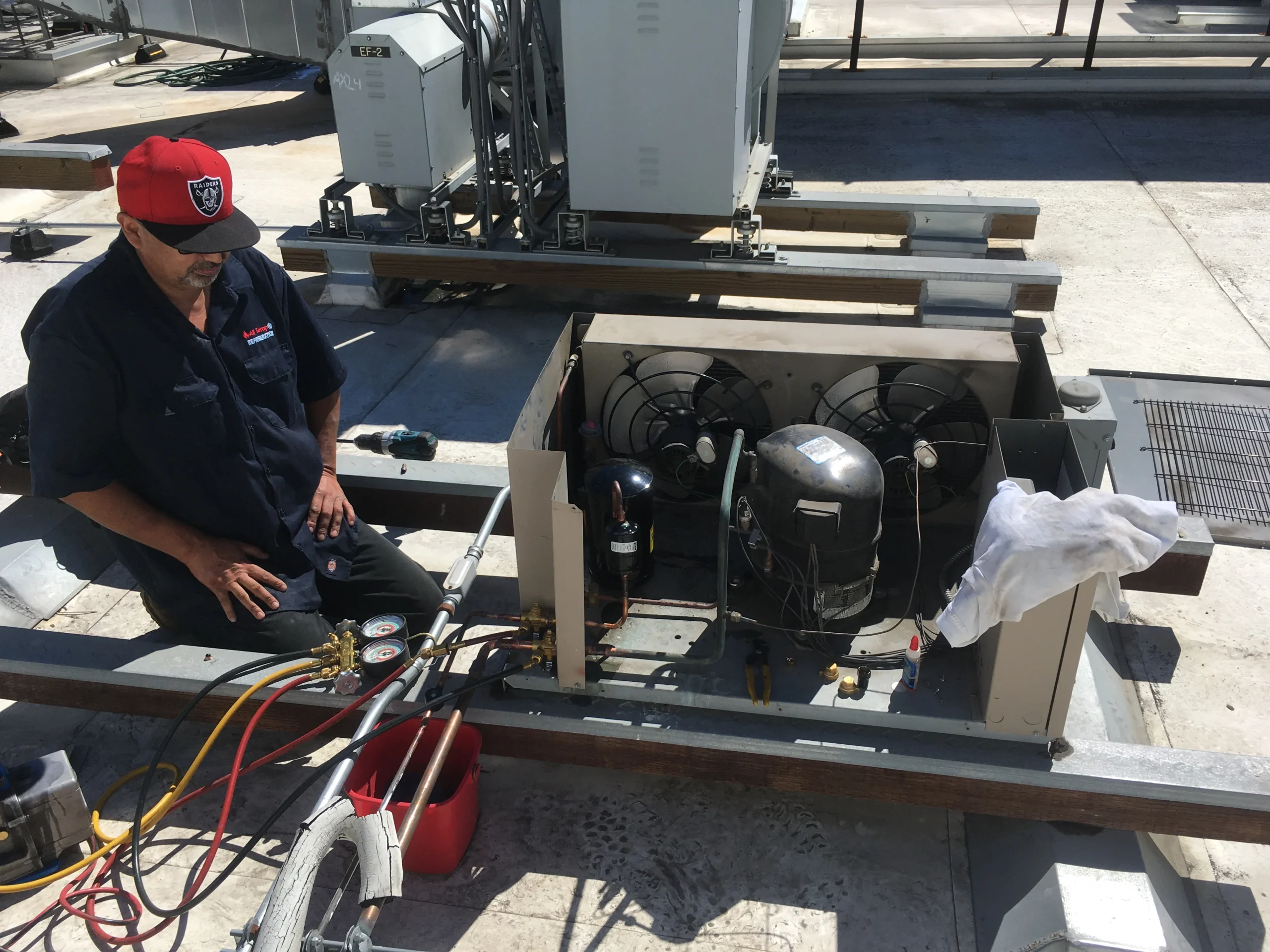
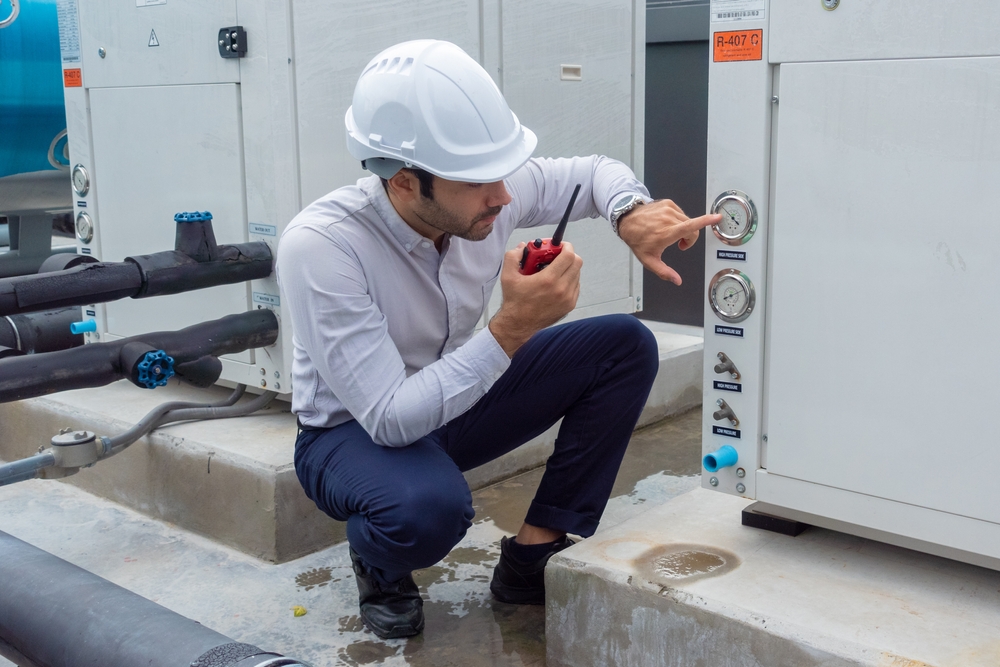
A thorough evaluation involves using meters and gauges to check the system’s vital signs. This data provides an objective look at the health of the entire system, not just the broken component, allowing for a much smarter recommendation.
Why guesswork leads to regret
Replacing a system based on age alone, without a full diagnostic workup, can be a costly mistake. You might be swapping out a system that had years of life left in it. Conversely, making an expensive repair without knowing the health of the other components is a gamble.
Questions Homeowners Should Ask Before Repairing an Old System
Before you approve a costly repair, arm yourself with information by asking your technician these direct questions.
“What failed — and why?”
This question forces the technician to explain their diagnosis. A good answer sounds like, “The blower motor failed because the bearings seized due to age,” not “The motor’s broken.”
“What else is close to failing?”
A technician who has thoroughly inspected the system should be able to tell you if other components, like the capacitor or ignitor, are showing signs of wear. This helps you understand your future risk.
“How long will this repair realistically last?”
Ask for an honest opinion. While no one has a crystal ball, an experienced technician can give you a sense of whether this repair is likely to be a long-term fix or a short-term patch.
What a Responsible HVAC Company Will — and Won’t — Push
The approach a company takes to this decision tells you everything you need to know about them.
No scare tactics or forced upgrades
A trustworthy company will never use scare tactics (“This old furnace could be dangerous!”) without providing concrete proof, like a photo of a cracked heat exchanger or a positive carbon monoxide test. They present options, not ultimatums.
Transparent repair limitations
An honest contractor will tell you the limitations of a repair. They might say, “We can replace this motor, but I can’t guarantee the 20-year-old compressor will last another season.”
Repair-first mindset with replacement honesty
The best companies have a “repair-first” philosophy. They will do everything they can to safely and reliably extend the life of your current system. But they also have the integrity to tell you when you’re better off putting your money toward a replacement.
How Cool Aid Helps Homeowners Decide Without Pressure
Our job is to be your expert consultant, not a salesperson. We built our reputation on providing honest guidance.
Repair evaluations based on data, not age
Our technicians use diagnostic tools to give you a full picture of your system’s health. Our recommendations are based on performance data and safety assessments, not just the year the unit was manufactured.
Side-by-side repair vs replacement comparisons
We provide clear, written options. You’ll see the cost of the repair, including its warranty, right next to the cost of one or more replacement options, including any available rebates and their long-term energy savings. This allows you to compare the choices on an apples-to-apples basis.
Long-term comfort and cost planning
We help you think beyond today’s problem. We’ll discuss your long-term plans for the home, your comfort priorities, and your budget to help you find the solution that makes the most sense for you now and in the years to come.
Making the Right Call for Your Home and Budget
Deciding whether to repair or replace an old HVAC system is a major decision, but it doesn’t have to be a stressful one.
Comfort, reliability, and future planning
Consider what matters most to you. Is it squeezing one more year out of the old unit, or is it investing in years of worry-free comfort and reliability? There’s no wrong answer, as long as it aligns with your priorities.
Timing replacements to avoid emergencies
The ultimate “win” is to replace your system on your own schedule, before it fails completely. A diagnostic visit when your system is still working can give you the information you need to plan ahead and avoid a frantic, middle-of-the-night emergency.
Why informed decisions save money and stress
When you have clear data from a trustworthy source, you can be confident in your decision, whether it’s to repair or replace. That confidence eliminates the stress and second-guessing that often comes with major home repairs.
If you’re facing a tough decision about your old HVAC system, give Cool Aid A/C & Refrigeration a call. We’ll give you a straight, data-driven assessment and a clear set of options, all without any sales pressure. We’re here to help you make the right choice for your home.
Stay Comfortable Year-Round With Expert HVAC Service
Book a trusted technician to handle your heating or cooling issue—fast, professional, and done right the first time.
Book Service Now