As a business owner or facilities manager, keeping your building comfortable is a top priority. When your heating, ventilation, and air conditioning system runs smoothly, employees stay productive, customers remain comfortable, and inventory stays safe. However, budgeting for the upkeep of these massive systems often feels like a guessing game. How much should you set aside for routine service? What variables drive prices up or down?
This comprehensive guide breaks down everything you need to know about commercial HVAC maintenance costs. We will explore the factors that influence pricing, outline industry standards for commercial systems, and highlight the financial benefits of keeping your equipment in peak condition. By the end of this article, you will have a clear framework for budgeting your facility’s climate control needs.
Why Commercial HVAC Maintenance Matters
Before looking at the numbers, it helps to understand why routine service is an investment rather than an expense. A commercial building’s climate control system represents a massive capital investment. Protecting that investment requires proactive care.
Energy Efficiency and Lower Utility Bills
Commercial buildings consume vast amounts of energy, and the HVAC system accounts for a significant portion of that usage. When filters clog, coils accumulate dirt, and belts loosen, the system must work much harder to push conditioned air through the building. This extra strain directly translates to higher utility bills. Regular commercial HVAC maintenance services ensure your equipment operates at peak efficiency, keeping your monthly overhead as low as possible.
Extending Equipment Lifespan
A well-maintained commercial system can easily last 15 to 20 years. Conversely, neglected equipment often fails prematurely, forcing you into early and expensive commercial HVAC replacement services. Routine inspections catch minor wear and tear before it escalates into catastrophic failure. Replacing a worn fan belt costs very little; replacing a seized compressor costs thousands.
Protecting Indoor Air Quality
Your facility’s air quality directly impacts the health and comfort of everyone inside. Dust, allergens, and even mold can circulate through dirty ductwork and poorly maintained air handlers. Scheduled maintenance includes thorough cleanings and filter replacements, ensuring the air your staff and customers breathe remains clean and safe.
Average Costs of Commercial HVAC Maintenance
Pricing for commercial maintenance varies widely based on the region, the contractor, and the specific needs of your facility. However, understanding standard pricing models will help you evaluate quotes effectively.
Preventive Maintenance Contracts
Most businesses opt for preventive maintenance contracts. These agreements generally offer the best value and ensure your system receives attention on a consistent schedule. Depending on the size of the building and the complexity of the equipment, annual maintenance contracts typically range from $1,000 to $4,000 or more per year.
Contractors usually price these agreements in a few different ways:
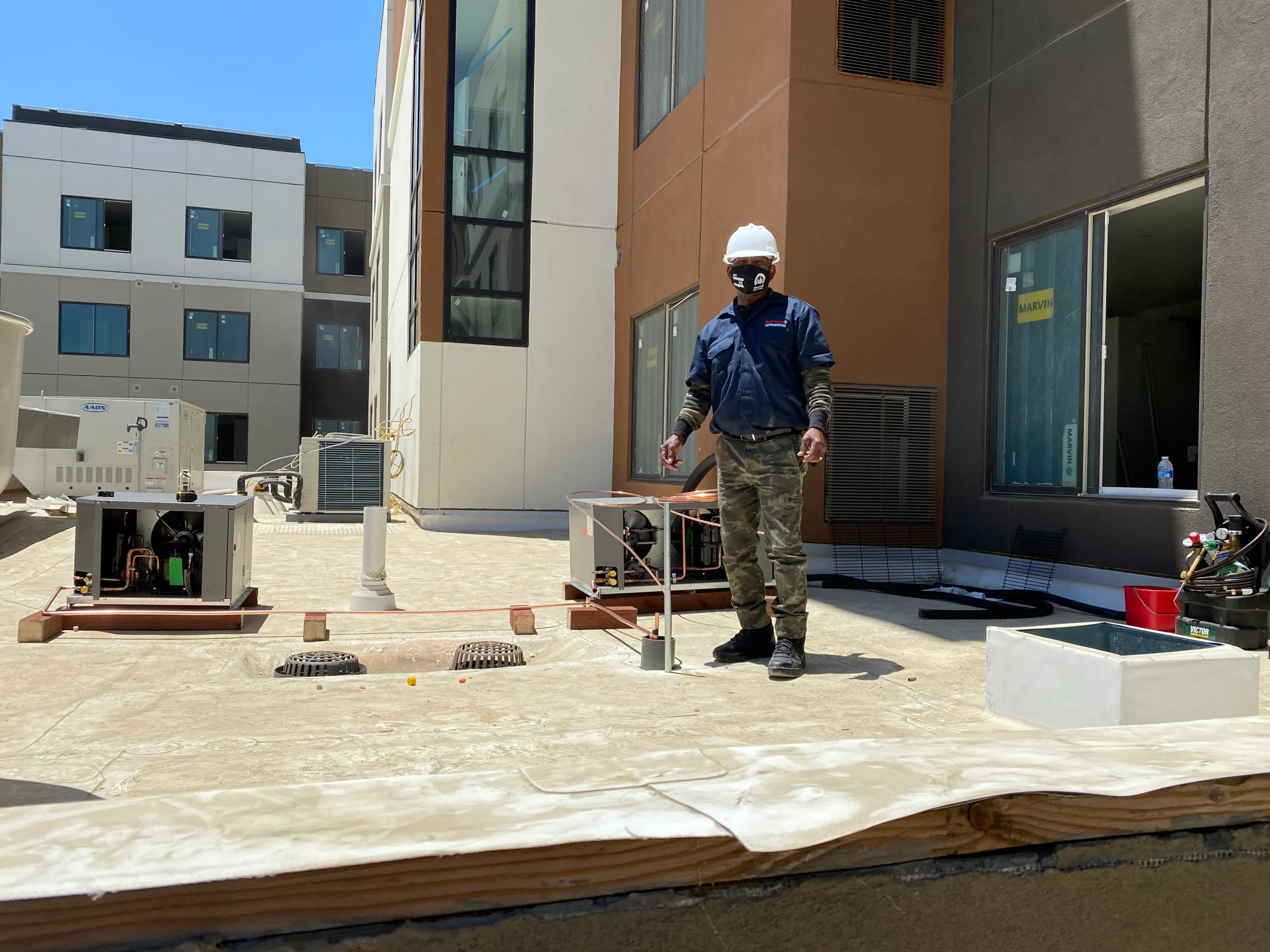
- Per Unit: If you have multiple rooftop units (RTUs), the contractor may charge a flat annual rate per unit (e.g., $300 to $600 per RTU).
- Per Square Foot: Some companies base their quotes on the total square footage of the facility.
- Labor and Materials: The contract might cover a set number of labor hours per year, with parts and materials billed separately.
One-Time Service Visits
If you choose not to sign a contract, you can schedule one-time tune-ups. Expect to pay between $150 and $300 per hour for a commercial technician, plus a standard trip charge. Keep in mind that emergency visits will cost significantly more. If a system goes down during a heatwave, priority commercial HVAC repair services often incur premium rates.
Key Factors Influencing Maintenance Costs
No two commercial buildings are identical, which is why contractors rarely offer one-size-fits-all pricing. Several key variables will dictate the final cost of your maintenance program.
System Size and Complexity
A small retail storefront with a single three-ton air conditioner will cost far less to maintain than a massive manufacturing facility with complex chillers, boilers, and cooling towers. The sheer volume of equipment dictates how many hours the technician must spend on site.
Age and Condition of the Equipment
Older systems require more attention. Components degrade over time, meaning technicians must spend extra time calibrating controls, lubricating dry bearings, and checking for electrical faults. If you have recently utilized commercial HVAC installation services to upgrade your building, your maintenance costs will likely be lower for the first few years.
Accessibility
How easy is it for the technician to reach your equipment? Systems located in cramped utility closets, highly secured areas, or on pitched roofs take longer to service. If the maintenance crew needs specialized lift equipment to access your rooftop units, your costs will increase accordingly.
Specialized Cooling Requirements
Standard office buildings have basic comfort cooling needs. However, certain industries require specialized climate control that demands rigorous upkeep.
- Server Rooms: IT infrastructure generates intense heat and requires precise temperature and humidity controls. Maintaining these units is critical, which is why specialized commercial server room cooling services require meticulous attention.
- Refrigeration: Restaurants, grocery stores, and medical facilities rely heavily on refrigeration. Routine commercial refrigeration maintenance services are entirely separate from standard HVAC care and carry their own pricing structures.
Frequency of Service
How often should your system be checked? The industry standard is usually quarterly or bi-annually. High-demand facilities, such as commercial kitchens or factories with heavy airborne particulate matter, may require monthly filter changes and coil cleanings. More frequent visits naturally result in higher annual costs, but they provide the best defense against unexpected breakdowns.
Industry Standards for Commercial Systems
When you pay for professional maintenance, you expect thorough, methodical service. Reputable contractors adhere to strict industry guidelines, such as those established by the American Society of Heating, Refrigerating and Air-Conditioning Engineers (ASHRAE).
The Standard Maintenance Checklist
A comprehensive commercial maintenance visit should cover dozens of checkpoints. Some of the most critical tasks include:
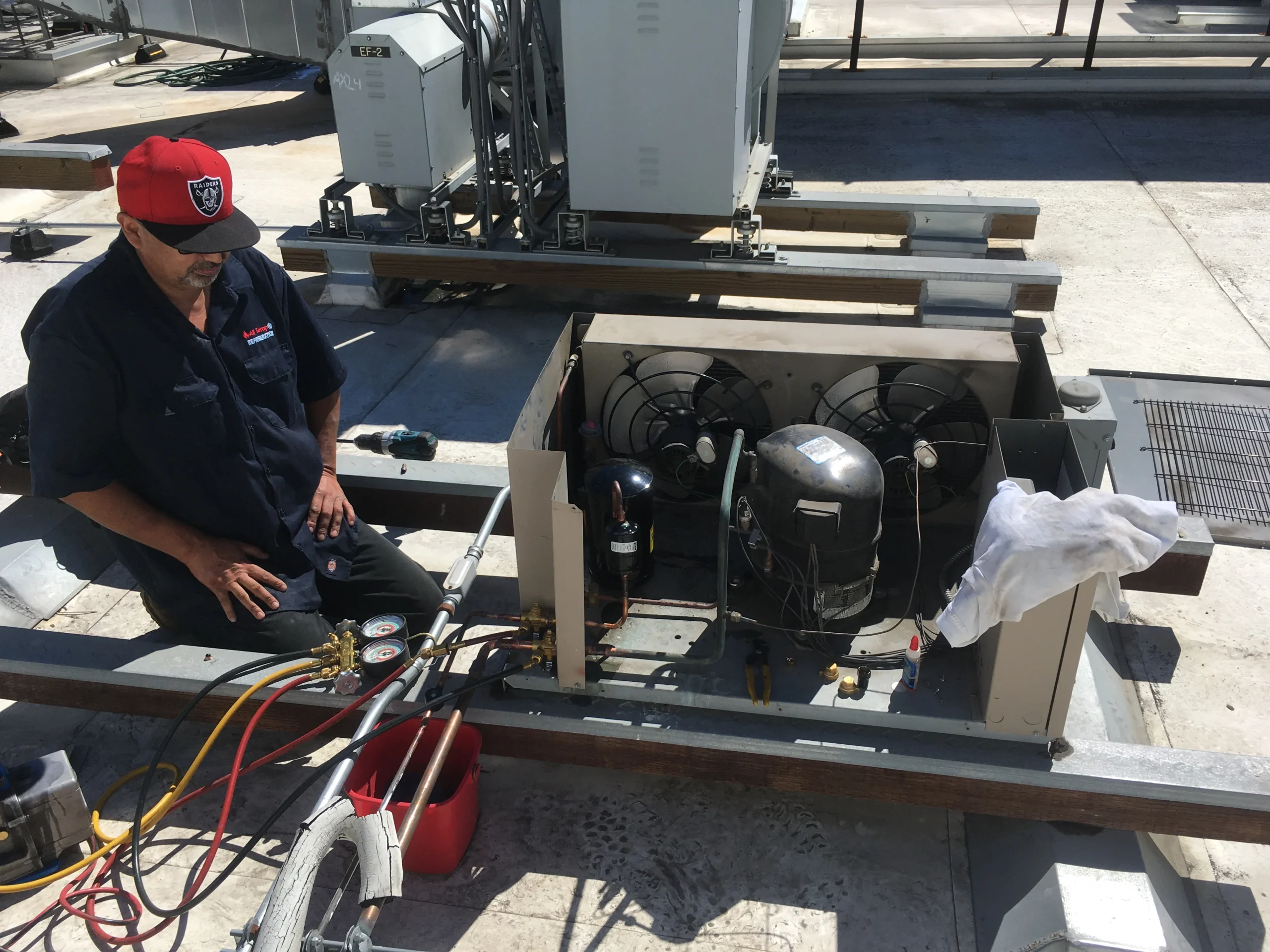
- Inspecting and cleaning coils: Evaporator and condenser coils must remain clean to transfer heat effectively.
- Checking refrigerant levels: Low refrigerant indicates a leak, which forces the compressor to run constantly.
- Lubricating moving parts: Motors and bearings need proper lubrication to prevent friction and wear.
- Testing electrical connections: Loose connections can cause dangerous voltage spikes and electrical fires.
- Calibrating thermostats: Accurate controls ensure the system does not short-cycle or run unnecessarily.
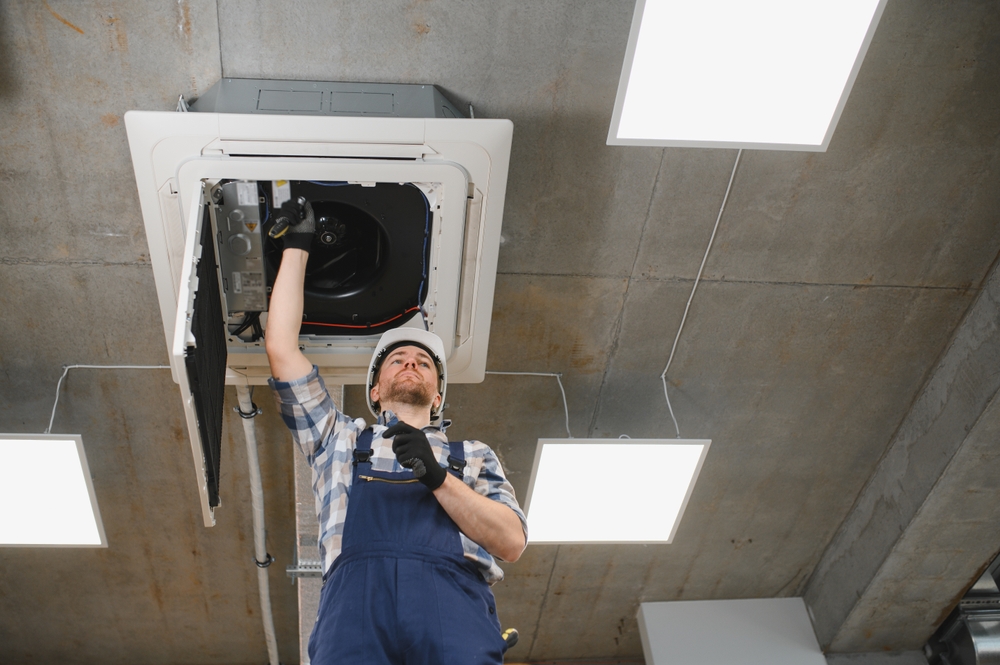
- Checking airflow: Technicians measure the air volume moving through the ducts to ensure proper distribution.
Commercial vs. Residential Maintenance: Understanding the Difference
Business owners sometimes wonder why commercial maintenance costs more than the service they receive at home. The answer lies in the scale and design of the equipment.
Commercial systems are vastly larger and more complex. They often feature modular designs, complicated exhaust and makeup air systems, and sophisticated building management controls. Furthermore, commercial equipment frequently handles cooling and heating simultaneously in different zones of the same building.
While residential HVAC maintenance services are vital for homeowners, a residential technician focuses on a much simpler split system. Commercial technicians undergo years of specialized training to handle heavy-duty applications. Whether you need a simple home tune-up or comprehensive residential HVAC repair services, the residential pricing structure remains much lower due to the smaller scale of the equipment. If you eventually need residential HVAC replacement services or residential HVAC installation services, the logistics are far less complicated than orchestrating a commercial crane lift.
The Cost of Ignoring Maintenance
To truly understand the value of a maintenance budget, you must consider the costs of skipping it. Neglected equipment fails, and commercial repairs are never cheap.
For instance, failing to clean condenser coils causes the compressor to overheat. If the compressor fails, you might need complete commercial condensing unit replacement services. This single repair can cost thousands of dollars and leave your building without air conditioning for days.
The same rule applies to specialized equipment. If a restaurant ignores routine care for its cold storage, a sudden breakdown will necessitate commercial walk-in cooler repair services or immediate commercial emergency refrigeration services. Not only do you pay emergency labor rates, but you also risk losing thousands of dollars in spoiled inventory. Proactive maintenance is always less expensive than reactive repairs.
Managing Facilities with Walk-in Coolers and Refrigeration
Facilities managers dealing with food service, floral shops, or pharmaceuticals have an added layer of responsibility. Walk-in coolers and commercial freezers operate continuously, 24 hours a day, 365 days a year.
When establishing your maintenance budget, these systems must be factored in separately. Due to their continuous operation, the components experience rapid wear. Evaporator fans must be checked for ice buildup, door seals must be inspected for air leaks, and defrost timers require regular calibration. If your facility is expanding, you will also need to budget for commercial walk-in cooler installation services alongside your broader commercial refrigeration services. Bundling your HVAC and refrigeration maintenance with a single capable contractor can often yield volume discounts and streamline your billing.
How to Choose the Right Commercial HVAC Contractor
Your maintenance program is only as good as the technicians performing the work. Selecting the right partner ensures your maintenance budget delivers a solid return on investment.
Look for Proven Experience
Commercial HVAC work requires specialized licensing and deep technical knowledge. Ensure the company you hire has a proven track record specifically in commercial applications, rather than a residential company attempting to scale up. Take the time to read through their reviews to see how they handle communication, punctuality, and emergency situations.
Demand Transparent Pricing
A reputable contractor will provide a detailed proposal outlining exactly what is included in their maintenance contract. They should list the frequency of visits, the specific tasks performed during each visit, and how emergency repairs are billed for contract customers.
Evaluate Their Responsiveness
When a commercial system fails, you need a contractor who responds immediately. The best maintenance providers offer priority scheduling to their contract customers. Learn more about the company’s service guarantees and response times before signing a long-term agreement.
Next Steps for Facilities Managers
Budgeting for commercial HVAC maintenance requires a clear understanding of your building’s unique needs. While the upfront costs of a preventive maintenance contract may seem significant, the long-term savings in energy efficiency, extended equipment life, and avoided breakdowns make it an essential operational expense.
Start by conducting an inventory of your current climate control equipment. Note the age, condition, and location of each unit. Then, reach out to a qualified commercial contractor to request a customized maintenance assessment. By taking a proactive approach, you can ensure your facility remains comfortable, safe, and energy-efficient year-round.
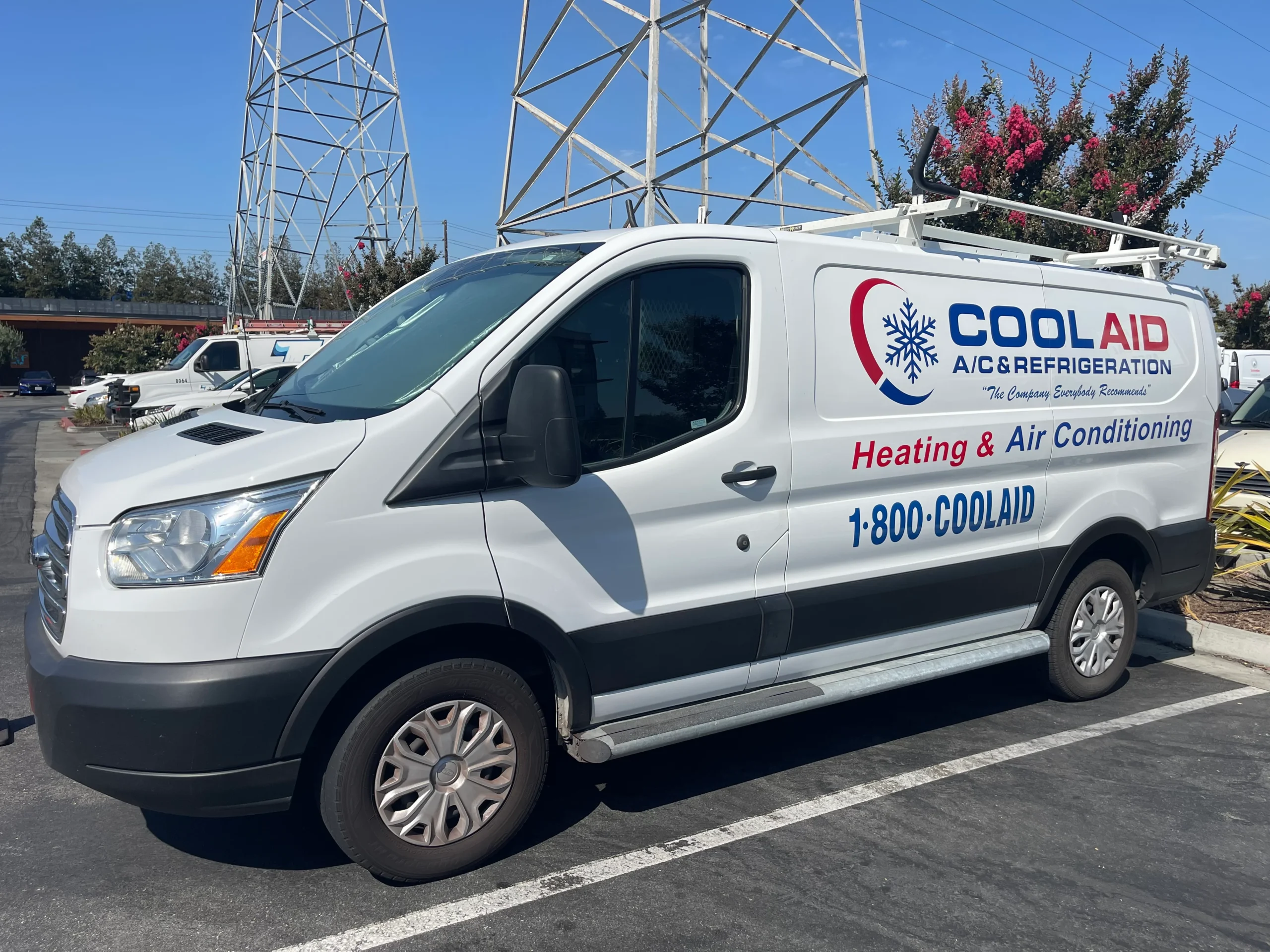
If you are ready to stabilize your climate control costs and protect your equipment, contact our team at Cool Aid today. We can help you develop a maintenance strategy that fits your facility and your bottom line. Check out our blog for more insights, or return to our homepage to explore our full range of solutions.
Stay Comfortable Year-Round With Expert HVAC Service
Book a trusted technician to handle your heating or cooling issue—fast, professional, and done right the first time.
Book Service Now