
Your home’s heating, ventilation, and air conditioning (HVAC) system works quietly in the background, keeping you comfortable throughout the year. But one of its most important components is also one of the easiest to overlook: the air filter. This simple part plays a massive role in your system’s health and your home’s air quality. For Bay Area homeowners, understanding HVAC filters is key to an efficient system and a healthier living space.
This guide will walk you through everything you need to know. We’ll cover why filters are so critical, the different types available, and how often you should be changing them. With this knowledge, you can protect your HVAC investment, improve your indoor air quality, and even lower your energy bills.
Why HVAC Filters Are Critical for Your Home
An HVAC filter may seem like a minor detail, but it serves two vital functions that protect both your equipment and your family. Forgetting to replace it can lead to expensive repairs and a less healthy home environment.
First and foremost, the filter protects the sensitive internal components of your HVAC system. As your system pulls in air to be heated or cooled, it also pulls in dust, pet dander, pollen, and other airborne debris. Without a filter, this debris would build up directly on crucial parts like the evaporator coils and blower motor fan. This accumulation forces the system to work much harder to move air, leading to increased wear and tear, higher energy consumption, and eventual component failure. A clean filter is the first line of defense in any solid HVAC maintenance plan in the Bay Area.
Second, the filter directly impacts your home’s indoor air quality. The air inside your home can be significantly more polluted than the air outside, containing a mix of dust, allergens, and other particulates. A quality HVAC filter traps a large portion of these contaminants as air circulates through the system. This is especially important for households with allergy sufferers, asthma, or other respiratory conditions. A clean, effective filter means cleaner air for you and your family to breathe every day.
Types of HVAC Filters and Their Benefits
Not all filters are created equal. They vary in material, design, and filtering capability, which is measured by the MERV (Minimum Efficiency Reporting Value) rating. A higher MERV rating indicates a filter can capture smaller particles. Choosing the right one for your Bay Area home depends on your budget, air quality needs, and HVAC system’s capabilities.
Fiberglass Filters: Affordable Basic Protection
These are the most common and inexpensive disposable filters. They consist of a simple mesh of spun fiberglass and are designed primarily to protect your HVAC system from large particles like dust, lint, and debris. With a low MERV rating (typically 1-4), they do very little to improve indoor air quality. They are a good choice if your main priority is protecting your equipment on a tight budget, but they won’t help much with allergens.
Pleated Filters: Improved Particle Capture
Pleated filters are a significant step up from fiberglass. Made from paper or polyester, their pleated design creates a larger surface area, allowing them to capture more particles without impeding airflow too much. With MERV ratings typically ranging from 5 to 13, they can trap smaller particles like pet dander, mold spores, and pollen. They are an excellent middle-ground option, offering a good balance between cost, system protection, and improved indoor air quality.
HEPA Filters: Maximum Air Quality for Allergies
High-Efficiency Particulate Air (HEPA) filters offer the highest level of residential filtration, capturing 99.97% of airborne particles as small as 0.3 microns. These are the best choice for households where air quality is a top priority, such as those with severe allergies, asthma, or compromised immune systems. However, their dense material can significantly restrict airflow. Most residential HVAC systems are not designed to handle this resistance, so a HEPA filter cannot be used without professional system modification. If you need this level of filtration, it’s essential to consult with an HVAC professional.
Washable and Reusable Filters: Cost-Effective Option
As the name suggests, these filters can be washed and reused, making them an eco-friendly and potentially cost-effective option over the long term. They typically have a metal or durable plastic frame and a filter medium that can be hosed down. While convenient, they require diligent maintenance to prevent mold and bacteria growth. Their MERV ratings are generally low, comparable to basic pleated filters, and their filtering ability can degrade over time.
How Often Should You Change Your HVAC Filter?
There is no single answer to this question, as the ideal replacement frequency depends on several factors specific to your home and lifestyle. Neglecting this simple task is one of the most common reasons for HVAC service calls in the Bay Area.
Standard Recommendations for Residential Systems
As a general rule of thumb, it’s wise to follow these guidelines:
- Basic Fiberglass Filters: Replace every 30 days.
- Standard Pleated Filters (1-3 inches thick): Replace every 60-90 days.
- High-Efficiency Pleated Filters (4-5 inches thick): Replace every 6-12 months.
However, these are just starting points. Your specific circumstances will determine if you need to change your filter more frequently.
Factors That Affect Replacement Frequency
Several conditions can cause your filter to clog more quickly, requiring more frequent changes.
- Pets: Homes with cats or dogs have more pet dander and hair circulating in the air. If you have furry friends, you should inspect your filter monthly and plan to replace it more often, likely every 30-60 days.
- Allergies or Asthma: If anyone in your household suffers from respiratory issues, changing the filter more frequently (every 30-45 days) can help maintain better indoor air quality and reduce allergy triggers.
- High Dust or Construction: Living near a construction site, on a dirt road, or simply in a dusty area means your filter has more work to do. Check it every few weeks.
- Smokers in the Household: Tobacco smoke contains particles that will quickly clog a filter. Homes with smokers should change filters at least every 30-60 days.
- System Usage: During periods of heavy use, like hot Bay Area summers or chilly winters, your system runs more often, pulling more air and particles through the filter. During these peak seasons, check your filter more frequently.
Signs You Need a New Filter
Your HVAC system and home will give you clear signals when a filter is overdue for a change. Look out for a visible layer of dust and dirt on the filter surface. If you hold it up to a light and can’t see through it, it’s definitely time for a new one. You might also notice more dust accumulating on furniture, reduced airflow coming from your vents, or the system running for longer cycles than usual.
DIY Filter Maintenance Tips for Bay Area Homeowners
Maintaining your HVAC filter is one of the easiest and most impactful DIY tasks you can do for your home. Following a few simple steps will ensure you do it correctly and get the most out of your system.
Inspect Filters Monthly
Make it a habit to visually inspect your filter at the beginning of each month. This takes less than a minute and is the best way to understand how quickly it gets dirty in your specific environment. This simple check will help you create a replacement schedule that is tailored to your home, rather than relying on generic guidelines.
Proper Installation Tips
When you replace the filter, proper installation is key. First, make sure you have the correct size. The filter’s dimensions are printed on its frame. An ill-fitting filter allows air and debris to bypass it, defeating its purpose. Second, pay attention to the airflow direction. There is an arrow on the filter’s frame indicating which way the air should flow. This arrow should always point toward the HVAC unit and away from the return air duct.
Avoid Common Mistakes That Reduce Efficiency
One common mistake is buying a filter with a MERV rating that is too high for your system. As mentioned, an overly restrictive filter can strain your HVAC unit’s fan motor, reduce efficiency, and even cause damage. Stick to the manufacturer’s recommended MERV range. Another mistake is not being consistent. Setting a recurring monthly reminder on your phone or calendar is a great way to stay on track with inspections and replacements.
Why Professional HVAC Checks Are Important
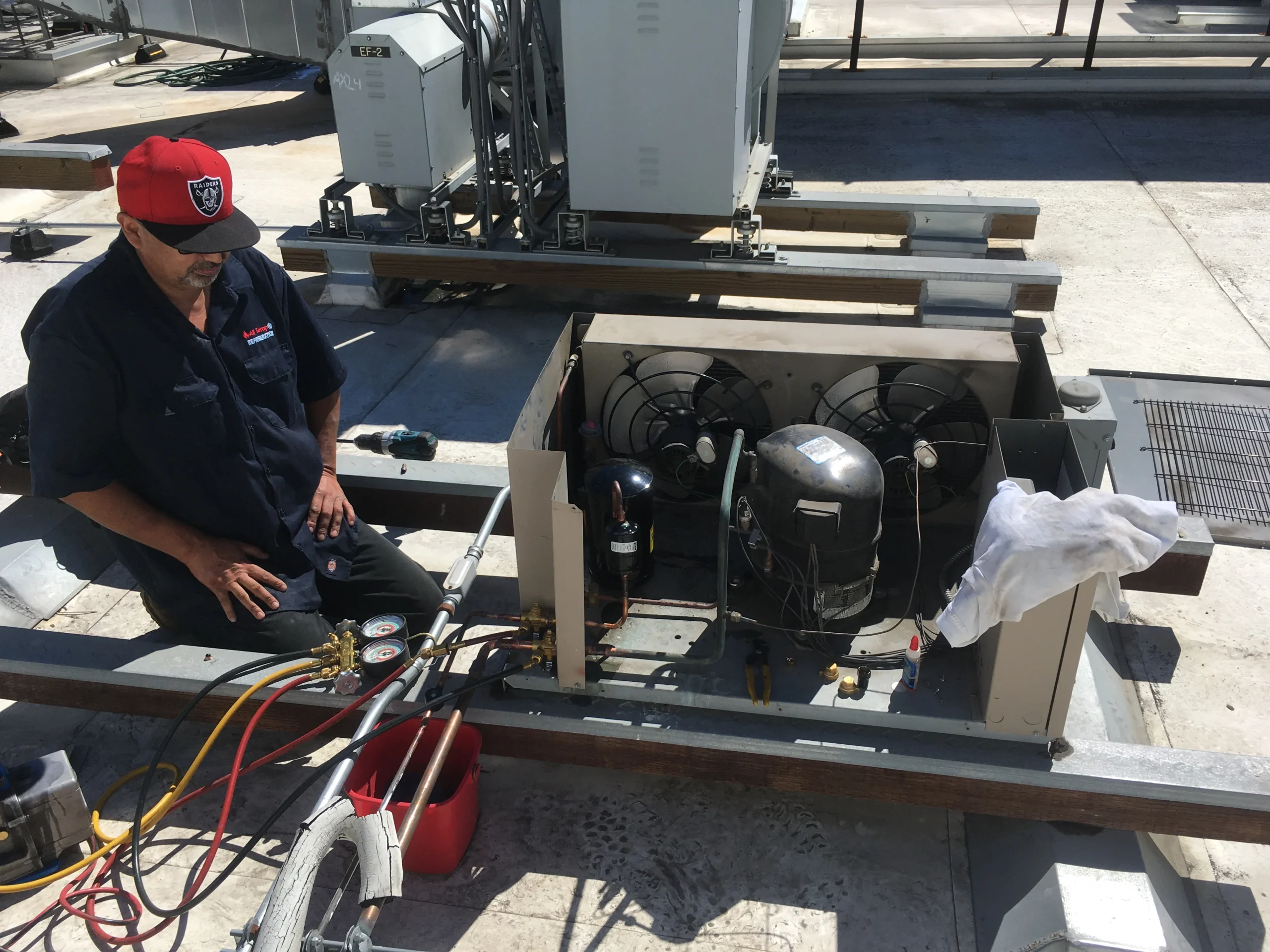
While changing the filter is a straightforward DIY task, it doesn’t replace the need for regular professional HVAC maintenance. A trained technician can address issues that go far beyond the filter, ensuring the long-term health and efficiency of your entire system.
Ensures Proper Filter Fit and System Efficiency
During a professional tune-up, a technician can confirm that you are using the correct type and size of filter for your specific system. They will also inspect the filter housing to ensure there are no gaps or leaks that would allow air to bypass the filter, ensuring maximum efficiency.
Detects Issues Beyond the Filter
A dirty filter can sometimes be a symptom of a larger problem, such as leaky ductwork pulling in dusty air from an attic or crawlspace. A professional technician can inspect your entire system, including the ductwork, coils, and blower motor, to identify and address underlying issues that a simple filter change won’t fix.
Prevents Long-Term Damage to HVAC Systems
By catching and addressing minor issues early, professional maintenance prevents them from escalating into major, costly repairs. A technician can clean components, lubricate moving parts, and check electrical connections, all of which contribute to the longevity and reliability of your HVAC system. This comprehensive check-up protects your investment and ensures it runs safely and efficiently for years to come.
Trust Cool Aid for HVAC Filter Guidance in the Bay Area
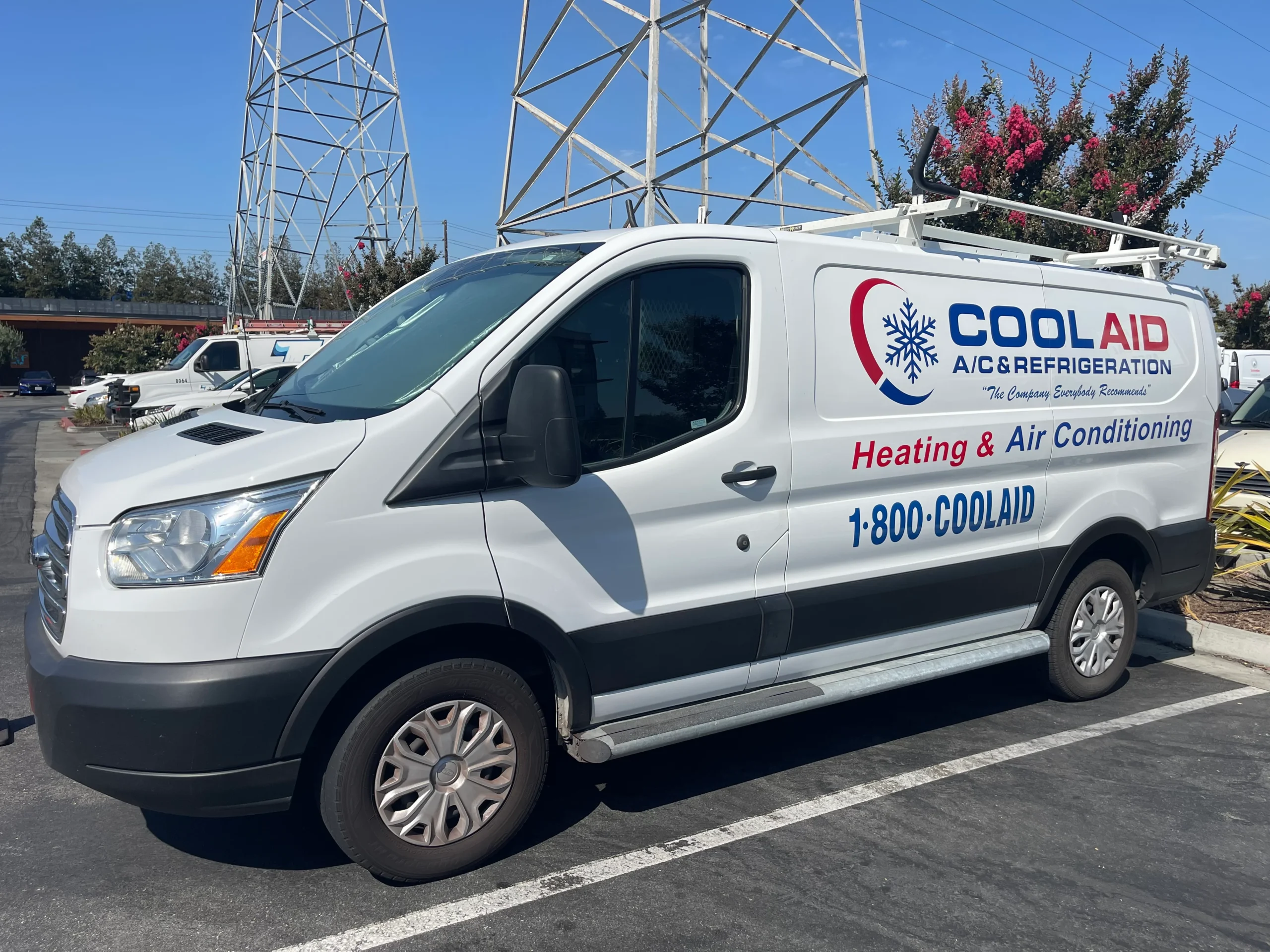
Navigating the world of HVAC maintenance can be confusing, but you don’t have to do it alone. At Cool Aid, we are committed to helping Bay Area homeowners keep their systems running perfectly.
Licensed and Experienced Technicians
Our team is composed of licensed, insured, and experienced professionals who understand the ins and outs of every type of HVAC system. We provide honest, expert advice to help you make informed decisions.
Recommendations Tailored to Your Home
We don’t believe in one-size-fits-all solutions. Our technicians will take the time to understand your specific needs, considering factors like your home’s layout, your family’s health concerns, and your budget, to recommend the best filter and maintenance plan for you.
Ongoing Support for Maintenance and Replacements
From providing guidance on the right filter to performing comprehensive annual tune-ups, we are your partners in home comfort. We stand behind our work and are dedicated to providing reliable, ongoing support for all your HVAC maintenance and repair needs.
Schedule Your HVAC Filter Check Today
A clean filter is the foundation of a healthy and efficient HVAC system. If you’re unsure which filter is right for your home or it’s been a while since your system had a professional check-up, the team at Cool Aid is here to help.
Take the first step toward cleaner air and a more reliable HVAC system. Call us today at 1-800-266-5243 or request service online to schedule a consultation with one of our friendly Bay Area experts.
Stay Comfortable Year-Round With Expert HVAC Service
Book a trusted technician to handle your heating or cooling issue—fast, professional, and done right the first time.
Book Service Now