
Most HVAC systems don’t fail out of nowhere. They wear down quietly. A capacitor weakens, airflow drops, electrical connections loosen. The system keeps running, so nothing feels urgent — until it suddenly is.
The real question isn’t whether your HVAC system needs attention. It’s how often it needs to be checked so small issues don’t turn into breakdowns, safety problems, or expensive repairs. The right inspection schedule depends on your system type, its age, and how it’s actually being used — not a generic rule of thumb.
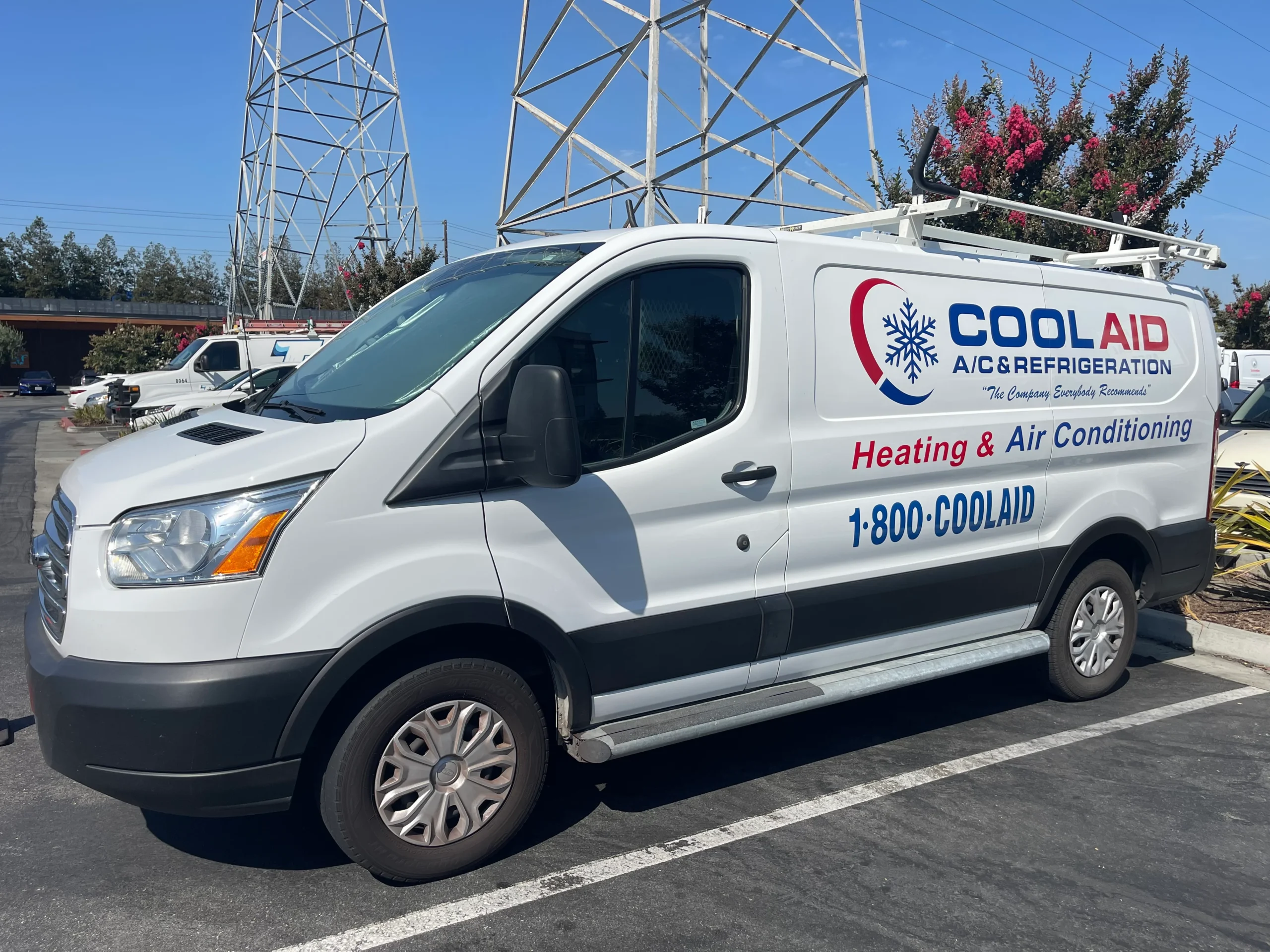
At Cool Aid A/C & Refrigeration, we see the difference inspections make every day. Systems that are checked on the right schedule last longer, cost less to operate, and fail far less often. Systems that aren’t usually give plenty of warning — it just goes unnoticed.
Knowing how often your HVAC system should be inspected helps you stay ahead of problems instead of reacting to them. That’s how you protect both comfort and budget.
Why HVAC Inspection Frequency Actually Matters
There is a misconception that inspections are just a way for companies to find things to charge you for. In reality, a proper inspection is about catching small, cheap problems before they turn into large, expensive catastrophes.
The difference between “still running” and “running correctly”
Just because your air conditioner turns on and blows cold air doesn’t mean it’s healthy. A system can run for months with a failing capacitor, a slow refrigerant leak, or a dirty coil. It will “work,” but it will work harder than it was designed to. This stress causes it to overheat, draw more electricity, and wear out components prematurely. An inspection tells you if the system is running within manufacturer specifications, not just if it’s running.
How skipped inspections turn small issues into major repairs
Think of a contactor—a small electrical switch inside your outdoor unit. Over time, the metal contacts get pitted and worn. Replacing a contactor during an inspection is a quick, inexpensive repair. If you skip the inspection, that contactor will eventually weld itself shut or fail to engage. This can cause the compressor to run continuously until it burns out, turning a $200 repair into a $3,000 replacement. Frequency matters because these parts wear out on a timeline. Catching them at the right moment saves the system.
The Standard HVAC Inspection Schedule Most Homes Need
For the vast majority of residential systems, there is a standard cadence that balances safety, efficiency, and cost.
Why once a year isn’t always enough
The industry standard is usually “once a year,” but that’s often too broad. Your heating system and your cooling system are distinct, even if they share some components like the blower fan and ductwork. Checking the AC in January won’t tell you if it’s ready for July, and checking a furnace in July won’t tell you if it’s safe for December.
Heating vs cooling inspections — what changes season to season
Ideally, a home with both a furnace and central air should have two inspections per year:
- Spring (AC Tune-Up): Before the first heat wave hits. We focus on refrigerant levels, the condenser coil, the capacitor, and the condensate drain.
- Fall (Furnace Tune-Up): Before the winter chill sets in. We focus on the heat exchanger (checking for cracks), the burner assembly, the gas valve, and carbon monoxide safety.
If you only have a furnace and no AC, once a year in the fall is sufficient. If you only have AC, once a year in spring is the target.
How Climate and Location Change HVAC Inspection Frequency
The Bay Area isn’t like the rest of the country. We don’t have sub-zero blizzards or 100% humidity, but we have unique environmental stressors that impact how often you should check your equipment.
Coastal air, inland heat, and microclimates
If you live in Pacifica, Half Moon Bay, or parts of San Francisco, your system is battling salt air. Salt is incredibly corrosive to the aluminum fins on your outdoor unit. Systems in these areas degrade faster and need more frequent visual checks for corrosion. If you catch corrosion early, you can sometimes slow it down. If you miss it, the coil rots out.
Conversely, if you are in San Jose, Walnut Creek, or Concord, your system deals with high heat loads and dry dust. The intense summer usage puts more strain on the compressor and electrical components, making that annual spring check-up non-negotiable.
Why Bay Area systems age differently than national averages
Our “mild” weather can actually be deceptive. Because we often have cool mornings and warm afternoons, our systems cycle on and off frequently. This “short cycling” puts more stress on start components like capacitors and motors than a system that runs for long, steady periods. This usage pattern means local systems need their start-assist components checked regularly to prevent failure.
HVAC Inspection Needs Based on System Type
The technology in your home dictates the maintenance schedule. A modern, computerized heat pump has different needs than a 30-year-old gas furnace.
Central air systems and traditional furnaces
These are the workhorses of the Bay Area. They are generally robust but mechanical. The focus here is on moving parts: belts (if applicable), motors, and bearings. Because they burn fuel (gas), the furnace side requires rigorous safety inspections annually to prevent carbon monoxide leaks.
Heat pumps and dual-fuel systems
Heat pumps work year-round, providing both heating and cooling. Because they don’t get a season off like a dedicated AC or furnace, they rack up run hours twice as fast. A heat pump absolutely requires two inspections a year—one to check heating operation (defrost cycles, reversing valves) and one to check cooling operation. Neglecting a heat pump is risky because if it fails, you lose both your heat and your cool air.
Ductless mini-splits and inverter-driven equipment
These systems are highly efficient and quiet, but they are also sensitive. They have washable filters that need checking more often—sometimes monthly by the homeowner. Professionally, the internal blower wheels in ductless heads can get impacted with mold and dust quickly, reducing airflow. These systems benefit from a deep cleaning inspection annually to keep them efficient.
How System Age Affects How Often Inspections Are Needed
Just like a car, an older HVAC system needs more attention than a brand-new one.
New systems vs systems over 10 years old
For a system under 5 years old, inspections are primarily about maintaining the manufacturer’s warranty. Most warranties require proof of annual maintenance. Without it, if a part fails, the manufacturer can deny the claim.
When annual inspections stop being enough
Once a system passes the 10-12 year mark, it enters the “senior” phase. Bearings are drier, electrical connections are looser, and motors are weaker. At this stage, skipping a year is gambling. We often recommend being very diligent with the semi-annual schedule for older units because they have zero tolerance for dirty filters or weak capacitors. A small issue that a new unit might shrug off will kill an old compressor.
What Technicians Actually Look for During an HVAC Inspection
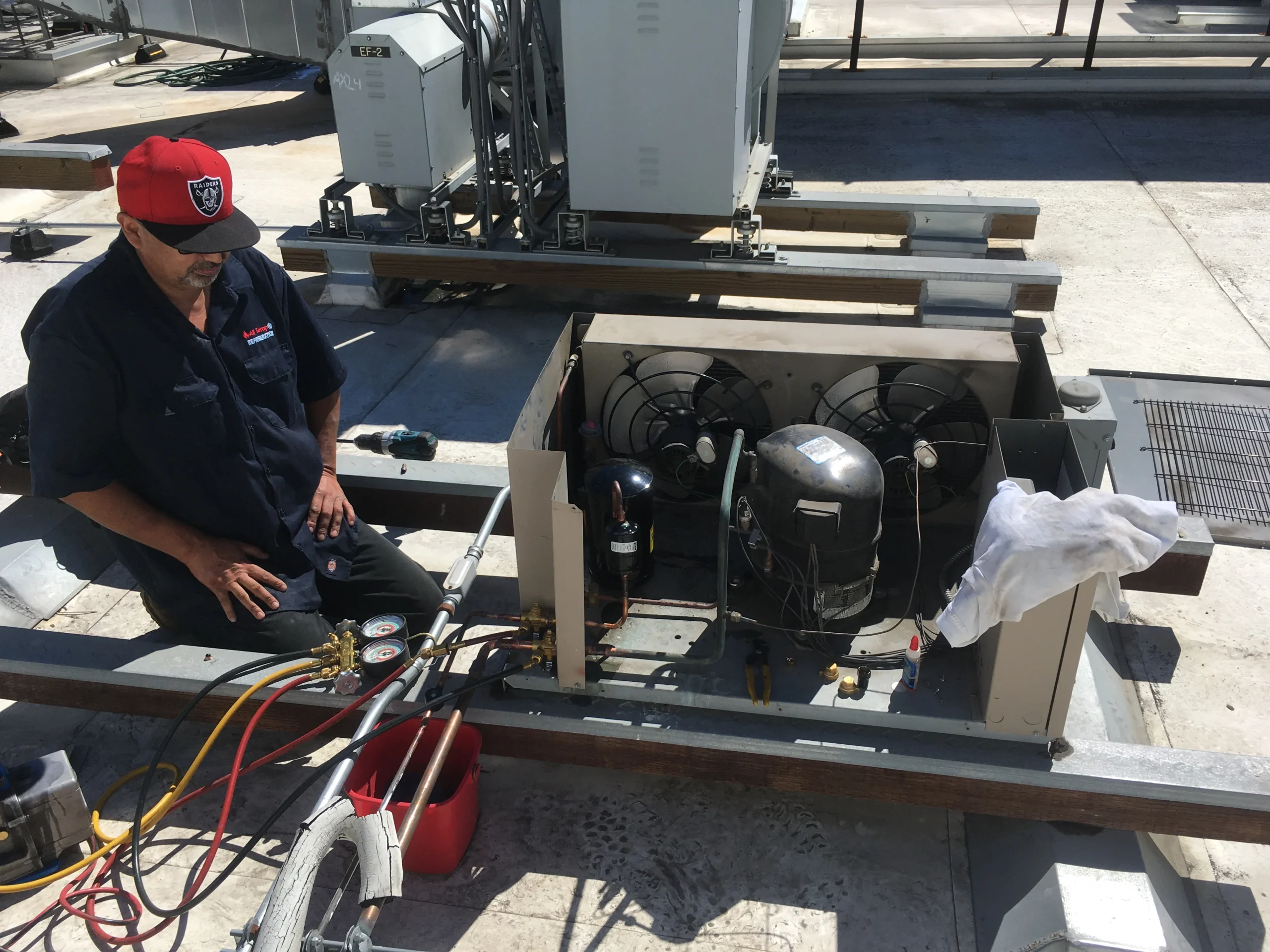
A real inspection isn’t just kicking the tires. It involves meters, gauges, and physical disassembly. Here is what a professional technician is actually doing.
Electrical components that fail quietly
We test capacitors under load. A capacitor is rated for a certain microfarad level. If it drops below a certain threshold, it’s “weak.” It still works, but it’s stressing the motor. We replace it before it fails. We also check amperage draws on motors to see if they are working too hard, which usually indicates friction or airflow issues.
Airflow, pressure, and early refrigerant warning signs
We measure static pressure—the resistance the air faces moving through your ducts. High static pressure kills blower motors. We also check “superheat” and “subcooling”—technical measurements of the refrigerant cycle. These tell us if the charge is correct. A slight drop in pressure might indicate a tiny leak that we can find and fix now, rather than waiting for the system to stop cooling entirely.
Safety controls homeowners never see
Your furnace has a high-limit switch, a flame sensor, and a pressure switch. These are designed to shut the unit down if something goes dangerous. We test these safety controls to make sure they will actually work if they are needed. A stuck safety switch is a major hazard.
Signs Your HVAC System Needs Inspection Sooner Than Scheduled
Sometimes your system tells you it can’t wait for the next scheduled visit. You need to listen to these signals.
Rising energy bills without comfort improvement
If your PG&E bill jumps 20% compared to last year but the weather is the same and you haven’t changed your usage, your HVAC system is likely the culprit. It is running longer cycles to do the same amount of work. This efficiency drop is a classic sign of a dirty coil or a failing component.
Short cycling, weak airflow, or temperature swings
If the unit turns on for five minutes and shuts off, then turns on again five minutes later, that is “short cycling.” It’s terrible for the equipment. Weak airflow from the vents often points to a blower issue or a frozen coil. These aren’t quirks; they are cries for help.
Noises, odors, or moisture around equipment
New noises are never good. Grinding, squealing, or buzzing usually means a mechanical part is dying. Odors—especially burning smells or musty smells—indicate electrical overheating or mold growth. And any water pooling around your furnace or indoor unit is an immediate red flag for a blocked drain or a frozen coil.
HVAC Inspections vs Repairs — Why Timing Saves Money
There is a massive cost difference between a proactive inspection and a reactive emergency repair.
The cost difference between inspections and emergency repairs
A scheduled maintenance visit typically has a flat, lower fee. An emergency repair call—especially on a weekend or during a heat wave—carries higher diagnostic fees. Plus, during an emergency, you are paying for the immediate fix, which often involves expedited shipping for parts or overtime labor.
Why inspections reduce repeat service calls
When we inspect a system, we look at the whole system. If we come out for a repair, we are focused on fixing the specific thing that broke. Proactive inspections allow us to verify that the drain is clear, the wires are tight, and the motor is oiled, preventing three separate future service calls.
What Happens When HVAC Inspections Are Skipped Too Long
We see the results of neglect every week. It’s rarely pretty, and it’s almost always expensive.
Compressor stress and motor wear
The compressor is the most expensive part of your AC. It relies on cool refrigerant returning from the house to keep it from overheating. If you skip inspections and the airflow drops (due to a dirty filter or blower), the compressor runs hot. Do this for a few seasons, and the compressor seizes. Replacement cost? Thousands of dollars.
Electrical failures that show up during heat waves
Loose electrical connections create heat. Over time, this heat melts wires and burns terminals. This damage accumulates silently until the hottest day of the year when the system is running non-stop. That extra load pushes the melted wire over the edge, and the system dies exactly when you need it most.
Warranty risks and denied coverage
We mentioned this earlier, but it bears repeating: Your warranty is a contract. The manufacturer agrees to cover parts if you maintain the equipment. If a compressor fails in year four and you can’t prove maintenance was done, they can—and often do—void the warranty. You are left paying for a part they should have covered.
DIY Checks vs Professional HVAC Inspections
We love engaged homeowners. There are things you should absolutely do yourself, but there is a hard line where professional tools are required.
What homeowners can safely check
- Filters: Change them every 1-3 months. This is the #1 thing you can do.
- Vents: Make sure supply and return vents aren’t blocked by furniture or rugs.
- Outdoor Unit: Keep the area around your AC clear. Trim back bushes and remove leaves or debris that pile up against the fins.
- Thermostat: Check the batteries and ensure settings are correct.
What requires tools, meters, and training
- Refrigerant Levels: You cannot check this without gauges, and it is illegal to handle refrigerant without an EPA license.
- Electrical Testing: Measuring voltage and amperage on live circuits is dangerous.
- Internal Cleaning: Cleaning the blower wheel or evaporator coil requires disassembling the unit.
- Combustion Analysis: Checking a gas furnace for safe burning requires a specialized combustion analyzer tool.
How Often Cool Aid Recommends HVAC Inspections
We keep it simple for our Bay Area neighbors.
Typical Bay Area inspection schedules
For most homes, we recommend the standard bi-annual schedule:
- Spring tune-up for cooling.
- Fall tune-up for heating.
This covers your bases, keeps your warranty valid, and ensures safety.
When semi-annual inspections make sense
If you have a commercial property, a server room, or a home with vulnerable residents (elderly or infants) where reliability is critical, we might recommend quarterly inspections to change filters and verify operation. For heat pumps, semi-annual is the minimum requirement due to their year-round workload.
When an HVAC Inspection Turns Into a Bigger Decision
Sometimes, an inspection reveals that the system is past the point of reasonable repair.
Identifying systems nearing end of life
If we come out for an inspection and find a cracked heat exchanger in a 20-year-old furnace, or a grounded compressor in an R-22 (freon) AC unit, we will be honest with you. At that point, putting money into maintenance is a waste. Inspections give you the data to know when to stop spending on repairs.
Planning replacements before emergencies
The best time to buy a new HVAC system is when your old one is still running but failing. An inspection gives you that heads-up. It allows you to plan, budget, and schedule a replacement on your terms, rather than in a panic when the system dies on Christmas Eve.
Getting HVAC Inspections That Actually Protect Your System
There are “check-ups” and then there are inspections. A guy with a flashlight looking at your unit for five minutes isn’t saving you money; he’s just delaying the inevitable.
What separates a real inspection from a quick walkthrough
A real inspection produces a report. It involves numbers—temperatures, pressures, amps. It involves taking panels off. If your technician isn’t getting their hands dirty, they aren’t inspecting your system.
Why consistent maintenance beats reactive repairs
HVAC systems are machines. Machines wear out. But managed wear is predictable and affordable. Unmanaged wear is chaotic and expensive.
At Cool Aid A/C & Refrigeration, we perform thorough, data-driven inspections designed to extend the life of your system. We don’t look for problems that aren’t there, but we won’t hide the ones that are. If you aren’t sure when your system was last checked, it’s time. Give us a call, and let’s make sure your home stays comfortable without any expensive surprises.
Stay Comfortable Year-Round With Expert HVAC Service
Book a trusted technician to handle your heating or cooling issue—fast, professional, and done right the first time.
Book Service Now