Replacing your heating, ventilation, and air conditioning system is a major upgrade for your home. Naturally, you want to know exactly what to expect when the installation crew arrives. A common concern for homeowners is how long the process will take. Going without heating or cooling for any period can be uncomfortable, so understanding the timeline helps you plan your day, make arrangements for pets or children, and set realistic expectations.
In this guide, we break down the typical timelines for replacing central air conditioners, furnaces, and full HVAC systems. We also explore the critical factors that influence how long the job takes, from the condition of your existing ductwork to the location of your equipment.
The Short Answer: Average HVAC Installation Timelines
Every home is unique, and every installation presents its own set of challenges. However, professional technicians generally follow predictable schedules for standard replacements. Here is a baseline look at what you can expect for various types of equipment.
Central Air Conditioner Replacement
If you are only replacing your central air conditioning unit and the indoor evaporator coil, the process is relatively straightforward. A standard air conditioner replacement typically takes between four and eight hours. This assumes that your existing ductwork is in good condition, the electrical connections are up to code, and the new unit is compatible with your current setup. Most crews will arrive in the morning and have your home cooling again by the late afternoon.
Furnace Replacement
Replacing a gas or electric furnace follows a similar timeline to an air conditioner. A standalone furnace replacement usually takes between four and eight hours. Gas furnaces sometimes require slightly more time if technicians need to modify the gas lines, update the venting system to meet current safety codes, or alter the return air plenum to accommodate a differently sized unit.
Full HVAC System Replacement (AC and Furnace)
Many homeowners choose to replace both their air conditioner and furnace at the same time. This is often the most cost-effective and efficient route, as matched systems perform better and last longer. A full system replacement generally takes one to two full days. If the job requires two days, the technicians will usually ensure that you have either heating or cooling at the end of the first day, depending on the season, so you remain comfortable overnight. For comprehensive upgrades like this, relying on professional residential HVAC replacement services ensures the job stays on schedule.
Ductless Mini-Split Installation
Ductless systems offer fantastic flexibility and efficiency. The installation time for a mini-split depends entirely on the number of indoor air handling units you need. A single-zone system (one outdoor unit connected to one indoor unit) takes roughly four to six hours. For a multi-zone system with three or four indoor units, the installation will likely span one to two days.
What Happens on HVAC Installation Day?
Understanding the step-by-step process helps clarify why an installation takes as long as it does. Professional technicians do not just drop off a new unit and plug it in; they meticulously dismantle the old system and carefully integrate the new one into your home’s infrastructure.
Arrival and Setup
The day begins with the lead technician arriving at your home and reviewing the job parameters. They will walk through the workspace with you, confirm the equipment being installed, and lay down drop cloths to protect your flooring. This initial phase sets the stage for a clean, organized, and safe work environment.
Removing the Old Equipment
Before anything new can be installed, the old system must go. Technicians safely disconnect the electrical wiring and gas lines. For air conditioners, they must legally and safely recover the old refrigerant using specialized equipment before removing the compressor and coils. Dismantling and hauling away heavy, bulky furnaces and air conditioners can take one to two hours.
Modifying Infrastructure
Rarely does a new system fit perfectly into the exact footprint of an old one. Modern units are often larger due to advanced efficiency coils and blowers. Technicians spend significant time modifying the sheet metal plenums to ensure a perfect, airtight fit with your existing ductwork. They may also need to run new PVC venting for high-efficiency furnaces or upgrade the electrical disconnect boxes.
Installing the New Units
Once the area is prepped, the crew moves the new equipment into place. They secure the indoor unit, attach it to the ductwork, and connect the gas, electrical, and drainage lines. Outside, they set the new condenser on a leveled pad, braze the copper refrigerant lines to connect the indoor and outdoor units, and wire the system to your home’s electrical panel.
Testing and Commissioning
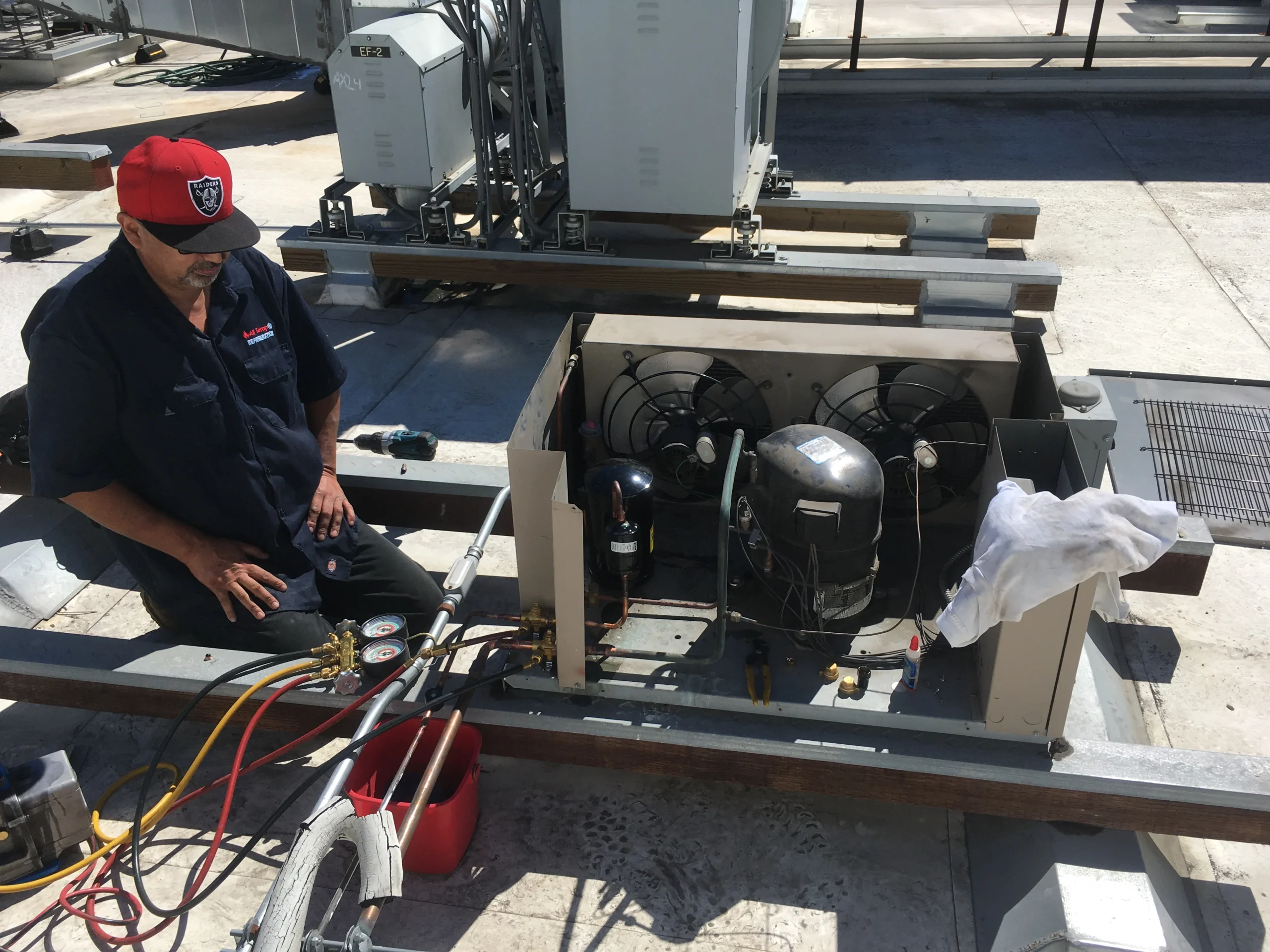
The most critical part of the installation happens after the physical units are in place. Technicians do not just turn the system on and leave. They pull a deep vacuum on the refrigerant lines to remove any moisture and non-condensables. Then, they release the refrigerant and measure the operating pressures and temperatures. They test the gas pressure for furnaces, check the electrical draw of the motors, and measure the airflow from your vents. This rigorous testing phase can take over an hour but guarantees your system operates safely and at peak efficiency.
Clean-up and Walkthrough
A professional crew treats your home with respect. Once the system is running perfectly, they clean up all debris, sweep the work area, and haul away the old equipment. Finally, the lead technician will walk you through the new system, explain how to operate your new thermostat, and discuss maintenance requirements.
7 Key Factors That Influence HVAC Installation Time
While the baseline estimates give you a general idea, several variables can either speed up or slow down your installation day.
1. The Size of Your Home
Larger homes often require larger, more complex systems. If you live in a sprawling multi-story house, you might have two separate HVAC systems or a complex zoning system with multiple thermostats and electronic dampers. Installing a zoned system or dual units naturally doubles the required labor time.
2. Location and Accessibility of the Units
Where your equipment lives drastically impacts the timeline. A furnace located in an unfinished basement with a wide staircase is easy to access and swap out. Conversely, if your air handler is tucked away in a cramped, dark attic or a tight crawlspace, the technicians will move much slower. Moving a 200-pound air handler up a pull-down attic ladder requires careful maneuvering and significantly extends the installation time.
3. Condition of Existing Ductwork
Your new HVAC system is only as good as the ductwork it connects to. If your existing ducts are severely leaky, collapsed, or improperly sized for the new equipment, the technicians must repair or replace sections of the ductwork. Poor ductwork restricts airflow and ruins the efficiency of your new system. Minor duct repairs might add a few hours to the job, while extensive ductwork replacement can add an entire day or two to the project.
4. Type of System Being Installed
Upgrading from a standard 80% efficiency furnace to a 96% high-efficiency condensing furnace requires additional labor. High-efficiency models produce acidic condensation that must be safely drained away. They also draw combustion air directly from outside, requiring technicians to drill through your exterior walls and run new PVC intake and exhaust pipes. These necessary modifications add time to the installation.
5. Necessary Electrical or Plumbing Upgrades
Older homes often lack the electrical infrastructure required by modern, high-efficiency HVAC equipment. If your electrical panel needs an upgrade or if new, thicker gauge wire must be pulled from the breaker box to the outdoor unit, expect the timeline to expand. Similarly, if the condensate drain lines are clogged, improperly routed, or non-existent, the technicians must build a new drainage solution.
6. Weather Conditions
HVAC technicians work year-round, but severe weather can slow them down. Heavy rain or lightning prevents crews from safely working on the electrical components of the outdoor air conditioning unit. Extreme winter temperatures can also make brazing copper lines more difficult and time-consuming.
7. Unforeseen Complications
Even with thorough pre-installation inspections, surprises happen. Technicians might uncover hidden water damage beneath an old furnace, discover that a circuit breaker is faulty, or find that the previous installation violated local building codes. A reputable company prioritizing high-quality residential HVAC installation services will take the time to fix these underlying issues correctly rather than rushing through the job.
Repair vs. Replacement: Making the Right Choice
Sometimes, homeowners assume an installation will take too long and opt for a repair instead. While repairs are often the right choice for newer systems, patching up an aging unit can be a temporary and frustrating fix.
If your system is over 15 years old, breaks down frequently, or struggles to maintain comfortable temperatures, continuing to invest in residential HVAC repair services is usually a poor financial decision. While an installation takes a day or two, it provides a permanent solution, restores your comfort immediately, and dramatically lowers your monthly energy bills.
How to Prepare Your Home for Installation Day
You can help keep your installation on schedule by preparing your home before the technicians arrive. Taking a few simple steps ensures the crew can get right to work.
Clear the Work Area
Remove any boxes, stored items, or furniture blocking access to your furnace, indoor air handler, or electrical panel. If your system is in the basement or garage, ensure there is a clear, wide path from the exterior door to the equipment. For outdoor units, trim back bushes or tall grass and move any patio furniture out of the way.
Secure Pets and Keep Kids Away
Installation day involves heavy lifting, loud noises, open exterior doors, and power tools. Keep your pets secured in a separate room or at a friend’s house so they do not escape or get underfoot. Keep children away from the work zones for their own safety.
Be Available but Give Them Space
The lead technician will need to speak with you when they arrive and when they finish the job. It is helpful to remain home or be easily reachable by phone during the installation to answer any questions or approve unforeseen necessary changes. However, allow the technicians the space they need to focus on their highly technical work.
Why Professional Installation Matters
The day your HVAC system is installed is the most important day of its operational life. Even the most expensive, top-tier equipment will fail prematurely and run inefficiently if it is installed incorrectly.
Proper installation requires precise calculations, specialized tools, and a deep understanding of thermodynamics and electrical systems. Technicians must accurately measure refrigerant charge, calibrate blower speeds, and ensure flawless ventilation. Rushing an installation to save a few hours inevitably leads to uneven temperatures, high utility bills, and early system breakdowns. It is always worth allowing the technicians the time they need to execute the job perfectly.
Conclusion
Replacing an HVAC system is a complex mechanical process, but knowing what to expect removes the stress from the equation. Most standard replacements take a single day, while full system overhauls or complex jobs might span two days. By understanding the factors that influence this timeline and preparing your home in advance, you can ensure a smooth, efficient installation process.
Do not let the fear of a brief disruption keep you from enjoying a comfortable, energy-efficient home. If you are ready to upgrade your failing equipment or simply want to explore your options, contact our team of experts today. For more insights on maintaining your system and maximizing your home comfort, explore the helpful articles on our blog.
Stay Comfortable Year-Round With Expert HVAC Service
Book a trusted technician to handle your heating or cooling issue—fast, professional, and done right the first time.
Book Service Now