Investing in a new heating, ventilation, and air conditioning system is a significant financial commitment for any homeowner. Naturally, once you install a new unit, you want it to run efficiently for as long as possible. Understanding the expected lifespan of your heating and cooling equipment helps you plan for future expenses, recognize when it is time for an upgrade, and make informed maintenance decisions.
In this comprehensive guide, we will break down the average lifespans of various HVAC components. We will also explore the key variables that impact how long your system survives and provide actionable advice to help you maximize your investment.
The Average Lifespan of Different HVAC Components
Not all heating and cooling systems are built exactly the same, and they do not share a universal expiration date. An HVAC setup consists of multiple components, each with its own expected longevity based on design, workload, and mechanical complexity. Here is a closer look at what you can expect from the most common types of equipment.
Air Conditioners
A standard central air conditioning unit typically lasts between 15 and 20 years. Because these systems sit outside and face the elements, they endure significant wear and tear. Their longevity heavily depends on how hard they work during the sweltering summer months. Coastal areas with high salt concentrations in the air or regions with extreme heat may see the lower end of this spectrum due to accelerated corrosion and constant operation.
Gas and Electric Furnaces
Furnaces tend to have a slightly longer lifespan than air conditioners. A well-maintained gas furnace generally lasts between 15 and 25 years. Gas furnaces feature sturdy heat exchangers and robust burners designed for long-term use. Electric furnaces can last even longer, often reaching 20 to 30 years. Electric models lack the combustion process, meaning they experience less internal stress and do not face the same risks of carbon monoxide leaks or cracked heat exchangers that gas models do.
Heat Pumps
Heat pumps provide both heating and cooling, which means they operate year-round. Because they rarely get a break, their average lifespan is slightly shorter than standalone furnaces or air conditioners. You can expect a standard heat pump to last around 15 years. Advances in technology have made modern heat pumps more durable, but their continuous duty cycle means they require diligent upkeep to reach the 15-year mark.
Ductless Mini-Splits
Ductless mini-split systems are incredibly efficient and versatile. Because they operate without ductwork and allow for zoned heating and cooling, they often experience less strain than central systems. A high-quality ductless mini-split system can last up to 20 years with proper care. Regularly cleaning the indoor unit filters and keeping the outdoor compressor clear of debris are critical for reaching this milestone.
Key Factors That Influence Your HVAC System’s Lifespan
While the numbers above provide a helpful baseline, your equipment’s actual lifespan depends on several critical factors. Recognizing these variables allows you to take proactive steps to protect your system.
Regular Maintenance and Upkeep
The single most important factor in determining how long your HVAC system lasts is how well you maintain it. Just like a car needs regular oil changes to keep the engine running smoothly, your heating and cooling equipment requires routine tune-ups. Skipping annual service appointments allows minor wear and tear to escalate into major mechanical failures. Scheduling annual residential HVAC maintenance services ensures that technicians catch small issues early, clean vital components, and lubricate moving parts to reduce friction.
Sizing and Installation Quality
The day your HVAC system is installed is the most important day of its life. If the unit is installed incorrectly, it will never perform at its peak efficiency. Furthermore, the size of the system matters immensely.
- Oversized Systems: An oversized system will “short cycle,” meaning it turns on and off rapidly because it cools or heats the space too quickly. This constant stopping and starting puts immense strain on the compressor and motors.
- Undersized Systems: An undersized system will run constantly as it struggles to reach the desired temperature on the thermostat. This endless operation leads to premature burnout.
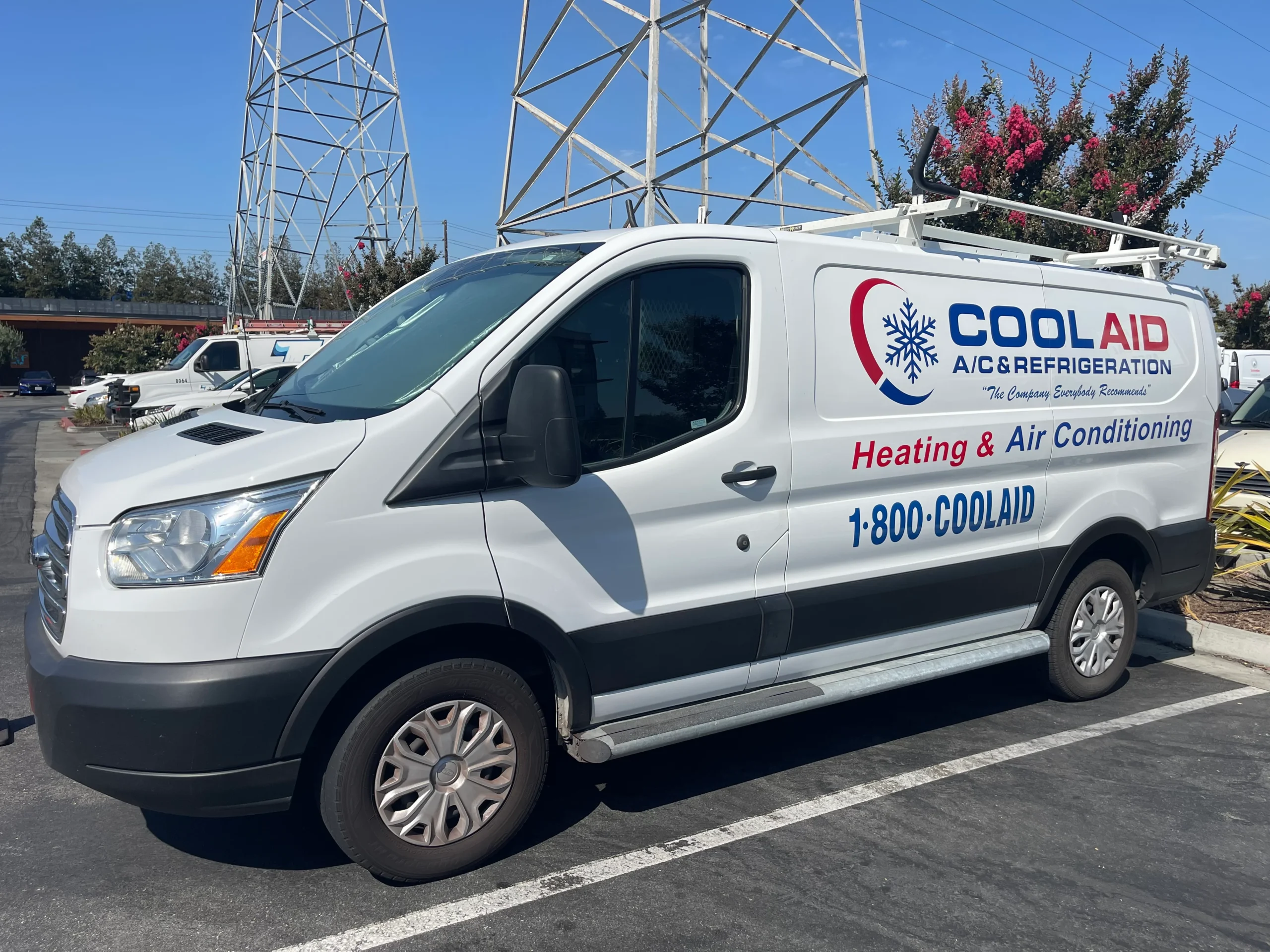
Partnering with a reputable contractor like 1-800-Cool-Aid ensures your system is perfectly sized and installed according to strict industry standards.
Usage Patterns and Thermostat Settings
How you use your system daily directly impacts its lifespan. If you constantly keep your home at 68 degrees during the hottest days of summer, your air conditioner will work relentlessly. This heavy usage accelerates mechanical degradation. Utilizing a programmable or smart thermostat to adjust temperatures when you are away from home reduces the workload on your equipment, thereby extending its operational life.
Local Climate and Environmental Factors
Where you live plays a massive role in HVAC longevity. Homes located in regions with severe winters will rely heavily on their furnaces, leading to faster wear on heating components. Conversely, homes in tropical or desert climates will put maximum stress on cooling systems. Additionally, environmental factors like excessive dust, pollen, or salt air can clog filters and corrode internal parts faster than normal.
Signs It Is Time to Replace Your HVAC System
Even with flawless maintenance, every HVAC system eventually reaches the end of its useful life. Recognizing the warning signs of a failing system helps you avoid sudden breakdowns during the peak of extreme weather.
Frequent and Costly Repairs
As an HVAC system ages, components begin to fail more frequently. If you find yourself calling for repairs multiple times a year, the costs quickly add up. A general rule of thumb used by professionals is the “5,000 rule.” Multiply the age of the equipment by the cost of the proposed repair. If the resulting number exceeds 5,000, it is usually more financially sound to replace the unit rather than fix it.
Unexplained Increases in Energy Bills
Over time, internal components lose their efficiency. Motors slow down, coils become less effective at transferring heat, and the system must consume more electricity or gas to achieve the same temperature. If you notice a steady, unexplained spike in your monthly utility bills, your aging equipment is likely the culprit.
Inconsistent Temperatures and Poor Airflow
A failing system struggles to push conditioned air evenly throughout your home. You might notice that certain rooms are always too hot while others are freezing. Weak airflow coming from the vents is another strong indicator that the blower motor or compressor is nearing the end of its lifespan.
Unusual Noises and Odors
Your HVAC system should operate relatively quietly. If you suddenly hear loud grinding, squealing, banging, or rattling noises, major internal components are failing. Similarly, persistent strange odors—such as burning smells or musty scents that do not disappear after changing the filter—signal deep-rooted mechanical or electrical issues. If you experience these symptoms, it is time to look into professional residential HVAC replacement services before the system fails entirely.
Actionable Tips to Maximize the Life of Your HVAC Equipment
You do not have to sit back and simply wait for your system to break down. You can take immediate, actionable steps to extend the life of your heating and cooling equipment.
- Change Air Filters Regularly: A dirty, clogged air filter restricts airflow, forcing the system to work twice as hard to pull air through the home. This causes the blower motor to overheat and significantly reduces the lifespan of the equipment. Check your filters monthly and replace them at least every 90 days.
- Keep Outdoor Units Clear of Debris: Your outdoor air conditioning unit or heat pump needs proper airflow to dissipate heat. Keep leaves, branches, tall grass, and snow at least two feet away from the unit at all times.
- Upgrade Your Thermostat: Installing a smart thermostat optimizes your heating and cooling schedules. By ensuring your system only runs when necessary, you cut down on operating hours and reduce mechanical fatigue.
- Seal and Insulate Your Ductwork: Leaky air ducts allow up to 30% of conditioned air to escape into your attic or crawlspace. This forces your system to run longer to heat or cool the living areas. Sealing and insulating your ducts eases the burden on your HVAC unit.
Conclusion: Protect Your Investment and Stay Comfortable
Your HVAC system is the beating heart of your home’s comfort. By understanding the expected lifespan of your equipment and the factors that influence it, you can make intelligent decisions regarding maintenance and replacement. Remember that routine check-ups, prompt repairs, and mindful daily usage are the best ways to keep your system running efficiently for decades. Do not wait for a complete system failure to take action. Protect your investment by scheduling regular maintenance, and pay close attention to the warning signs of an aging unit.
Stay Comfortable Year-Round With Expert HVAC Service
Book a trusted technician to handle your heating or cooling issue—fast, professional, and done right the first time.
Book Service Now