When your furnace stops working on a cold Bay Area night, your first thought is probably about getting it fixed fast. But a furnace isn’t just a furnace. The way it creates heat—whether it burns gas, uses electric resistance, or atomizes oil—changes everything about how it fails and how it’s repaired. A one-size-fits-all approach to furnace repair simply doesn’t work.
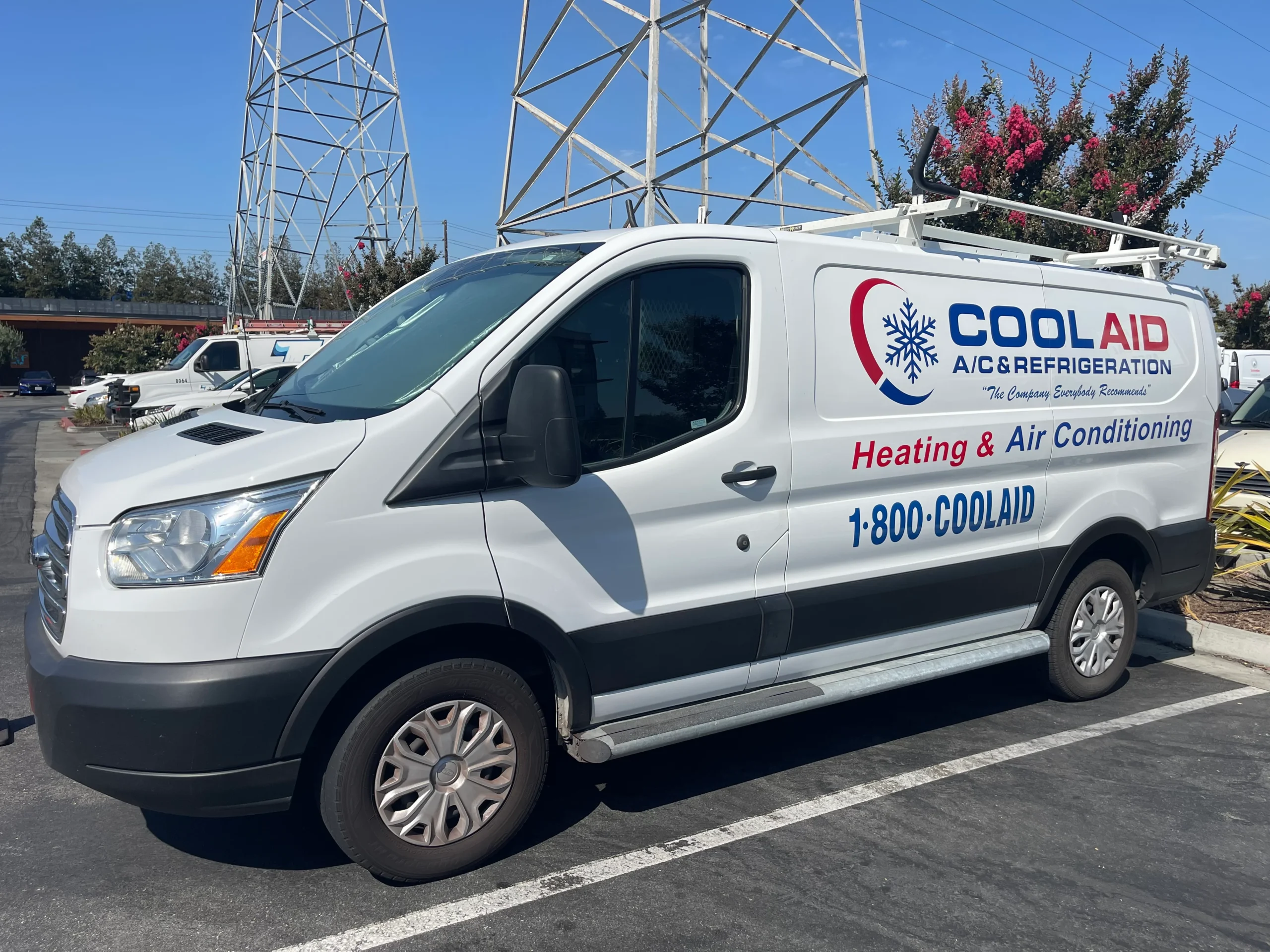
At Cool Aid A/C & Refrigeration, we’ve worked on every type of heating system found in local homes for decades. We know that a problem with a gas furnace involves a completely different set of components, safety checks, and diagnostic tools than an issue with an electric or oil-burning unit.
Understanding these differences is important for any homeowner. It gives you a clearer picture of what might be wrong with your system and why a technician experienced with your specific fuel type is so crucial. This isn’t about making you a furnace expert; it’s about providing straightforward, practical knowledge so you can feel confident when you need to make a call for a repair.
Why Furnace Repair Isn’t One-Size-Fits-All
Saying you need “furnace repair” is like saying you need “car repair.” Is it a problem with the engine, the electronics, or the fuel system? Is it a gas car, a diesel, or an electric one? The answer changes everything. The same is true for your home’s heating system.
How fuel type changes diagnostics, parts, and safety concerns
The fuel your furnace uses dictates its fundamental design. A gas furnace is a combustion appliance with burners, ignitors, and gas valves. An electric furnace is essentially a giant, powerful hairdryer with heating elements and electrical relays. An oil furnace has a mechanical burner that sprays and ignites fuel oil. Each has its own unique set of parts that can fail, requires different diagnostic procedures, and comes with its own specific safety protocols. A technician trained to diagnose a faulty gas valve might be completely unfamiliar with troubleshooting an oil burner’s nozzle.
Understanding the Three Main Furnace Types in Residential Homes
Most homes rely on one of three types of forced-air furnaces to provide heat through their ductwork. While they all connect to a blower and thermostat, the way they generate heat is fundamentally different.
Why Bay Area homes use different furnace systems
The mix of furnace types in the Bay Area reflects the region’s history and infrastructure. Natural gas is widely available and affordable in many suburban areas, making gas furnaces the most common choice. In more remote areas or older homes without gas lines, oil or electric furnaces were often the standard. Today, with a push toward electrification, high-efficiency electric systems and heat pumps are becoming more prevalent, but all three types are still widely in use across our communities.
Gas Furnace Repair: What Fails Most Often
Gas furnaces are the most common type of heating system we see. They are reliable and effective, but they are also complex combustion appliances with many moving parts and safety systems.
Ignition systems, flame sensors, and gas valves
The most frequent failures in a gas furnace occur during the ignition sequence. For your furnace to produce heat, the gas valve must open, an ignitor must get hot enough to light the gas, and a flame sensor must prove that a fire has started.
- Hot Surface Ignitors: Most modern furnaces use a hot surface ignitor, a small ceramic element that glows orange-hot. These are fragile and have a limited lifespan, typically 3-5 years. When they crack or burn out, the furnace will not light.
- Flame Sensors: This is a thin metal rod that sits in the path of the burners. Its job is to confirm that the gas has ignited. Over time, it can get covered in a layer of carbon, which insulates it. When it can’t sense the flame, it tells the control board to shut off the gas as a safety precaution, often just a few seconds after the burners light.
- Gas Valves: This is the gatekeeper that controls the flow of gas to the burners. It can fail electrically or get stuck, preventing gas from flowing when it should.
Safety controls that shut gas furnaces down
A gas furnace has multiple safety switches designed to shut it down if an unsafe condition is detected. A frequent service call is for a furnace that runs for a few minutes and then turns off. This is often a safety switch doing its job. The most common ones are:
- High-Limit Switch: This switch monitors the temperature inside the furnace cabinet. If it gets too hot—usually due to a clogged air filter restricting airflow—it shuts down the burners to prevent the heat exchanger from cracking.
- Pressure Switch: This switch proves that the furnace’s draft inducer motor is running and venting exhaust gases properly. If there’s a blockage in the flue pipe, the switch won’t close, and the furnace will not attempt to ignite.
Electric Furnace Repair: Common Problems and Repair Patterns
Electric furnaces are simpler in design than gas furnaces. They don’t have burners, ignitors, or gas lines. Instead, they use large heating elements, similar to the coils in an electric stove, to warm the air.
Heat strips, sequencers, and electrical failures
Since an electric furnace is a high-amperage appliance, most of its failures are electrical.
- Heating Elements (Heat Strips): These are the coils that produce the heat. They can burn out over time, much like the filament in a light bulb. An electric furnace may have several heat strips, so if one or two fail, you might notice you have some heat, but not enough to warm the house.
- Sequencers and Relays: A furnace can’t turn on all the heating elements at once without causing a massive power surge. A sequencer is a time-delay relay that brings the heating strips on one by one. When a sequencer fails, some or all of the heat strips may not get power.
- Fuses and Circuit Breakers: A failing component can cause a short circuit, tripping the furnace’s breaker at the main electrical panel.
Why electric furnaces fail quietly
One of the defining characteristics of an electric furnace failure is that it’s often silent. The indoor blower fan might be running, and the thermostat seems to be working, but the air coming from the vents is just room temperature. There’s no bang, no odd smell—just a lack of heat. This is because the blower circuit is separate from the heating element circuit. A failure in the heating circuit won’t stop the fan from running.
Oil Furnace Repair: What Makes These Systems Different
Oil furnaces are less common but are still found in some Bay Area homes. They are robust, mechanical workhorses, but they require more maintenance than gas or electric systems and have their own unique failure points.
Burners, nozzles, and fuel delivery issues
An oil furnace works by spraying a fine mist of fuel oil into a combustion chamber and igniting it. The components that manage this process are where most problems occur.
- Burner Nozzle: This is a precisely machined part that atomizes the oil. It can become clogged with sediment from the fuel, causing the flame to be inefficient or preventing ignition altogether. Nozzles need to be replaced annually.
- Ignitor (Electrodes): An oil furnace uses a high-voltage transformer and two electrodes to create an electrical arc that ignites the oil spray. If the electrodes are cracked or coated in soot, they won’t spark properly.
- Fuel Pump and Filter: The furnace has a pump to draw oil from the storage tank. This pump and the oil filter can get clogged, starving the burner of fuel.
Why oil furnaces require more mechanical servicing
Because they burn a less refined fuel, oil furnaces produce soot and require regular cleaning. The heat exchanger, burner assembly, and flue pipe need to be cleaned annually to maintain efficiency and safety. This makes their maintenance far more involved than that of a gas or electric system.
How Repair Diagnostics Differ by Furnace Type
A qualified technician will use very different tools and procedures depending on your furnace type.
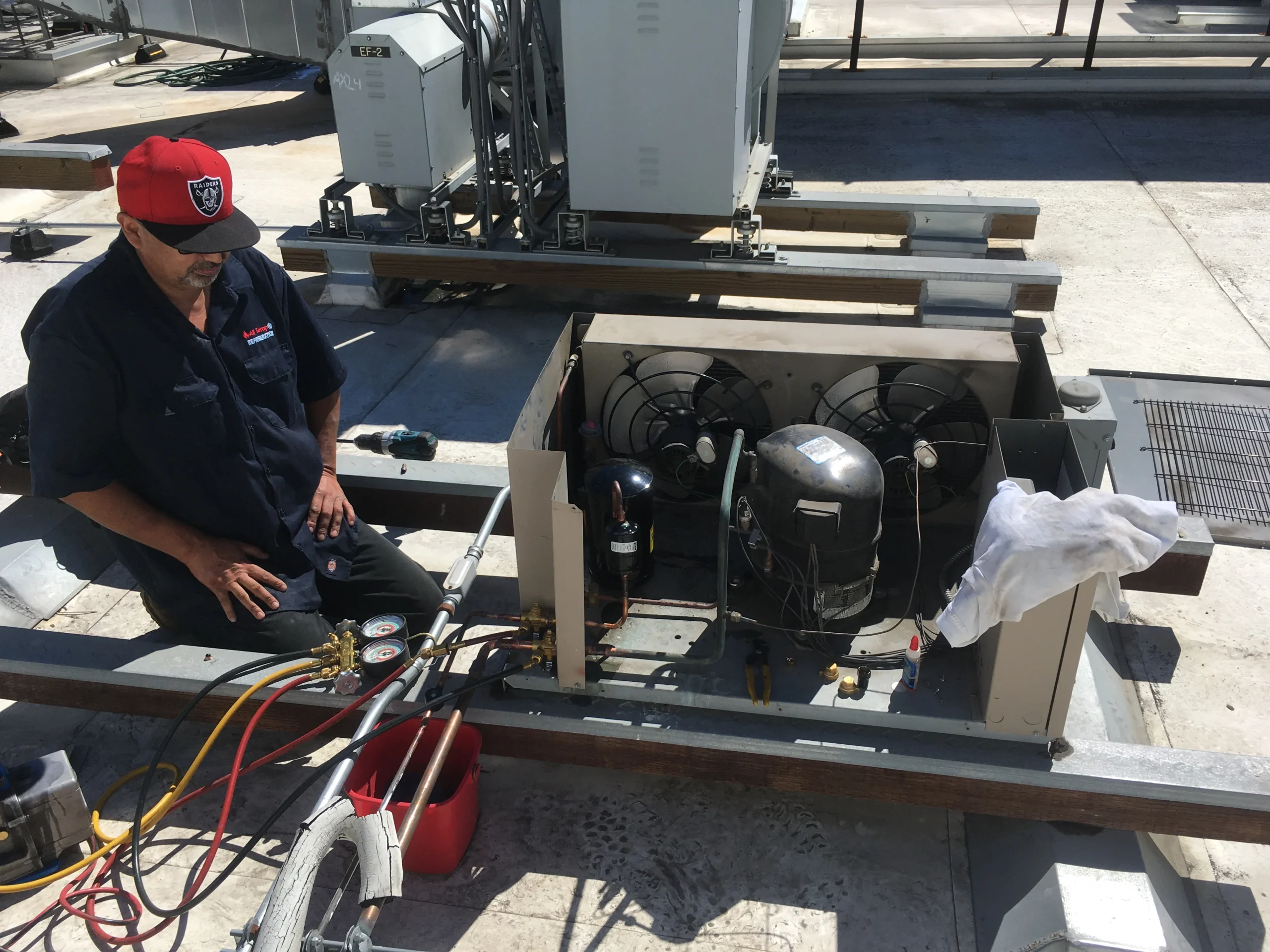
- For Gas: We use a manometer to test gas pressure, a multimeter to check voltage at the ignitor and sensors, and sometimes a combustion analyzer to measure the chemical makeup of the exhaust gases to ensure safe and efficient operation.
- For Electric: The primary tool is a multimeter capable of measuring high amperage and testing continuity. We trace the electrical path from the breaker through the sequencers to the heating elements to find where the power stops.
- For Oil: This requires mechanical skill. We use a pressure gauge on the fuel pump, check the alignment of the electrodes, and use a smoke tester to analyze the combustion quality.
Electrical testing vs combustion analysis
Diagnosing an electric furnace is almost entirely an electrical exercise. Diagnosing a gas or oil furnace involves both electrical testing and combustion analysis. Understanding the chemistry of burning fuel is just as important as understanding the flow of electricity.
Safety Risks Unique to Each Furnace System
All heating systems have safety risks, but they are very different depending on the fuel.
Gas leaks, electrical overloads, and combustion concerns
- Gas Furnaces: The primary risk is a gas leak or the production of carbon monoxide (CO) from incomplete combustion. A cracked heat exchanger can allow CO to enter your home’s airstream, which is why CO detectors are essential.
- Electric Furnaces: The main hazard is electrical fire. A failing component, loose wire, or overloaded circuit can generate immense heat and pose a significant fire risk.
- Oil Furnaces: The risks are related to combustion, including CO production and “puffbacks”—small explosions that can occur if unburnt oil vapor ignites in the combustion chamber, sending soot throughout the house.
Repair Costs: Why Prices Vary by Furnace Type
The cost of a furnace repair can vary significantly based on the type of system you have.
Parts availability and labor differences
Generally, parts for gas and electric furnaces are widely available and relatively standardized. An ignitor or sequencer is often a universal part that we carry on our trucks. Oil furnace parts, especially for older models, can be harder to source. The labor involved also differs. Cleaning a flame sensor on a gas furnace might take a few minutes, while properly cleaning and tuning an oil burner is a much more time-intensive process.
When Furnace Repair Makes Sense — and When It Doesn’t
At some point, you’ll face the decision of whether to continue repairing an old furnace or invest in a new one.
Age, efficiency, and fuel type considerations
If your furnace is under 12-15 years old and the repair is straightforward, a fix is usually the best option. However, if an older furnace needs a major repair like a new control board or blower motor, you should weigh that cost against the price of a new, much more efficient unit. An old, inefficient furnace can cost you hundreds of extra dollars a year in fuel costs, a factor that should be included in your decision.
What Homeowners Should Know Before Scheduling Furnace Repair
When you call for service, knowing your furnace type is helpful. But even more important is hiring a company with technicians who are experienced with your specific system.
Why experience with your furnace type matters
You wouldn’t want a mechanic who only works on gasoline engines to try and fix your diesel truck. The same is true for your furnace. An HVAC company should have technicians with specific training and field experience in gas, electric, and oil systems. Asking if a company is qualified to work on your particular furnace type is a fair and important question.
If Your Furnace Needs Repair and You’re Not Sure Where to Start
A broken furnace is a stressful problem, but it’s one that has a clear solution. Understanding that the path to a repair is different for gas, electric, and oil systems helps demystify the process and sets you up for a better service experience.
At Cool Aid A/C & Refrigeration, our team has deep, hands-on experience with all three fuel types. We have the right tools, the right parts, and the right training to diagnose your system accurately, whether it’s a modern gas furnace or an older oil-fired unit. We don’t guess; we give you straight answers and lasting repairs.
If your heat has gone out and you’re not sure what’s wrong, contact us. We’ll send a qualified technician who knows your system to restore warmth and safety to your home.
Stay Comfortable Year-Round With Expert HVAC Service
Book a trusted technician to handle your heating or cooling issue—fast, professional, and done right the first time.
Book Service Now