Upgrading your home’s heating and cooling system is a major decision. Many homeowners in the Bay Area and throughout California are turning away from traditional central air conditioning in favor of more flexible, energy-efficient alternatives. If you want precise temperature control without the hassle of bulky ductwork, a ductless mini split system offers a fantastic solution.
But how much does it actually cost to install one of these systems?
The short answer is that the cost of ductless mini split installation varies widely based on your home’s specific needs. Factors like the size of the unit, the number of rooms you want to cool or heat, and the complexity of the installation process all play a role in the final price tag.
In this comprehensive guide, we will break down the true costs associated with installing a ductless mini split in California. We will explore the key variables that influence pricing, highlight the long-term benefits of going ductless, and help you determine if this energy-efficient upgrade is the right fit for your property. Let’s dive in.
What is a Ductless Mini Split System?
Before we examine the costs, it helps to understand exactly what a ductless mini split is. Traditional HVAC systems rely on a network of ducts hidden behind your walls and ceilings to distribute conditioned air. A ductless mini split bypasses this requirement entirely.
The system consists of two primary components: an outdoor condenser unit and one or more indoor air-handling units. A simple conduit housing the power cable, refrigerant tubing, suction tubing, and a condensate drain connects these two parts. Because there are no ducts to lose cool or warm air, these systems are highly efficient. They deliver conditioned air directly into the specific rooms—or “zones”—where the indoor units are mounted.
This localized approach allows you to customize the temperature in individual rooms, saving energy and keeping everyone in the house comfortable. If you are looking to upgrade your home, exploring professional residential HVAC installation services can help you select the perfect ductless system for your layout.
Average Cost of Ductless Mini Split Installation in California
California homes come in all shapes and sizes, which means there is no one-size-fits-all price for a ductless system. However, we can look at average ranges to give you a baseline expectation.
For a standard ductless mini split installation in the Bay Area, homeowners typically spend anywhere from $3,000 to $10,000 or more. The total expense depends heavily on how much of your home you plan to cover.
Single-Zone Systems vs. Multi-Zone Systems
The biggest dividing line in pricing comes down to the number of zones.
A single-zone system features one outdoor condenser connected to a single indoor unit. This setup is perfect for cooling or heating a specific area, like a new room addition, a converted garage, or a master bedroom that always runs a little too hot. Single-zone installations are the most affordable option, usually ranging between $3,000 and $5,000 fully installed.
A multi-zone system connects one outdoor condenser to multiple indoor units. Depending on the capacity of the outdoor unit, you can connect anywhere from two to eight indoor air handlers. This allows you to provide climate control to several rooms or even an entire home. As you might expect, multi-zone systems cost significantly more. A standard three-zone system might cost between $7,000 and $12,000. If you are outfitting a large house with five or more zones, the price can easily exceed $15,000.
Key Factors Influencing Ductless Mini Split Costs
While the number of zones gives you a general idea of the price, several other critical variables affect the final quote you receive from an HVAC contractor. Understanding these factors will help you make an informed decision and avoid any surprise expenses.
Number of Cooling and Heating Zones
As mentioned above, the number of indoor units you need directly drives up the cost. Each additional indoor unit requires its own equipment, extended refrigerant lines, and more labor to install. When planning your system, think carefully about which rooms actually need dedicated climate control. You might find that strategically placing units in primary living spaces is more cost-effective than placing one in every single room.
Unit Size and BTU Capacity
The cooling and heating power of an HVAC system is measured in British Thermal Units (BTUs). To ensure your ductless mini split operates efficiently, it must be properly sized for the square footage of the room it serves.
A small bedroom might only require a 6,000 BTU indoor unit, while a large open-concept living room might need a 24,000 BTU unit. Naturally, units with higher BTU capacities cost more to purchase. If you buy a unit that is too small, it will run constantly and drive up your energy bills while failing to cool the room. If you buy a unit that is too large, it will cycle on and off too quickly, causing excess wear and tear. Proper sizing is a task best left to professionals.
Energy Efficiency and SEER Ratings
When shopping for an air conditioner or heat pump, you will frequently see the term SEER, which stands for Seasonal Energy Efficiency Ratio. This rating measures how efficiently the unit operates over an entire cooling season.
The state of California enforces strict energy standards, meaning any new system you install must meet minimum efficiency requirements. Ductless mini splits are famous for their high SEER ratings, often ranging from 18 to 30 or higher.
Systems with higher SEER ratings carry a higher upfront cost. However, because they use less electricity to cool your home, they often pay for themselves over time through significantly lower monthly utility bills. When weighing your options, consider the long-term energy savings against the initial purchase price.
Brand and Equipment Quality
Just like buying a car or a major appliance, the brand you choose impacts the cost. Premium brands known for their reliability, advanced features, and comprehensive warranties will cost more than budget-friendly alternatives.
High-end systems often come equipped with features like built-in Wi-Fi for smartphone control, advanced air filtration capabilities, and whisper-quiet operation modes. Investing in high-quality equipment from a reputable brand can reduce the likelihood that you will need emergency residential HVAC repair services down the road.
Labor and Installation Complexity
The physical layout of your home plays a massive role in the cost of labor. Installing a ductless system requires drilling a small hole through your exterior wall to connect the indoor and outdoor units.
If the indoor unit is mounted on an exterior wall directly above the outdoor condenser, the installation is straightforward and relatively inexpensive. However, if you want an indoor unit mounted on an interior wall on the second floor, the installation crew must run long lengths of refrigerant lines, conduit, and drainage pipes through your home’s framing. This added complexity requires more materials and significantly more labor hours, driving up the installation cost.
The Benefits of Installing a Ductless Mini Split
You might wonder if the initial investment is truly worth it. For many homeowners in the Bay Area, the answer is a resounding yes. Ductless mini splits offer a range of unique benefits that traditional central air systems simply cannot match.
Superior Energy Efficiency
Traditional central HVAC systems lose a massive amount of energy through ductwork. The U.S. Department of Energy estimates that duct losses can account for more than 30% of energy consumption for space conditioning. Because ductless systems deliver air directly to the room, they eliminate this energy loss entirely. This extreme efficiency translates directly into lower monthly utility bills, making ductless systems a smart financial choice in the long run.
Targeted Climate Control
Do you have a family member who always feels freezing while everyone else is hot? Ductless systems solve this problem through zoning. Each indoor unit operates independently with its own thermostat. You can keep the living room cool during the day while turning off the units in unoccupied bedrooms. At night, you can set your bedroom to your preferred sleeping temperature without wasting energy cooling the rest of the house.
Easy and Flexible Installation
Installing traditional ductwork in an older home that lacks it can be a messy, expensive, and sometimes impossible nightmare. It often involves tearing down drywall, lowering ceilings, and sacrificing precious closet space. Ductless mini splits require only a three-inch hole in the wall to connect the indoor and outdoor components. This makes them the absolute best option for historic homes, new additions, and properties that rely on radiant heating.
Improved Indoor Air Quality
Standard ductwork often accumulates dust, pollen, pet dander, and even mold over the years. Whenever your central air kicks on, it can blow these particles throughout your home. Ductless systems bypass this issue. Furthermore, most modern mini splits feature advanced, multi-stage filtration systems that actively clean the air as they cool or heat it. By keeping your system clean with routine residential HVAC maintenance services, you can ensure your family breathes fresh, healthy air all year long.
Hidden Costs to Watch Out For
When planning your budget for a new ductless system, make sure you account for potential hidden costs that might not be included in the base equipment price.
Electrical Upgrades
Ductless mini splits require a dedicated 220-volt electrical circuit. If you own an older home in the Bay Area, your current electrical panel might not have the capacity to support a new HVAC system. Upgrading your electrical panel or running a new dedicated line from the breaker box to the outdoor condenser will add to your total installation cost. An experienced contractor will evaluate your electrical panel during your initial consultation and alert you to any necessary upgrades.
Permits and Local Regulations
Almost every city and county in California requires a building permit to install new HVAC equipment. The cost of these permits varies depending on your local municipality but generally ranges from $100 to $400. In addition to securing the permit, your installation must meet local building codes, which may dictate where the outdoor unit can be placed in relation to property lines.
Removal of Old Equipment
If you are transitioning from an old central air system to a new ductless setup, you may need to pay for the removal and proper disposal of your old equipment. This involves safely recovering the old refrigerant according to EPA guidelines and hauling away heavy machinery. If you are upgrading, look into comprehensive residential HVAC replacement services that handle the entire process from start to finish.
Are Ductless Mini Splits Worth the Investment?
When you add up equipment costs, labor, and potential upgrades, installing a ductless mini split is undeniably a significant financial commitment. However, you must evaluate this upfront cost against the lifetime value of the system.
Ductless mini splits drastically reduce energy waste, which lowers your monthly utility bills. They increase the comfort of your home by providing precise, room-by-room temperature control. Furthermore, installing a modern, energy-efficient HVAC system can increase your property value, which is highly beneficial in the competitive California real estate market.
Many local utility companies and government programs also offer rebates and tax incentives for installing high-efficiency heat pumps and ductless systems. These incentives can offset a portion of your initial installation cost, making the upgrade even more attractive.
Maintaining Your Ductless System for Longevity
To protect your investment and ensure your ductless system operates efficiently for years to come, regular maintenance is essential. While these systems are relatively low-maintenance, they cannot be ignored entirely.
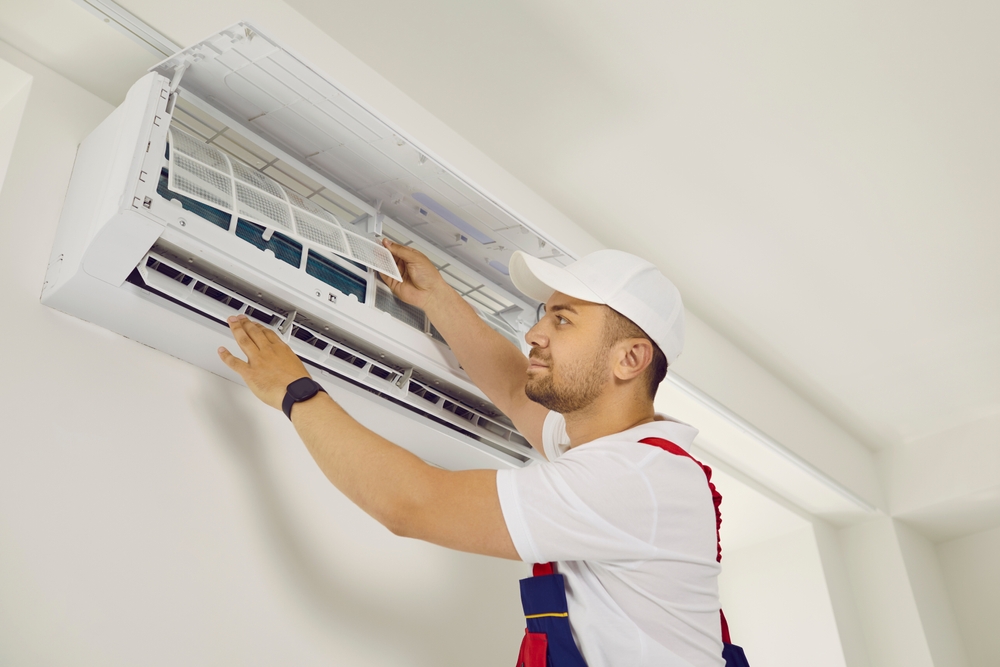
Homeowners should clean or replace the air filters in their indoor units every month or two. When filters become clogged with dust, the system has to work twice as hard to push air through, which wastes energy and puts undue strain on the blower motor. Additionally, it is vital to keep the outdoor condenser unit clear of debris, leaves, and overgrown vegetation so it can easily exhaust heat.
Beyond basic home care, you should schedule professional residential HVAC maintenance services at least once a year. A qualified technician will inspect electrical connections, verify refrigerant levels, flush the condensate drain lines, and thoroughly clean the internal components. Preventive maintenance is the best way to catch minor issues before they turn into costly breakdowns.
Choosing the Right HVAC Contractor in the Bay Area
The performance, efficiency, and lifespan of your ductless mini split depend almost entirely on the quality of the installation. Even the most expensive, top-of-the-line equipment will perform poorly if it is not installed correctly.
When searching for an installer, look for a licensed, insured, and highly experienced HVAC company. Ask about their specific experience with ductless systems, as these units require different installation techniques than traditional central air conditioners. Check their customer reviews to gauge their reliability and commitment to customer service.
At 1-800-COOL-AID, our team specializes in helping California homeowners find the perfect cooling and heating solutions for their unique spaces. We take the time to calculate precise load requirements, recommend the most efficient equipment, and execute flawless installations.
Ready to Upgrade Your Home Comfort?
Installing a ductless mini split system is a fantastic way to achieve complete climate control, eliminate energy waste, and improve your home’s indoor air quality. While the initial cost of ductless mini split installation involves careful budgeting, the long-term savings and immediate boost in comfort make it a highly rewarding investment for Bay Area residents.
If you are ready to explore your options or want a customized quote for your property, reach out to our team of experts. We will guide you through the process, answer all your questions, and ensure you get a system that fits your budget and lifestyle. Check out our about page to learn more about our commitment to excellence, or get in touch directly via our contact page to schedule your consultation today.
Stay Comfortable Year-Round With Expert HVAC Service
Book a trusted technician to handle your heating or cooling issue—fast, professional, and done right the first time.
Book Service Now