Managing a commercial property requires juggling countless responsibilities. High on that list is keeping the building comfortable for employees, clients, and tenants. When your heating, ventilation, and air conditioning system fails, business operations suffer immediately. You face unhappy occupants, potential inventory damage, and unexpected repair bills that destroy your quarterly budget.
A reactive approach to climate control simply does not work for commercial spaces. Waiting for a system to break before servicing it guarantees higher costs and more frequent disruptions. Instead, facility managers need a proactive strategy. You need a comprehensive plan to keep your equipment running smoothly year-round.
This guide breaks down exactly what that plan should look like. We will explore the critical components of your system, outline seasonal tasks, and provide a detailed commercial HVAC maintenance checklist. By following these steps, you will maximize energy efficiency, protect your indoor air quality, and extend the life of your expensive equipment.
Why Preventative Maintenance Matters
Commercial HVAC systems are massive, complex machines. They run constantly to condition large volumes of air. This non-stop operation creates significant wear and tear on moving parts, electrical components, and filters. Ignoring this wear leads to a cascade of mechanical failures.
Implementing a strict maintenance schedule provides several undeniable benefits for your bottom line.
Maximize Energy Efficiency and Cost Savings
Your HVAC system likely accounts for the largest portion of your building’s energy consumption. When coils get dirty, filters clog, or parts lose their lubrication, the system has to work harder to achieve the set temperature. This extra work draws more electricity and burns more fuel.
Routine maintenance keeps the system running at peak performance. Clean components transfer heat efficiently. Lubricated motors draw less amperage. By keeping your system optimized, you can significantly reduce your monthly utility bills. Over the course of a year, these energy savings often cover the cost of the maintenance program itself.
Extend the Lifespan of Your Equipment
Commercial rooftop units and central plants require massive capital investments. You want to get as many years out of this equipment as possible. When you neglect routine service, minor issues escalate into major mechanical failures. A dirty filter can freeze a coil, which can send liquid refrigerant into the compressor, destroying the heart of your entire system.
Regular inspections catch these minor issues early. Technicians replace worn belts before they snap. They tighten loose electrical connections before they short out a control board. This proactive care adds years to the operational life of your equipment, allowing you to delay expensive replacements.
Protect Indoor Air Quality
Indoor air quality directly impacts the health and productivity of everyone inside your building. Commercial buildings rely on their HVAC systems to filter out dust, pollen, smog, and airborne pathogens. If your system is filthy, it will circulate that filth throughout the workspace.
Stagnant water in clogged drain pans breeds mold and bacteria. Dirty ductwork pushes allergens into office spaces. A thorough maintenance routine ensures your system delivers clean, healthy air. This reduces sick days, eliminates musty odors, and creates a more comfortable environment for your occupants.
Core Components of Commercial HVAC Systems
To understand the maintenance checklist, you first need to understand the equipment. Commercial systems differ significantly from residential units. They handle heavier loads and feature more complex controls.
Rooftop Units (RTUs)
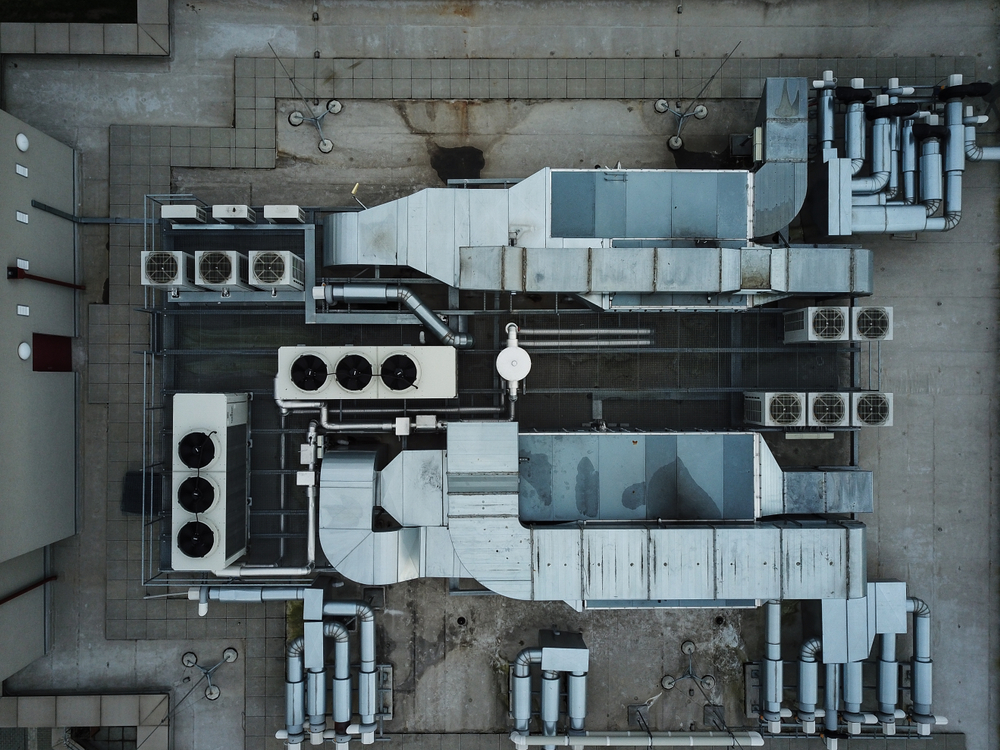
Most commercial buildings utilize packaged rooftop units. These heavy-duty steel boxes contain all the components needed for heating and cooling in a single enclosure. They sit fully exposed to the elements, battling sun, rain, wind, and pollution. Because they are out of sight, they are frequently forgotten until a major problem occurs.
Maintaining RTUs requires specialized knowledge. Technicians must safely access the roof, secure the heavy access panels, and navigate the intricate internal components. They must check the structural integrity of the unit housing to ensure weather seals remain intact.
Electrical Connections and Controls
Commercial systems draw massive amounts of electrical current. The continuous vibration of heavy blower motors and compressors can slowly loosen electrical connections over time. Loose wires create resistance, which generates heat. This heat can melt insulation, damage sensitive circuit boards, and pose a severe fire hazard.
Modern facilities also rely on complex control systems. Thermostats, variable frequency drives, and automated building management systems orchestrate the climate control. If sensors drift out of calibration, the system will heat or cool inefficiently.
Air Distribution and Ductwork
Generating cold or hot air is only half the battle. The system must then distribute that air evenly throughout the building. This requires a massive network of ductwork, motorized dampers, and powerful blower fans.
If blower belts stretch or slip, airflow drops. If dampers stick closed, certain zones will become unbearably hot or cold. Maintaining the distribution network is crucial for maintaining consistent comfort levels across your entire floor plan.
The Ultimate Commercial HVAC Maintenance Checklist
A proper maintenance plan follows the changing seasons. Your cooling equipment needs preparation before the intense summer heat arrives. Your heating equipment needs a thorough review before the winter chill sets in.
Partnering with professionals for commercial HVAC maintenance services ensures every item on this checklist gets addressed safely and accurately.
Spring and Summer Cooling Checklist
Before the temperatures climb, your air conditioning system needs a comprehensive tune-up. This prepares the heavy-duty compressors and condenser coils for months of continuous operation.
- Clean Evaporator and Condenser Coils: Dirt acts as an insulator. Technicians apply specialized chemical cleaners to dissolve grime, allowing the coils to absorb and reject heat efficiently.
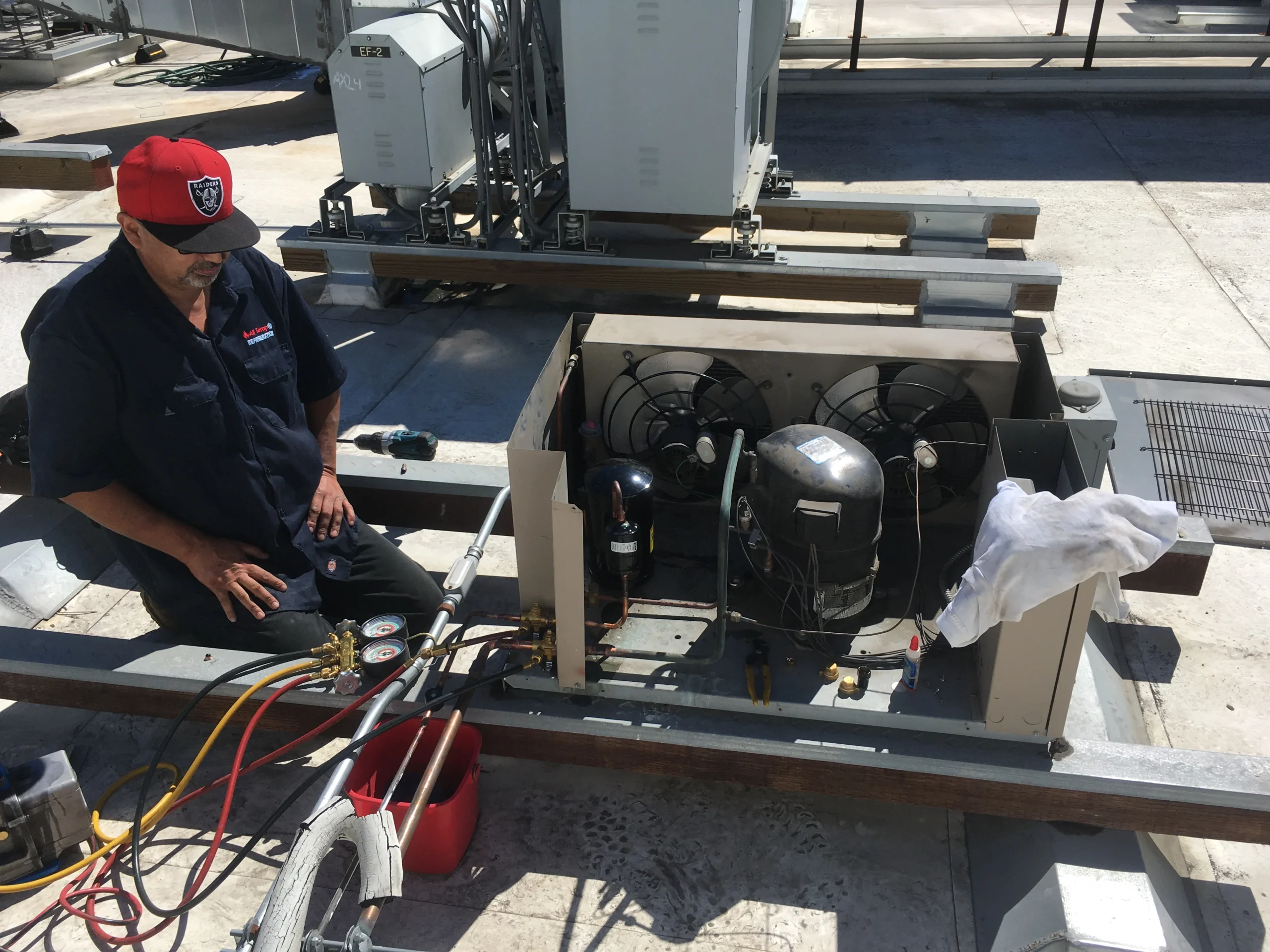
- Check Refrigerant Charge: Commercial systems must maintain precise refrigerant levels. A low charge indicates a leak that must be repaired immediately. Running a system low on refrigerant will quickly destroy the compressor.
- Clear Condensate Drain Lines: Air conditioners remove humidity from the air. This water must drain away from the unit. Algae and sludge frequently clog these drain lines, causing water to back up and flood your building. Technicians flush these lines and treat them with algaecide.
- Inspect Blower Components: Technicians inspect the blower wheel for debris. They check the blower motor amperage to ensure it is not overdrawing power. They also adjust or replace the heavy rubber blower belts to ensure maximum airflow.
- Lubricate Moving Parts: Friction is the enemy of mechanical equipment. Technicians apply fresh lubricant to motor bearings and pulleys to reduce wear and tear.
- Calibrate Thermostats: Sensors drift over time. Technicians verify that the thermostat accurately reads the room temperature and cycles the equipment on and off at the correct intervals.
Fall and Winter Heating Checklist
Commercial heating systems often utilize natural gas or heavy-duty electric heat strips. These systems require careful inspection to ensure they operate safely without posing fire or carbon monoxide risks.
- Inspect the Heat Exchanger: The heat exchanger separates the breathable indoor air from the toxic combustion gases. Even a microscopic crack in the heat exchanger can leak carbon monoxide into your building. Technicians use specialized cameras to inspect this critical component.
- Clean and Adjust Burner Assembly: Gas burners must ignite smoothly and burn cleanly. Technicians remove soot buildup and adjust the gas pressure to ensure optimal combustion efficiency.
- Test Safety Controls: Commercial heaters feature numerous safety switches. Roll-out switches, high-limit switches, and air proving switches prevent the unit from operating in dangerous conditions. Technicians test each of these safeties to ensure they function correctly.
- Inspect Flue and Ventilation System: Combustion gases must vent safely out of the building. Technicians check the flue pipe for rust, blockages, or disconnected joints.
- Verify Ignition Systems: Whether your system uses a pilot light or an electronic igniter, the ignition sequence must be flawless. Technicians clean sensors and verify the spark or hot surface igniter works reliably.
Monthly Tasks for Facility Managers
While you should leave the heavy mechanical work to certified professionals, your internal team plays a crucial role in HVAC maintenance. Facility managers should handle several basic tasks every month.
- Replace Air Filters: This is the single most important task you can perform. Dirty filters restrict airflow, suffocate the system, and cause major breakdowns. Depending on your building’s usage, you may need to replace filters every 30 to 90 days. Keep a detailed log of filter changes.
- Conduct Visual Inspections: Walk around the building and check the air vents. Ensure furniture, boxes, or equipment do not block the return or supply registers.
- Listen for Unusual Noises: Pay attention to how the system sounds. Grinding, squealing, or heavy vibration usually indicates a mechanical problem developing. Catching these noises early prevents catastrophic failures.
- Monitor the Roof: If it is safe to do so, periodically check the roof around your RTUs. Remove any trash, plastic bags, or fallen branches that could get sucked into the condenser fans.
Recognizing the Signs of Trouble
Even with a perfect maintenance record, components eventually wear out. Knowing the warning signs allows you to address problems before the system shuts down completely.
If you notice uneven temperatures throughout the building, your system is struggling. If you smell burning odors or musty smells coming from the vents, you need immediate professional help. If your energy bills suddenly spike without a corresponding increase in utility rates, your equipment is losing efficiency.
When these issues arise, do not wait. Promptly scheduling commercial HVAC repair services minimizes downtime and prevents further damage to the system. Expert technicians possess the diagnostic tools and experience to pinpoint the exact cause of the malfunction.
The Value of a Professional Maintenance Plan
Managing a commercial HVAC system is not a DIY project. The voltages are lethal, the refrigerants are heavily regulated, and the mechanical components require specialized training to calibrate. Attempting to service this equipment without proper certification puts your building and your staff at extreme risk.
Establishing a routine maintenance contract with a dedicated commercial HVAC provider is the smartest financial decision a facility manager can make. It removes the burden of tracking seasonal checklists from your plate. It ensures your equipment operates at peak efficiency, lowering your overhead costs. Most importantly, it gives you peace of mind knowing your building will remain comfortable and safe year-round.
When selecting a commercial HVAC partner, look for proven reliability and deep industry expertise. Reading customer reviews offers valuable insight into a contractor’s communication, technical skill, and response times during emergencies. You want a team that understands the unique demands of commercial facilities.
Take control of your building’s climate today. Stop reacting to breakdowns and start preventing them. If you are ready to optimize your equipment, lower your energy bills, and extend the lifespan of your heavy machinery, reach out to the professionals. Visit our contact page to schedule a comprehensive assessment of your commercial property and design a customized maintenance plan that fits your exact needs.
Stay Comfortable Year-Round With Expert HVAC Service
Book a trusted technician to handle your heating or cooling issue—fast, professional, and done right the first time.
Book Service Now