If you’ve ever had to deal with a major HVAC repair, you’ve probably heard the term “compressor.” It’s often mentioned in a hushed tone, usually followed by a discussion about a significant repair bill. A failed compressor is one of the most serious issues an air conditioning or heat pump system can have, but it’s also one of the most misunderstood.
Homeowners often believe the compressor just “died” unexpectedly. The reality is that most compressor failures are the final, predictable outcome of a different, smaller problem that was left unaddressed. The compressor is a tough piece of machinery, but it can’t survive long when the system around it is out of balance.
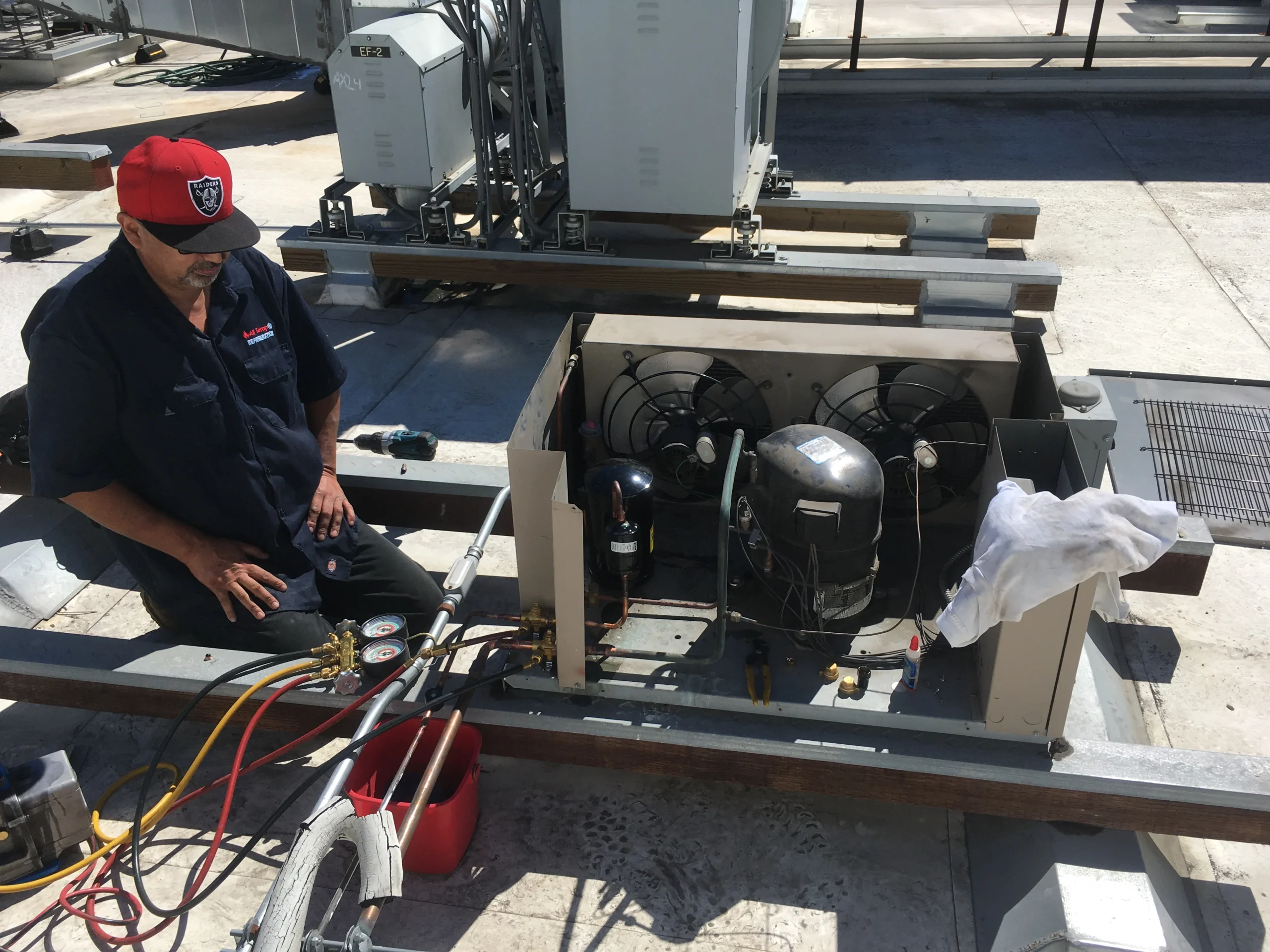
Refrigeration help: refrigeration compressor problems.
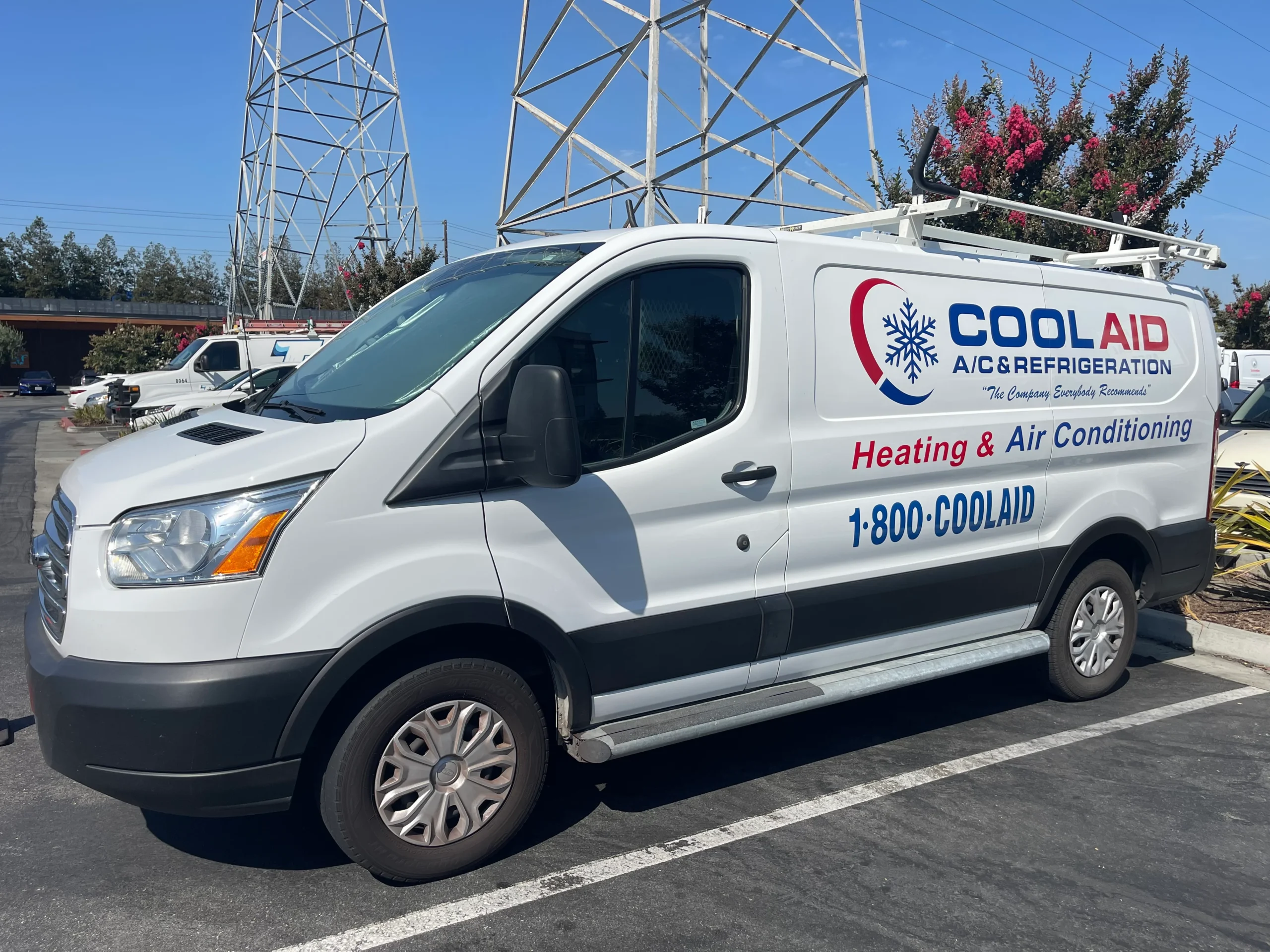
At Cool Aid A/C & Refrigeration, we’ve seen countless failed compressors over the years. Understanding what causes them to fail isn’t just for technicians; it’s crucial information for homeowners. Knowing the warning signs and the underlying causes can help you prevent a catastrophic breakdown and make a smart, informed decision if you’re faced with this major repair.
The Compressor’s Job—And Why It’s the Most Expensive Part to Lose
The compressor is the heart of your air conditioning or heat pump system. Located in the outdoor unit, its job is to pump refrigerant through the system, compressing it from a low-pressure, low-temperature gas into a high-pressure, high-temperature gas. This process is what allows the refrigerant to absorb heat from inside your home and release it outside.
Without a working compressor, the entire heat transfer cycle is dead in the water. It’s a complex and precisely engineered component, which is why the cost of an HVAC compressor replacement is so high. It’s not just the price of the part itself; it’s also the intensive labor required to safely remove the old unit, braze the new one into the sealed system, and perform a multi-step process to recharge and test the refrigerant.
HVAC Compressor Failure Is Rarely Sudden
While it might seem like the compressor failed overnight when your AC suddenly stops cooling, the damage has likely been accumulating for months or even years. The compressor is the last domino to fall in a chain reaction of system stress.
Why compressors usually fail over time, not overnight
A compressor is designed to operate under a specific set of temperatures and pressures. When another part of the system fails—like a dirty coil or a leaky refrigerant line—it forces the compressor to work outside of those designed parameters. It has to run hotter, longer, and under more strain. This added stress slowly wears down its internal components, burns out its motor windings, and eventually leads to a complete breakdown. The signs of a bad AC compressor are almost always there long before the final failure.
The Most Common Causes of HVAC Compressor Failure
When we diagnose a failed compressor, our job isn’t just to confirm it’s dead. It’s to find out why it died. Otherwise, a brand-new compressor will meet the same fate. Here are the most common culprits we find.
Low refrigerant levels that overheat the compressor
Refrigerant doesn’t just move heat; it also carries oil that lubricates the compressor’s moving parts and helps cool the compressor motor itself. When your system has a refrigerant leak, the compressor is starved of both cooling and lubrication. It runs hotter and with more friction, which quickly leads to overheating and mechanical seizure. HVAC refrigerant leak compressor damage is one of the most preventable causes of failure.
Dirty coils that trap heat inside the system
The outdoor unit’s condenser coil is responsible for releasing the heat that was absorbed from your home. If that coil is caked in dirt, dust, and grass clippings, it can’t release heat effectively. This trapped heat causes system pressures to skyrocket. The compressor has to work much harder to pump refrigerant against this extreme pressure, leading to overheating and premature failure. A dirty condenser coil forces the compressor to run in a pressure-cooker environment.
Electrical problems that damage compressor windings
The compressor is powered by an electric motor. Problems in the electrical supply can be just as damaging as mechanical issues. Power surges, failing capacitors, or corroded wiring can cause the motor’s internal windings to overheat and short out. This type of compressor electrical failure, known as a “short to ground,” is often catastrophic and irreversible.
Hard starts caused by failing capacitors and contactors
The compressor requires a huge jolt of electricity to get started. This jolt is provided by a run capacitor. As the capacitor weakens with age, the compressor struggles to start. You might hear it humming or clicking before it finally kicks on. This “hard start” puts immense strain on the motor windings. Eventually, the compressor will fail to start altogether, leading to a call for a compressor clicking but not starting.
Restricted airflow that stresses the entire cooling system
Your HVAC system is designed to move a specific volume of air. A severely clogged air filter or blocked vents inside the home restrict this airflow. This means not enough warm air is passing over the indoor coil. The refrigerant doesn’t absorb enough heat, and it returns to the compressor colder than it should be. This can cause liquid refrigerant to enter the compressor—a machine designed to pump only gas—which can destroy its internal valves instantly.
How Short Cycling Accelerates Compressor Damage
Short cycling is when your HVAC system turns on and off rapidly, with each cycle lasting only a few minutes. It’s one of the most destructive things that can happen to your compressor.
Why frequent on-off cycles are especially hard on compressors
The startup phase is the hardest part of a compressor’s job. It draws a massive amount of current and puts significant torque on the motor. A healthy system is designed to run for longer, more stable cycles. When a system is short cycling, it’s subjecting the compressor to this high-stress startup sequence over and over again. This constant starting and stopping quickly wears out electrical components and overheats the motor, dramatically accelerating its path to failure.
Compressor Failure in Older HVAC Systems
While the causes of failure are the same regardless of age, the context changes significantly when dealing with an older unit. The age of the system is a major factor in the repair vs. replacement decision.
When age becomes a deciding factor in compressor repair vs replacement
The average AC compressor lifespan is about 10-15 years. If a compressor fails in a system that is only 5-7 years old, and the unit is still under warranty, a repair is almost always the right choice. However, if the compressor fails in a 15-year-old system, investing several thousand dollars into a repair is often not a wise financial decision. You would be putting a brand-new heart into an aging body, and another major component is likely to fail soon after.
Warning Signs a Compressor Is About to Fail
Your system will give you clues that the compressor is in trouble. Learning to spot these signs can help you call for a repair before the unit fails completely.
Noisy operation, hard starts, and rising energy bills
- Loud AC Compressor: A grinding, rattling, or screeching sound from the outdoor unit is a major red flag. This indicates mechanical parts inside the compressor are failing.
- Hard Starts: If you notice the outdoor unit struggling to turn on, humming loudly for a moment before it kicks in, the compressor is under strain.
- Rising Energy Bills: An HVAC system running but not cooling effectively, combined with high energy bills, is a classic sign that the compressor is working inefficiently and struggling to do its job.
How Technicians Diagnose Compressor Problems Correctly
When a technician suspects a compressor failure, they must perform a series of tests to confirm the diagnosis and determine the cause.
Electrical testing, pressure readings, and thermal checks
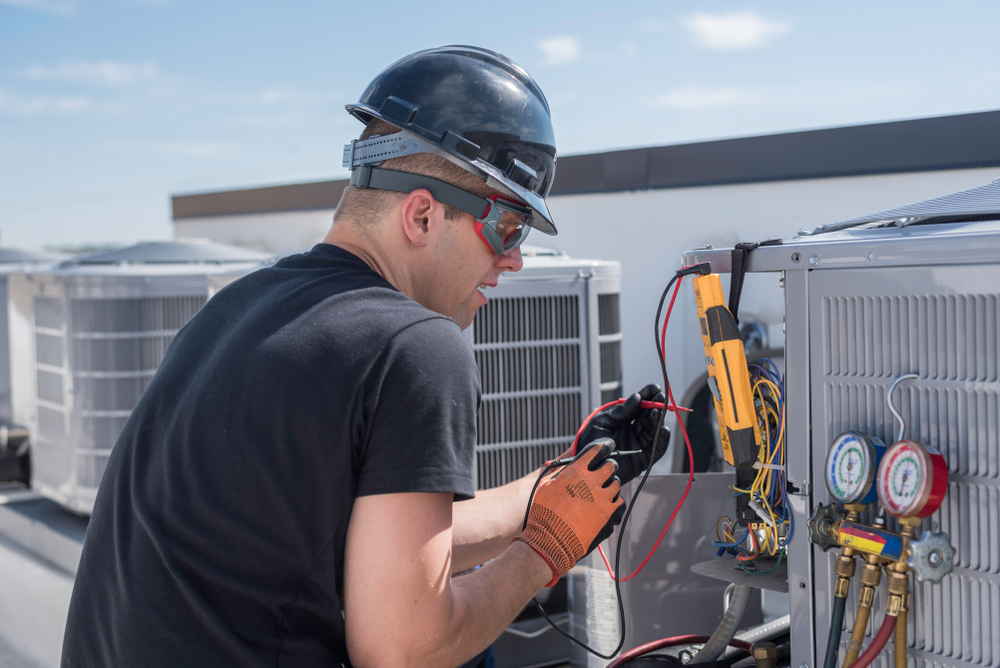
A proper diagnosis is a multi-step process. We use a multimeter to check the compressor’s electrical windings for continuity and shorts. We attach refrigerant gauges to read the system’s operating pressures, which can tell us if the compressor is pumping effectively. We may also use thermal imaging cameras to look for hot spots that indicate overheating.
Why guessing leads to repeat compressor failures
A misdiagnosed compressor problem is a costly mistake. If a technician condemns a compressor without finding the root cause—like a refrigerant leak or a faulty electrical component—the new compressor they install will be subjected to the same destructive conditions. This is how homeowners end up with repeat HVAC repairs. A thorough diagnosis is the only way to ensure a replacement compressor will last.
Compressor Repair vs Replacement—What Actually Matters
If you’re told you need a new compressor, you have a big decision to make. The choice between repair (installing a new compressor) and replacement (installing a whole new outdoor unit or system) depends on three things.
System age, refrigerant type, and total repair cost
- System Age: As mentioned, putting thousands into a system that’s over 15 years old is rarely a good investment.
- Refrigerant Type: If your older system uses R-22 refrigerant (Freon), you have another serious consideration. R-22 production and import ended in 2020, so only reclaimed or stockpiled R-22 remains, and it is expensive. It often makes more financial sense to replace the entire system with a new, efficient unit that uses a current low-GWP refrigerant such as R-32 or R-454B.
- Total Repair Cost: As a rule of thumb, if the cost of the repair is 50% or more of the cost of a new system, replacement is usually the better long-term financial move.
How Preventive Maintenance Protects Your Compressor
The best way to deal with a compressor failure is to prevent it from ever happening. Regular, professional maintenance is the single most effective way to protect the heart of your HVAC system.
Simple service steps that reduce compressor stress
During an AC tune-up, a technician performs several checks that directly protect the compressor. This includes cleaning the condenser coils to ensure proper heat transfer, checking the refrigerant charge to prevent overheating, and testing the capacitors to ensure the compressor can start smoothly. These simple, proactive steps can add years to your compressor’s life.
When Compressor Failure Turns Into an HVAC Emergency
Sometimes, a compressor failure requires an immediate shutdown of the system to prevent further damage.
Situations where continued operation causes permanent damage
If your compressor has shorted to ground, it can contaminate the entire refrigerant loop with acid and burnt debris. Continuing to run the system in this state can damage other components. If you hear loud, mechanical grinding or see your lights flicker when the AC tries to turn on, you may have an emergency HVAC repair situation. Shut the system down at the breaker and call a professional immediately.
If You’re Dealing With HVAC Compressor Failure
Being told you have a failed compressor is stressful news. It’s a major, expensive repair, and you want to be sure the diagnosis is correct.
Why a second opinion can save thousands
Because the cost is so high, getting an HVAC repair second opinion is always a smart move. A qualified technician from another company can perform their own diagnostic tests to confirm the failure and, just as importantly, verify the root cause. This ensures you’re making a decision based on accurate, unbiased information. An honest AC repair company will support your decision to seek a second opinion.
At Cool Aid A/C & Refrigeration, we believe in providing clear, data-driven diagnostics. If your system has failed, we’ll show you exactly what’s wrong and explain all your options—from repair to replacement—without pressure. Contact us for straight answers and solutions you can trust.
Stay Comfortable Year-Round With Expert HVAC Service
Book a trusted technician to handle your heating or cooling issue—fast, professional, and done right the first time.
Book Service Now