I Want

    Residential HVACCommercial HVACRefrigerationEmergency HVAC


    Fast | No obligation

    How Much Does a VRF System Cost in the Bay Area? Full Guide for 2025

    Investing in a new HVAC system for a commercial building is one of the most significant capital expenditures a property owner or manager will make. In the Bay Area, where operational costs are high and energy efficiency is paramount, choosing the right system is a critical financial decision. Increasingly, Variable Refrigerant Flow (VRF) technology is becoming the system of choice for new construction and major retrofits. But what is the actual cost of a VRF system in the Bay Area?

    While there’s no simple “per square foot” answer, this guide will provide a comprehensive breakdown of the costs associated with a VRF system for 2025. We will explore the factors that drive the price, from equipment and installation to long-term maintenance, and discuss the return on investment that makes VRF such a compelling choice for savvy Bay Area building owners.


    Understanding What You’re Paying For: The Components of VRF Cost

    The total cost of a VRF system is more than just the price of the equipment. It’s a comprehensive project that includes design, labor, and commissioning. A typical project quote will be broken down into several key areas.

    A VRF system installation in the Bay Area is a complex undertaking. The final price tag is a sum of several parts:

    1. Equipment Costs: The hardware itself, including outdoor condenser units, indoor fan coil units, and control systems.
    2. Installation & Labor Costs: The physical work of installing the system, which is a major component of the total price.
    3. Design & Engineering Costs: The professional planning required to create an effective and efficient system.
    4. Long-Term Maintenance & Service Costs: The ongoing expenses required to keep the system running efficiently.

    We’ll dive into each of these categories to give you a clear picture of the overall investment.


    In-Depth Look at VRF Equipment Costs

    The equipment is the foundation of your VRF system, and its cost is influenced by the type, size, and complexity you choose.

    Heat Pump vs. Heat Recovery Systems

    The first major decision is the type of VRF system.

    • Heat Pump VRF Systems (2-Pipe): These are the standard VRF systems. They can provide either heating or cooling to the entire building at any given time. All indoor units must be in the same mode (heating or cooling). These systems are less expensive and are a good fit for buildings with uniform heating and cooling needs.
    • Heat Recovery VRF Systems (3-Pipe): These are the more advanced and more expensive systems. They offer simultaneous heating and cooling, meaning they can cool a sun-drenched conference room while heating a chilly office on the other side of the building. They achieve this by capturing heat from the zones being cooled and transferring it to the zones that need heat. The added complexity (the “third pipe” for heat recovery) increases the initial equipment cost, but the significant energy savings often provide a rapid return on investment, especially in the Bay Area’s mixed-use buildings and variable microclimates.

    For most commercial applications in our region, a heat recovery system offers superior efficiency and comfort, making it the preferred, albeit more expensive, choice.

    Sizing and Capacity (Tonnage)

    The overall heating and cooling capacity required for your building, measured in tons, is a primary driver of cost. A larger building naturally requires a larger-capacity outdoor unit (or multiple units) and more indoor units, which directly increases the price. Determining the correct size requires a professional load calculation that considers:

    • Building square footage and volume
    • Insulation levels (R-value) of walls and roofs
    • Number, type, and orientation of windows
    • Internal heat gains from people, lighting, and equipment (like computers and servers)
    • Building occupancy and usage patterns

    Undersizing will leave your building uncomfortable, while oversizing leads to wasted energy and unnecessary upfront cost.

    Type and Number of Indoor Units

    The number of individual zones you want to create will determine the number of indoor units needed. Each indoor unit adds to the total cost. Furthermore, the style of the indoor unit affects the price:

    • Wall-Mounted: Typically the most cost-effective option.
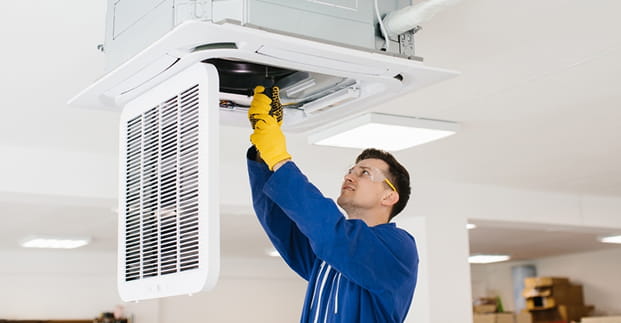
    • Ceiling Cassettes: Offer 4-way airflow and a clean, recessed look, but are more expensive than wall units.
    • Concealed Ducted Units: These are hidden above the ceiling and use short duct runs to deliver air through vents, providing a traditional aesthetic. They are often the most expensive option due to the unit cost and the additional labor for the mini-duct system.


    Breaking Down VRF Installation Costs in the Bay Area

    Labor is a significant portion of any construction project in the Bay Area, and VRF installation is no exception. The complexity of the installation process is a major factor in the overall cost.

    Key Factors Influencing Installation Labor Costs

    • Building Type (New Construction vs. Retrofit): Installing a VRF system in a new building during its construction phase is the most straightforward and cost-effective scenario. A retrofit project in an existing, occupied building is more complex. Installers must work around existing infrastructure, protect finishes, and often work after hours to minimize disruption, all of which increases labor time and cost.
    • Structural Complexity: A simple, open-plan office building is easier to work in than a historic building with thick walls, complex layouts, or preservation requirements. The ease of access for running refrigerant lines is a major labor consideration.
    • Piping Length and Complexity: The total length of refrigerant piping required and the number of connections directly impact labor hours. A sprawling building with long distances between the outdoor and indoor units will cost more to install than a compact one.
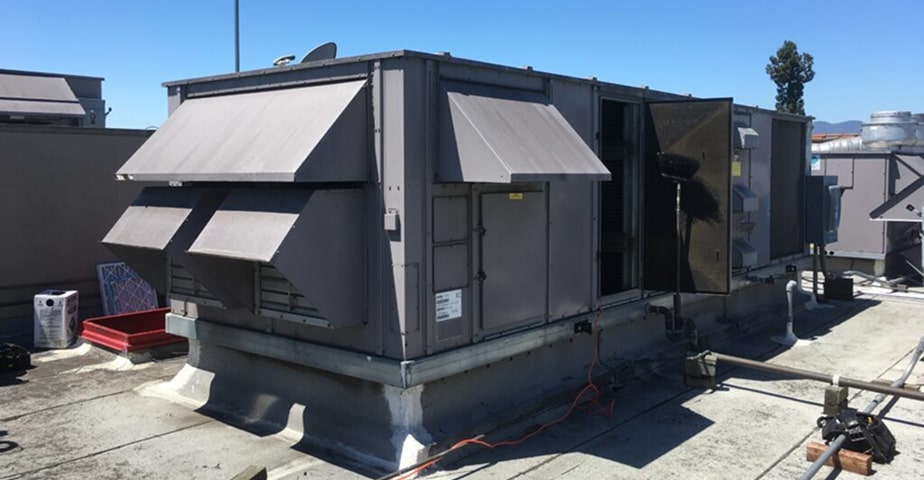
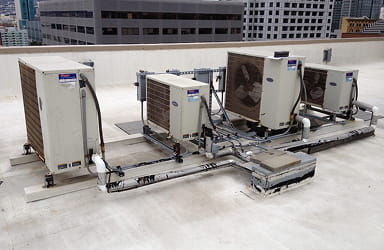
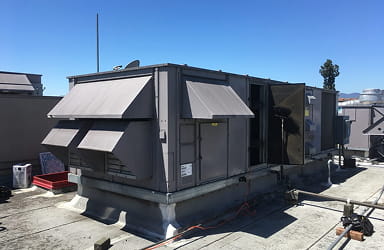
    • Crane and Rigging: The outdoor condenser units are heavy and typically installed on the roof. The cost to hire a crane and a specialized rigging crew to lift the units into place is a necessary expense that depends on building height and site accessibility.
    • Electrical Work: VRF systems have specific electrical requirements. The cost will depend on whether your building’s existing electrical panels can support the new load or if upgrades are needed.
    • Controls and Commissioning: A VRF system is not “plug and play.” A certified technician must meticulously program and commission the system. This involves setting up the central controller, configuring each zone, and testing the entire network to ensure it communicates and operates flawlessly. This is a highly skilled task and is a critical part of the installation budget.


    Design, Engineering, and Permit Costs

    Before any installation work begins, the system must be professionally designed. This is a critical step that ensures the system will perform efficiently and meet building codes.

    • Mechanical Engineering: A mechanical engineer or an experienced commercial HVAC Bay Area design team will perform the load calculations and create detailed drawings that specify the exact size and placement of all equipment and the routing of all piping. This design phase is crucial for an effective system and its cost is part of the overall project budget.
    • Permitting: Any new HVAC installation requires permits from the local city or county. The cost of these permits and the time required to manage the submission and inspection process are factored into the project total.


    Estimated VRF System Costs in the Bay Area for 2025

    Given all these variables, providing a single price is impossible. However, we can provide a general range to help with initial budgeting.

    For a commercial VRF system installation in the Bay Area, building owners can expect the cost to range from $20 to $35 per square foot.

    Let’s illustrate with a hypothetical example:

    • Project: A 10,000 sq. ft. office building in the Bay Area.
    • Low-End Estimate (Simpler system, new construction): 10,000 sq. ft. x $20/sq. ft. = $200,000
    • High-End Estimate (Complex heat recovery system, retrofit): 10,000 sq. ft. x $35/sq. ft. = $350,000

    This range typically includes design, equipment, and installation. It’s a significant investment, but it’s crucial to look beyond the initial price tag and consider the long-term financial picture.


    The Other Side of the Coin: VRF Savings and ROI

    The high initial cost of a VRF system installation Bay Area can be intimidating, but these systems are chosen for their exceptional return on investment (ROI). The savings come primarily from reduced energy consumption and lower long-term operating costs.

    How VRF Systems Generate Long-Term Savings

    • Significant Energy Reduction: VRF systems, particularly heat recovery models, can be up to 50% more efficient than traditional HVAC systems. In the Bay Area, where commercial electricity rates are among the highest in the country, these savings are substantial and can dramatically lower your monthly operating expenses.
    • Reduced Peak Demand: The variable-speed compressors in VRF systems have a “soft start,” meaning they gradually ramp up. This avoids the large inrush of current that traditional systems create when they cycle on, which can help lower utility demand charges.
    • Tax Incentives and Rebates: Many high-efficiency VRF systems qualify for federal tax deductions (like Section 179D for commercial buildings) and local utility rebates. These incentives can significantly offset the initial installation cost. A knowledgeable VRF service Bay Area provider can help you identify available programs.

    The payback period for a VRF system, when factoring in energy savings and incentives, can often be as short as 3 to 7 years. Over the 15-20 year lifespan of the system, the total cost of ownership is frequently lower than that of less expensive, less efficient alternatives.

    The Cost of Ongoing Maintenance

    Like any mechanical system, VRF units require regular maintenance to operate efficiently and reliably. A commercial maintenance plan is essential. Costs for a VRF service Bay Area contract will vary based on the size of your system and the frequency of visits, but this is a necessary operational expense to protect your investment.

    A good maintenance plan prevents costly breakdowns, ensures the system runs at peak efficiency (keeping energy bills low), and prolongs its lifespan. Neglecting maintenance will lead to much higher costs in the form of emergency repairs and premature system replacement.


    Is a VRF System Worth the Cost for Your Building?

    A VRF system is a premium HVAC solution with a corresponding upfront cost. However, for a wide range of commercial properties in the Bay Area, the long-term financial benefits make it a wise and profitable investment.

    You should strongly consider a VRF system if:

    • Your priority is minimizing long-term operational and energy costs.
    • Your building has diverse heating and cooling needs (e.g., offices, conference rooms, server rooms).
    • You want to provide superior comfort and individual temperature control for tenants or employees.
    • You are renovating an older building and want to avoid installing bulky ductwork.
    • You are aiming for LEED certification or other green building standards.


    Get an Accurate Quote for Your Bay Area Project

    The first step to understanding the true cost of a VRF system for your specific building is to partner with a qualified and experienced HVAC contractor. A generic estimate is not enough to make a sound financial decision. You need a detailed proposal based on a thorough evaluation of your property.

    Our team specializes in the design, installation, and service of state-of-the-art VRF systems. We provide:

    • Detailed Consultations and Proposals: We will assess your building, understand your needs, and provide a comprehensive and transparent quote detailing all aspects of the project.
    • Expert VRF System Installation: Our certified technicians have the specific training and experience required for a flawless VRF system installation Bay Area.
    • Comprehensive Maintenance and Service: We offer tailored VRF service Bay Area plans to protect your investment and ensure peak performance for years to come.
    • Full Range of HVAC Solutions: We also provide expert installation and HVAC repair Bay Area services for all types of commercial and residential systems.

    Investing in a VRF system is an investment in your building’s future efficiency and value. Contact us today to schedule your professional consultation and receive an accurate, detailed cost analysis for your Bay Area property.

    Stay Comfortable Year-Round With Expert HVAC Service

    Book a trusted technician to handle your heating or cooling issue—fast, professional, and done right the first time.

    Book Service Now
    Blog post Image
    Blog post Image
    Blog post Image

    Frequently Asked Questions

    How do I know when condensing unit replacement is better than repair?

    Consider replacement when repair costs exceed 50% of replacement cost, when units are over 12-15 years old, or when efficiency losses significantly increase energy bills. We provide cost-benefit analysis to help you make the right decision for your specific situation.

    What energy savings can I expect from a new high-efficiency condensing unit?

    Modern units typically achieve 20-40% energy savings compared to units installed before 2010. For a business spending $500 monthly on refrigeration energy, this represents $100-200 monthly savings that often pays for replacement within 3-5 years.

    How long does condensing unit replacement take?

    Most replacements take 1-3 days depending on unit size and installation complexity. We coordinate work around your business schedule to minimize disruption and can often provide temporary cooling during installation when necessary.

      Schedule Your Service

      Stay Comfortable Year-Round With Expert HVAC Service

      Book a trusted technician to handle your heating or cooling issue—fast, professional, and done right the first time.

      Schedule a FREE Discovery Call
      Close

      Schedule Your Service