I Want

    Residential HVACCommercial HVACRefrigerationEmergency HVAC


    Fast | No obligation

    Rooftop Package Units in the Bay Area: Installation Costs, Benefits, and What You Should Know

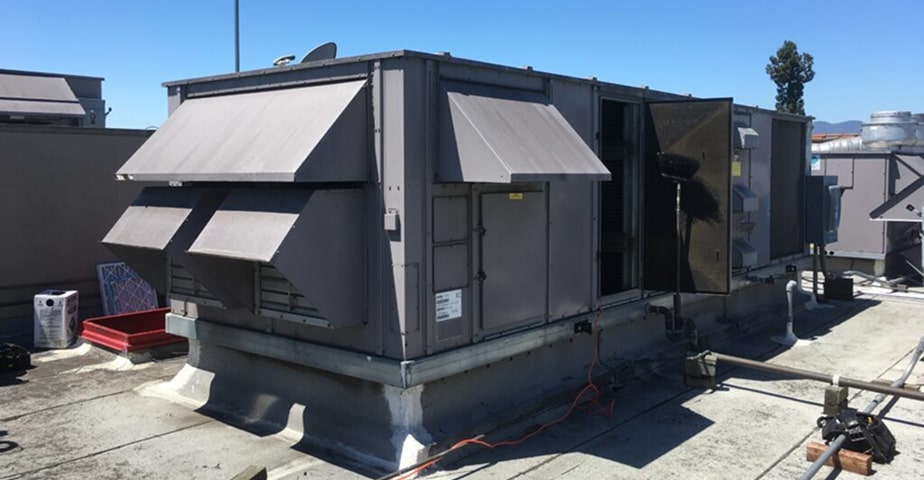
    When you look across the skyline of any Bay Area city, from San Francisco to San Jose, you’ll notice a common feature on the flat roofs of commercial buildings: large, boxy metal units. These are rooftop package units, the unsung heroes of commercial heating, ventilation, and air conditioning (HVAC). While they are most common in commercial settings, they also offer a viable solution for certain residential properties.

    Choosing the right HVAC system for a commercial building or a unique residential space is a critical investment. This decision impacts everything from employee and customer comfort to monthly operational costs and long-term maintenance budgets. For many Bay Area properties, rooftop package units (RTUs) present a powerful, efficient, and space-saving solution.

    This guide will cover everything you need to know about rooftop package units in the Bay Area. We will explore what they are, the significant benefits they offer, what to expect for installation costs, and the unique considerations for our local climate.


    What Exactly is a Rooftop Package Unit?

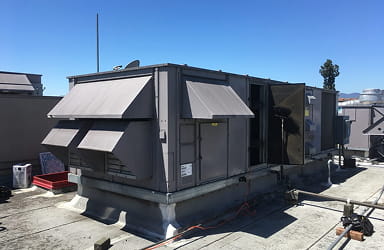
    A rooftop package unit is a self-contained HVAC system that houses all essential heating and cooling components in a single “package” or cabinet. This is different from a traditional split system, which has an outdoor unit (condenser) and a separate indoor unit (air handler or furnace).

    Inside one of these robust, weather-resistant cabinets, you’ll find:

    • An air conditioner or heat pump for cooling
    • A gas furnace or electric heater for heating
    • The evaporator and condenser coils
    • Fans and blowers
    • Dampers and filtration systems

    This all-in-one design is specifically engineered for outdoor installation, typically on the flat roof of a low-rise or mid-rise commercial building. The unit connects to the building’s interior through a network of ductwork, which distributes the conditioned air and pulls return air back to the unit for re-conditioning.


    The Major Benefits of Rooftop Units for Bay Area Properties

    Rooftop units are the standard for commercial properties for several good reasons. They offer a unique combination of efficiency, convenience, and performance that is hard to match with other system types.

    Unmatched Space Efficiency

    For any business in the Bay Area, usable square footage is a valuable commodity. Ground-level space is at a premium, whether it’s for customer parking, outdoor dining, or storage. Rooftop units are installed out of sight and out of the way, freeing up valuable ground space around the building. This also improves the building’s exterior aesthetics and reduces the risk of accidental damage or vandalism to the HVAC equipment.

    Simplified Installation and Maintenance

    Because all the components are housed in a single cabinet, the installation process is more streamlined than with a split system. A crane lifts the unit into place on the roof, and technicians then make the necessary connections for power, fuel (if it’s a gas pack), and ductwork.

    This consolidation also simplifies maintenance and repairs. Technicians have access to the entire system in one location. They don’t need to move between indoor and outdoor units to diagnose a problem. This can lead to faster service calls and potentially lower labor costs for any necessary heating and cooling repair in the Bay Area. Centralized access means less disruption to your business operations during routine maintenance or emergency repairs.

    Superior Energy Efficiency

    Modern rooftop package units are designed with energy efficiency as a top priority. Manufacturers have incorporated advanced technologies like variable-speed fans, multi-stage compressors, and high-efficiency heat exchangers. These features allow the unit to adjust its output precisely to meet the building’s heating or cooling demands, rather than simply running at full blast all the time. This intelligent operation can lead to significant savings on monthly energy bills—a critical factor given the high utility rates in our region.

    Quiet Operation

    Noise can be a major issue in a commercial or even a residential environment. By placing the entire HVAC system on the roof, the operational noise from compressors and fans is isolated from the building’s occupants. This results in a much quieter indoor environment, which is essential for offices, retail stores, restaurants, and schools where focus and comfort are paramount.

    Scalability and Modularity

    Rooftop units come in a wide range of sizes and capacities, from small units suitable for a small retail shop to massive systems capable of conditioning a large warehouse or office complex. For very large buildings, multiple units can be installed to create different climate zones. This modularity allows for a customized HVAC solution that can be tailored to the specific needs of different areas within a single building.


    Rooftop Unit Installation Costs in the Bay Area

    The cost of a rooftop unit installation in the Bay Area is a significant investment and can vary widely based on several key factors. It’s important to understand what goes into the total price to budget effectively.

    Key Factors Influencing Installation Cost

    1. Unit Size and Capacity (Tonnage): This is the most significant cost factor. The size of the unit is determined by the square footage of the space it needs to condition, as well as factors like ceiling height, window placement, insulation levels, and the building’s occupancy load. A proper “load calculation” performed by a professional HVAC contractor is essential to ensure the unit is not oversized or undersized. An improperly sized unit will run inefficiently, drive up energy bills, and fail prematurely.
    2. Unit Efficiency (SEER/EER/AFUE): Higher-efficiency models cost more upfront. The energy efficiency of cooling systems is measured by the Seasonal Energy Efficiency Ratio (SEER) or Energy Efficiency Ratio (EER), while heating efficiency for gas units is measured by the Annual Fuel Utilization Efficiency (AFUE). Investing in a unit with a higher rating will result in lower monthly operating costs, providing a return on that initial investment over the life of the system.
    3. Crane and Rigging Costs: Safely lifting a heavy, multi-ton unit onto a roof requires a crane and a specialized crew. The cost of this service depends on the size and weight of the unit, the height of the building, and the accessibility of the site. A building with easy street access will have lower crane costs than one set back from the road with power lines in the way.
    4. Ductwork Modifications: If you are replacing an older unit, the new system might require modifications to the existing ductwork to ensure proper airflow. In a new installation, the cost of designing and installing the entire ductwork installation system will be a major part of the overall project budget. A thorough duct inspection is a critical first step in any replacement project. If existing ducts are old or leaky, duct repair or a full duct replacement may be necessary.
    5. Roof Curb and Structural Support: The rooftop unit sits on a metal frame called a “roof curb,” which provides a level mounting surface and a weatherproof seal. If a new curb is needed or if the roof structure requires reinforcement to support the weight of the new unit, these will add to the total cost.
    6. Labor and Permits: The cost of labor from certified and experienced commercial HVAC Bay Area technicians is a significant portion of the budget. The complexity of the installation, including electrical and gas line work, will impact the total hours required. Additionally, permits from your local city or county are required for this type of work, and the fees will be included in the project cost.

    Given these variables, providing an exact price is impossible without a site evaluation. However, for a commercial building in the Bay Area, a new rooftop package unit installation can range from $10,000 to $50,000 or more, depending on the scope and complexity. The best way to get an accurate figure is to schedule a consultation with a reputable HVAC contractor who can assess your specific needs.


    Are Rooftop Units Suitable for Residential Use?

    While most commonly seen on commercial buildings, rooftop package units can be an excellent choice for certain types of residential properties in the Bay Area. They are particularly well-suited for:

    • Homes with Flat or Low-Slope Roofs: Many modern homes and townhouses feature flat roof designs where a rooftop unit can be easily installed.
    • Properties with Limited Yard Space: In densely populated areas where lots are small, a rooftop unit saves precious yard space that would otherwise be taken up by a traditional outdoor condenser unit.
    • Large, Sprawling Homes: For very large single-story homes, a rooftop unit can provide powerful, centralized heating and cooling more effectively than some traditional split systems.

    The benefits of quiet operation and space-saving are just as valuable for homeowners as they are for businesses. If you’re considering a new AC installation in the Bay Area for a home with these characteristics, a residential rooftop unit might be the ideal solution.


    Bay Area Climate Considerations for Rooftop HVAC Units

    The Bay Area’s unique environment presents specific challenges for any outdoor HVAC equipment. Rooftop units are especially exposed, and it’s crucial to choose and maintain them properly to ensure a long service life.

    The Impact of Fog and Salt Air

    For properties near the coast or in the direct path of San Francisco’s famous fog, salt air is a major concern. The salty, moist air is highly corrosive and can wreak havoc on the metal components of an HVAC system, including the coils, fins, and cabinet. This corrosion can reduce efficiency, restrict airflow, and lead to premature system failure and the need for costly AC repair.

    To combat this, it’s essential to:

    • Choose Units with Protective Coatings: Many manufacturers offer “coastal” or “marine-grade” models that feature special factory-applied coatings on the coils and other critical components to resist corrosion.
    • Schedule Regular Maintenance: A robust residential HVAC maintenance services plan is non-negotiable in coastal areas. Regular cleaning is needed to wash away salt deposits from the coils and cabinet. This simple step can dramatically extend the life of the unit.

    Managing Rain and Moisture

    Rooftop units are built to be weatherproof, but proper installation and maintenance are key to preventing water damage. The roof curb must be flawlessly sealed to prevent leaks into the building. Additionally, the unit’s internal drainage system must be kept clear of debris to prevent water from backing up and causing damage to internal components. This is a standard check during any professional maintenance visit.


    Keeping Your Rooftop Unit Running: Maintenance and Repair

    A rooftop unit is a significant investment, and protecting that investment requires proactive maintenance. A neglected unit will run inefficiently, break down more often, and need to be replaced sooner.

    The Importance of a Commercial HVAC Maintenance Plan

    A regular maintenance plan with a qualified commercial HVAC Bay Area contractor is the single most important thing you can do for your rooftop unit. A typical plan includes:

    • Cleaning condenser and evaporator coils
    • Changing or cleaning air filters
    • Inspecting and tightening electrical connections
    • Checking refrigerant levels
    • Verifying proper thermostat operation
    • Inspecting the fan motor, belts, and blades
    • Clearing the condensate drain lines
    • Inspecting the heat exchanger for any signs of wear or damage
    • Checking ductwork connections at the unit for leaks

    This preventative care not only ensures the system runs efficiently, saving you money on energy, but it also allows technicians to spot small issues before they become major failures that require an emergency HVAC repair in the Bay Area.

    Common Rooftop Unit Repairs

    Even with great maintenance, repairs will eventually be needed. Some common issues include:

    • Compressor Failure: The heart of the cooling system.
    • Fan Motor Burnout: The fans are critical for moving air across the coils.
    • Refrigerant Leaks: Can reduce cooling capacity and damage the compressor.
    • Ignition or Pilot Light Issues: A common problem in gas pack units.
    • Clogged Filters or Coils: A result of neglected maintenance that severely restricts airflow.

    When you need an HVAC repair in the Bay Area, it’s crucial to call a contractor with specific experience in commercial rooftop systems.


    Your Partner for Rooftop HVAC in the Bay Area

    Rooftop package units offer a powerful and efficient solution for heating and cooling both commercial and select residential properties throughout the Bay Area. From their space-saving design to their simplified maintenance, the benefits are clear. However, realizing these benefits requires proper sizing, professional installation, and a commitment to regular maintenance.

    Whether you’re looking to install a new system, replace an aging unit, or require reliable repair and maintenance services, our team has the expertise you need. We specialize in:

    • Commercial Rooftop Unit Installation: We provide expert sizing and rooftop unit installation in the Bay Area for businesses of all types.
    • HVAC Repair Services: Our technicians are equipped to handle everything from minor adjustments to complex HVAC repair near me. We offer 24/7 HVAC repair Bay Area services to get your system back online quickly.
    • Comprehensive Maintenance: Protect your investment with a tailored maintenance plan designed to keep your system running at peak performance.
    • Residential Services: From AC replacement Bay Area to new heat pump installations, we offer a full range of services for homeowners.

    Don’t leave the comfort of your building and your energy budget to chance. Contact us today to discuss your rooftop HVAC needs and schedule a professional consultation.

    Explore Additional Services:

    Stay Comfortable Year-Round With Expert HVAC Service

    Book a trusted technician to handle your heating or cooling issue—fast, professional, and done right the first time.

    Book Service Now
    Blog post Image
    Blog post Image
    Blog post Image

    Frequently Asked Questions

    How do I know when condensing unit replacement is better than repair?

    Consider replacement when repair costs exceed 50% of replacement cost, when units are over 12-15 years old, or when efficiency losses significantly increase energy bills. We provide cost-benefit analysis to help you make the right decision for your specific situation.

    What energy savings can I expect from a new high-efficiency condensing unit?

    Modern units typically achieve 20-40% energy savings compared to units installed before 2010. For a business spending $500 monthly on refrigeration energy, this represents $100-200 monthly savings that often pays for replacement within 3-5 years.

    How long does condensing unit replacement take?

    Most replacements take 1-3 days depending on unit size and installation complexity. We coordinate work around your business schedule to minimize disruption and can often provide temporary cooling during installation when necessary.

      Schedule Your Service

      Stay Comfortable Year-Round With Expert HVAC Service

      Book a trusted technician to handle your heating or cooling issue—fast, professional, and done right the first time.

      Schedule a FREE Discovery Call
      Close

      Schedule Your Service