I Want

    Residential HVACCommercial HVACRefrigerationEmergency HVAC


    Fast | No obligation

    Mini Split vs. Central AC in the Bay Area — Which Saves More Money?

    Choosing the right air conditioning system for your Bay Area home is a significant decision. With our region’s unique microclimates, from the foggy coast to the hot inland valleys, your choice impacts both your comfort and your wallet. Two of the most popular options are ductless mini-split systems and traditional central air conditioning. But which one is the smarter financial choice for Bay Area residents?

    This comprehensive guide will break down the costs, benefits, and long-term savings of mini-splits versus central AC. We’ll explore everything from initial installation expenses to monthly energy bills and ongoing maintenance. By the end, you’ll have a clear understanding of which system offers the best value for your specific needs and helps you save the most money in the long run.


    Understanding the Core Differences: Mini-Split vs. Central AC

    Before we dive into the financials, it’s important to understand how these two systems work. They both cool your home, but they do it in very different ways.

    What is a Central AC System?

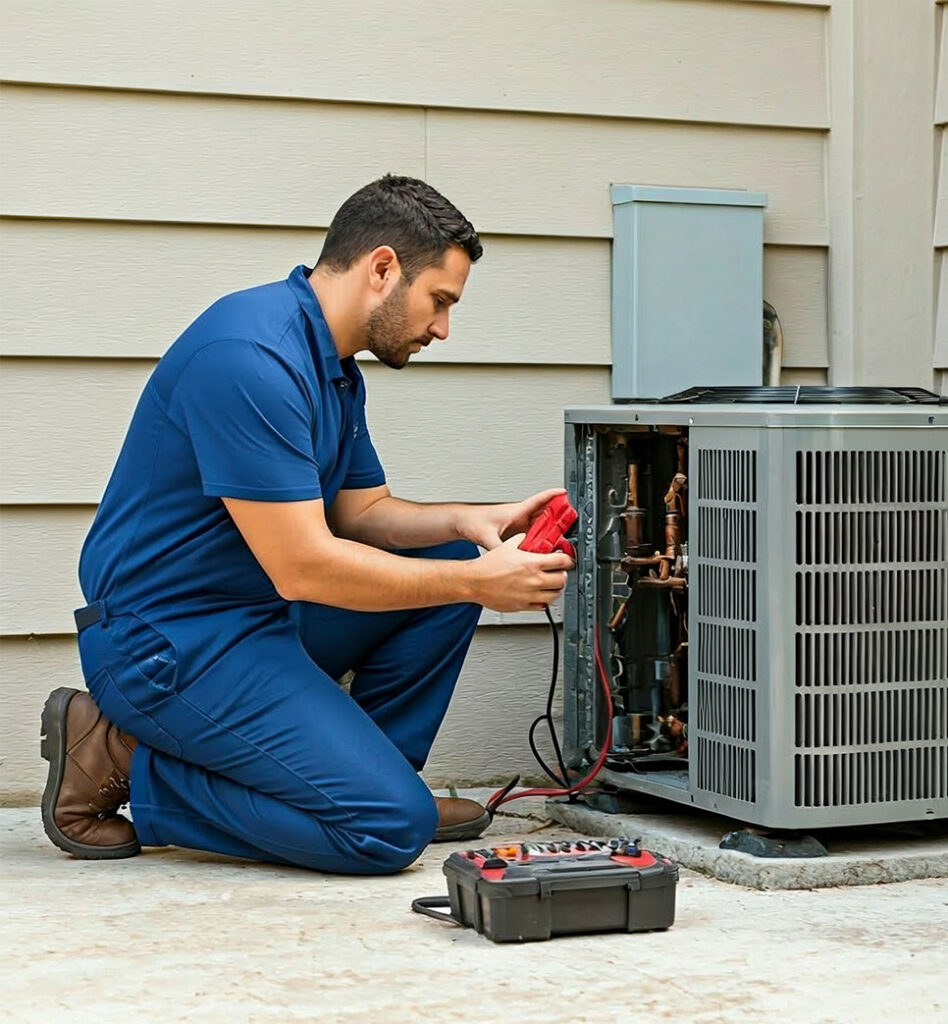
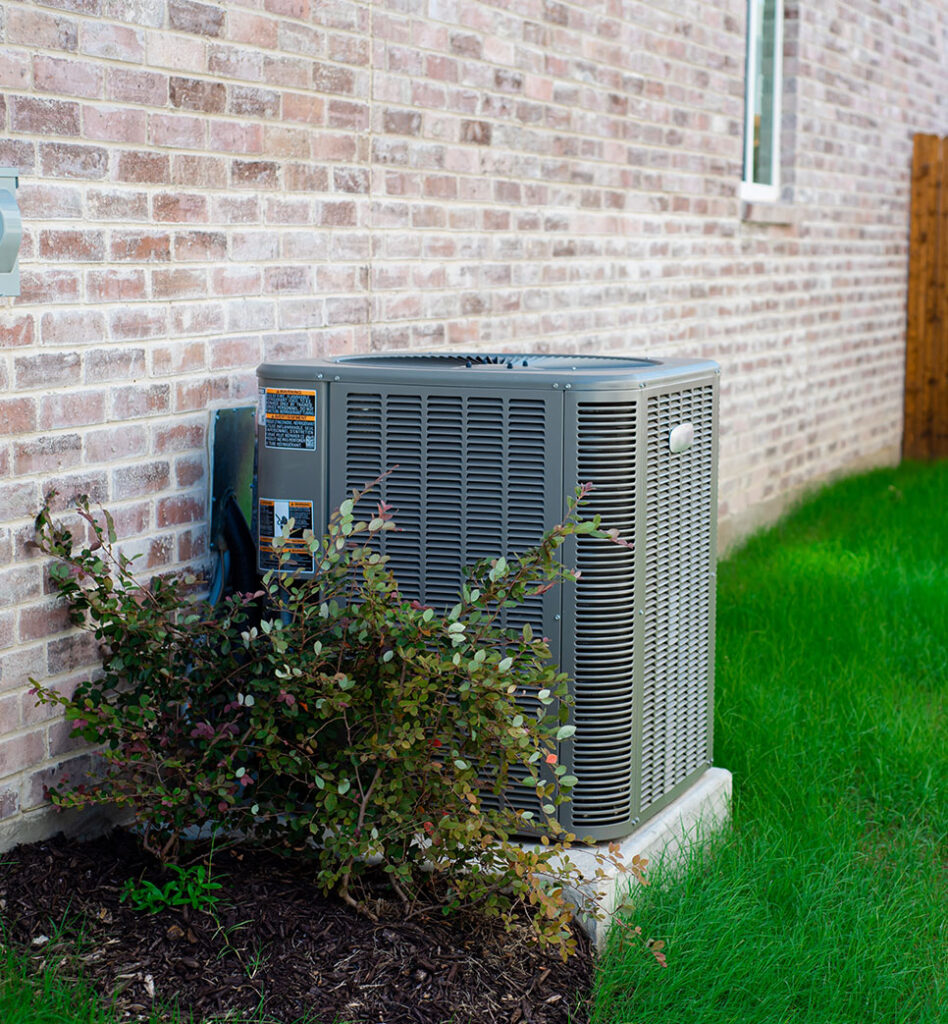
    A central air conditioning system is what most people picture when they think of whole-home cooling. It uses a network of ducts, usually hidden in walls, ceilings, or attics, to distribute cooled air throughout the entire house. The system has two main components: an outdoor unit (the condenser and compressor) and an indoor unit (the evaporator coil, often paired with your furnace or air handler).

    The system pulls warm air from inside your home through return vents, cools it by passing it over the evaporator coil, and then pushes the chilled air back into your rooms through the supply ducts. It’s designed to provide uniform temperature control across the whole house.

    What is a Ductless Mini-Split System?

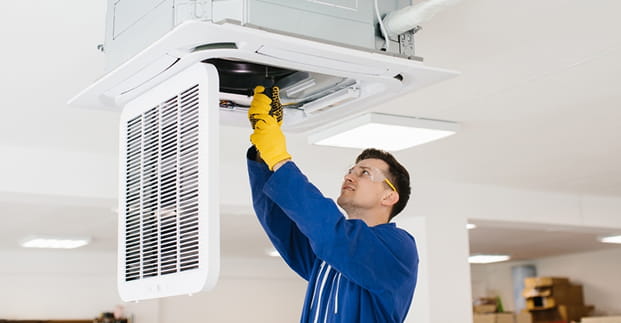
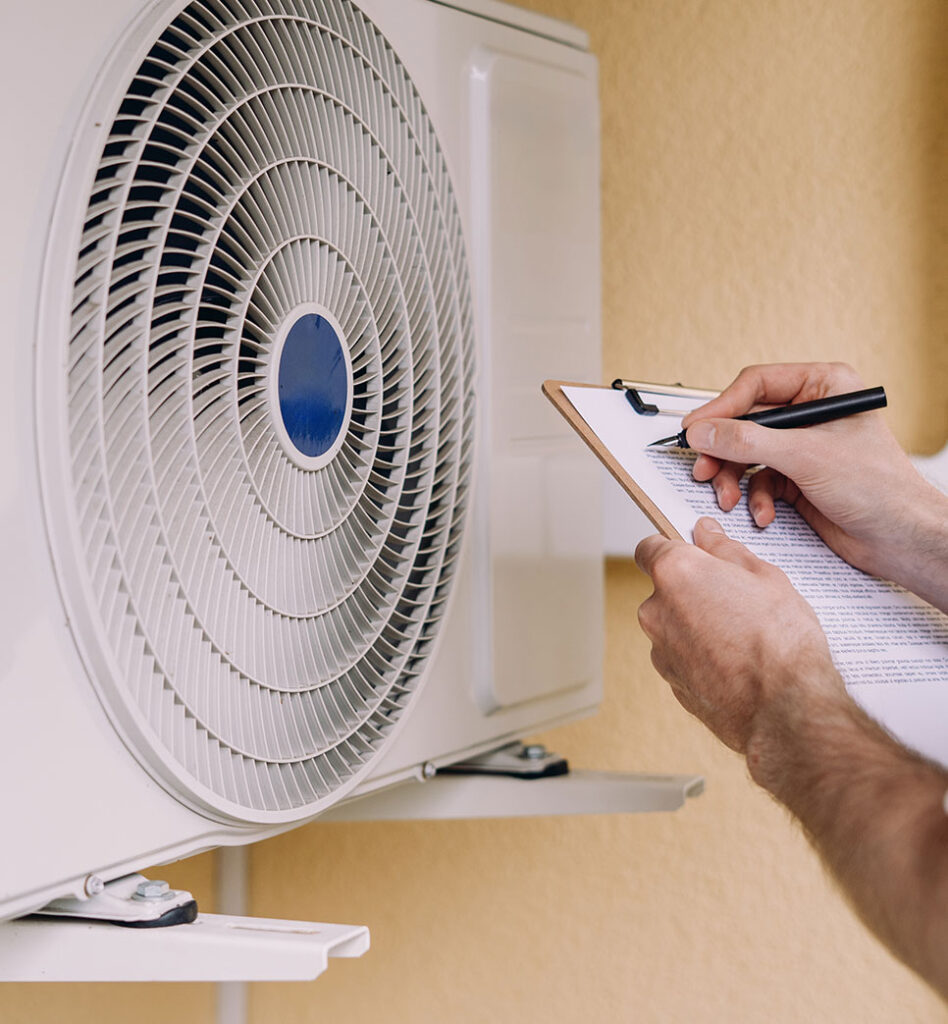
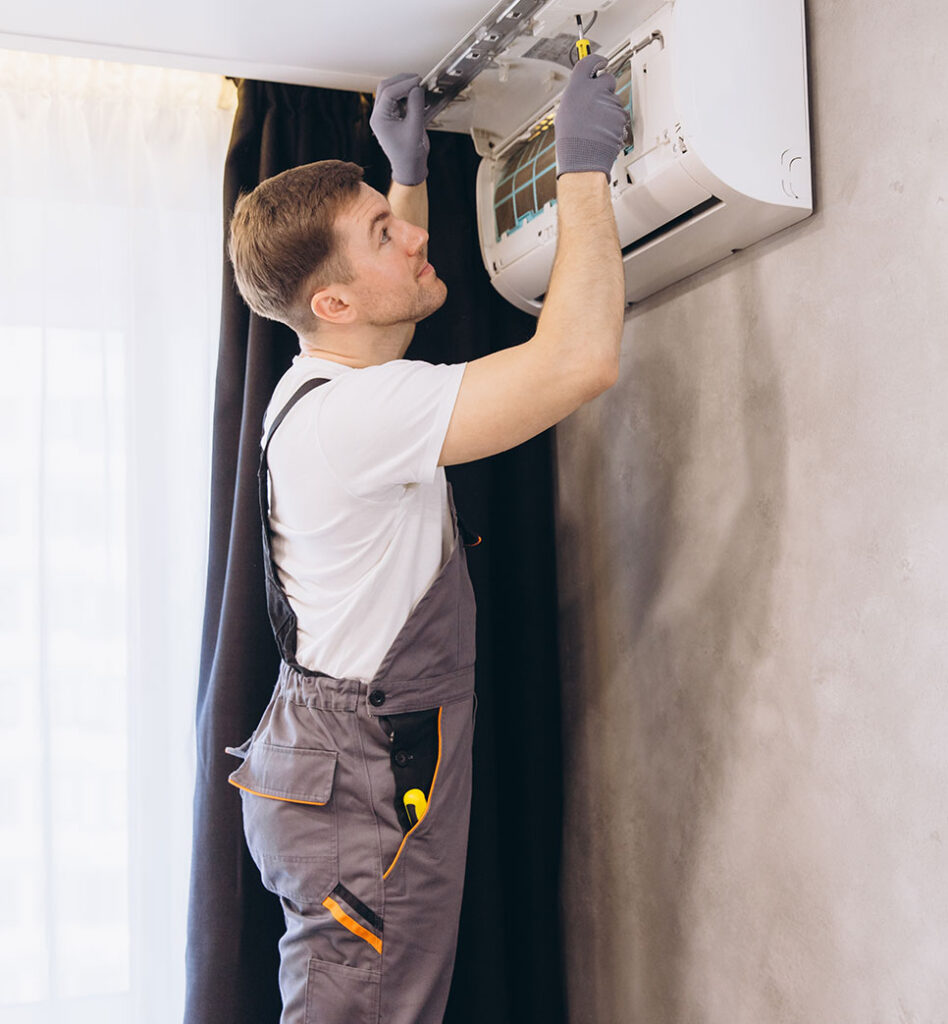
    A ductless mini-split system, as the name suggests, does not require any ductwork. It also has an outdoor compressor/condenser unit, but instead of one large indoor unit, it connects to one or more compact indoor air handlers. These handlers are typically mounted high on a wall or on the ceiling in individual rooms or “zones.”

    Each indoor handler has its own thermostat, allowing you to control the temperature of each zone independently. This means you can cool your living room to 72 degrees while keeping an unused bedroom at a warmer temperature, or even turned off completely. This zone control is a key feature that sets mini-splits apart.


    The Ultimate Cost Showdown: Which System Saves You More?

    To determine which system is more cost-effective, we need to look at the entire lifecycle cost, not just the sticker price. This includes the initial purchase and installation, monthly energy consumption, and long-term maintenance and repair costs.

    Initial Installation Costs: Bay Area AC Installation Breakdown

    The upfront cost is often the first thing homeowners consider. In the Bay Area, installation costs can vary widely based on the size of your home, its age, existing infrastructure, and the complexity of the job.

    Central AC Installation Bay Area Costs

    For a home that already has a functional ductwork system in place (perhaps from an existing furnace), installing a new central AC unit is relatively straightforward. The primary cost involves the unit itself and the labor to connect it to the existing ducts and electrical system.

    However, many older Bay Area homes were built without ductwork. In these cases, a central AC installation becomes a much larger and more expensive project. It involves designing and installing a complete duct system, which requires cutting into walls and ceilings. This process, known as a ductwork installation, can significantly increase the total price.

    Factors influencing Central AC installation cost:

    • Home Size: Larger homes require more powerful (and more expensive) units.
    • Ductwork Status: The biggest variable. Retrofitting ducts into an existing home is a major expense.
    • Unit Efficiency (SEER Rating): Higher-efficiency units cost more upfront but save money on energy bills over time.
    • Accessibility: Difficult-to-access attics or crawl spaces can increase labor costs.

    For a home without ducts, a central AC installation can be one of the most expensive home improvement projects. If you find your existing ducts are old, leaky, or improperly sized, you may also need a full duct replacement, which adds to the cost.

    Ductless Mini-Split Installation Bay Area Costs

    A key advantage of mini-splits is the simpler installation process. Since there’s no ductwork, the job is less invasive and usually much faster. The installer only needs to drill a small, three-inch hole in the wall to connect the indoor and outdoor units via a conduit line.

    The cost of a mini-split installation depends primarily on the number of indoor handlers (zones) you need. A single-zone system to cool one large room will be the most affordable option. A multi-zone system with three or four indoor units to cover multiple bedrooms and a living area will cost more.

    Even so, for a home without existing ductwork, a multi-zone mini-split system is almost always less expensive to install than a full central AC system with new ducts. This makes ductless ac installation in the Bay Area a very popular choice for older homes, additions, or for homeowners looking to avoid the disruption of a major ductwork project.

    Winner for Lower Installation Cost: Ductless Mini-Splits, especially for homes without existing ductwork.

    Energy Efficiency and Monthly Bills: The Biggest Source of Savings

    Here is where the financial comparison gets interesting. The long-term savings on your monthly PG&E bill can quickly outweigh a higher initial installation cost.

    How Central AC Systems Use Energy

    Central AC systems cool your entire home to a single temperature set on a central thermostat. This means you are paying to cool every room, whether you are using it or not. If you spend most of your evening in the living room, you are still paying to keep the empty bedrooms cool.

    Furthermore, energy is lost as the cooled air travels through the ductwork. According to the Department of Energy, the average duct system can lose 20% to 30% of the energy from the air that moves through it due to leaks, holes, and poor connections. If your ducts run through a hot attic, even more energy is wasted as the cool air warms up before it even reaches your rooms. Regular duct inspection and duct repair can help, but some energy loss is inevitable.

    How Mini-Splits Save Energy

    Mini-splits tackle these two major sources of energy waste head-on.

    1. Zoned Cooling: By allowing you to cool only the rooms you are using, you eliminate the cost of conditioning unoccupied spaces. You can create custom comfort zones throughout your house, saving a significant amount of energy.
    2. No Ducts, No Loss: Since there is no ductwork, there is no energy loss from air leaks. The cooled air is delivered directly into the room from the indoor handler, making them inherently more efficient.

    This combination of zoned control and duct-free operation means mini-split systems can save homeowners an average of 30% on cooling costs compared to conventional room air conditioners and even central systems in some scenarios. In the Bay Area, where electricity rates are among the highest in the country, these monthly savings add up quickly.

    Winner for Energy Efficiency & Monthly Savings: Ductless Mini-Splits.

    Maintenance and Repair Costs: Long-Term Reliability

    Every HVAC system requires regular upkeep to operate efficiently and prevent costly breakdowns. Comparing the maintenance needs and potential repair costs of both systems is crucial for understanding the total cost of ownership.

    Central AC Maintenance and Repair

    Central AC systems are complex, with many components hidden away in attics or crawlspaces. Regular residential HVAC maintenance services are essential. This includes cleaning the coils, checking refrigerant levels, inspecting the ductwork for leaks, and ensuring the electrical components are working correctly.

    If a problem does arise, a central AC repair can sometimes be complex. Diagnosing issues within a sprawling duct system can be challenging. Common repairs include refrigerant leaks, compressor failure, or fan motor issues. Should you need an emergency HVAC repair in the Bay Area, the interconnected nature of the system means a single failure can impact your entire home’s cooling. A full AC replacement can be a major expense, especially if it requires a new indoor air handler and outdoor unit.

    Ductless Mini-Split Maintenance and Repair

    Mini-splits also require routine maintenance. The primary task for homeowners is to regularly clean the filters on the indoor units, which is usually a simple process of removing, washing, and reinstalling them. Professional maintenance is still recommended annually to clean the outdoor coil and check the system’s mechanical and electrical components.

    In terms of repairs, a benefit of multi-zone mini-split systems is their modularity. If one indoor handler fails, the other zones in your house will continue to operate normally. This is a stark contrast to a central AC failure, which takes down the cooling for the entire house. While components like the main compressor can still fail, repairs are often localized to a specific unit, which can sometimes make the process simpler. Finding a qualified technician for heat pump repair in the Bay Area is key, as mini-splits are a type of heat pump technology.

    Winner for Maintenance & Repair Costs: It’s a Tie. Both systems require professional annual maintenance to ensure longevity and efficiency. Mini-splits have a slight edge due to their modular nature, which can contain a failure to a single zone, but repair costs for both depend heavily on the specific issue. The most important factor is investing in a residential HVAC maintenance services plan to catch problems early.


    The Bay Area Climate Factor: Why It Matters

    The Bay Area isn’t a single climate zone. A home in foggy Daly City has very different cooling needs than a home in sunny Walnut Creek or San Jose. This is where the flexibility of a mini-split system truly shines.

    • Coastal Areas (San Francisco, Pacifica): These areas may only need cooling on a handful of days each year. A central AC system would be a massive, expensive installation that sits unused most of the time. A single-zone mini-split in a main living area or a west-facing bedroom provides targeted cooling when needed without the huge upfront cost.
    • Bayside & Peninsula (Oakland, San Mateo): These areas experience moderate temperatures but can have distinct heat waves. The zoned cooling of a mini-split allows homeowners to cool their living spaces during the day and just their bedrooms at night, maximizing efficiency.
    • Inland Valleys (Concord, Livermore, San Jose): These hotter regions demand consistent and powerful cooling for several months. Here, the competition is tighter. A high-efficiency central AC system can be effective, but a powerful multi-zone mini-split system can still provide significant energy savings by allowing homeowners to create cooler zones without having to blast AC throughout the entire house 24/7.

    Furthermore, mini-splits are heat pumps. This means they can both cool and heat your home. For the Bay Area’s mild winters, a mini-split can provide incredibly efficient heating, potentially replacing an older, less efficient furnace. This dual functionality adds another layer of value and cost savings, consolidating two systems into one. If you’re considering a heater installation, a mini-split is a fantastic all-in-one solution.


    Special Use Cases: Where Each System Excels

    Beyond general whole-home cooling, each system has scenarios where it is the clear winner.

    Choose Central AC if:

    • Your home already has a well-maintained, modern ductwork system.
    • You prioritize a completely uniform temperature throughout every room of your house.
    • You prefer a system that is entirely hidden, with only subtle vents visible in your rooms.
    • You are building a new home and can design an efficient duct system from the ground up.

    Choose a Ductless Mini-Split if:

    • Your home does not have existing ductwork (common in older Bay Area homes).
    • You want to save the most money on your monthly energy bills.
    • You want to cool specific zones in your home, such as a new home addition, a converted garage, or a sunroom.
    • You want to supplement an existing HVAC system that doesn’t cool an upstairs room effectively.
    • You are interested in improving your indoor air quality with advanced filtration options available on many mini-split models.
    • You value the dual heating and cooling capabilities of a heat pump.


    The Final Verdict: Which System Saves More Money in the Bay Area?

    After considering installation costs, energy efficiency, maintenance, and the specific needs of Bay Area residents, the ductless mini-split system is the clear winner for overall cost savings for most homeowners.

    While the initial installation cost can be comparable to or even slightly more than a basic central AC unit (if you already have ducts), the long-term energy savings are undeniable. The 30%+ reduction in monthly cooling costs, thanks to zoned control and the elimination of duct losses, provides a return on investment that grows every year. For homes without pre-existing ductwork, the lower installation cost of a mini-split system makes the financial argument even more compelling.

    The ability to provide both cooling and highly efficient heating further solidifies the mini-split as the most versatile and cost-effective choice for the Bay Area’s mild-to-varied climate.


    Ready to Explore Your Options?

    Choosing the right HVAC system is a major decision, and the best choice depends on your unique home, budget, and comfort preferences. Whether you’re considering a new central AC installation, a high-efficiency mini-split system, or need repairs on your current unit, it’s essential to work with experienced professionals.

    Our team has extensive experience with both central AC and ductless mini-split installation in the Bay Area. We can provide a thorough assessment of your home and help you understand the precise costs and benefits of each option. We offer:

    Don’t guess when it comes to your home’s comfort and your budget. Contact us today to schedule a consultation and get a personalized quote. Let us help you find the perfect cooling solution that will keep you comfortable and save you money for years to come.

    Stay Comfortable Year-Round With Expert HVAC Service

    Book a trusted technician to handle your heating or cooling issue—fast, professional, and done right the first time.

    Book Service Now
    Blog post Image
    Blog post Image
    Blog post Image

    Frequently Asked Questions

    How do I know when condensing unit replacement is better than repair?

    Consider replacement when repair costs exceed 50% of replacement cost, when units are over 12-15 years old, or when efficiency losses significantly increase energy bills. We provide cost-benefit analysis to help you make the right decision for your specific situation.

    What energy savings can I expect from a new high-efficiency condensing unit?

    Modern units typically achieve 20-40% energy savings compared to units installed before 2010. For a business spending $500 monthly on refrigeration energy, this represents $100-200 monthly savings that often pays for replacement within 3-5 years.

    How long does condensing unit replacement take?

    Most replacements take 1-3 days depending on unit size and installation complexity. We coordinate work around your business schedule to minimize disruption and can often provide temporary cooling during installation when necessary.

      Schedule Your Service

      Stay Comfortable Year-Round With Expert HVAC Service

      Book a trusted technician to handle your heating or cooling issue—fast, professional, and done right the first time.

      Schedule a FREE Discovery Call
      Close

      Schedule Your Service