I Want

    Residential HVACCommercial HVACRefrigerationEmergency HVAC


    Fast | No obligation

    Best Heat Pumps for Bay Area Climates (Coastal vs South Bay)

    Choosing a new heat pump for your Bay Area home involves more than just picking a brand. Our region is famous for its microclimates; the cool, foggy coast of Pacifica has vastly different heating and cooling needs than the hot, dry summers of San Jose. Selecting the right heat pump means finding a system that is perfectly matched to your specific location, ensuring optimal comfort, efficiency, and long-term savings.

    A heat pump that excels in one part of the Bay Area might be a poor choice for another. Understanding the key features that matter for your climate—from corrosion resistance for coastal homes to high-efficiency cooling for the South Bay—is essential. This guide will compare the best heat pump features for different Bay Area climates, helping you make an informed decision for this critical home investment. We’ll explore what to look for, why it matters, and how to ensure your new system delivers year-round comfort no matter where you live.


    Why Microclimates Matter for Your Heat Pump Choice

    The Bay Area isn’t one single climate zone; it’s a collection of many. A 20-mile drive can take you from 65-degree, salt-laced fog to a 95-degree sun-drenched valley. This variation has a direct impact on how a heat pump will perform and how long it will last.

    • Coastal Climates (e.g., San Francisco, Pacifica, Half Moon Bay): These areas are defined by moderate temperatures year-round, high humidity, and salty air. The primary need is for consistent, efficient heating during cool, damp winters and effective dehumidification rather than extreme cooling in the summer.
    • Inland & South Bay Climates (e.g., San Jose, Palo Alto, Walnut Creek): These regions experience much greater temperature swings, with hot, dry summers and cooler winters. The priority here shifts to powerful and highly efficient air conditioning to handle summer heatwaves, while still providing reliable heating in the winter.

    Choosing a generic, one-size-fits-all system can lead to inefficiency, discomfort, and premature equipment failure. A successful heat pump installation in the Bay Area requires a tailored approach.


    Key Features for Coastal Bay Area Climates

    If you live near the coast, your biggest enemies are moisture and salt. Your heat pump selection should prioritize durability and efficient heating performance in damp, cool conditions.

    H2: Critical Feature 1: Corrosion-Resistant Coils

    The salt in coastal air is highly corrosive and can destroy a standard heat pump’s outdoor coils in just a few years. When the thin aluminum fins on the coil corrode, the system loses its ability to transfer heat effectively. This leads to a drastic drop in efficiency, increased strain on the compressor, and eventual system failure.

    • What to look for: Look for models that explicitly advertise “corrosion-resistant” or “coastal” coils. These are typically coated with a proprietary polymer-based layer that creates a barrier between the metal fins and the salty air. Brands like Carrier (WeatherShield Protection) and other major manufacturers offer specialized coatings designed for marine environments.
    • Why it matters: Investing in corrosion-resistant coils can double or even triple the lifespan of your outdoor unit in a coastal setting. It is the single most important feature for protecting your investment. Without it, you could be facing a costly AC replacement in the Bay Area far sooner than expected.

    H2: Critical Feature 2: Variable-Speed Blower and Compressor

    Coastal winters are more damp and chilly than brutally cold. Variable-speed technology (also known as inverter-driven) is a perfect match for these conditions. Unlike single-stage systems that blast on at 100% power and then shut off, variable-speed systems run continuously at lower speeds, precisely matching the heating demand.

    • What to look for: Seek out heat pumps with high HSPF (Heating Seasonal Performance Factor) ratings, which measure heating efficiency. Variable-speed models will have the highest ratings. They modulate their output, often between 25% and 100% capacity.
    • Why it matters for the coast:
      • Superior Dehumidification: During the damp summers, the system’s longer, low-speed run times are incredibly effective at removing moisture from the air, making your home feel more comfortable at a higher temperature. This improves indoor air quality in the Bay Area and prevents musty odors.
      • Consistent Heat: Say goodbye to the hot-and-cold swings of a traditional furnace. A variable-speed heat pump provides a steady, gentle stream of warm air, eliminating drafts and maintaining a constant temperature.
      • Whisper-Quiet Operation: Because they run at low speeds most of the time, these systems are significantly quieter than their single-stage counterparts.


    Key Features for South Bay & Inland Climates

    In the warmer parts of the Bay Area, the game changes. Your summer electricity bill is the main concern, so cooling efficiency is king.

    H2: Critical Feature 1: High SEER2 and EER2 Ratings

    When temperatures in San Jose or Concord climb into the 90s, your heat pump’s cooling efficiency is what protects your wallet. SEER2 (Seasonal Energy Efficiency Ratio 2) and EER2 (Energy Efficiency Ratio 2) are the metrics that matter most.

    • SEER2: Measures a heat pump’s cooling efficiency over an entire season, accounting for temperature fluctuations. A higher SEER2 means lower electricity consumption.
    • EER2: Measures cooling efficiency at a fixed, high outdoor temperature (typically 95°F). This is a crucial indicator of how well the unit will perform during the peak of a heatwave.
    • What to look for: For South Bay and inland homes, you should target a system with a SEER2 rating of 17 or higher. Pay close attention to the EER2 rating as well; a high EER2 ensures the system won’t lose its efficiency when you need it most. Variable-speed models will again lead the pack here.
    • Why it matters: A high-efficiency heat pump can cut your summer cooling costs by 30-50% compared to an older, less efficient air conditioner. The upfront cost is higher, but the long-term energy savings provide a clear return on investment.

    H2: Critical Feature 2: Robust Cold-Climate Heating Performance

    While summers are hot, inland valleys can also experience some of the coldest winter nights in the Bay Area, occasionally dipping toward freezing. You need a heat pump that can provide reliable heat without relying heavily on expensive backup electric resistance heat.

    • What to look for: Look for models marketed as “cold-climate” heat pumps. Check the unit’s specifications for its heating capacity at lower temperatures (e.g., 17°F). Many modern systems can maintain 80-100% of their heating capacity down to freezing temperatures and continue operating efficiently well below that.
    • Why it matters: A strong cold-weather performer will keep your home warm using the ultra-efficient heat pump technology, not by activating inefficient “heat strips” that can cause your electric meter to spin. This ensures your winter heating bills remain low, even on the coldest nights. If you do experience issues, you’ll want a reliable partner for heat pump repair in the Bay Area.


    Universal Features: What Every Bay Area Homeowner Should Look For

    Regardless of your microclimate, some features are universally beneficial for any heat pump installation.

    H3: Quiet Operation (Low Decibel Ratings)

    As homes are built closer together, outdoor noise is an increasing concern. Heat pump noise levels are measured in decibels (dB). A quiet conversation is about 60 dB. Many high-end variable-speed heat pumps operate in the mid-to-low 50s, making them virtually unnoticeable. When comparing models, look for the lowest decibel rating you can find.

    H3: Smart Thermostat Compatibility

    To get the most out of a modern heat pump, especially a variable-speed model, you need a smart thermostat. These thermostats “learn” your home’s thermal properties and your family’s schedule to optimize run times for maximum efficiency and comfort. They also allow you to control your system remotely from your phone. Ensure the heat pump you choose is compatible with a communicating thermostat from the same brand or a top-tier smart thermostat.

    H3: Ductless Mini-Split Heat Pump Options

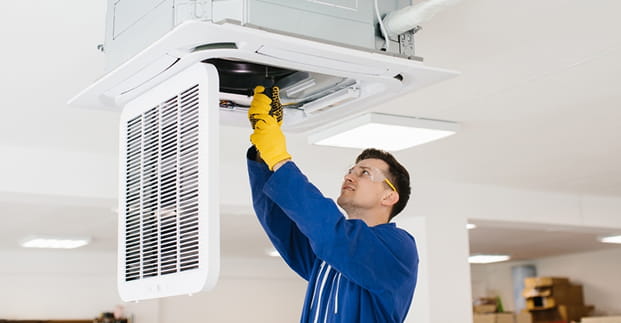
    What if you don’t have ductwork? Or if you have a specific room that’s always too hot or too cold? A ductless mini-split in the Bay Area is an outstanding solution. These systems use an outdoor heat pump connected to one or more indoor air handlers mounted on the wall or ceiling.

    • Benefits: They offer incredible flexibility, zoned comfort (so you can set different temperatures in different rooms), and eliminate energy losses associated with ductwork. For homes with existing ducts, a thorough duct inspection in the Bay Area is recommended before installing any new central system.


    The Importance of Professional Installation and Maintenance

    You can choose the most advanced, perfectly featured heat pump on the market, but its performance will be completely undermined by a poor installation. Proper sizing, refrigerant charging, and ductwork integration are complex tasks that require certified professionals.

    • Sizing is Critical: A system that is too large (short-cycling) or too small (running constantly) will be inefficient, provide poor comfort, and fail prematurely. A professional contractor must perform a Manual J load calculation to determine the exact size your home needs.
    • Expertise Matters: Look for heat pump installers in the Bay Area with proven experience and certifications for the brands they install. They will ensure your system is set up for peak performance from day one.
    • Ongoing Care: Just like a car, your heat pump needs regular tune-ups to stay efficient and reliable. A comprehensive residential HVAC maintenance service will protect your investment for years to come. And in the event of a problem, having a trusted company for quick hvac repair in the Bay Area is essential. For sudden breakdowns, knowing who to call for emergency HVAC repair in the Bay Area provides invaluable peace of mind.


    Making Your Final Decision

    The best heat pump for your Bay Area home is the one that is engineered to thrive in your specific microclimate.

    • For Coastal Residents: Prioritize corrosion-resistant coils and variable-speed technology for efficient heating and dehumidification.
    • For South Bay & Inland Residents: Focus on high SEER2/EER2 ratings for summer cooling efficiency and strong cold-climate heating performance.

    By understanding these key differences and partnering with a knowledgeable HVAC professional, you can select a system that will deliver exceptional comfort and energy savings for decades.

    Ready to find the perfect heat pump for your corner of the Bay Area? Contact us today for a personalized consultation. Our experts will help you navigate your options and design a system tailored to your home and climate.

    Stay Comfortable Year-Round With Expert HVAC Service

    Book a trusted technician to handle your heating or cooling issue—fast, professional, and done right the first time.

    Book Service Now
    Blog post Image
    Blog post Image
    Blog post Image

    Frequently Asked Questions

    How do I know when condensing unit replacement is better than repair?

    Consider replacement when repair costs exceed 50% of replacement cost, when units are over 12-15 years old, or when efficiency losses significantly increase energy bills. We provide cost-benefit analysis to help you make the right decision for your specific situation.

    What energy savings can I expect from a new high-efficiency condensing unit?

    Modern units typically achieve 20-40% energy savings compared to units installed before 2010. For a business spending $500 monthly on refrigeration energy, this represents $100-200 monthly savings that often pays for replacement within 3-5 years.

    How long does condensing unit replacement take?

    Most replacements take 1-3 days depending on unit size and installation complexity. We coordinate work around your business schedule to minimize disruption and can often provide temporary cooling during installation when necessary.

      Schedule Your Service

      Stay Comfortable Year-Round With Expert HVAC Service

      Book a trusted technician to handle your heating or cooling issue—fast, professional, and done right the first time.

      Schedule a FREE Discovery Call
      Close

      Schedule Your Service