I Want

    Residential HVACCommercial HVACRefrigerationEmergency HVAC


    Fast | No obligation

    How to Choose the Right Furnace for Bay Area Weather

    Choosing a new furnace in the Bay Area presents a unique challenge. Unlike regions with harsh, prolonged winters, our climate is famously moderate, with a mix of foggy mornings, sunny afternoons, and chilly nights. This variability means homeowners need a heating system that is both responsive and highly efficient, capable of providing comfort during sudden cold snaps without being overkill for the generally mild temperatures. Selecting the right furnace isn’t just about staying warm; it’s a critical financial decision that impacts your monthly energy bills, indoor comfort, and long-term property value.

    With the Bay Area’s high cost of energy, making an informed choice is more important than ever. The wrong system can lead to wasted energy, inconsistent temperatures, and the need for frequent repairs. This guide will walk you through the key factors to consider when selecting a new furnace, ensuring you find a solution perfectly tailored to the Bay Area’s specific weather patterns and your home’s unique needs.


    Understanding the Bay Area’s Unique Heating Needs

    Before diving into furnace types and features, it’s essential to appreciate why the Bay Area is different. Our weather isn’t a single, uniform climate but a collection of microclimates. A home in the foggy Sunset District of San Francisco has different heating requirements than a home in the sun-drenched hills of San Jose or the breezy valleys of Marin County.

    This means a one-size-fits-all approach doesn’t work. The key is finding a system that is:

    • Energy-Efficient: Because you might only use your furnace for short periods, you want it to consume as little energy as possible when it does run.
    • Responsive: The system should be able to provide warmth quickly when temperatures drop unexpectedly.
    • Sized Correctly: A furnace that is too powerful will be inefficient for our mild weather, while one that’s too small will struggle during colder winter nights.

    Keeping these principles in mind will help you navigate the options and make a smarter investment.


    Step 1: Select the Right System Type

    The first major decision is choosing the type of fuel or technology your heating system will use. For Bay Area homeowners, the primary choices are natural gas furnaces, electric furnaces, and heat pumps.

    Gas Furnaces: The Powerful Standard

    For homes with an existing natural gas line, gas furnaces are the most popular choice for a reason. They produce powerful heat quickly and are generally more affordable to operate than electric systems due to the lower cost of natural gas compared to electricity.

    • Pros: High heat output, lower monthly fuel costs, reliable performance even in the coldest weather.
    • Cons: Requires a natural gas connection, installation can be more complex, and they produce carbon monoxide, necessitating careful safety checks and maintenance.
    • Best for: Most homes in the Bay Area with a gas line looking for robust and cost-effective heating. A professional furnace installation in the Bay Area ensures safety and performance.

    Electric Furnaces: The Simple Alternative

    If your home doesn’t have a gas line, an electric furnace is a viable alternative. These units are typically less expensive to purchase and install. They convert electricity directly into heat, making them technically 100% efficient at the point of use.

    • Pros: Lower upfront purchase price, no carbon monoxide risk, easy installation.
    • Cons: Very high operating costs, especially with the Bay Area’s premium electricity rates. They can struggle to produce the same powerful heat as a gas furnace.
    • Best for: Homes without gas access or as a backup heat source in a smaller space.

    Heat Pumps: The All-in-One Efficiency Champion

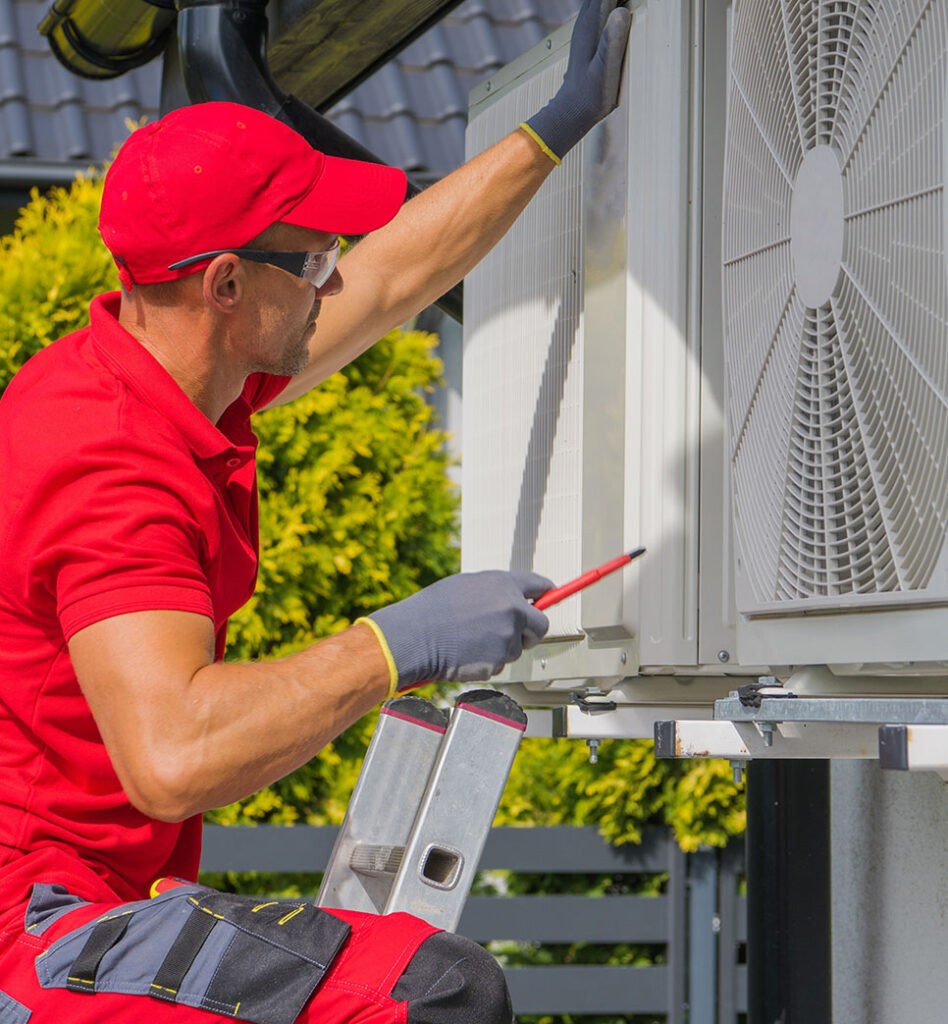
    Heat pumps are becoming an increasingly popular choice for Bay Area homeowners, and for good reason. A heat pump is an all-in-one system that provides both heating and air conditioning. Instead of generating heat, it moves it. In winter, it extracts ambient heat from the outside air and transfers it inside. In summer, it reverses the process.

    • Pros: Extremely energy-efficient for both heating and cooling, resulting in significantly lower utility bills. They are environmentally friendly as they don’t burn fossil fuels on-site.
    • Cons: Higher initial investment compared to a furnace alone. While effective for most Bay Area winters, they can lose efficiency in near-freezing temperatures and may require a supplemental heat source (like electric heat strips) for rare cold snaps.
    • Best for: Climate-conscious homeowners looking for the lowest long-term operating costs. A professional heat pump installation in the Bay Area is key to maximizing efficiency.


    Step 2: Choose the Right Efficiency Rating (AFUE)

    For gas furnaces, the most important performance metric is the Annual Fuel Utilization Efficiency (AFUE) rating. This percentage indicates how much fuel is converted into usable heat versus how much is lost through exhaust.

    • Standard-Efficiency Furnaces (80% AFUE): These furnaces convert 80 cents of every dollar spent on fuel into heat. They are more affordable upfront and are often used as direct replacements in older homes where venting for a high-efficiency model is challenging.
    • High-Efficiency Furnaces (90-98.5% AFUE): These systems are the gold standard for energy savings. They convert up to 98.5% of their fuel into heat, wasting very little energy. While the initial heating installation in the Bay Area costs more, the significant reduction in your monthly PG&E bill means these units often pay for themselves over their lifespan. Given the high cost of energy, a high-efficiency furnace is almost always the best long-term investment for Bay Area residents.

    Step 3: Get the Sizing Right with a Professional Load Calculation

    Furnace “size” refers to its heating capacity, measured in British Thermal Units (BTUs). This is arguably the most critical factor for ensuring both comfort and efficiency, especially in a mild climate.

    • Too Big (Oversized): An oversized furnace will heat your home too quickly and shut off before it has a chance to circulate air properly. This phenomenon, known as short-cycling, leads to hot and cold spots, poor humidity control, and excessive wear and tear on components, leading to more frequent calls for furnace repair in the Bay Area.
    • Too Small (Undersized): An undersized furnace will run constantly on cold days, failing to ever reach the temperature set on your thermostat. This wastes energy and puts a relentless strain on the system.

    A qualified HVAC contractor will perform a “Manual J” load calculation. This detailed analysis considers your home’s square footage, insulation levels, window type and quantity, air leakage, and local climate data. This scientific approach ensures the furnace is perfectly sized to provide consistent, efficient heat for your specific home. Never trust a contractor who sizes a new furnace based only on the old unit’s capacity.


    Step 4: Evaluate Your Ductwork

    Your furnace creates the warm air, but your ductwork delivers it. Old, leaky, or poorly designed ducts can sabotage the performance of even the most advanced furnace. A professional consultation for a new furnace should always include an inspection of your duct system.

    Leaky ducts can lose 20-30% of the heated air into unconditioned spaces like your attic or crawlspace. This is a massive waste of energy and money. Before finalizing your furnace installation in the Bay Area, ask your contractor about the condition of your ducts and whether sealing or repairs are needed to ensure your new system operates at its peak potential. In some cases, a duct system may be so compromised that replacement is the most cost-effective solution.


    Step 5: Consider Advanced Features and Compatibility

    Modern furnaces offer a range of features that can enhance comfort and efficiency. When choosing your system, consider these valuable upgrades.

    Variable-Speed Blowers

    Traditional furnaces have a blower motor that operates at only one speed: full blast. A variable-speed motor, however, can adjust its speed based on your home’s heating needs. It runs at a lower, quieter speed for longer periods, providing a more consistent flow of warm air. This eliminates the sudden blasts of hot air and dramatic temperature swings common with single-speed systems. It also improves filtration and indoor air quality in the Bay Area by circulating air more continuously through the filter.

    Smart Thermostats

    Pairing your new furnace with a smart thermostat is one of the easiest ways to maximize efficiency. These devices learn your schedule and preferences, automatically adjusting the temperature to save energy when you’re away or asleep. You can also control them remotely from your smartphone, allowing you to pre-heat your home before you arrive.

    Ductless Mini-Splits for Targeted Comfort

    For homes with additions, converted garages, or specific rooms that are hard to heat, a ductless mini split in the Bay Area can be an excellent supplement or alternative to a central furnace. These systems consist of an outdoor compressor connected to one or more indoor air handlers. They provide zoned heating and cooling, allowing you to control the temperature of individual rooms independently. This is a highly efficient way to solve comfort problems without needing to install new ductwork.


    The Importance of Professional Installation

    Choosing the right furnace is only half the battle. The quality of the installation is what ultimately determines your system’s performance, safety, and lifespan. A poorly installed furnace, even a top-of-the-line model, will run inefficiently and be prone to breakdowns, potentially leading to a dangerous situation or the need for emergency HVAC repair in the Bay Area.

    A professional installation from a licensed, reputable company ensures:

    • The system is sized and installed according to manufacturer specifications and local building codes.
    • All electrical and gas connections are secure and safe.
    • The system is properly vented to prevent carbon monoxide exposure.
    • Your ductwork is connected correctly for optimal airflow.

    After installation, protect your investment with a residential HVAC maintenance service plan. Annual tune-ups will keep your new furnace running at peak efficiency and help catch any small issues before they become major problems.


    Your Partner in Bay Area Home Comfort

    Choosing the right furnace for the Bay Area’s unique weather requires a thoughtful approach. By focusing on system type, efficiency, proper sizing, and quality installation, you can find a heating solution that provides reliable comfort and long-term value. Don’t let the mild climate fool you into underestimating the importance of your heating system. An efficient, well-chosen furnace is a cornerstone of a comfortable and cost-effective home.

    Making this decision can feel overwhelming, but you don’t have to do it alone. Our team of experienced HVAC professionals is here to guide you. We can perform a thorough assessment of your home, explain your options clearly, and help you select the perfect furnace to meet your needs and budget.

    Ready to find the ideal heating solution for your Bay Area home? Contact us today to schedule a professional consultation and take the first step toward greater comfort and efficiency.

    Stay Comfortable Year-Round With Expert HVAC Service

    Book a trusted technician to handle your heating or cooling issue—fast, professional, and done right the first time.

    Book Service Now
    Blog post Image
    Blog post Image
    Blog post Image

    Frequently Asked Questions

    How do I know when condensing unit replacement is better than repair?

    Consider replacement when repair costs exceed 50% of replacement cost, when units are over 12-15 years old, or when efficiency losses significantly increase energy bills. We provide cost-benefit analysis to help you make the right decision for your specific situation.

    What energy savings can I expect from a new high-efficiency condensing unit?

    Modern units typically achieve 20-40% energy savings compared to units installed before 2010. For a business spending $500 monthly on refrigeration energy, this represents $100-200 monthly savings that often pays for replacement within 3-5 years.

    How long does condensing unit replacement take?

    Most replacements take 1-3 days depending on unit size and installation complexity. We coordinate work around your business schedule to minimize disruption and can often provide temporary cooling during installation when necessary.

      Schedule Your Service

      Stay Comfortable Year-Round With Expert HVAC Service

      Book a trusted technician to handle your heating or cooling issue—fast, professional, and done right the first time.

      Schedule a FREE Discovery Call
      Close

      Schedule Your Service