The Bay Area is known for its mild climate, but when a heat wave hits, it can be relentless. Temperatures soar, and homes that felt comfortable just a day before can quickly become unbearable. This is when you rely on your air conditioner the most, but it’s also when it’s most likely to fail. There is nothing more frustrating than an AC unit that can’t keep up, or worse, breaks down completely on the hottest day of the year.
If you’ve noticed your air conditioner running constantly without cooling your home, blowing warm air, or making strange noises during a heat wave, you’re not alone. These are common symptoms of a system under extreme stress. The intense, prolonged demand for cooling pushes every component to its limit, exposing underlying issues that might go unnoticed during milder weather.
Understanding why your AC is struggling is the first step toward finding a lasting solution. This guide will walk you through the most common culprits, from simple maintenance oversights to more serious system-wide problems, and provide actionable steps you can take to ensure your home stays cool and comfortable, even when Bay Area temperatures are at their peak.
1. Dirty or Clogged Air Filters: The Simplest Fix
The single most common reason for an AC system to underperform is also the easiest to fix: a dirty air filter. Your AC’s filter is designed to capture dust, pollen, pet dander, and other airborne particles, preventing them from circulating in your air and from clogging up the sensitive components of your HVAC system.
How It Causes Problems During a Heat Wave
During a heat wave, your AC runs almost nonstop. This means it’s pulling a massive volume of air through the filter. If the filter is already dirty, it quickly becomes completely clogged. This severely restricts airflow, which leads to a cascade of problems:
- Reduced Cooling Power: The system can’t pull in enough warm air to cool, so it can’t push out enough cold air to lower your home’s temperature. Your AC will run for hours but never reach the thermostat setting.
- Frozen Evaporator Coils: Proper airflow over the indoor evaporator coil is necessary to absorb heat. When airflow is blocked, the coil can get too cold, causing condensation on its surface to freeze into a block of ice. A frozen coil cannot absorb any heat, and your AC will start blowing warm air.
- System Overheating and Failure: A clogged filter forces the blower motor to work much harder to pull air through. This can lead to the motor overheating and shutting down, or even burning out completely, requiring an expensive ac repair in the Bay Area.
The Solution: Check and Change Your Filter
This is a simple DIY fix that every homeowner should perform regularly.
- Check Monthly: During peak cooling season, inspect your filter every 30 days. Hold it up to a light; if you can’t see light through it, it’s time for a change.
- Replace as Needed: Depending on your system, home environment (pets, smokers, etc.), and filter type, you may need to replace it every 1-3 months.
- Use the Right Filter: Make sure you are using the correct size and type of filter recommended by your HVAC manufacturer.
2. Neglected Maintenance: An Overworked System
Think of your air conditioner like a car. You wouldn’t drive it for years without an oil change or a tune-up and expect it to perform well. Your AC system is a complex piece of machinery that requires regular professional maintenance to operate efficiently and reliably, especially under the strain of a heat wave.
How a Lack of Maintenance Leads to Failure
Over time, without professional cleaning and calibration, your AC system’s performance degrades in several ways:
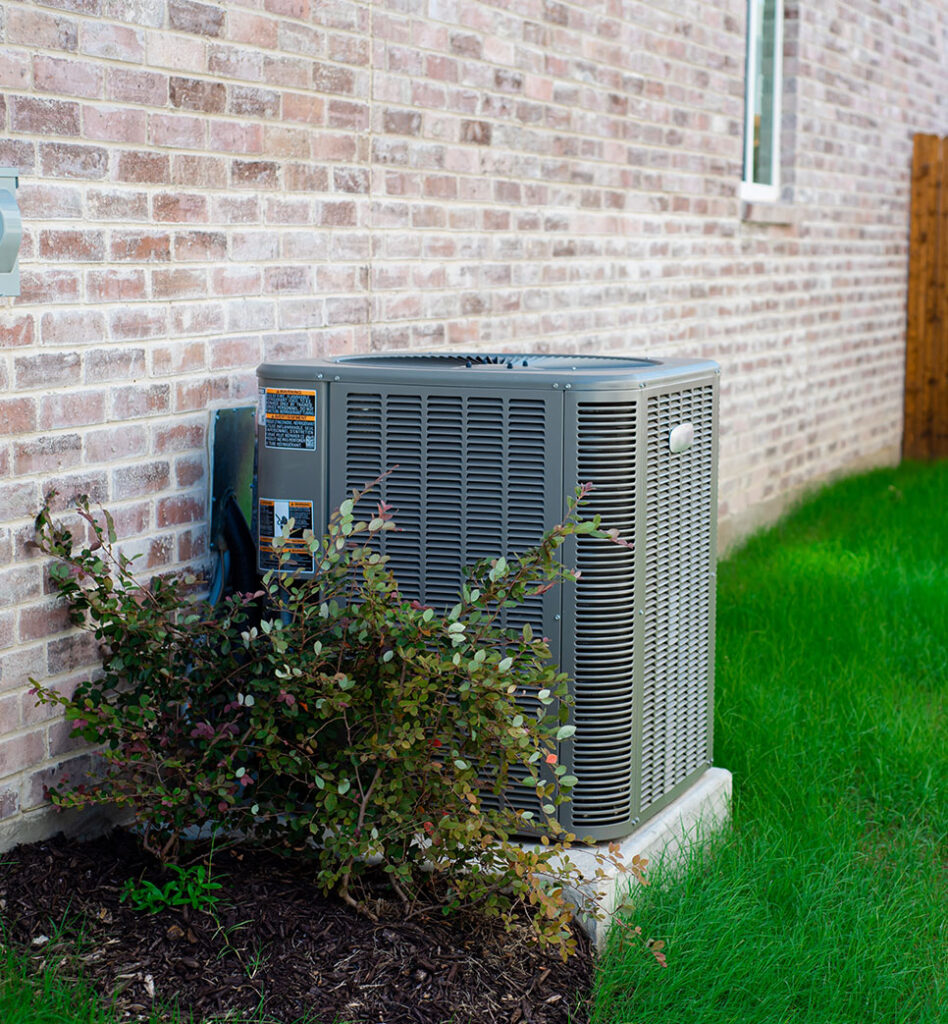
- Dirty Condenser Coils: The outdoor unit, or condenser, is responsible for releasing the heat absorbed from your home. Its coils are exposed to the elements and can become caked with dirt, leaves, grass clippings, and dust. This layer of grime acts as an insulator, preventing the unit from effectively releasing heat. It has to work much harder and run longer, driving up energy bills and leading to overheating.
- Low Refrigerant Levels: Refrigerant is the lifeblood of your AC system. If your system has a leak, the refrigerant level will drop. A system low on refrigerant cannot cool effectively and will run continuously. This is not a DIY fix; finding and repairing a leak requires a certified technician.
- Failing Capacitors and Contactors: These are electrical components that help start and run the motors in your AC. They are subject to wear and tear and are common failure points during heat waves when the system is constantly cycling on and off. A failing capacitor can prevent the compressor or fan from starting at all.
The Solution: Schedule Professional HVAC Maintenance
The best way to prevent these issues is to invest in a residential hvac maintenance services plan. A professional tune-up typically includes:
- Cleaning the indoor evaporator and outdoor condenser coils.
- Checking refrigerant levels and pressures.
- Inspecting and testing electrical components like capacitors and contactors.
- Lubricating motors and cleaning the condensate drain line to prevent clogs and water damage.
- Calibrating the thermostat for accurate readings.
An annual tune-up can restore lost efficiency, prevent up to 95% of unexpected breakdowns, and extend the lifespan of your equipment. If your AC has already stopped working, you’ll need to search for an ” air conditioner repair near me ” to get it back online.
3. Your AC System is Undersized
When your home was built or your current AC was installed, the contractor should have performed a load calculation (known as a “Manual J” calculation) to determine the correct “size” or cooling capacity (measured in tons) for your home. Unfortunately, some contractors cut corners and use outdated rules of thumb, often resulting in an undersized system.
How an Undersized System Struggles
An undersized air conditioner might seem adequate during mild weather, but it simply lacks the power to keep up with the extreme heat load of a Bay Area heat wave.
- Runs Constantly: The system will run 24/7 but will never be able to remove heat faster than it is entering your home.
- Never Reaches the Set Temperature: On a 95-degree day, you might set your thermostat to 75, but the indoor temperature never drops below 80.
- Extreme Wear and Tear: This constant operation puts immense strain on all components, particularly the compressor, leading to premature failure and a need for a full AC replacement Bay Area.
The Solution: A Proper Load Calculation and System Upgrade
If you suspect your system is undersized, the only real solution is to replace it with a correctly sized unit. A qualified HVAC professional can perform a detailed load calculation that considers:
- Your home’s square footage and layout.
- The quality of your insulation.
- The number, size, and type of windows and doors.
- Your local climate zone (e.g., coastal vs. inland).
- The amount of sun exposure your home receives.
Upgrading to a new, correctly sized system may seem like a large expense, but it’s the only way to achieve true comfort. Modern units are also far more energy-efficient, so a new air conditioner installation in the Bay Area will also lead to significant long-term savings on your utility bills.
4. Leaky or Poorly Insulated Ductwork
For homes with central air conditioning, the ductwork is the delivery system. You can have the most powerful, efficient AC unit in the world, but if the ducts are leaky, that expensive cold air will never make it to your rooms.
How Ductwork Issues Waste Energy
The U.S. Department of Energy estimates that the typical home loses 20-30% of its conditioned air through holes, leaks, and poor connections in the ductwork.
- Cooling Your Attic or Crawlspace: Leaks in ducts that run through unconditioned spaces like attics, basements, or crawlspaces mean you are paying to cool these areas instead of your living space.
- Reduced Airflow: Significant leaks lower the air pressure in the system, resulting in weak airflow from your vents. The rooms furthest from the HVAC unit may get almost no cool air at all.
- Pulling in Dirty Air: Leaks in the return ducts can pull hot, dusty, and humid air from your attic or crawlspace into the system, making your AC work harder and diminishing your indoor air quality Bay Area.
The Solution: Duct Inspection, Sealing, and Repair
This is not a job for duct tape. A professional duct inspection Bay Area service can use specialized tools to pressurize the duct system and identify the exact location and size of any leaks.
- Duct Sealing: Technicians will seal leaks and connections using mastic sealant or metal-backed tape.
- Duct Repair Bay Area: Sections of ductwork that are crushed, torn, or disconnected will need to be repaired or replaced.
- Duct Insulation: Insulating ducts in unconditioned spaces is crucial. This prevents the cold air inside the ducts from warming up as it passes through a hot attic.
Properly sealed and insulated ducts can be one of the most cost-effective upgrades you can make, dramatically improving comfort and reducing energy costs. In some cases of extensive damage, a full duct replacement Bay Area may be necessary.
5. Your AC System is Old and Inefficient
The average lifespan of a central air conditioner is about 12-15 years. If your system is approaching or has surpassed this age, it’s likely living on borrowed time. Older systems are not only less reliable but also significantly less energy-efficient than modern units.
How Age Impacts Performance
- Lower SEER Ratings: An old system from 15 years ago might have a SEER (Seasonal Energy Efficiency Ratio) rating of 10 or less. Today, the minimum standard is 14, and high-efficiency models reach ratings of 20 or more. This means your old unit uses far more electricity to produce the same amount of cooling.
- Wear and Tear: Years of operation take their toll. The compressor (the heart of the AC) loses efficiency, motors weaken, and refrigerant leaks become more common.
- R-22 Refrigerant: If your system was manufactured before 2010, it likely uses R-22 refrigerant (Freon), which has been phased out due to environmental concerns. The cost to recharge a leaking R-22 system is now prohibitively expensive, making a full residential hvac replacement services a more financially sound option.
The Solution: Upgrade to a High-Efficiency System
Instead of pouring money into frequent and costly repairs for an aging unit, consider investing in a new system. A modern, high-efficiency AC installation Bay Area offers numerous benefits:
- Lower Energy Bills: Upgrading from a 10 SEER to a 16 SEER unit can cut your cooling costs by nearly 40%.
- Improved Comfort: New systems with variable-speed technology can run at lower speeds for longer periods, providing more consistent temperatures and better humidity control.
- Reliability and Peace of Mind: A new system comes with a manufacturer’s warranty and the reliability you need to get through a heat wave without worry.
For ultimate efficiency, consider a heat pump installation Bay Area. Heat pumps provide super-efficient cooling in the summer and effective heating in the winter, making them a perfect all-in-one solution for our climate.
When You Need Professional Help—Fast
Sometimes, despite your best efforts, an AC system will break down when you need it most. When that happens, you need a reliable expert to get your home cool again quickly. If you experience any of the following, it’s time to call for a professional AC repair Bay Area technician:
- The AC will not turn on at all.
- The unit is blowing warm or hot air.
- You hear loud grinding, squealing, or banging noises.
- There is ice on the refrigerant lines or the outdoor unit.
- You notice a burning smell coming from the vents.
In these situations, turn the system off to prevent further damage and contact a trusted HVAC company that offers emergency hvac repair Bay Area services. A qualified technician can diagnose the problem safely and perform the necessary repairs, whether it’s replacing a faulty capacitor, fixing a refrigerant leak, or addressing a more complex mechanical failure.
Don’t Wait for the Next Heat Wave
The key to surviving a Bay Area heat wave is preparation. Waiting until your air conditioner fails on a 100-degree day is a recipe for stress and discomfort. By taking proactive steps now—changing your filters, scheduling professional maintenance, and addressing known issues with your ductwork or aging system—you can ensure your home remains a cool sanctuary.
If your AC has been struggling, don’t ignore the warning signs. The problem will only get worse. The experts at Cool Aid are here to help. From comprehensive residential HVAC repair services to ongoing maintenance, high-efficiency installations, and even emergency HVAC repair in the Bay Area, we have the skills and experience to solve any cooling challenge.
Ready to ensure your AC is prepared for anything? Contact us today to schedule a system evaluation or service appointment. Or, explore our full range of installation, maintenance, repair, and replacement services to stay comfortable all year round.
Stay Comfortable Year-Round With Expert HVAC Service
Book a trusted technician to handle your heating or cooling issue—fast, professional, and done right the first time.
Book Service Now