I Want

    Residential HVACCommercial HVACRefrigerationEmergency HVAC


    Fast | No obligation

    Best Air Conditioners for Bay Area Homes: Coastal vs. Inland

    Living in the Bay Area offers a unique experience, partly due to its diverse microclimates. A foggy, cool day in San Francisco can be happening at the same time as a scorching hot afternoon in Walnut Creek or San Jose. This climatic variation means that a one-size-fits-all approach to home cooling simply doesn’t work. The best air conditioner for your Bay Area home depends heavily on whether you live near the coast or further inland.

    Choosing the right system is crucial for comfort, energy efficiency, and your wallet. An oversized unit will cycle on and off too frequently, wasting energy and failing to dehumidify your home properly. An undersized one will struggle to keep up during a heat wave, running constantly while never quite reaching the temperature you want. This guide will explore the best air conditioners for both coastal and inland Bay Area homes, breaking down the pros and cons of central AC, ductless mini splits, and heat pumps to help you make an informed decision.


    Understanding the Bay Area’s Unique Microclimates

    The Bay Area isn’t one single climate zone; it’s a collection of many. This is primarily due to the influence of the Pacific Ocean and the region’s varied topography.

    Coastal Climates: Mild and Moderate

    Cities like San Francisco, Daly City, Pacifica, and parts of Oakland and Berkeley experience a marine climate. This is characterized by:

    • Mild Temperatures: Summers are cool and often foggy, while winters are mild and wet. Extreme heat is rare, but when it does occur, older homes without AC can become very uncomfortable.
    • High Humidity: Proximity to the ocean means the air often carries more moisture.
    • Dense Housing: Many coastal homes are older, may lack existing ductwork, and are situated close to neighbors.

    Inland Climates: Hot and Dry

    Move east past the Berkeley Hills or south into the Santa Clara Valley, and the climate changes dramatically. Inland areas like Concord, Walnut Creek, Livermore, San Jose, and Palo Alto have a Mediterranean climate with:

    • Hot, Dry Summers: Temperatures frequently soar into the 90s and can even exceed 100°F during heat waves.
    • Cooler Nights: The lack of oceanic influence allows temperatures to drop more significantly overnight.
    • Varied Housing: You’ll find a mix of older homes and newer constructions, many of which were built with central heating and ductwork in place.

    These differences are not just a matter of a few degrees. They fundamentally change how you should approach home cooling. A system perfect for a hot Livermore summer might be overkill for a foggy Daly City home.


    Central AC Installation Bay Area: The Traditional Choice

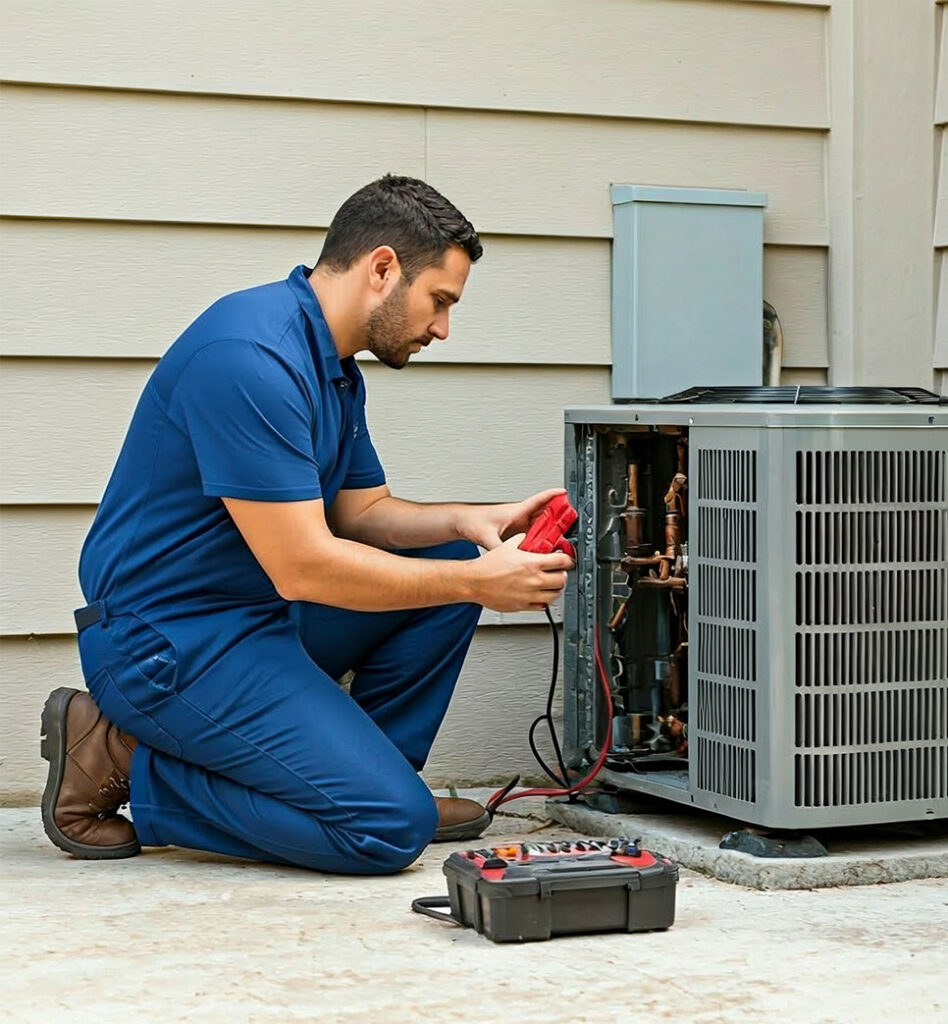
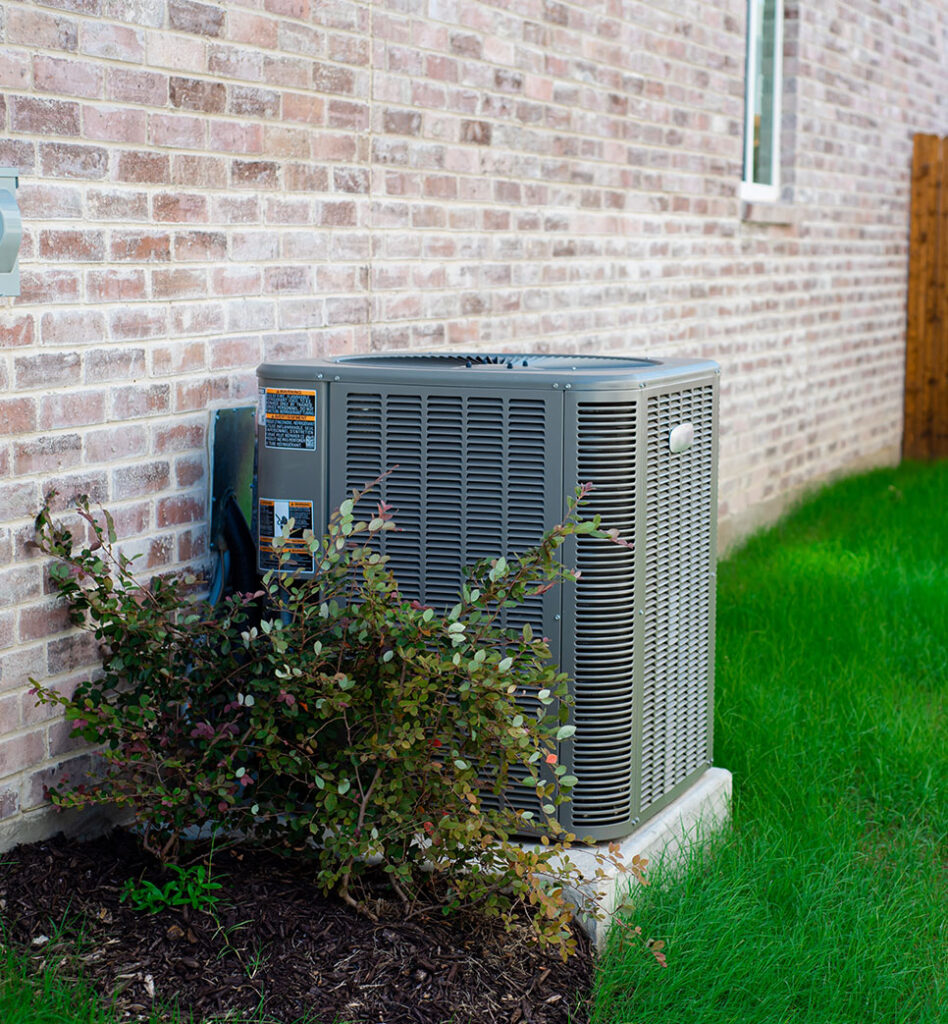
    Central air conditioning is what most people picture when they think of whole-home cooling. It uses a system of ducts to distribute cool air from a single outdoor condenser unit and an indoor evaporator coil.

    Central AC in Inland Bay Area Homes

    For homeowners in hotter inland areas like San Jose or Concord, a high-efficiency central AC system is often the gold standard.

    Pros:

    • Powerful Cooling: Central AC is designed to handle high heat loads, making it ideal for combating the intense summer temperatures common in inland valleys. It can cool a large home evenly and effectively.
    • Whole-Home Comfort: It delivers consistent temperatures to every room connected to the ductwork. You set one thermostat, and the entire house cools down.
    • Air Filtration: The system pulls air through a central filter, which can improve indoor air quality by capturing dust, pollen, and other allergens. This is a significant benefit, especially during wildfire season.
    • Utilizes Existing Ductwork: If your home already has ductwork for a furnace, a central AC installation in the Bay Area is more straightforward and cost-effective than starting from scratch.

    Cons:

    • High Energy Consumption: Even high-efficiency models can use a significant amount of electricity, leading to higher utility bills during peak summer months.
    • Ductwork Dependant: Installation is expensive and invasive if your home lacks existing ductwork. Leaky or poorly insulated ducts can also lead to energy loss of up to 30%, reducing efficiency and driving up costs. Regular duct inspection Bay Area services are essential.
    • Cost: The upfront cost for a complete central AC installation Bay Area project can be substantial, especially if ductwork needs to be installed or replaced.

    Central AC in Coastal Bay Area Homes

    For coastal residents, the case for central air is less clear-cut.

    Pros:

    • Effective During Heat Waves: While extreme heat is less frequent, it does happen. Central AC provides powerful relief when those rare but intense heat waves roll through.
    • Dehumidification: Central systems are effective at removing excess moisture from the air, which can be a major benefit in humid coastal areas.

    Cons:

    • Often Overkill: For most of the year, a powerful central AC system will be more capacity than you need. This can lead to short-cycling, where the unit turns on and off frequently, which is inefficient and causes excess wear and tear.
    • Ductwork Challenges: Many older coastal homes were not built with ductwork, making installation a major, costly renovation. Finding space for bulky ducts in smaller homes can be nearly impossible.
    • Cost vs. Use: The high cost of installation is hard to justify when the system may only be used for a few weeks out of the year.

    If your central air system is struggling to keep up, it might be time for a check-up. A professional air conditioner repair near me can diagnose issues from refrigerant leaks to faulty components.


    Ductless Mini Split Bay Area: Flexible and Efficient

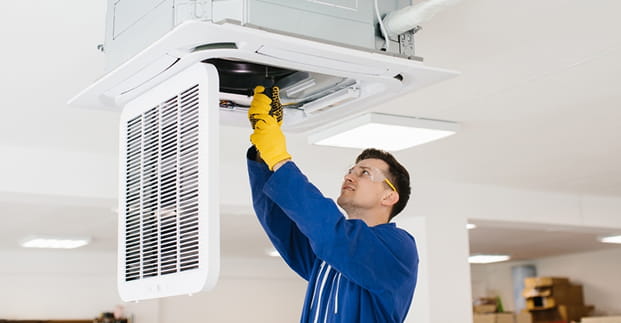
    Ductless mini split systems have become increasingly popular across the entire Bay Area, and for good reason. They consist of an outdoor compressor unit connected to one or more indoor air-handling units. These indoor units are mounted on walls or ceilings and deliver cool air directly into the living space, eliminating the need for ductwork.

    Ductless Mini Splits in Coastal Homes

    Ductless systems are an almost perfect solution for the cooling needs of many coastal homes.

    Pros:

    • Perfect for Homes Without Ducts: This is the number one reason for their popularity. The ductless AC installation Bay Area process is minimally invasive, requiring only a small three-inch hole through the wall to connect the indoor and outdoor units.
    • Zoned Cooling: Each indoor unit has its own thermostat, allowing you to cool only the rooms you are using. You can cool your living room during the day and your bedroom at night, saving a tremendous amount of energy.
    • High Energy Efficiency: By eliminating the energy loss associated with ductwork and offering zoned control, mini splits are far more efficient than central systems. This means lower electricity bills.
    • Supplemental Heating: Most mini splits are also heat pumps, meaning they can provide highly efficient heating during the cool, damp winters—often more efficiently than traditional furnaces.

    Cons:

    • Aesthetics: Some homeowners dislike the look of the indoor units mounted on their walls. However, modern designs are becoming sleeker and less obtrusive.
    • Upfront Cost Per Zone: While a single-zone system can be affordable, the cost increases with each indoor unit you add. A whole-home, multi-zone mini split installation in the Bay Area can be comparable in price to a new central AC system.

    Ductless Mini Splits in Inland Homes

    While central AC is a strong contender inland, mini splits offer compelling advantages, especially for certain types of homes.

    Pros:

    • Targeted Cooling: Do you have a sun-drenched home office or an upstairs bedroom that’s always hotter than the rest of the house? A ductless unit can solve these “problem spots” without needing to cool the entire home.
    • Supplementing Central AC: A mini split can work alongside an existing central system. You can use the central AC to maintain a baseline temperature and the mini split to provide an extra boost of cooling in the hottest rooms.
    • Excellent for ADUs and Additions: For accessory dwelling units (ADUs), garage conversions, or new additions, installing a ductless mini split is far easier and more cost-effective than extending your existing ductwork.
    • Energy Savings: Even in hot climates, the zoning capability of mini splits allows for significant energy savings by not cooling empty rooms.

    Cons:

    • May Not Cover the Entire Home: Depending on the layout and size of your home, you might need several indoor units to achieve the same coverage as central air, which can increase the cost and complexity.
    • Multiple Units to Maintain: Each indoor unit has its own filter that needs to be cleaned regularly. While this is a simple task, it’s more hands-on than changing a single central filter.


    Heat Pump Installation Bay Area: The All-in-One Solution

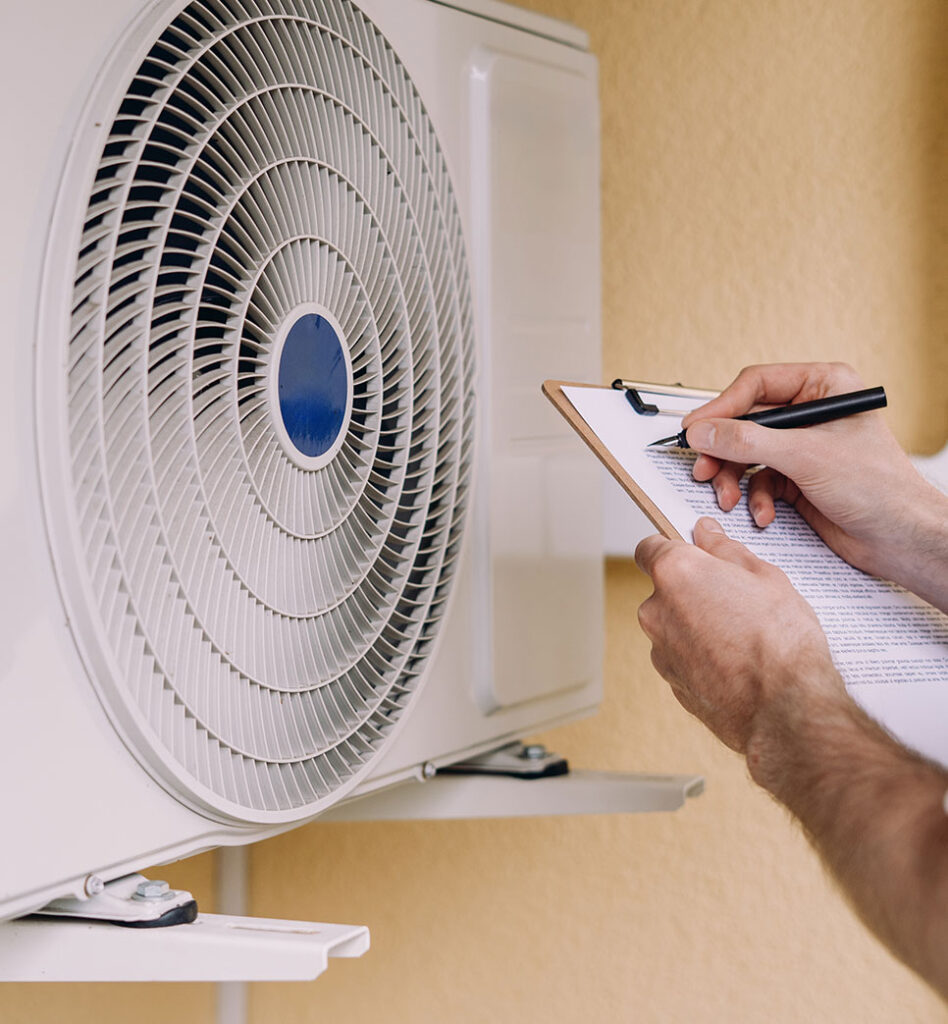
    A heat pump is not a different type of air conditioner; it’s an air conditioner that can also run in reverse. In the summer, it functions exactly like a standard AC, absorbing heat from inside your home and moving it outside. In the winter, it reverses the process, extracting heat from the outdoor air (even when it’s cold) and moving it inside.

    Heat pumps are available in both central ducted and ductless mini split configurations. They are the most energy-efficient way to both heat and cool your home with electricity.

    Why Heat Pumps Are Ideal for the Entire Bay Area

    The Bay Area’s moderate climate is perfect for heat pump technology. Our winters are not cold enough to push heat pumps past their effective operating limits.

    Pros:

    • Ultra-High Efficiency: Heat pumps don’t create heat; they move it. This process is much more efficient than traditional electric resistance heating or even some gas furnaces. This translates to major energy savings on both your cooling and heating bills.
    • Single System for Year-Round Comfort: You get heating and cooling from one piece of equipment. This simplifies maintenance and can save space. An expert in heat pump installation Bay Area can help you replace both your furnace and AC at the same time.
    • Eco-Friendly: By using electricity to move heat rather than burning fossil fuels, heat pumps are a greener choice that helps reduce your home’s carbon footprint.
    • Rebates and Incentives: Many local utilities and government programs offer significant rebates for installing high-efficiency heat pumps, which can substantially lower the upfront cost.

    Cons:

    • Higher Upfront Cost: A heat pump typically costs more than a comparable air conditioner-only unit. However, this cost is often offset by energy savings and rebates over time.
    • Performance in Extreme Cold: While not an issue for the Bay Area, standard heat pumps can lose efficiency in sub-freezing temperatures. Modern cold-climate models, however, work effectively well below freezing.

    For anyone considering a new AC installation in the Bay Area, a heat pump should be at the top of their list. Whether you need a central system for a large inland home or a ductless mini split in the Bay Area for a coastal cottage, choosing the heat pump version provides year-round efficiency and comfort. If you ever have issues, a quick call for heat pump repair Bay Area can get your system running smoothly again.


    Comparing Your Options: A Bay Area Guide

    FeatureCentral Air ConditionerDuctless Mini SplitHeat Pump (Ducted or Ductless)
    Best ForInland homes with existing ductworkCoastal homes, older homes without ducts, room additions, ADUsVirtually any Bay Area home
    ProsPowerful whole-home cooling, great filtrationHighly efficient, zoned control, easy installationAll-in-one heating & cooling, most energy-efficient
    ConsHigh energy use, requires ducts, can be oversized for coastWall-mounted units, cost per zone can add upHigher upfront cost, requires professional installation
    Inland ApplicationExcellent for handling high, consistent heat loads.Great for supplementing central AC or cooling specific hot spots.Ideal for replacing furnace and AC for year-round savings.
    Coastal ApplicationOften overkill, but good for rare heat waves.Perfect for flexible, occasional use and targeted cooling.The most efficient heating and cooling option.

    Factors Beyond Location to Consider

    Before making a final decision on an air conditioner installation in the Bay Area, consider these additional factors:

    • Home Size and Layout: A large, open-plan home might be better served by a central system, while a home with many small, separate rooms could benefit from the zoning of mini splits.
    • Insulation and Windows: A well-insulated home with modern, energy-efficient windows will require a smaller, less powerful AC system. Poor insulation means your AC will have to work harder, increasing your bills.
    • Budget: Upfront costs vary significantly. A single-zone mini split is often the cheapest initial option, while a new central system with ductwork is the most expensive. Remember to factor in long-term energy savings and potential rebates.
    • SEER Rating: The Seasonal Energy Efficiency Ratio (SEER) measures an air conditioner’s efficiency. The higher the SEER rating, the more efficient the unit. Current standards require a minimum SEER, but investing in a higher-rated model will save you more money in the long run.


    Why Professional Installation and Maintenance Matter

    No matter which system you choose, proper installation is the single most important factor in its performance and longevity. An incorrectly sized or improperly installed unit will not perform efficiently, will be prone to breakdowns, and will not last as long as it should.

    This is why you need a trusted partner for your residential hvac installation services. Our certified technicians ensure your system is:

    • Correctly Sized: We perform a detailed load calculation to determine the exact cooling capacity your home needs.
    • Installed to Code: We handle all permits and ensure the installation meets all local and national safety standards.
    • Optimized for Performance: We check refrigerant levels, airflow, and electrical connections to guarantee your new system runs at peak efficiency from day one.

    Once your system is installed, ongoing care is vital. Our residential hvac maintenance services are designed to keep your unit running efficiently and prevent costly breakdowns. Regular tune-ups can catch small problems before they become big ones, extending the life of your equipment and keeping your energy bills low. And if the unexpected happens during a heat wave, our team is ready to provide fast and reliable residential hvac repair services. We even offer emergency hvac repair Bay Area support for urgent situations.


    Making the Right Choice for Your Bay Area Home

    Choosing the best air conditioner for your home in the Bay Area is a significant decision.

    • For inland homeowners in hot areas like San Jose, Livermore, or Walnut Creek who have existing ductwork, a high-efficiency central AC or central heat pump is an excellent choice for powerful, whole-home comfort.
    • For coastal homeowners in San Francisco, Pacifica, or Daly City, a ductless mini split heat pump offers the perfect blend of flexibility, efficiency, and comfort for both the occasional hot day and the cool, damp winter.

    Ductless mini splits also provide a fantastic solution for inland homes needing to solve hot spots, cool new ADUs, or add air conditioning without extensive renovations. Ultimately, upgrading to a modern heat pump—whether ducted or ductless—is the smartest long-term investment for almost any Bay Area resident, offering unparalleled efficiency for both heating and cooling.

    Don’t navigate this decision alone. The specific layout of your home, your family’s needs, and your budget all play a role. The team at Cool Aid has the expertise to guide you. We can provide a personalized assessment and recommend the perfect system for your unique situation.

    Ready to find the perfect cooling solution for your coastal or inland Bay Area home? Contact us today to schedule a consultation and get a free estimate on your new air conditioner installation.

    Explore Our Services:

    Stay Comfortable Year-Round With Expert HVAC Service

    Book a trusted technician to handle your heating or cooling issue—fast, professional, and done right the first time.

    Book Service Now
    Blog post Image
    Blog post Image
    Blog post Image

    Frequently Asked Questions

    How do I know when condensing unit replacement is better than repair?

    Consider replacement when repair costs exceed 50% of replacement cost, when units are over 12-15 years old, or when efficiency losses significantly increase energy bills. We provide cost-benefit analysis to help you make the right decision for your specific situation.

    What energy savings can I expect from a new high-efficiency condensing unit?

    Modern units typically achieve 20-40% energy savings compared to units installed before 2010. For a business spending $500 monthly on refrigeration energy, this represents $100-200 monthly savings that often pays for replacement within 3-5 years.

    How long does condensing unit replacement take?

    Most replacements take 1-3 days depending on unit size and installation complexity. We coordinate work around your business schedule to minimize disruption and can often provide temporary cooling during installation when necessary.

      Schedule Your Service

      Stay Comfortable Year-Round With Expert HVAC Service

      Book a trusted technician to handle your heating or cooling issue—fast, professional, and done right the first time.

      Schedule a FREE Discovery Call
      Close

      Schedule Your Service