When the summer heat hits the Bay Area, a working air conditioning system transitions from a luxury to an absolute necessity. Whether you live in the foggy hills of San Francisco, the sunny stretches of San Jose, or the warm inland valleys of the East Bay, a sudden AC breakdown can disrupt your comfort and leave you sweating. The immediate question that comes to mind is: How much will this cost to fix?
Air conditioning repair costs vary widely based on the specific issue, the age of your system, and regional pricing differences. In the Bay Area, higher living costs, strict environmental regulations, and local permit fees can influence the final bill.
This guide breaks down exactly what you can expect to pay for AC repair in the Bay Area. We cover the most common air conditioning problems, outline realistic price ranges, and provide actionable advice to help you make informed decisions about your home’s cooling system.
The Average Cost of AC Repair in the Bay Area
On average, homeowners in the Bay Area spend between $250 and $900 for a standard air conditioning repair. However, minor fixes like replacing a capacitor or unclogging a drain line might cost as little as $150, while major repairs like replacing a compressor or locating and fixing a severe refrigerant leak can easily exceed $1,500.
Unlike other parts of the country, the Bay Area carries a slightly higher baseline for labor and parts due to the local economy. Diagnostic fees—the cost simply to have a certified technician come to your home and identify the problem—typically range from $85 to $200. Most reputable HVAC companies will apply this diagnostic fee toward the cost of the repair if you choose to hire them for the job.
If your system is acting up, reaching out for professional residential HVAC repair services early can prevent a minor, inexpensive issue from turning into a costly system failure.
Why Are Bay Area AC Repair Costs Different?
When researching national averages for home repairs, you might notice that Bay Area prices sit at the higher end of the spectrum. Several regional factors contribute to this difference:
1. Cost of Living and Labor Rates
The San Francisco Bay Area has one of the highest costs of living in the United States. To operate a business, HVAC companies must pay competitive wages to retain highly skilled, licensed technicians. Commercial insurance, vehicle maintenance, and fuel costs are also higher, which translates to slightly elevated hourly labor rates.
2. Strict Environmental Regulations
California leads the nation in environmental standards. The state has strict regulations regarding the handling, disposal, and replacement of chemical refrigerants. If your system requires new refrigerant, technicians must follow specific protocols that require specialized equipment and certifications.
3. Local Permitting Fees
For extensive repairs or system replacements, local municipalities in the Bay Area require permits to ensure the work meets current building codes and safety standards. Permit fees vary significantly from city to city and will be factored into the overall cost of your HVAC project.
Common AC Issues and Their Repair Costs
Understanding what might be wrong with your air conditioner can help you prepare for the potential costs. Here is a detailed look at the most frequent AC problems we encounter in the Bay Area and what it generally costs to fix them.
Refrigerant Leaks and Recharging
Estimated Cost: $300 – $1,500+
Air conditioners do not “consume” refrigerant. If your system is low on Freon (R-22) or Puron (R-410A), it means there is a leak somewhere in the closed loop system. Simply adding more refrigerant without fixing the leak is a temporary and environmentally harmful band-aid.
The repair cost depends heavily on the location of the leak and the type of refrigerant your system uses. Older systems that use R-22 face much higher costs because the EPA has phased out the production of R-22, making it incredibly expensive to source. Fixing a small leak and recharging the system might cost around $300 to $600. However, if the leak is severe and requires replacing the evaporator coil along with a full system recharge, costs can escalate well past $1,500.
Compressor Failure
Estimated Cost: $1,200 – $2,500+
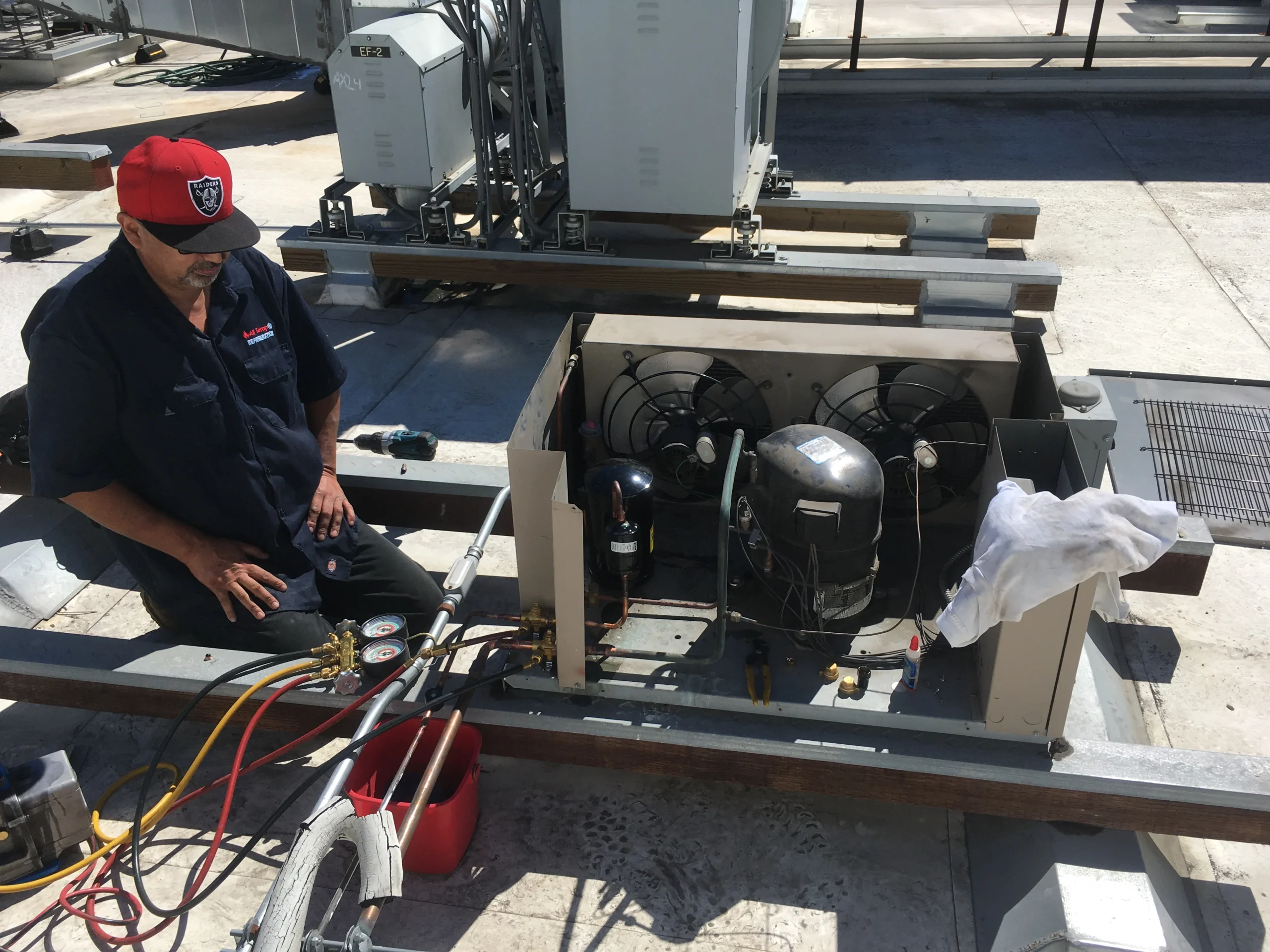
The compressor is the heart of your air conditioning system. It pumps refrigerant through the system to facilitate the heat transfer process. When the compressor fails, your AC simply cannot produce cold air.
Compressor replacement is one of the most expensive repairs in the HVAC industry. Because the part itself is costly and the installation requires significant labor, precision, and refrigerant handling, you can expect a hefty bill. In many cases, if your air conditioner is more than 10 years old and suffers a compressor failure, a technician will recommend replacing the entire outdoor unit rather than spending thousands on a single part for an aging system.
Electrical Issues
Estimated Cost: $150 – $600
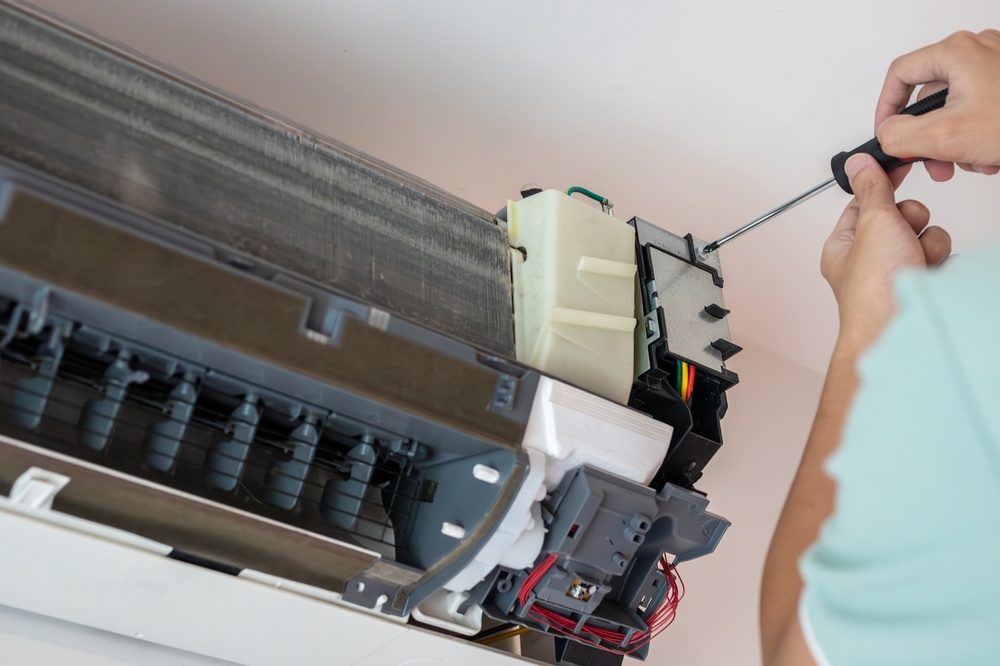
Many AC breakdowns are not mechanical, but electrical. The complex wiring and electrical components inside your unit endure immense stress, especially during heat waves when the system constantly cycles on and off.
- Capacitors and Contactors ($150 – $400): These are the most common electrical components to fail. The capacitor stores energy and gives the compressor and fan motors the jolt they need to start. The contactor is a switch that controls the flow of electricity to the components. Replacing these parts is relatively quick and inexpensive.
- Circuit Boards ($300 – $600): The main control board is the brain of your AC system. If a power surge fries the board, it must be completely replaced.
Frozen Evaporator Coils
Estimated Cost: $200 – $800
If you notice ice building up on your indoor unit or the refrigerant lines outside, your evaporator coil has frozen. This usually happens due to severe airflow restrictions (like a clogged air filter) or low refrigerant levels.
If the fix is as simple as thawing the unit and replacing a filthy filter, you may only pay the cost of a service call. If the freezing was caused by a refrigerant leak or a failing blower motor, the repair will cost significantly more.
Blower Motor Replacement
Estimated Cost: $400 – $900
The blower motor sits inside your indoor air handler or furnace. Its job is to push the cooled air through your ductwork and into your living spaces. If you can hear your AC running outside but no air is coming through your vents, the blower motor has likely failed. Costs vary based on the size of the motor and whether your system uses a single-speed or a more expensive variable-speed motor.
Factors That Influence Your Final AC Repair Bill
Beyond the specific part that needs replacing, several other variables dictate the final amount on your invoice.
Age and Condition of Your HVAC Unit
Older air conditioners are harder to repair. As systems age out of production, finding compatible replacement parts becomes difficult and expensive. Furthermore, older units are more brittle; a technician fixing one component might uncover secondary issues that also require attention.
Accessibility of the System
Labor costs increase if your air conditioning system is located in a hard-to-reach area. If your indoor air handler is squeezed into a tight attic crawlspace or your outdoor condenser is heavily obstructed by landscaping or custom decking, technicians will need more time to safely access and repair the equipment.
Emergency vs. Scheduled Service
Air conditioners have a notorious habit of breaking down on the hottest weekends of the year. If you require after-hours, weekend, or holiday emergency service, you will almost certainly pay a premium. Standard service calls booked during regular business hours carry standard diagnostic rates.
Repair vs. Replacement: Making the Right Choice
When faced with a repair bill of $1,000 or more, homeowners often face a difficult dilemma: Should I pay to fix the old unit, or put that money toward a brand-new, energy-efficient system?
Industry professionals often rely on the $5,000 Rule to help homeowners decide. Multiply the age of your AC unit by the estimated cost of the repair. If the total exceeds $5,000, replacing the unit makes more financial sense. For example, if your system is 12 years old and needs a $500 repair (12 x $500 = $6,000), you should seriously consider a replacement.
Newer systems also offer significantly better SEER (Seasonal Energy Efficiency Ratio) ratings. An upgrade can lower your monthly utility bills drastically, offsetting the initial installation cost over time.
How to Prevent Costly AC Breakdowns
The best way to save money on air conditioning repairs is to prevent the issues from happening in the first place. Preventative maintenance is critical to extending the lifespan of your HVAC system.
- Change Your Air Filters: A clogged filter restricts airflow, forces the system to work harder, and leads to frozen coils and burned-out blower motors. Change your 1-inch filters every 30 to 90 days.
- Clear the Outdoor Unit: Keep the area around your outdoor condenser free of debris, tall grass, and overgrown shrubs. The unit needs at least two feet of clearance on all sides to properly exhaust heat.
- Schedule Annual Tune-Ups: Have a professional inspect, clean, and test your system every spring. They can catch failing capacitors, clear drain lines, and tighten electrical connections before they cause a sudden mid-summer breakdown.
Choosing the Right HVAC Contractor in the Bay Area
Not all HVAC contractors deliver the same level of service. To ensure you receive a fair price and high-quality workmanship, do your due diligence before allowing anyone to dismantle your cooling system.
- Verify Licensing and Insurance: Ensure the company holds an active C-20 Warm-Air Heating, Ventilating and Air-Conditioning license in the state of California. They must also carry liability insurance and workers’ compensation to protect you and your property.
- Read Customer Feedback: Word of mouth and online reputations matter. Look for a company with a proven track record of honesty and transparency. You can browse through our customer reviews to see how we prioritize satisfaction and dependable service.
- Demand Transparent Pricing: A trustworthy technician will provide a clear, written estimate detailing the cost of parts and labor before any work begins. Avoid contractors who give vague verbal quotes or pressure you into immediate decisions.
Secure Your Comfort with 1-800-COOL-AID
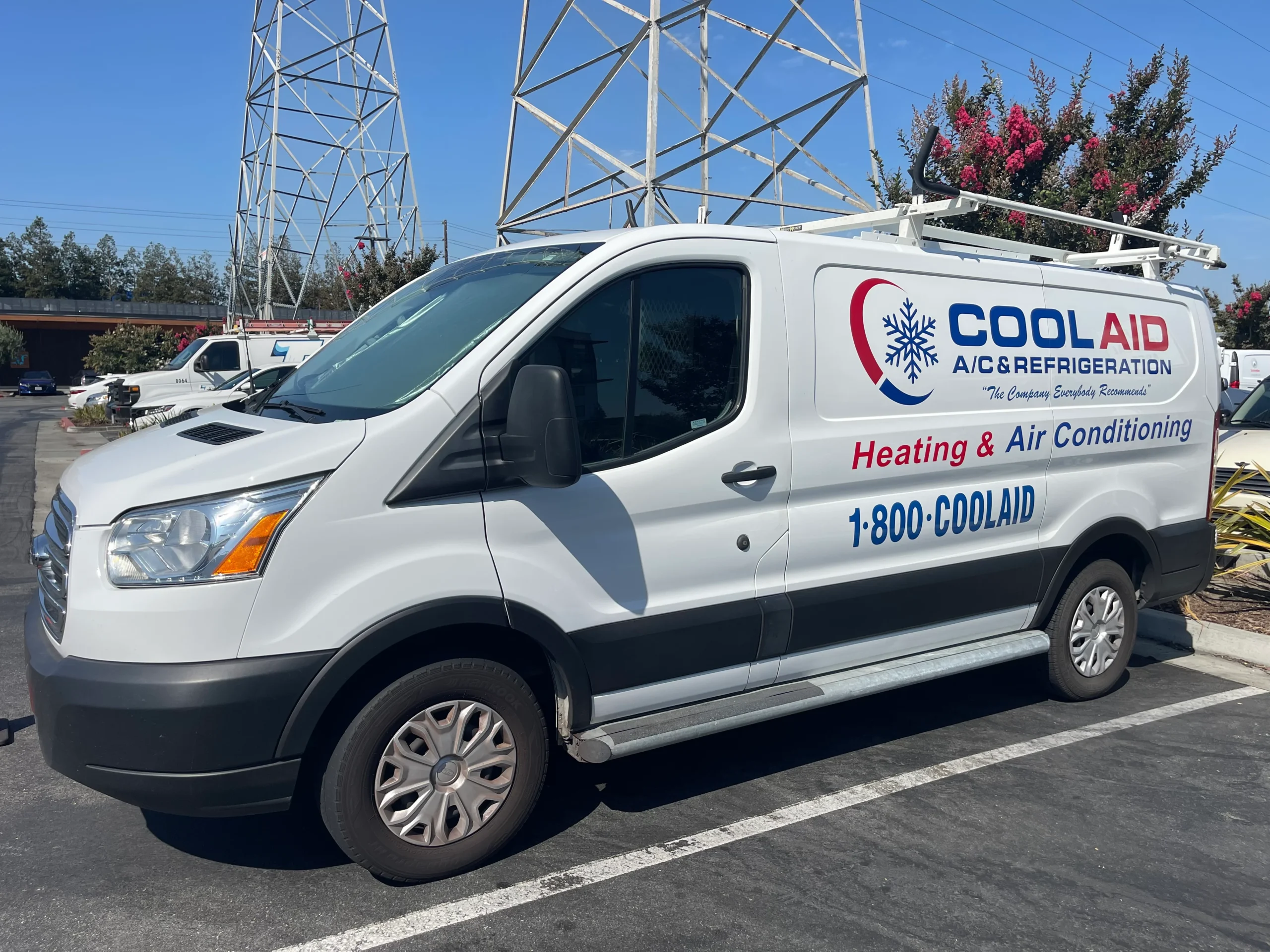
Dealing with a broken air conditioner is stressful enough without having to worry about hidden fees or unreliable contractors. At 1-800-COOL-AID, we believe in upfront pricing, thorough diagnostics, and long-lasting solutions tailored to the unique climate demands of the Bay Area.
Our team of certified technicians is equipped to handle everything from minor electrical faults to complete system overhauls. We arrive on time, diagnose the problem accurately, and provide you with all available options so you can choose the path that best fits your budget and home comfort needs.
Don’t let a faulty AC unit turn your home into an oven this summer. If your system is making strange noises, blowing warm air, or failing to turn on altogether, we are here to help. Contact our team today to schedule your service call and restore perfect cooling to your home.
Stay Comfortable Year-Round With Expert HVAC Service
Book a trusted technician to handle your heating or cooling issue—fast, professional, and done right the first time.
Book Service Now