Running a business in the San Francisco Bay Area comes with many responsibilities, and one of the most overlooked is maintaining a reliable commercial HVAC system. Your heating, ventilation, and air conditioning equipment works hard year-round to keep your building comfortable for employees, customers, and tenants. But just like any complex system, HVAC units eventually show signs of wear and tear. Ignoring these early warning signals can lead to costly breakdowns, emergency service calls, and even disruptions to your business operations.
In this blog, we’ll walk you through the top 7 signs your commercial HVAC system needs immediate repair in the SF Bay Area. By recognizing these red flags early, you can avoid major problems, improve energy efficiency, and extend the life of your system.
Why Commercial HVAC Maintenance Matters for Bay Area Businesses
A commercial HVAC system isn’t just about comfort—it’s about protecting your bottom line. In restaurants, hotels, office buildings, grocery stores, and healthcare facilities, temperature and air quality are critical. A malfunctioning HVAC unit can cause discomfort, hurt productivity, and even compromise health and safety.
Preventive maintenance and timely repairs are especially important in the Bay Area, where microclimates and coastal weather can place unique demands on cooling and heating systems. Businesses that stay on top of HVAC care benefit from fewer unexpected breakdowns, lower monthly energy costs, and longer system lifespans.
The cost of ignoring small HVAC issues
It’s tempting to overlook small HVAC issues, especially if your system seems to be “mostly working.” But even minor problems can snowball into major expenses. For example, a loose belt that makes a slight squeal might seem like an inconvenience, but if left unchecked, it can cause motor failure that requires a costly replacement. Similarly, small refrigerant leaks can escalate into compressor damage—one of the most expensive parts to replace.
When businesses ignore these early warning signs, they often face not just higher repair costs, but also downtime. Imagine a retail store in San Francisco’s Mission District losing air conditioning on a hot day, or a restaurant in Oakland having refrigerators fail during dinner service. The lost revenue from just one breakdown can far exceed the cost of routine maintenance and early repairs.
How climate impacts HVAC systems in the SF Bay Area
The Bay Area’s unique climate also plays a role in how HVAC systems perform. Coastal fog, salty air, and rapid temperature shifts between microclimates all put stress on equipment. For example, a building in Daly City may deal with damp, salty conditions that speed up corrosion, while an office in Walnut Creek might face hot, dry summers that strain cooling systems.
These environmental factors mean that HVAC systems in the Bay Area often need more frequent inspections compared to other regions. Regular cleaning, filter changes, and corrosion checks are critical. Without them, small issues caused by the local climate can quickly lead to performance problems and system failure.
Sign #1 – Unusual Noises Coming from Your HVAC System
Your commercial HVAC system should run smoothly and quietly in the background. If you begin to notice unusual or loud noises, it’s a clear sign that something is wrong. Many business owners dismiss sounds as “normal aging,” but in reality, these noises are the system’s way of signaling that it needs immediate attention.
Common noises and what they mean
Different noises often point to different issues:
- Banging or clanking: This may indicate a loose or broken part, such as a connecting rod or blower component. If not fixed quickly, these parts can cause further damage to the motor or compressor.
- Squealing or screeching: Usually related to worn-out belts or failing bearings. A broken belt can stop your HVAC unit from running altogether, which means your building could lose heating or cooling suddenly.
- Clicking or popping: While some clicking during startup or shutdown is normal, repeated or loud clicking can point to electrical problems, failing relays, or issues with the control board.
- Hissing or bubbling: These sounds often signal a refrigerant leak, which can hurt system performance and efficiency. In addition, refrigerant leaks must be addressed quickly to meet environmental and safety standards.
By learning to recognize these noises, you can catch problems early before they escalate into complete system failures.
When to call for immediate repair
You should never ignore or “wait out” HVAC noises. Once a system begins making unusual sounds, the underlying problem usually gets worse with time. Immediate service from a professional HVAC technician is necessary to prevent additional damage, higher repair bills, or full system breakdown.
For example, a business in San Jose might hear squealing in its rooftop unit but delay repairs for a few weeks. By the time a technician is finally called, the worn belt may have snapped, causing the motor to overheat and fail. What could have been a simple belt replacement now requires a costly motor replacement, plus downtime for the business.
If your HVAC system is making noises that seem out of the ordinary, the safest move is to schedule an inspection right away. A qualified commercial HVAC contractor in the Bay Area can quickly identify the cause and make the necessary repairs.
Sign #2 – Inconsistent Temperatures Across Your Building
Another red flag that your commercial HVAC system needs repair is when some parts of your building feel warm while others are cold. Consistent indoor temperatures are one of the main goals of a properly working HVAC system, so uneven heating or cooling usually indicates a problem that needs professional attention.
Uneven cooling and heating explained
Temperature imbalances can happen for several reasons. Common causes include:
- Clogged or dirty air filters restricting airflow.
- Blocked or leaky ductwork that prevents conditioned air from reaching certain areas.
- Faulty thermostats giving inaccurate readings.
- Improper system sizing that fails to distribute air evenly across large commercial spaces.
For example, if a grocery store in Oakland has certain aisles that feel uncomfortably warm while others are too cold, it can hurt the customer experience and even affect product quality. Uneven temperatures are not just inconvenient—they can also be a sign that your system is working harder than it should.
Why this matters for energy efficiency and comfort
When your HVAC system struggles to maintain consistent temperatures, it often ends up running longer or cycling more frequently. This puts additional strain on the equipment and drives up energy costs. Over time, the extra workload can shorten the life of your system and lead to expensive repairs or replacements.
From a business standpoint, comfort matters too. Employees working in overly warm or overly cold conditions are less productive, and customers are less likely to spend time in an uncomfortable environment. For restaurants, retail spaces, and offices across the Bay Area, uneven temperatures can directly impact revenue.
Addressing inconsistent temperatures early not only improves comfort but also keeps your HVAC system running efficiently. A professional technician can identify the root cause, whether it’s dirty filters, leaky ducts, or failing components, and make the necessary repairs before the problem grows worse.
Sign #3 – Unexplained Spike in Energy Bills
One of the most common signs that your commercial HVAC system needs repair is an unexpected rise in your monthly utility bills. If your building’s energy use hasn’t changed but costs are climbing, your HVAC system may be working harder than it should due to hidden issues.
How HVAC inefficiency drives costs up
When parts of your HVAC system aren’t functioning properly, efficiency drops. Common culprits include:
- Dirty coils or clogged filters forcing the system to push harder to move air.
- Leaky ducts letting conditioned air escape before it reaches rooms.
- Failing motors, compressors, or fans struggling to keep up with demand.
- Low refrigerant levels making it harder for the system to cool properly.
For example, a San Francisco office building might notice its summer cooling costs jump even though occupancy and thermostat settings stayed the same. In many cases, this is caused by dirty evaporator coils or refrigerant leaks that reduce efficiency. The system runs longer to achieve the same results, burning more energy in the process.
Ways to prevent high energy bills
The best way to avoid skyrocketing energy costs is to stay proactive with maintenance. Regular filter changes, coil cleanings, and system inspections keep equipment running smoothly. Smart thermostats and energy monitoring tools can also alert you to unusual consumption patterns before bills arrive.
If your Bay Area business is facing higher utility bills without a clear explanation, don’t ignore it. A quick service call can often identify the issue and restore efficiency. Not only will this save money month to month, but it also reduces long-term wear and tear on your system.
Sign #4 – Frequent HVAC Cycling or Constant Running
Commercial HVAC systems are designed to cycle on and off at regular intervals. When your unit starts short cycling (turning on and off rapidly) or running continuously without stopping, it’s a strong sign that immediate repairs are needed.
Short cycling problems
Short cycling usually points to one of several issues:
- Thermostat malfunctions causing inaccurate temperature readings.
- Dirty air filters restricting airflow and forcing the system to shut down prematurely.
- Improper system sizing where the unit is too large for the space and cools or heats too quickly, then shuts down.
Short cycling isn’t just annoying—it wastes energy, causes uneven temperatures, and puts stress on the system. Components like compressors and motors wear out much faster under frequent start-stop conditions, leading to expensive repairs.
When constant running signals bigger issues
On the other end of the spectrum, a system that never shuts off is also a problem. Continuous running may be caused by:
- Refrigerant leaks reducing cooling efficiency.
- Dirty coils preventing heat transfer.
- Undersized systems struggling to meet the demand of larger spaces.
- Air leaks in ductwork making the system overcompensate.
For instance, a hotel in San Jose might notice its HVAC system running nonstop during mild spring weather when it should easily keep up. In many cases, this is a symptom of a refrigerant issue or airflow restriction. Left unaddressed, nonstop running can cause overheating and shorten the lifespan of the entire system.
Both short cycling and constant running lead to higher utility bills, decreased comfort, and accelerated wear. A professional HVAC technician can diagnose the root cause, recalibrate the system, and restore proper cycling patterns.
Sign #5 – Poor Airflow or Weak Air Circulation
Airflow is the lifeblood of any HVAC system. If you notice weak air coming from vents, or certain areas of your building feel stuffy and stagnant, your system may be struggling with airflow problems that require immediate repair.
Causes of restricted airflow
Poor airflow is often linked to a few common issues:
- Clogged or dirty air filters: When filters aren’t replaced on time, dust and debris block air from moving freely.
- Blocked ductwork: Over time, ducts can become clogged with dirt, or blocked by obstructions like collapsed sections or improper design.
- Blower fan issues: If the fan motor fails or blades are damaged, the system won’t be able to push enough air through the building.
- Leaky ducts: Air escaping through cracks or holes in ductwork means less conditioned air makes it to the rooms that need it.
For example, a retail shop in Berkeley might notice that some parts of the store feel warm and uncomfortable even though the thermostat is set correctly. Often, this comes back to clogged ducts or a failing blower fan. Without repair, airflow problems not only affect comfort but also put more strain on the system.
Why airflow problems can damage your system
Restricted airflow forces your HVAC system to work harder to keep your building at the desired temperature. This leads to overheating, frozen coils, or compressor failure. In addition, uneven temperatures caused by poor circulation can make employees and customers uncomfortable, hurting productivity and sales.
In commercial spaces like offices, restaurants, or healthcare facilities, weak airflow can also impact indoor air quality, leading to stale air and higher levels of dust or allergens. Addressing airflow problems early prevents costly repairs and ensures your business remains a comfortable and healthy environment.
Sign #6 – Strange Odors Coming from Vents or Units
A commercial HVAC system should deliver clean, neutral-smelling air. If you begin to notice unusual or unpleasant odors when the system is running, it’s a red flag that requires immediate attention.
Musty smells and mold risks
A musty or damp smell often indicates mold or mildew growth inside ductwork or near the evaporator coils. This typically happens when there’s excess moisture or poor drainage in the system. Mold isn’t just unpleasant—it can also be a serious health risk for employees, customers, or tenants, especially those with allergies or respiratory conditions.
For example, a musty smell in a Bay Area medical clinic could lead to patient complaints and even health violations if left unresolved. The underlying moisture issue needs to be corrected, and ducts or coils cleaned to restore safe air quality.
Electrical or burning smells—time for urgent repairs
More concerning are burning, smoky, or metallic odors. These smells can signal overheating components, failing motors, or electrical wiring issues. In some cases, this could pose a fire hazard if ignored.
Imagine a restaurant in San Francisco catching a faint burning odor from the rooftop HVAC unit. If this is overlooked, it could escalate to equipment failure in the middle of a busy service—or worse, cause a dangerous situation.
Whenever strange odors appear, the safest option is to call a licensed HVAC technician immediately. Addressing odors quickly not only protects your equipment but also safeguards the health and safety of everyone inside the building.
Sign #7 – Excess Moisture, Leaks, or Refrigerant Issues
Moisture or leaks around your HVAC system are never normal. If you notice water pooling near equipment, excessive condensation, or refrigerant leaks, it’s a clear sign the system needs immediate repair.
Why water leaks are a red flag
Commercial HVAC systems naturally produce some condensation as they remove humidity from the air. But if you see more than a small drip, something is wrong. Common causes include:
- Clogged condensate drains preventing water from flowing away.
- Broken drain pans that allow water to collect near equipment.
- Frozen evaporator coils that thaw and release large amounts of water.
Water leaks aren’t just bad for the HVAC system—they can also damage flooring, ceilings, and walls. In a Bay Area office building, for instance, a clogged condensate line might cause water to drip into ceiling tiles, creating costly property damage and mold growth.
Signs of refrigerant leaks and dangers
Refrigerant leaks are even more serious. If your system is low on refrigerant, it won’t be able to cool properly, and the compressor may overheat or fail. Signs of a refrigerant leak include:
- Hissing or bubbling sounds near coils.
- Ice buildup on refrigerant lines.
- Longer cooling cycles with poor results.
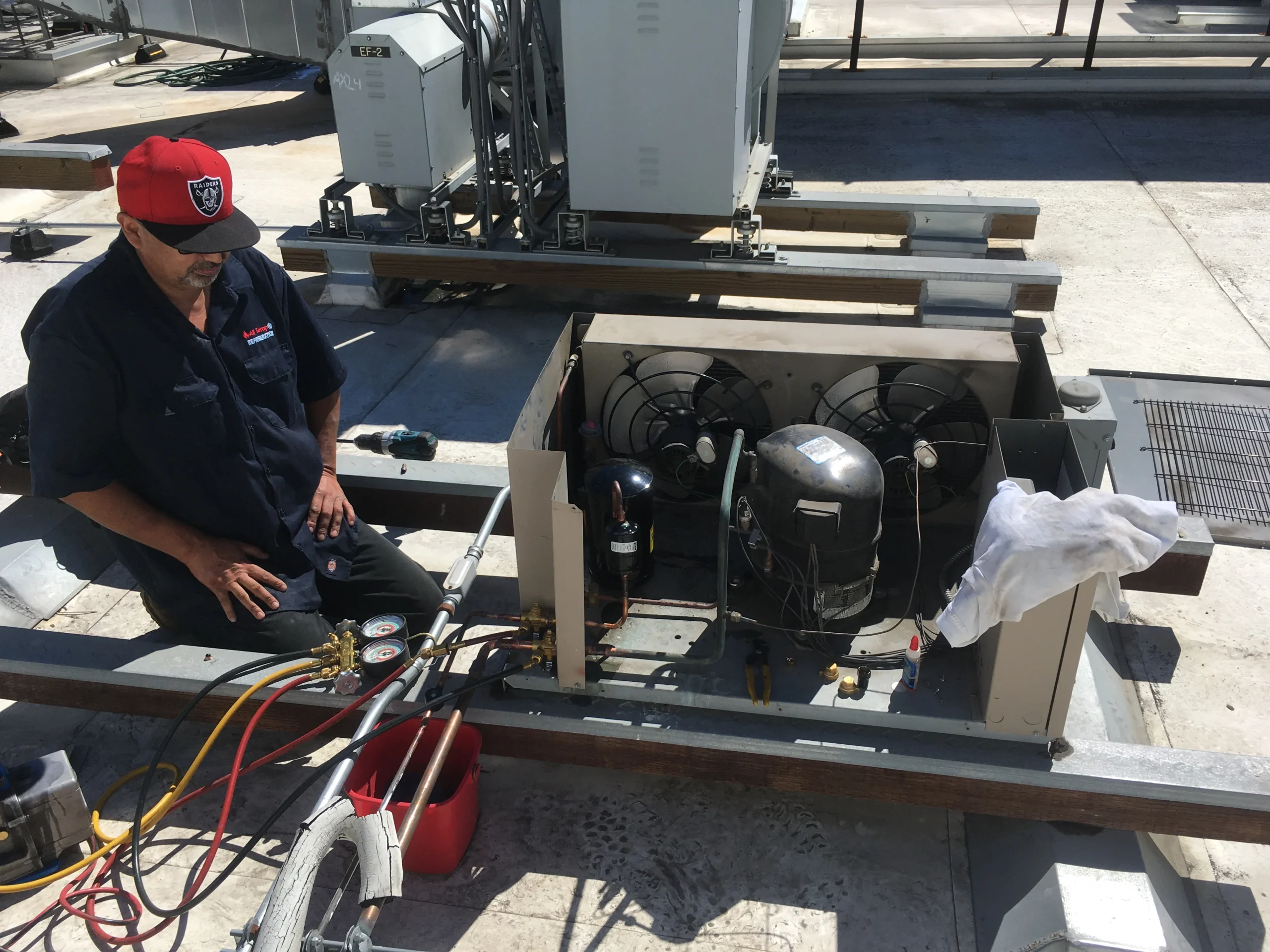
Not only do refrigerant leaks hurt performance, but they also pose environmental and safety risks. For larger commercial systems (15 pounds or more of HFC refrigerant), federal rules require leaks above set leak rates to be repaired by an EPA-certified technician within 30 days. Left untreated, refrigerant issues can cause complete system breakdown, leading to expensive downtime for businesses.
If you notice any moisture or leaks, schedule an inspection immediately. Quick repairs can save your system and prevent property damage.
Benefits of Scheduling HVAC Repairs Early
Catching HVAC issues early doesn’t just solve immediate problems—it delivers long-term advantages for your business. Acting quickly can save thousands of dollars, protect your equipment, and keep your operations running smoothly.
Extending the life of your commercial HVAC system
Every repair you delay puts extra strain on your HVAC system. Small issues like worn belts, dirty filters, or minor leaks force the system to work harder, which speeds up wear on expensive components like compressors and motors. By addressing repairs promptly, you reduce unnecessary stress and extend the overall lifespan of your system.
For example, a retail store in San Mateo that fixes a refrigerant leak right away may avoid a complete compressor failure later. That one repair could add several years to the life of the system.
Saving money on energy and emergency repairs
Early repairs also help you save money in two key ways:
- Lower energy bills: A well-maintained system runs more efficiently, using less energy to heat or cool the building. This reduces monthly operating costs.
- Fewer emergency breakdowns: Emergency repairs are not only more expensive, but they often come at the worst times—like during a heatwave or cold snap. Routine service and early fixes keep systems reliable, reducing the risk of sudden failures.
Bay Area businesses that schedule timely repairs also benefit from uninterrupted comfort, better indoor air quality, and peace of mind knowing their system won’t fail during peak business hours.
How to Choose the Right HVAC Repair Company in the SF Bay Area
When your commercial HVAC system shows signs of trouble, choosing the right repair company makes all the difference. A skilled, reliable contractor ensures the job is done correctly the first time, saving you both time and money. But with so many options in the Bay Area, how do you know who to trust?
What to look for in a commercial HVAC contractor
Not all HVAC contractors are the same, especially when it comes to commercial systems. Here are key qualities to consider:
- Experience with commercial systems: Residential HVAC and commercial HVAC systems are very different. Look for a company that specializes in large-scale, high-capacity systems used in offices, restaurants, retail stores, and industrial buildings.
- Licensing and certifications: Make sure the contractor holds the proper California state licenses and industry certifications. This ensures they meet safety and performance standards.
- Emergency service availability: HVAC problems don’t always happen during business hours. Choose a company that offers emergency service for peace of mind.
- Strong reputation: Check reviews, testimonials, and case studies from other Bay Area businesses. A proven track record shows the contractor can handle your needs.
- Comprehensive services: Ideally, your contractor should provide not just repairs, but also preventive maintenance, system upgrades, and replacement options when needed.
Why local expertise matters in the Bay Area
The Bay Area’s unique climate and microclimates demand a contractor who understands local conditions. A company familiar with foggy, salty coastal air in Daly City will know how to protect systems from corrosion, while a contractor experienced with Walnut Creek or San Jose heat can recommend cooling strategies for dry summers.
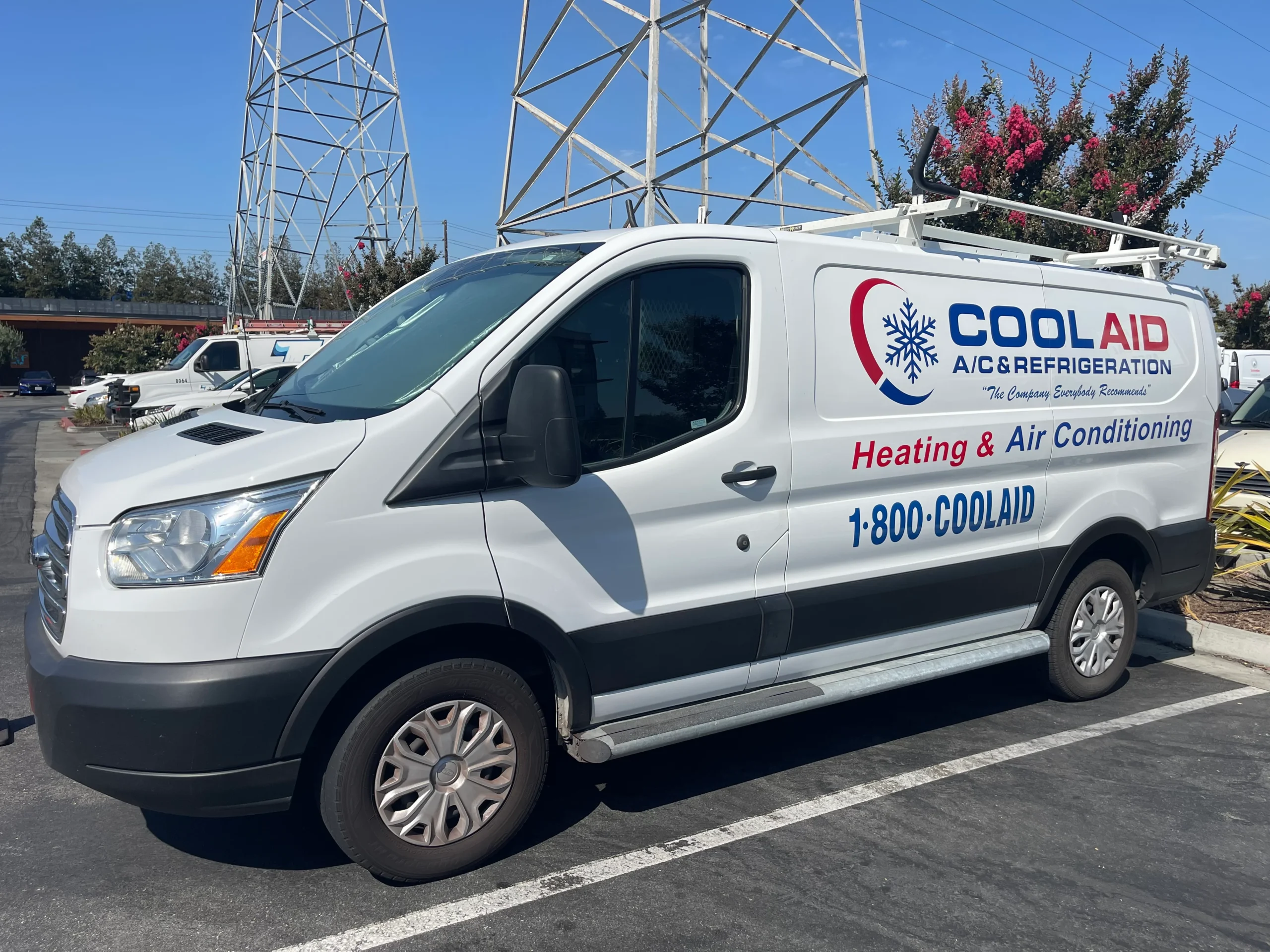
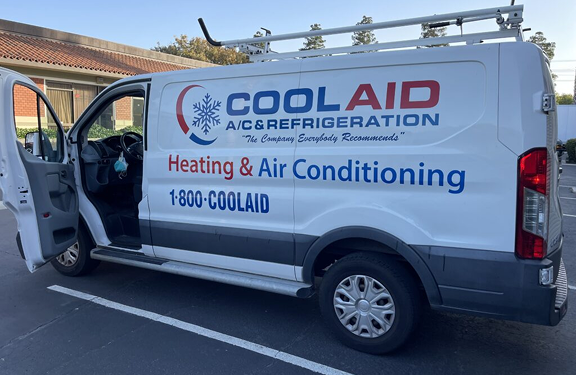
Local expertise also ensures faster response times. Choosing 1800 Cool Aid, a Bay Area–based contractor, means your business won’t wait long for repairs, which is especially important during emergencies.
Final Thoughts: Protect Your Business with Timely HVAC Repairs
Your commercial HVAC system is one of the most important investments in your building. It keeps employees comfortable, protects inventory, and ensures customers have a positive experience. But like any mechanical system, it will show signs of trouble over time.
By recognizing the top 7 signs your commercial HVAC system needs immediate repair in the SF Bay Area—from unusual noises and inconsistent temperatures to rising energy bills, airflow problems, odors, leaks, and cycling issues—you can take action before small issues become major emergencies.
Timely repairs not only save money and prevent downtime but also extend the life of your system and keep your business running smoothly. The key is to partner with a trusted, local HVAC contractor who understands the unique challenges of Bay Area businesses.
Don’t wait until your system fails. Schedule regular maintenance and call for repairs at the first sign of trouble. Your employees and customers will thank you.
Stay Comfortable Year-Round With Expert HVAC Service
Book a trusted technician to handle your heating or cooling issue—fast, professional, and done right the first time.
Book Service Now