I Want

    Residential HVACCommercial HVACRefrigerationEmergency HVAC


    Fast | No obligation

    Why Rooftop HVAC Units Fail During Heat Waves

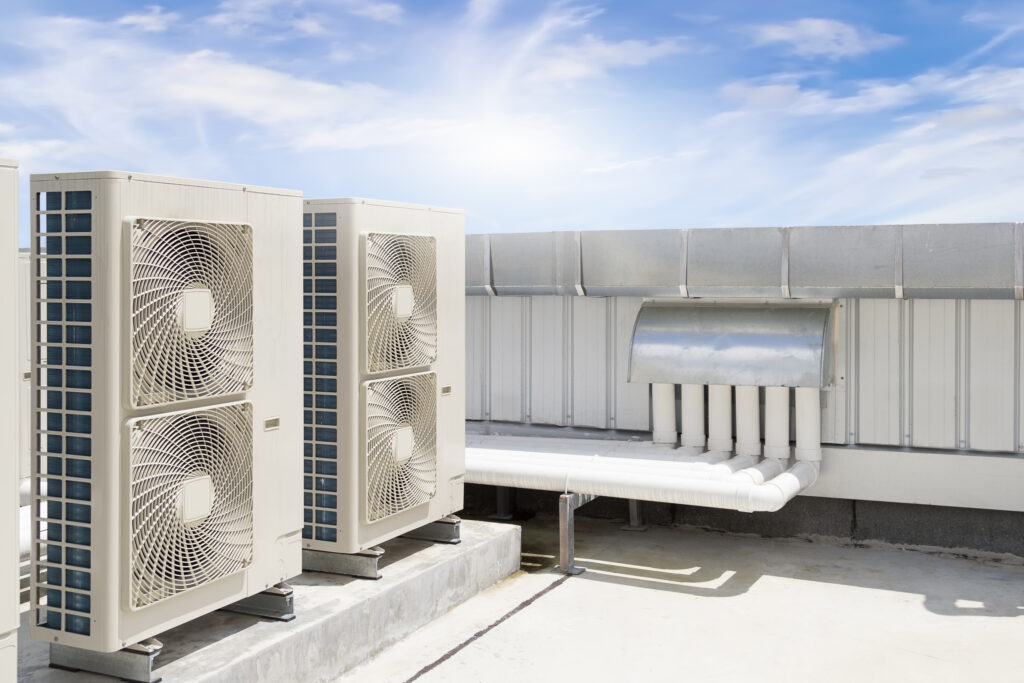
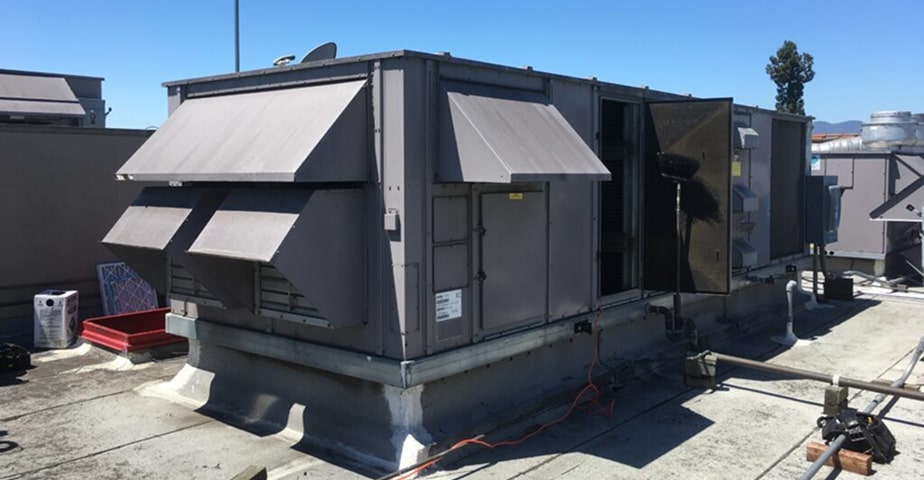
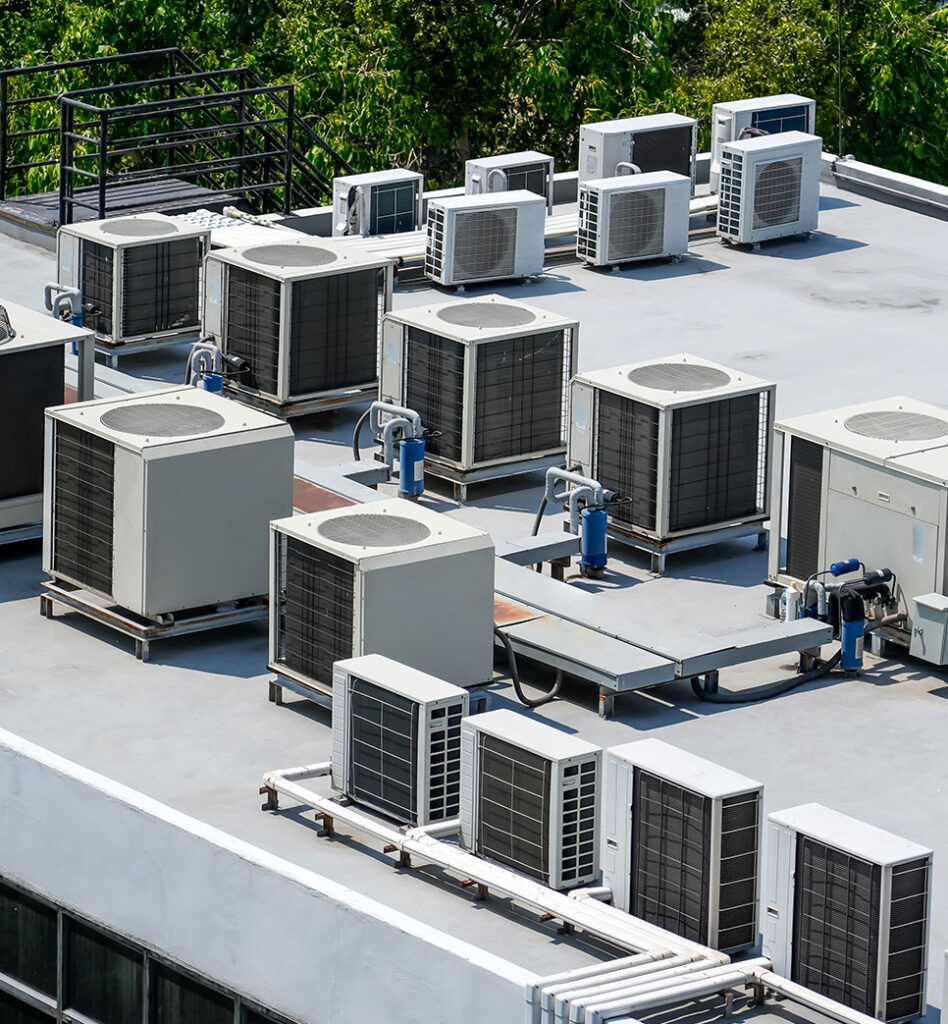
    A heat wave rolls into the San Francisco Bay Area, and suddenly, the world outside becomes a sweltering, oppressive version of itself. Inside your commercial building, however, it should be a sanctuary of cool, conditioned air. This is all thanks to the powerful rooftop HVAC unit working tirelessly overhead. But as the temperature climbs, the strain on these systems intensifies dramatically. It’s a scenario all too familiar for facility managers: the hottest days of the year are precisely when HVAC units are most likely to fail, creating a business-halting emergency.

    Why does this happen? It seems counterintuitive that the very equipment designed to combat heat would be so vulnerable to it. The truth is, extreme ambient temperatures push every component of a rooftop HVAC system to its operational limits and beyond. The added stress exposes any existing weaknesses, turning minor, unnoticed issues into catastrophic failures. For business owners in cities like San Jose and Fremont, understanding the relationship between heat waves and HVAC breakdowns is the key to prevention. This guide will explore exactly why your rooftop unit is at risk during extreme heat, identify the most common failure points, and provide actionable strategies to prevent a costly and disruptive breakdown when you need your AC the most.

    The Science of Strain: How Heat Waves Overwhelm an HVAC System

    To understand why heat waves are so destructive, we first need to grasp the fundamental job of an air conditioner. An AC doesn’t create “cold”; it moves heat. Refrigerant circulates through the system, absorbing heat from inside your building (at the evaporator coil) and transferring it to the outdoors (at the condenser coil). A heat wave disrupts this process in two critical ways.

    1. The Widening Temperature Differential

    An HVAC system is designed to maintain a specific temperature difference (the “delta T”) between the indoor and outdoor air. For instance, if it’s 85°F outside and you want it to be 70°F inside, the system must overcome a 15-degree difference. During a heat wave, when outside temperatures soar to 100°F or higher, that difference can more than double to 30 degrees or more.

    To bridge this massive gap, the system must run continuously for hours on end, with no breaks. The compressor, fan motors, and other components are pushed to their maximum capacity without the usual cycling-off periods that allow them to cool down. This relentless operation generates immense internal heat and accelerates wear and tear on every single part of the unit.

    2. The Inefficient Heat Transfer

    The second, and perhaps more critical, issue occurs at the outdoor condenser coil. This coil’s job is to release the collected indoor heat into the surrounding air. The efficiency of this process depends entirely on the air outside being cooler than the hot refrigerant gas inside the coil.

    During a heat wave, the air is already scorching hot. This makes it incredibly difficult for the condenser coil to shed its heat load. The system struggles to cool the refrigerant, causing pressures and temperatures inside the unit to skyrocket. The compressor has to work exponentially harder to pump the high-pressure refrigerant, leading to overheating, excessive energy consumption, and, eventually, mechanical failure. A system that might work perfectly fine at 85°F can be pushed past its breaking point at 105°F.

    Common Failure Points During Extreme Heat

    When a rooftop HVAC unit is under the immense strain of a heat wave, several key components are pushed to the brink. These are the parts that most often fail, leading to an emergency call.

    Capacitor Failure: The Most Common Culprit

    Capacitors are the number one casualty of summer heat. These small, cylindrical components act like batteries, providing the high-energy jolt needed to start the compressor and fan motors. They also provide continuous energy to keep them running smoothly.

    • How Heat Kills Them: Capacitors are rated for specific temperature ranges. The combination of extreme ambient heat on the roof and the heat generated by the constantly running unit can easily exceed this range. Excessive heat causes the electrolytic fluid inside the capacitor to break down, leading to a loss of capacitance.
    • The Signs: A failing capacitor can’t deliver the necessary power. You might hear a humming or buzzing noise as a motor tries and fails to start. The fan might not spin, or the compressor won’t kick on, leaving you with no cool air. Because they are relatively inexpensive parts, proactively replacing aging capacitors during routine maintenance is a smart investment.

    Compressor Overload and Burnout

    The compressor is the heart and the most expensive component of your AC system. A compressor failure during a heat wave is a worst-case scenario.

    • How Heat Kills It: As described earlier, the inability to release heat at the condenser coil causes system pressures to rise to dangerous levels. The compressor is forced to work against this immense pressure, causing it to draw more and more electrical current and overheat. Internal thermal overload switches are designed to shut the compressor off to protect it, but during a heat wave, these constant shutdowns and restarts cause immense stress. Eventually, the motor windings can burn out, or mechanical parts can seize, leading to a terminal failure.
    • The Signs: A failing compressor can cause the circuit breaker to trip repeatedly. You might hear loud clanking, grinding, or screaming noises just before it fails completely. A catastrophic compressor failure often necessitates a difficult decision between a costly repair and a full system upgrade, a choice best made with expert guidance on commercial HVAC replacement services.

    Fan Motor Malfunctions

    Your rooftop unit has two critical fans: the condenser fan (outdoors) and the blower fan (indoors). Both are susceptible to heat-related failure.

    • Condenser Fan Motor: This motor is responsible for pulling air across the condenser coil to help release heat. It sits directly in the hottest part of the unit and is exposed to the full force of the sun. The combination of ambient heat and operational heat can cause its bearings to lose lubrication and seize, or its motor windings to overheat and burn out. If the condenser fan stops, heat cannot be released, and the compressor will quickly overheat and shut down.
    • Blower Fan Motor: The indoor blower runs constantly to circulate air through your building. This non-stop operation during a heat wave can lead to overheating, especially if airflow is restricted by a dirty filter.
    • The Signs: A failing fan motor will often squeal or grind as its bearings wear out. If the motor seizes, the fan blades will stop spinning entirely.

    Refrigerant-Related Issues

    While heat waves don’t create refrigerant leaks, they can expose and worsen existing ones. As system pressures skyrocket in the heat, the stress on every joint and connection in the refrigerant lines increases. A tiny, pinhole leak that was previously insignificant can be forced open, leading to a rapid loss of refrigerant.

    When the refrigerant level drops, cooling capacity plummets, and the remaining refrigerant can’t properly cool the compressor. The compressor then runs hotter than ever, accelerating its journey toward failure. This is why addressing refrigerant issues promptly is a critical part of any commercial HVAC repair services.

    Prevention is the Best Defense: Preparing Your HVAC for a Heat Wave

    You cannot control the weather, but you can control your HVAC system’s preparedness. A proactive approach is the only reliable way to prevent a breakdown on the hottest day of the year. The foundation of this approach is a robust preventative maintenance plan.

    The Critical Role of Professional Maintenance

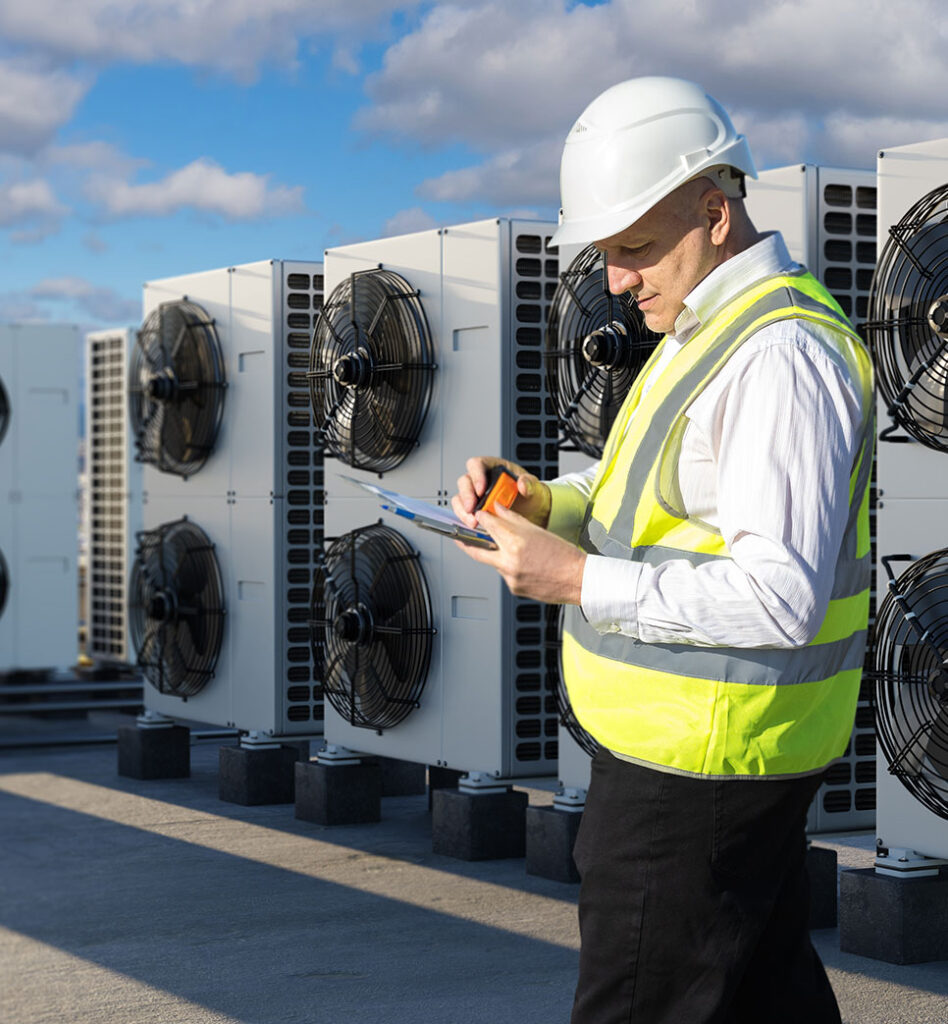
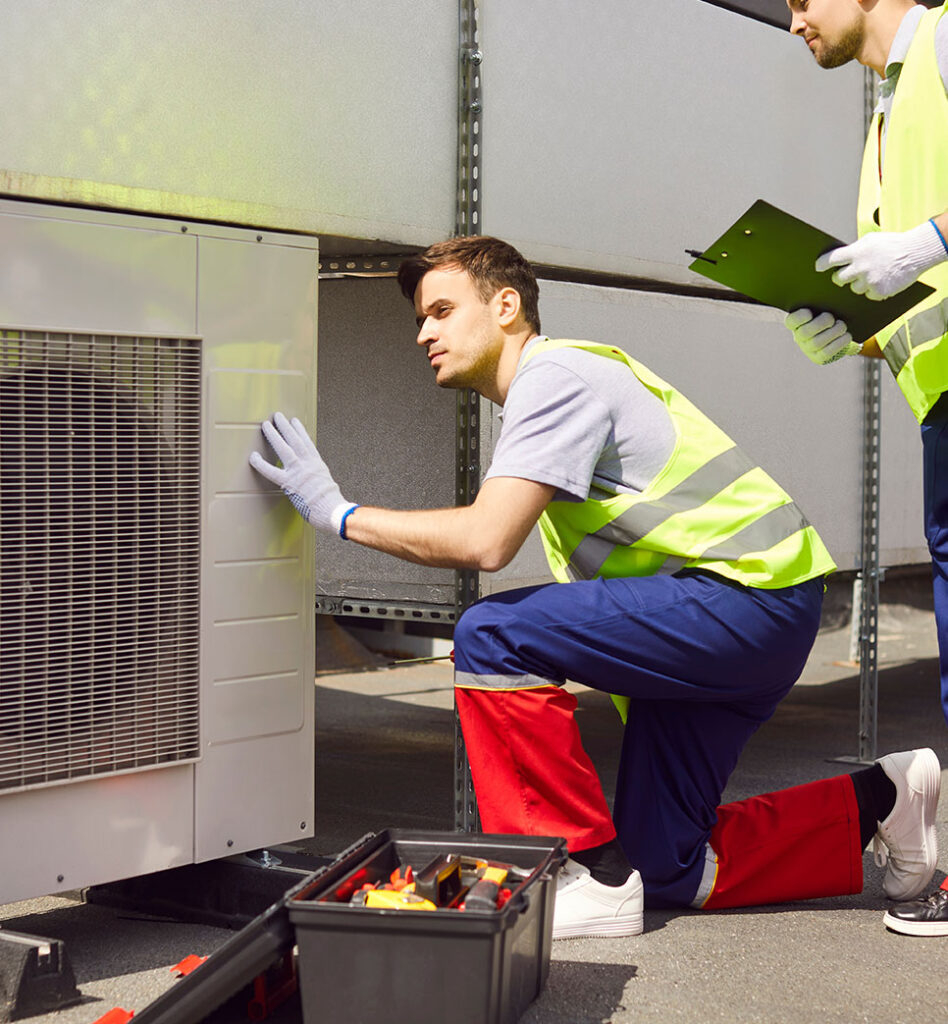
    Neglecting maintenance is a guarantee of eventual failure. A system that goes into a heat wave with pre-existing issues like dirty coils or aging components is already on the verge of a breakdown. A professional maintenance visit before the summer peak is your best insurance policy.

    A qualified technician will perform several crucial tasks:

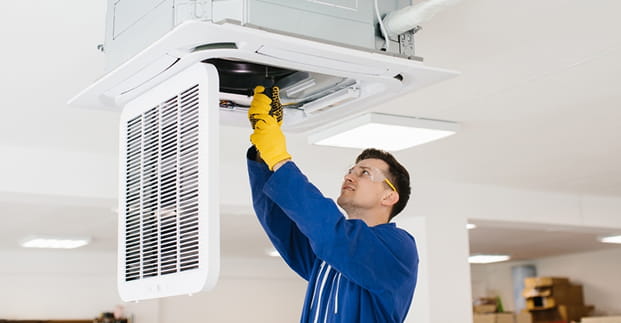
    • Thorough Coil Cleaning: This is arguably the most important heat wave prevention step. The technician will use specialized cleaners to remove all the dirt, dust, and debris that have accumulated on the condenser and evaporator coils. Clean coils can transfer heat efficiently, lowering system pressures and reducing the strain on the compressor.
    • Inspect and Test Capacitors: Technicians use multimeters to test the microfarad (μF) rating of your capacitors. If a capacitor is testing weak or outside its rated tolerance, it can be replaced before it fails.
    • Check Refrigerant Levels: The technician will measure the refrigerant charge to ensure it meets the manufacturer’s specifications. If it’s low, they will perform a leak search to find and repair the source of the problem before recharging the system.
    • Inspect Electrical Components: All wiring, contactors, and connections will be inspected for signs of corrosion, wear, or damage. Tightening loose connections can prevent a future electrical fire.
    • Lubricate Motors and Inspect Belts: For belt-driven systems, the technician will check the belt for cracks and proper tension. All motor bearings will be lubricated as needed to ensure smooth, efficient operation.

    Investing in a regular plan, like our commercial refrigeration maintenance services which applies the same principles to HVAC, is far more cost-effective than paying for an emergency call and the subsequent expensive repairs.

    Steps You Can Take to Reduce Strain

    In addition to professional maintenance, facility managers and business owners can take steps to help their HVAC systems survive a heat wave.

    • Keep Air Filters Clean: This is a simple but vital task. A clogged air filter restricts airflow, forcing the blower motor to work harder and reducing cooling efficiency. Check your filters monthly and change them as needed, especially during periods of high use.
    • Optimize Thermostat Settings: During a heat wave, be realistic. Set the thermostat a few degrees higher than you normally would (e.g., 75°F instead of 70°F). Every degree you raise the temperature significantly reduces the system’s workload. Use programmable thermostats to automatically raise the temperature during off-hours.
    • Reduce Indoor Heat Load: The less heat your system has to remove, the easier its job will be. Keep blinds and shades closed, especially on south- and west-facing windows, to block solar heat gain. Turn off unnecessary lights and equipment that generate heat.
    • Ensure Proper Airflow: Make sure that vents and registers throughout the building are open and unobstructed by furniture or equipment. Proper airflow is essential for the system to cool the space evenly and efficiently.

    When a Breakdown Happens Anyway: Your Emergency Plan

    Even with the best preparation, the extreme stress of a record-breaking heat wave can sometimes cause a well-maintained unit to fail. When it does, you need a clear plan of action.

    First, perform the basic safety checks: look at the thermostat settings and check the circuit breaker. If you see or smell anything alarming, shut the unit off at the breaker.

    Next, and most importantly, call a trusted provider that specializes in emergency HVAC services. You need a company that offers 24/7 response, has deep experience with commercial rooftop units, and serves your local area, whether it’s Palo Alto or Los Gatos. A provider with a strong reputation will dispatch a qualified technician quickly to diagnose the problem and get your business back up and running.

    Your rooftop HVAC system is a mission-critical asset. Don’t let a heat wave be the event that brings your operations to a standstill. By understanding the risks, investing in proactive professional maintenance, and having a reliable emergency partner on call, you can ensure your system weathers the storm and provides the cool, comfortable environment your business depends on. Contact us today to learn more about our comprehensive commercial HVAC services and build a maintenance strategy that keeps you protected.


    Stay Comfortable Year-Round With Expert HVAC Service

    Book a trusted technician to handle your heating or cooling issue—fast, professional, and done right the first time.

    Book Service Now
    Blog post Image
    Blog post Image
    Blog post Image

    Frequently Asked Questions

    How do I know when condensing unit replacement is better than repair?

    Consider replacement when repair costs exceed 50% of replacement cost, when units are over 12-15 years old, or when efficiency losses significantly increase energy bills. We provide cost-benefit analysis to help you make the right decision for your specific situation.

    What energy savings can I expect from a new high-efficiency condensing unit?

    Modern units typically achieve 20-40% energy savings compared to units installed before 2010. For a business spending $500 monthly on refrigeration energy, this represents $100-200 monthly savings that often pays for replacement within 3-5 years.

    How long does condensing unit replacement take?

    Most replacements take 1-3 days depending on unit size and installation complexity. We coordinate work around your business schedule to minimize disruption and can often provide temporary cooling during installation when necessary.

      Schedule Your Service

      Stay Comfortable Year-Round With Expert HVAC Service

      Book a trusted technician to handle your heating or cooling issue—fast, professional, and done right the first time.

      Schedule a FREE Discovery Call
      Close

      Schedule Your Service