I Want

    Residential HVACCommercial HVACRefrigerationEmergency HVAC


    Fast | No obligation

    Why Rooftop HVAC Is Ideal for Large Commercial Properties

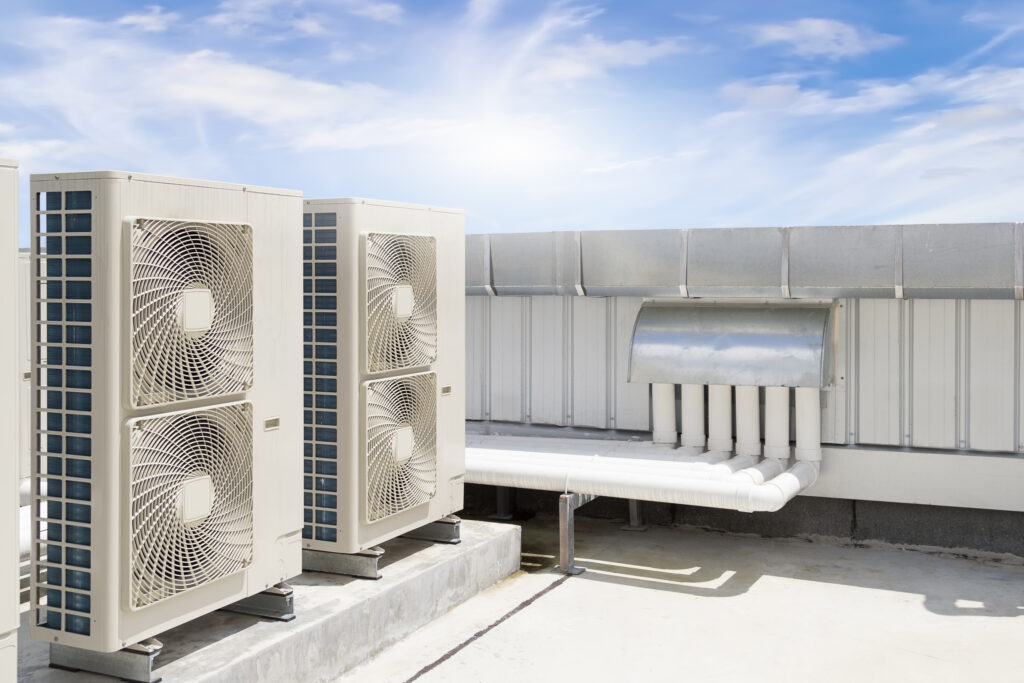
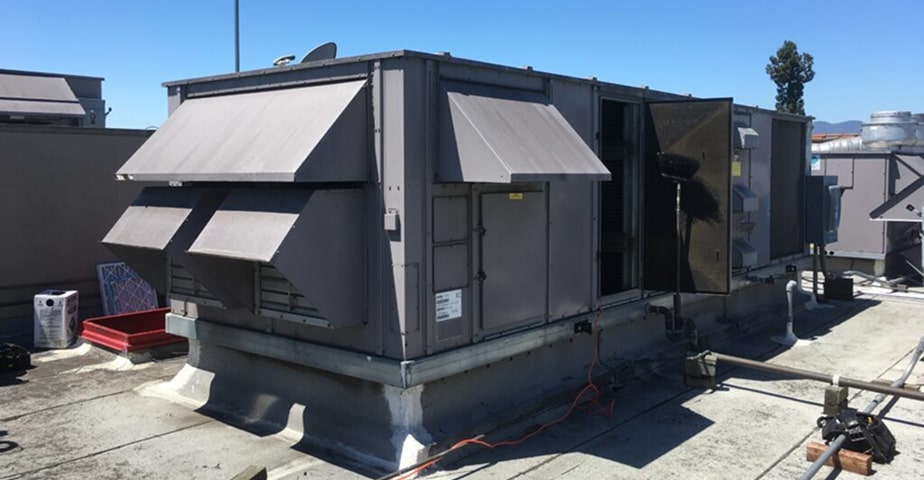
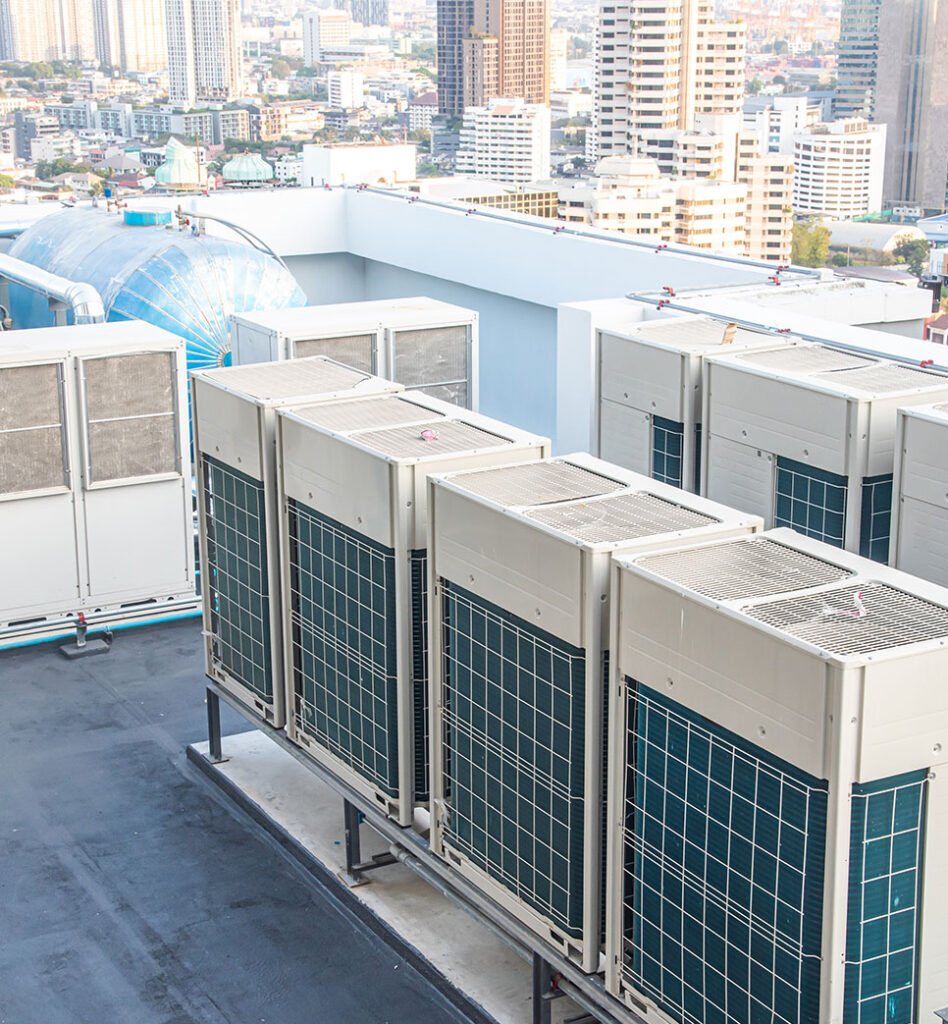
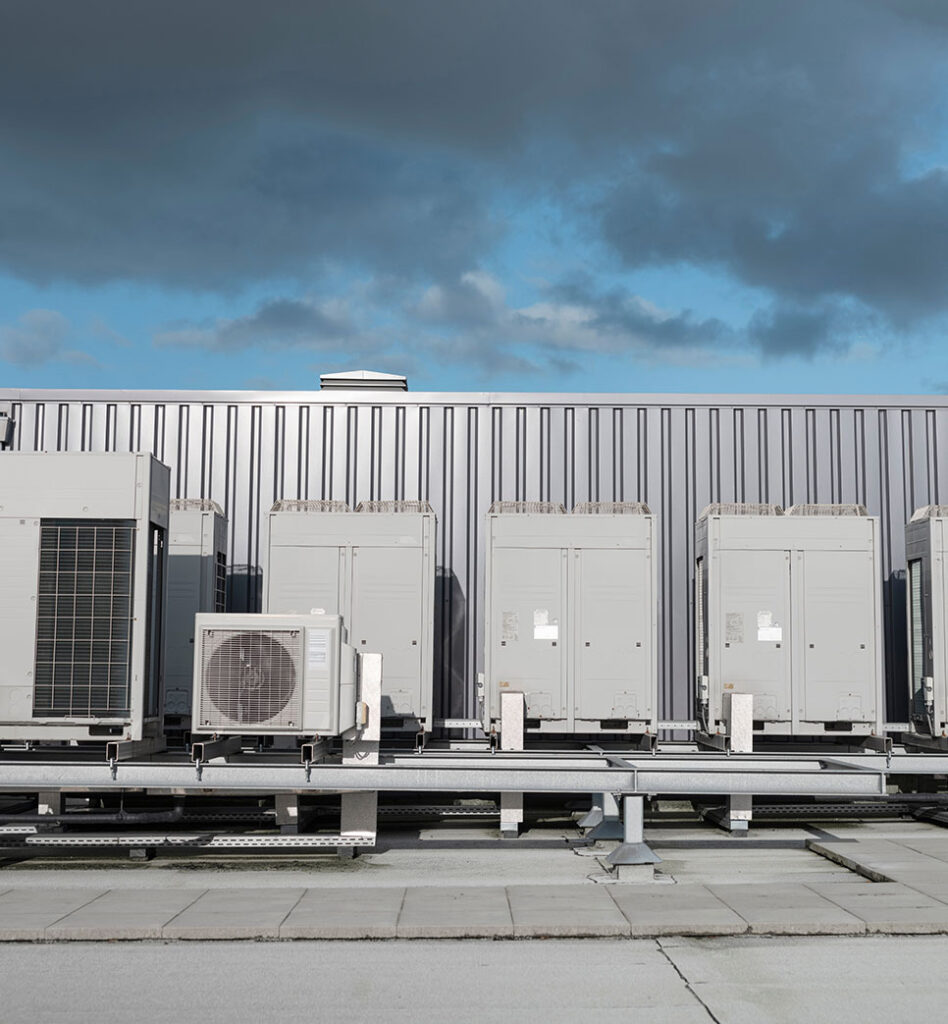
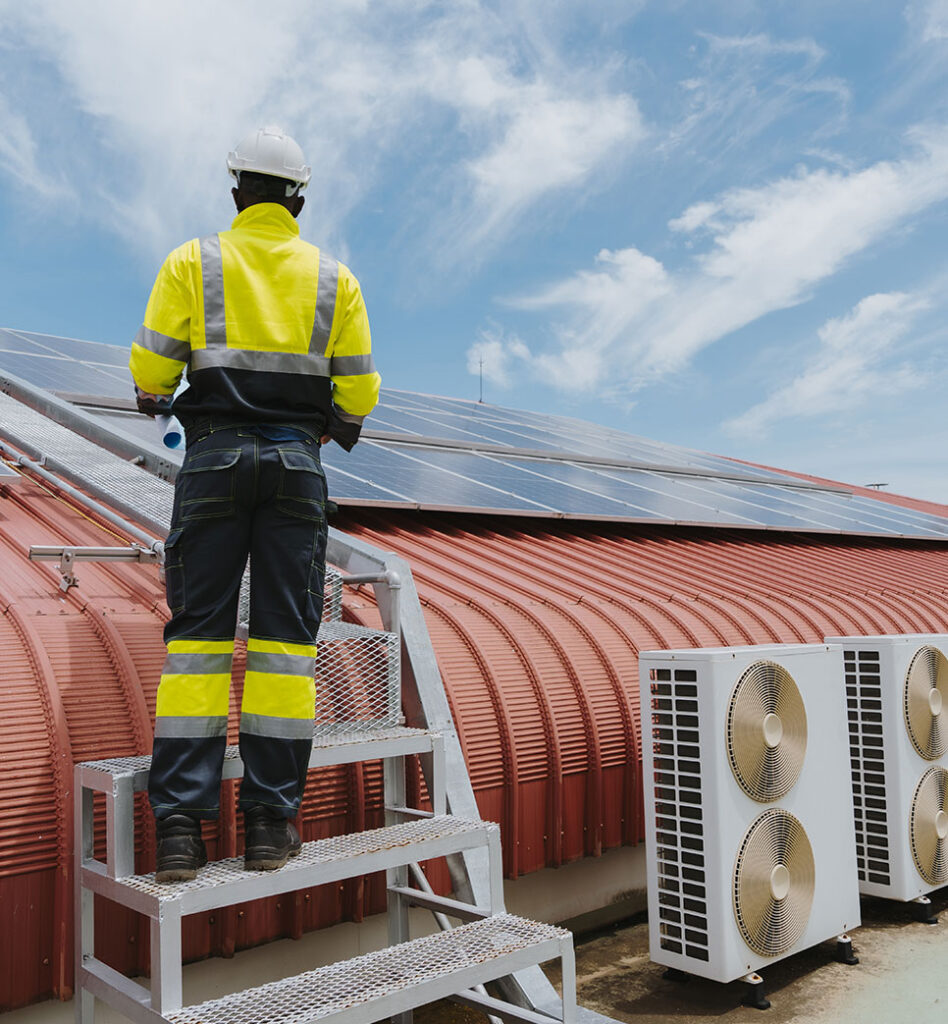
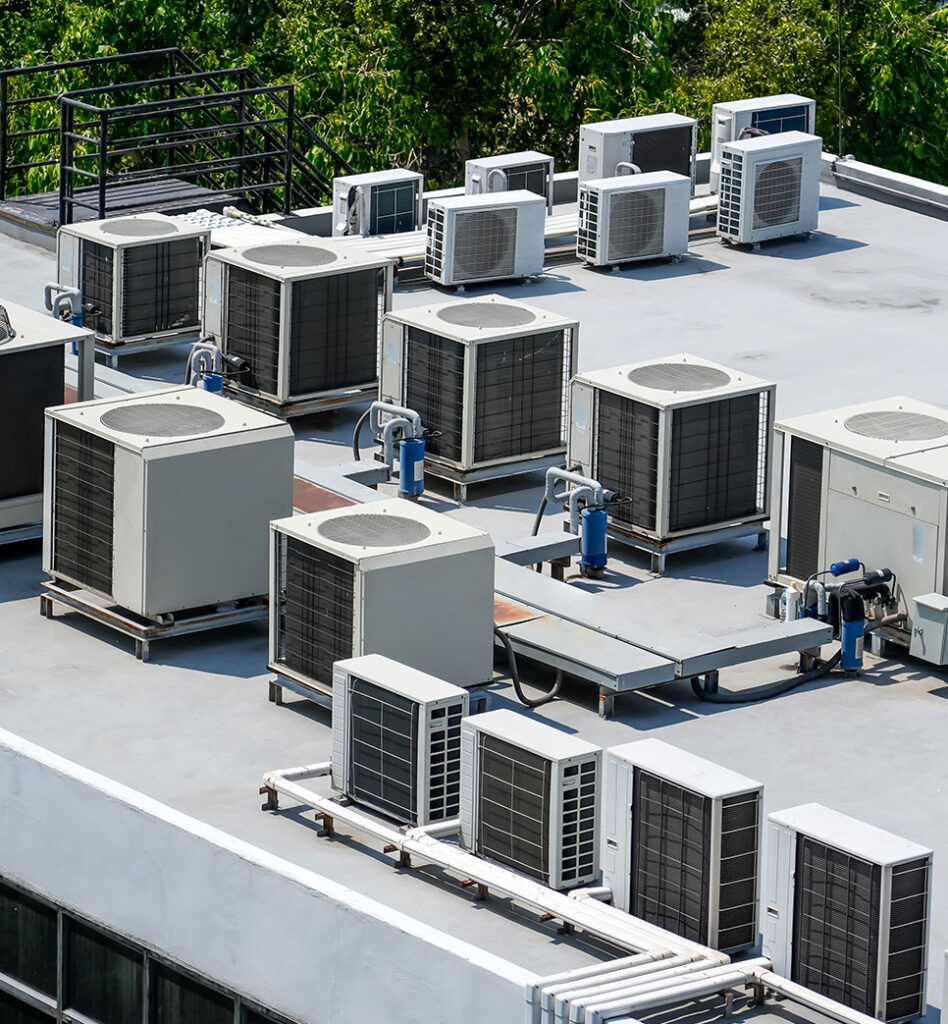
    When you look across the skyline of any major industrial park or retail district, you will notice a common feature: rows of metal cabinets perched atop flat roofs. These are rooftop HVAC units (RTUs), the undisputed workhorses of commercial climate control. For developers, architects, and facility managers, the decision to place heating and cooling equipment on the roof isn’t just a matter of tradition—it is a strategic choice driven by efficiency, practicality, and economics.

    Large commercial properties—ranging from sprawling shopping malls and big-box retailers to multi-story office complexes and logistics warehouses—face unique challenges when it comes to temperature regulation. They have massive square footage, fluctuating occupancy levels, and significant heat loads from lighting and equipment. A residential-style split system simply cannot handle these demands efficiently.

    In this in-depth guide, we will explore why rooftop HVAC systems are the ideal solution for large commercial properties. We will examine the tangible benefits of their space-saving design, their superior energy efficiency, their modular flexibility, and the ease of maintenance that keeps operational costs in check. If you are considering a new installation or a retrofit, understanding these advantages is crucial for making an informed investment.

    The Strategic Advantage of Space Conservation

    In commercial real estate, every square foot of floor space represents revenue. Whether it’s sales floor area for a retailer, desk space for an office, or storage capacity for a warehouse, allocating ground-level space to mechanical equipment is often a poor use of valuable real estate.

    reclaiming Ground Level Real Estate

    Traditional split systems require indoor units (furnaces or air handlers) and outdoor condensing units. In a large commercial facility requiring 50 or 100 tons of cooling, the sheer number of ground-level condensers needed would be staggering. They would consume parking spaces, block walkways, or require dedicated mechanical yards that eat into the property’s footprint.

    By moving everything to the roof, you free up the entire perimeter of the building. This is particularly vital in urban environments where land is expensive and lot lines are tight. It allows for:

    • More Parking: Maximizing parking spots is often a code requirement and a convenience for customers.
    • Better Aesthetics: Ground-level units are often eyesores that require expensive landscaping or fencing to hide. Rooftop units are generally out of sight line from the street.
    • Enhanced Security: Equipment on the ground is vulnerable to vandalism, copper theft, and accidental damage from delivery trucks or vehicles. Rooftop placement naturally secures the asset behind a locked roof hatch.

    Interior Space Optimization

    The “packaged” nature of an RTU means all components—compressor, evaporator, condenser, and heater—are in one box outside. This eliminates the need for mechanical rooms inside the building.

    In a large commercial property, dedicating an interior room to HVAC equipment means losing leasable square footage. It also introduces noise into the workspace. By keeping the mechanical noise and vibration on the roof, you create a quieter, more pleasant interior environment for employees and customers.

    Superior Energy Efficiency and Performance

    Operating costs are a major line item for any commercial facility, and HVAC often accounts for the largest portion of energy consumption. Rooftop units are engineered specifically to tackle the efficiency challenges of large spaces.

    Integrated Economizers

    One of the standout features of commercial RTUs is the economizer. This component allows the unit to use cool outdoor air to condition the building, rather than running the energy-intensive compressor.

    For example, in many climates, the morning air might be 60°F while the building interior needs to be cooled to 72°F due to heat generated by lights, computers, and people. A residential unit would still run the compressor to cool the air. A rooftop unit simply opens its dampers, pulls in the free 60°F air, and filters it into the building. This “free cooling” mode can reduce mechanical cooling energy usage by 15% to 50%, depending on the climate.

    High-Efficiency Options

    Modern RTUs are available with incredibly high SEER (Seasonal Energy Efficiency Ratio) and IEER (Integrated Energy Efficiency Ratio) ratings. Manufacturers have integrated advanced technologies to boost performance:

    • Inverter Compressors: These can ramp up or down to match the exact cooling load, rather than just cycling on and off at 100% capacity.
    • Variable Speed Fans: By adjusting airflow based on demand, these fans use significantly less electricity and provide better dehumidification.
    • Smart Controls: RTUs can easily integrate with Building Automation Systems (BAS), allowing facility managers to set precise schedules, monitor energy usage in real-time, and optimize performance remotely.

    For businesses looking to upgrade, our Commercial HVAC Replacement Services can help calculate the ROI of switching to high-efficiency rooftop models.

    Modular Flexibility and Scalability

    Commercial buildings are rarely static. Tenants change, businesses expand, and interior layouts are reconfigured. The HVAC system needs to be adaptable, and rooftop units offer unmatched modularity.

    The “Plug and Play” Approach

    Because RTUs are self-contained, they are modular by nature. If you manage a shopping strip with ten distinct retail spaces, you can have ten separate rooftop units.

    • Tenant Independence: Each tenant can control their own thermostat and pay for their own energy usage.
    • Failure Isolation: If one unit goes down, it only affects one zone or tenant, not the entire building. A central chiller plant failure, by contrast, would leave the whole complex without cooling.

    Ease of Expansion

    If a warehouse is converted into a manufacturing floor with higher heat loads, you don’t need to rip out the entire infrastructure. You can often add another rooftop unit to handle the increased load. The roof acts as a flexible platform where capacity can be added or removed without major structural renovations to the building’s interior.

    This scalability is perfect for phased construction projects. You can install HVAC capacity as sections of the building are completed and leased, deferring capital expenditure until it is actually needed.

    Simplified Installation and Maintenance

    Time is money in the commercial world. A lengthy installation process that disrupts business operations is unacceptable. Rooftop units are designed for speed and serviceability.

    Pre-packaged Convenience

    RTUs arrive from the factory fully assembled, charged with refrigerant, and tested. Installation is largely a matter of lifting the unit onto a pre-installed roof curb, connecting the ductwork that drops down through the curb, and hooking up the electrical and gas lines.

    Compared to a split system—which requires running long copper refrigerant lines through walls and ceilings, brazing joints, and charging the system on-site—an RTU installation is significantly faster and less prone to installation errors.

    Service Accessibility

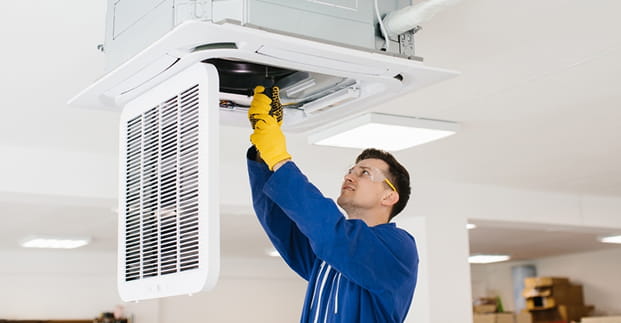
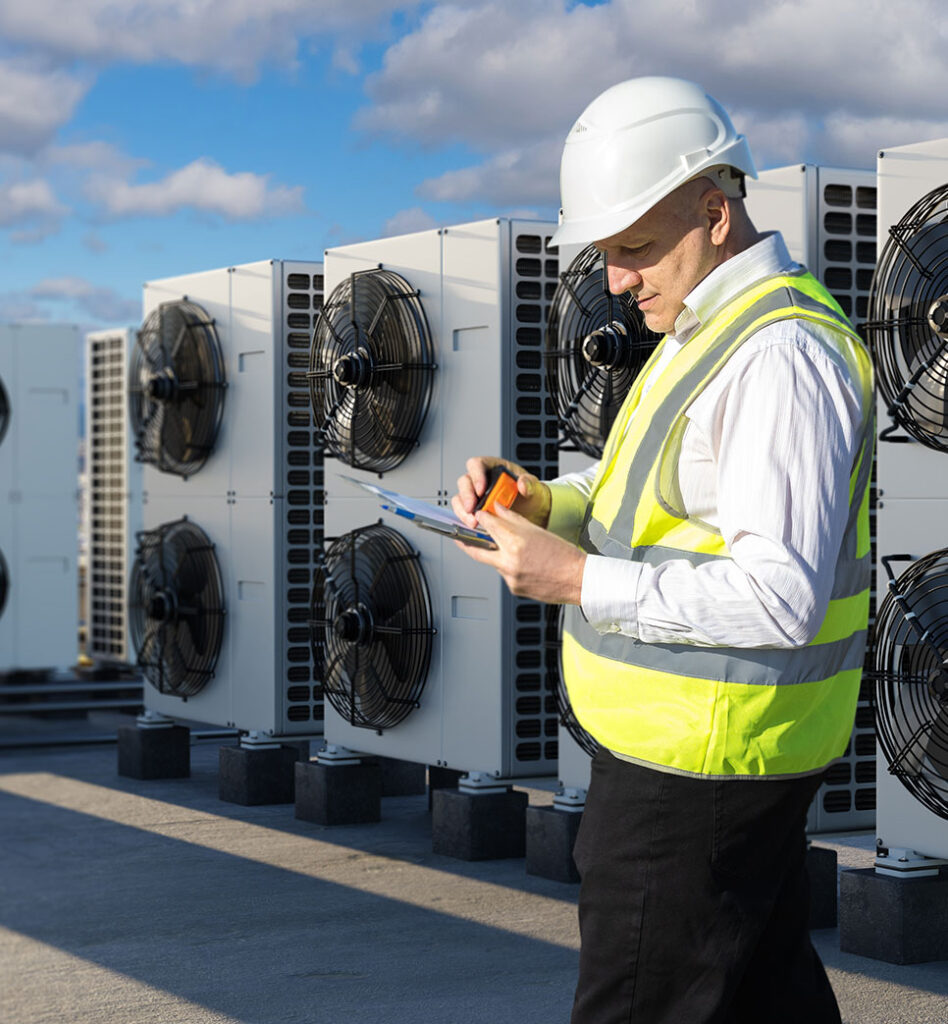
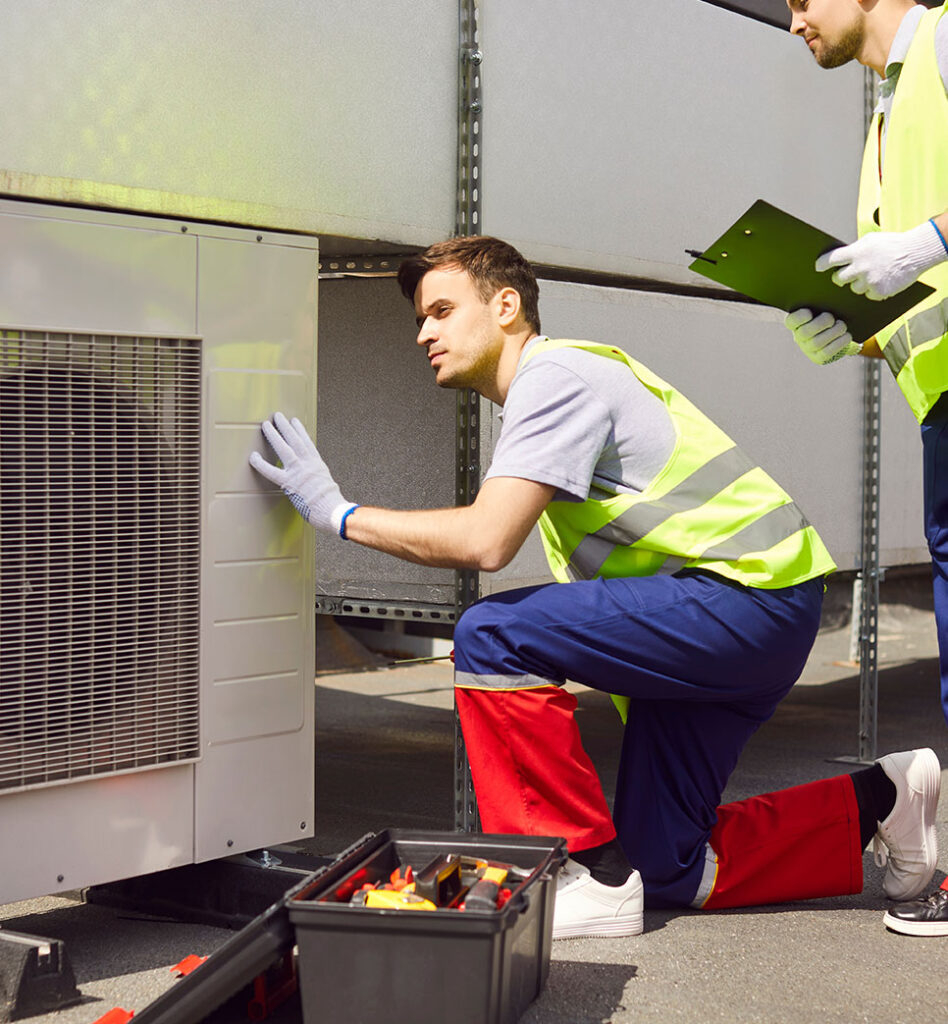
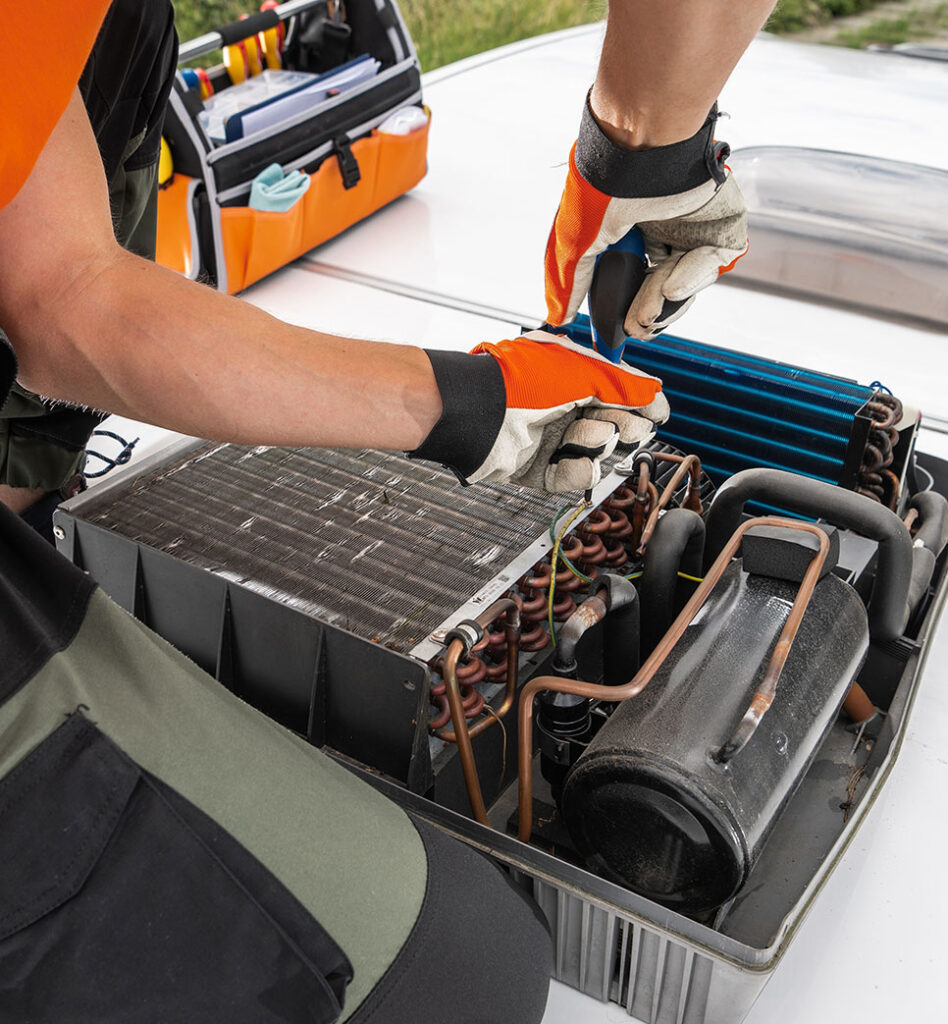
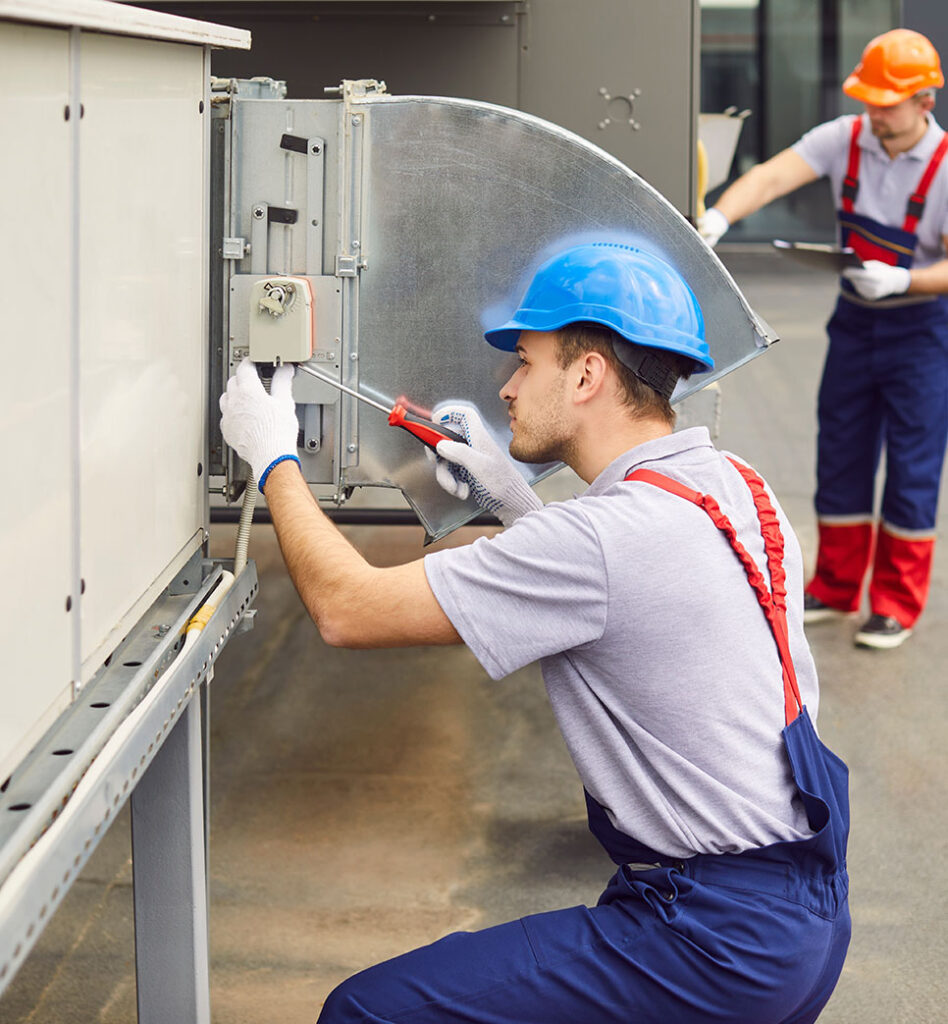
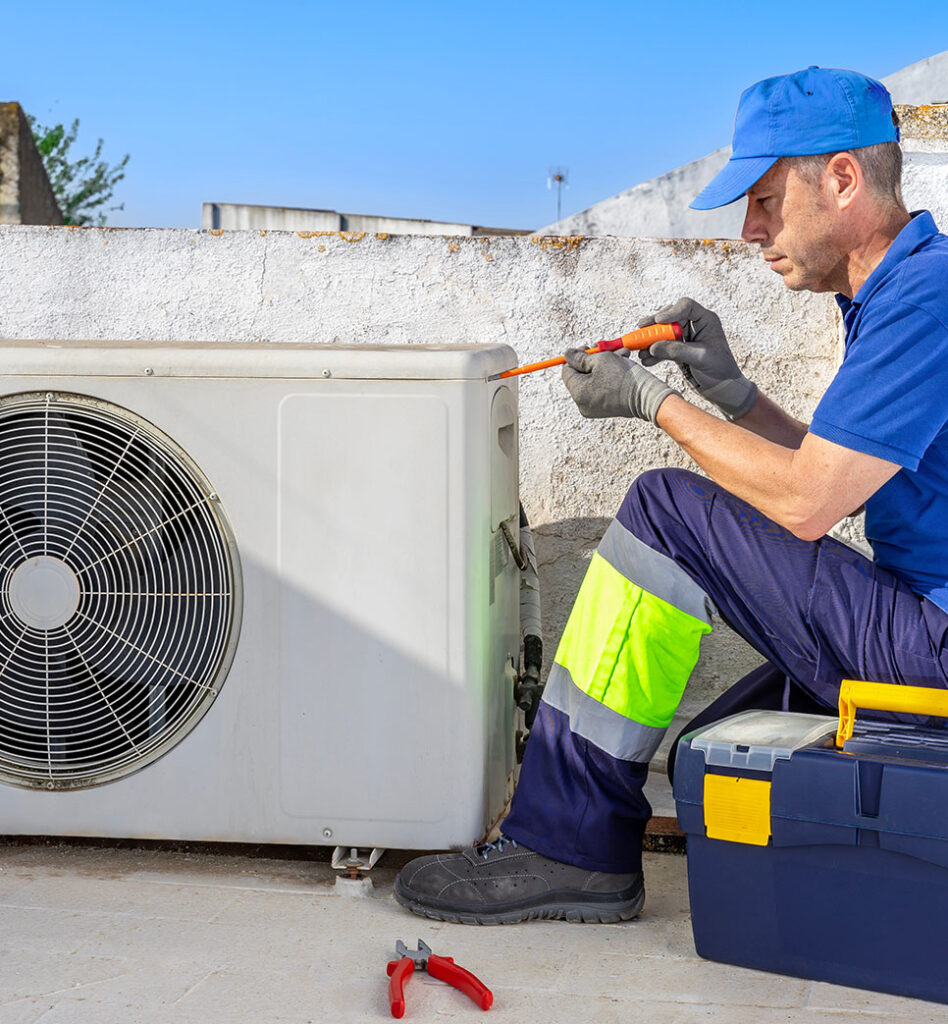
    Maintenance is a critical factor in the total cost of ownership. Rooftop units are designed with technicians in mind. All the components are accessible through hinged access panels on the unit itself.

    • No Interior Disruption: Technicians can perform 90% of maintenance and repairs without ever entering the occupied workspace. They don’t need to drag ladders through a lobby, move ceiling tiles in a conference room, or disrupt a retail floor.
    • Safe Working Environment: While working on a roof has its own safety protocols, it generally provides a flat, open workspace with plenty of light and room to maneuver, compared to cramped mechanical closets or hot attics.

    Routine maintenance tasks—like changing filters, cleaning coils, and checking belt tension—can be performed efficiently. To ensure your system remains in peak condition, explore our comprehensive Commercial HVAC Services.

    Improved Indoor Air Quality (IAQ)

    Post-pandemic, Indoor Air Quality (IAQ) has moved from a “nice to have” to a “must-have” for commercial properties. Building codes now mandate strict ventilation rates to ensure the health and safety of occupants.

    Fresh Air Intake

    Rooftop units are superior at managing ventilation. Because they are located outside, bringing in fresh air is as simple as opening a damper. The system can be calibrated to introduce a specific percentage of fresh air (e.g., 20%) continuously, ensuring that CO2 levels remain low and stale indoor air is flushed out.

    Filtration Options

    Commercial RTUs are built to accommodate a wide range of filtration options. While residential units struggle with restrictive filters, the powerful blowers in rooftop units can handle high-MERV filters that capture dust, pollen, mold spores, and even viruses.

    Furthermore, because the unit is external, you can easily add UV-C light kits or bipolar ionization units into the airstream to actively sanitize the air before it enters the building.

    Design Versatility for Different Building Types

    Rooftop units are not a “one size fits all” solution, but they are a “one style fits most” solution. Their versatility makes them applicable to a wide range of commercial structures.

    Flat Roof Compatibility

    The vast majority of large commercial buildings utilize flat or low-slope roofs. This architectural style is perfectly suited for RTUs. The roof curb—the metal frame the unit sits on—provides a watertight seal and structural support. The weight of the equipment is distributed across the roof structure, which is typically engineered to handle these loads.

    Zoning Capabilities

    For large open spaces like auditoriums or warehouses, a single large RTU can distribute air through exposed spiral ductwork. For partitioned offices, the same unit can be connected to a Variable Air Volume (VAV) system. This allows a single rooftop unit to serve multiple zones with different temperature requirements, modulating airflow dampers to keep everyone comfortable.

    Durability and Lifespan

    Commercial equipment is built to a higher standard than residential gear. Rooftop units are exposed to the elements 24/7—sun, rain, hail, and snow. As such, they are constructed with heavy-gauge galvanized steel cabinets, weather-resistant paint finishes, and hail guards to protect the coils.

    With proper preventative maintenance, a commercial rooftop unit can last 15 to 20 years. However, the harsh environment does take a toll. The key to longevity is consistent care. Neglecting a rooftop unit because “out of sight is out of mind” is a recipe for premature failure. Regular inspections of the heat exchanger, compressor, and electrical connections are vital.

    If your current units are nearing the end of their service life and repair costs are mounting, it may be time to consider a strategic upgrade. Our team specializes in seamless Commercial HVAC Replacement Services that minimize downtime and maximize future energy savings.

    Noise Reduction

    Noise pollution is a significant concern in office environments and luxury retail spaces. The hum of a compressor or the whir of a condenser fan can be distracting.

    By placing the equipment on the roof, you are utilizing the building’s structure as a sound barrier. The concrete or steel roof deck, combined with insulation, significantly dampens the sound transmission to the space below. Additionally, modern RTUs can be installed on vibration isolation curbs—essentially springs or rubber mounts that prevent mechanical vibration from traveling through the building’s frame.

    For sensitive environments like recording studios, libraries, or executive boardrooms, this acoustic separation is invaluable.

    Cost-Effectiveness

    Ultimately, business decisions often come down to the bottom line. Rooftop HVAC systems offer a compelling cost-benefit ratio.

    • Lower Initial Cost: Due to mass production and simplified installation (less piping, less labor), RTUs typically have a lower installed cost per ton of cooling compared to split systems or chilled water systems.
    • Lower Maintenance Cost: Easy access and standard components reduce the labor hours required for repairs.
    • Energy Rebates: Because high-efficiency RTUs significantly reduce grid load, many utility companies offer substantial rebates for installing units that meet certain IEER standards.

    Conclusion

    For large commercial properties, the rooftop HVAC unit remains the champion of climate control. It solves the complex problems of space, efficiency, and maintenance with a robust, packaged design that has stood the test of time.

    By moving the mechanicals to the roof, you gain valuable square footage, improve security, and reduce noise. By utilizing economizers and smart controls, you slash energy waste. And by choosing a modular system, you ensure your building can adapt to the changing needs of your business.

    However, the performance of even the best rooftop unit depends on the quality of its installation and the consistency of its maintenance. Whether you are managing a portfolio of properties or a single large facility, you need a partner who understands the intricacies of commercial HVAC.

    If you are ready to optimize your building’s comfort and efficiency, or if you need expert advice on maintaining your current rooftop fleet, we are here to help. Visit our Commercial HVAC Services page to learn more about our comprehensive solutions for commercial properties.


    Stay Comfortable Year-Round With Expert HVAC Service

    Book a trusted technician to handle your heating or cooling issue—fast, professional, and done right the first time.

    Book Service Now
    Blog post Image
    Blog post Image
    Blog post Image

    Frequently Asked Questions

    How do I know when condensing unit replacement is better than repair?

    Consider replacement when repair costs exceed 50% of replacement cost, when units are over 12-15 years old, or when efficiency losses significantly increase energy bills. We provide cost-benefit analysis to help you make the right decision for your specific situation.

    What energy savings can I expect from a new high-efficiency condensing unit?

    Modern units typically achieve 20-40% energy savings compared to units installed before 2010. For a business spending $500 monthly on refrigeration energy, this represents $100-200 monthly savings that often pays for replacement within 3-5 years.

    How long does condensing unit replacement take?

    Most replacements take 1-3 days depending on unit size and installation complexity. We coordinate work around your business schedule to minimize disruption and can often provide temporary cooling during installation when necessary.

      Schedule Your Service

      Stay Comfortable Year-Round With Expert HVAC Service

      Book a trusted technician to handle your heating or cooling issue—fast, professional, and done right the first time.

      Schedule a FREE Discovery Call
      Close

      Schedule Your Service