I Want

    Residential HVACCommercial HVACRefrigerationEmergency HVAC


    Fast | No obligation

    Why Certified Rooftop HVAC Installers Matter

    When it comes to commercial building management, few systems are as critical—or as complex—as the rooftop HVAC unit. These massive systems are responsible for the comfort of your employees, the satisfaction of your customers, and the preservation of your inventory. Yet, when it comes time to install or replace these units, many building owners fall into the trap of prioritizing the lowest bid over proven expertise.

    The difference between a certified rooftop HVAC installer and an uncertified generalist is not just a piece of paper. It is the difference between a system that runs efficiently for 20 years and one that becomes a recurring nightmare of breakdowns, energy waste, and safety hazards. In the high-stakes world of commercial HVAC, certification is your primary insurance policy against incompetence.

    This comprehensive guide explores why certification matters. We will delve into the rigorous training certified technicians undergo, the critical safety protocols they follow, and the financial implications of hiring qualified professionals. Whether you manage a retail center, an office complex, or an industrial facility, understanding the value of certification is essential for protecting your investment.

    The Complexity of Commercial Rooftop Units

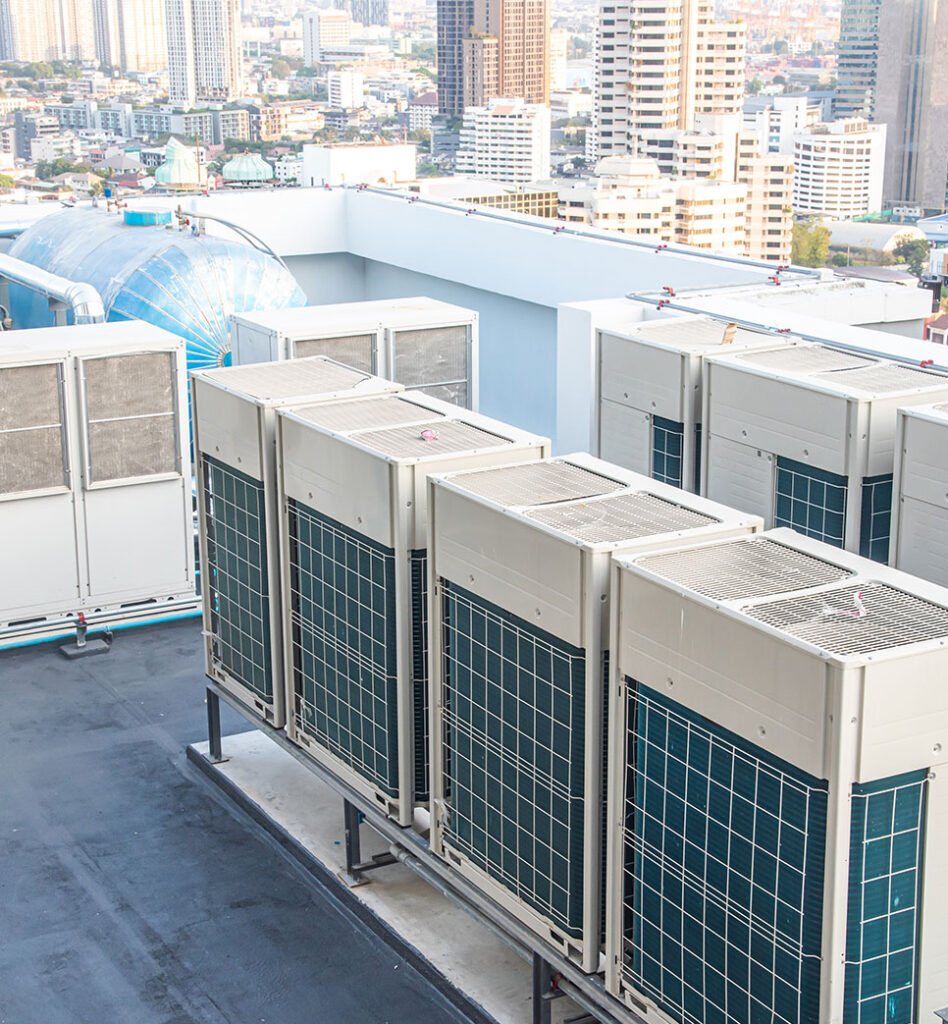
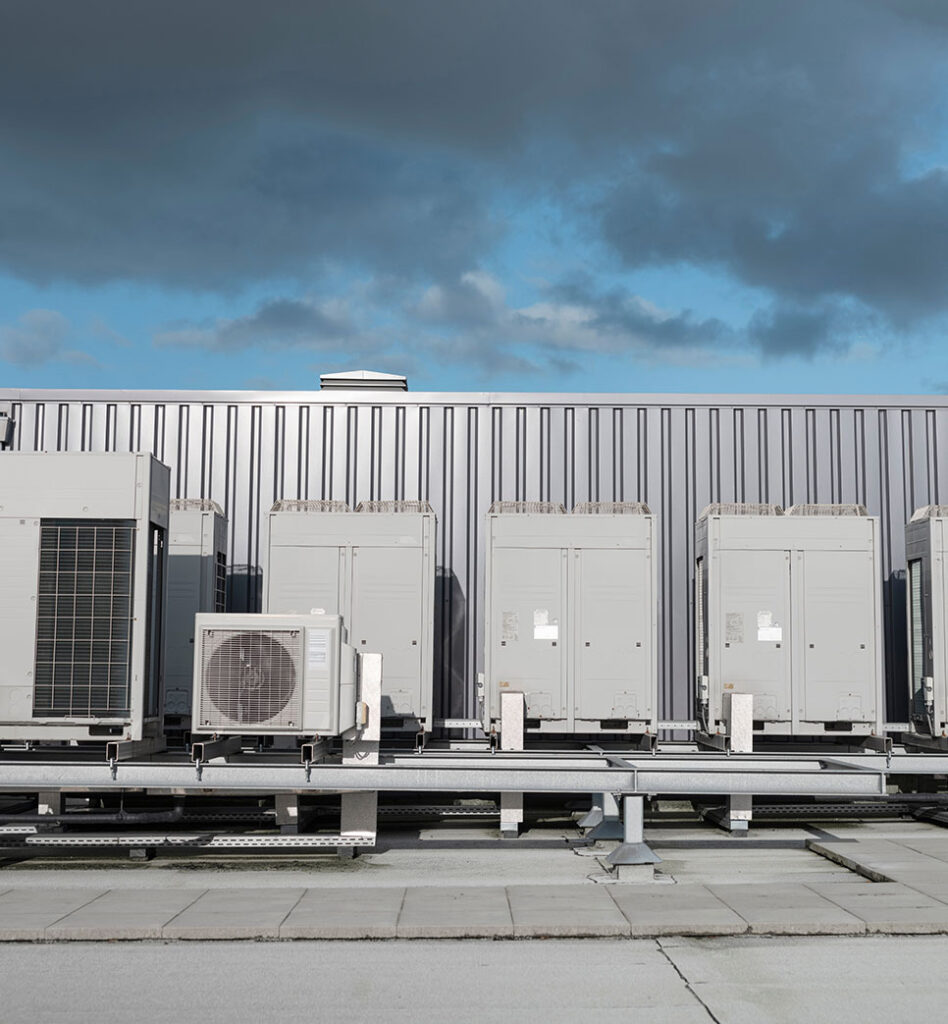
    To understand why you need a certified expert, you first need to respect the machine itself. A commercial rooftop unit (RTU) is not simply a larger version of the air conditioner sitting in your backyard. It is a sophisticated piece of industrial machinery that integrates complex electrical, mechanical, and airflow systems.

    More Than Just “Big Air Conditioners”

    Residential units typically control temperature. Commercial RTUs often manage:

    • Variable Air Volume (VAV): Modulating airflow to different zones based on demand.
    • Economizers: Using outdoor air to cool the building when conditions are right, saving massive amounts of energy.
    • Building Automation Systems (BAS): Interfacing with digital controls that manage lighting, security, and HVAC from a central dashboard.
    • Humidity Control: Precise moisture removal is critical for environments like server rooms or grocery stores.

    An uncertified technician might understand the basic refrigeration cycle but lack the specific knowledge to calibrate an economizer or program a VAV box. The result is a unit that “runs” but fails to deliver the efficiency or comfort it was designed for.

    The Consequences of improper installation

    Statistics from the Consortium for Energy Efficiency indicate that up to 50% of new commercial HVAC systems are installed incorrectly. These errors include:

    • Improper Refrigerant Charge: Reduces efficiency and damages the compressor.
    • Incorrect Airflow: Leads to hot/cold spots and freezes up coils.
    • Duct Leakage: Wastes conditioned air before it ever reaches the workspace.

    Certified installers are trained to avoid these specific pitfalls. If you are looking to ensure your system is handled correctly from day one, exploring professional Commercial HVAC Services is the first step toward operational excellence.

    Safety: The Non-Negotiable Priority

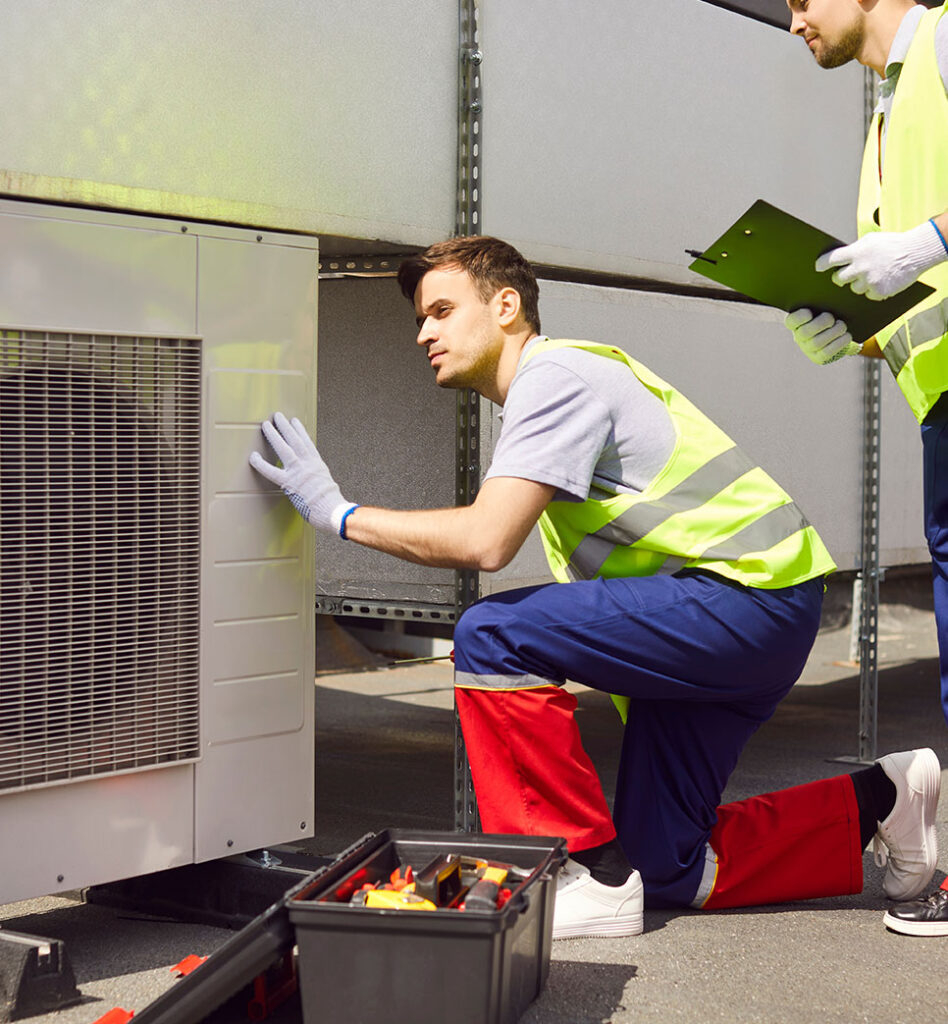
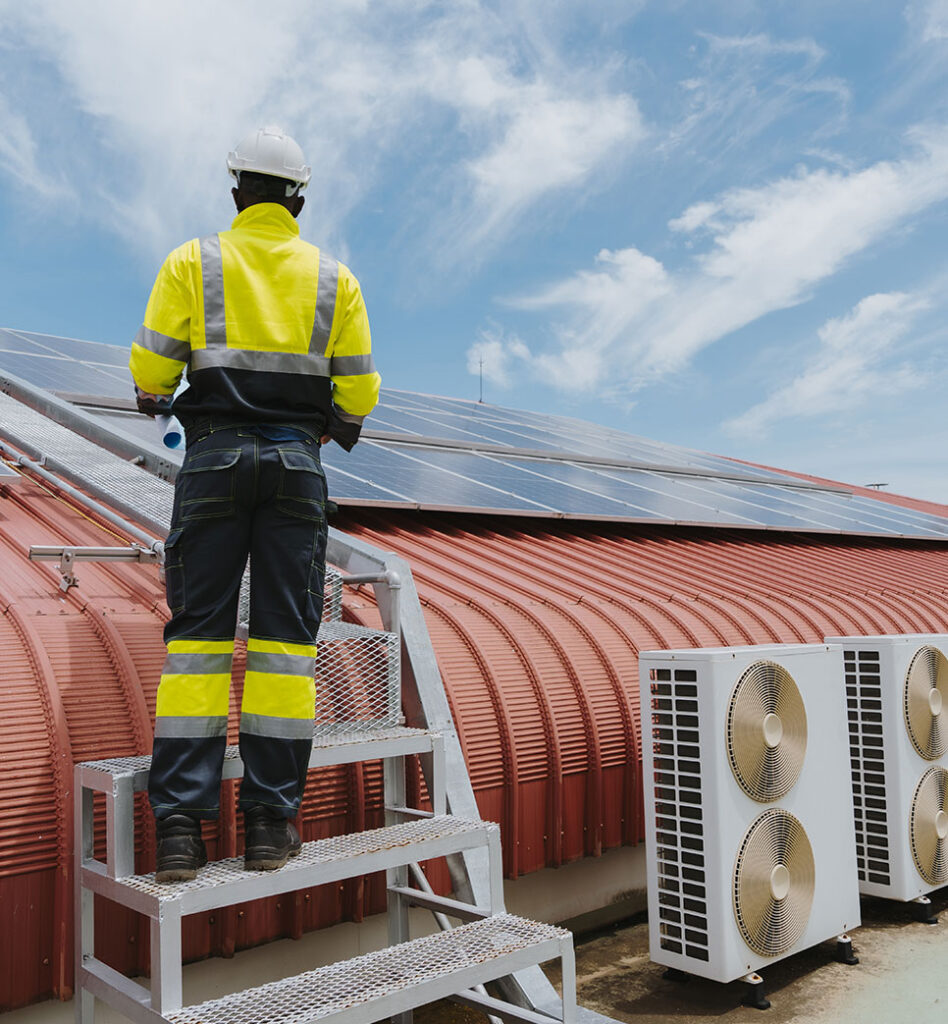
    Rooftop work is inherently dangerous. Technicians are working at heights, often in adverse weather, handling heavy machinery, high-voltage electricity, and pressurized gases. Certification is, first and foremost, a validation of safety training.

    Electrical Hazards

    Commercial units often run on high voltage—480V or higher. An arc flash or electrical shock at these levels can be fatal. Certified technicians undergo rigorous safety training (often OSHA-certified) to handle high-voltage connections safely. They know how to properly lock out/tag out equipment to ensure no one energizes the system while work is being performed.

    Structural Integrity and Rigging

    Getting a 5-ton or 20-ton unit onto a roof requires a crane. This is a high-risk operation.

    • Load Calculations: The roof structure must be able to support the weight of the new unit. Certified installers work with structural engineers to verify load limits.
    • Rigging Safety: Securing the unit to the crane requires specialized knowledge of rigging points and weight distribution. An improperly rigged unit can fall, causing catastrophic damage to the building and posing a lethal threat to anyone on the ground.

    Refrigerant Handling

    Refrigerants are chemical substances that, if mishandled, can cause severe burns, asphyxiation, or environmental damage. The EPA requires Section 608 certification for anyone handling refrigerants. This isn’t just a best practice; it is federal law. Hiring a company that employs EPA-certified technicians ensures that your project does not violate environmental regulations.

    Compliance and Building Codes

    Commercial construction is a web of regulations. Local building codes, state energy standards, and federal environmental laws all dictate how an HVAC system must be installed.

    Title 24 and Energy Standards

    In California, for example, Title 24 sets strict standards for energy efficiency. When a rooftop unit is replaced, specific upgrades are often triggered:

    • Economizer Fault Detection: New units may require sensors that alert you if the economizer fails.
    • Demand Control Ventilation: Sensors that measure CO2 levels to adjust fresh air intake based on occupancy.
    • Duct Testing: Mandatory testing to ensure ducts are sealed tight.

    A certified installer is fluent in these codes. They know what permits to pull, what inspections are required, and how to document compliance. An uncertified “handyman” style installer might bypass these requirements to save time or money. The result? You could face fines, fail building inspections, or be forced to rip out and reinstall the work at your own expense.

    Warranty Protection

    This is a critical financial consideration. Manufacturers of commercial HVAC equipment (Trane, Carrier, Lennox, York, etc.) are very specific about warranty terms.

    • The “Professional Installation” Clause: Almost every warranty explicitly states that the equipment must be installed by a licensed and qualified HVAC professional.
    • Documentation: If a compressor fails two years in, the manufacturer will ask for installation records and start-up sheets. If you cannot prove professional installation, your warranty is void.

    By hiring a certified team, you protect the warranty coverage on your expensive asset. If you are currently dealing with a system that was perhaps not installed correctly and is now failing, our Commercial HVAC Repair Services can help diagnose the issue and get you back on track.

    The Efficiency Equation: ROI Starts at Installation

    You pay a premium for high-efficiency equipment. You might buy a unit with a high IEER (Integrated Energy Efficiency Ratio) rating, expecting to slash your utility bills. But efficiency is potential; installation is realization.

    The “Commissioning” Process

    A certified installer doesn’t just drop the unit on the curb, wire it up, and leave. They perform a process called “commissioning.”

    1. Airflow Balancing: They measure the static pressure in the ducts and adjust fan speeds to ensure the right amount of air reaches every zone.
    2. Refrigerant Charging: They use precision gauges to charge the system to the exact manufacturer specifications, adjusting for the length of the line set and ambient temperature.
    3. Thermostat Calibration: They ensure the controls are reading accurately and communicating correctly with the unit.

    An uncertified installer often skips commissioning. A unit that is just 10% undercharged or has incorrect airflow can lose 20% or more of its rated efficiency. Over the 15-year life of a commercial unit, that 20% efficiency loss translates to tens of thousands of dollars in wasted electricity.

    Long-Term Reliability

    Certified installers follow best practices for brazing copper lines, sealing electrical connections, and setting up drainage.

    • Brazing: Improper brazing leaves contaminants inside the refrigeration lines, which eventually destroy the compressor.
    • Drainage: Poorly installed condensate drains lead to water leaks that can damage ceiling tiles, inventory, and even the roof structure itself.

    Doing it right the first time means fewer emergency calls later. However, if you are facing an unexpected breakdown due to past poor installation or extreme weather, our Emergency HVAC Services in San Jose, CA are available to minimize your downtime.

    Certifications to Look For

    When vetting a commercial HVAC partner, what specifically should you look for? “Certified” can be a vague term. Here are the specific credentials that matter.

    NATE Certification

    North American Technician Excellence (NATE) is the gold standard in the industry. NATE-certified technicians have passed rigorous exams validating their real-world working knowledge of HVAC systems.

    EPA 608 Certification

    As mentioned, this is mandatory for handling refrigerants. There are different levels (Type I, II, III, and Universal). Commercial technicians typically need Universal certification to work on large rooftop units.

    Manufacturer Certifications

    Major brands offer their own training programs. A “Factory Authorized Dealer” employs technicians who have been specifically trained on that brand’s equipment. They have access to proprietary diagnostic tools and direct support lines to the manufacturer’s engineering team.

    State Licensure

    In California, a C-20 HVAC contractor license is required for any HVAC project over $500. This license ensures the contractor is bonded, insured, and has passed state law and trade exams. Never hire a contractor who cannot provide their license number.

    The Cost of “Cheap” Labor

    It is tempting to look at a quote from a certified, established company and compare it to a “guy with a truck” who bids 30% less. But that lower price tag hides significant costs.

    The Hidden Costs of Uncertified Work

    1. Permit Fines: If the city catches work being done without a permit (which uncertified installers rarely pull), they can shut down your job site and levy heavy fines.
    2. Insurance Liability: If an uncertified worker is injured on your roof, or if their work causes a fire or water damage, their lack of insurance transfers the liability to you. Your business insurance may deny the claim if they find you hired an unlicensed contractor.
    3. Premature Failure: We have seen units that should last 20 years fail in 5 because of poor installation practices. Replacing a unit twice in a decade is far more expensive than paying for a certified installation once.

    Case Study: The Economizer Error

    Let’s look at a common real-world scenario. A building owner hires a low-bid contractor to replace a 10-ton rooftop unit. The contractor installs the unit but doesn’t understand how to wire the economizer properly.

    • The Problem: The economizer damper gets stuck in the “open” position.
    • The Result: On a hot 95°F day, the unit is sucking in 100% hot outside air instead of recirculating the already-cooled indoor air. The compressor runs non-stop but cannot keep up. The building is hot, the electric bill is astronomical, and the compressor burns out in two years.
    • The Fix: A certified technician is called in. They diagnose the wiring error, but the damage is done. The compressor replacement costs thousands.

    A certified installer would have tested the economizer operation during commissioning, ensuring it modulates correctly to provide free cooling only when appropriate.

    Beyond Installation: The Maintenance Partnership

    Certification matters not just on day one, but for the life of the system. Certified companies are typically structured to provide ongoing maintenance plans. They keep detailed records of your equipment, track warranty status, and perform maintenance according to the specific needs of that model.

    An uncertified installer is often transactional—they want to install the box and move on. A certified partner wants a relationship. They understand that their reputation depends on that unit running well for years.

    Conclusion: Investing in Peace of Mind

    Your commercial building is a significant asset. The HVAC system is the heart of that asset’s functionality. Handing the keys to that system to an uncertified amateur is a gamble with high odds of failure.

    Certified rooftop HVAC installers bring a level of professionalism, safety, and technical expertise that protects your business. They ensure compliance with the law, maximize energy efficiency, protect your warranty, and safeguard the physical well-being of everyone in the building.

    When you review proposals for your next HVAC project, look past the bottom line number. Ask for license numbers. Ask about NATE certification. Ask about safety training. The peace of mind that comes from knowing your system was installed by a true professional is worth every penny.

    If you are looking for a team that embodies these standards of excellence in the Bay Area, we are here to help. From Palo Alto to Fremont, our certified experts are ready to deliver quality you can trust.

    Frequently Asked Questions

    Q: How can I verify if an installer is certified?
    A: Ask to see their license and certification cards. In California, you can check a contractor’s license status on the CSLB (Contractors State License Board) website. You can also verify NATE certification on the NATE website.

    Q: Does certification really affect my energy bill?
    A: Absolutely. Improper airflow, refrigerant charge, and duct sealing can reduce system efficiency by 20-30%. Certified technicians ensure the unit operates at its rated efficiency.

    Q: Is it illegal to hire an uncertified HVAC technician?
    A: In many jurisdictions, it is illegal for a contractor to perform HVAC work over a certain dollar amount without a state contractor’s license. Additionally, federal law requires EPA certification for handling refrigerants.

    Q: Do certified installers cost more?
    A: Their hourly rates or project bids may be higher than unlicensed handymen, but this reflects the cost of insurance, training, proper tools, and overhead. The long-term cost of certified work is almost always lower due to fewer repairs, better efficiency, and longer equipment life.

    Q: Can a general contractor install my rooftop unit?
    A: A general contractor (GC) can oversee the project, but they typically subcontract the actual HVAC work to a licensed mechanical contractor. You should ensure that the specific subcontractor performing the work is licensed and certified in HVAC.


    Stay Comfortable Year-Round With Expert HVAC Service

    Book a trusted technician to handle your heating or cooling issue—fast, professional, and done right the first time.

    Book Service Now
    Blog post Image
    Blog post Image
    Blog post Image

    Frequently Asked Questions

    How do I know when condensing unit replacement is better than repair?

    Consider replacement when repair costs exceed 50% of replacement cost, when units are over 12-15 years old, or when efficiency losses significantly increase energy bills. We provide cost-benefit analysis to help you make the right decision for your specific situation.

    What energy savings can I expect from a new high-efficiency condensing unit?

    Modern units typically achieve 20-40% energy savings compared to units installed before 2010. For a business spending $500 monthly on refrigeration energy, this represents $100-200 monthly savings that often pays for replacement within 3-5 years.

    How long does condensing unit replacement take?

    Most replacements take 1-3 days depending on unit size and installation complexity. We coordinate work around your business schedule to minimize disruption and can often provide temporary cooling during installation when necessary.

      Schedule Your Service

      Stay Comfortable Year-Round With Expert HVAC Service

      Book a trusted technician to handle your heating or cooling issue—fast, professional, and done right the first time.

      Schedule a FREE Discovery Call
      Close

      Schedule Your Service