I Want

    Residential HVACCommercial HVACRefrigerationEmergency HVAC


    Fast | No obligation

    What Is a Rooftop HVAC Unit and How Does It Work?

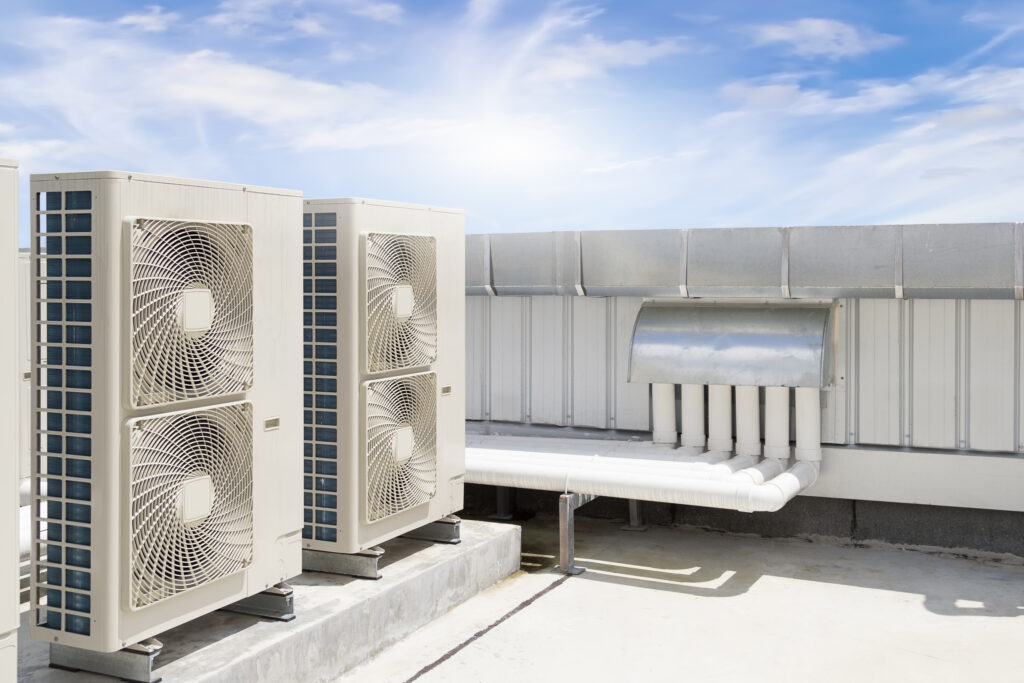
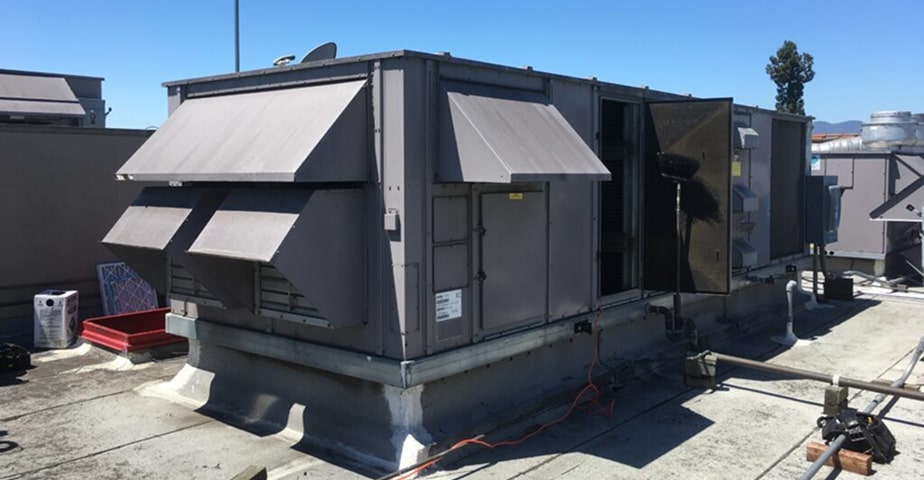
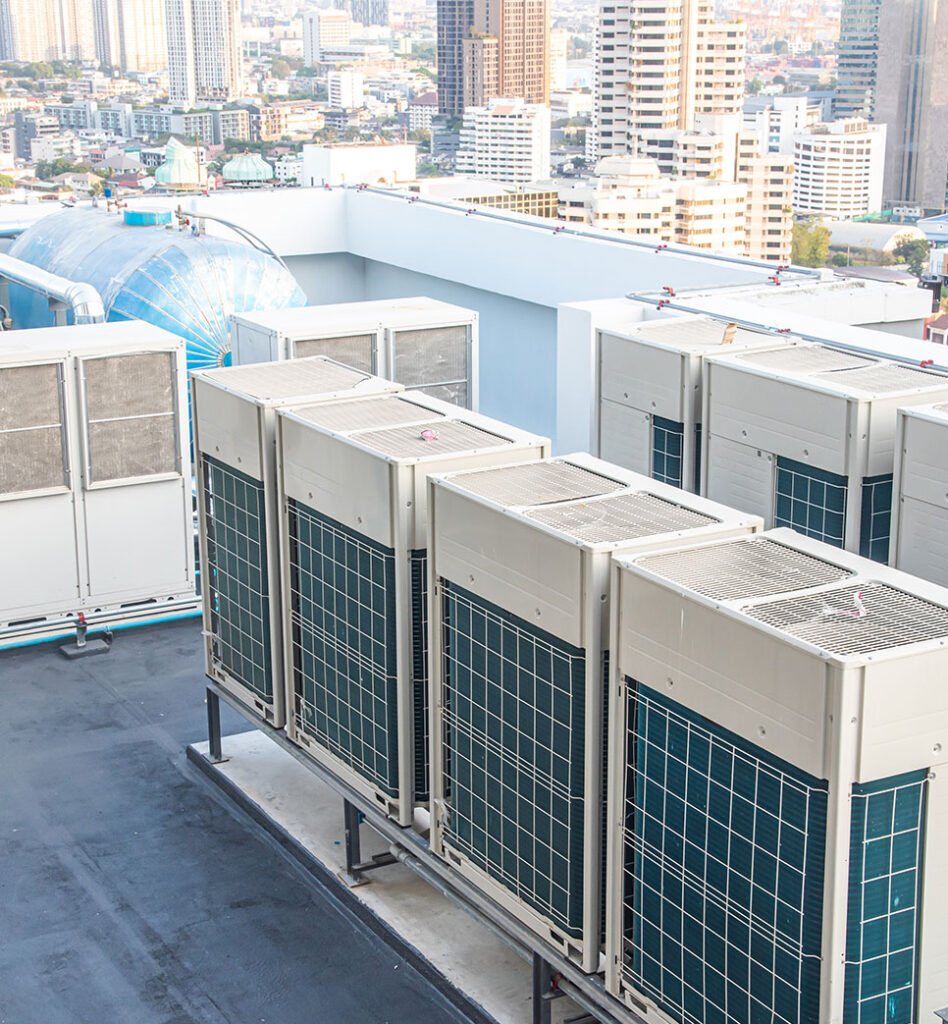
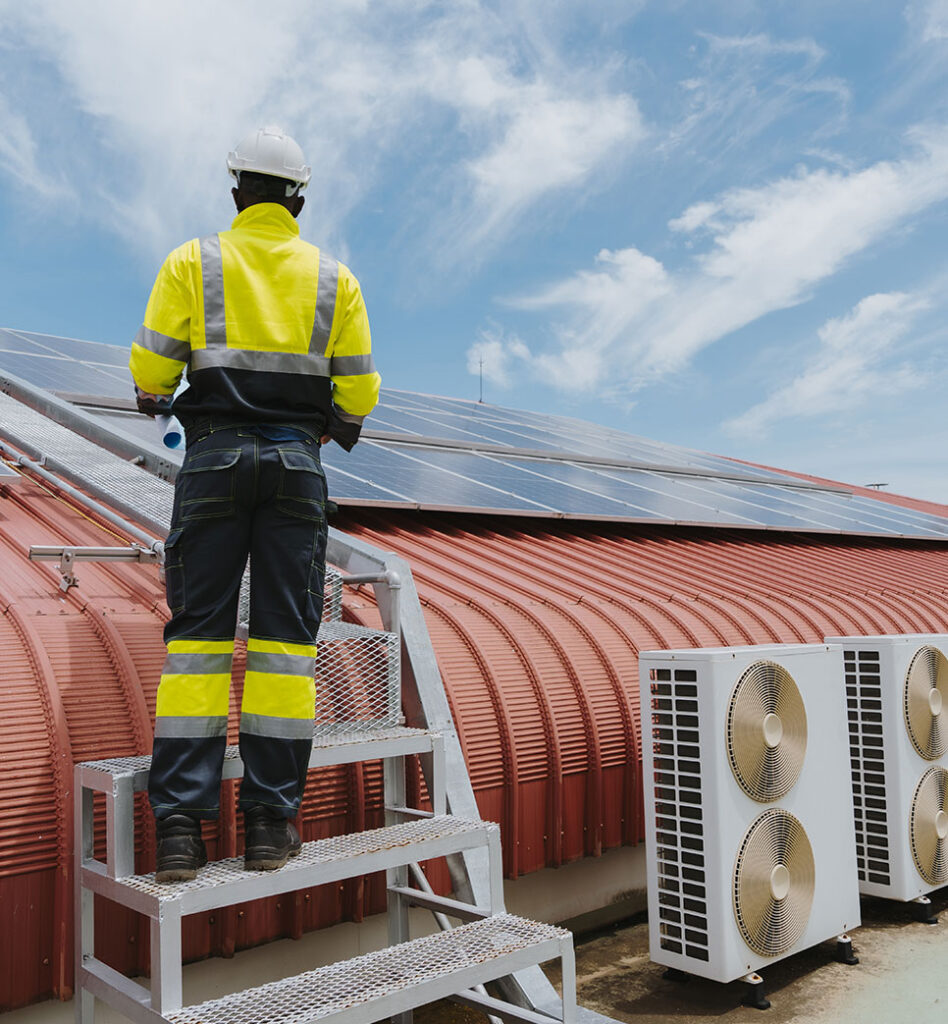
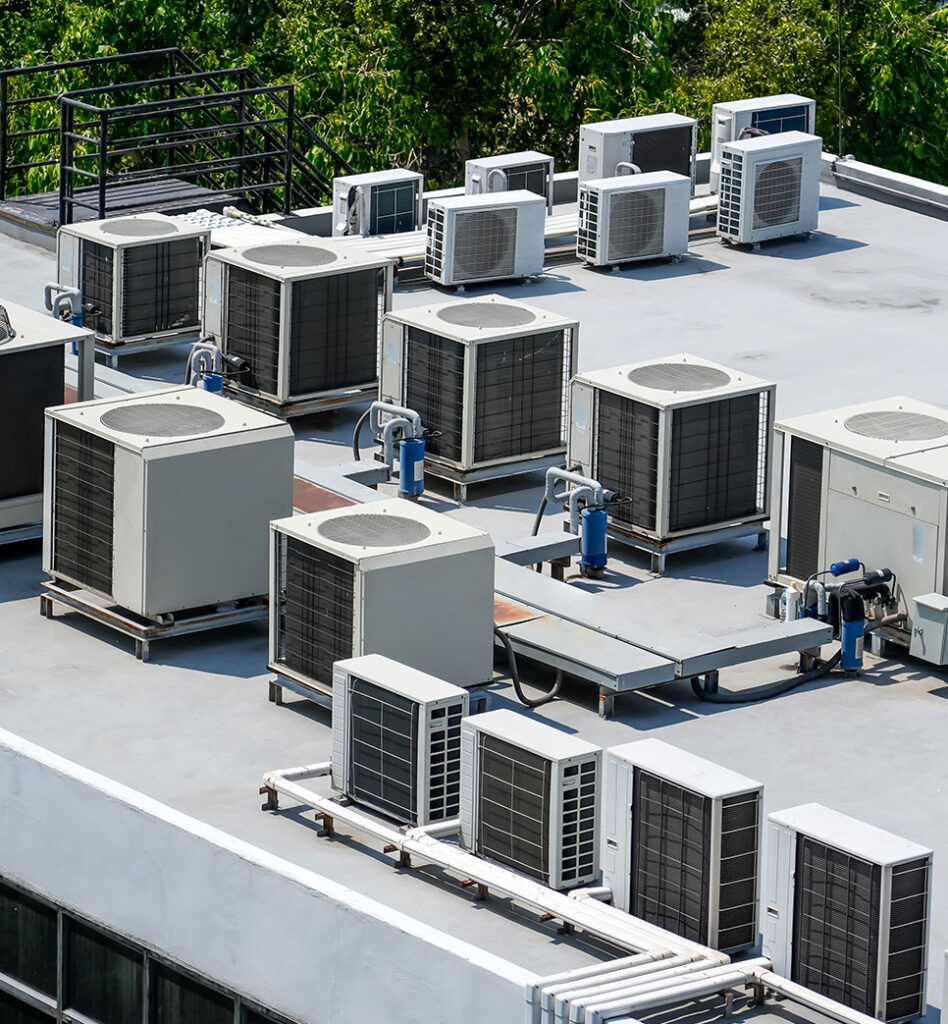
    If you’ve ever looked at the top of a commercial building, like a shopping mall, office complex, or warehouse, you have likely noticed large, boxy metal units. These are rooftop HVAC units, often called RTUs or packaged units. They are the unseen workhorses responsible for maintaining a comfortable and healthy indoor environment for employees, customers, and visitors. While they might look like simple boxes, they are complex systems that provide heating, ventilation, and air conditioning for the entire building below.

    Understanding how these powerful systems operate is crucial for any business owner or property manager. The efficiency and reliability of your RTU directly impact your building’s energy consumption, operational costs, and the overall comfort of its occupants. This comprehensive guide will explore the world of rooftop HVAC units, breaking down what they are, the essential components that make them run, and the intricate process of how they heat and cool your commercial space. We’ll also cover the significant benefits they offer, helping you understand why they are the preferred choice for so many businesses in areas like San Jose, Palo Alto, and Fremont.

    What Exactly Is a Rooftop HVAC Unit?

    A rooftop HVAC unit (RTU) is a self-contained system that houses all the necessary components for heating, ventilation, and air conditioning in one “package.” Unlike residential split systems, where an indoor unit (like a furnace) and an outdoor unit (the condenser) are separate, an RTU combines everything into a single cabinet installed on the roof of a commercial building.

    This all-in-one design is specifically engineered for commercial applications. It’s a robust and efficient solution for climate control in large spaces, from retail stores and restaurants to sprawling industrial facilities. By placing the unit on the roof, it frees up valuable ground-level and interior space, reduces operational noise inside the building, and allows for easier access for maintenance and repairs.

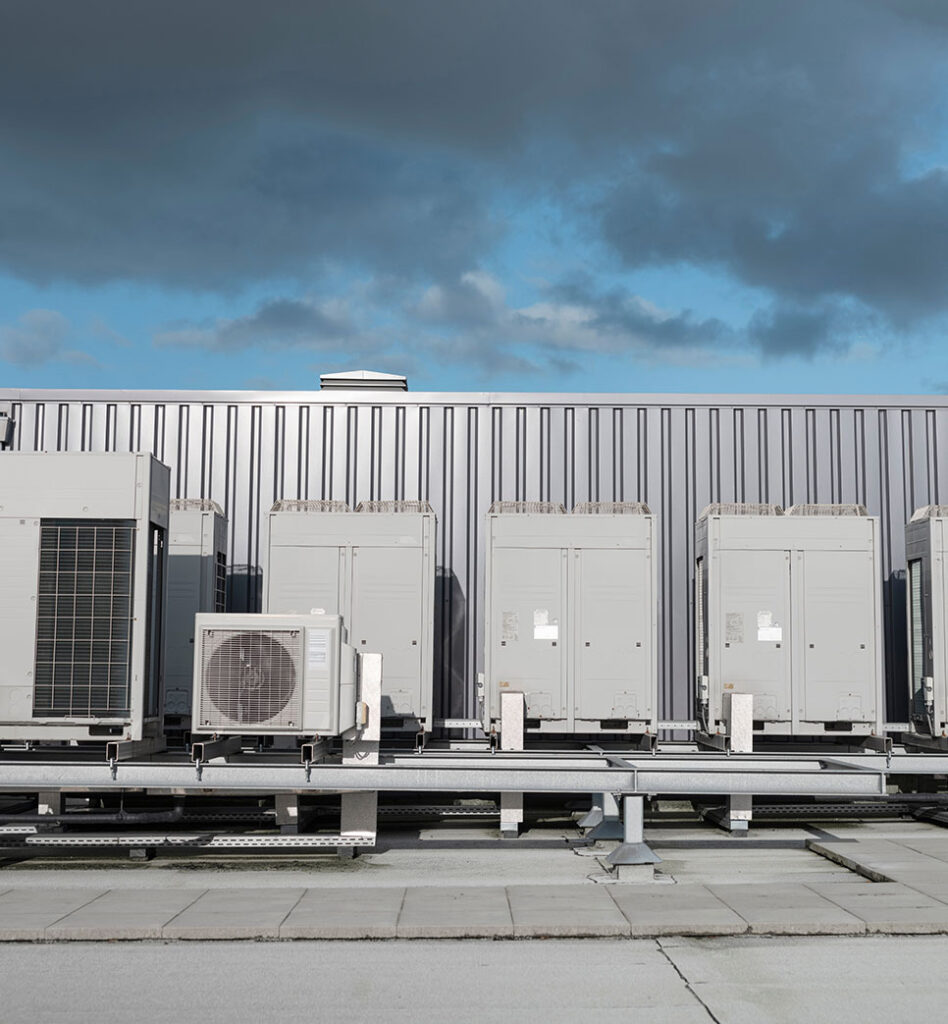
    These systems are designed to be modular and scalable. A small commercial building might only need one RTU, while a larger complex could have dozens of units working in tandem, each serving a specific zone within the building. This flexibility makes them an adaptable solution for various commercial needs. Whether you’re managing a tech startup in Santa Clara or a large retail center, understanding your commercial HVAC services options starts with grasping the fundamentals of these rooftop powerhouses.

    Key Characteristics of RTUs

    • Packaged System: All major components—compressor, condenser, evaporator coils, and heat source—are housed within a single cabinet.
    • Outdoor Installation: They are specifically designed to withstand the elements, being placed on the flat roofs of commercial buildings.
    • Ductwork Connection: The RTU connects directly to the building’s ductwork. A large opening in the roof, called a curb, allows the conditioned air to be distributed throughout the building and return air to be brought back to the unit.
    • Commercial Focus: While smaller versions exist, RTUs are predominantly used in commercial, institutional, and industrial settings due to their capacity and efficiency in conditioning large volumes of air.

    The Inner Workings: Components of a Rooftop HVAC Unit

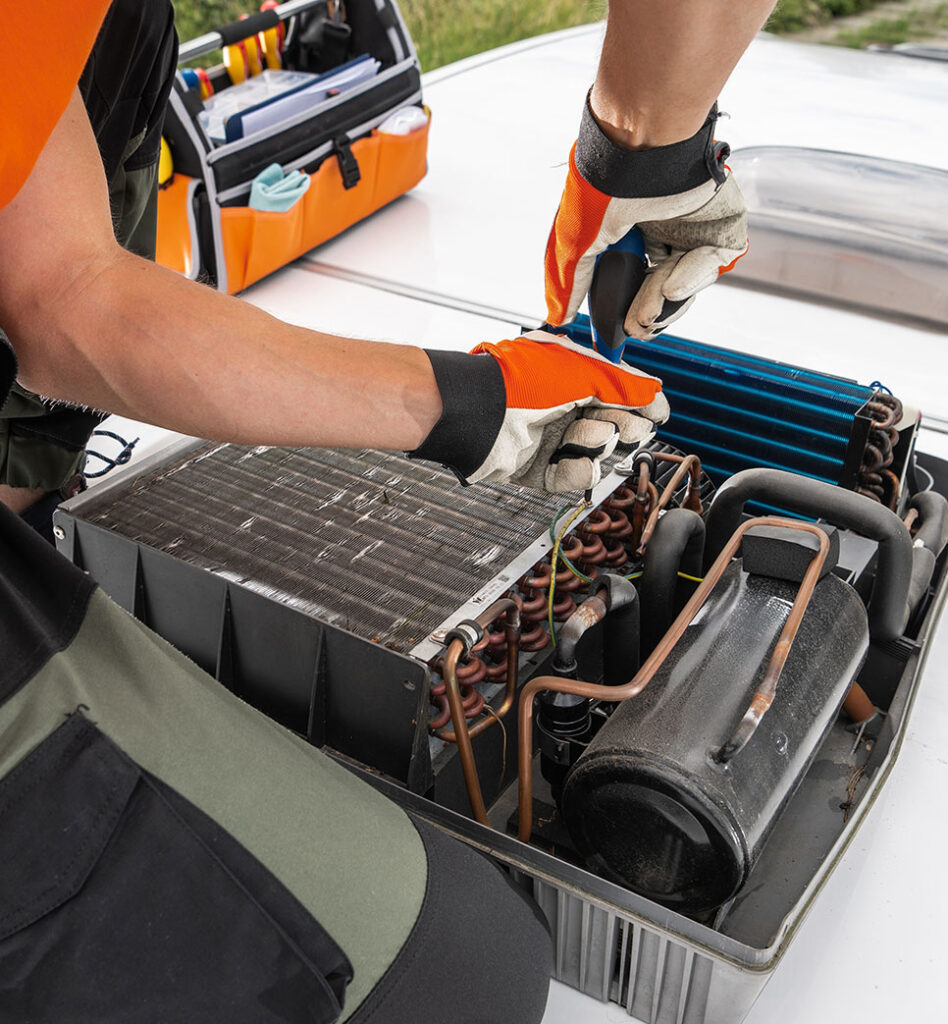
    To truly understand how a rooftop unit functions, we need to look inside the box. Each component plays a vital role in the heating and cooling cycle. While the exact configuration can vary by manufacturer and model, nearly all RTUs contain the following core parts.

    1. The Compressor

    Often called the “heart” of the air conditioning system, the compressor is responsible for pressurizing the refrigerant. It takes low-pressure, low-temperature refrigerant gas from the evaporator and compresses it into a high-pressure, high-temperature gas. This process is the first and most critical step in the cooling cycle, as it prepares the refrigerant to release its heat to the outside air. The compressor is one of the most energy-intensive parts of the unit, and its efficiency significantly affects overall energy consumption.

    2. Condenser Coils and Fan

    After leaving the compressor, the hot, high-pressure refrigerant gas flows into the condenser coils. These coils are a series of finned tubes exposed to the outside air. A large condenser fan pulls ambient air across these coils. As the air passes over the fins, it absorbs heat from the refrigerant inside. This heat transfer causes the refrigerant to cool down and condense from a gas back into a high-pressure liquid. This is the process where the heat removed from your building is expelled into the atmosphere.

    3. The Expansion Valve

    The high-pressure liquid refrigerant then travels to the expansion valve (or a similar metering device). This component acts as a gatekeeper, creating a bottleneck that causes a sudden and dramatic drop in the refrigerant’s pressure. As the pressure drops, the refrigerant’s temperature also plummets, turning it into a very cold, low-pressure mixture of liquid and gas.

    4. Evaporator Coils and Blower

    This cold, low-pressure refrigerant flows into the evaporator coils, which are located in the path of the building’s indoor air. A powerful blower motor (or supply fan) pulls warm air from inside the building through the ductwork and forces it across the cold evaporator coils. As the warm indoor air passes over the coils, the cold refrigerant inside absorbs the heat from the air. This process cools and dehumidifies the air, which is then pushed back into the building’s ductwork to be distributed throughout the space. As the refrigerant absorbs heat, it boils and turns back into a low-pressure gas, ready to return to the compressor and start the cycle all over again.

    5. The Heating Section

    For year-round climate control, RTUs also include a heating component. The most common type is a natural gas furnace. This section contains a heat exchanger, burners, and an ignition system. When heating is required, the burners ignite, heating the metal walls of the heat exchanger. The indoor blower then forces air across the hot exterior of the heat exchanger, warming the air before distributing it through the ductwork. Other heating methods can include electric heating strips or even a heat pump function, which reverses the cooling cycle.

    6. Dampers and Economizers

    Ventilation is a key function of any HVAC system. RTUs use a system of dampers—controllable metal plates—to manage airflow. These dampers regulate the mix of fresh outside air and recirculated return air from the building.

    Many modern RTUs are equipped with an economizer. This intelligent device monitors the outdoor temperature and humidity. When outdoor conditions are favorable (cool and dry), the economizer will open the outdoor air damper to bring in 100% fresh air for “free cooling,” without running the energy-intensive compressor. This can lead to massive energy savings, especially in climates with cool evenings.

    7. Filters

    Air quality is paramount. Before air enters the evaporator coil and is sent into the building, it passes through a bank of filters. These filters are crucial for removing dust, pollen, debris, and other airborne contaminants. Keeping these filters clean is one of the most important aspects of RTU maintenance, as clogged filters restrict airflow, reduce efficiency, and can lead to costly commercial HVAC repair services.

    How It All Works Together: The Operational Cycle

    Now that we know the components, let’s walk through the process step-by-step to see how a rooftop unit provides cooling and heating.

    The Cooling Cycle in Action

    1. Thermostat Call: An employee in your Palo Alto office notices the temperature rising and adjusts the thermostat. The thermostat sends a signal to the RTU to begin the cooling cycle.
    2. Air Circulation Begins: The indoor blower fan starts, pulling warm, humid air from the building’s various rooms through the return air ducts.
    3. Compressor Engages: Simultaneously, the compressor turns on. It starts pumping refrigerant, compressing the low-pressure gas from the evaporator into a hot, high-pressure gas.
    4. Heat Rejection: This hot gas moves to the condenser coils. The condenser fan pulls outside air over the coils, removing the heat from the refrigerant and causing it to condense into a high-pressure liquid. The heat from your building is now exhausted into the outdoor environment.
    5. Pressure Drop: The liquid refrigerant flows through the expansion valve, where its pressure and temperature drop dramatically.
    6. Heat Absorption: The now-cold, low-pressure refrigerant enters the evaporator coils. The indoor air, pulled from the building, is blown across these coils. The refrigerant absorbs the heat from the air, much like how a cold drink absorbs heat on a summer day.
    7. Conditioned Air Distribution: The air, now cool and dehumidified, is pushed by the blower fan through the supply ducts and into the building, lowering the indoor temperature.
    8. Cycle Repeats: The refrigerant, having absorbed heat and turned back into a gas, flows back to the compressor, and the entire cycle continues until the thermostat’s set temperature is reached.

    The Heating Cycle in Action

    1. Thermostat Call: On a cold winter morning in Fremont, the thermostat detects that the indoor temperature has fallen below the desired setpoint and signals the RTU to start heating.
    2. Ignition and Heat Exchange: The gas burners in the heating section ignite, producing flames that heat the inside of the heat exchanger. The metal walls of the exchanger become extremely hot.
    3. Air Circulation: The indoor blower fan engages, pulling cool air from inside the building through the return ducts.
    4. Heating the Air: The blower forces this cool air to pass over the hot outer surfaces of the heat exchanger. The air absorbs the heat, becoming warm.
    5. Warm Air Distribution: This newly heated air is then pushed through the supply ductwork and distributed throughout the building, raising the indoor temperature.
    6. Safety and Shutdown: Safety sensors monitor the heating process to ensure safe operation. Once the thermostat’s set temperature is reached, the burners shut off, and the blower may continue to run for a short period to push any remaining heated air into the space.

    The Major Benefits of Rooftop HVAC Units

    Rooftop units are the standard for commercial buildings for several compelling reasons. Their design offers distinct advantages over other types of HVAC systems, especially in a commercial context.

    1. Superior Space Efficiency

    One of the most significant benefits is the preservation of usable space. Commercial real estate is expensive. By placing the entire HVAC system on the roof, you free up valuable indoor square footage that would otherwise be dedicated to a mechanical room. This space can then be used for offices, storage, retail displays, or other revenue-generating activities. Similarly, it keeps the ground area around the building clear for parking, landscaping, or pedestrian walkways.

    2. Centralized and Simplified Maintenance

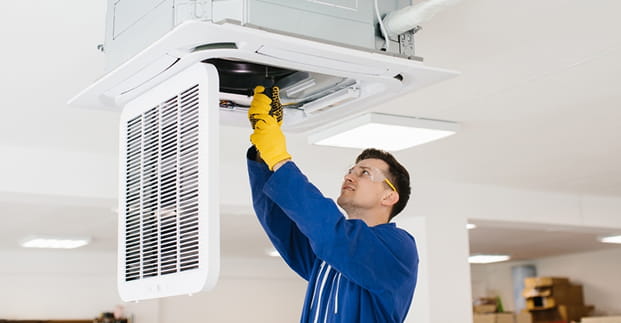
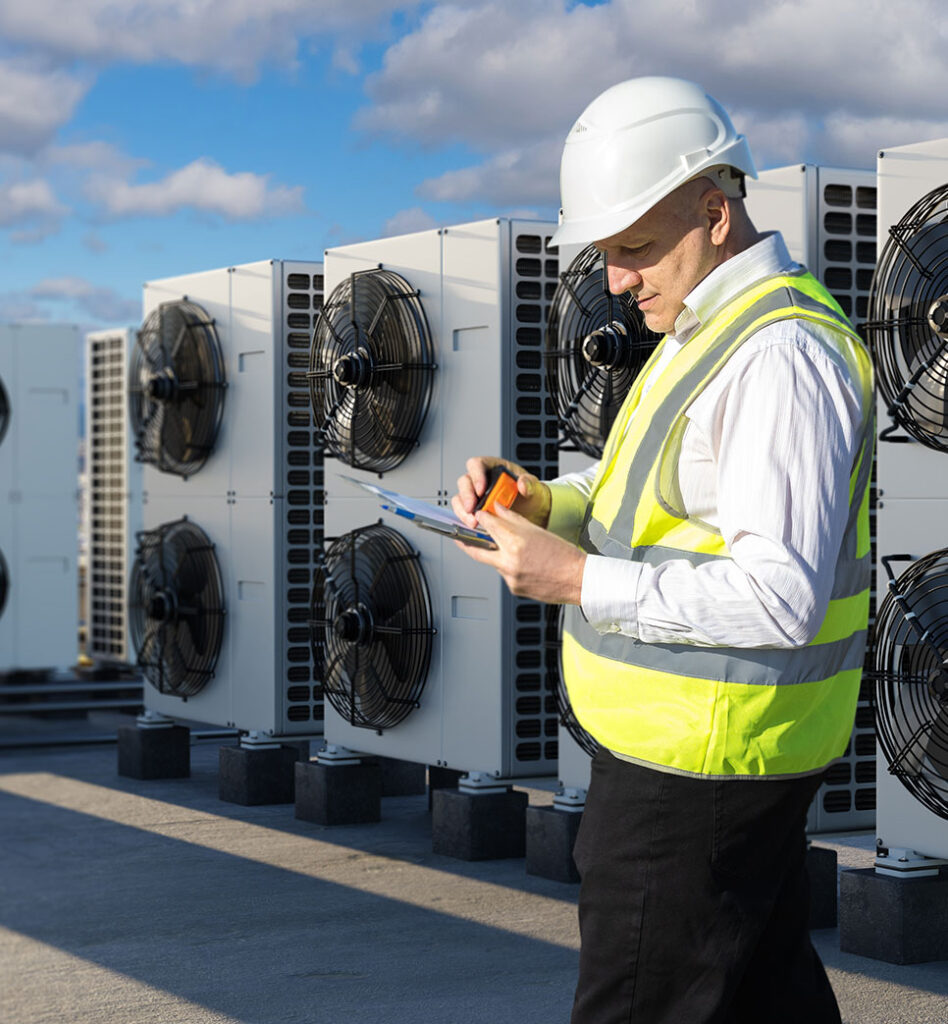
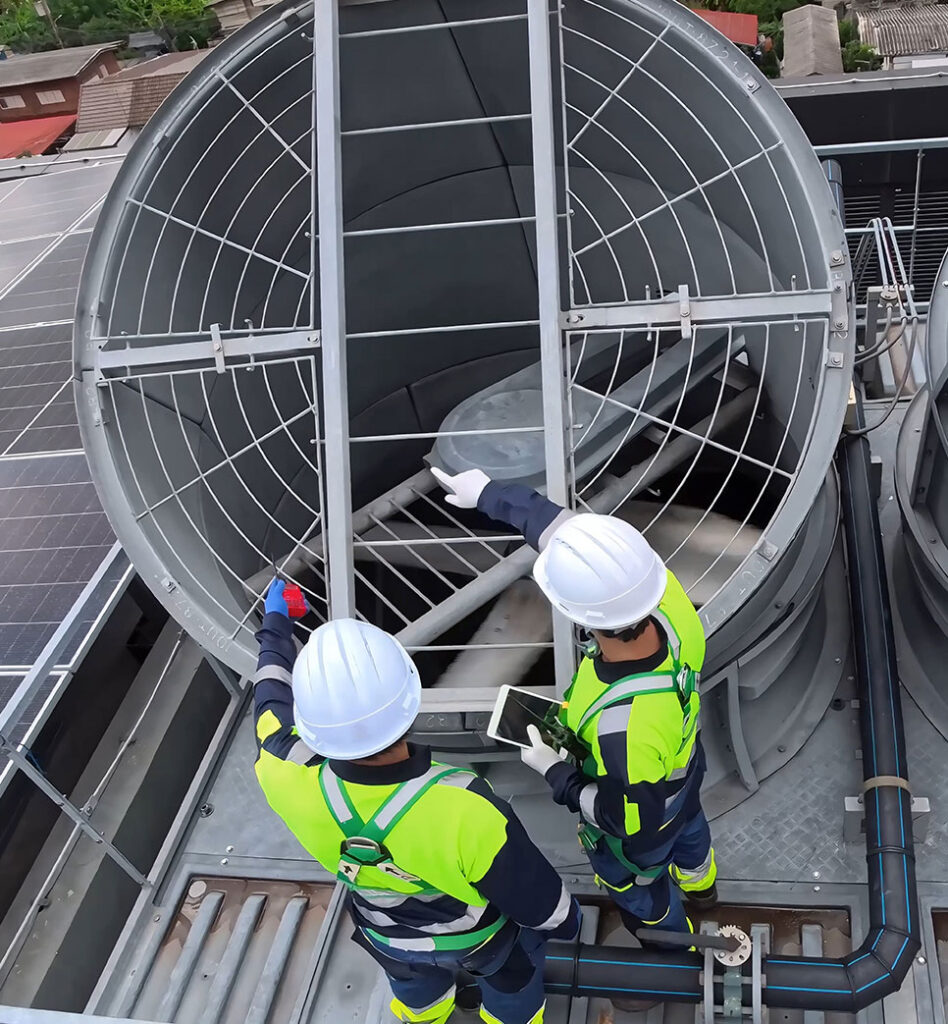
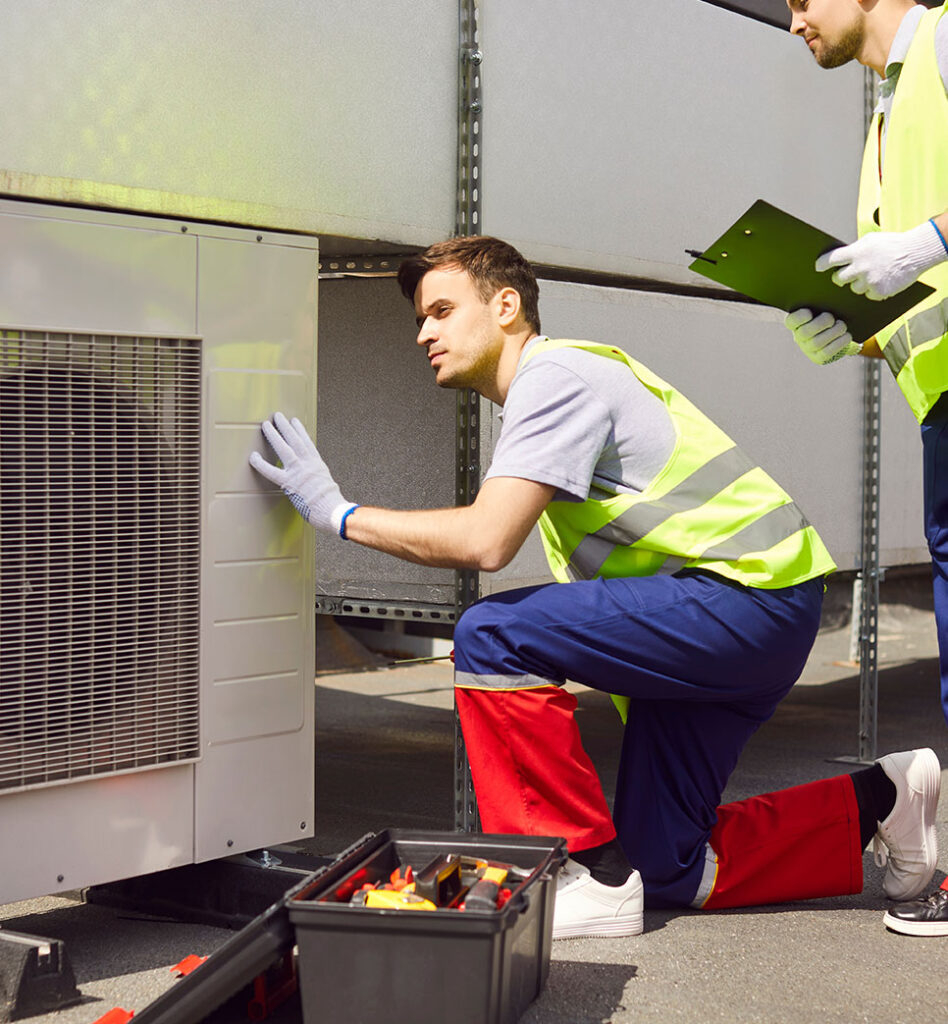
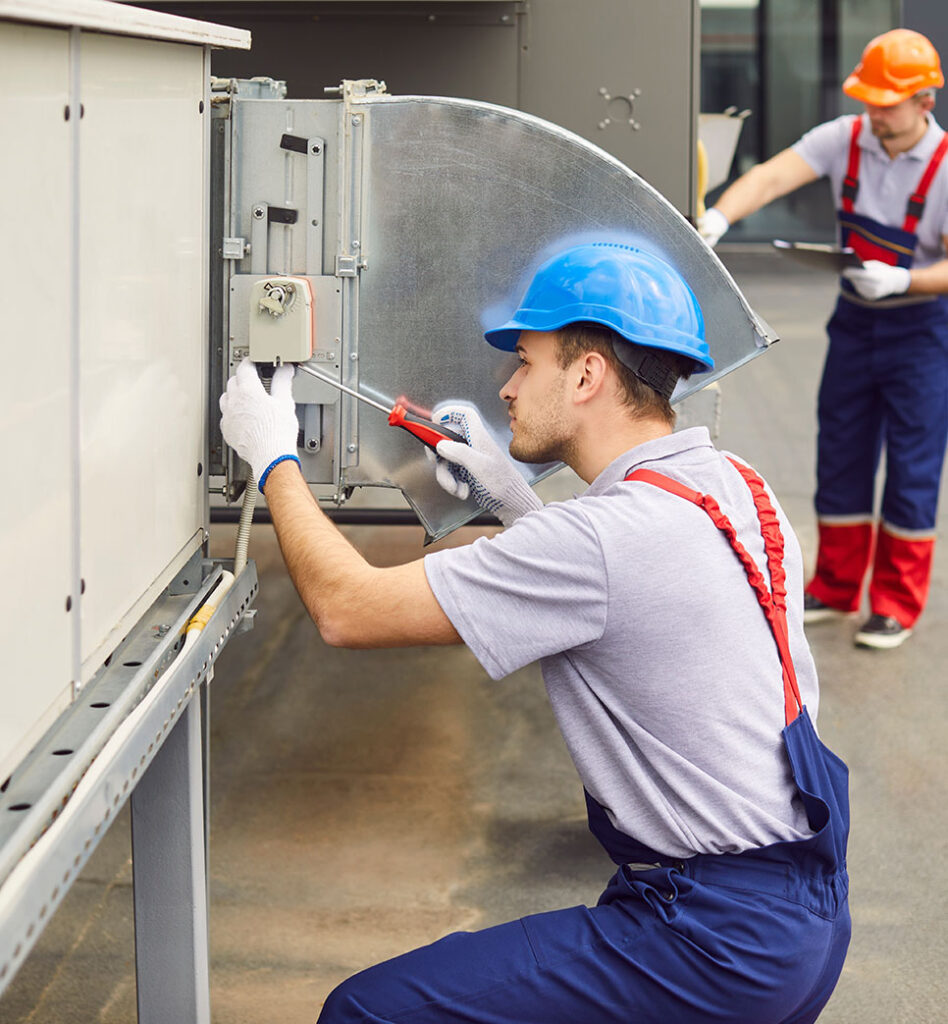
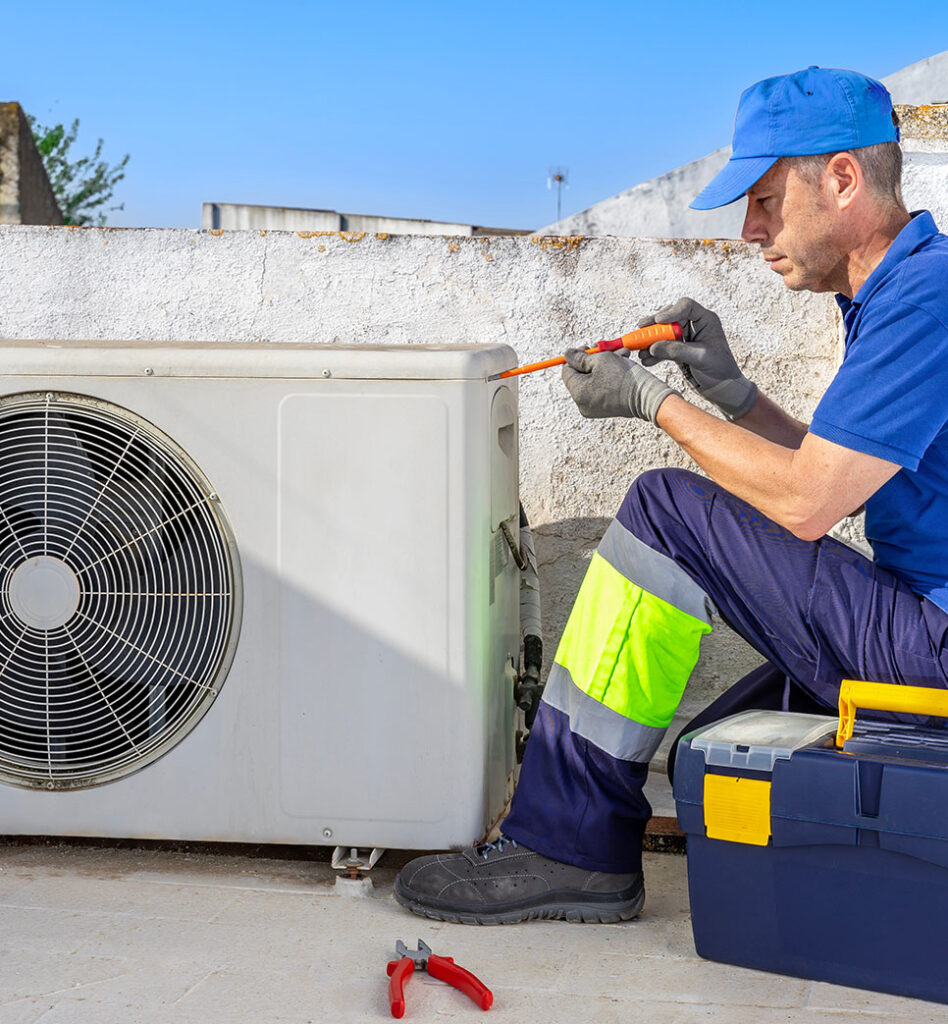
    Having all components in a single, accessible location dramatically simplifies maintenance and repairs. Technicians don’t need to enter your business operations or disrupt customers to work on the unit. They can access the RTU directly on the roof, where they have ample space to diagnose problems, clean coils, and replace parts. This centralization makes routine inspections faster and more efficient, reducing labor costs and minimizing downtime for your business.

    3. Reduced Operational Noise

    HVAC systems, with their powerful compressors and fans, can be noisy. Placing the unit on the roof isolates this operational noise from the building’s interior. This creates a quieter, more pleasant, and productive environment for employees and customers. In settings like libraries, office buildings, or high-end retail stores, noise reduction is a critical factor for occupant comfort.

    4. Enhanced Security and Safety

    Rooftop placement helps protect your significant investment from damage, vandalism, and theft. Ground-level units are more susceptible to accidental impacts from vehicles, graffiti, and tampering. By keeping the unit out of sight and reach, you reduce the risk of these issues. Furthermore, it keeps the high-voltage electrical and combustible fuel components safely away from the public and general employees.

    5. Energy Efficiency and Advanced Features

    Modern RTUs are engineered for high efficiency. Manufacturers are constantly improving compressor technology, fan motor designs, and coil construction to meet and exceed stringent energy standards. Features like variable-speed drives for fans and compressors allow the unit to adjust its output precisely to the building’s needs, rather than simply running at full blast. As mentioned earlier, the integration of economizers can lead to substantial energy savings by utilizing free cooling whenever possible. This focus on efficiency translates directly to lower monthly utility bills.

    6. Scalability and Modularity

    Rooftop units offer excellent scalability. As a business grows or a building’s layout changes, you can add or upgrade units to meet new heating and cooling demands. For large buildings, multiple RTUs can be used to create distinct climate zones. This allows the temperature in the server room to be controlled independently from the main office area, for example, optimizing both comfort and energy use across the entire facility. If one unit requires a major repair or a complete commercial HVAC replacement, other units can often continue operating, preventing a total shutdown of the building’s climate control.

    Is a Rooftop Unit Right for Your Commercial Building?

    For most low-rise to mid-rise commercial buildings with flat or low-slope roofs, a rooftop HVAC unit is the most practical and cost-effective solution for climate control. They are the industry standard for:

    • Retail centers and “big-box” stores
    • Restaurants and food service establishments
    • Office buildings
    • Warehouses and distribution centers
    • Schools and institutional buildings
    • Medical clinics and light industrial facilities

    The combination of space-saving design, simplified maintenance, energy efficiency, and quiet operation makes them an ideal choice. When properly sized and installed by experienced professionals, a rooftop unit will provide reliable and efficient heating, cooling, and ventilation for decades. Regular preventative maintenance is key to ensuring that longevity and keeping your system running at peak performance.

    If you are a business owner or property manager in the San Francisco Bay Area, from San Jose to Santa Clara, understanding your HVAC system is the first step toward managing your operational costs and ensuring a comfortable environment. Whether you need routine service, an emergency repair, or are considering a full system replacement, partnering with a trusted commercial HVAC expert is essential.

    Your rooftop HVAC unit is a critical asset for your business. By understanding how it works and the benefits it provides, you can make more informed decisions about its care, maintenance, and eventual replacement, ensuring your commercial space remains comfortable and efficient for years to come.


    Stay Comfortable Year-Round With Expert HVAC Service

    Book a trusted technician to handle your heating or cooling issue—fast, professional, and done right the first time.

    Book Service Now
    Blog post Image
    Blog post Image
    Blog post Image

    Frequently Asked Questions

    How do I know when condensing unit replacement is better than repair?

    Consider replacement when repair costs exceed 50% of replacement cost, when units are over 12-15 years old, or when efficiency losses significantly increase energy bills. We provide cost-benefit analysis to help you make the right decision for your specific situation.

    What energy savings can I expect from a new high-efficiency condensing unit?

    Modern units typically achieve 20-40% energy savings compared to units installed before 2010. For a business spending $500 monthly on refrigeration energy, this represents $100-200 monthly savings that often pays for replacement within 3-5 years.

    How long does condensing unit replacement take?

    Most replacements take 1-3 days depending on unit size and installation complexity. We coordinate work around your business schedule to minimize disruption and can often provide temporary cooling during installation when necessary.

      Schedule Your Service

      Stay Comfortable Year-Round With Expert HVAC Service

      Book a trusted technician to handle your heating or cooling issue—fast, professional, and done right the first time.

      Schedule a FREE Discovery Call
      Close

      Schedule Your Service