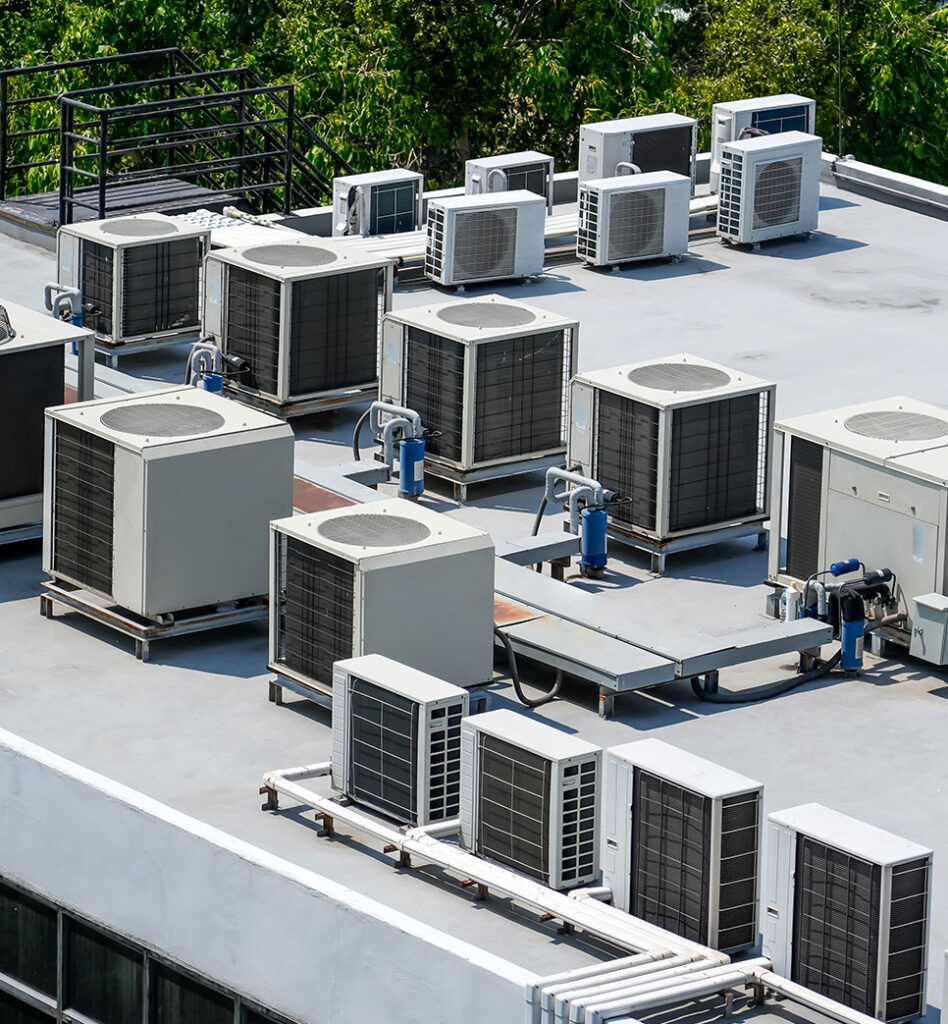
In the world of commercial building management, efficiency is everything. Whether you are running a bustling retail center, a quiet office park, or a large industrial warehouse, the climate control system you choose plays a pivotal role in your operational costs and occupant comfort. Among the various options available, packaged rooftop HVAC systems stand out as the industry standard for low-to-mid-rise commercial structures.
But what exactly makes these systems so ubiquitous? Why do architects and engineers consistently specify them for everything from shopping malls to schools? To the untrained eye, they are simply metal boxes humming away on the roof. However, “packaged” systems are sophisticated engineering marvels designed to provide comprehensive heating, cooling, and ventilation in a single, self-contained unit.
This guide delves deep into the mechanics, benefits, and operational nuances of packaged rooftop HVAC systems. By understanding how these units function, property managers and business owners can make informed decisions about installation, maintenance, and long-term energy strategies.
What Is a Packaged Rooftop HVAC System?
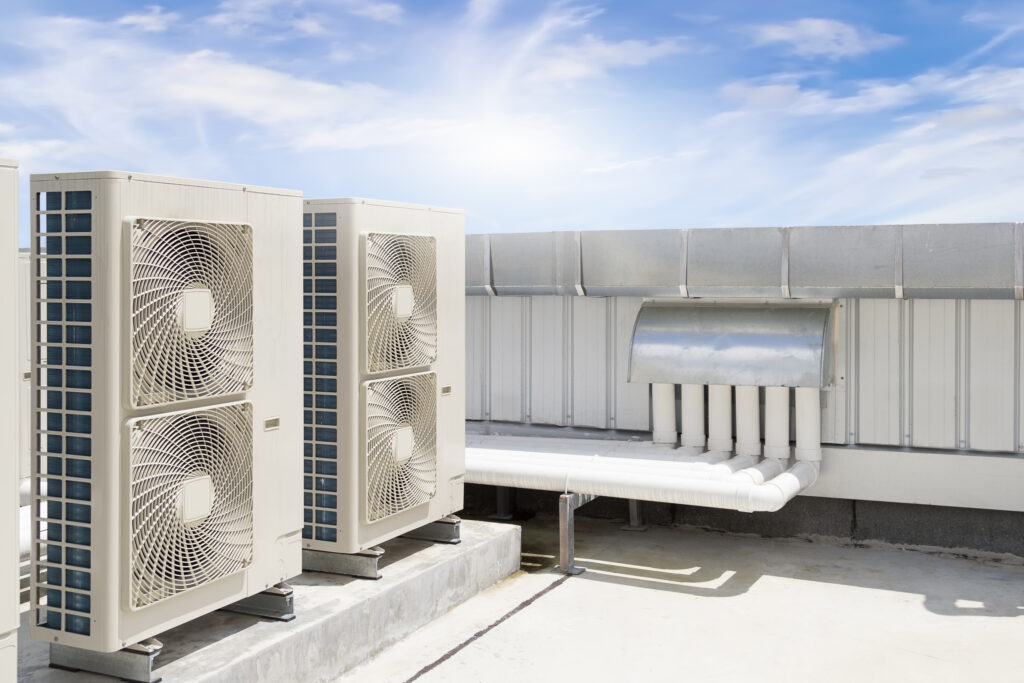
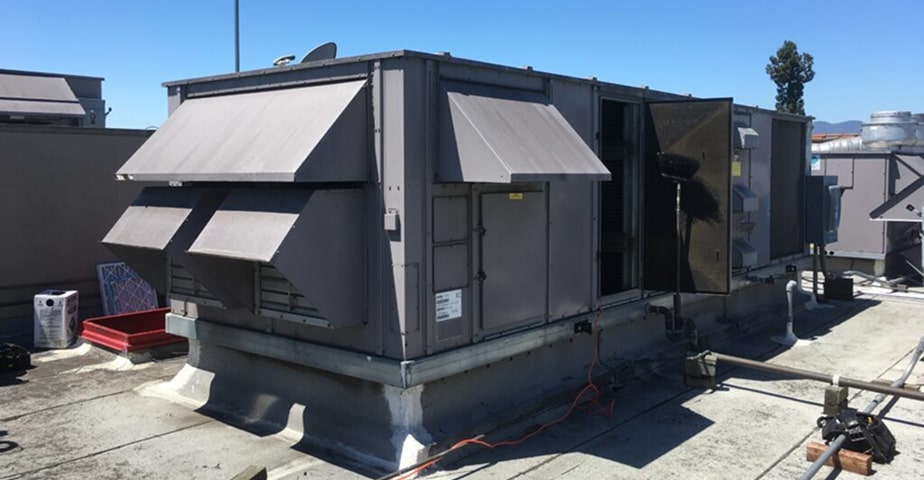
A packaged rooftop unit (often abbreviated as RTU) is an all-in-one heating, ventilation, and air conditioning system. Unlike split systems found in most residential homes—where the air conditioner is outside and the furnace is inside—a packaged unit houses all the essential components in one durable, weather-resistant cabinet.
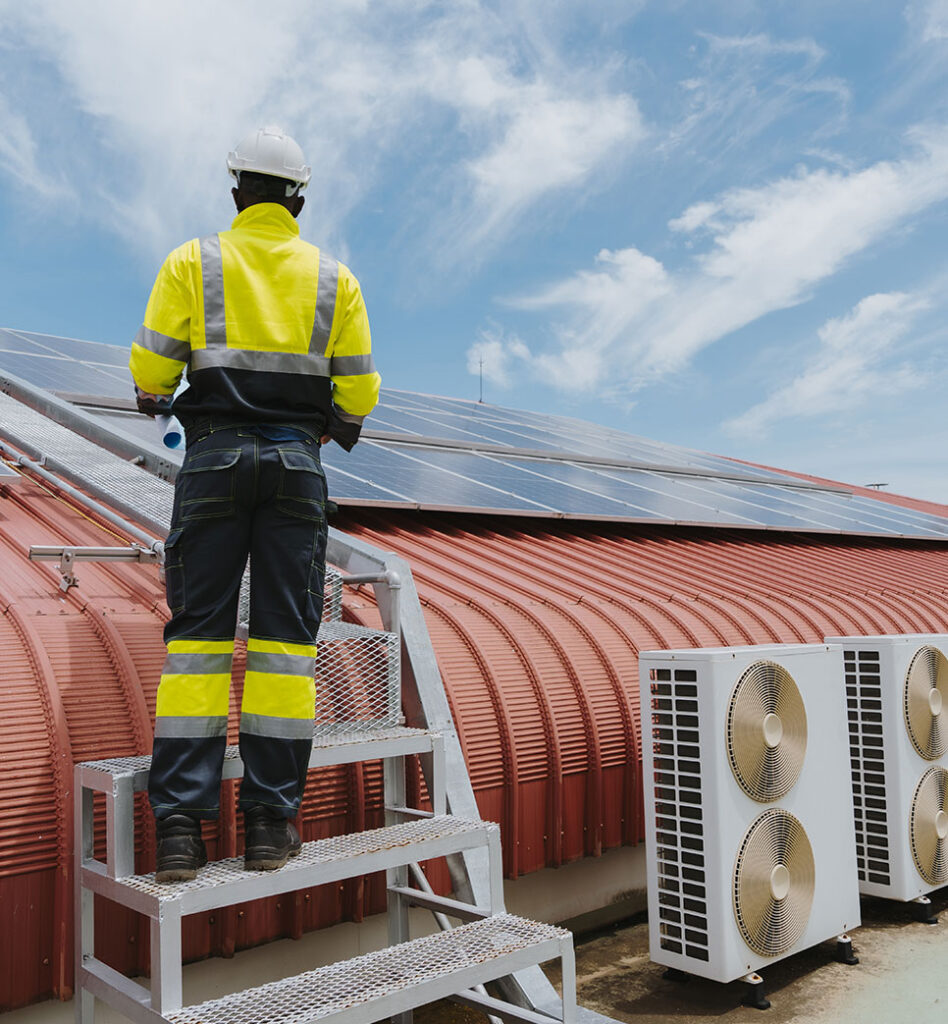
These units are typically installed on the roof (hence the name) but can sometimes be mounted on concrete slabs at ground level. The “package” includes:
- The compressor
- The condenser coil and fan
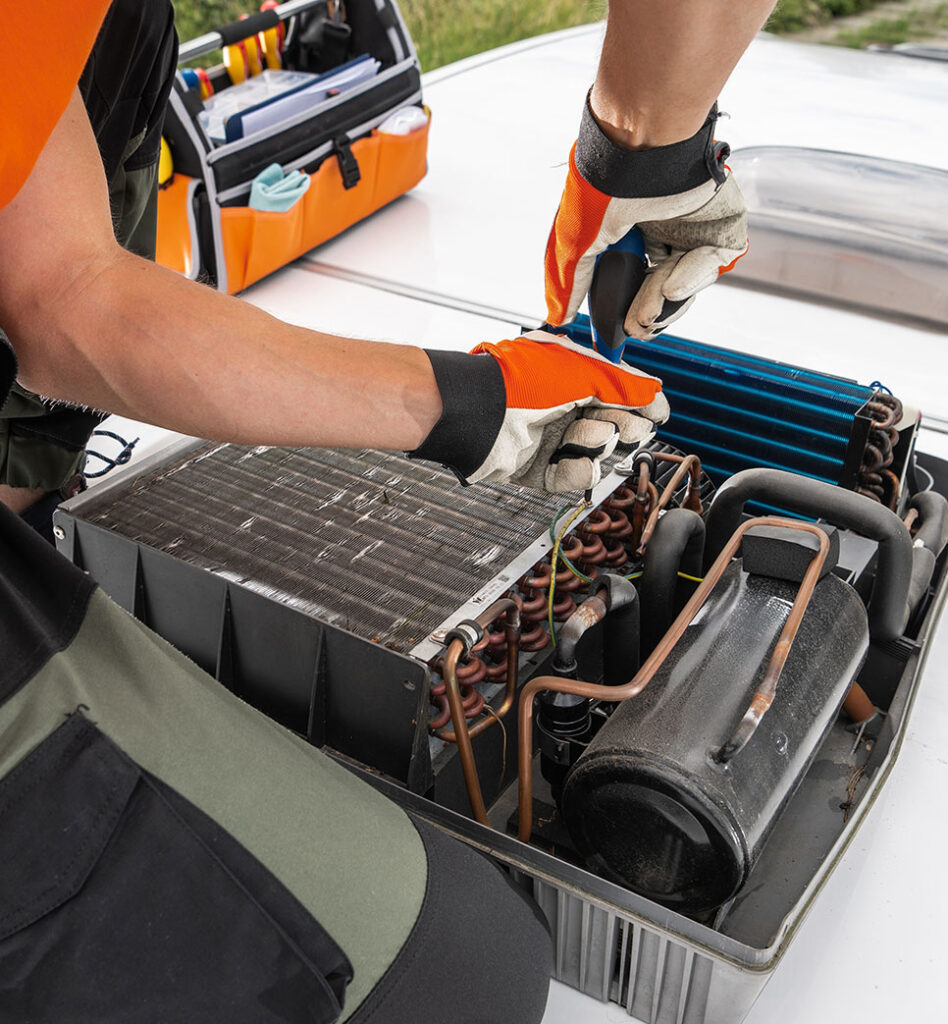
- The evaporator coil and blower
- The heating element (gas furnace, electric strip, or heat pump)
- Filtration systems
- Dampers for fresh air intake
Because everything is contained in one box, the installation process is streamlined. The unit connects directly to the building’s ductwork, which passes through a secure roof curb. This design eliminates the need for long refrigerant lines running through the building, reducing the risk of leaks and simplifying maintenance.
For businesses looking for reliable commercial HVAC services, understanding the “packaged” nature of these units is the first step toward optimizing your building’s climate control strategy.
Key Components of a Packaged Rooftop Unit
To truly understand how these systems deliver value, we must look inside the cabinet. While manufacturers vary, the core anatomy of a packaged rooftop HVAC system remains consistent.
1. The Cabinet or Casing
The outer shell of the unit is crucial. It must be rugged enough to withstand rain, snow, hail, and relentless UV exposure. High-quality casings are made of galvanized steel with powder-coated finishes to prevent rust. The interior is often insulated to minimize heat loss and reduce operation noise, ensuring the unit doesn’t disturb the building occupants below.
2. The Air Intake and Economizer
One of the distinct advantages of commercial packaged units is their ability to bring in fresh outdoor air. The air intake section features dampers that can open or close based on control settings.
- Economizers: This is a critical energy-saving component. When the outdoor air is cool and dry (like on a crisp autumn morning), the economizer opens to bring in that free cool air instead of running the energy-intensive compressor. This “free cooling” mode significantly reduces electricity usage.
3. The Compressor
The heart of the cooling cycle, the compressor circulates refrigerant between the evaporator and condenser coils. In modern packaged systems, you might find scroll compressors or variable-speed compressors. These advanced components adjust their speed to match the cooling load, offering superior efficiency compared to older, single-stage models that only run at full blast.
4. Coils (Condenser and Evaporator)
- Evaporator Coil: Located in the airstream returning from the building, this coil absorbs heat from the indoor air. The refrigerant inside evaporates, cooling the air before it is blown back into the building.
- Condenser Coil: Located in the outdoor section of the unit, this coil releases the heat absorbed from the building into the outside atmosphere.
5. Heating Element
While cooling is vital, these units must also provide heat. Packaged systems are versatile in how they generate warmth:
- Gas Heat: A built-in gas furnace with a heat exchanger and burners.
- Electric Heat: Resistance heating strips that warm up like a toaster (often used as backup or in milder climates).
- Heat Pump: The refrigeration cycle reverses to pull heat from the outside air and bring it indoors.
6. The Blower Fan
This powerful fan is responsible for moving air through the ducts. In high-efficiency units, this is often an ECM (Electronically Commutated Motor) or a variable-frequency drive (VFD) fan. These fans can ramp up or down, providing precise airflow control and reducing energy consumption when full power isn’t needed.
The Advantages of Packaged Rooftop HVAC Systems
Why do businesses overwhelmingly choose packaged rooftop systems over other configurations? The answer lies in a combination of space efficiency, ease of service, and modular flexibility.
Space Savings and Aesthetics
Commercial real estate is expensive. Every square foot of indoor space is better used for sales floors, offices, or storage rather than mechanical rooms. By placing the HVAC equipment on the roof, you free up valuable ground-level real estate. Additionally, it keeps the equipment out of sight, preserving the curb appeal of your building and preventing potential vandalism that can occur with ground-level units.
Simplified Installation and Replacement
Because the unit is pre-assembled at the factory, installation is faster and less prone to errors compared to split systems that require complex on-site refrigerant piping. When an old unit reaches the end of its life, commercial HVAC replacement services are relatively straightforward. A crane lifts the old unit off the curb, and the new one is set in place, often utilizing the existing duct connections with the help of a curb adapter.
Energy Efficiency and Lower Operating Costs
Modern packaged rooftop HVAC systems are designed with high SEER (Seasonal Energy Efficiency Ratio) and IEER (Integrated Energy Efficiency Ratio) ratings. Features like multi-stage compressors and smart economizers allow these units to match their output to the actual demand of the building. Instead of running at 100% capacity all day, the unit can idle down during milder weather, saving substantial amounts on utility bills.
Easy Maintenance Access
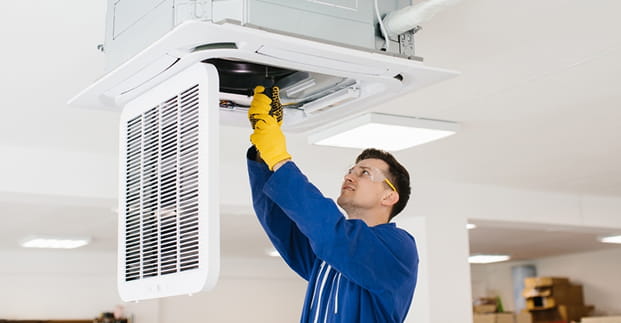
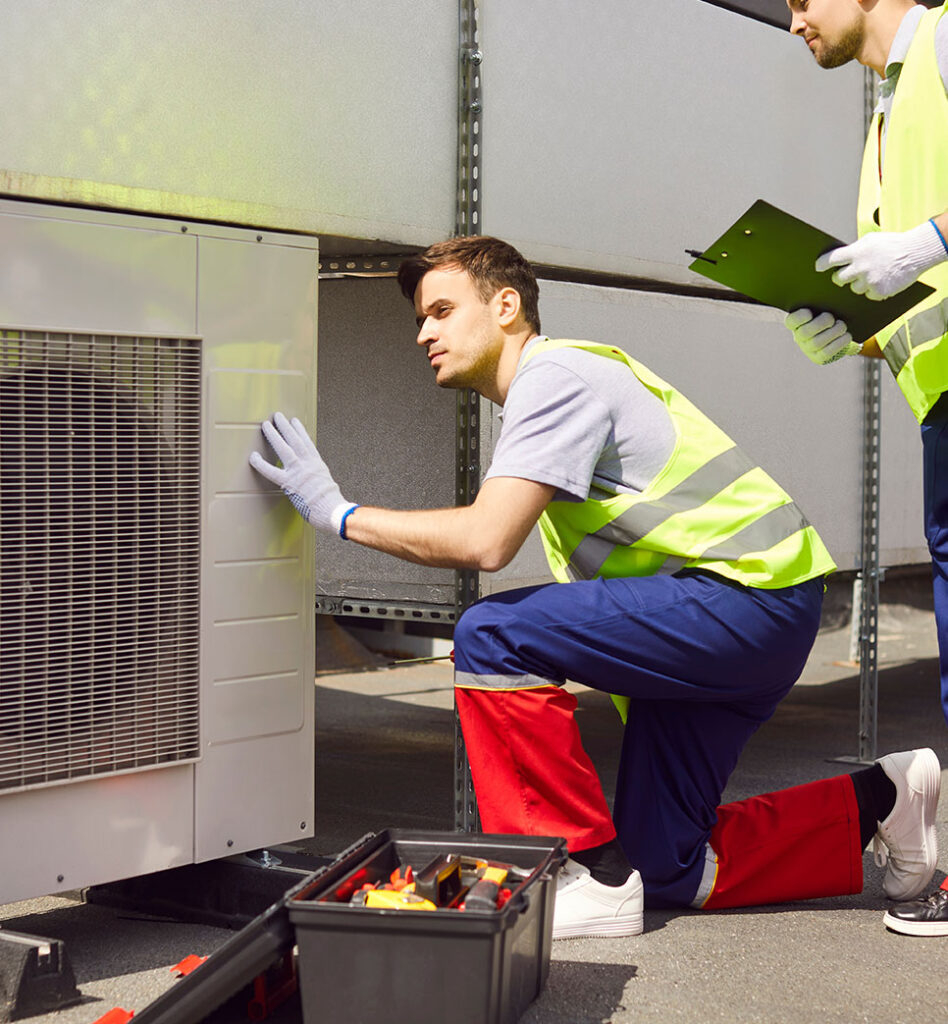
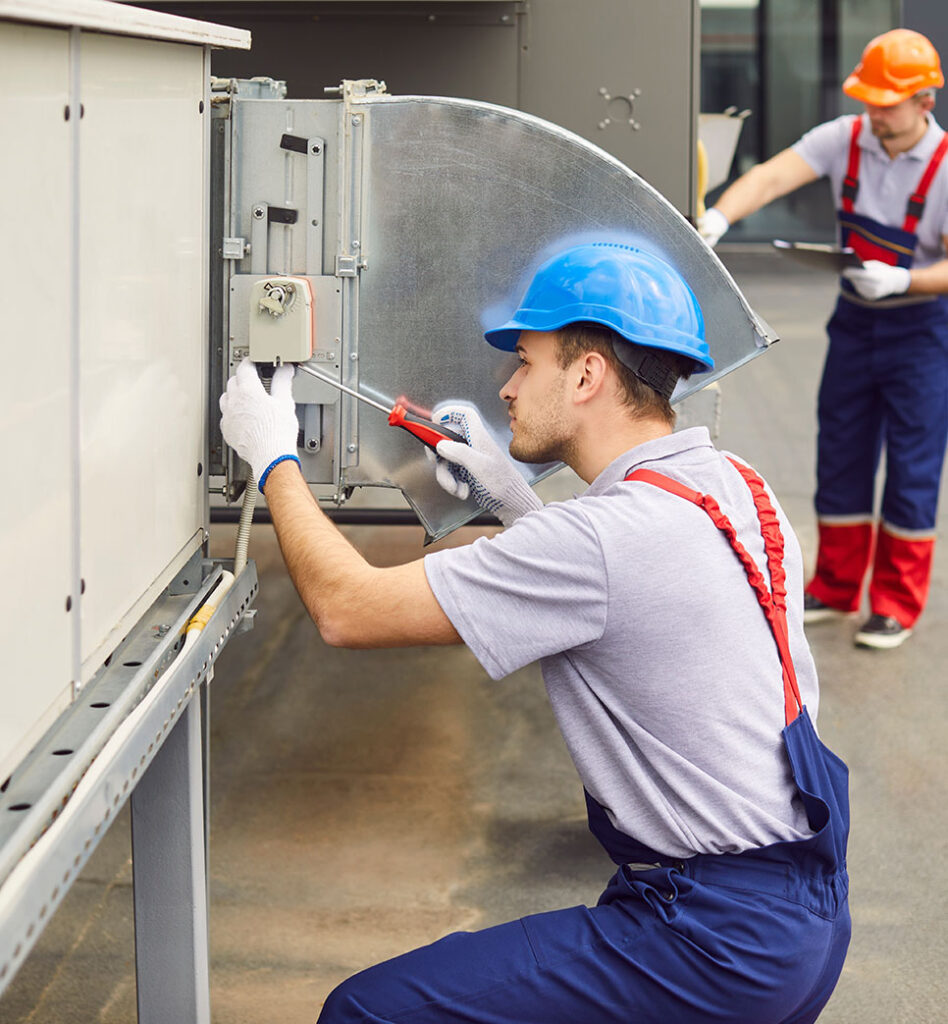
For technicians, packaged units are convenient. All components—electrical, mechanical, and refrigeration—are accessible through panel doors on the unit itself. This means maintenance can be performed without entering the tenant’s workspace, avoiding disruptions to business operations. It creates a seamless experience where repairs happen largely out of sight and out of mind for the building occupants.
Modularity and Scalability
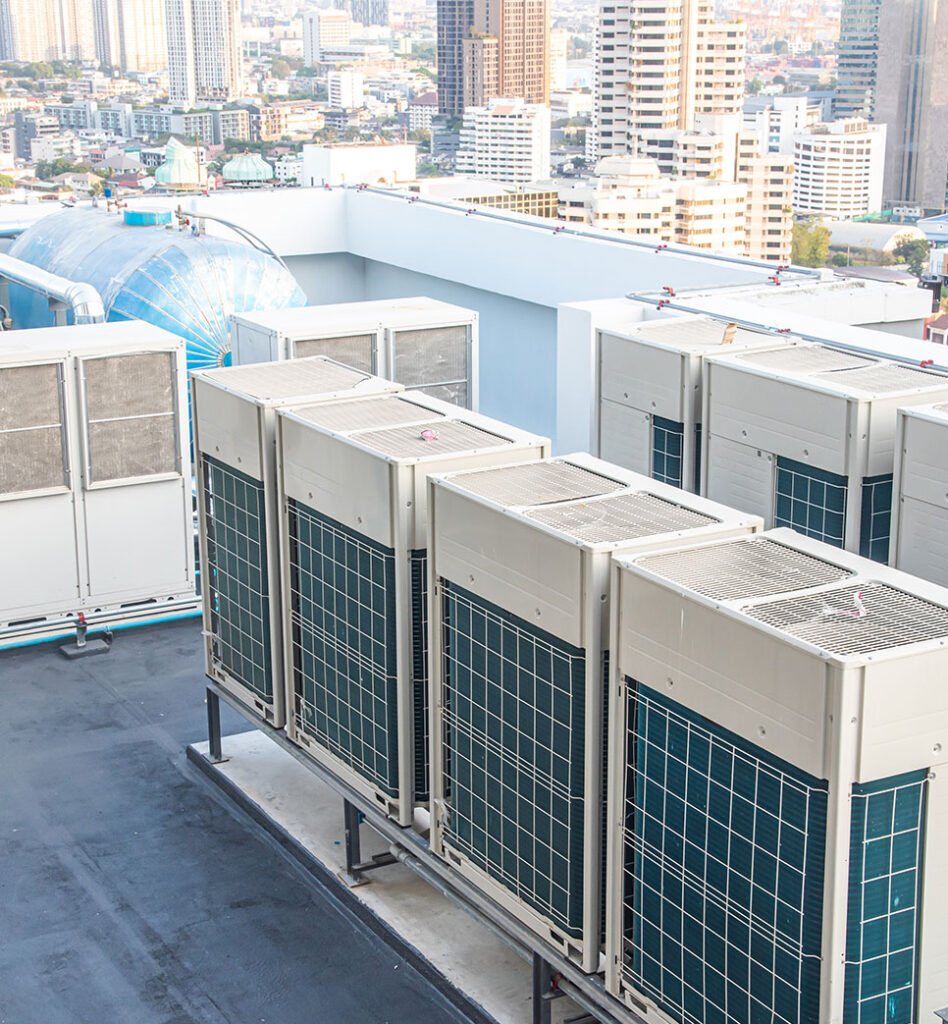
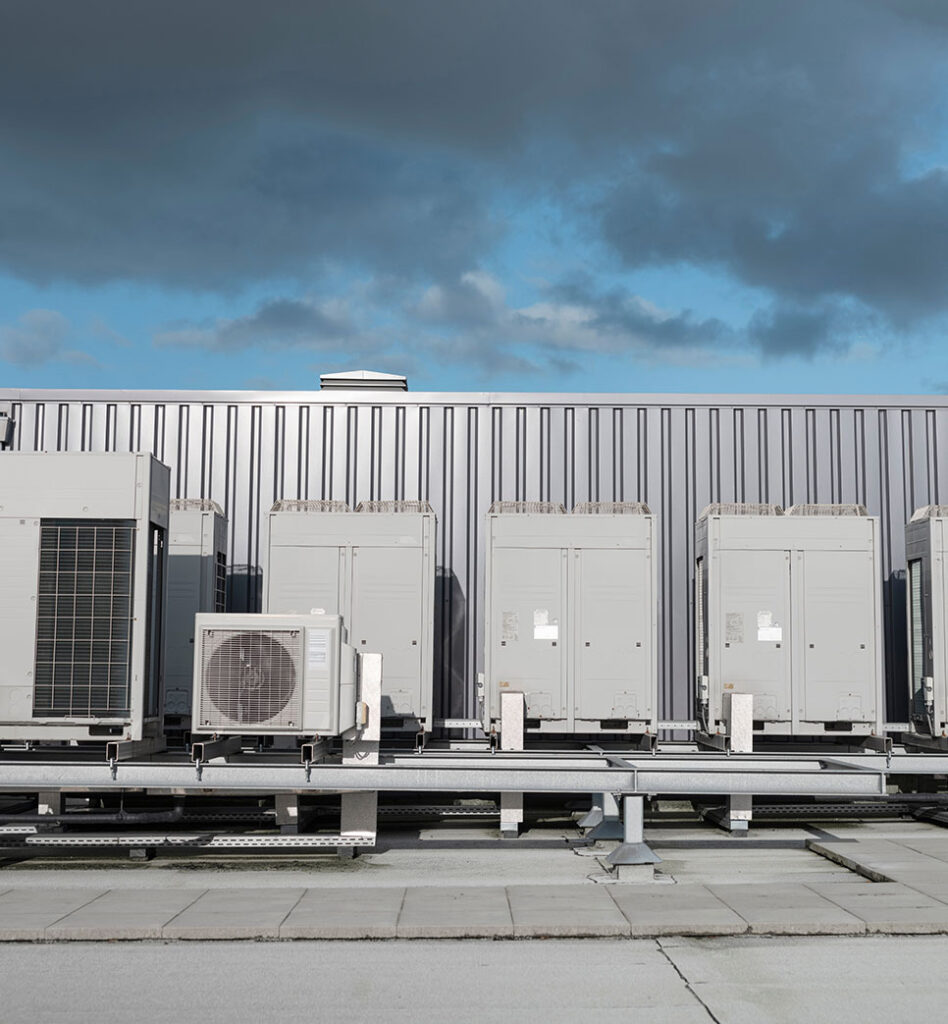
Commercial buildings are dynamic. A warehouse might be converted into offices; a large retail space might be subdivided. Packaged rooftop systems are modular. You can have multiple units serving different “zones” of a building. If one unit goes down for repair, the other zones remain unaffected. Furthermore, if you expand the building, you can simply add another roof curb and another unit without overhauling a central chiller plant.
Understanding Efficiency Ratings: SEER, EER, and IEER
When evaluating commercial HVAC solutions, you will encounter an alphabet soup of efficiency ratings. Understanding these is key to calculating your Return on Investment (ROI).
- EER (Energy Efficiency Ratio): This measures efficiency at a specific outdoor temperature (usually 95°F). It gives you a snapshot of how the unit performs during peak summer heat.
- SEER (Seasonal Energy Efficiency Ratio): This calculates efficiency over an entire cooling season, accounting for varying temperatures. While common for residential units, it is less critical for large commercial units than IEER.
- IEER (Integrated Energy Efficiency Ratio): This is the gold standard for commercial units. It measures efficiency at part-load conditions (e.g., when the unit is running at 75%, 50%, or 25% capacity). Since HVAC systems run at part-load most of the time, a high IEER rating is a strong indicator of real-world energy savings.
Investing in energy-efficient HVAC units with high IEER ratings may have a higher upfront cost, but the operational savings over 15 to 20 years can be massive.
The Importance of Proper Sizing
One of the most common mistakes in commercial HVAC is improper sizing. There is a misconception that “bigger is better.” In reality, an oversized packaged unit will short-cycle. This means it cools the space too quickly and shuts off before it has a chance to dehumidify the air. This leads to:
- Clammy, uncomfortable indoor air
- Increased wear and tear on the compressor (due to frequent startups)
- Higher energy bills due to power spikes during startup
Conversely, an undersized unit will run constantly, never reaching the set temperature on hot days, leading to occupant complaints and premature equipment burnout. Professional load calculation is essential before selecting a unit.
Common Configurations of Packaged Systems
Not all packaged units are created equal. Depending on your building’s needs, you might encounter different types:
Constant Volume (CV) Systems
These are the most basic and common type for smaller commercial spaces. The fan runs at a constant speed, and the unit turns on or off to maintain temperature. They are simple, reliable, and cost-effective for open spaces like retail showrooms.
Variable Air Volume (VAV) Systems
For larger buildings with diverse needs (like an office building with conference rooms, private offices, and a lobby), VAV systems are superior. The packaged unit supplies air at a constant temperature, but VAV boxes in the ductwork control the amount of air entering each specific zone. This allows one room to get maximum cooling while an unoccupied room gets minimum airflow, saving energy.
Dedicated Outdoor Air Systems (DOAS)
Some packaged units are designed specifically to condition 100% outdoor air. These are used in buildings requiring high ventilation rates, such as laboratories, kitchens, or schools. A DOAS unit handles the heavy lifting of dehumidifying fresh air, allowing the primary HVAC system to focus solely on temperature control.
Maintenance: The Key to Longevity
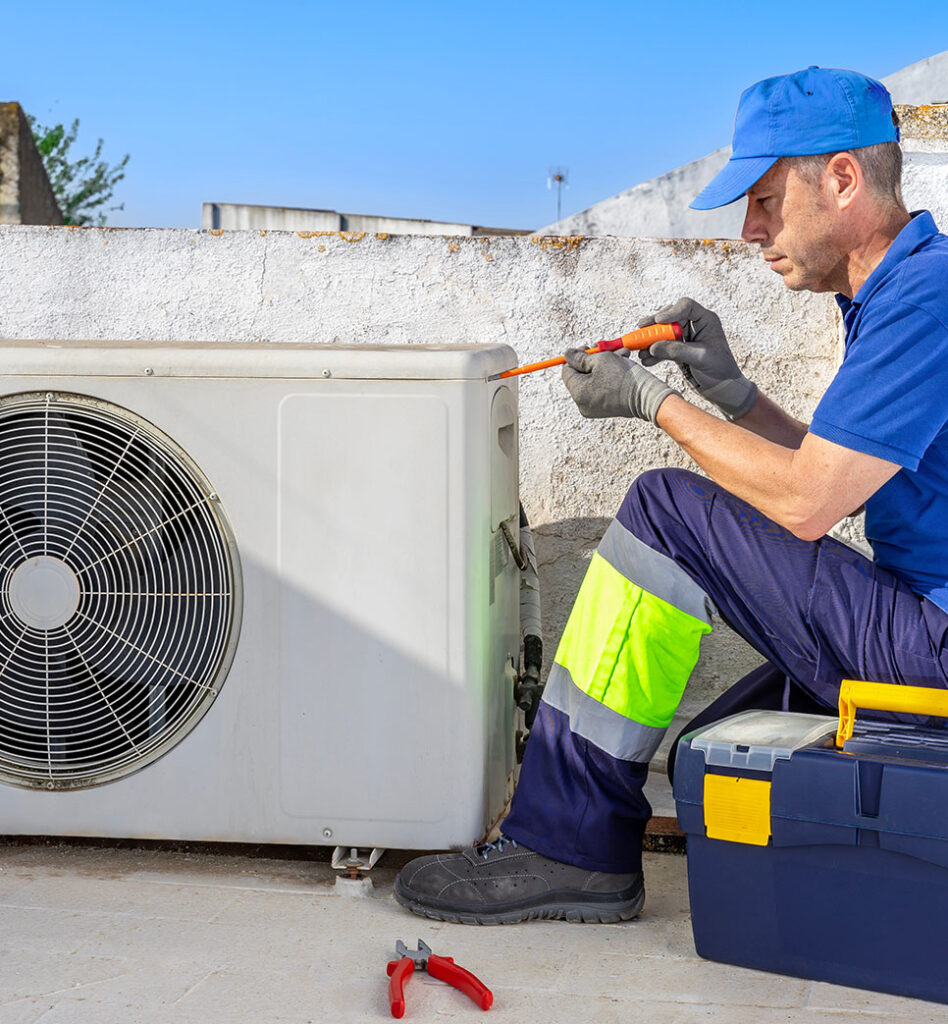
A packaged rooftop HVAC system is a significant asset. Like a commercial vehicle, it requires regular maintenance to perform reliably. Neglect is the leading cause of premature failure.
Routine maintenance tasks should include:
- Filter Changes: Clogged filters restrict airflow, forcing the blower to work harder and reducing efficiency. In commercial settings, filters should be checked quarterly or monthly depending on the environment.
- Coil Cleaning: Dirty condenser coils cannot release heat effectively. This causes the compressor to run hotter and consume more electricity. Regular power washing of the coils is essential.
- Belt Inspections: Many commercial blowers are belt-driven. Loose or worn belts can slip, reducing airflow, or snap, causing a total loss of airflow.
- Economizer Calibration: If the economizer damper gets stuck open, you might be cooling 100% hot outdoor air in the middle of summer. If it gets stuck closed, you lose out on free cooling savings. Regular testing ensures the sensors and actuators are working correctly.
- Refrigerant Charge Checks: Even a small leak can drastically reduce cooling capacity and damage the compressor.
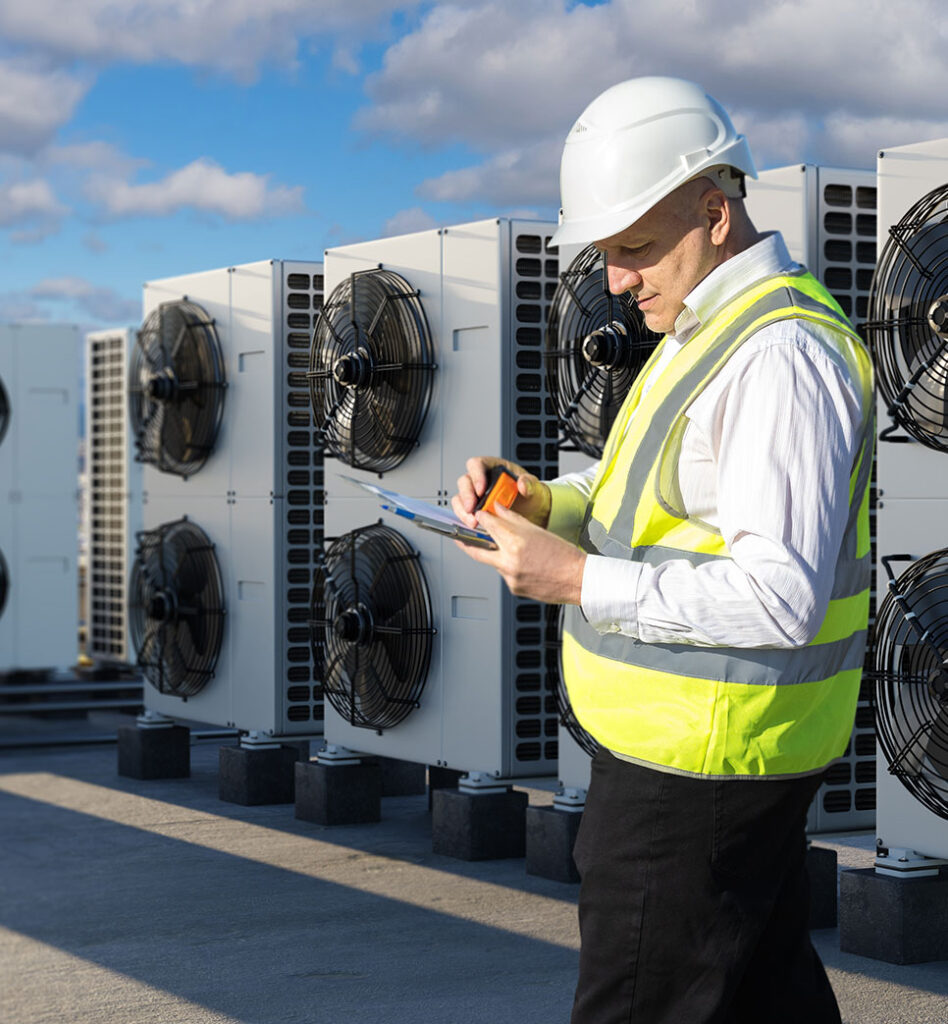
Partnering with a professional provider for commercial HVAC maintenance services ensures these tasks are performed on a schedule, protecting your warranty and your budget.
When to Replace vs. Repair
Deciding whether to repair an aging packaged unit or invest in a new one is a common dilemma for property managers. While every situation is unique, the “50% Rule” is a helpful guideline: If the cost of the repair approaches 50% of the value of a new system, replacement is usually the wiser financial choice.
Other factors to consider include:
- Age of the Unit: Most commercial packaged units last 15–20 years. If your unit is approaching this age and requires a major repair (like a compressor replacement), it is often better to put that money toward a new, more efficient system.
- Frequency of Breakdowns: If you are calling for repairs multiple times a year, the downtime and repair costs are eating into your profits.
- Energy Efficiency: A 20-year-old unit likely has a much lower efficiency rating than modern standards. Replacing it with a high-efficiency model could reduce your monthly energy bills by 20% or more, helping the new unit pay for itself over time.
- Refrigerant Type: Older units may use R-22 refrigerant, which has been phased out and is incredibly expensive to procure. upgrading to a system that uses modern, eco-friendly refrigerant like R-410A or newer alternatives is a future-proof strategy.
Installation Considerations
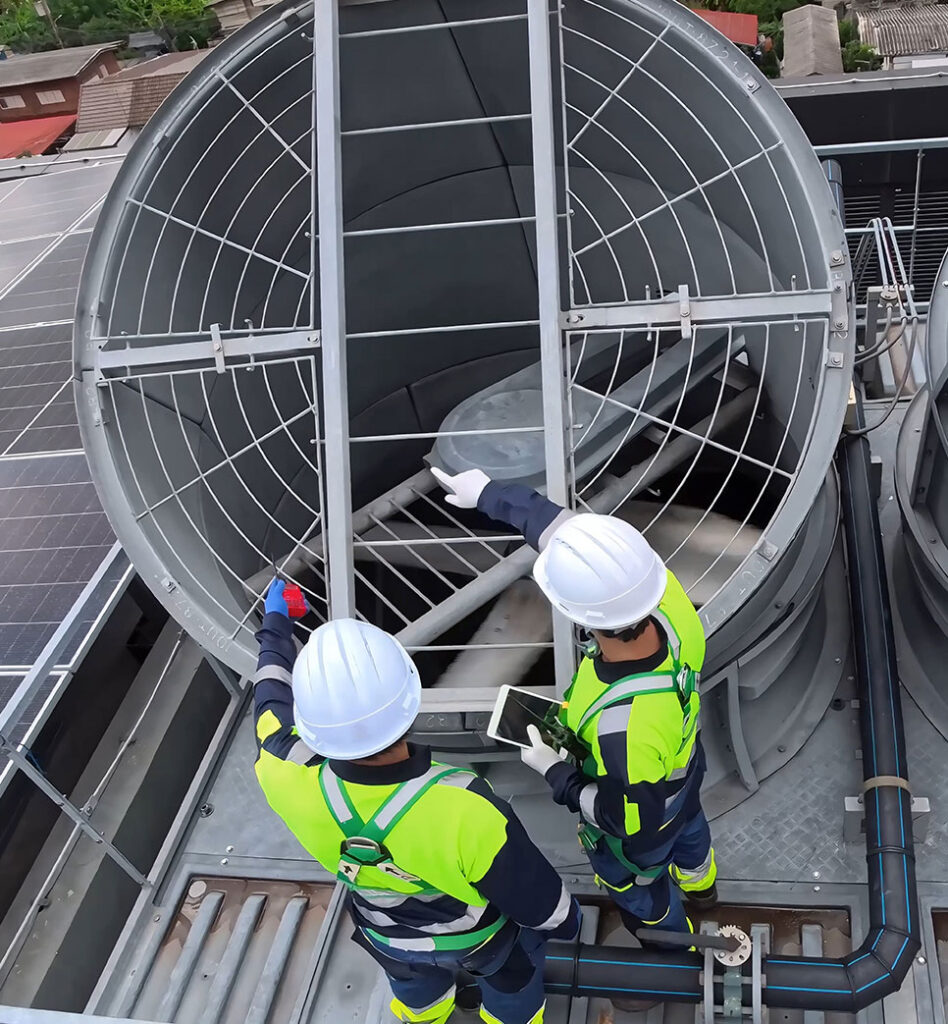
The installation of a packaged rooftop unit is a major logistical event. It requires coordination, safety planning, and technical expertise.
Structural Integrity
Before placing a new unit, the roof’s structural integrity must be verified. While most commercial roofs are designed to support RTUs, adding a heavier, higher-efficiency unit may require structural reinforcement.
The Roof Curb
The unit sits on a roof curb—a raised metal frame that provides a watertight seal between the unit and the roof membrane. The curb also houses the supply and return duct connections. When replacing a unit, you must ensure the new unit’s footprint matches the existing curb, or a custom curb adapter will need to be fabricated.
Utility Connections
Electrical and gas lines must be properly sized and routed. Upgrading to a larger unit might require upgrading the electrical disconnect or gas piping to handle the increased load.
Code Compliance
Commercial HVAC installations are subject to stringent local building codes and energy standards (such as Title 24 in California). A professional contractor ensures that everything from economizer settings to thermostat placement meets legal requirements.
Conclusion
Packaged rooftop HVAC systems are the unsung heroes of the commercial world. They provide the invisible service of comfort that keeps businesses operating smoothly. By understanding their design—rugged, self-contained, and efficient—you can better appreciate the value they bring to your property.
Whether you are in the planning stages of a new construction project or managing an aging fleet of RTUs, knowledge is power. Recognizing the importance of efficiency ratings, proper sizing, and preventive maintenance empowers you to maximize the lifespan of your equipment and minimize your operating costs.
If you are unsure about the condition of your current systems or are considering an upgrade, professional guidance is indispensable. A thorough assessment can reveal hidden energy waste and identify opportunities for improvement. For expert advice, installation, and support, reach out to the team at Cool Aid. We specialize in keeping your business comfortable and your systems efficient. Visit our commercial HVAC services page to learn more about how we can support your building’s needs.
Stay Comfortable Year-Round With Expert HVAC Service
Book a trusted technician to handle your heating or cooling issue—fast, professional, and done right the first time.
Book Service Now