I Want

    Residential HVACCommercial HVACRefrigerationEmergency HVAC


    Fast | No obligation

    The Role of Inspections in Rooftop HVAC Longevity

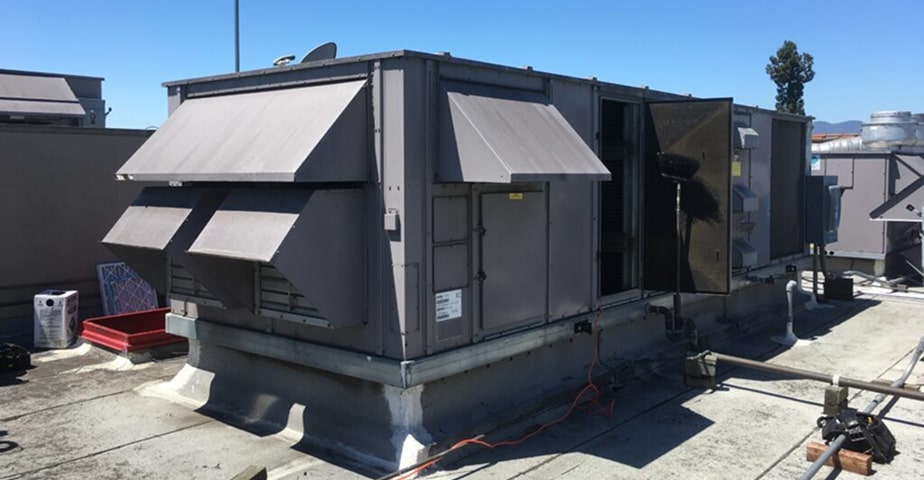
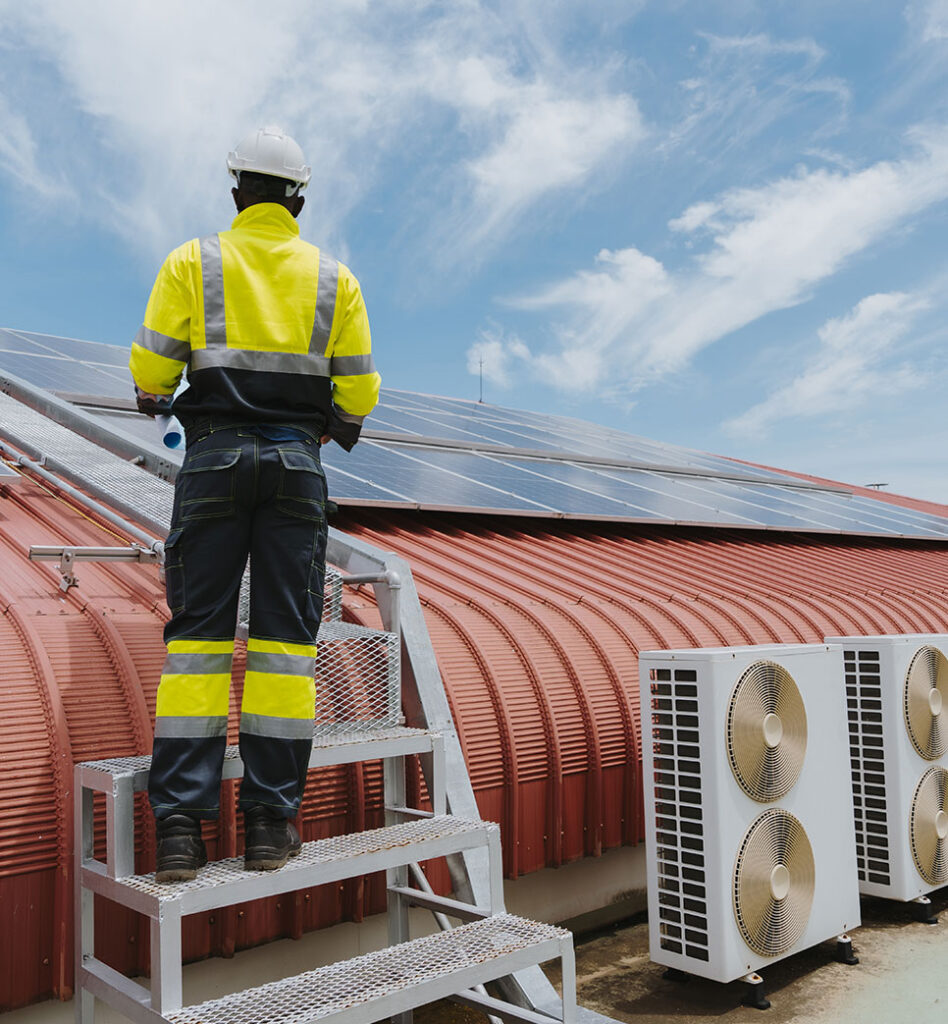
    Your commercial rooftop HVAC unit is a significant capital investment and a cornerstone of your business operations. It ensures a comfortable environment for your staff, protects sensitive equipment, and keeps customers happy. However, this powerful system is constantly exposed to the elements—beating sun, heavy rain, wind, and debris. Without regular attention, its performance will degrade, its efficiency will plummet, and its lifespan will be cut short.

    The single most effective tool you have to protect this asset is not a complex repair strategy but something much simpler: professional inspections. Regular rooftop HVAC inspections are the foundation of any effective maintenance program. They are your first line of defense against unexpected breakdowns, costly repairs, and premature system failure. This guide will explore the critical role inspections play in achieving maximum HVAC system longevity, what a comprehensive inspection entails, and how this proactive approach safeguards your business’s bottom line.

    Beyond a Quick Look: What is a True HVAC Inspection?

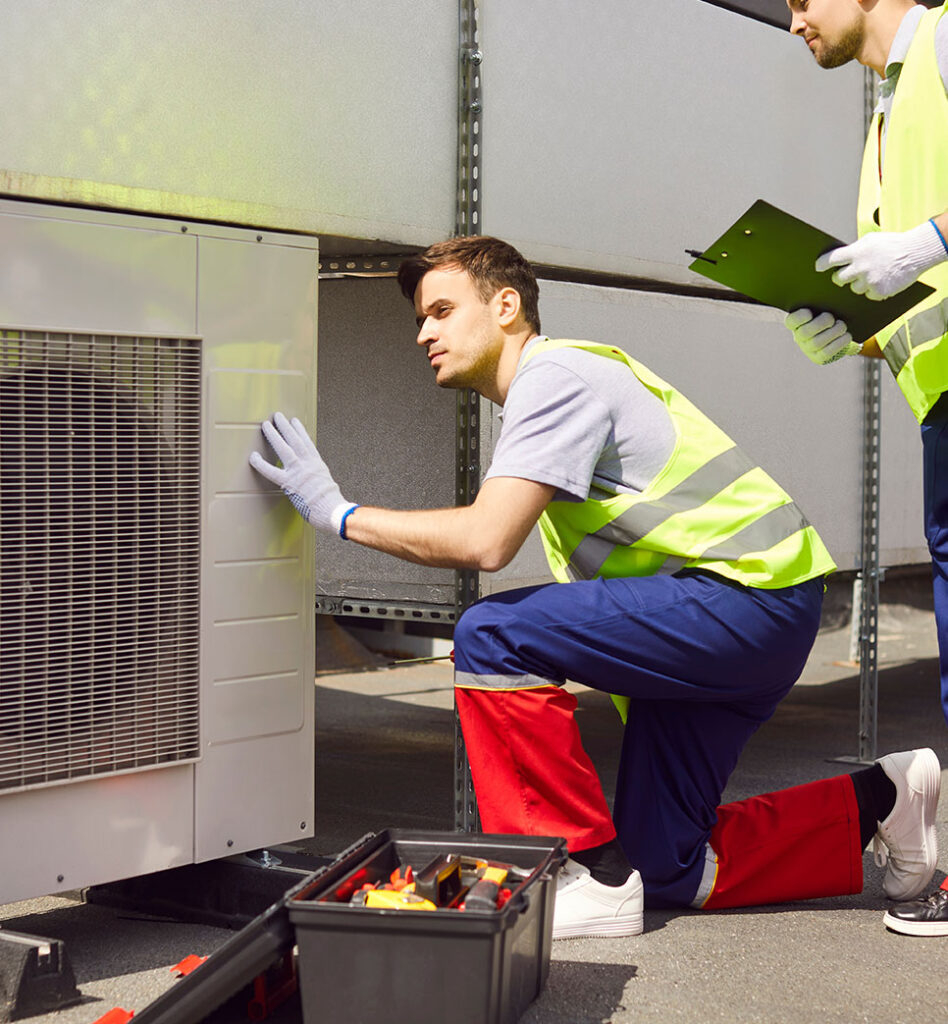
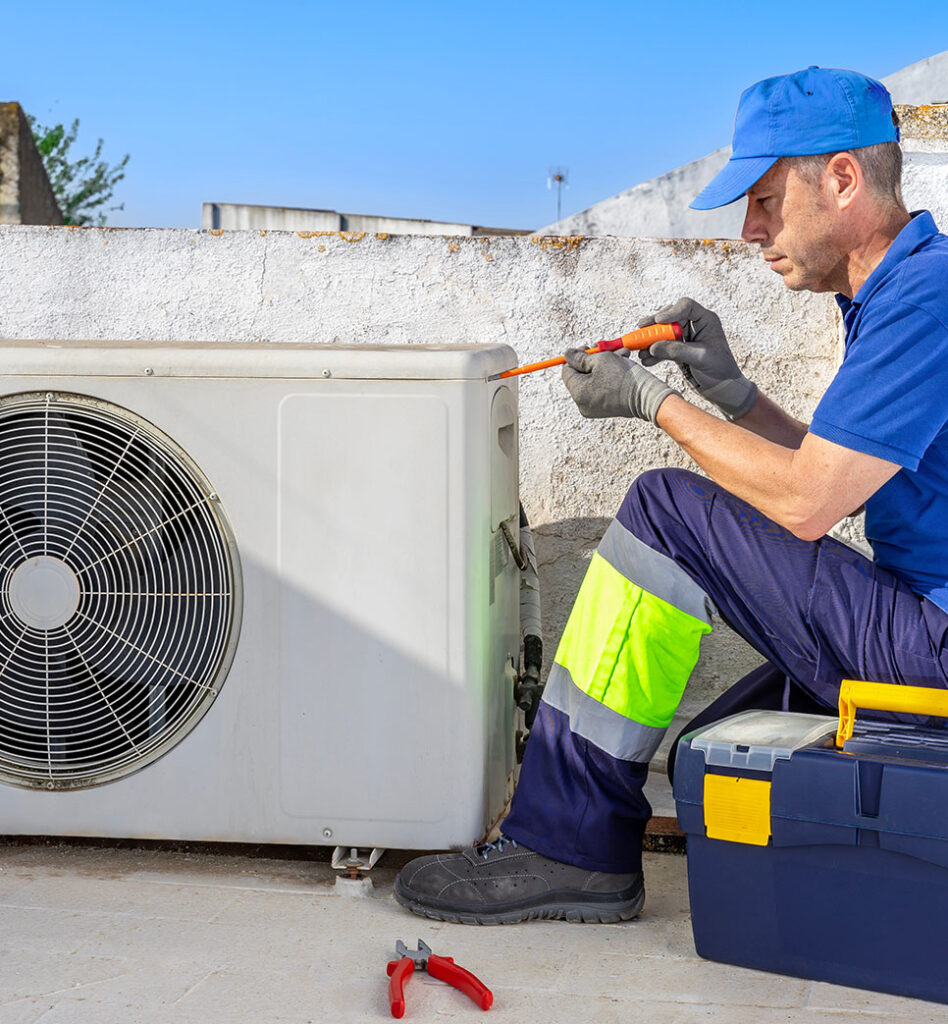
    It’s important to understand that a professional HVAC inspection is far more than a casual glance at your rooftop unit. It is a systematic, detailed assessment of the system’s key components and overall health, performed by a trained and certified technician. Think of it as a comprehensive physical for your most valuable mechanical asset.

    A proper inspection is investigative. The technician isn’t just looking for what’s already broken; they are actively searching for signs of wear, potential weaknesses, and developing issues that could lead to future failures. This preventative HVAC maintenance approach is designed to catch small problems while they are still small, easy, and inexpensive to fix. This stands in stark contrast to a reactive repair call, which only happens after a component has failed and your business is already suffering the consequences.

    The Anatomy of a Comprehensive Rooftop HVAC Inspection

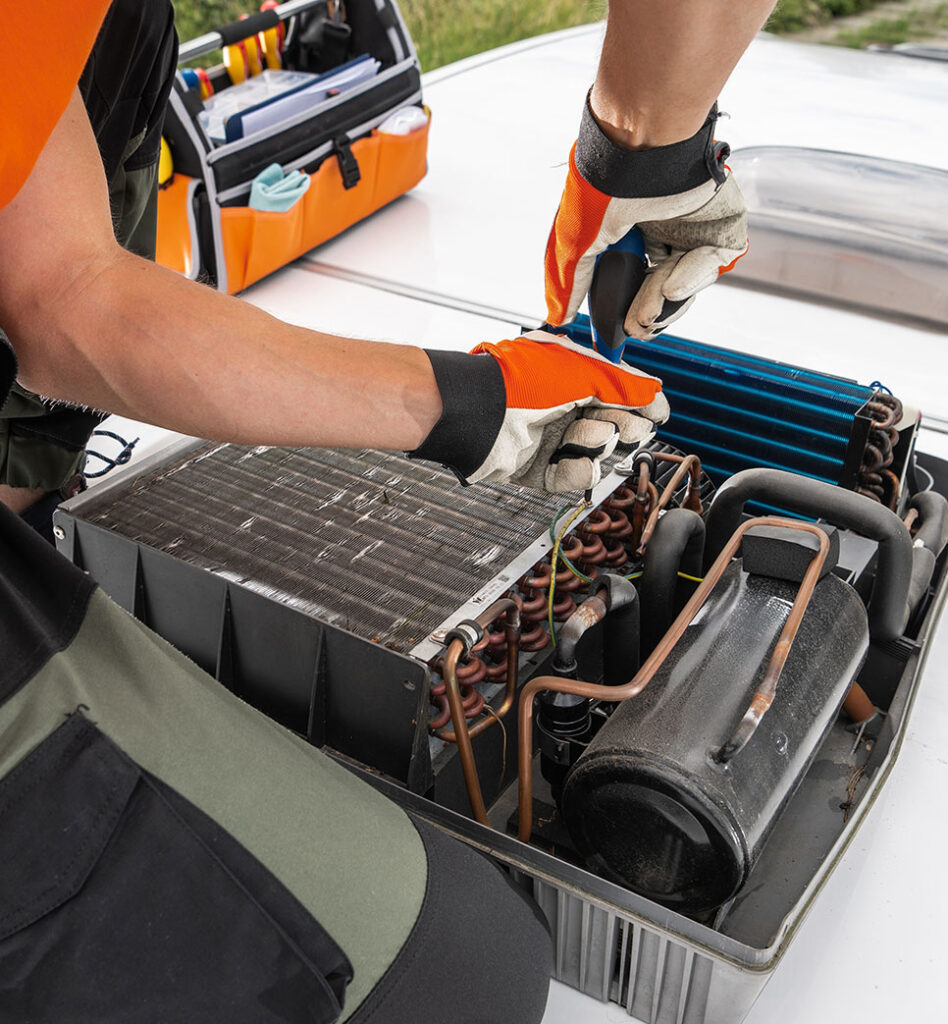
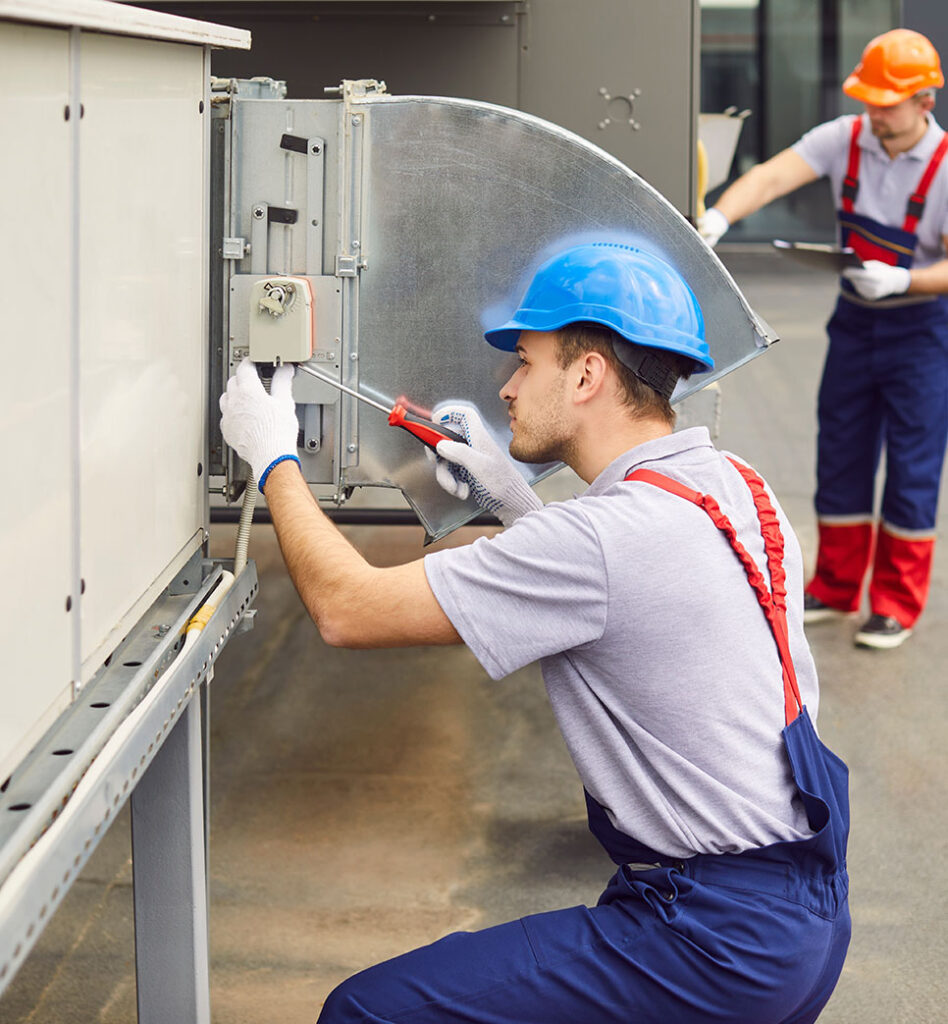
    To appreciate the value of an inspection, you need to know what’s involved. A qualified technician follows a meticulous checklist to ensure no part of the system is overlooked. While the specifics can vary based on the unit’s model and age, a thorough inspection will always cover several critical areas.

    1. The Electrical System Check

    The electrical system is the nerve center of your HVAC unit. Faulty electrical components are a leading cause of system failure and pose a significant fire risk. An inspection includes:

    • Tightening Connections: Over time, vibrations can cause electrical connections to loosen. A loose connection can arc, leading to component failure or a fire. A technician will check and tighten all terminals.
    • Voltage and Amperage Readings: The technician will measure the voltage and amperage draw of the compressor, fan motors, and other major components. Abnormal readings are a clear sign of a struggling part that is likely heading for failure.
    • Capacitor and Contactor Testing: Capacitors help start the motors, while contactors control the flow of electricity. These parts wear out over time. A technician can test their performance and recommend replacement before a weak capacitor damages a far more expensive motor.
    • Wiring Inspection: The technician will look for frayed, cracked, or burnt wires that could cause a short circuit.

    Catching a failing capacitor (a $200 fix) during an inspection prevents it from destroying a compressor (a $5,000+ emergency commercial HVAC repair).

    2. The Mechanical Components Review

    The mechanical parts of your HVAC unit are in constant motion, making them susceptible to wear and tear. A mechanical inspection focuses on:

    • Motors and Bearings: The technician will listen for unusual noises from motors, which can indicate bearing failure. They will also lubricate bearings and other moving parts to reduce friction and extend their life.
    • Belts and Pulleys: Fan belts can crack, fray, and lose tension over time. A worn belt can snap, causing an immediate shutdown. An inspection assesses belt condition and tension, allowing for proactive replacement.
    • Fan Blades and Blower Assembly: The technician checks for damage to fan blades and ensures the blower wheel is clean and balanced. An imbalanced blower can cause damaging vibrations and reduce airflow.

    3. The Refrigerant System Analysis

    Refrigerant is the lifeblood of your air conditioning system. The correct refrigerant level is critical for both cooling performance and system health.

    • Refrigerant Charge Measurement: The technician will attach gauges to measure the system’s refrigerant pressure. Both low and high refrigerant levels indicate a problem.
    • Leak Detection: A low refrigerant charge means there is a leak somewhere in the system. An inspection can include using electronic leak detectors or other methods to find and pinpoint the source of the leak. A small, slow leak not only kills efficiency but also forces the compressor to work harder, leading to premature failure. Repairing it early is crucial.

    4. The Coil and Airflow Path Inspection

    Proper airflow is essential for efficient heat exchange. Any obstruction forces the system to strain, wasting energy and accelerating wear.

    • Condenser and Evaporator Coils: The technician will inspect the coils for dirt, grime, and debris. These coils are where heat is transferred into or out of your building. A layer of dirt acts as an insulator, drastically reducing efficiency. This inspection determines if a professional coil cleaning is needed as part of a commercial HVAC maintenance plan.
    • Air Filters: The inspection includes checking the air filters. Clogged filters are a top cause of restricted airflow, poor air quality, and system strain. The technician will note the condition and ensure they are being replaced on a proper schedule.
    • Ductwork Assessment: A visual inspection of accessible ductwork will be performed to check for leaks, disconnected joints, or damage. Leaky ducts can account for up to 30% of energy loss.

    5. The Condensate and Drainage System Check

    During the cooling season, your HVAC unit removes a significant amount of moisture from the air. This water, or condensate, must be safely drained away.

    • Drain Pan and Lines: The technician will inspect the drain pan for rust or cracks and ensure the drain lines are clear of algae, sludge, and other blockages. A clogged drain line can cause water to back up and overflow, leading to catastrophic water damage to your roof and the interior of your building. This is a simple check that prevents a very expensive disaster.

    How Inspections Directly Contribute to HVAC System Longevity

    A commercial rooftop unit is designed to last 15 to 20 years. However, this lifespan is not guaranteed. It is entirely dependent on the unit receiving consistent, high-quality care. Regular inspections are the single most important factor in reaching and even exceeding that expected lifespan.

    1. Preventing Catastrophic Component Failure

    The core principle of HVAC system longevity is avoiding the domino effect. In an HVAC system, components are interdependent. The failure of one small part can place immense strain on other, more expensive parts.

    For example, a dirty air filter restricts airflow. This makes the blower motor work harder. The reduced airflow across the evaporator coil can cause it to freeze over. The frozen coil can send liquid refrigerant back to the compressor, a condition known as “slugging,” which can instantly destroy the compressor.

    A simple inspection would have identified the dirty filter, preventing this entire chain reaction. By catching and correcting minor issues, inspections protect major components like the compressor and fan motors from the cumulative stress that leads to their premature demise.

    2. Ensuring Optimal Operating Conditions

    An HVAC system that is constantly operating outside of its designed parameters will not last. Inspections are about ensuring the system runs under ideal conditions. By calibrating thermostats, correcting refrigerant levels, and ensuring proper airflow, technicians keep the system from working harder than it needs to.

    This reduction in daily operational stress has a massive long-term impact. A system that runs efficiently experiences less wear and tear, leading to a significantly longer operational life. You wouldn’t expect a car to last 200,000 miles if you never changed the oil; the same logic applies to your HVAC unit.

    3. Averting Environmental Damage

    Your rooftop unit’s worst enemy is its environment. Inspections are crucial for mitigating damage from the elements.

    • Corrosion Control: In coastal areas like the San Francisco Bay Area, salt-laden air is extremely corrosive. Inspections can identify early signs of rust on coils, electrical terminals, and the unit’s cabinet, allowing for cleaning and the application of protective coatings.
    • Debris Removal: A technician will clear away leaves, twigs, and trash that can accumulate around and inside the unit, ensuring proper airflow and preventing clogs.
    • Pest Infestations: Rodents and insects can nest inside units, chewing through wires and causing short circuits. An inspection can spot and address these infestations.

    By protecting the unit from its harsh environment, inspections preserve the physical integrity of the system, adding years to its life.

    4. Providing a Roadmap for Future Needs

    An older HVAC system will eventually need to be replaced. However, a sudden, forced commercial HVAC replacement after a catastrophic failure is a business nightmare. It often happens during peak season, leading to extended downtime and inflated emergency installation costs.

    Regular inspections of an aging unit provide you with a clear, data-driven timeline. A technician can tell you, “The compressor’s amperage is high, and the condenser coil has significant corrosion. You likely have 1-2 years of life left in this unit.” This information is invaluable. It allows you to proactively budget and plan for a replacement on your own terms, scheduling it during the off-season to minimize disruption and cost. This strategic approach to asset management is only possible with the insights gained from regular inspections.

    The Financial Case: Inspections as an Investment

    The cost of a professional inspection service is minimal, especially when weighed against the costs it helps you avoid. The ROI on preventative HVAC maintenance is one of the highest of any operational expenditure.

    • Lower Repair Costs: Addressing a worn fan belt is far cheaper than replacing a motor that failed because the belt snapped.
    • Reduced Energy Bills: A clean, well-calibrated system runs efficiently, lowering your monthly utility costs. These savings alone can often pay for the maintenance plan.
    • Avoiding Downtime: What is the cost of closing your business in Palo Alto or sending office workers home in Fremont for a day during a heatwave? Inspections are a form of business insurance, protecting you from lost revenue.
    • Delayed Capital Expenditure: Pushing a $30,000 HVAC replacement from year 12 to year 18 is a massive financial win, freeing up capital for other business investments.

    Conclusion: Make Inspections the Core of Your HVAC Strategy

    Your rooftop HVAC system doesn’t have to be a source of unpredictable expenses and operational emergencies. With a proactive strategy centered on regular, professional inspections, you can take control of your system’s health and your facility’s budget.

    These inspections are not a cost; they are an investment in longevity, efficiency, and reliability. They are the key to transforming your HVAC system from a potential liability into a dependable asset that serves your business for its full intended lifespan. Don’t wait for the silence of a failed system to tell you something is wrong. Schedule a comprehensive inspection with a trusted commercial HVAC provider today and secure the long-term health of your most critical infrastructure.


    Stay Comfortable Year-Round With Expert HVAC Service

    Book a trusted technician to handle your heating or cooling issue—fast, professional, and done right the first time.

    Book Service Now
    Blog post Image
    Blog post Image
    Blog post Image

    Frequently Asked Questions

    How do I know when condensing unit replacement is better than repair?

    Consider replacement when repair costs exceed 50% of replacement cost, when units are over 12-15 years old, or when efficiency losses significantly increase energy bills. We provide cost-benefit analysis to help you make the right decision for your specific situation.

    What energy savings can I expect from a new high-efficiency condensing unit?

    Modern units typically achieve 20-40% energy savings compared to units installed before 2010. For a business spending $500 monthly on refrigeration energy, this represents $100-200 monthly savings that often pays for replacement within 3-5 years.

    How long does condensing unit replacement take?

    Most replacements take 1-3 days depending on unit size and installation complexity. We coordinate work around your business schedule to minimize disruption and can often provide temporary cooling during installation when necessary.

      Schedule Your Service

      Stay Comfortable Year-Round With Expert HVAC Service

      Book a trusted technician to handle your heating or cooling issue—fast, professional, and done right the first time.

      Schedule a FREE Discovery Call
      Close

      Schedule Your Service