I Want

    Residential HVACCommercial HVACRefrigerationEmergency HVAC


    Fast | No obligation

    The Impact of Rooftop Placement on Cooling Performance

    When planning the construction of a new commercial building or retrofitting an existing one, thousands of decisions need to be made. Architects worry about aesthetics, engineers calculate loads, and business owners crunch the budget. In this whirlwind of planning, one crucial detail often gets relegated to an afterthought: Where exactly should the HVAC unit sit on the roof?

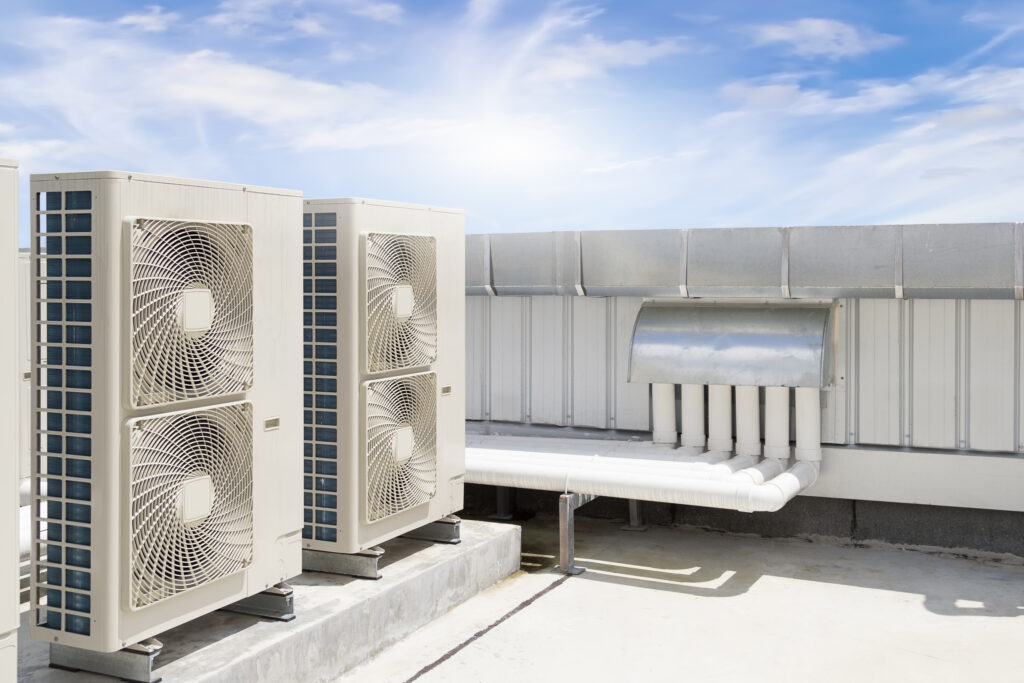
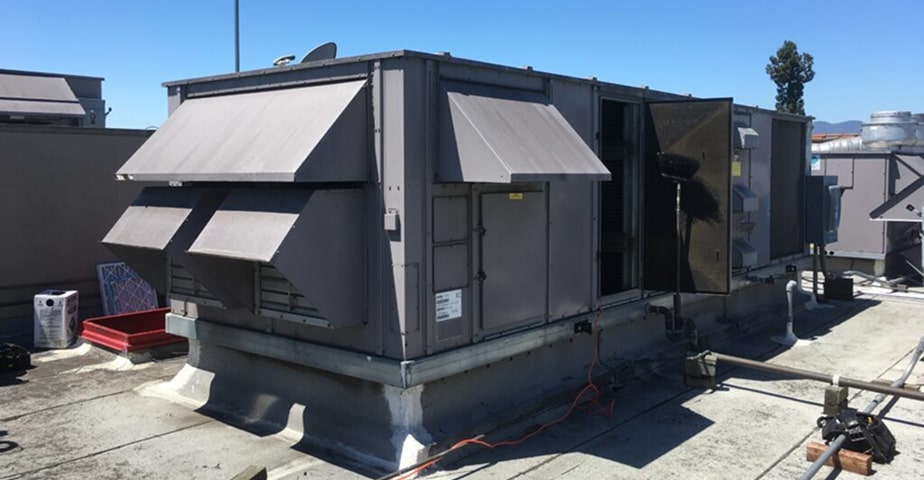
    To the untrained eye, a roof is just a flat, empty space. It seems logical to stick the heating, ventilation, and air conditioning (HVAC) unit wherever it fits best or where the crane can easily reach. However, the specific location of your rooftop unit (RTU) plays a massive, often invisible role in how well it cools your building, how much energy it consumes, and how long it lasts.

    The impact of rooftop placement on cooling performance is a science of microclimates, aerodynamics, and thermodynamics. Placing a unit in the wrong spot can lead to chronic overheating, skyrocketing utility bills, and premature equipment failure. Conversely, strategic placement can enhance efficiency and ensure years of trouble-free operation.

    This comprehensive guide delves into the hidden factors of rooftop placement, exploring how sun, wind, clearance, and structural considerations define the success of your commercial climate control.

    The Microclimate of Your Roof

    We tend to think of the “outdoor temperature” as a single, uniform number. If the weather app says it’s 90°F in San Jose, we assume it is 90°F everywhere. But on a commercial rooftop, this is far from the truth.

    A roof is a landscape of varying temperatures and conditions. Some areas might be scorching hot, reaching 140°F due to reflected heat, while a shaded corner just twenty feet away sits at a manageable 85°F. These variations create “microclimates.”

    Your HVAC unit’s primary job in the summer is to reject heat. It pulls heat out of your building and releases it into the outside air via the condenser coil. The efficiency of this heat exchange depends entirely on the temperature of the air surrounding the unit.

    The Problem with Heat Islands

    If you place an RTU in a “heat island”—a spot on the roof that traps and magnifies heat—the unit struggles. The condenser tries to dump heat into air that is already superheated. This forces the compressor to work harder, raising the internal pressure and drawing more electricity.

    For every 1°F rise in ambient temperature around the condenser, the unit’s efficiency drops. If poor placement surrounds your unit with 110°F air when the ambient temperature is only 90°F, you are voluntarily paying a “heat tax” on every cooling cycle.

    Factor 1: Sun Exposure and Solar Gain

    The most obvious factor influencing rooftop placement is the sun. In the Northern Hemisphere, the sun tracks across the southern sky. This makes the south and west sides of a building the hottest, while the north and east sides remain cooler.

    The “Cool” Side of the Roof

    Ideally, placing an HVAC unit on the north or east side of a building can provide a natural efficiency boost. By keeping the unit out of direct, intense afternoon sunlight, you lower the ambient temperature around the condenser coils.

    However, it is not just about the sun hitting the metal cabinet of the unit. It is about the sun hitting the roof surface around the unit.

    Dark-colored tar and gravel roofs absorb massive amounts of solar radiation. On a sunny day, they can reach temperatures 50°F to 90°F hotter than the air. This heat radiates upward, creating a bubble of hot air right where your HVAC intake is trying to breathe.

    Mitigation Strategies

    If you cannot place the unit on the north side due to ductwork or structural constraints, you must mitigate the solar gain.

    • Reflective Roofing: Installing a white, reflective “cool roof” membrane around the HVAC unit can significantly lower the local air temperature.
    • Shadowing: While you don’t want to block airflow, utilizing the shadow of a taller adjacent wall (parapet) or an elevator penthouse can protect the unit from peak afternoon sun.

    Understanding these solar dynamics is a core part of our commercial HVAC services, where we help businesses optimize their installations for the local climate.

    Factor 2: Wind Patterns and Air Recirculation

    Wind is a double-edged sword for rooftop units. A gentle breeze helps carry heat away from the condenser, improving efficiency. However, strong prevailing winds or turbulence caused by poor placement can wreck cooling performance.

    The Recirculation Trap

    Rooftop units expel hot air out of the top or side. They also suck in fresh air and condenser air from the sides.

    If you place a unit too close to a high wall or a parapet, the hot exhaust air hits the wall and bounces back. The intake then sucks this hot air right back in. This is called recirculation.

    Instead of cooling with 90°F outdoor air, the unit is trying to cool with its own 120°F exhaust air. The system enters a death spiral: the hotter the air it sucks in, the harder it works; the harder it works, the hotter the exhaust air becomes. This leads to high head pressure trips and compressor burnout.

    Prevailing Winds

    In the Bay Area, we often have distinct wind patterns. If you orient the unit so that the condenser fans are fighting against a strong prevailing wind, the airflow across the coils is reduced. The fans have to work harder to push the air out, reducing their effectiveness.

    Conversely, positioning the unit so that the prevailing wind aids the exhaust can boost performance. It acts like a natural exhaust fan, pulling heat away from the unit.

    Factor 3: Clearance and Serviceability

    One of the most common mistakes in rooftop placement is overcrowding. Real estate on a roof is valuable—you have exhaust fans, skylights, satellite dishes, and maybe solar panels. It is tempting to squeeze the HVAC unit into a tight corner.

    The “Suffocation” Zone

    Manufacturers provide strict specifications for clearance—usually requiring at least 36 to 48 inches of clear space around the unit. This isn’t just a suggestion; it is a requirement for physics.

    The condenser coil needs a massive volume of air to function. If you place a unit two feet from a wall or another unit, you starve it of air. This “starvation” creates a low-pressure zone that reduces the airflow across the heat exchanger. The result is a unit that runs hot, cools poorly, and consumes excessive energy.

    The Human Factor: Maintenance Access

    Placement also impacts the human side of the equation. If a unit is placed on the edge of a roof with no guardrail, or tucked behind a maze of pipes where a technician can barely squeeze in, maintenance will suffer.

    Technicians are human. If accessing a filter door requires acrobatic contortions or unsafe maneuvering, that filter might not get changed as often as it should. If the service panel is blocked by a conduit, crucial electrical checks might be skipped.

    Accessible placement ensures that routine maintenance—the lifeblood of efficiency—is easy to perform. If your current placement makes maintenance difficult, you might be due for a layout assessment from our commercial HVAC repair services team.

    Factor 4: Proximity to Exhaust Vents

    Commercial roofs are often populated by more than just AC units. They host plumbing vents, kitchen exhaust fans, and bathroom exhaust stacks.

    Placing an HVAC intake too close to these “polluted” air sources is a recipe for disaster—both for efficiency and indoor air quality (IAQ).

    The Grease Effect

    In restaurant applications, kitchen exhaust fans spew out grease-laden air. If the HVAC unit is downwind or too close to this exhaust, the grease will be sucked into the condenser coils.

    Grease acts as a powerful insulator and adhesive. It coats the fins of the coil, trapping heat inside. Worse, it acts like glue for dust and pollen. Within months, your coil can become a solid wall of “fur,” completely blocking airflow.

    Cleaning grease-impacted coils is difficult, expensive, and sometimes impossible without damaging the delicate aluminum fins. Proper placement keeps the HVAC unit far away and upwind from any grease or chemical exhaust.

    The Smell Factor

    Beyond efficiency, there is the comfort factor. If your fresh air intake is next to a plumbing vent (sewer gas) or a loading dock (diesel fumes), your building will smell terrible. While this doesn’t directly lower the cooling capacity, it renders the cooling useless because tenants won’t want to be in the building.

    Factor 5: Structural Integrity and Vibration

    Rooftop units are heavy. A 20-ton commercial unit can weigh thousands of pounds. Placing this mass requires careful structural consideration.

    The Mid-Span Mistake

    Roofs are supported by beams and joists. The strongest points are typically directly over the columns or beams. The weakest point is the middle of the span between supports.

    Placing a heavy vibrating machine in the middle of a roof span can cause the roof to sag over time. This sagging can create pools of standing water around the unit, leading to roof leaks and rusting of the unit’s base rails.

    Vibration and Noise Transfer

    Placement also dictates noise. If an RTU is placed directly over a conference room or an executive office, the vibration can be transmitted through the roof deck, creating a low-frequency hum that is impossible to ignore.

    Strategic placement involves coordinating with a structural engineer to locate the unit over load-bearing walls or columns. Using vibration isolation curbs helps, but distance is the best soundproofing. Placing units over corridors, storage rooms, or restrooms is always preferable to placing them over quiet workspaces.

    The Distance to the Ductwork

    We discussed the importance of duct length in a previous article, but it bears repeating here because placement dictates length.

    The farther the unit is from the space it serves, the longer the ductwork must be.

    • Long Duct Runs: Increase static pressure (making fans work harder) and increase thermal loss (cool air warms up as it travels).
    • Short Duct Runs: Maximize airflow and efficiency.

    There is often a tug-of-war between the “ideal” spot on the roof for the unit (shaded, windy) and the “ideal” spot for the ductwork (directly above the zone).

    The Balanced Approach

    The best placement is usually a compromise. You want the unit as close to the target zone as possible to minimize duct length, but not if that location puts it in a heat trap or blocks service access.

    For example, if the target zone is on the south side (hot), but the north side (cool) is 200 feet away, the energy lost in 200 feet of ductwork might outweigh the benefit of the cooler ambient air. In this case, placing it on the south side but using a white roof coating and shading screens might be the superior engineering solution.

    The Impact of Multiple Units

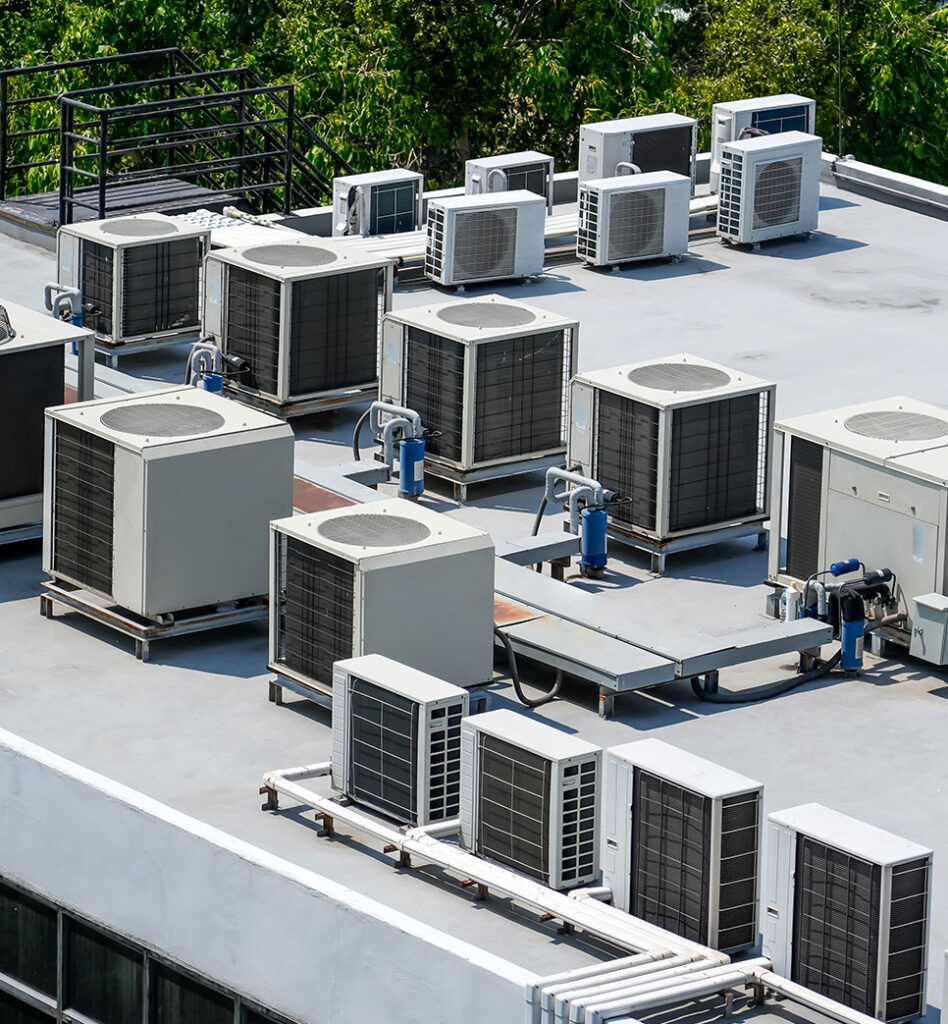
    Large commercial buildings rarely have just one unit. They might have ten, twenty, or fifty.

    The Domino Effect

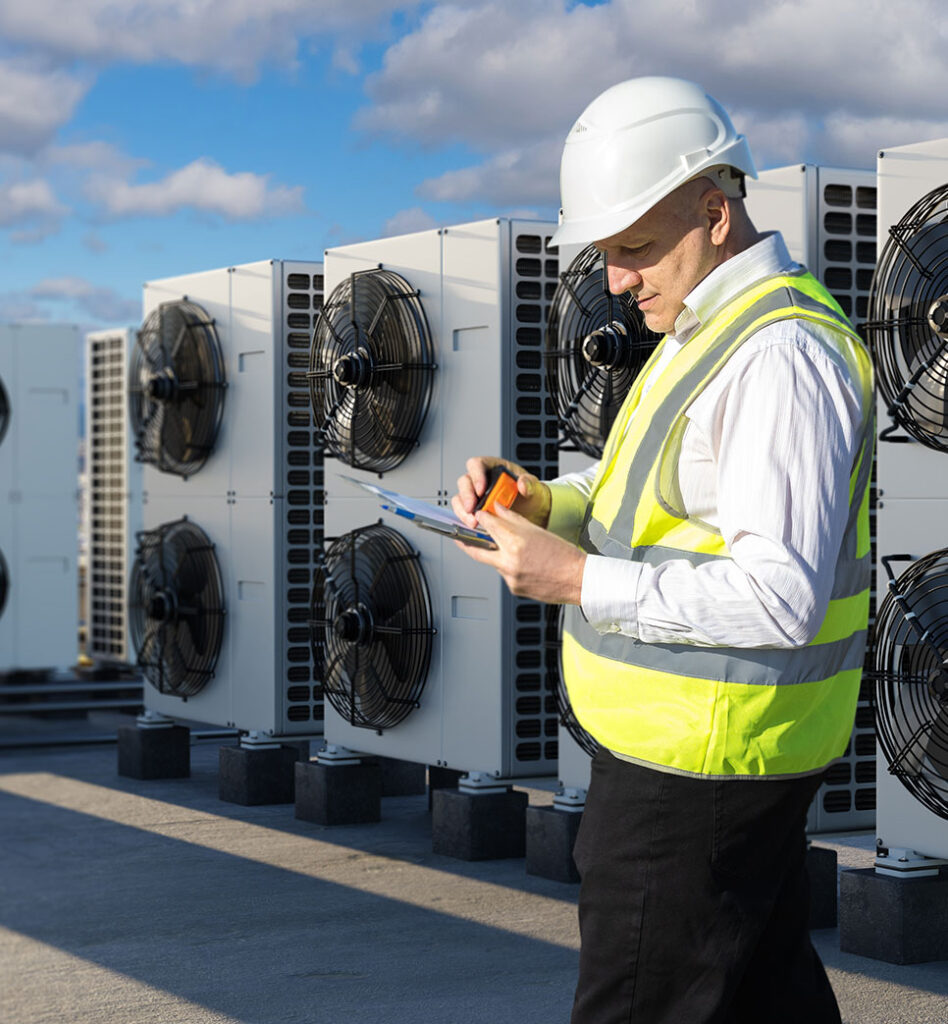
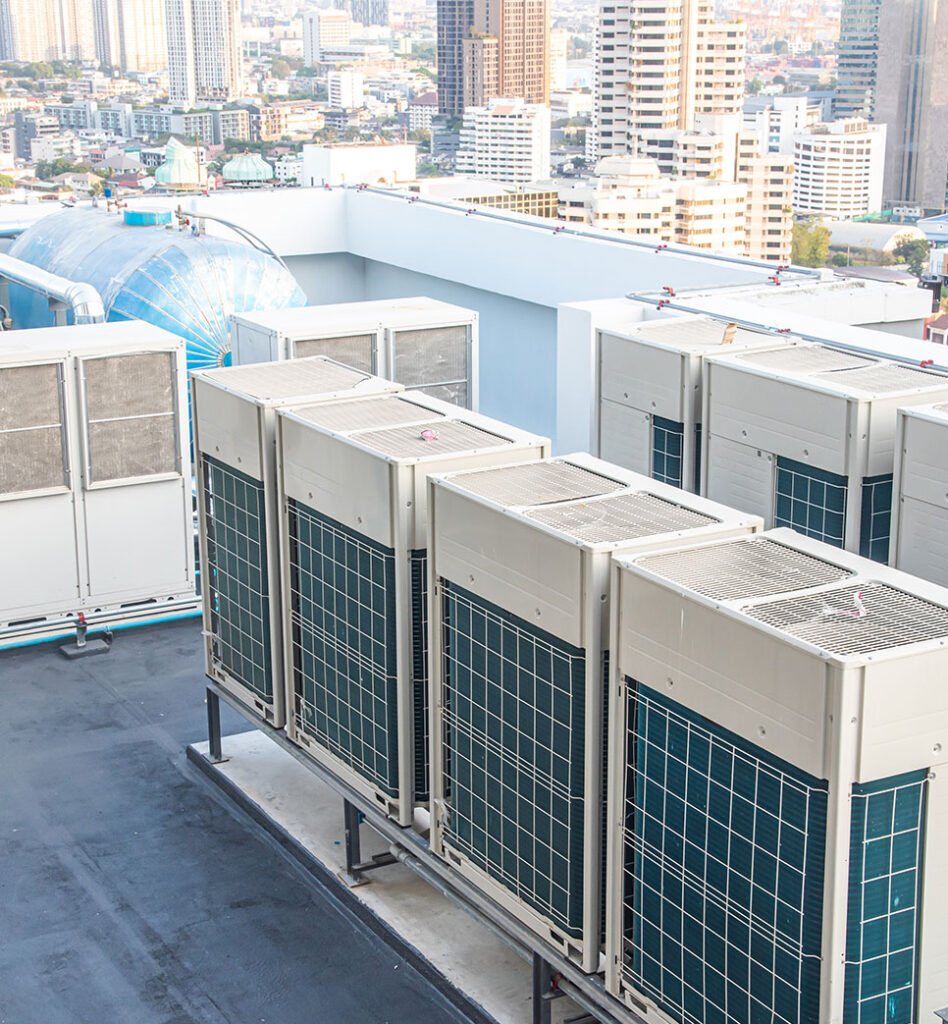
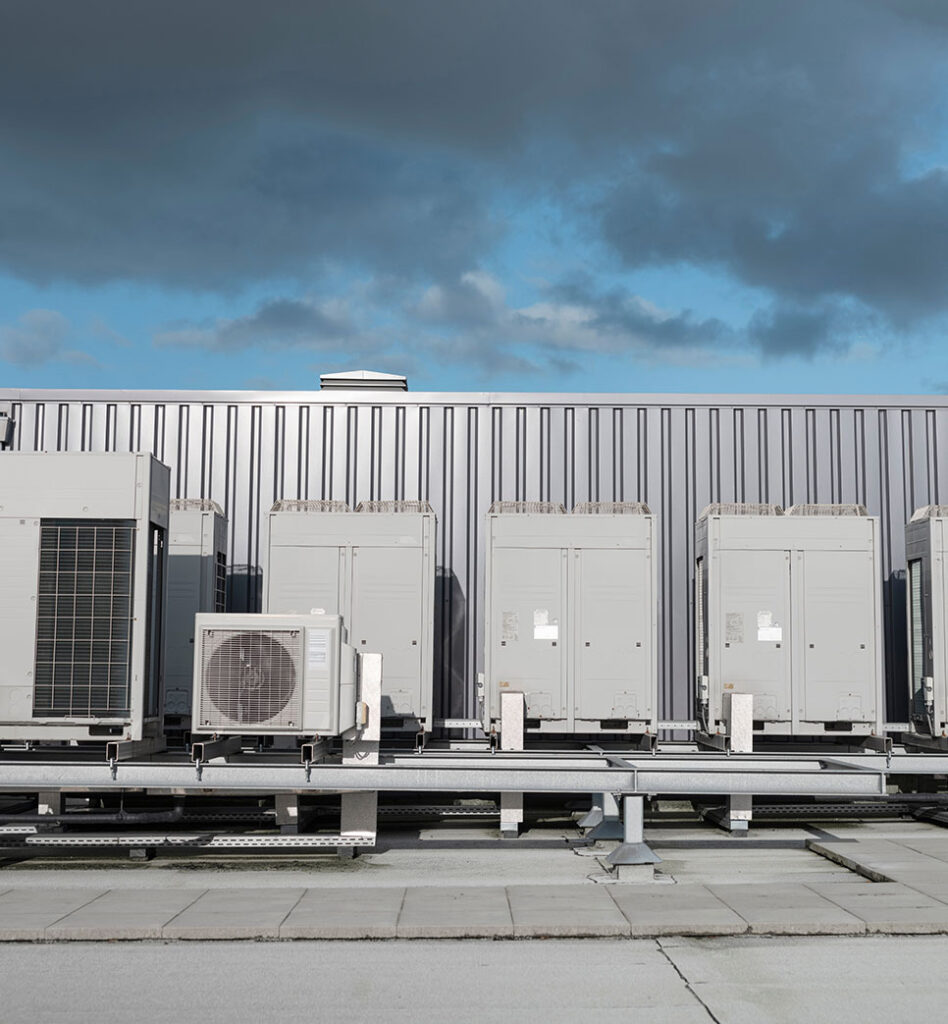
    When placing multiple units, you must consider their interaction. If you line them up in a tight row, the hot exhaust from Unit A can be sucked into the intake of Unit B. Unit B then runs hotter, and its exhaust affects Unit C.

    By the time you get to the end of the line, the last unit is suffocating in a stream of superheated air.

    Staggered spacing is critical. Units should be spaced far enough apart that their thermal plumes can dissipate before reaching the neighbor. If space is tight, utilizing discharge hoods that throw the exhaust air upward (vertical discharge) rather than outward (horizontal discharge) can help prevent this cross-contamination.

    Retrofitting: Correcting Past Mistakes

    Many facility managers inherit buildings where the units are already placed poorly. Perhaps they are crammed together, or sitting right next to a grease fan. Is all hope lost?

    Not necessarily. While moving a unit is expensive (requiring a crane and new curbing), there are retrofit solutions to improve performance without relocation.

    1. Install Wind Baffles

    If prevailing winds are disrupting the fans, installing wind baffles can protect the unit and stabilize airflow pressures.

    2. Add Discharge Ducts

    If recirculation is an issue (exhaust hitting a wall), you can sometimes add sheet metal ducting to the exhaust fan to direct the hot air up and over the obstacle, ensuring it doesn’t get sucked back in.

    3. Cool Roof Coating

    As mentioned, painting the roof surface white around the units is a relatively low-cost way to lower the local microclimate temperature.

    4. Frequent Cleaning

    If a unit is placed poorly (e.g., near trees or exhaust), you cannot change the location, but you can change the maintenance schedule. A unit in a “bad” spot might need coil cleaning four times a year instead of once. Our commercial HVAC maintenance services can be customized to account for these challenging placements.

    Planning for the Future: Solar Integration

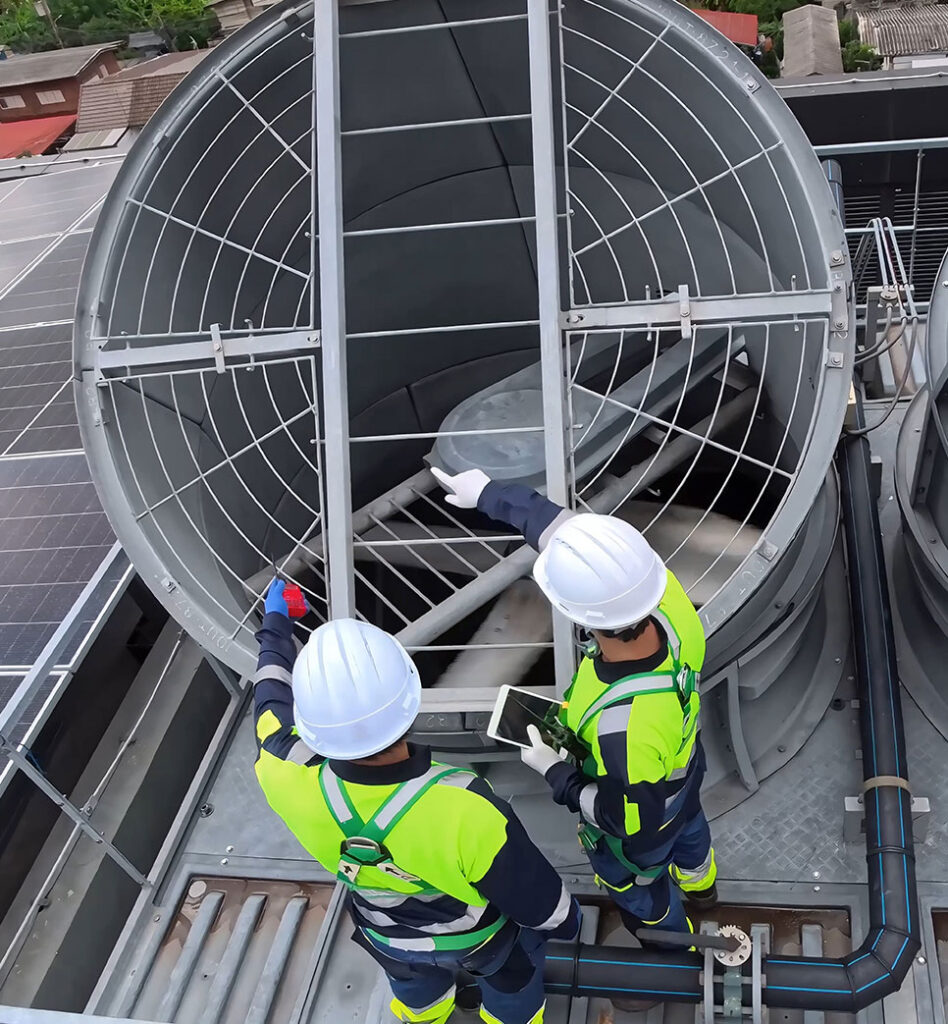
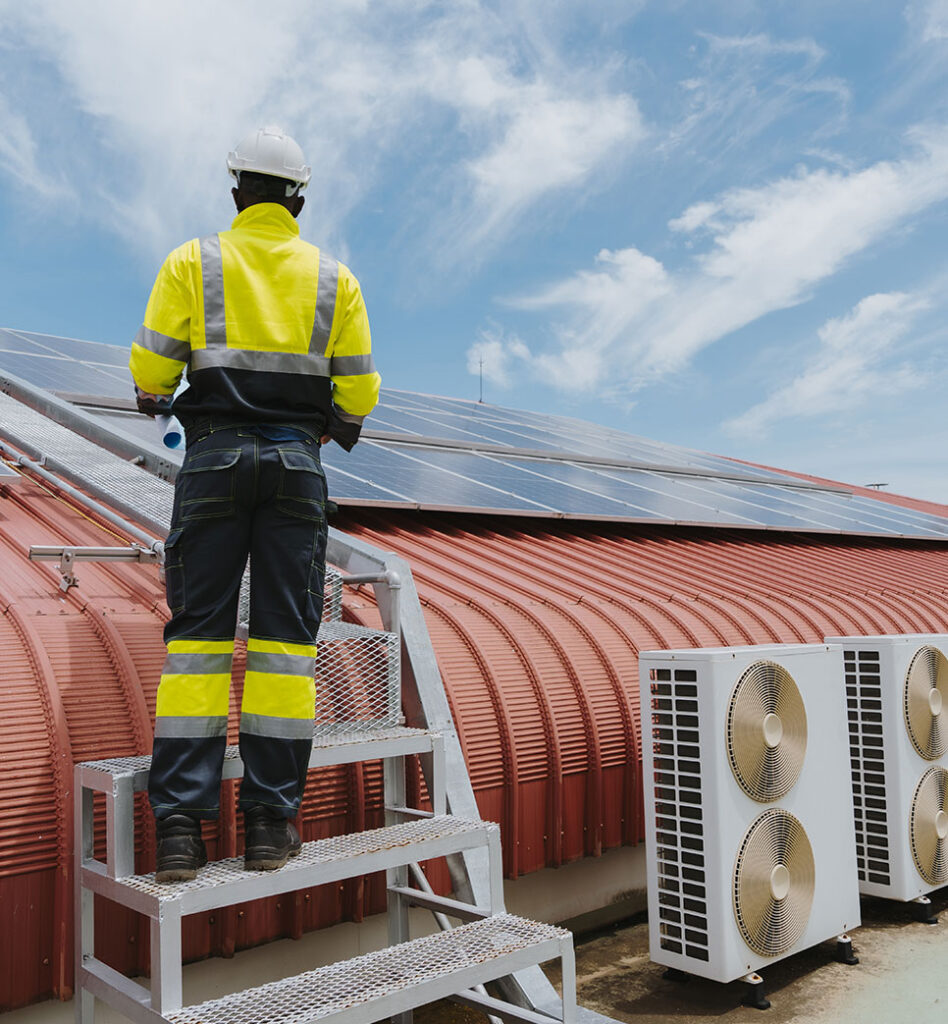
    A modern consideration for rooftop placement is the integration of solar photovoltaic (PV) panels. Solar panels compete for the same roof space as HVAC units.

    The Conflict

    Solar panels need full sun. HVAC units prefer shade. Solar panels need to be unobstructed. HVAC units cast shadows.

    Poor coordination can lead to HVAC units casting shadows on solar arrays, killing their power generation. Conversely, solar arrays placed too close to HVAC units can block airflow or create wind tunnels that disrupt cooling.

    The Synergy

    However, smart design can turn this into a win-win. Solar panels are often mounted on racks raised above the roof surface. If designed correctly, the solar array can actually provide shade for the roof surface, lowering the heat load on the building. In some innovative designs, solar panels are placed to shade the HVAC units themselves (while maintaining clearance), actively boosting the unit’s efficiency.

    Regulatory and Code Compliance

    Placement is not just about physics; it is also about the law.

    • Setbacks: Building codes often require HVAC units to be set back a certain distance from the roof edge for safety and visibility reasons.
    • Visual Screening: Many municipalities require rooftop equipment to be screened from view from the street. This often leads to the installation of decorative screens or parapet walls.
      • Warning: While screens hide the unit, they can also suffocate it. If a screen is solid (not louvered) and placed too close, it creates the dreaded recirculation trap. Screening must be designed to allow massive airflow.

    Conclusion: Positioned for Success

    The impact of rooftop placement on cooling performance is profound. It affects the thermodynamics of the refrigeration cycle, the aerodynamics of the fans, the longevity of the motors, and the safety of the technicians.

    A unit placed thoughtfully—considering sun, wind, clearance, and structure—will run cooler, last longer, and use less electricity. A unit dropped randomly onto the roof is a gamble that usually results in higher operational costs.

    Whether you are designing a new headquarters or looking to optimize the performance of an aging facility, do not overlook the importance of location. It is the foundation upon which your comfort system is built.

    If you suspect your current rooftop setup is inefficient, or if you are planning a replacement and want to ensure it is done right, consult with experts who understand the science of the roof.

    At 1-800-CoolAid, we look at the whole picture. We don’t just swap boxes; we analyze the environment to ensure your equipment has the best possible chance to perform. Contact us today to discuss your commercial needs, or visit our commercial HVAC services page to learn more about our holistic approach to building comfort.


    Stay Comfortable Year-Round With Expert HVAC Service

    Book a trusted technician to handle your heating or cooling issue—fast, professional, and done right the first time.

    Book Service Now
    Blog post Image
    Blog post Image
    Blog post Image

    Frequently Asked Questions

    How do I know when condensing unit replacement is better than repair?

    Consider replacement when repair costs exceed 50% of replacement cost, when units are over 12-15 years old, or when efficiency losses significantly increase energy bills. We provide cost-benefit analysis to help you make the right decision for your specific situation.

    What energy savings can I expect from a new high-efficiency condensing unit?

    Modern units typically achieve 20-40% energy savings compared to units installed before 2010. For a business spending $500 monthly on refrigeration energy, this represents $100-200 monthly savings that often pays for replacement within 3-5 years.

    How long does condensing unit replacement take?

    Most replacements take 1-3 days depending on unit size and installation complexity. We coordinate work around your business schedule to minimize disruption and can often provide temporary cooling during installation when necessary.

      Schedule Your Service

      Stay Comfortable Year-Round With Expert HVAC Service

      Book a trusted technician to handle your heating or cooling issue—fast, professional, and done right the first time.

      Schedule a FREE Discovery Call
      Close

      Schedule Your Service